Private 4 Hour Morning Inshore Fishing Trip
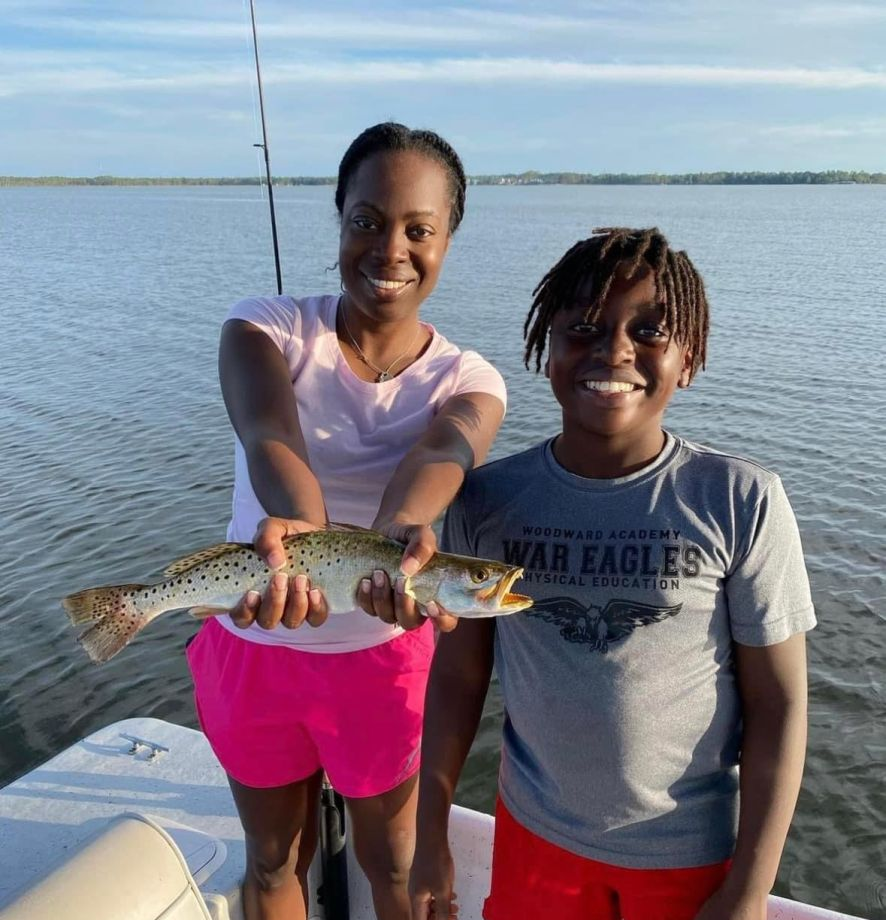
Looking for the perfect morning on the water? Our private 4-hour inshore fishing trip in Choctawhatchee Bay delivers exactly what you're after. This isn't some crowded party boat situation – it's just you, up to three friends or family members, and our experienced captain who knows every grass flat, oyster bar, and drop-off in these waters. We launch early when the fish are most active, giving you the best shot at filling the cooler before the afternoon heat kicks in. The bay's protected waters mean comfortable fishing even when it's choppy offshore, and the scenery alone is worth the trip. Crystal clear water, endless grass flats, and that peaceful morning vibe make this a top-rated experience for anglers of all skill levels.
What to Expect on the Water
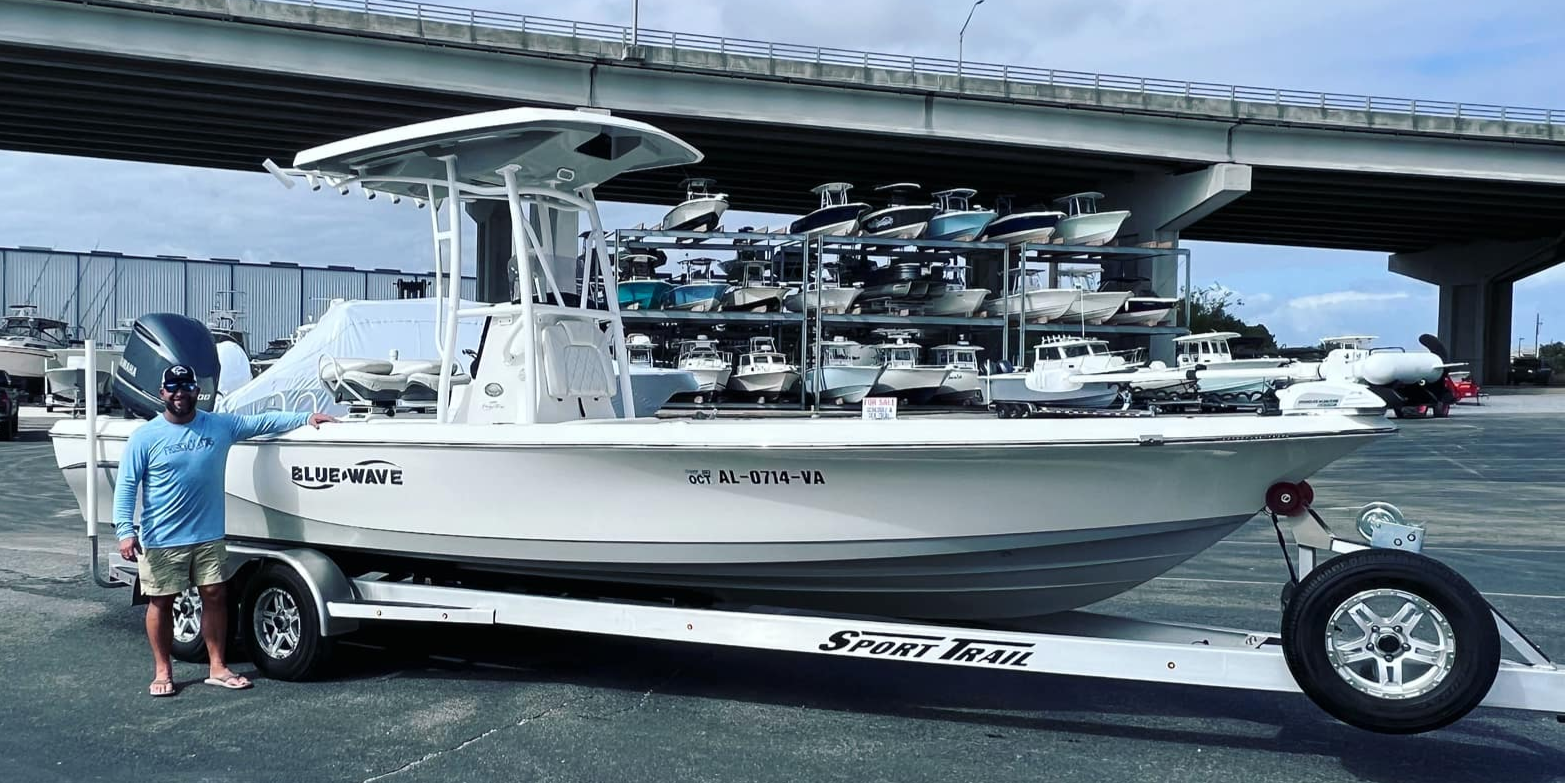
Choctawhatchee Bay is a massive estuary system stretching over 100 square miles, and we know exactly where the fish hang out. Your morning starts at first light when predators are actively feeding along the grass edges and structure. The bay averages 8-12 feet deep with countless shallow flats, making it perfect inshore habitat. You'll fish a mix of natural and artificial baits depending on what's working best – live shrimp, pinfish, and soft plastics are usually in heavy rotation. The water clarity here is fantastic, so sight fishing opportunities come up regularly, especially when targeting redfish cruising the shallows. Our captain provides all tackle and bait, but feel free to bring your favorite rod if you've got one. We run a clean, well-maintained boat equipped with everything needed for a successful morning, from a good fish finder to a quality cooler for your catch.
Techniques & Tackle
Inshore fishing in Choctawhatchee Bay requires reading the water and adjusting techniques throughout the morning. We typically start with live bait fishing around structure – docks, oyster bars, and channel edges where fish ambush prey. Medium-action spinning rods with 15-20 lb braided line handle most situations perfectly. When the bite slows, we switch to artificial lures like soft plastic paddle tails, spoons, and topwater plugs. The grass flats here are ideal for working weedless rigs, and watching a redfish blow up on a topwater bait in 2 feet of crystal clear water never gets old. Popping cork rigs with live shrimp underneath work magic when fish are suspended over grass beds. Your captain will handle all the technical stuff – rigging baits, reading the fish finder, and positioning the boat for the best presentations. All you need to focus on is setting the hook when that rod tip starts dancing.
Species You'll Want to Hook
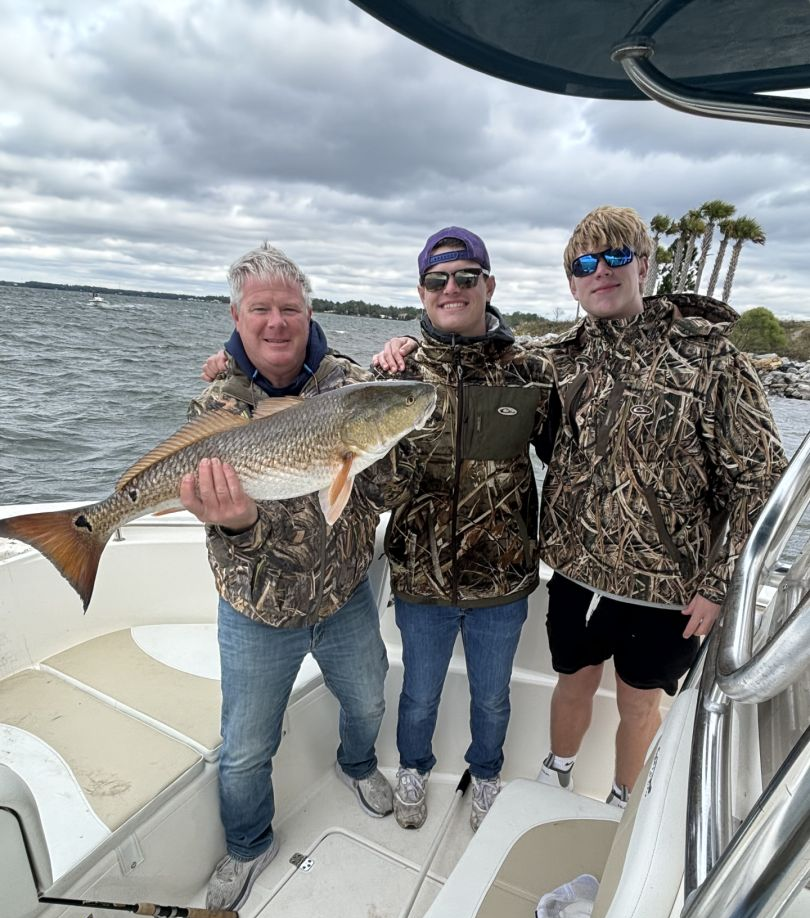
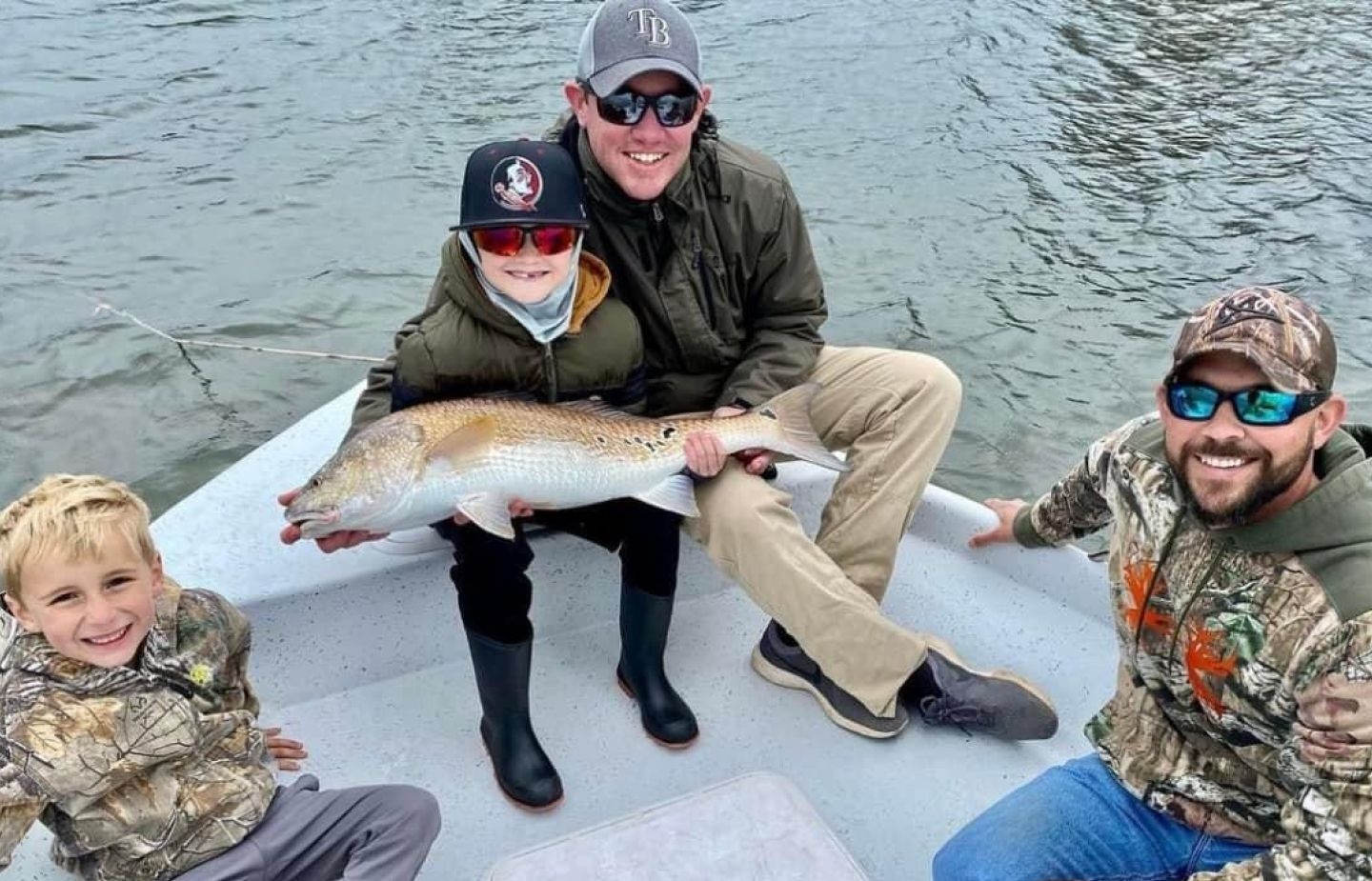
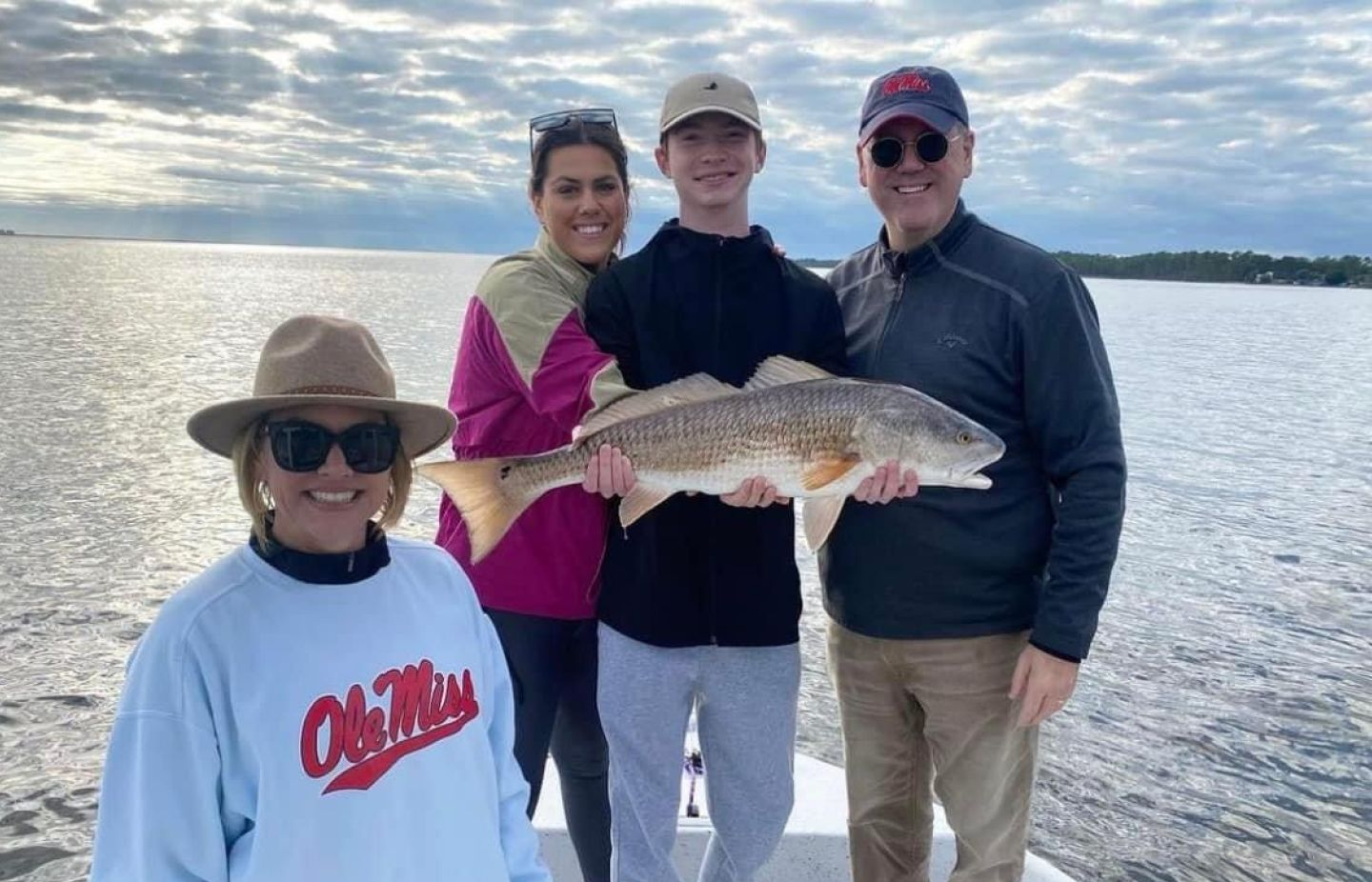
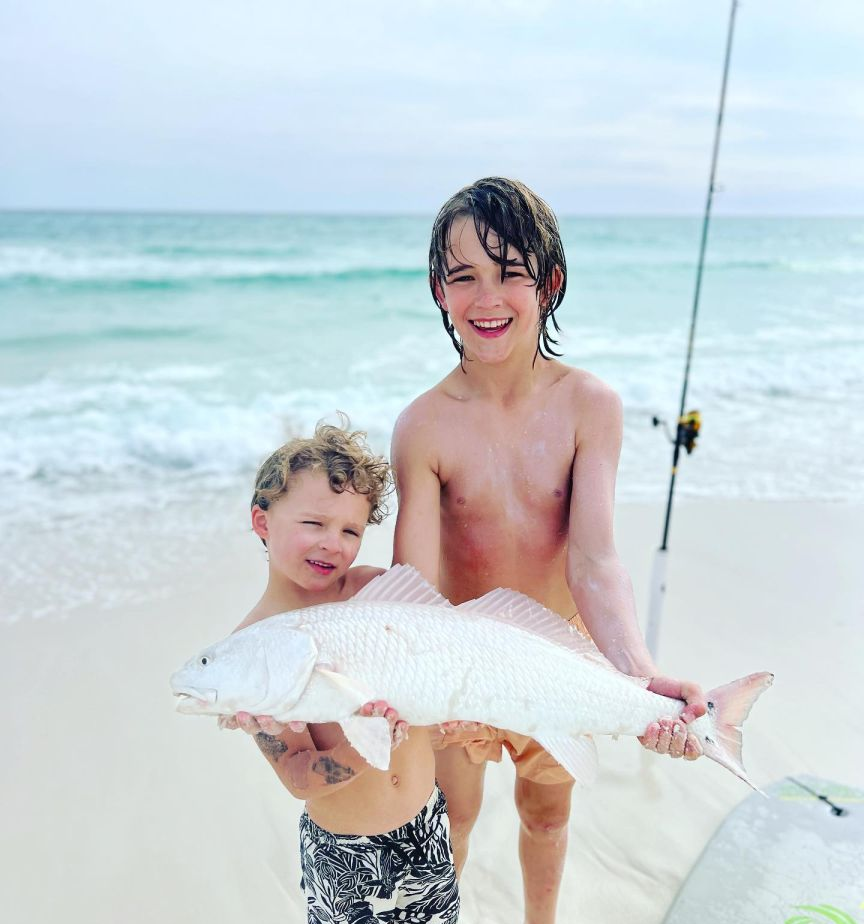
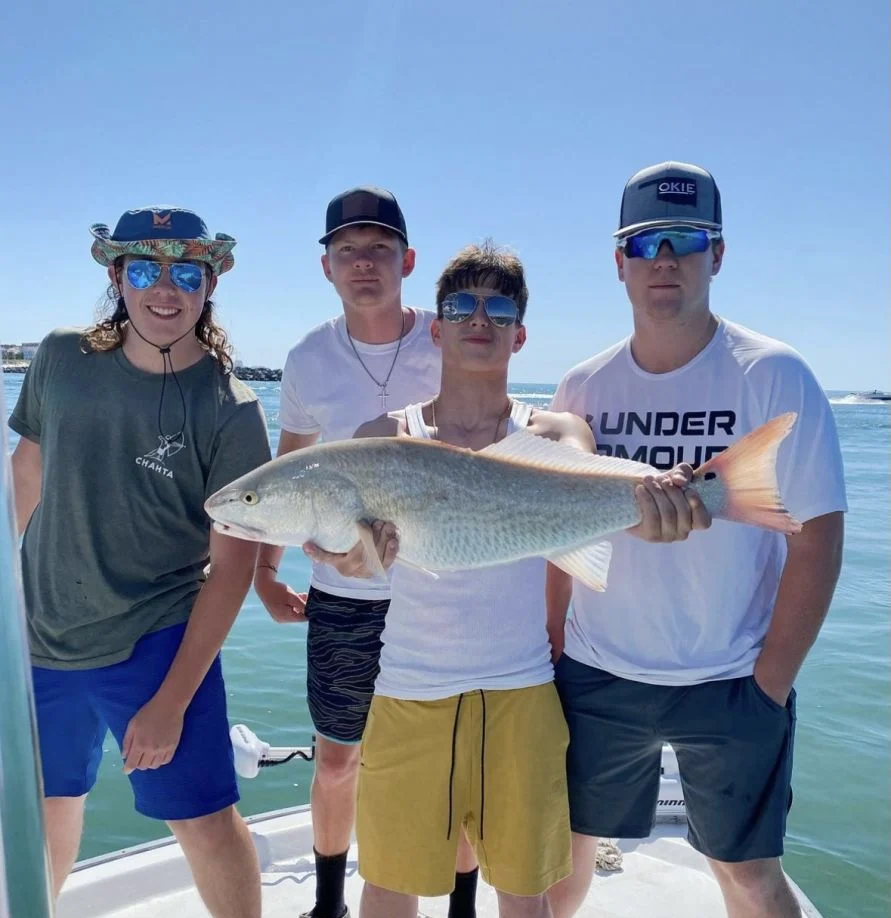
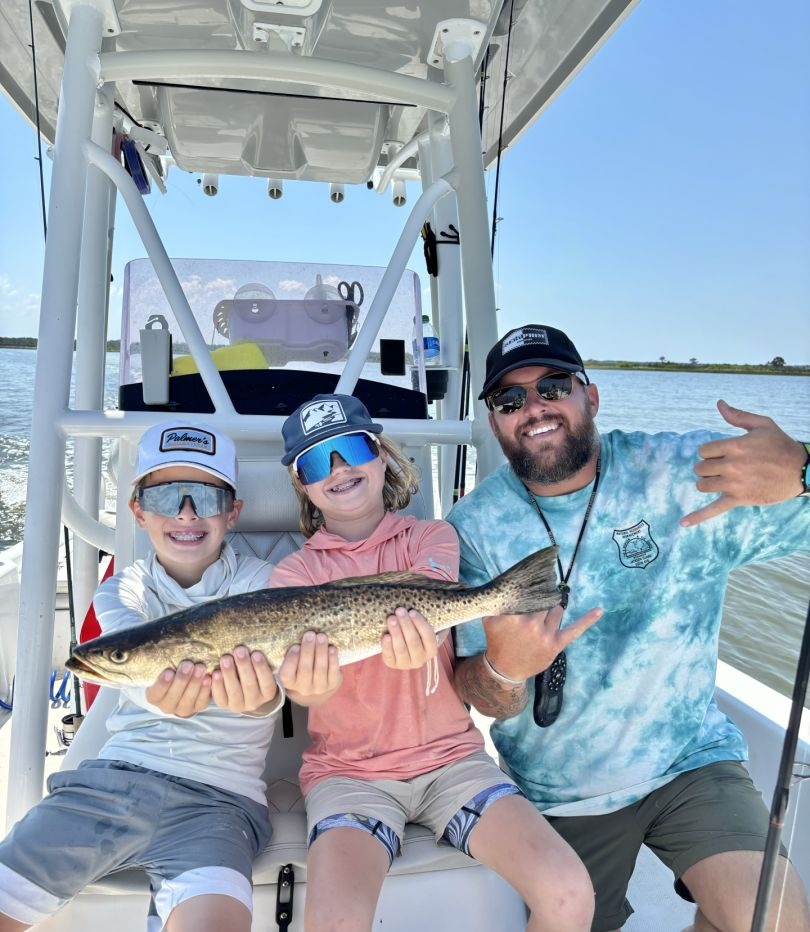
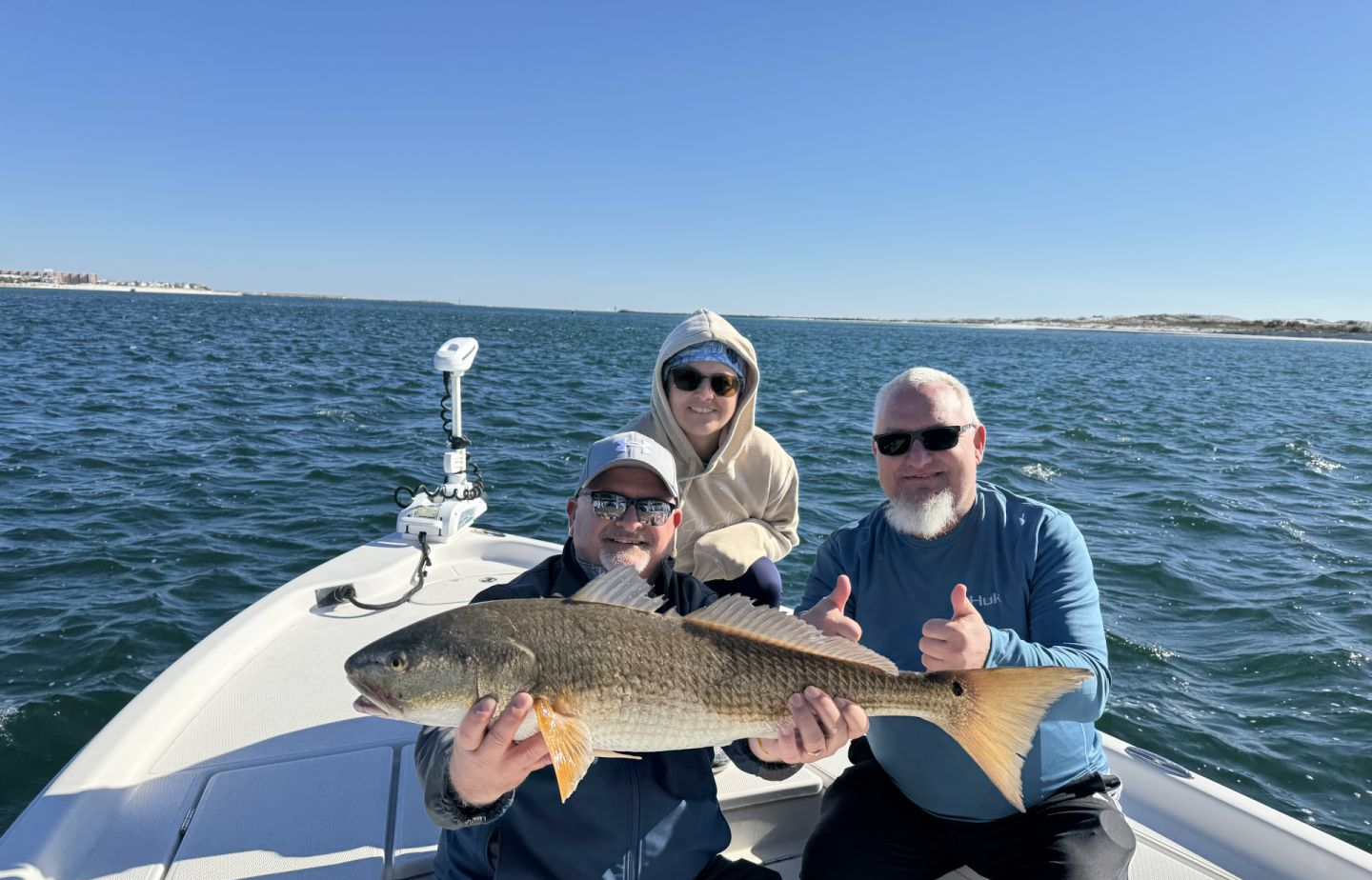
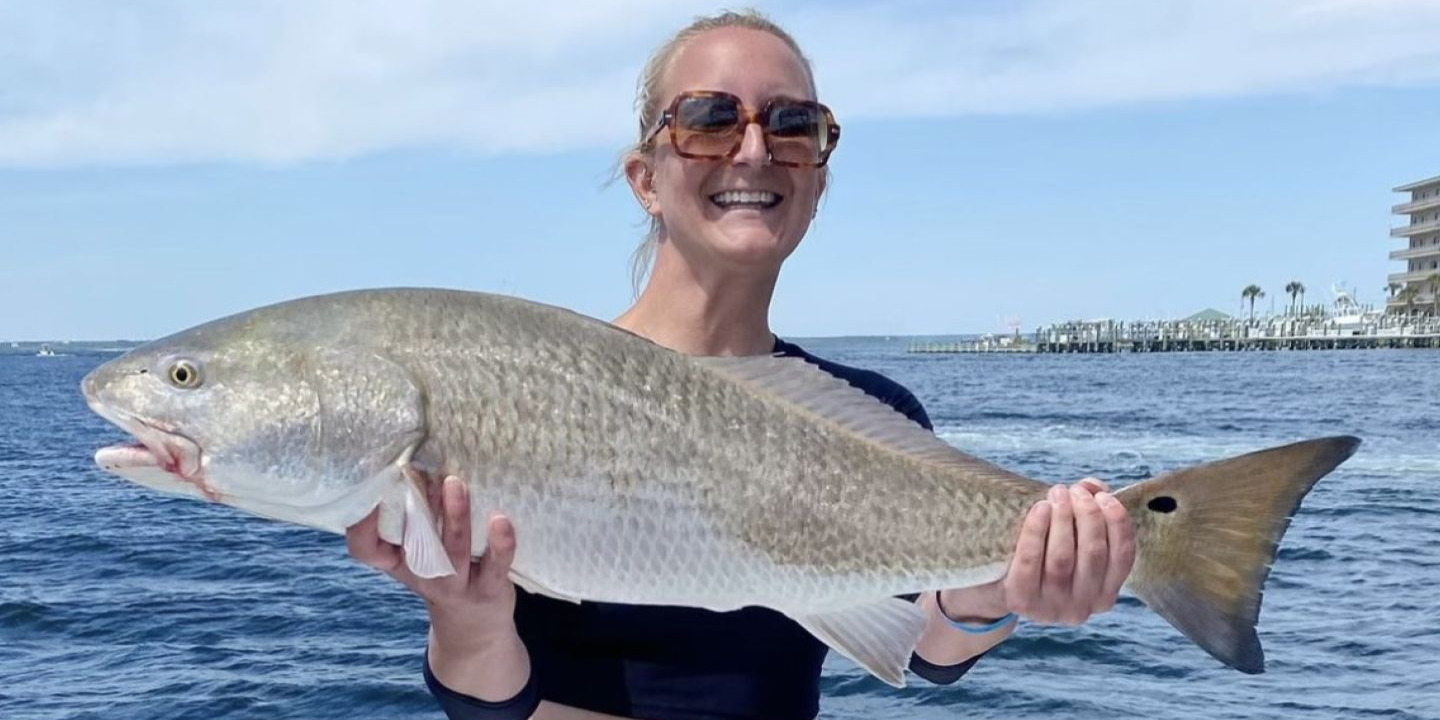
Redfish are the crown jewel of Choctawhatchee Bay and the fish everyone hopes to tangle with. These copper-colored bruisers range from slot-size fish around 18-27 inches up to oversized bulls pushing 35+ inches that'll test your drag system. Peak redfish action happens during moving tides when they cruise the flats hunting crabs and baitfish. What makes reds so special is their fight – they make long, powerful runs and use their broad tails to dig deep. Plus, they're beautiful fish with that distinctive black spot near the tail. Fall and spring offer the most consistent redfish action, though we catch them year-round in these productive waters.
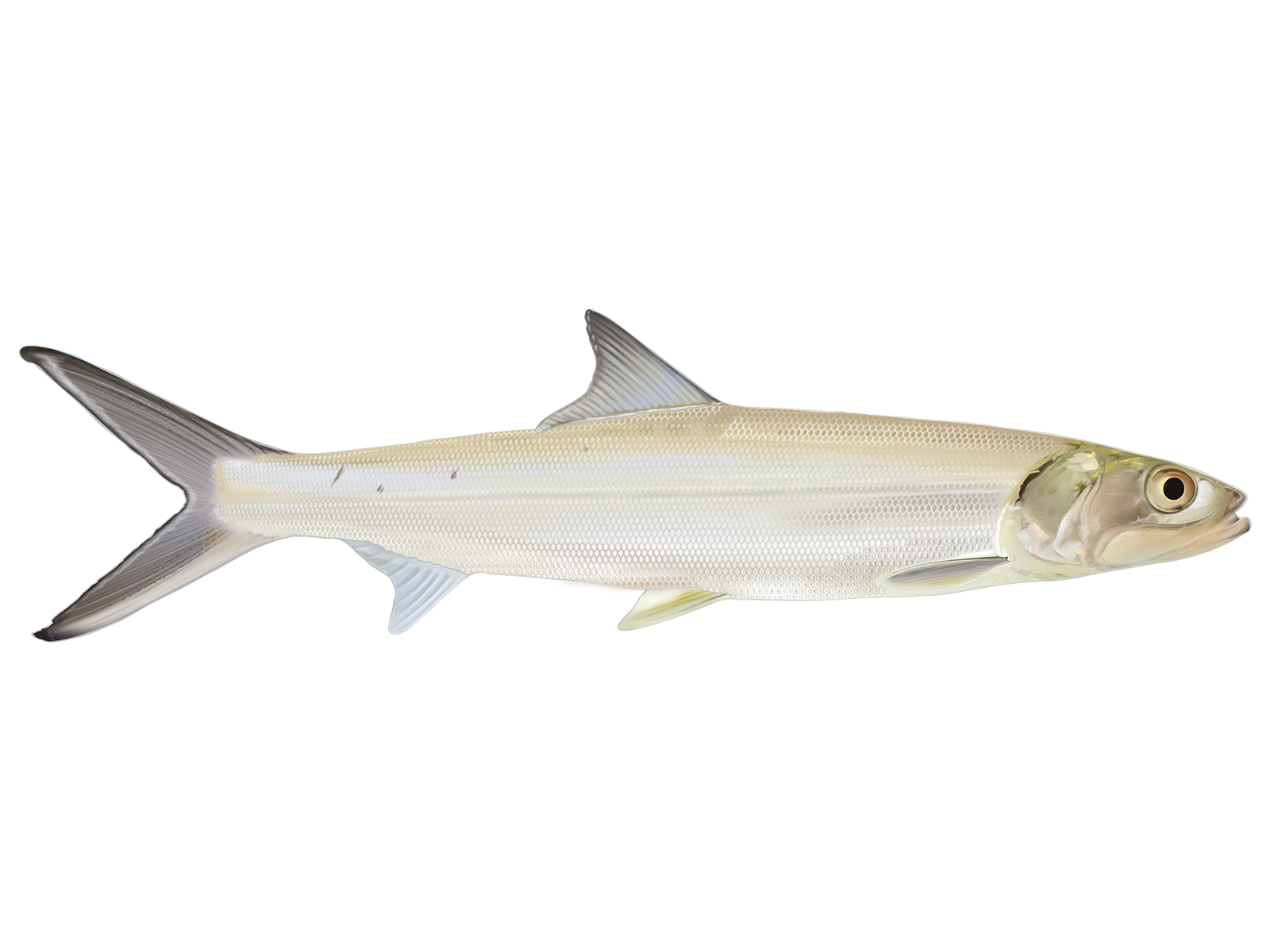
Ladyfish might be the most underrated gamefish in the bay, and once you hook one, you'll understand why locals call them "poor man's tarpon." These silver torpedoes average 12-18 inches but fight like fish twice their size, jumping repeatedly and making blistering runs. They school up in huge numbers during summer months, creating non-stop action that's perfect for kids or anyone wanting to bend a rod consistently. Ladyfish hit just about any moving bait or lure, and when you find a school, you can catch 20+ fish without moving the boat. They're catch-and-release fish, but the entertainment value is off the charts.
Crevalle Jack are the bullies of the bay, and tangling with one will leave your arms sore in the best possible way. These broad-shouldered fighters average 5-15 pounds and are pure muscle from nose to tail. Jacks patrol the flats in small schools, often betraying their location by crashing baitfish on the surface. They'll eat live bait, cut bait, or aggressive artificial lures worked fast and erratic. The initial run from a good jack is legendary – they'll strip 50+ yards of line before you know what hit you. Peak jack fishing happens during warmer months when they move shallow to feed, but resident fish are catchable year-round in deeper areas of the bay.
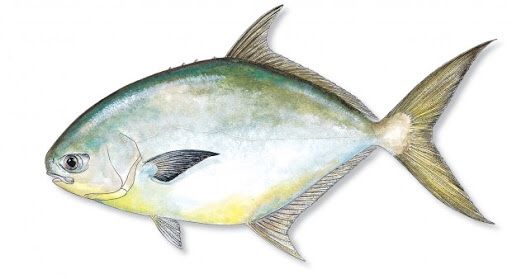
Florida Pompano represent the premium eating fish in these waters, and locals consider them a real prize catch. These beautiful silver fish with forked tails average 1-3 pounds but are prized for their delicate, white meat that's perfect for the dinner table. Pompano prefer sandy areas near grass edges where they root around for crabs and small shellfish. Fresh dead shrimp on a light jig head is the go-to technique, though they'll also hit small spoons and jigs bounced along the bottom. Spring and fall migrations bring the best pompano fishing when schools move through the bay, but resident fish provide opportunities throughout most of the year. Finding pompano requires patience and the right conditions, making each one caught feel like a real accomplishment.
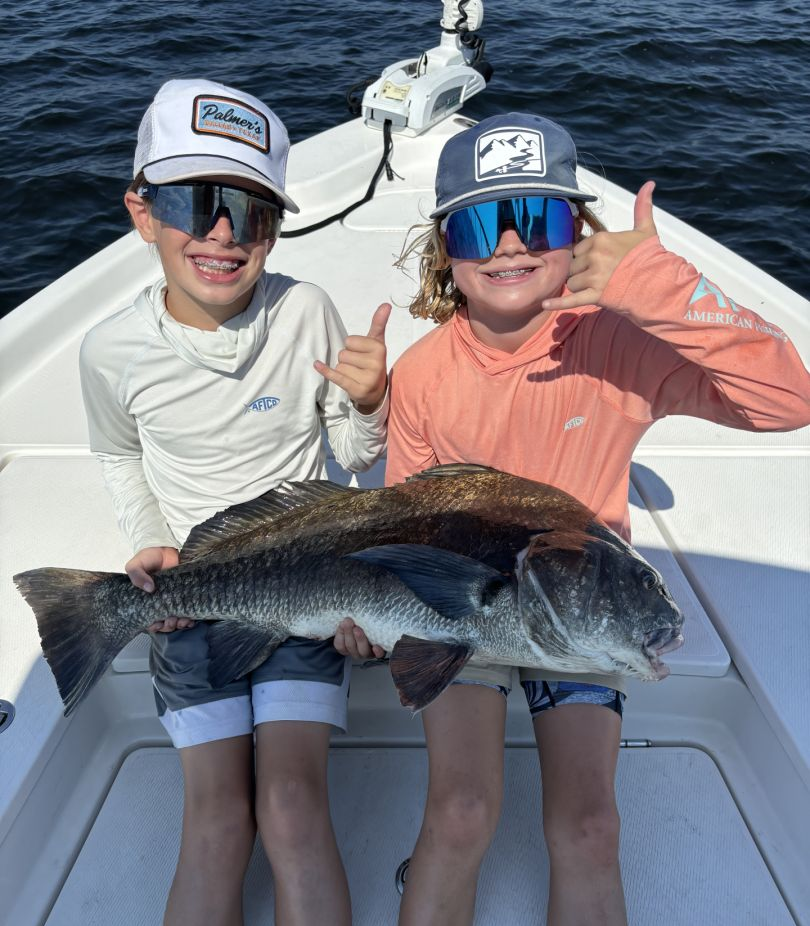
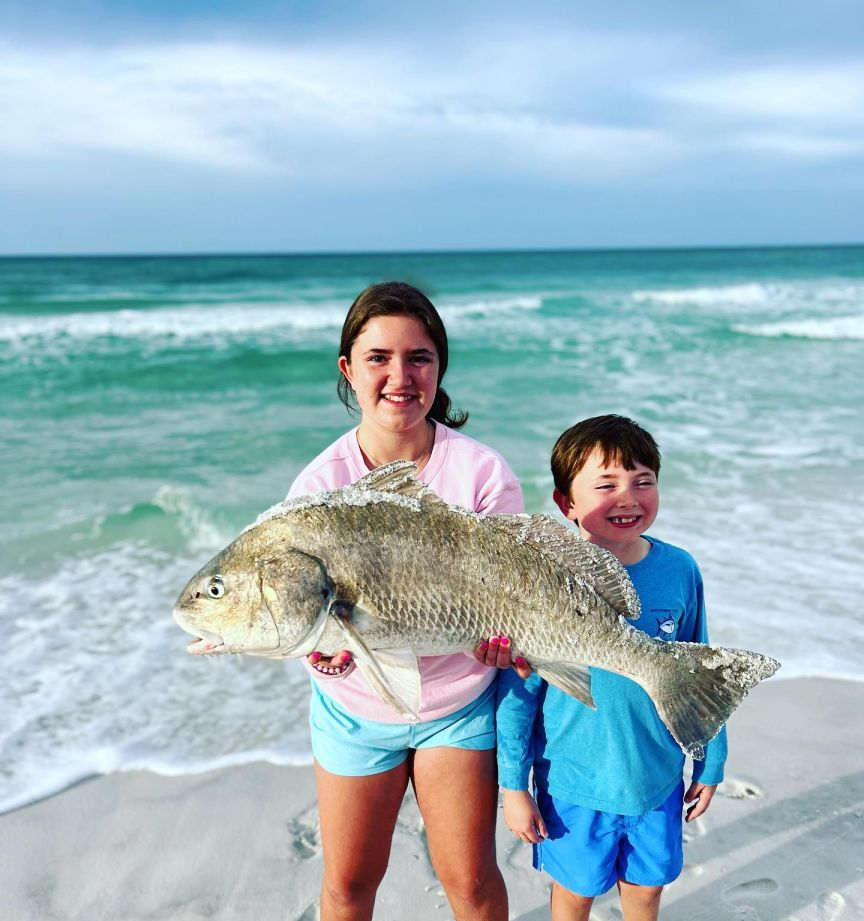
Black Drum are the gentle giants of Choctawhatchee Bay, with mature fish commonly reaching 15-30 pounds or more. These bottom-dwellers have powerful jaws designed for crushing shellfish, and they put up a surprisingly strong fight for such a chunky fish. Drum prefer deeper holes and channel edges where they can root around in soft bottom for crabs and clams. Cut bait or fresh dead shrimp fished on the bottom produces most drum, though they occasionally hit artificial
 Private Trip
 Inshore Fishing
 Destin


 Four-hour morning inshore fishing trip in Choctawhatchee Bay