Fort Lauderdale Offshore Sport Fishing Charters
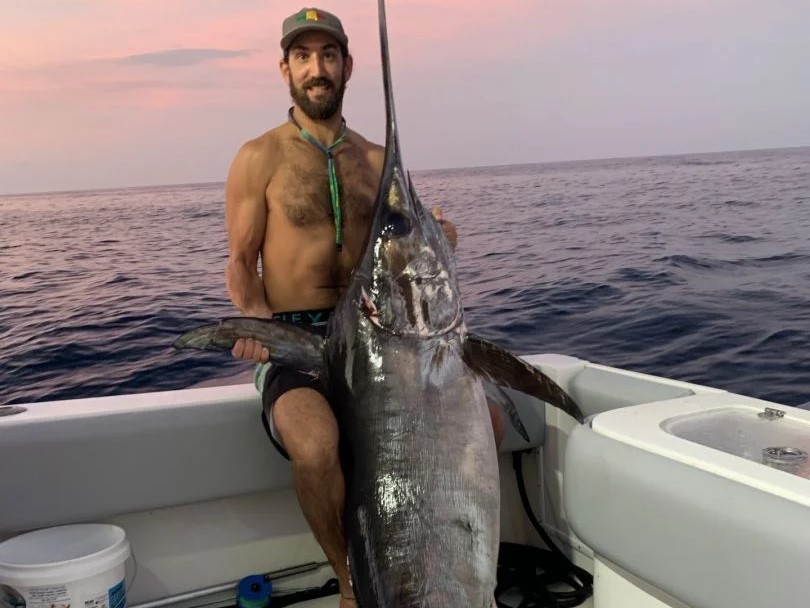
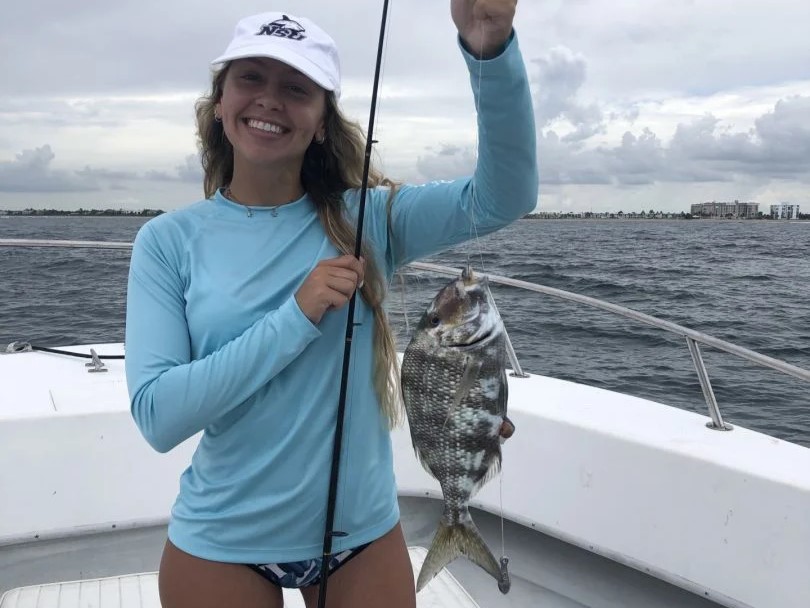
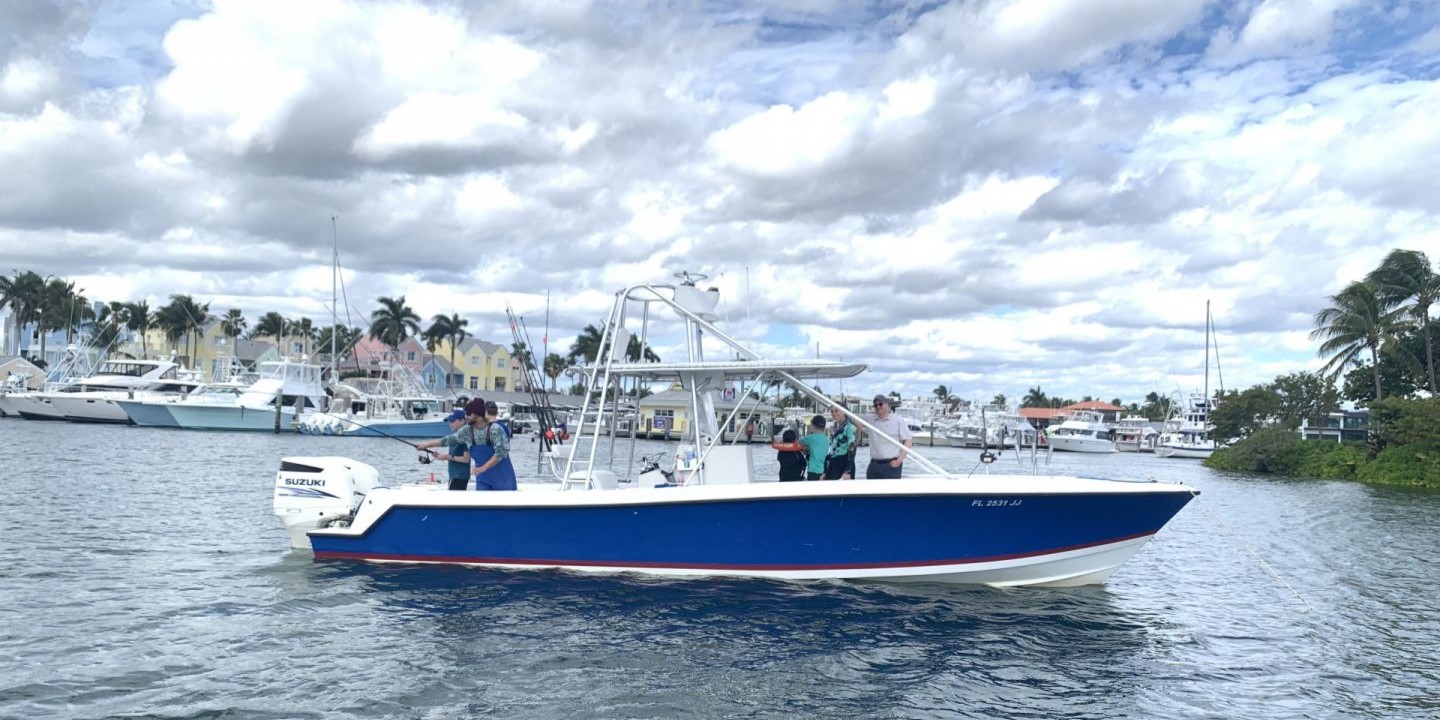
When you're ready to get serious about offshore fishing in Fort Lauderdale, Reel Floridian Fishin knows exactly where the big pelagic fish are hanging out. These waters off South Florida's coast hold some of the best sportfishing opportunities you'll find anywhere, and Captain and crew have been putting anglers on trophy fish for years. Whether you've got four hours to burn or want to make a full day of it with their seven-hour option, you're looking at prime time on the water targeting sailfish, mahi, wahoo, king mackerel, and cubera snapper. The boat holds up to six anglers, so bring your crew or join a small group of fellow fishing fanatics ready to battle some serious gamefish in the blue water.
What to Expect on the Water
Once you clear the inlet and hit the deep blue, you're in for a different kind of fishing than what most people are used to. The Gulf Stream runs close to shore here, bringing warm water and baitfish that attract the predators you're after. Captain sets up the spread based on what's been biting and current conditions – some days it's all about the troll, other times you'll be flying kites or drifting live bait in the current. The four-hour trip gives you a solid shot at getting into fish without eating up your whole day, perfect for families or when you want to test the waters. Go with the seven-hour charter and you'll have time to really work different areas, change up techniques, and chase down whatever's showing on the fish finder. Don't expect to just sit there either – when a fish hits, everyone's got a job to do, and the crew will coach you through fighting these powerful fish that can strip line off your reel faster than you'd believe.
Tackle and Techniques
Reel Floridian's crew runs a tight ship when it comes to gear and methods. They've got heavy-duty trolling rods rigged with circle hooks and wire leaders for the toothy critters, plus lighter spinning gear for when the mahi are being finicky. Trolling is the bread and butter – running a spread of ballyhoo, bonito strips, and lures at different depths to cover water and find active fish. When conditions are right, they'll break out the kites, a South Florida specialty that lets you present live baits on the surface where sailfish and mahi can't resist them. Live bait fishing means you might find yourself over a wreck or reef, drifting goggle-eyes or blue runners down to where the big snappers live. Jigging comes into play when you mark fish on structure – it's hard work but deadly effective on everything from kings to wahoo. The crew handles all the rigging and re-rigging, so you can focus on the fishing, but they'll also teach you the tricks if you want to learn how it's done.
Species You'll Want to Hook
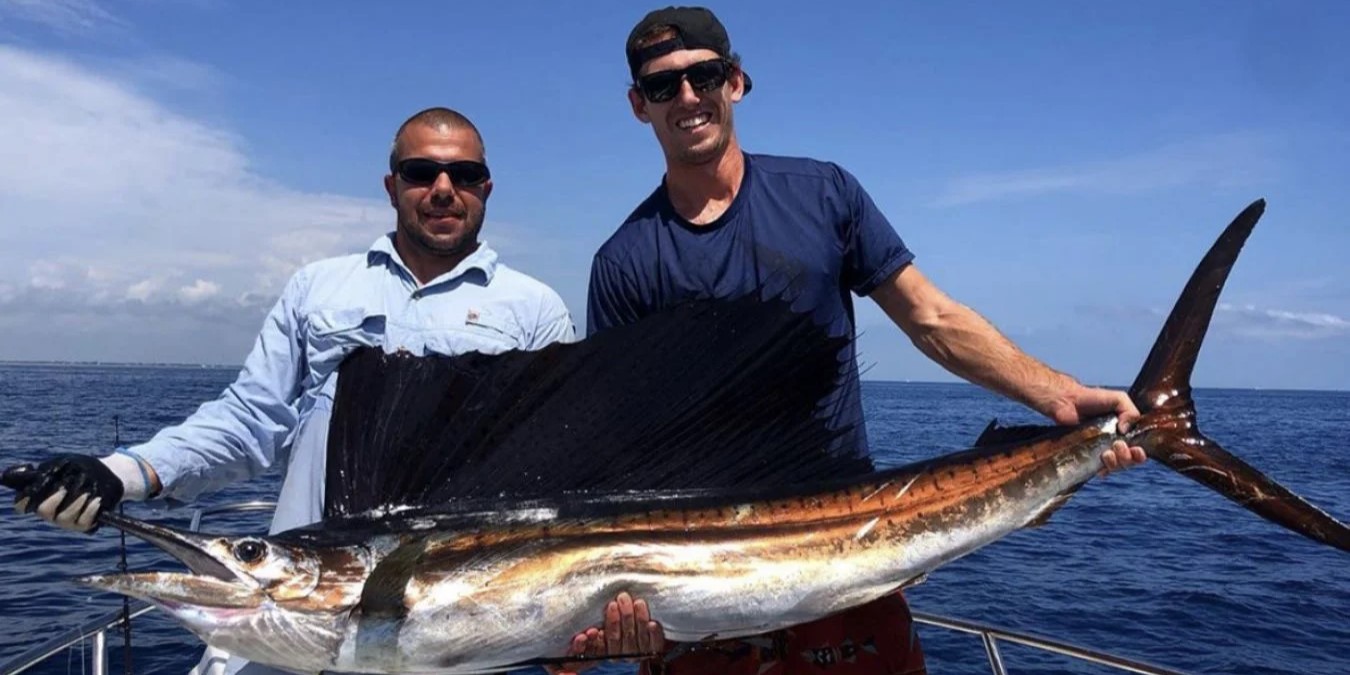
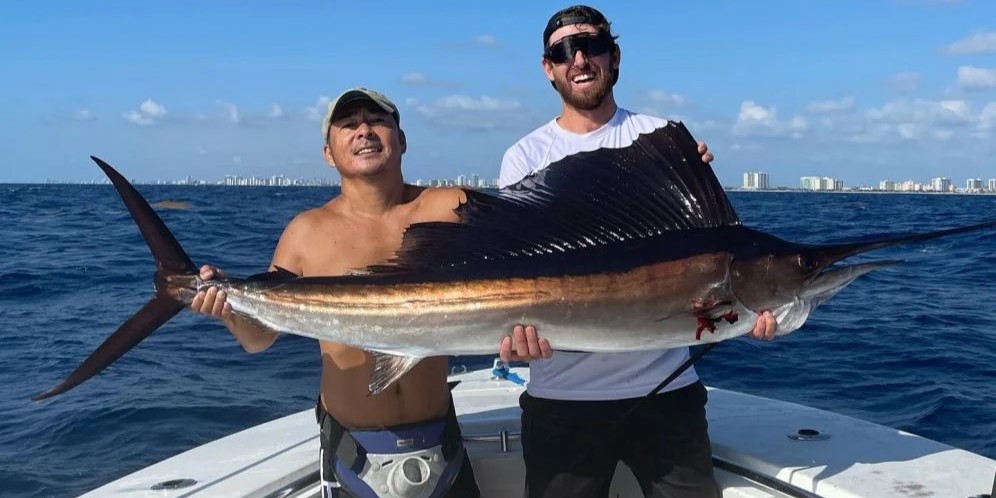
Atlantic sailfish are the crown jewel of South Florida offshore fishing, and Fort Lauderdale sits right in the heart of their winter migration route. From December through March, these acrobatic fighters stack up in the warm water, and there's nothing like watching a sail come up hot on a kite bait, bill slashing and dorsal fin up. They'll average 6-7 feet and put on an aerial show that'll have you shaking long after the release. Sailfish are almost always catch-and-release, and the crew knows exactly how to handle them for a quick, healthy release.
King mackerel are year-round residents that never disappoint when it comes to a hard fight and great table fare. These silver missiles will smoke your drag on the initial run, and a good king in the 20-30 pound range will test your arms and your tackle. They love trolled baits and spoons, and when you hook up, get ready for multiple screaming runs. Kings are also one of the best eating fish you'll catch out there, with firm white meat that's perfect on the grill.
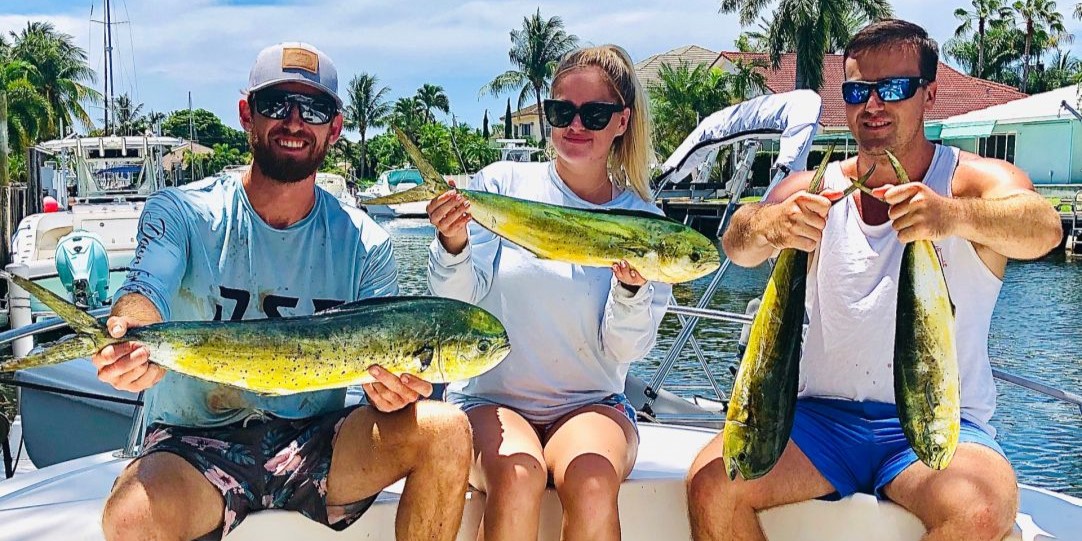
Mahi mahi are the most colorful fighters in the ocean, flashing gold and green as they jump and bulldoze through the water. These fish travel in schools, so when you find one, there's usually more around. They'll hit trolled baits, live bait, and jigs with equal enthusiasm, and their curious nature means they'll often hang around the boat long enough for multiple hookups. Mahi are fantastic on the table too, with sweet, flaky meat that's a favorite at restaurants throughout South Florida.
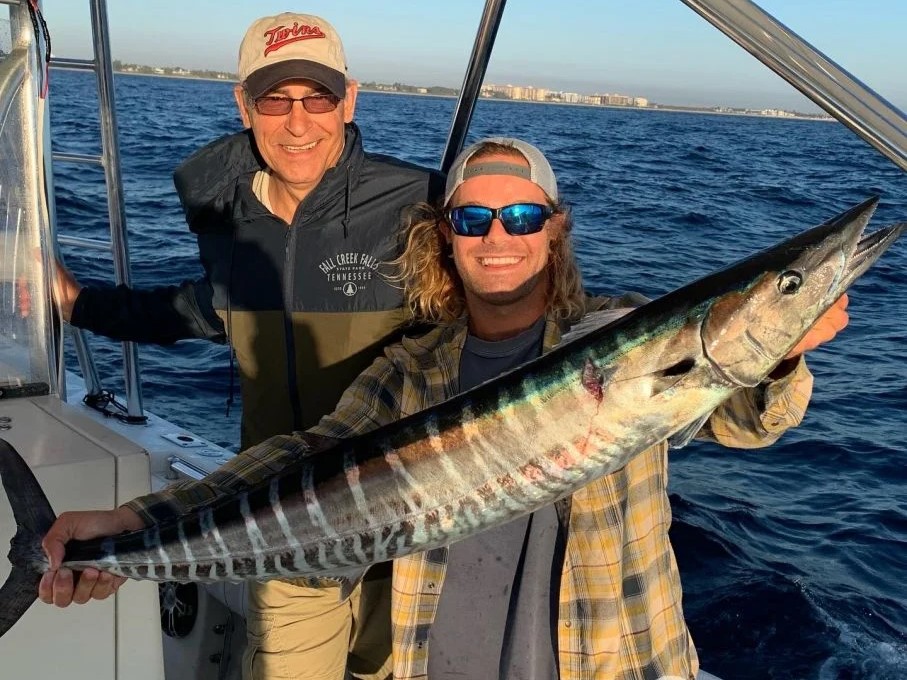
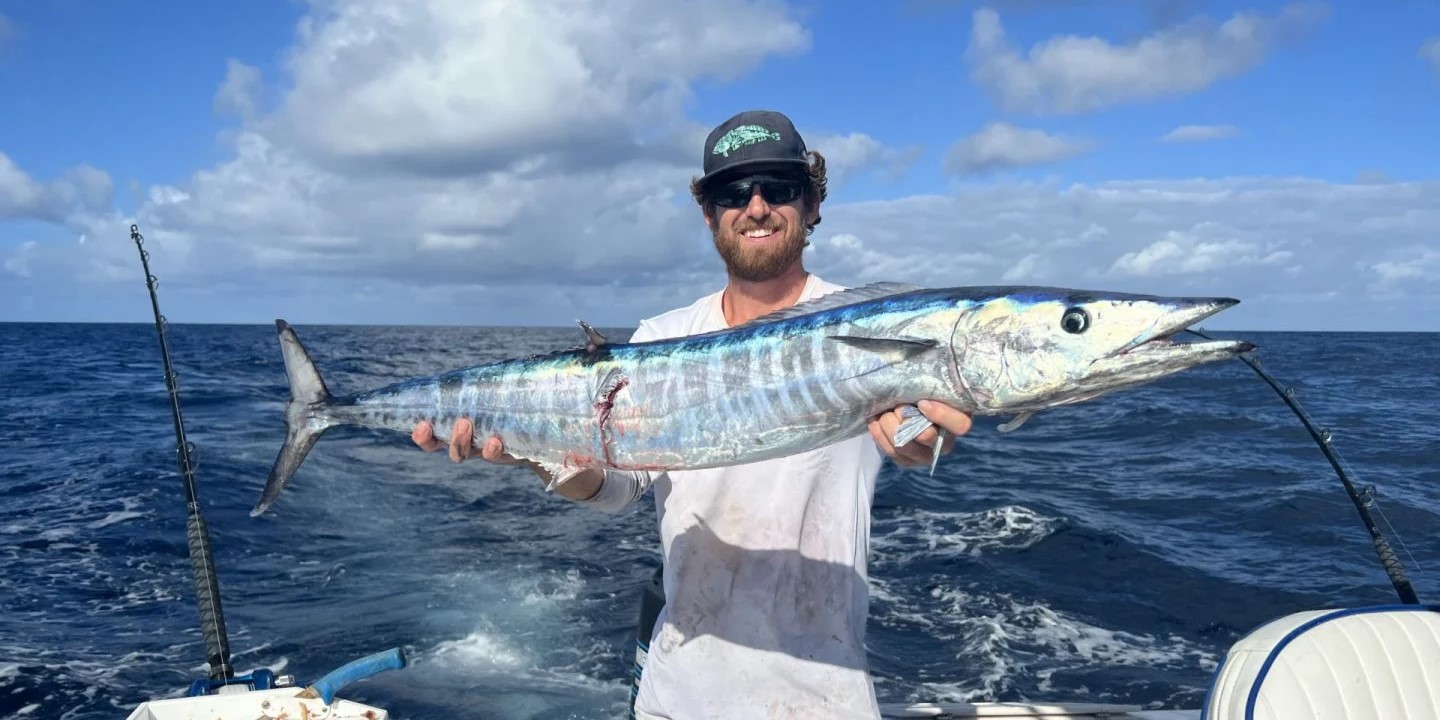
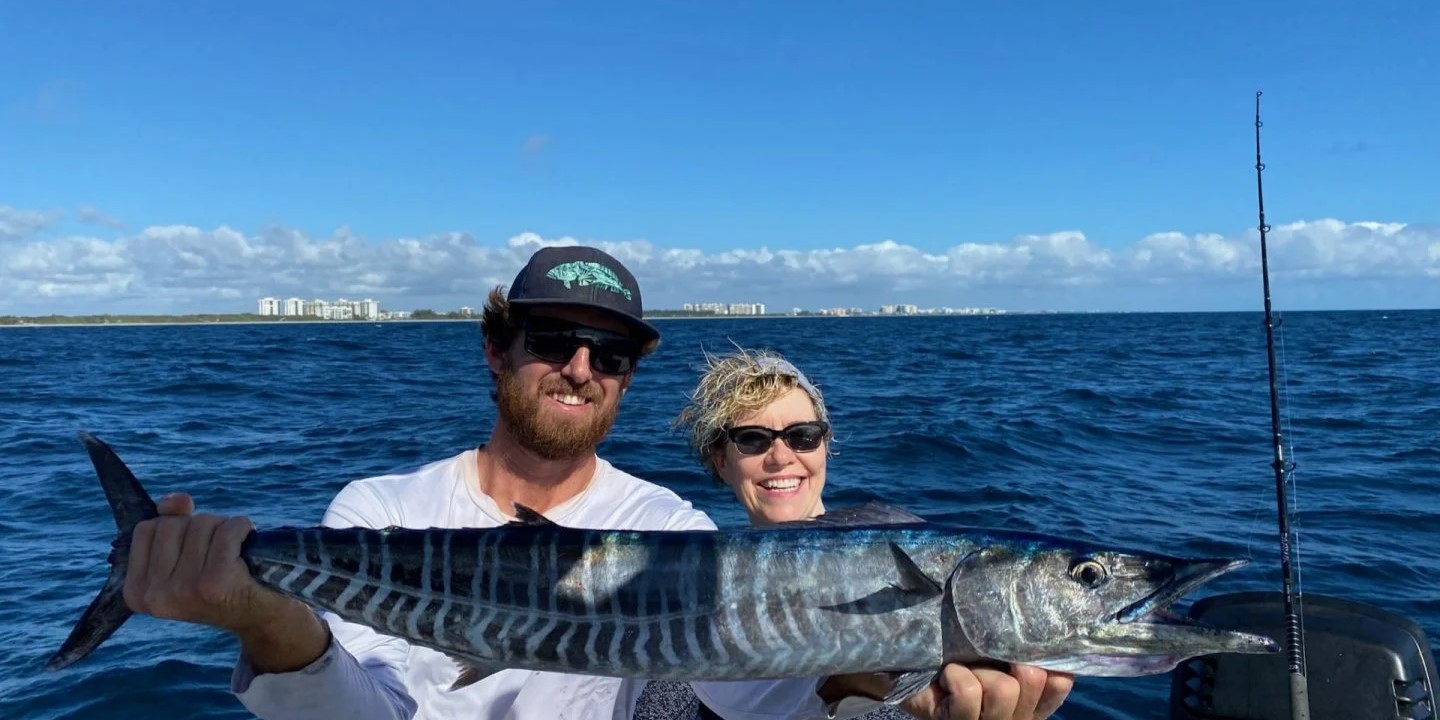
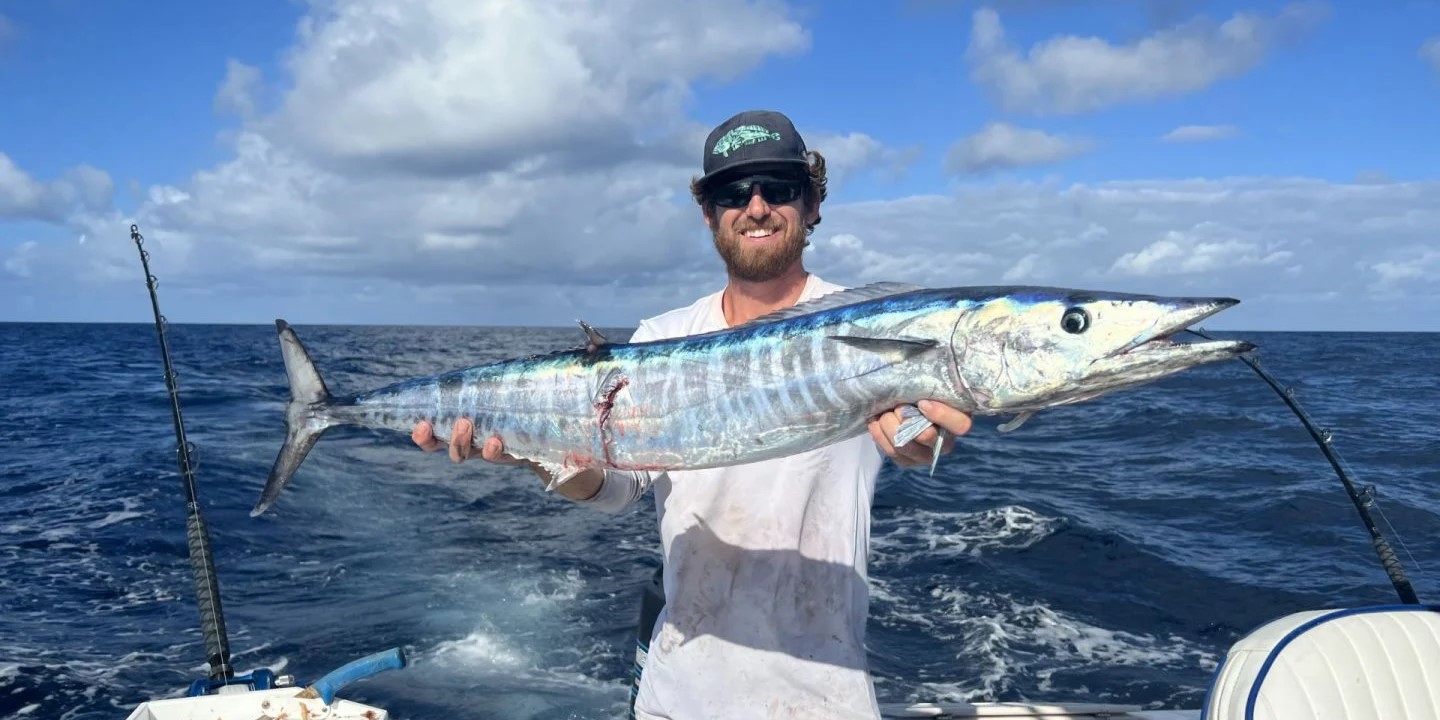
Wahoo are the speed demons of the deep, capable of hitting 60 mph and cutting through leaders with their razor-sharp teeth. When a wahoo hits a trolled bait, there's no mistaking it – they'll nearly tear the rod out of your hands with their blistering initial run. Most wahoo here run 15-40 pounds, and they're considered by many to be the best eating fish in the ocean. They're not as common as the other species, which makes landing one that much more special.
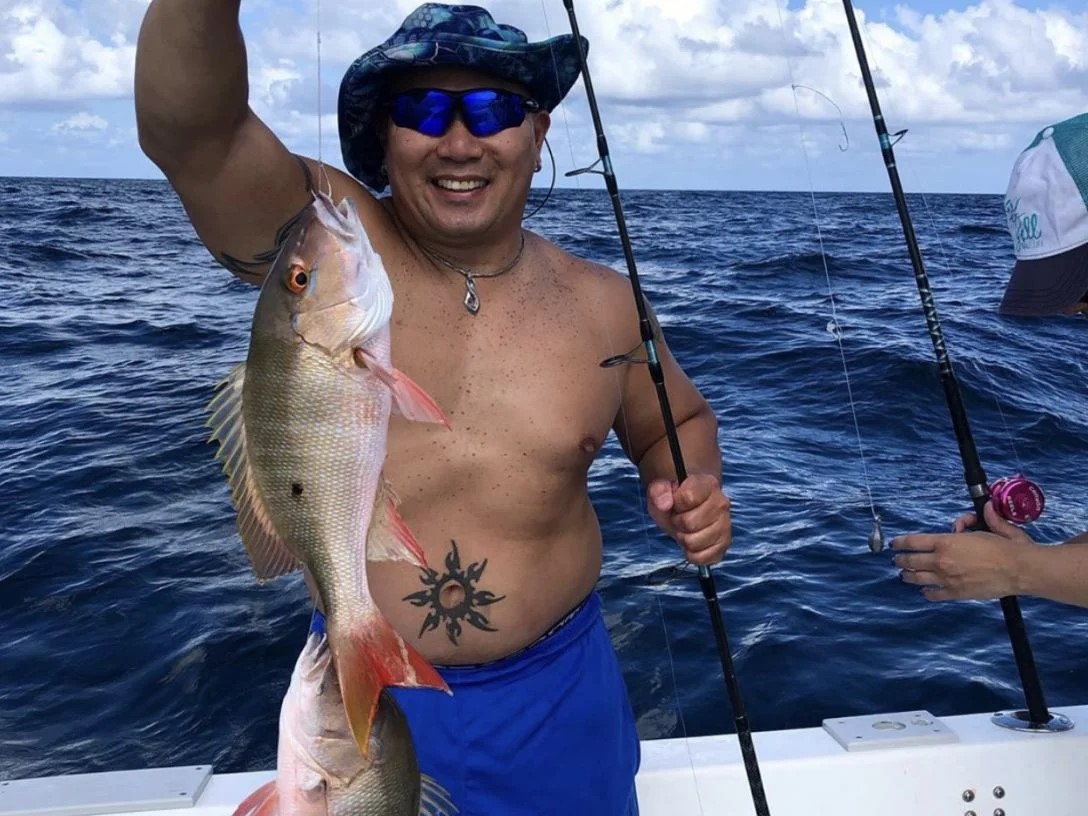
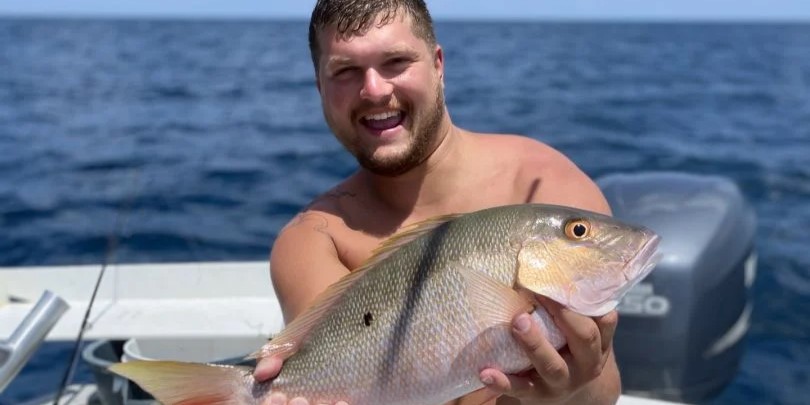
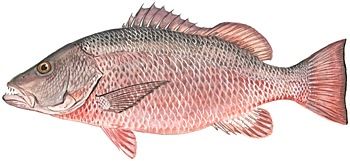
Cubera snapper represent the bottom fishing side of your trip, lurking around wrecks and reefs in deeper water. These bruisers can reach massive sizes, and a big cubera will use every trick in the book to get back to structure and break you off. They're ambush predators that require heavy tackle and quick reflexes when they bite. Landing a cubera over 20 pounds is a real accomplishment, and they're excellent eating if you decide to keep one for the table.
Time to Book Your Spot
Fort Lauderdale's offshore fishing scene is world-class year-round, but the best action happens when you're on the water with a crew that knows these waters inside and out. Reel Floridian Fishin has built their reputation on putting customers on fish and making sure everyone has a great time doing it. Whether you're a seasoned angler looking to add to your life list or someone who
 Private Trip
 Offshore Fishing
 Key West


 Offshore sportfishing targeting mahi, sailfish, tuna, wahoo, king mackerel