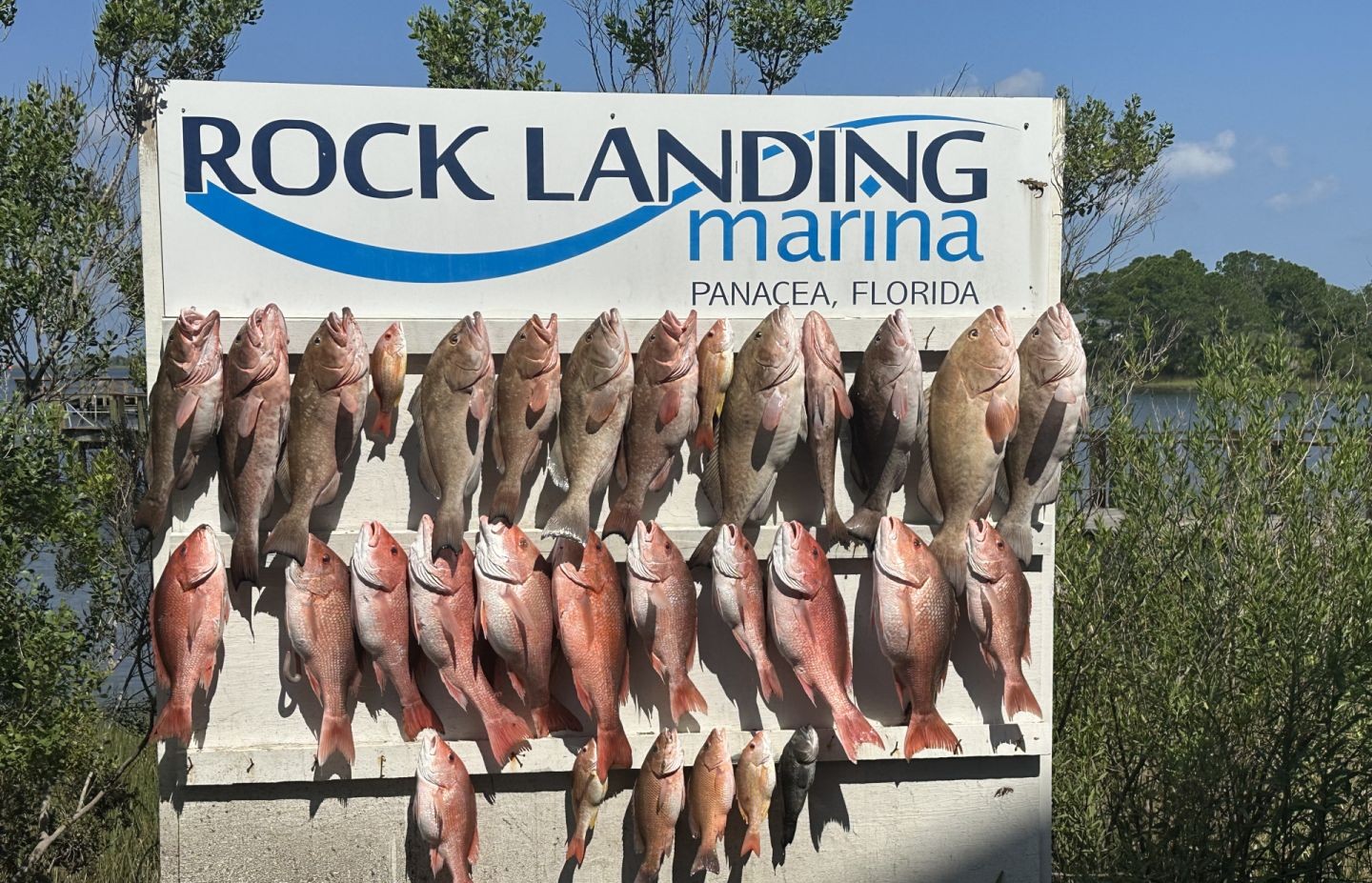
Inshore Fishing Charter in Panacea, FL
Captain Joel's got you covered for a solid day of inshore fishing right out of Panacea. This isn't some crowded tourist boat – you're talking about a top-rated 5-hour charter that puts you on fish in the shallow waters where redfish, speckled trout, and sheepshead love to hang out. The Big Bend area around Panacea is famous for its grass flats and oyster bars, and Joel knows every productive spot from Ochlockonee Bay to Apalachee Bay. With room for up to 6 anglers, this trip works great for families, buddy groups, or anyone looking to get away from the crowds and actually catch some fish.
What to Expect on the Water
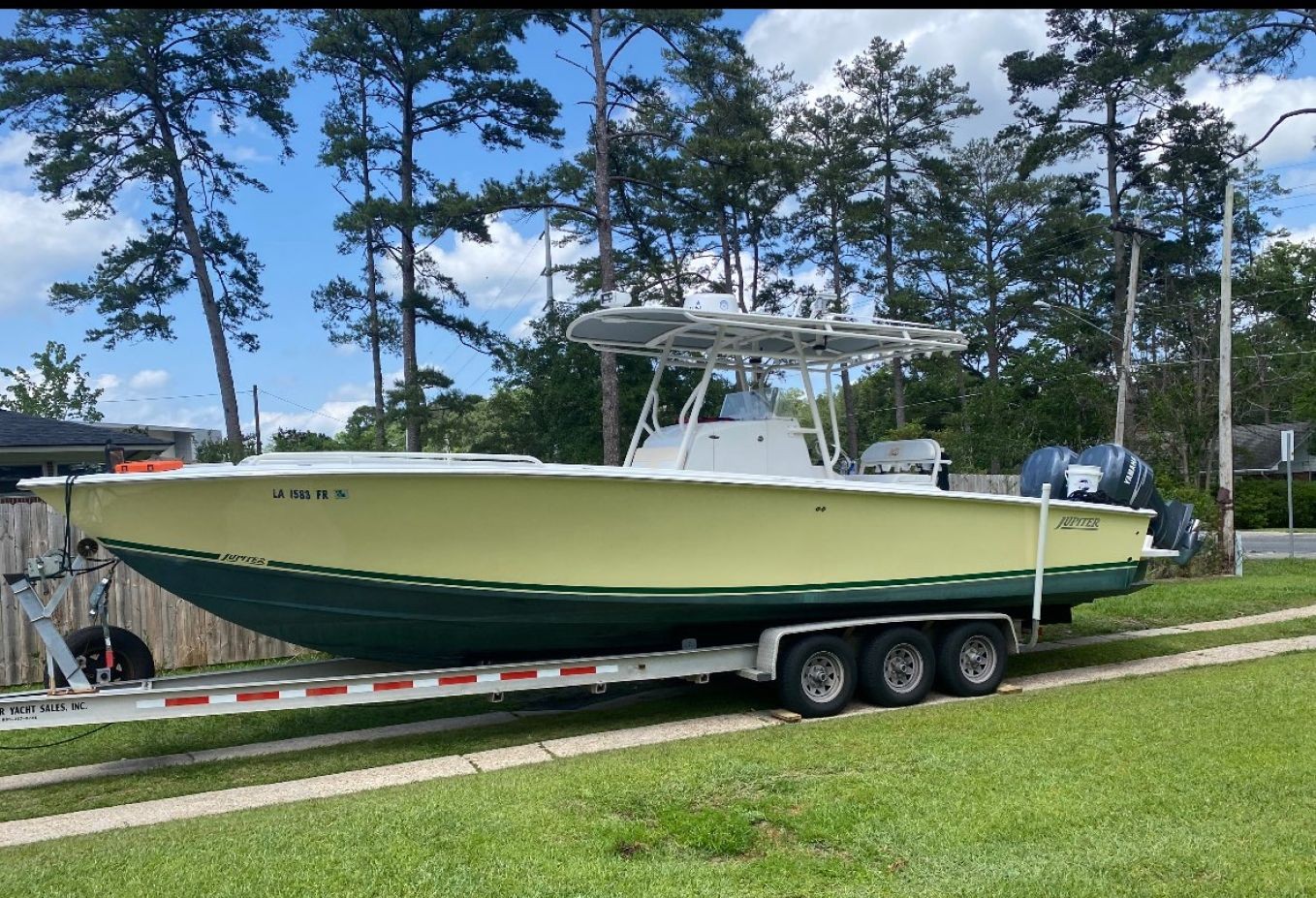
You'll launch early from Panacea and head out into some of the most fishable water on Florida's Gulf Coast. The beauty of inshore fishing here is that you're working in protected waters – no rough seas or long boat rides to worry about. Joel runs a clean, well-maintained boat with all the safety gear, plus he's got quality rods and reels already rigged and ready. The grass flats around here are shallow, usually 2-6 feet deep, which means you can sight-fish when conditions are right and watch redfish tailing in the skinny water. The vibe is relaxed but focused – Joel's there to put you on fish, not just burn gas. He'll adjust tactics based on tides, weather, and what's biting that day. Whether you're a complete beginner or you've been fishing these waters for years, the trip moves at whatever pace works for your group.
Techniques and Tactics
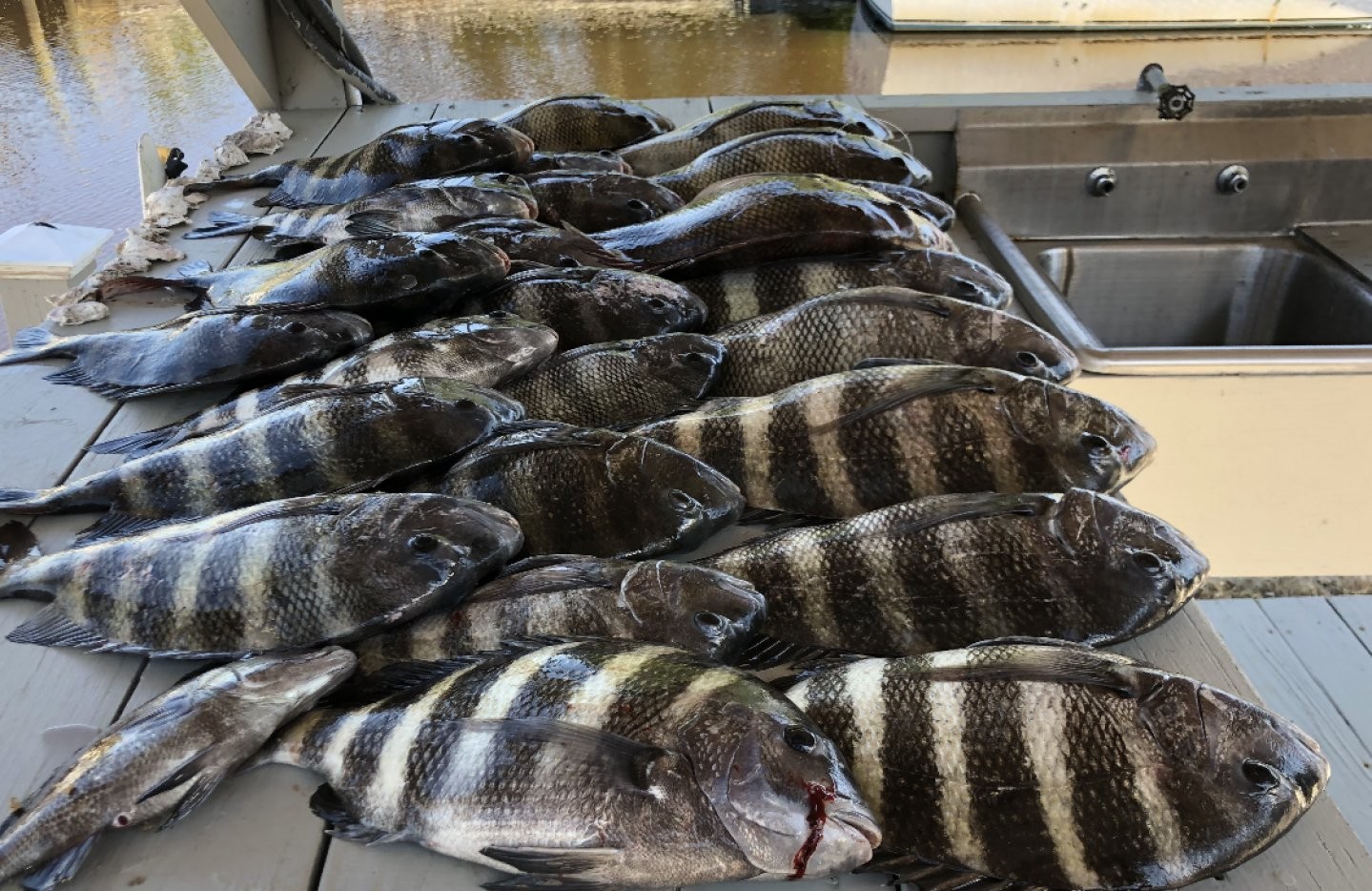
Inshore fishing in Panacea means working structure – oyster bars, grass beds, drop-offs, and creek mouths where baitfish get pushed around by the tide. Joel typically starts with live or cut bait on the bottom for species like black drum and sheepshead around the oyster bars. When the tide's moving right, you'll drift the grass flats with soft plastics or spoons, looking for redfish and trout. The water's clear enough that you can often see fish before you cast to them, especially when you're poling the skinny flats. Joel provides all the tackle, from circle hooks and pyramid sinkers for bottom fishing to jig heads and paddle tails for working the grass. He's also got a good selection of topwater plugs for when the fish are aggressive in the morning or late in the day. The key here is reading the water and the tide – Joel knows when to hit the outside bars on the falling tide and when to work the back country creeks when the water's coming in.
Top Catches This Season
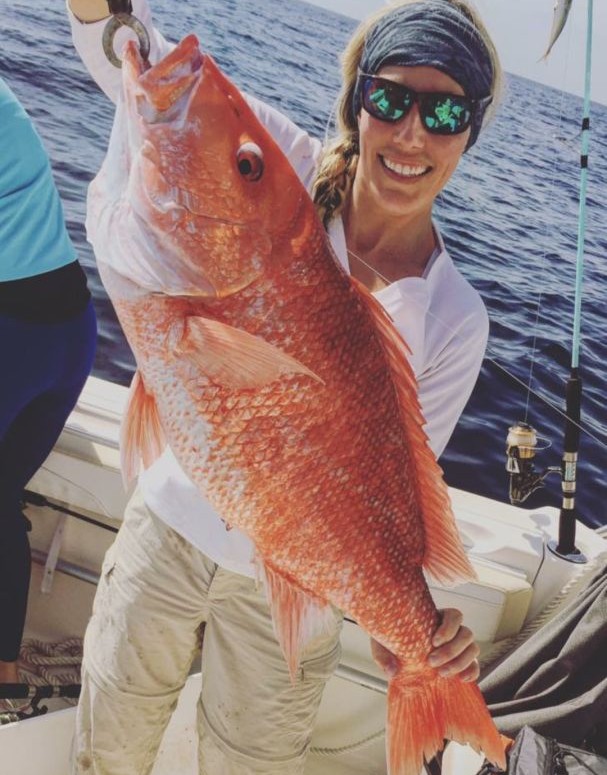
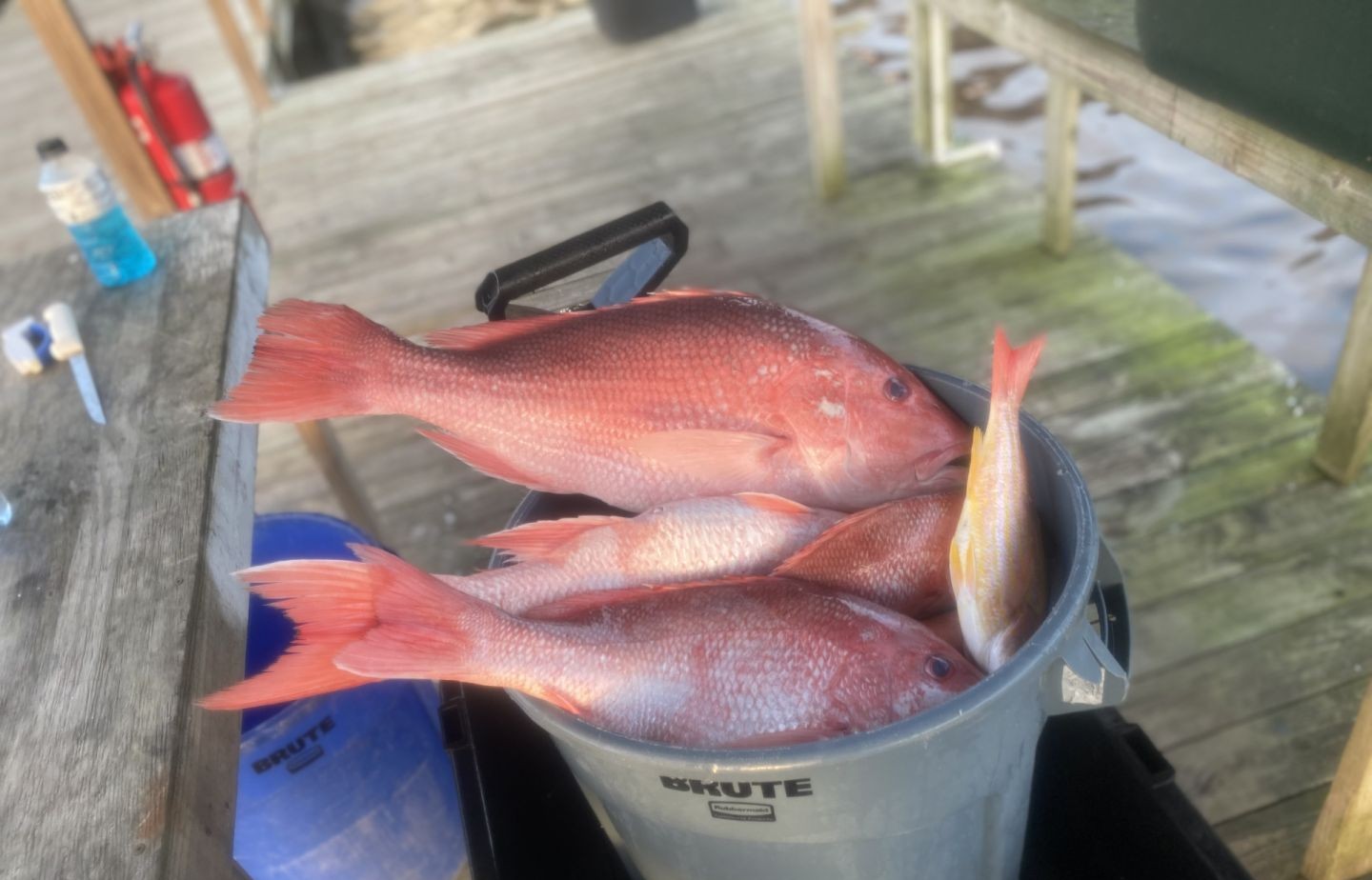
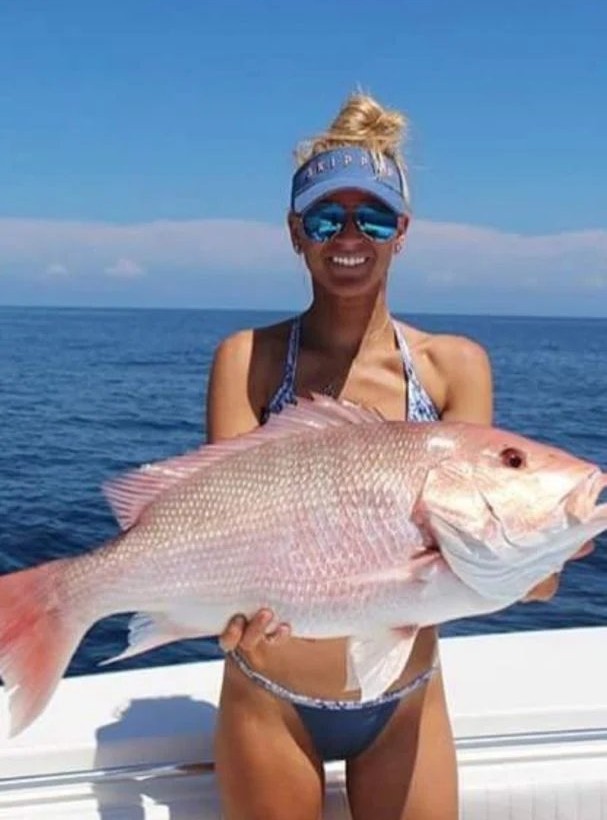
Redfish are the bread and butter around Panacea, and these copper-colored bruisers put up a serious fight in shallow water. You'll find them year-round, but fall and winter are prime time when they school up in big numbers. Most of the reds you'll catch are in the 18-27 inch slot, perfect for dinner, though don't be surprised if you hook into a bull red that'll test your drag. They love to hang around oyster bars and grass edges, especially when the tide's moving bait around. What makes redfish so much fun is that they're aggressive feeders – they'll crush a well-placed spoon or inhale a chunk of cut mullet without much coaxing.
Cobia show up in the warmer months, typically from April through October, and they're one of the most exciting fish you can target inshore. These brown sharks, as some folks call them, cruise the shallow flats looking for crabs and small fish. They're curious fish that'll come right up to the boat to check you out, and when you hook one, they fight hard and jump like crazy. Most cobia in these waters run 20-40 pounds, and they're excellent eating. Joel knows the areas where they like to cruise, especially around structure and tide lines.
Tripletail are one of the coolest fish you'll encounter out here. These odd-looking fish float on their sides near floating debris, channel markers, or crab trap floats, looking just like a floating leaf. They're ambush predators that grab small fish and shrimp that drift by. The trick is getting your bait close enough without spooking them – they're notoriously finicky. When you do hook one, they fight with a lot of head-shaking power for their size. Most tripletail caught in the area range from 3-8 pounds, and they're considered one of the best eating fish in the Gulf.
Bluefish are the aggressive snappers that show up in schools and attack everything in sight. They're most common during their spring and fall migrations when they're moving up and down the coast. Blues aren't huge – most run 2-5 pounds – but they more than make up for it in attitude. They'll hit topwater plugs, spoons, jigs, or cut bait with equal enthusiasm. The action can be fast and furious when you find a school, with multiple hookups common. They're also great fish for kids and beginners because they're so willing to bite.
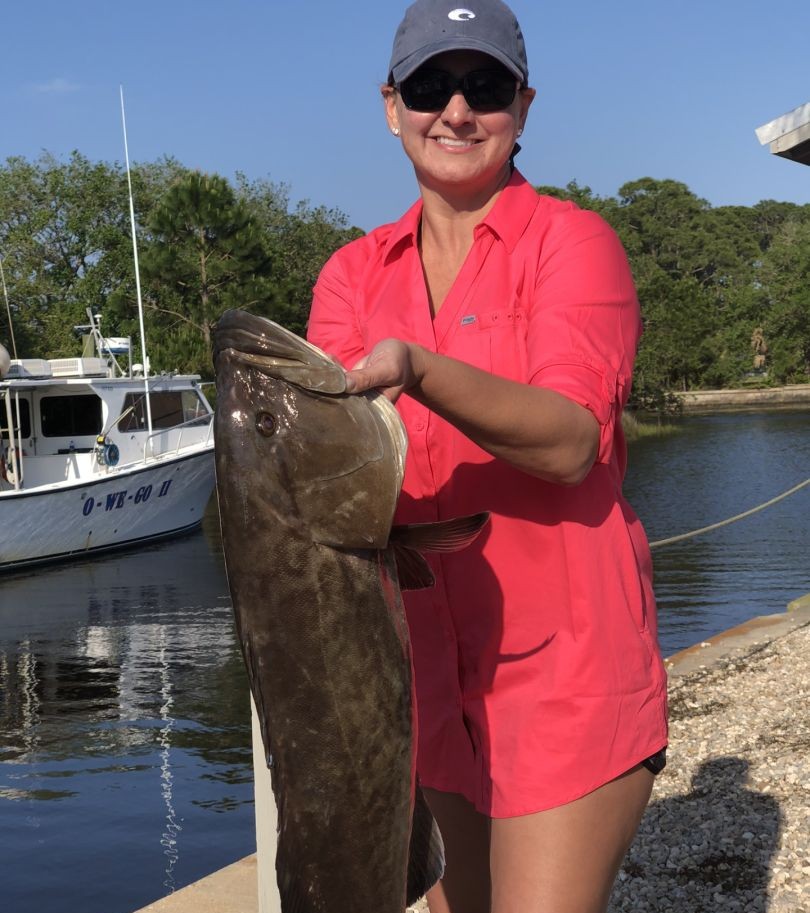
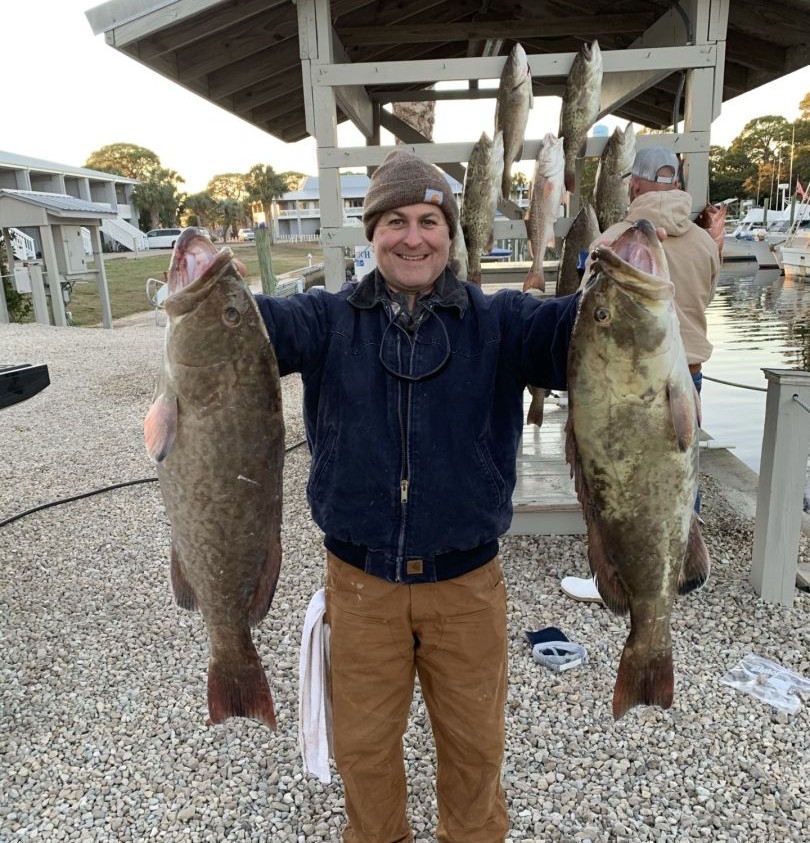
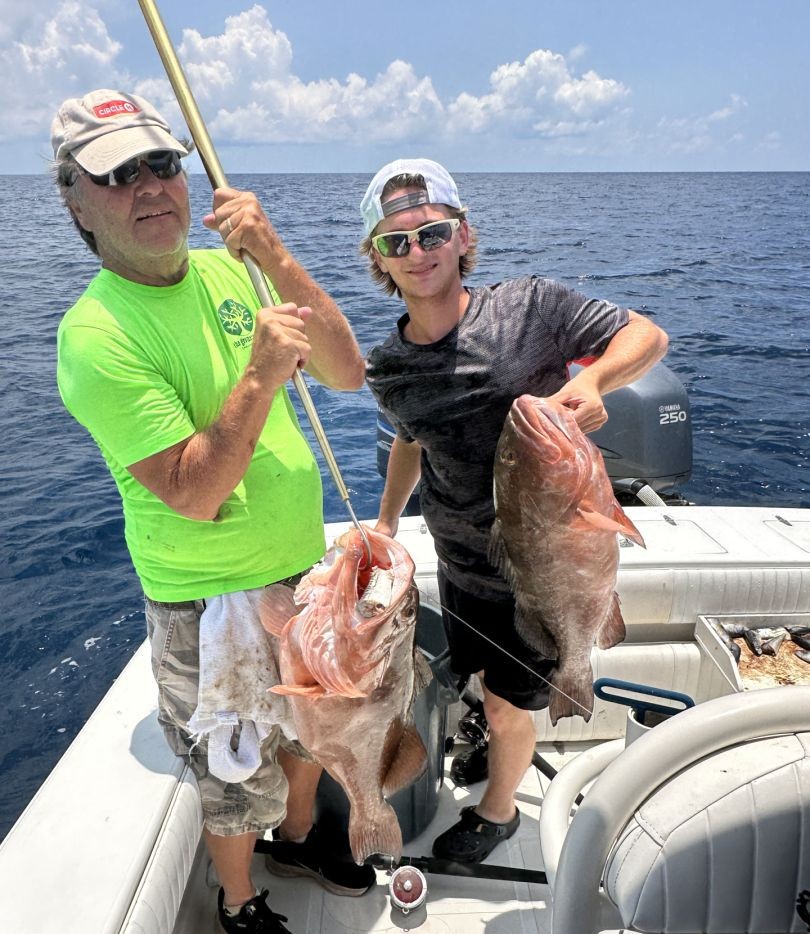
Black drum are the heavyweights of the oyster bars, with fish commonly running 5-15 pounds and some real monsters pushing 30-40 pounds. They're bottom feeders that love crabs, shrimp, and oysters, so you'll target them with cut bait right on the bottom around structure. Black drum are powerful fighters that use their size and the current to their advantage. They're most active in the cooler months when they move into shallow water to feed. The meat is excellent when they're fresh, and larger fish make great fish cakes or chowder.
Time to Book Your Spot
This charter delivers exactly what serious anglers want – productive fishing in beautiful water with a captain who knows his stuff. Joel's been working these waters long enough to know
 Private Trip
 Inshore Fishing
 undefined, undefined


 Five-hour inshore charter targeting redfish, trout, and sheepshead