4-Hour Afternoon Fishing Trip in Hilton Head Island
Looking for a solid afternoon on the water without the early morning wake-up call? Captain Randy Young's got you covered with this laid-back 4-hour fishing adventure around Hilton Head's prime inshore waters. Whether you're a complete beginner or someone who just wants to wet a line without the fuss, this trip delivers exactly what you're after. All your gear, bait, and tackle are handled – you just show up ready to fish. With only 4 spots available, you'll get plenty of personal attention and won't feel crowded on the boat.
What to Expect on the Water
Captain Randy knows these Hilton Head waters like the back of his hand, and he's got a knack for putting guests on fish while keeping things relaxed and fun. You'll be targeting some of the Lowcountry's best inshore species – redfish, cobia, and even some sharks that'll get your heart pumping. The afternoon timing is perfect because you skip the dawn patrol but still hit prime fishing hours when fish are active and feeding. The boat stays in protected inshore waters, so you won't deal with rough seas or long runs to fishing spots. Randy keeps things simple but effective, focusing on productive areas where fish actually live rather than just burning fuel to look impressive. No experience needed means exactly that – he'll teach you everything from how to hold the rod to setting the hook.
Tackle and Techniques
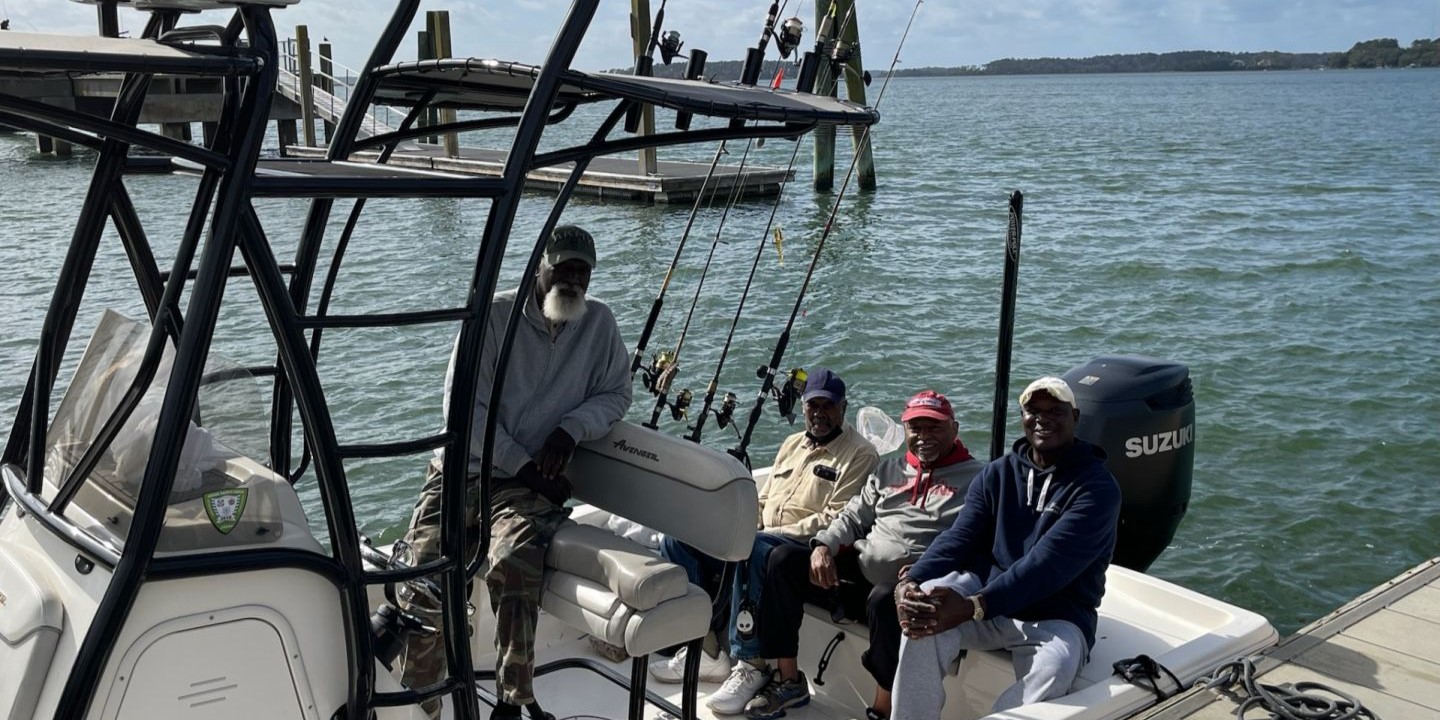
You'll be fishing with quality spinning gear that's perfect for inshore work – nothing too heavy or complicated, but solid enough to handle whatever bites. Most of the action happens with live bait and cut bait presented near structure, grass beds, and drop-offs where these fish like to hang out. Captain Randy switches up techniques based on conditions and what's biting – sometimes you're sight fishing for tailing redfish in shallow water, other times you're dropping baits near docks and oyster bars. When targeting sharks, expect heavier tackle and cut bait that really gets their attention. The boat's equipped with everything you need, including a good fish box to keep your catch fresh and proper safety gear. Randy's got backup rods rigged and ready, so if something breaks or gets spooled, you're back in action fast.
Species You'll Want to Hook
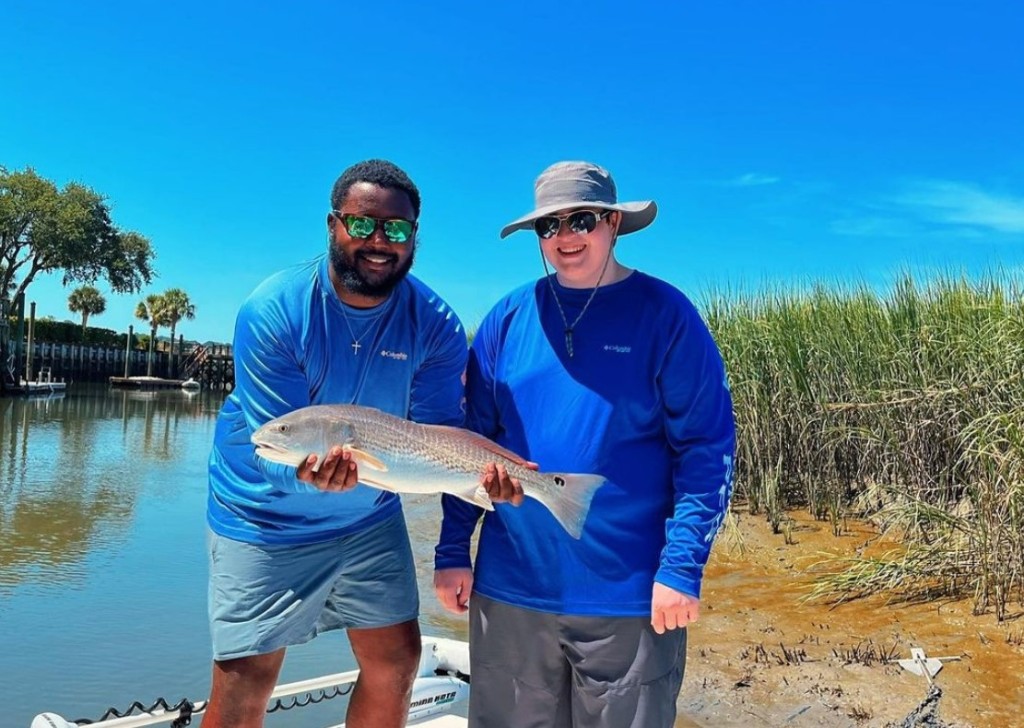
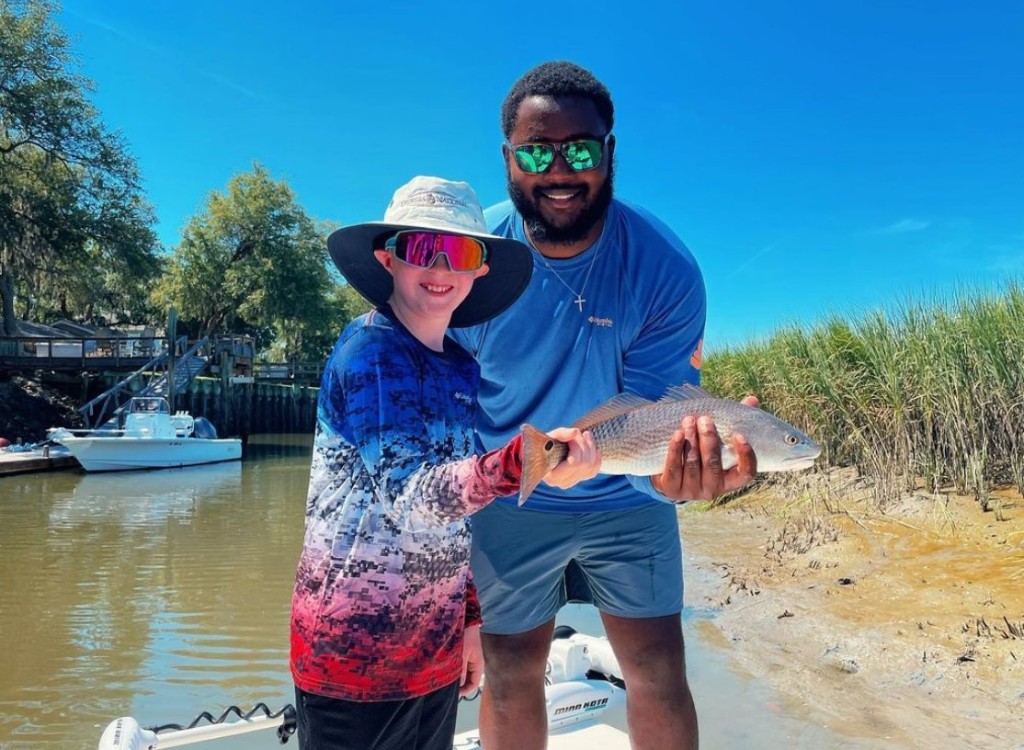
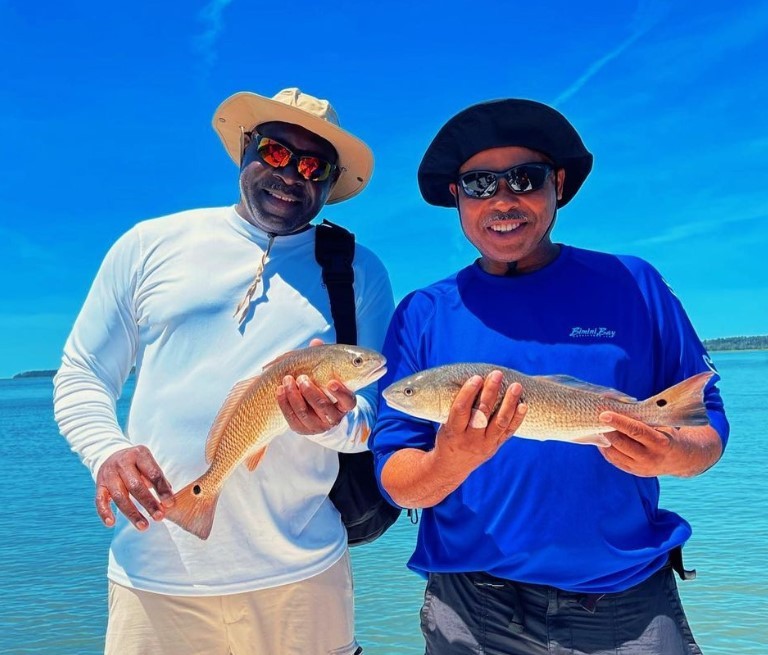
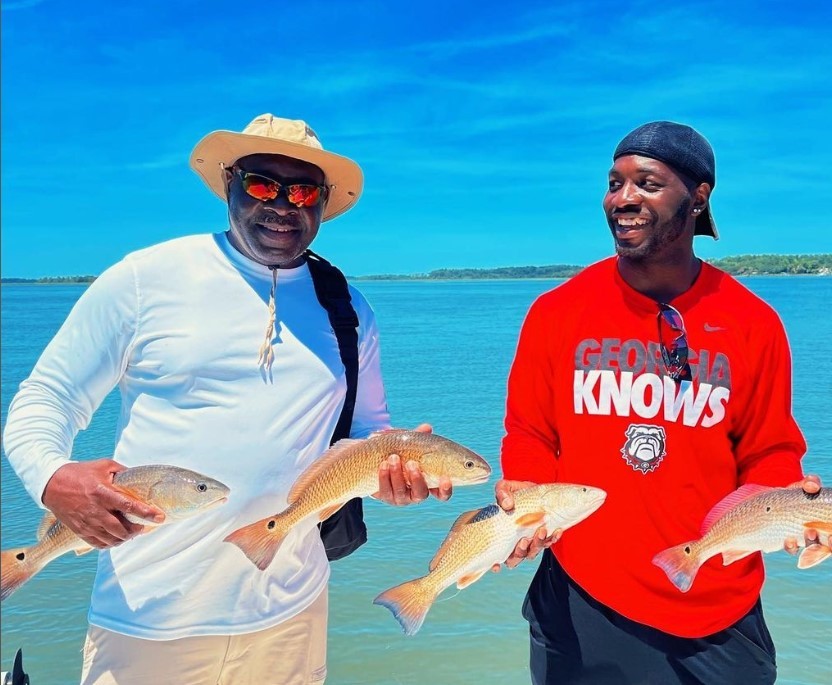
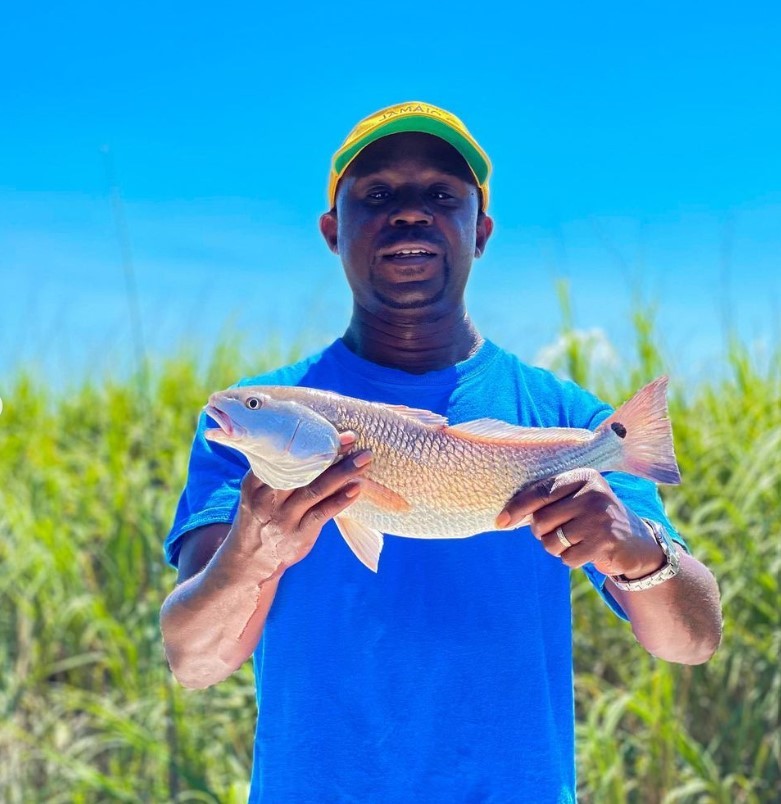
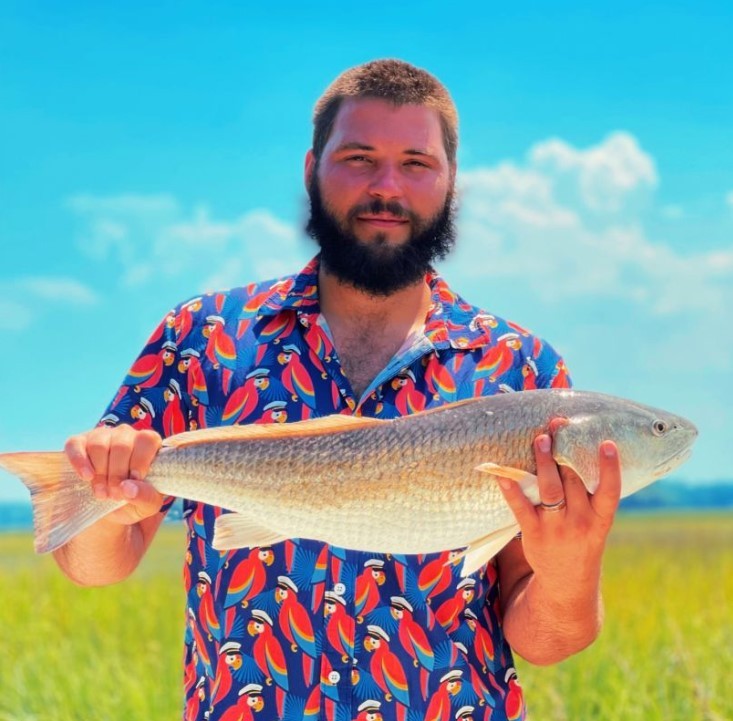
Redfish are the bread and butter of Hilton Head inshore fishing, and for good reason. These copper-colored fighters average 18-27 inches around here and put up a serious fight that'll test your drag system. Fall through early spring is prime time, when they school up in creeks and around structure. What makes reds special is how they eat – aggressive strikes followed by powerful runs that'll make your reel scream. Plus, they're great eating if you decide to keep a few within the slot limit.
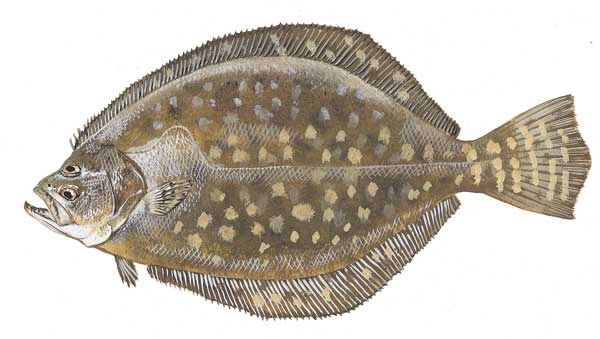
Southern Flounder are the sneaky ambush predators of the flats, lying buried in sand waiting for baitfish to swim by. These flatfish can surprise you with their size – doormat flounder over 20 inches are possible, especially during their fall migration. They're tricky to hook because they often mouth the bait before committing, so you need patience and good timing. The fight isn't flashy, but landing a big flounder feels like pulling up a dinner plate that doesn't want to come.
Sheepshead are the convict-striped masters of structure fishing, hanging around docks, pilings, and oyster beds where they pick off barnacles and small crabs. They're notorious bait stealers with their small mouths and quick bites, earning them a reputation as one of the trickiest inshore fish to hook consistently. But when you do connect, they're surprisingly strong fighters that use their flat sides to pull hard. The reward is some of the best eating fish in these waters.
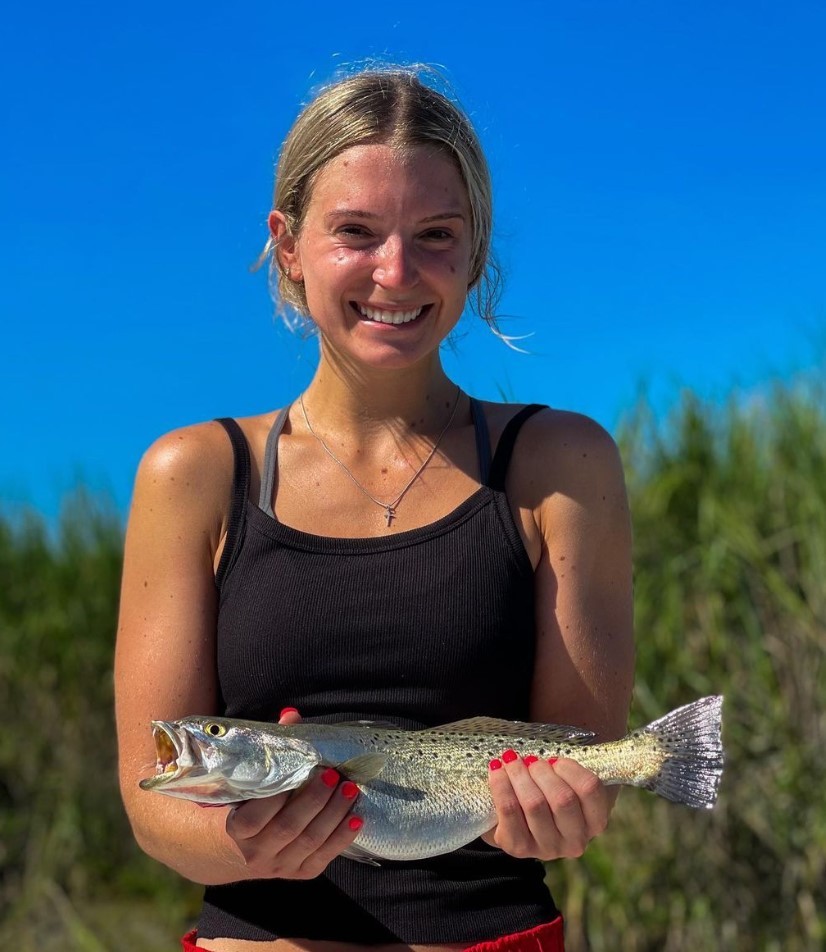
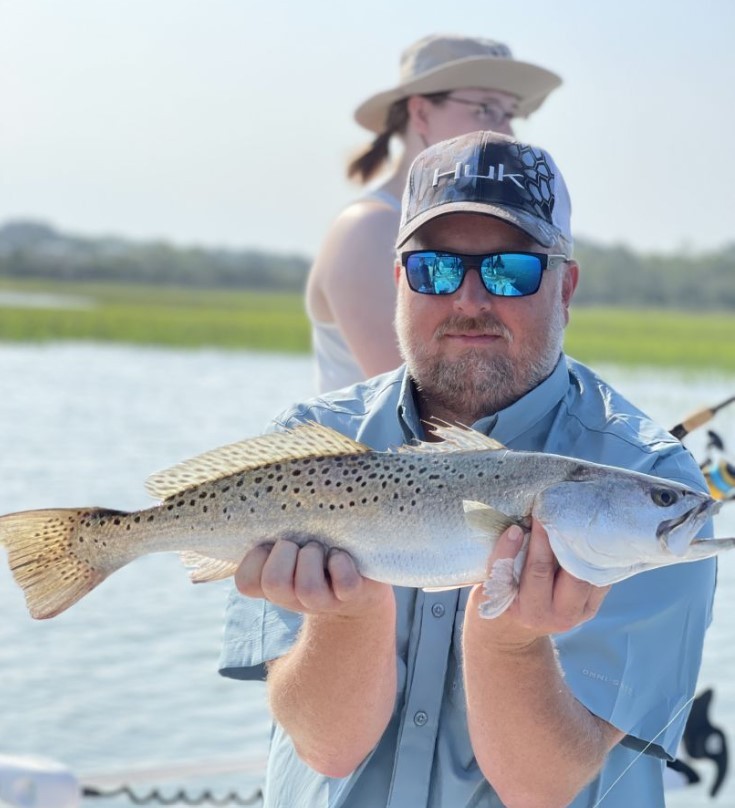
Sea Trout, or spotted seatrout, are the willing biters that keep action steady when other fish are being picky. They love grass flats and drop-offs, especially during moving tides. Trout hit both live and artificial baits aggressively, making them perfect for beginners. The bigger ones – what locals call "gator trout" – can reach 4-5 pounds and provide excellent sport on light tackle. Spring and fall are peak seasons when schools move through Hilton Head's waters.
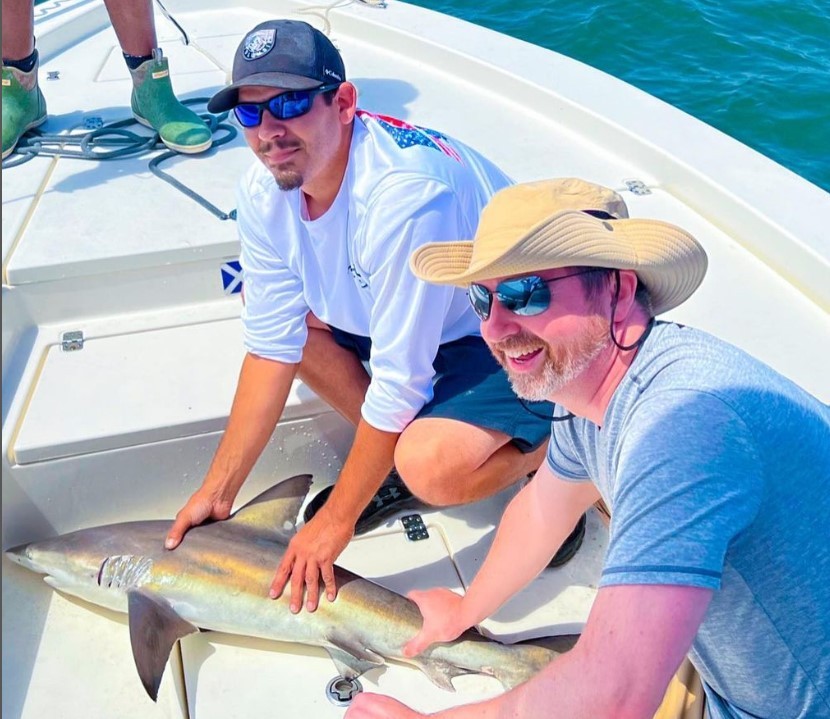
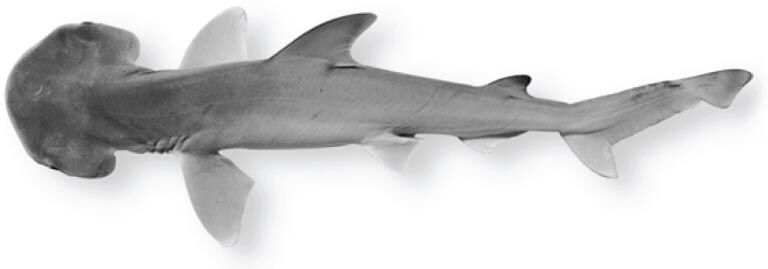
Bonnethead Sharks are the smaller, more manageable cousins of bigger sharks, but they still pack enough punch to get exciting. These 2-4 foot sharks are actually pretty common in shallow waters around here, especially during warmer months. They're perfect for folks who want to catch a shark without dealing with something that could potentially be dangerous. Bonnetheads fight harder than their size suggests and make great photo opportunities.
Blacktip Sharks bring the real excitement when they show up. These are legit sharks – typically 3-5 feet long with serious speed and jumping ability when hooked. Summer and early fall are prime time when they move into inshore waters chasing baitfish. The fight is something else – long runs, jumps, and powerful surges that'll have you questioning your knots. Captain Randy knows how to handle them safely for photos and release.
Cobia are the wild cards that can make your whole trip when they appear. These brown, shark-looking fish are curious and often approach the boat, giving you sight-fishing opportunities that get your adrenaline pumping. They grow big – 20-40 pounders are possible – and fight like freight trains once hooked. Spring and fall migrations bring the best chances, though they can show up anytime during warm months around Hilton Head.
Time to Book Your Spot
This afternoon fishing trip hits the sweet spot for anyone wanting quality inshore fishing without the complications. Captain Randy's experience shows in how smoothly everything runs, from rigged tackle to finding fish that actually want to bite. With just 4 people max, you get personalized instruction and plenty of chances to fish
 Private Trip
 Inshore Fishing
 Hilton Head Island


 Four-hour inshore fishing adventure targeting redfish, cobia, and sharks