Extended Half Day Fishing Trip - North Carolina
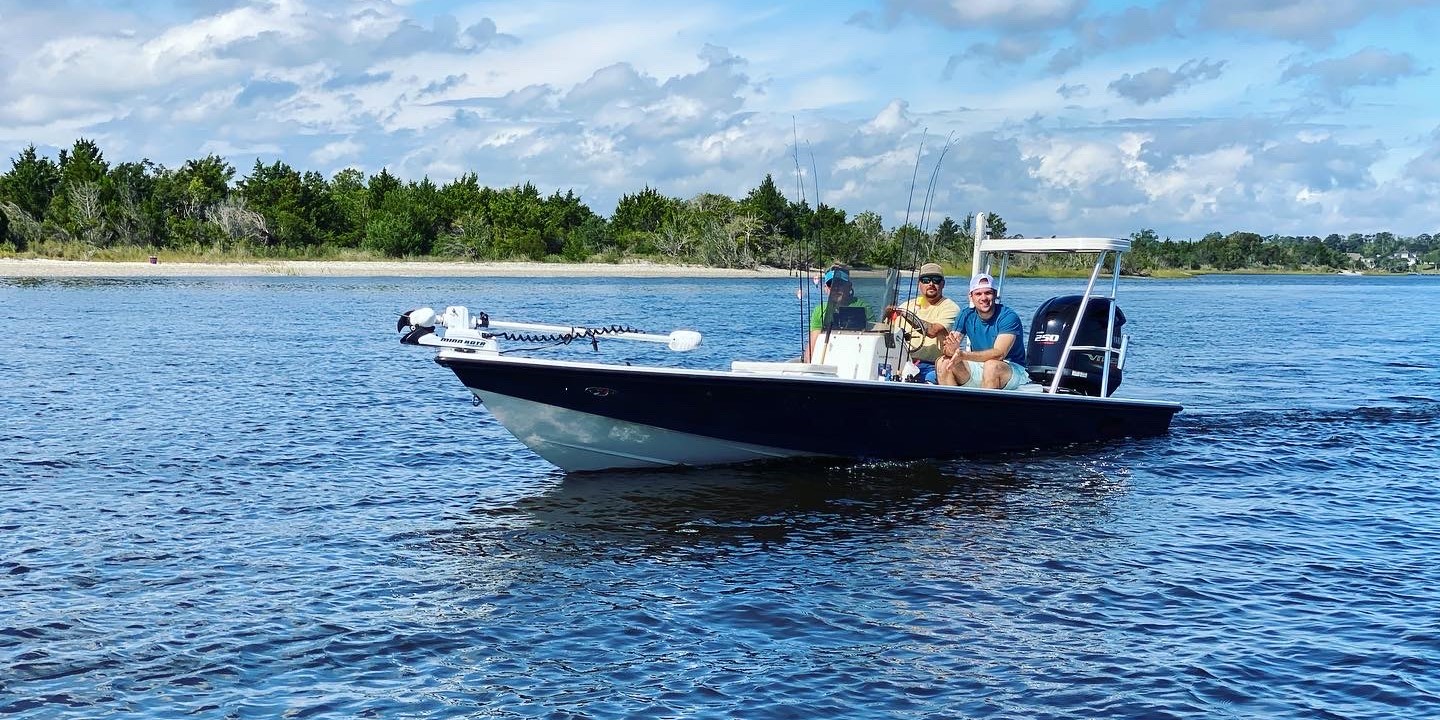
Six hours on the water hits that sweet spot between getting your fishing fix and not burning your whole day. With Reel Obsession Fishing Charters II, you'll have enough time to really get into the groove and target multiple species without feeling rushed. This extended half-day trip gives you the best of both worlds - we can bounce between inshore spots and venture into offshore waters, all while keeping things relaxed and fun. Whether you're bringing your buddy for a guys' trip or introducing someone new to saltwater fishing, this 6-hour window is perfect for building confidence and putting fish in the boat.
What to Expect on the Water
We'll kick off early enough to beat the crowds and take advantage of prime feeding times. North Carolina's coastal waters are legendary for a reason - the mix of inshore marshes, nearshore structure, and accessible offshore waters means we've got options no matter what the fish are doing. Your captain knows these waters like the back of his hand and will read the conditions to put you on the most active fish. The boat is set up with quality gear, but feel free to bring your own rods if you've got favorites. We'll move around based on what's biting - maybe start shallow for some redfish action, then head to deeper structure for cobia or move to the grass beds where the trout like to hang out. The beauty of this trip length is we're not locked into one spot or one technique.
Gear and Fishing Techniques
We'll be running a variety of setups depending on what we're targeting. Light tackle spinning gear works great for the inshore species like trout and redfish - nothing beats the fight on 10-15 pound test. For the bigger fish like cobia, we'll step up to medium-heavy rods with enough backbone to turn them away from structure. Bait fishing with live or cut bait produces consistently, especially around structure where sheepshead and flounder like to ambush their meals. We'll also throw artificials when the fish are aggressive - soft plastics, spoons, and topwater plugs all have their place in the arsenal. The captain will coach you on technique, whether it's working a jig along the bottom for flounder or sight-casting to tailing redfish in shallow water. Don't worry if you're new to saltwater fishing - the learning curve isn't steep, and these fish are forgiving.
Species You'll Want to Hook
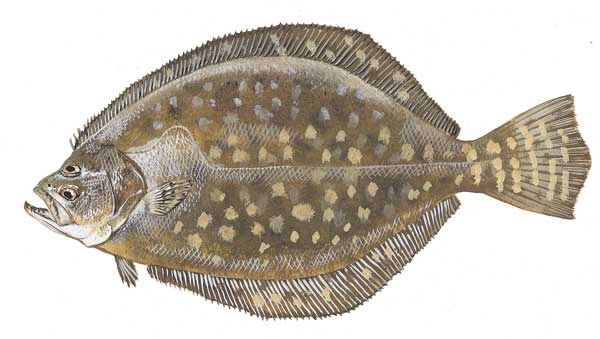
Southern Flounder are the masters of disguise, lying buried in sand and mud waiting for an easy meal. These flatfish can grow surprisingly large in North Carolina waters, with doormat-sized fish over 5 pounds not uncommon during peak season from late spring through fall. They're ambush predators, so patience pays off when you're bouncing jigs or drifting live bait near the bottom. The fight isn't flashy, but that first heavy headshake when they realize they're hooked gets your attention every time.
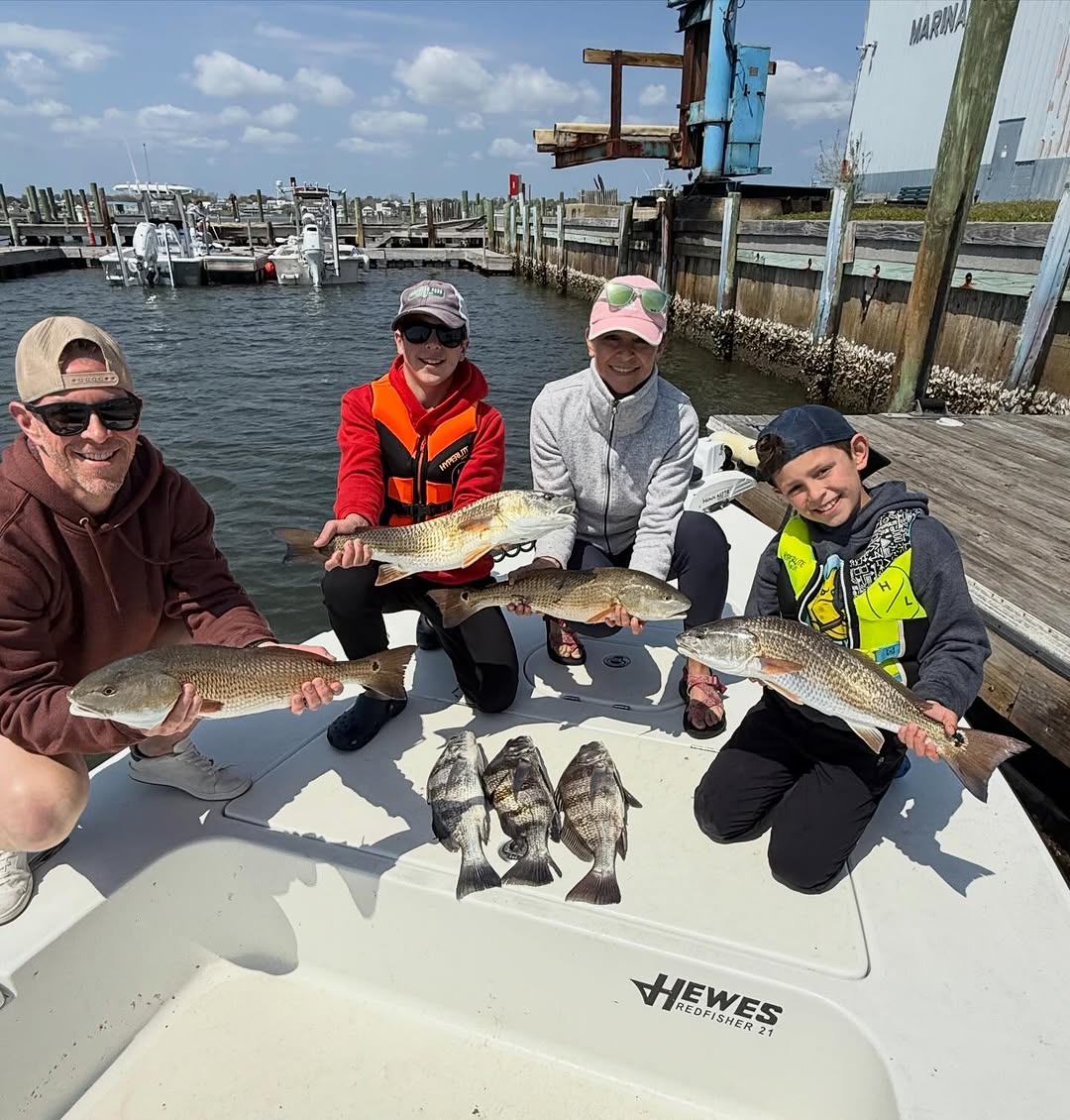
Sheepshead are the convict-striped bait thieves that'll test your hook-setting reflexes. These fish have human-like teeth for crushing barnacles and crabs around structure, making them notorious for stealing bait. Spring and fall bring the best sheepshead action as they move inshore to spawn. They're excellent table fare and put up a solid fight on light tackle. The key is feeling that subtle tick when they mouth the bait - hesitate and you're feeding fish instead of catching them.
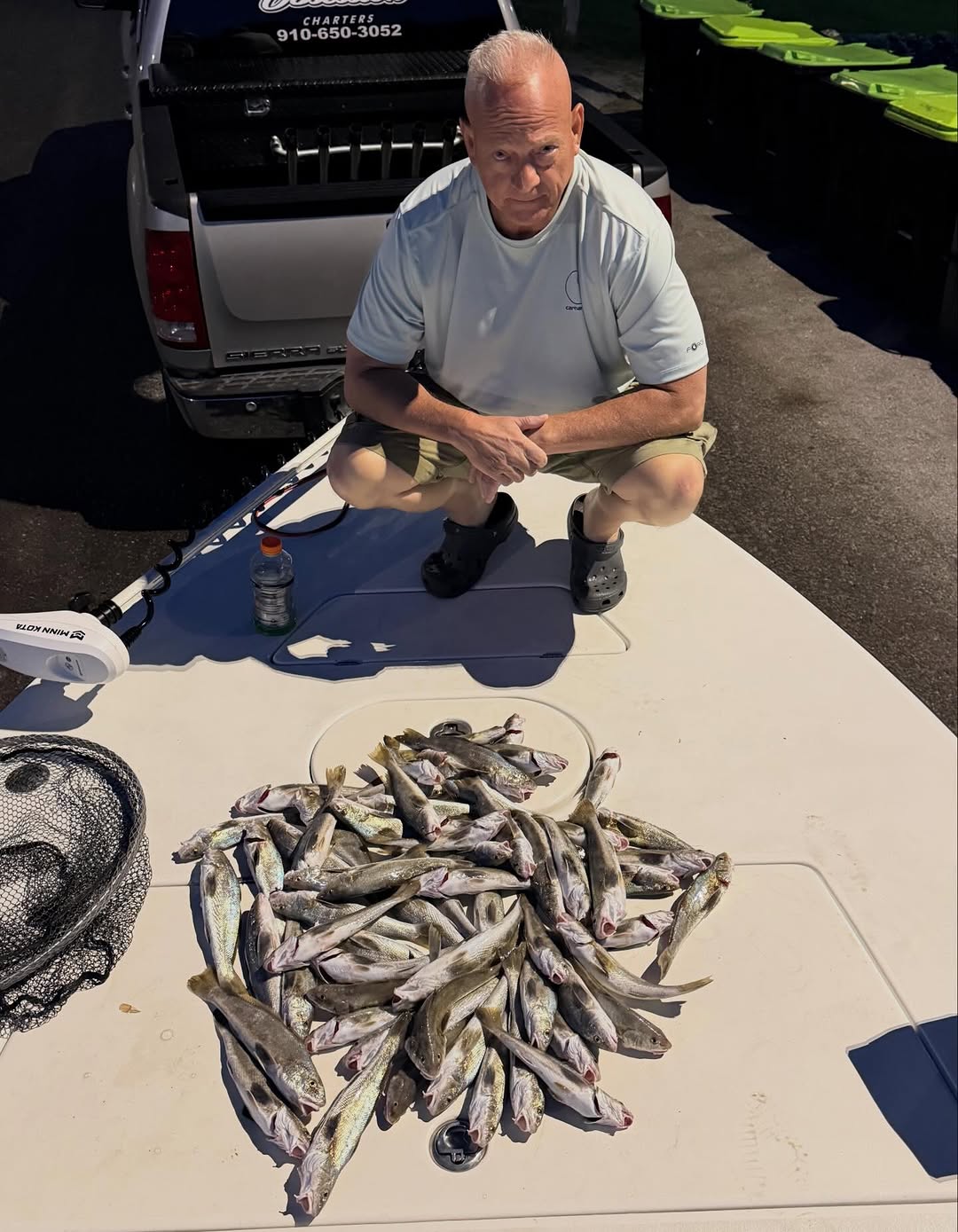
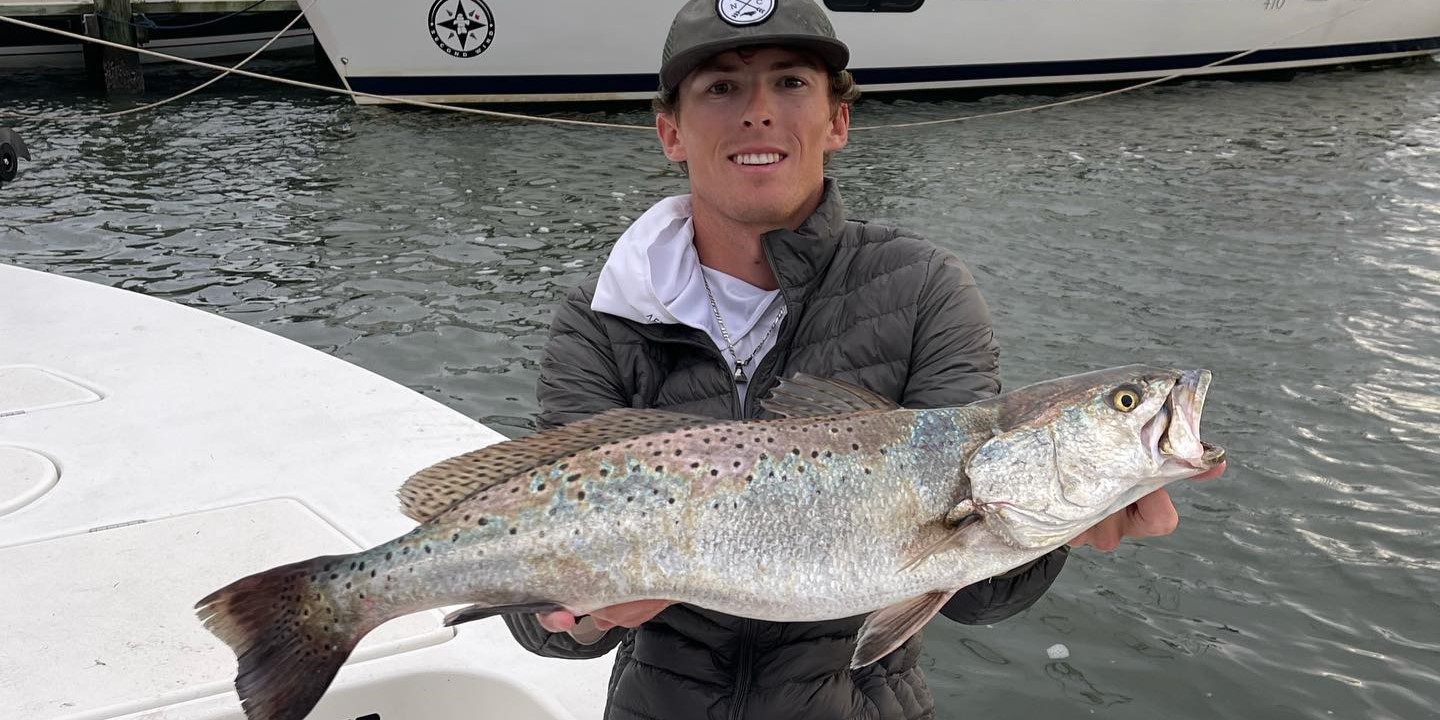
Sea Trout, or speckled trout, are the bread and butter of inshore fishing here. They school up around grass beds and drop-offs, feeding aggressively on shrimp and small baitfish. Spring and fall offer the most consistent action, though summer can produce some impressive gator trout over 5 pounds. They hit artificials with authority and make blistering runs when hooked. The spotted pattern and canine teeth make them easy to identify, and they're cooperative enough to keep beginners engaged.
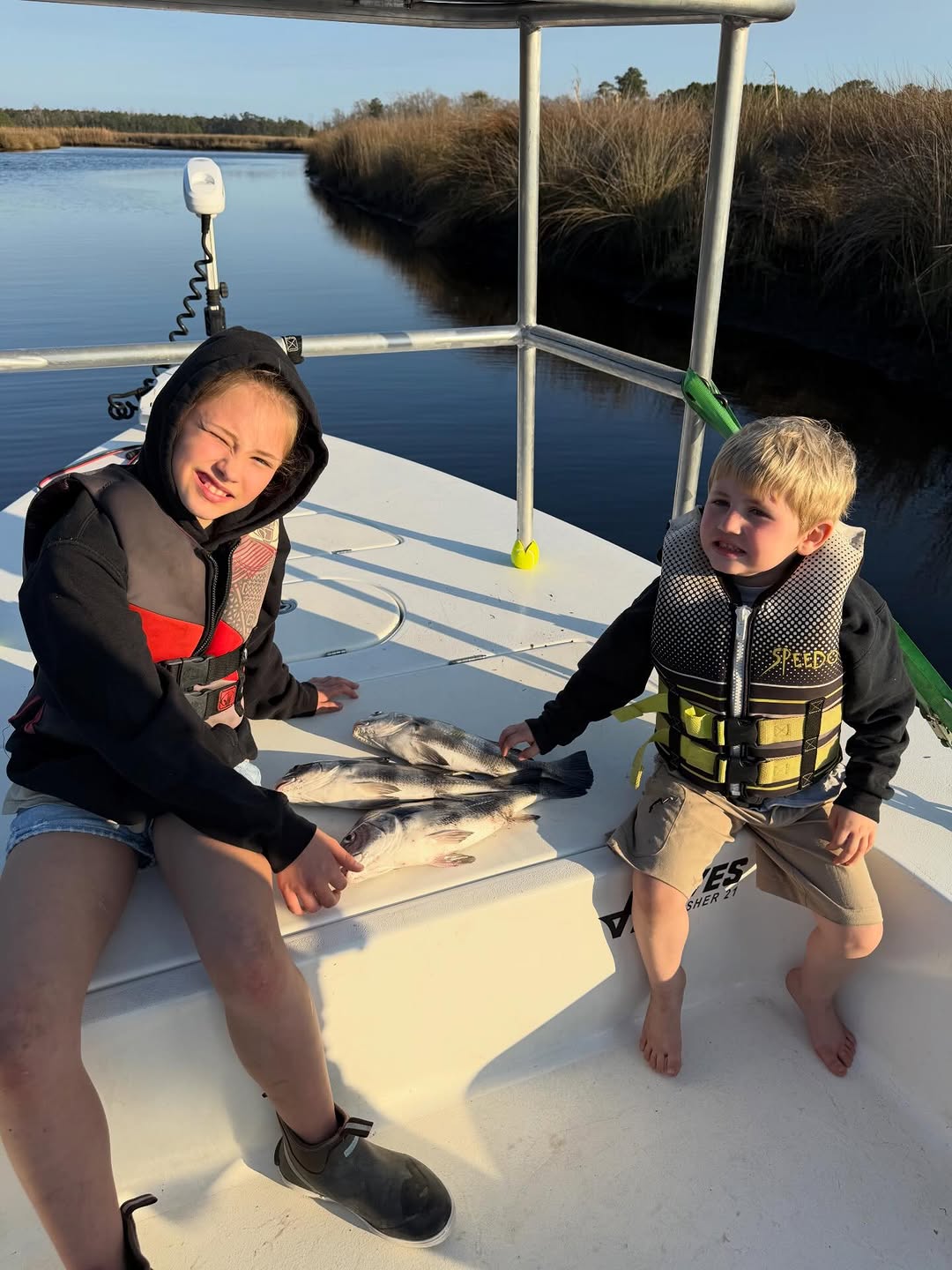
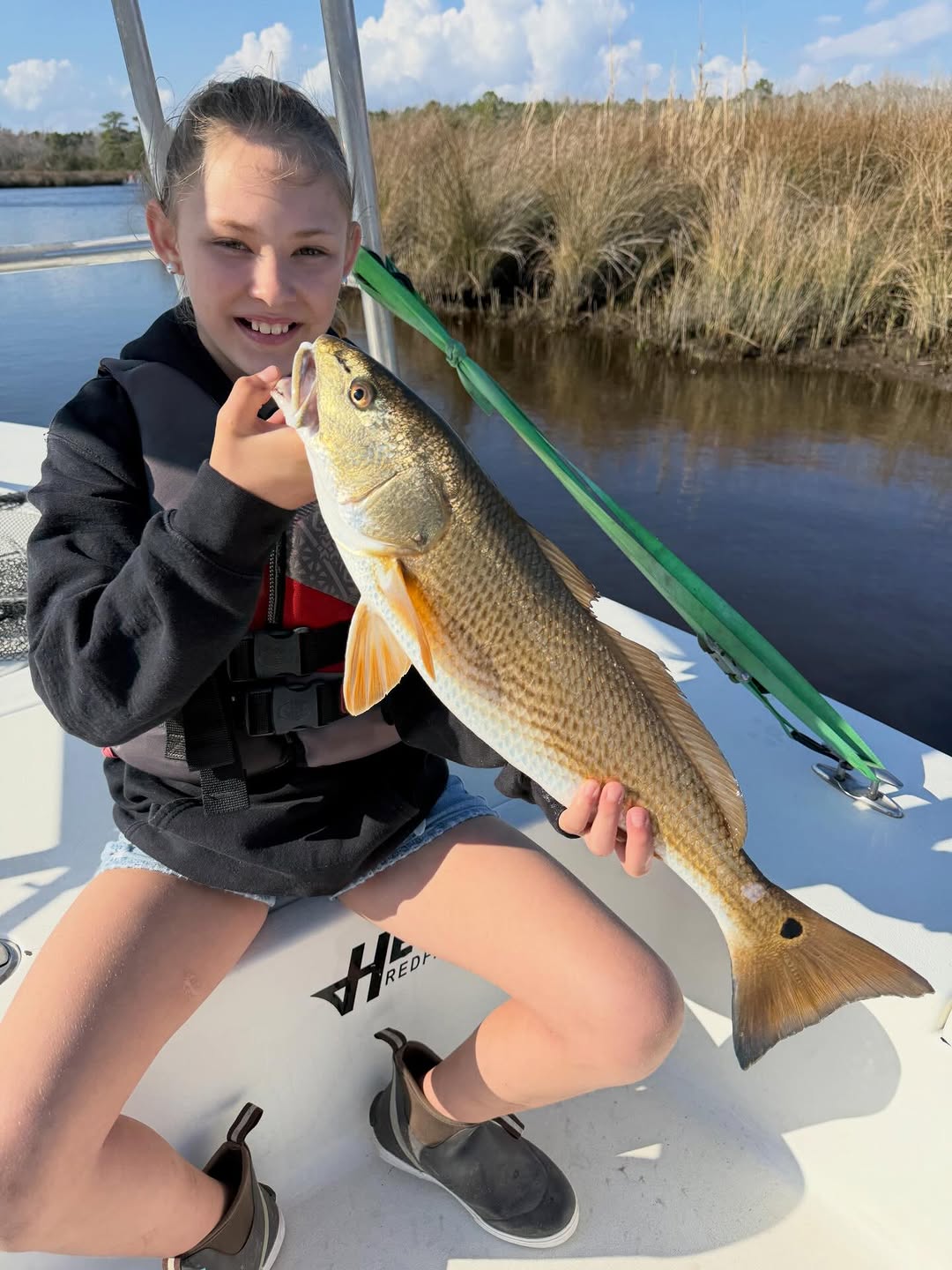
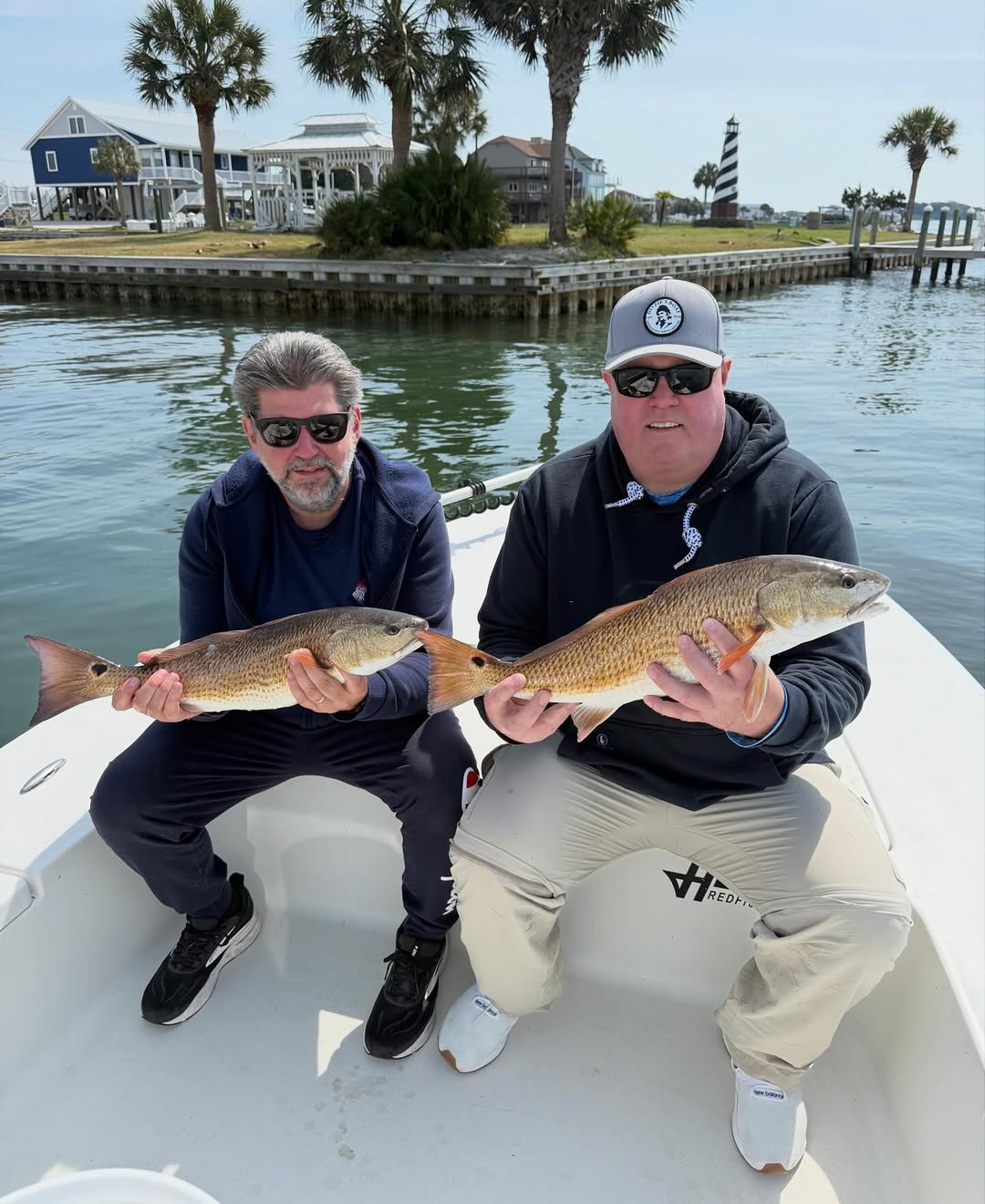
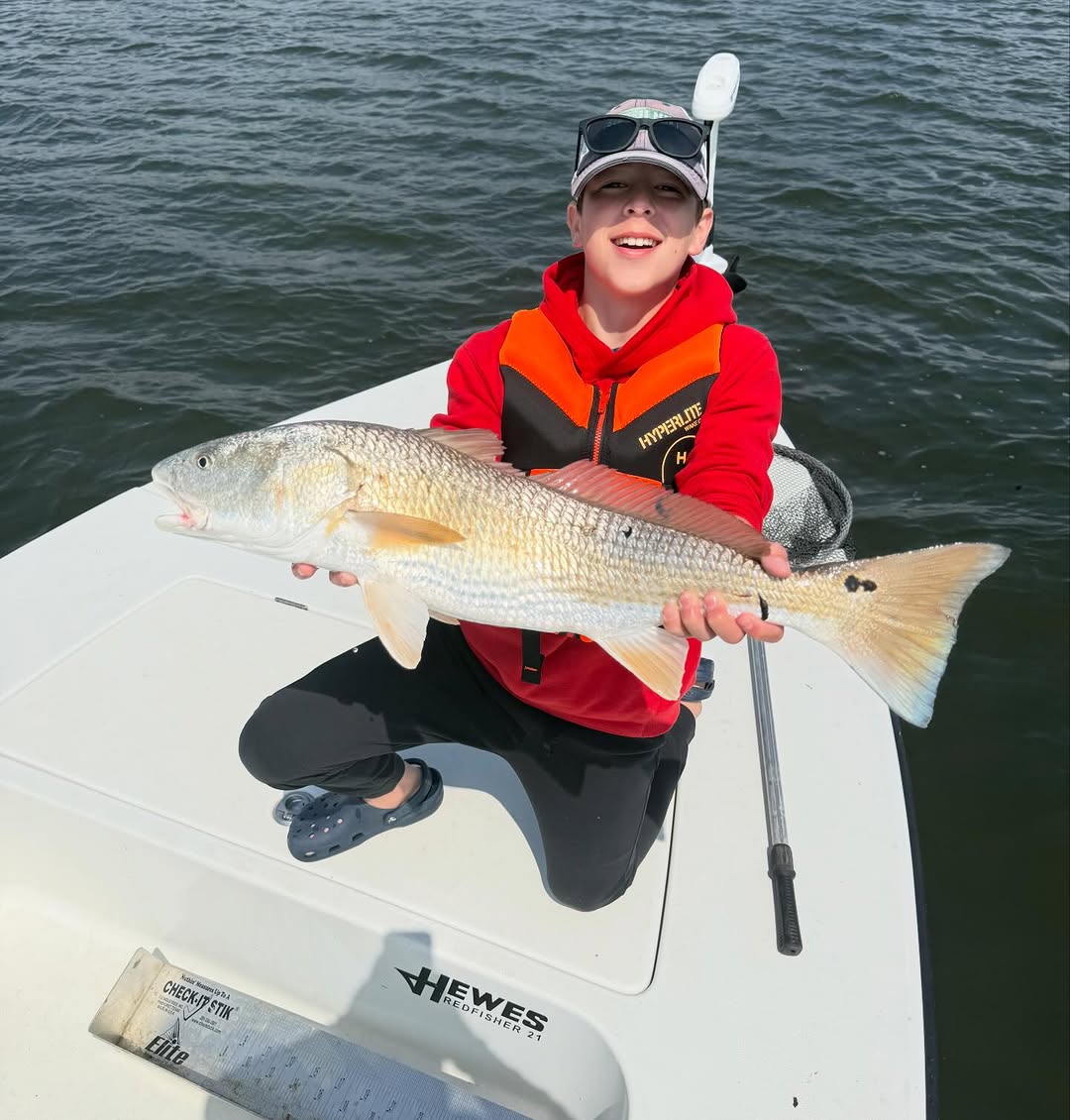
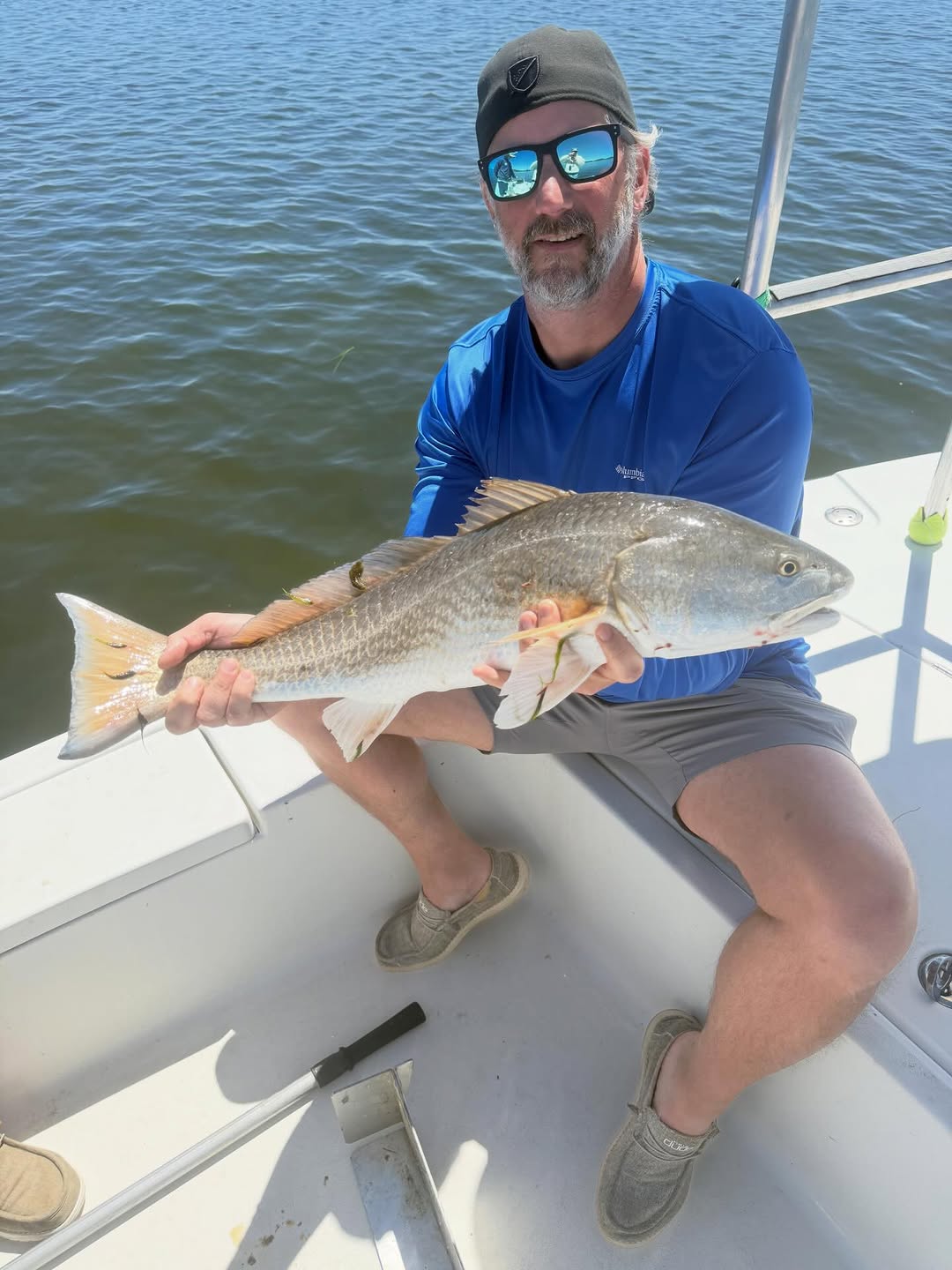
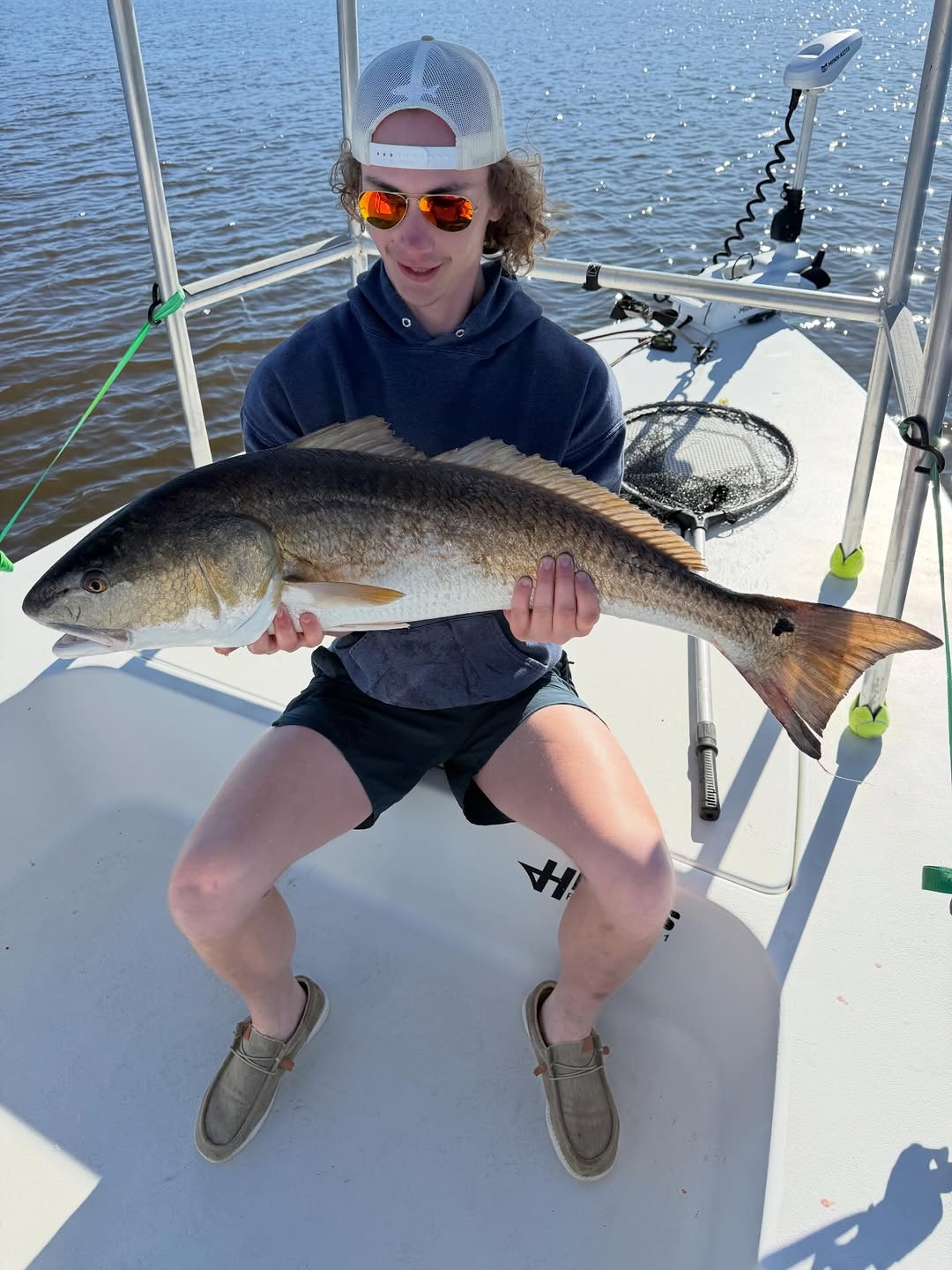
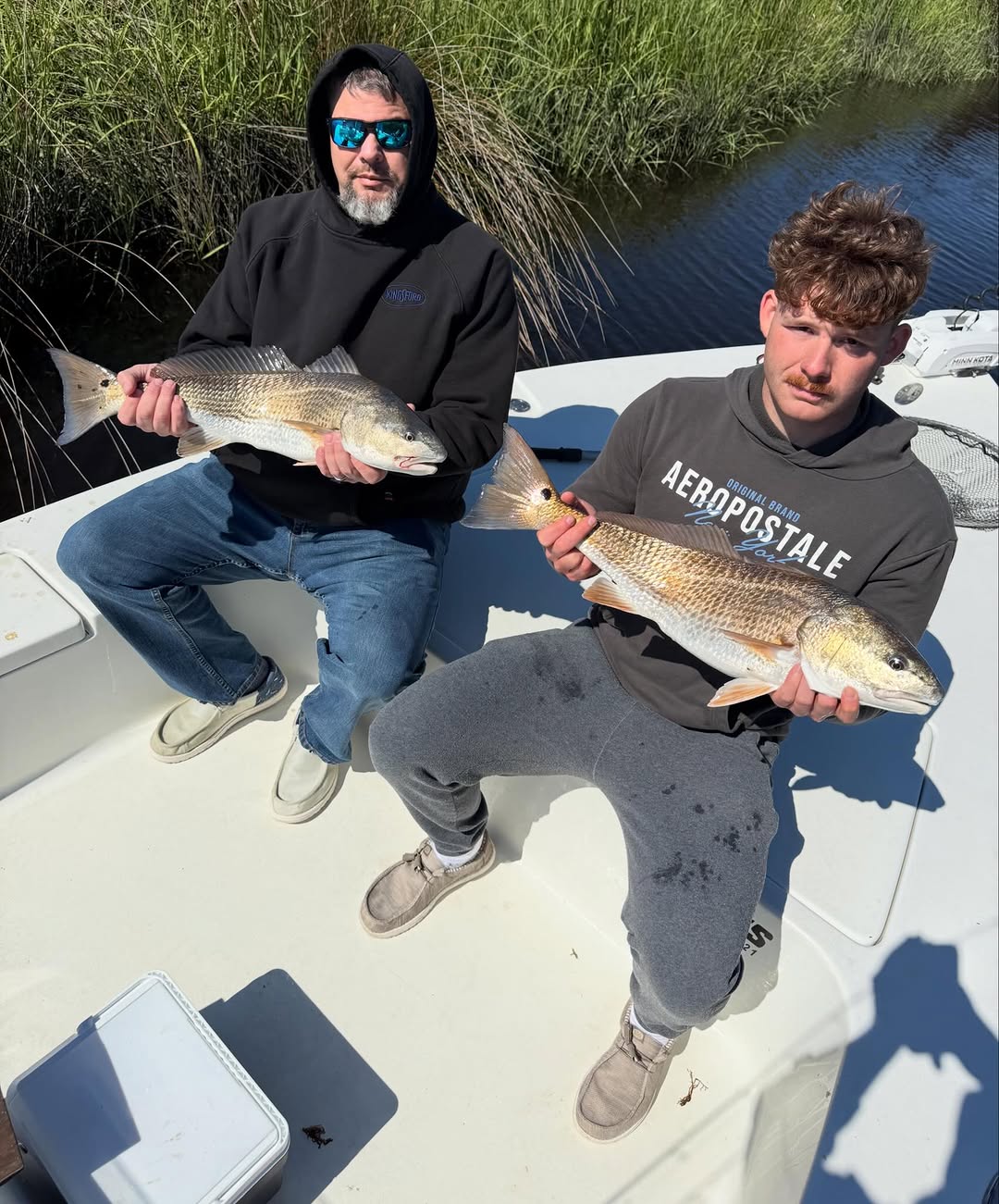
Redfish are the copper-colored bruisers that every angler wants to tangle with. These drum can push 40+ inches and provide tackle-busting fights in shallow water. Summer brings them into the marshes where sight-fishing opportunities abound - watching a red's back break the surface as it roots for crabs is pure fishing magic. They're not picky eaters but can be spooky in skinny water. The trademark spot near the tail and bronze coloring make them unmistakable, and their dogged fighting style keeps you honest.
Cobia are the wild cards that can turn a good day into a great one. These chocolate-colored fish cruise the surface looking like sharks, often following rays and other fish. Spring and summer bring them close to shore where they're accessible to light tackle. A big cobia will test your drag and your back - they're powerful fish that don't give up easily. Their shark-like appearance gets hearts racing, but they're actually curious fish that can be sight-cast to when conditions are right.
Time to Book Your Spot
Six hours gives you a real taste of what North Carolina fishing is all about without the commitment of a full day trip. You'll have time to learn, adapt, and hopefully put together a mixed bag of quality fish. The variety of species and techniques keeps things interesting, and there's enough time to relocate if the bite slows down. This trip works great for anyone wanting to experience our world-class inshore and nearshore fishery. Remember that deposits are non-refundable, so pick your dates carefully. The boat only takes two anglers, so you'll get plenty of personalized attention and coaching. Book now and get ready to see why North Carolina fishing keeps anglers coming back year after year.
 Private Trip
 Inshore Fishing
 Swansboro


 Six-hour inshore fishing trip targeting multiple fish species