Half Day Nova Scotia Multi Species Charter
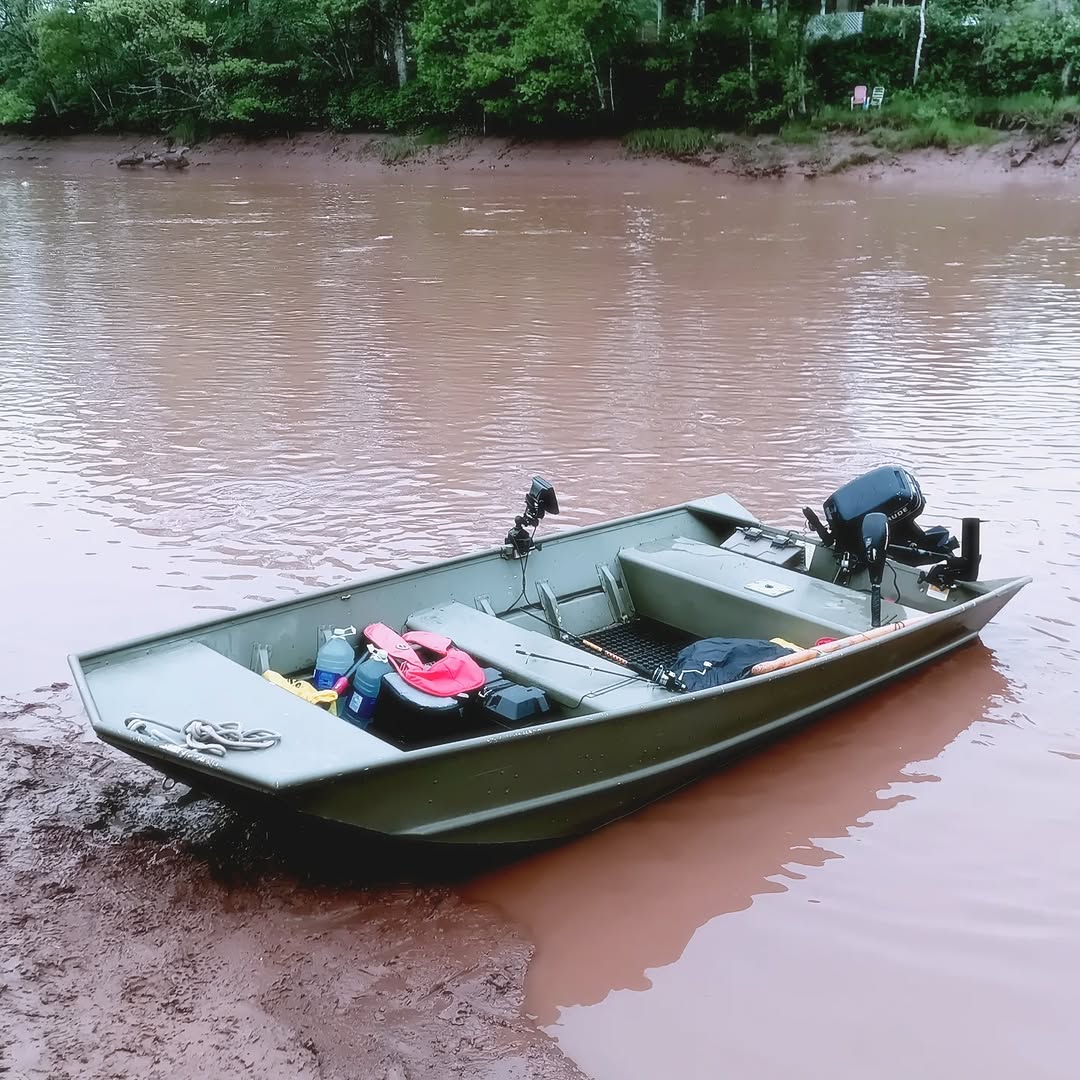
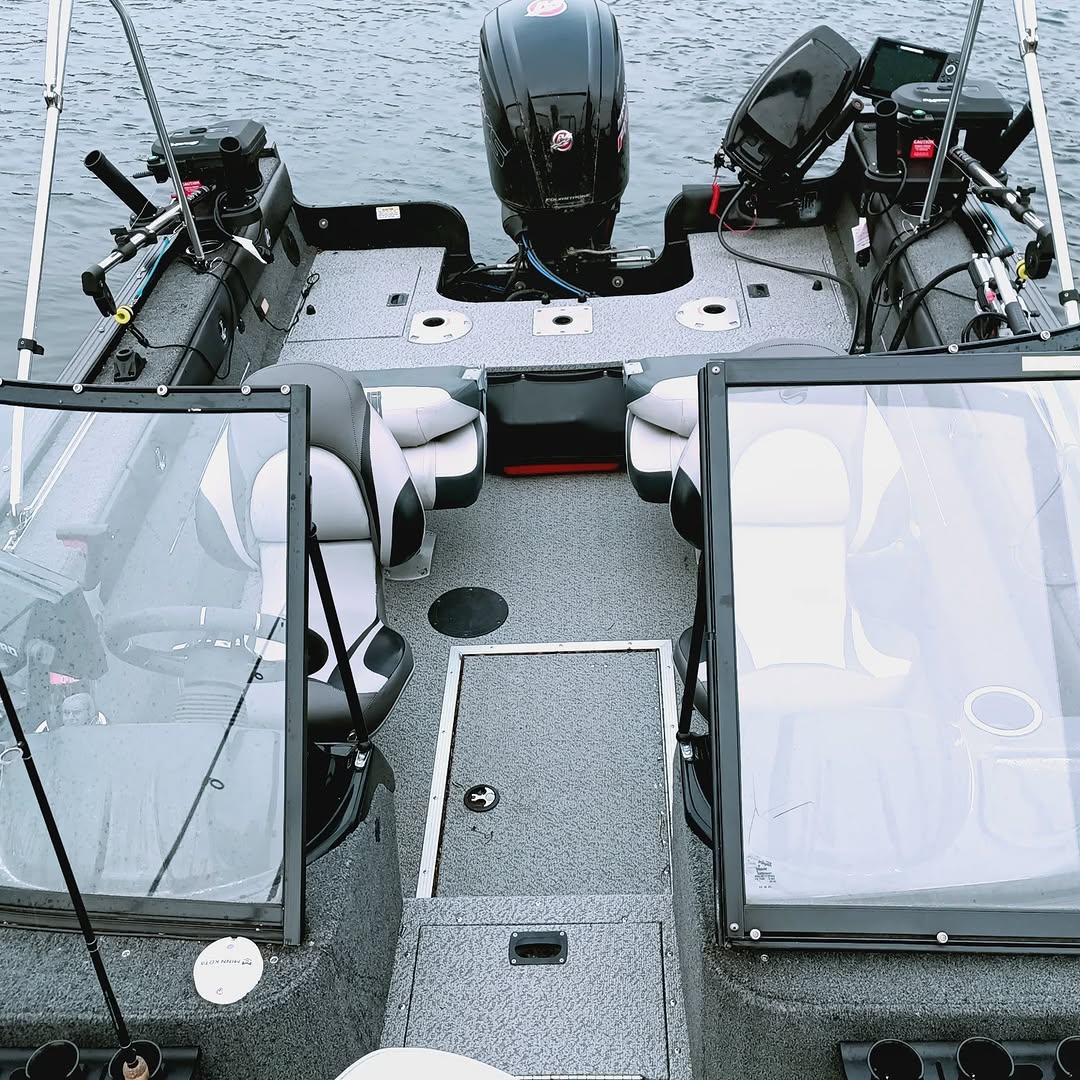
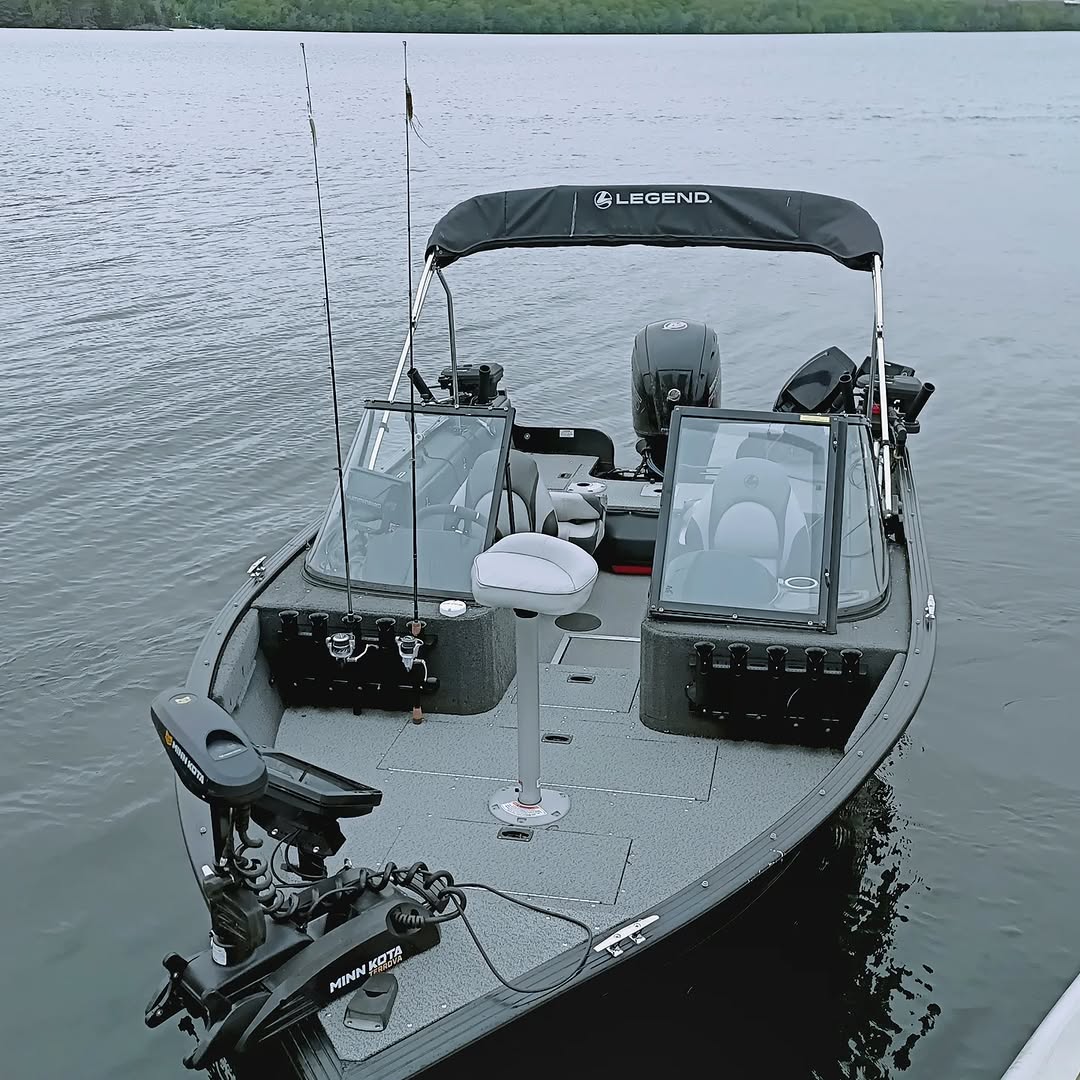
When you're looking for variety on the water, this half-day charter with Alan Stortts hits all the right notes. You'll spend four solid hours working Nova Scotia's prime inland lakes and river systems, targeting everything from hard-fighting striped bass to scrappy smallmouth. The 18-foot StarCraft Legend with twin Mercury engines gets you to the fish fast, and with room for just three anglers, you're getting personal attention that makes all the difference. Whether you've been fishing for decades or just picked up your first rod, this trip delivers the kind of action that keeps you coming back.
What to Expect on the Water
Alan knows these waters like the back of his hand, and he's not shy about moving spots to find where the fish are biting. The beauty of this charter is the flexibility – you might start the morning working structure for smallmouth bass, then shift to deeper water for lake trout, or find yourself casting into weed lines for pickerel and perch. The boat's twin engines mean you're not wasting time getting between productive areas. You'll be fishing with quality gear from the moment you step aboard – premium rods, reels that can handle whatever you hook, and custom eco-friendly tackle that's proven effective on these waters. The freshly prepared lunch keeps your energy up for the full four hours, because trust me, when the bite is on, you don't want to be thinking about food.
Gear Setup & Techniques
The tackle selection changes based on what's running and where Alan decides to focus the trip. For striped bass, you'll likely be working with medium-heavy spinning gear and proven presentations like swimbaits or live bait rigs. Smallmouth fishing calls for lighter tackle and finesse techniques – think jigs, soft plastics, and topwater when conditions are right. Lake trout fishing often means going deeper with downriggers or weighted lines, while pickerel and perch respond well to smaller lures and live bait presentations. Alan provides all the gear, but he's also happy to work with your own tackle if you've got favorites you want to use. The key is matching your approach to current conditions – water temperature, weather, and seasonal patterns all play into the strategy for the day.
Top Catches This Season
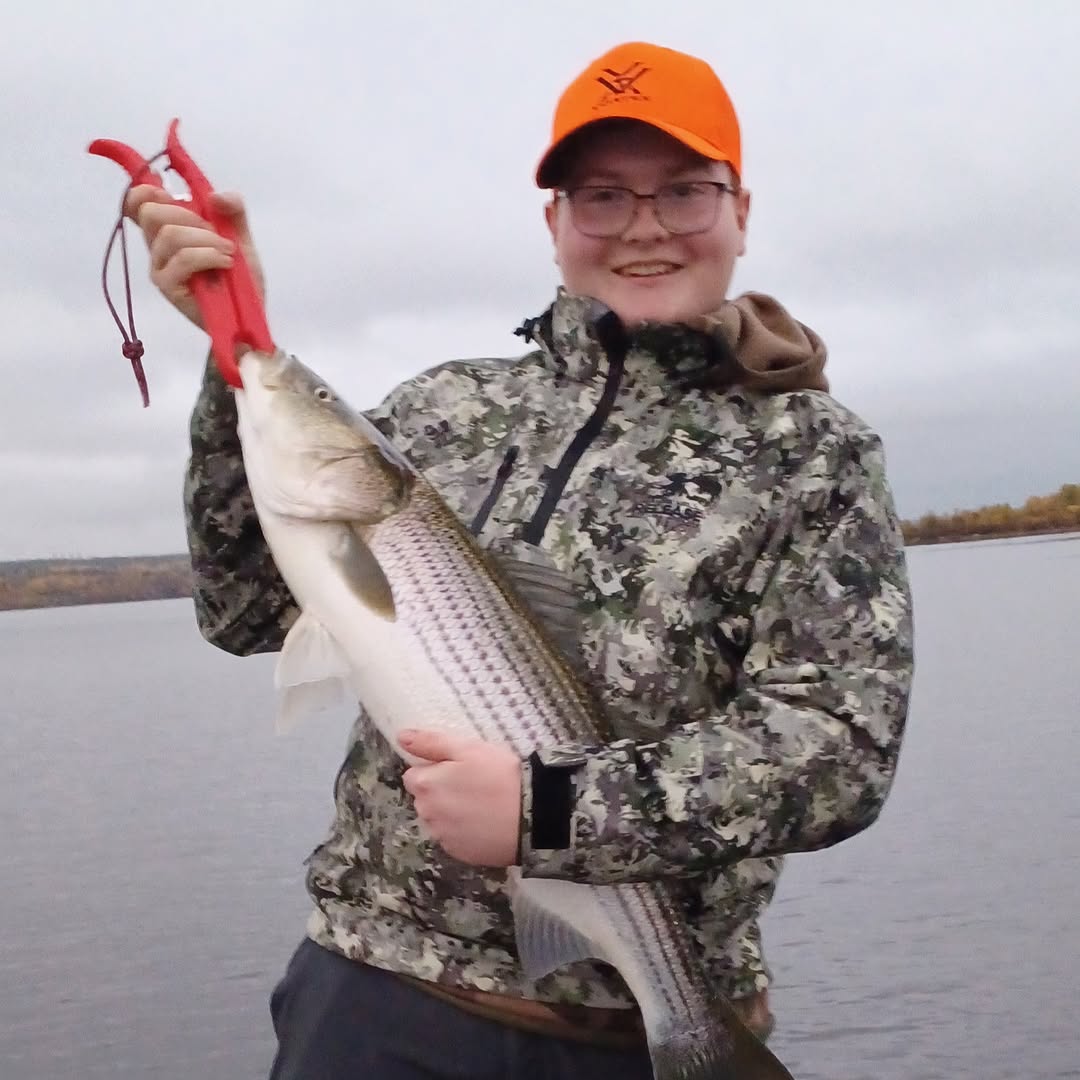
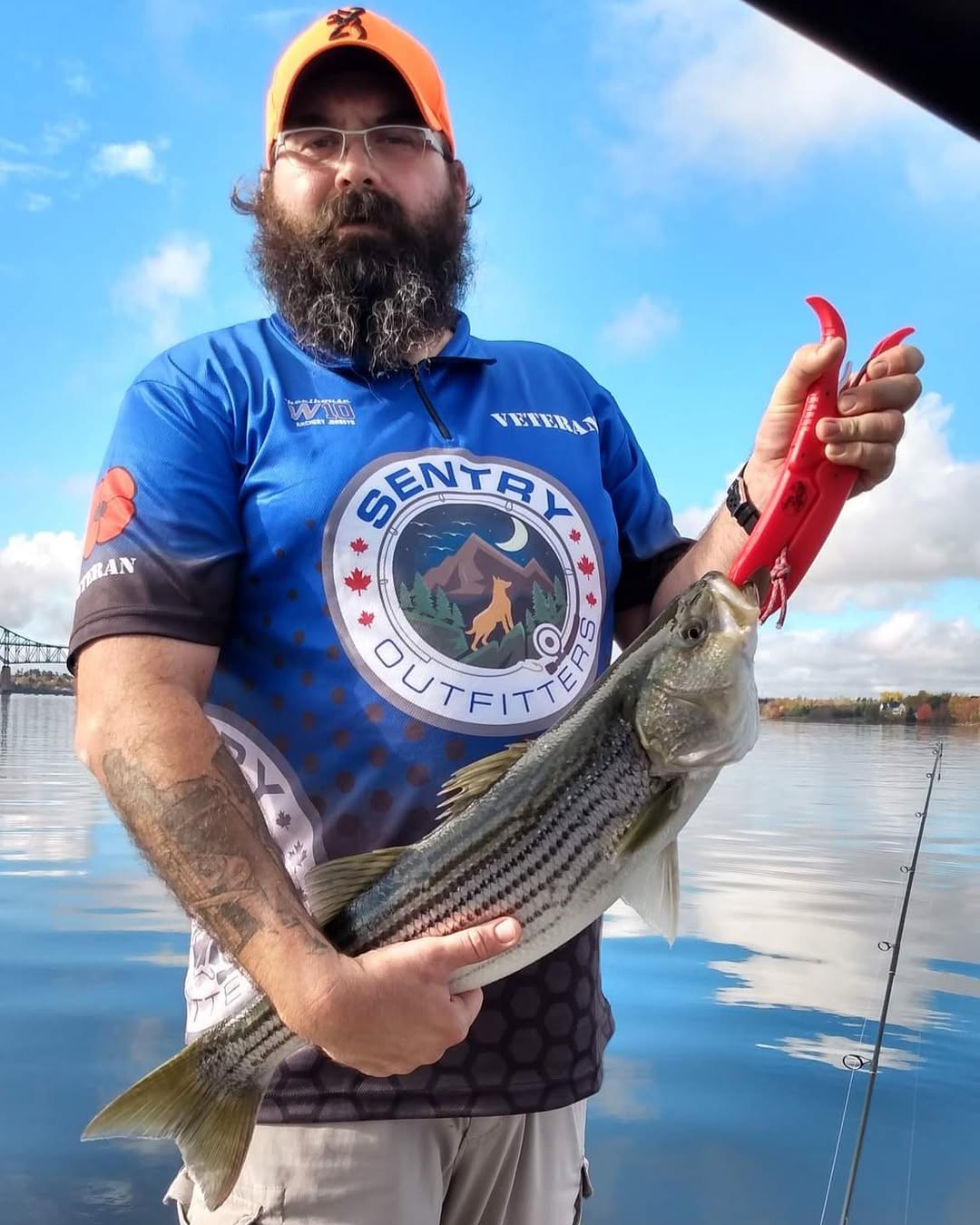
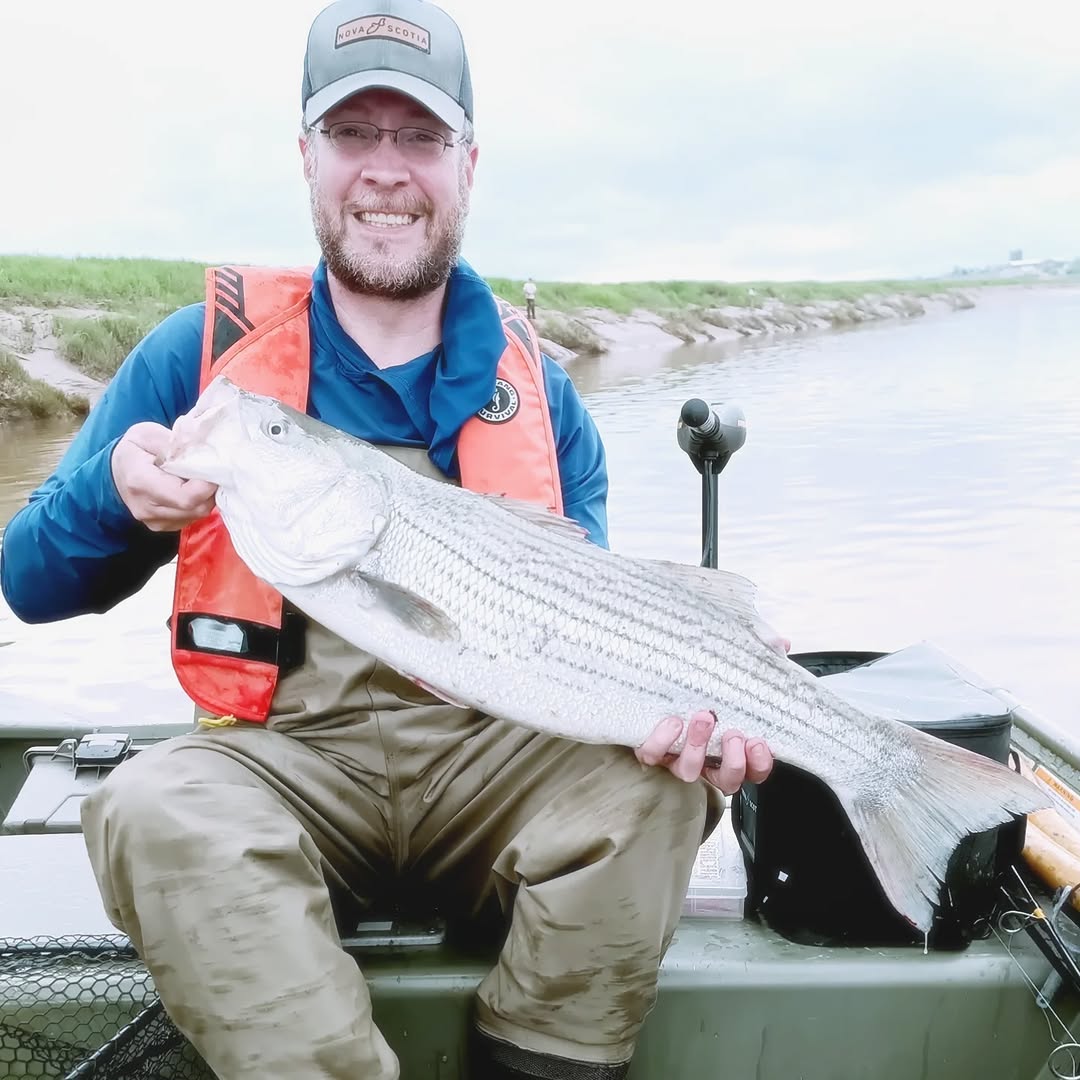
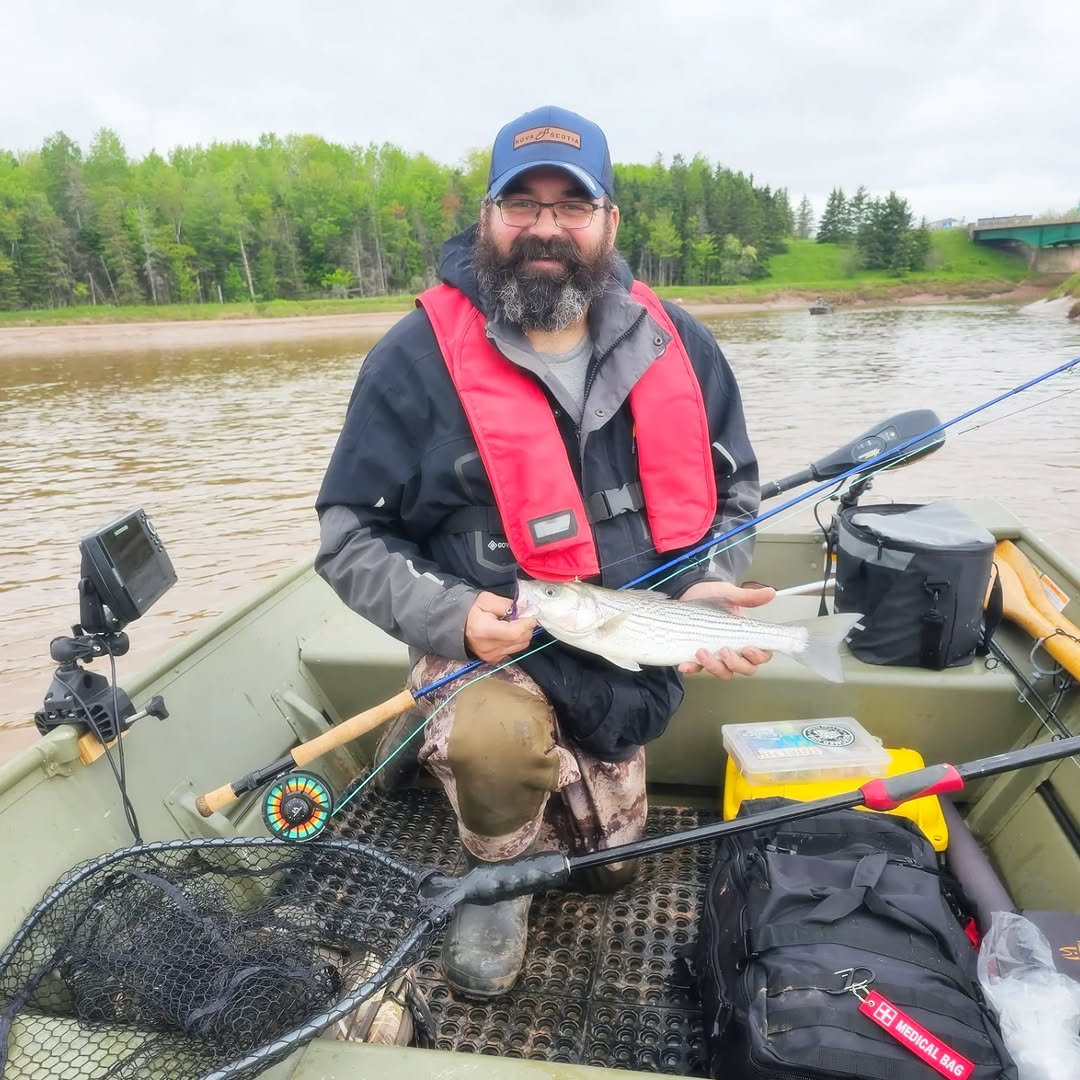
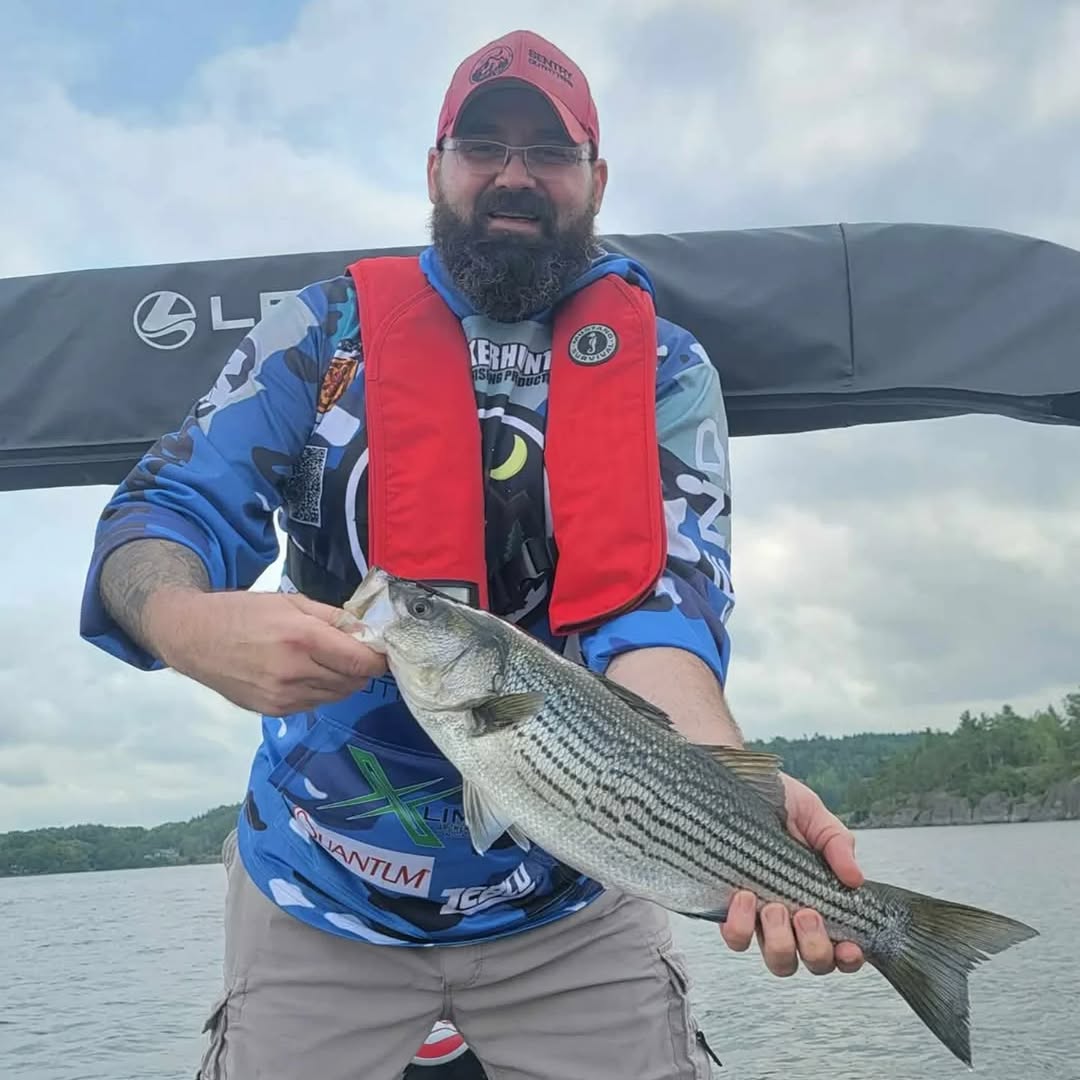
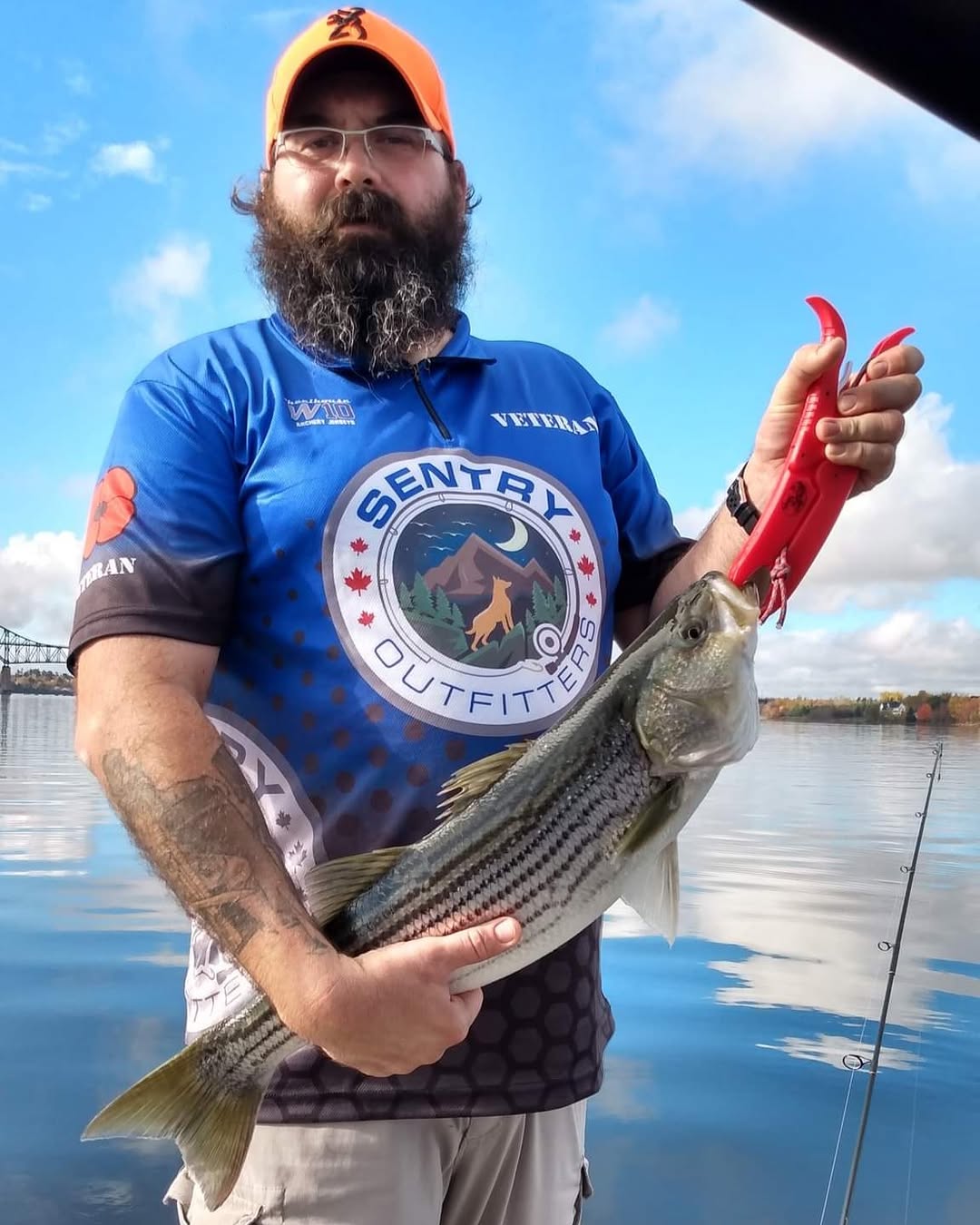
Striped bass are the crown jewel of this fishery, and for good reason. These silver rockets can push 20-30 pounds in Nova Scotia waters, offering fights that test both your tackle and your technique. They're most active during spring and fall migrations, but summer holds can produce steady action when you find them. Smallmouth bass bring a different kind of excitement – pound for pound, they're some of the hardest fighting freshwater fish you'll encounter. They love rocky structure and drop-offs, and a 3-4 pound smallie will give you a workout on appropriate tackle. Chain pickerel are the water wolves of these systems, ambushing prey from weed cover with lightning-fast strikes. They're aggressive, toothy, and always ready to eat, making them perfect targets when you want consistent action. American yellow perch might be smaller, but they make up for size with numbers and taste – when you find a school, you can fill the cooler quickly. Lake trout round out the mix as the deep-water specialists, often the largest fish in the system and always a prize catch when they cooperate.
Time to Book Your Spot
This top-rated Nova Scotia fishing charter offers everything serious anglers want – variety, quality equipment, expert guidance, and waters that consistently produce fish. Alan's local knowledge and willingness to adapt to conditions mean you're maximizing your time on the water, not just going through the motions. The four-hour format is perfect for families, visiting anglers, or anyone wanting to sample the best of Nova Scotia's inland fishing without committing to a full day. With launch locations chosen seasonally for the best success rates, you know you're fishing prime water every trip. Don't wait on this one – quality guide trips fill up fast, especially during peak seasons when all these species are most active.
 Private Trip
 Lakes/Reservoirs/Ponds Fishing
 Nova Scotia


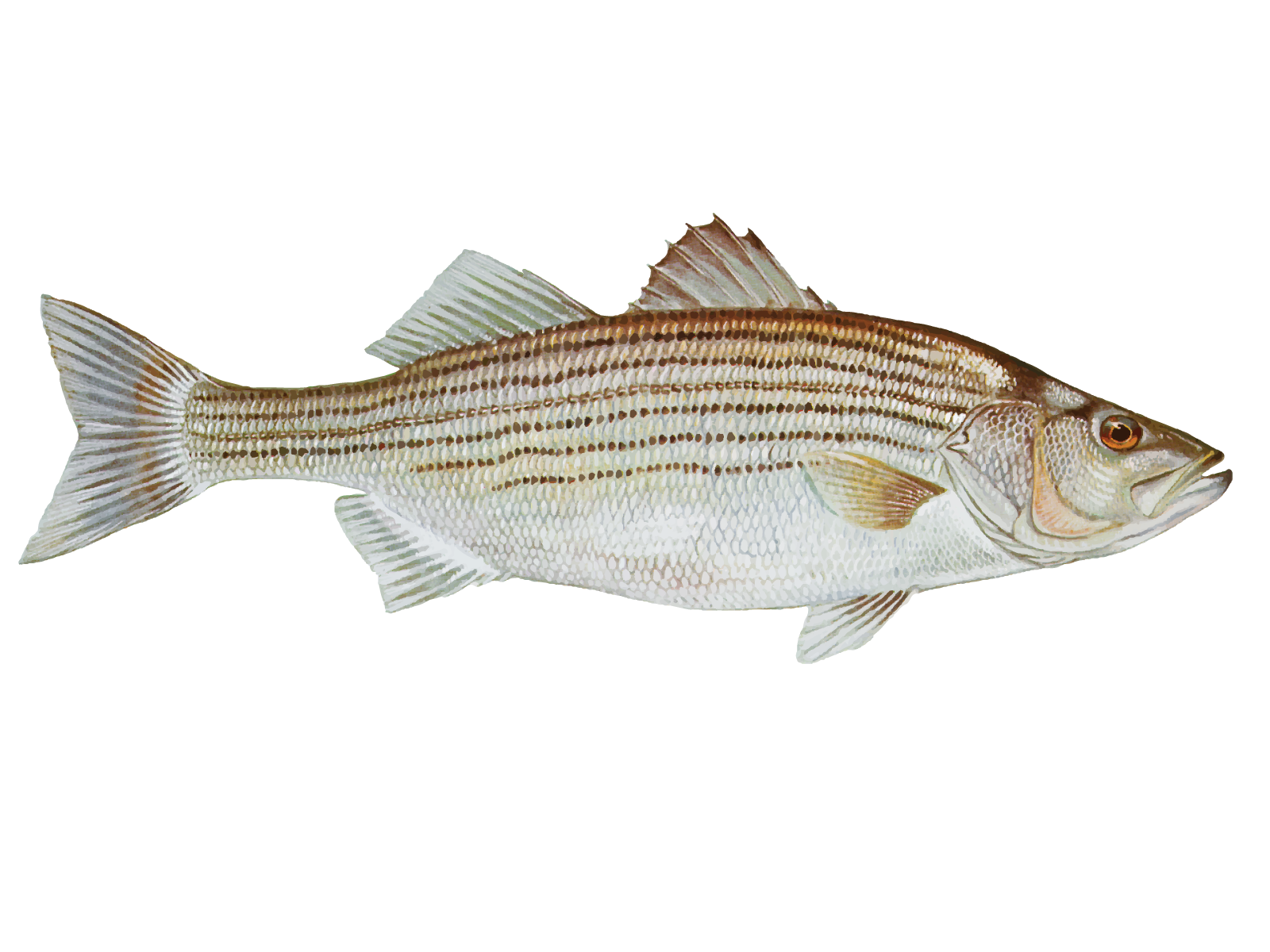
 Half-day charter targets striped bass and multiple species