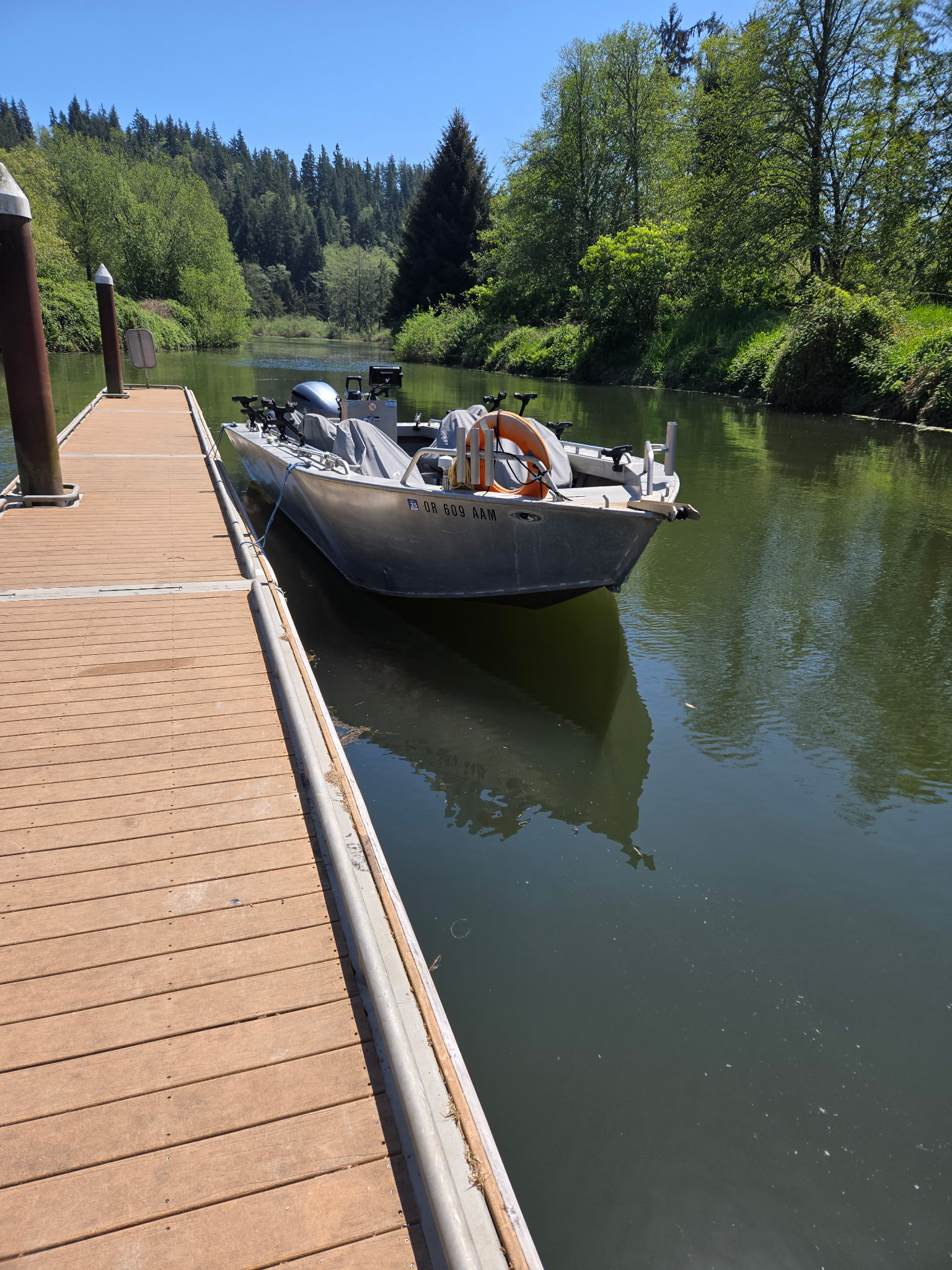
Lingcod and Rockfish Wreck Fishing in Astoria
Picture this: you're bouncing jigs off sunken ship hulls and rocky structure, never knowing if the next bite will be a monster lingcod with teeth like a piranha or a colorful rockfish perfect for tonight's fish tacos. That's exactly what you get on our top-rated wreck fishing trips out of Astoria. This isn't your typical salmon charter – we're targeting the toothy predators and tasty bottom dwellers that call the Columbia River Bar and nearshore reefs home. With just one angler on board, you'll have my undivided attention to put you on fish and make sure your technique is dialed in for maximum success.
What to Expect on the Water
We'll launch from Astoria's boat basin and make a quick run to some of my favorite wreck sites and rocky bottom structure. The beauty of fishing these spots is that the habitat naturally funnels fish into concentrated areas – when we find them, we really find them. I've seen anglers pull doubles on the same drop, with lingcod and rockfish coming up together. The action can be fast and furious, which makes this trip perfect for those who like to stay busy and experience the surprise of never knowing what's coming up from the depths. We'll spend our time bouncing between proven spots, adjusting our approach based on tide, current, and what the fish are telling us. Some days they want a slow presentation, other days they'll hammer anything that moves.
Techniques and Tackle
Wreck fishing is all about getting your bait or lure down to the structure where these fish live and hunt. We'll primarily be using heavy jigs – usually 8 to 16 ounces depending on current – tipped with fresh bait like squid, anchovy, or rockfish strips. The key is maintaining bottom contact while working the jig vertically along the wreck or reef structure. I'll have you set up with medium-heavy to heavy action rods paired with conventional reels loaded with 40-65 pound test. The heavy tackle isn't just for the big lingcod – it's essential for pulling fish away from the structure before they can wrap you up in the wreckage. We'll also use circle hooks when bait fishing to improve our catch and release success on any fish we're not keeping.
Target Species
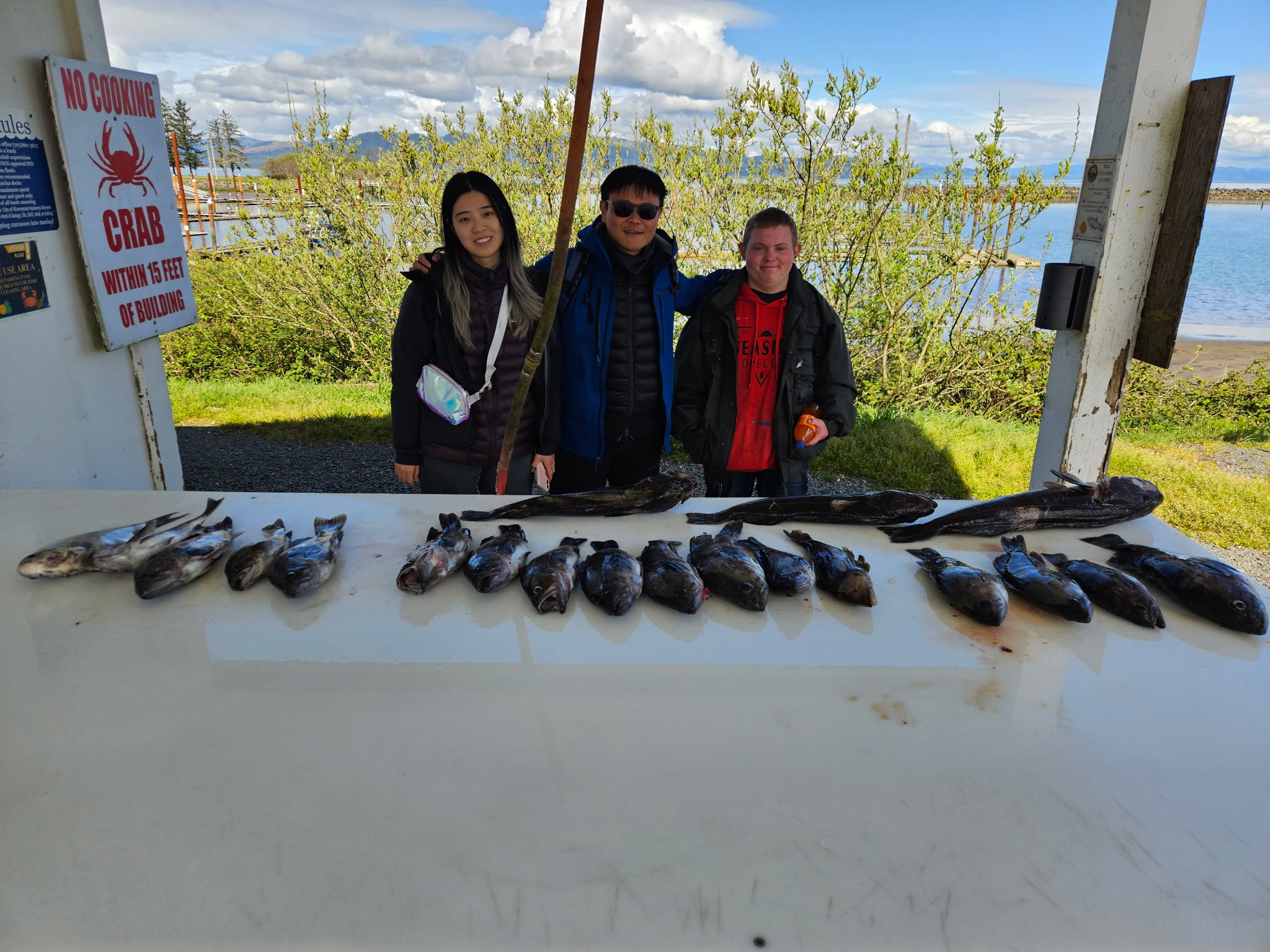
Lingcod are the main attraction here, and for good reason. These prehistoric-looking predators can grow over 40 pounds in our waters, though most of what we catch runs 5-15 pounds – perfect eating size. They're ambush hunters that lurk in rocky caves and wreck structure, waiting to inhale anything that swims by. Fall through early spring is prime time for lingcod, when they move shallow to spawn and feed aggressively. What makes them so fun to target is their attitude – they'll often follow a hooked rockfish right to the surface, trying to steal your catch. Plus, they're absolutely delicious with firm, white meat that's perfect for fish and chips.
Black rockfish are probably the most cooperative species we'll encounter, often schooling in large numbers around the wrecks. These copper-colored beauties typically run 1-3 pounds and are famous for their willingness to bite. They're active year-round but peak during summer and fall when baitfish concentrate around the structure. Black rockfish have excellent table fare with flaky white meat that's perfect for fish tacos, and they're a blast on lighter tackle when the bite gets hot.
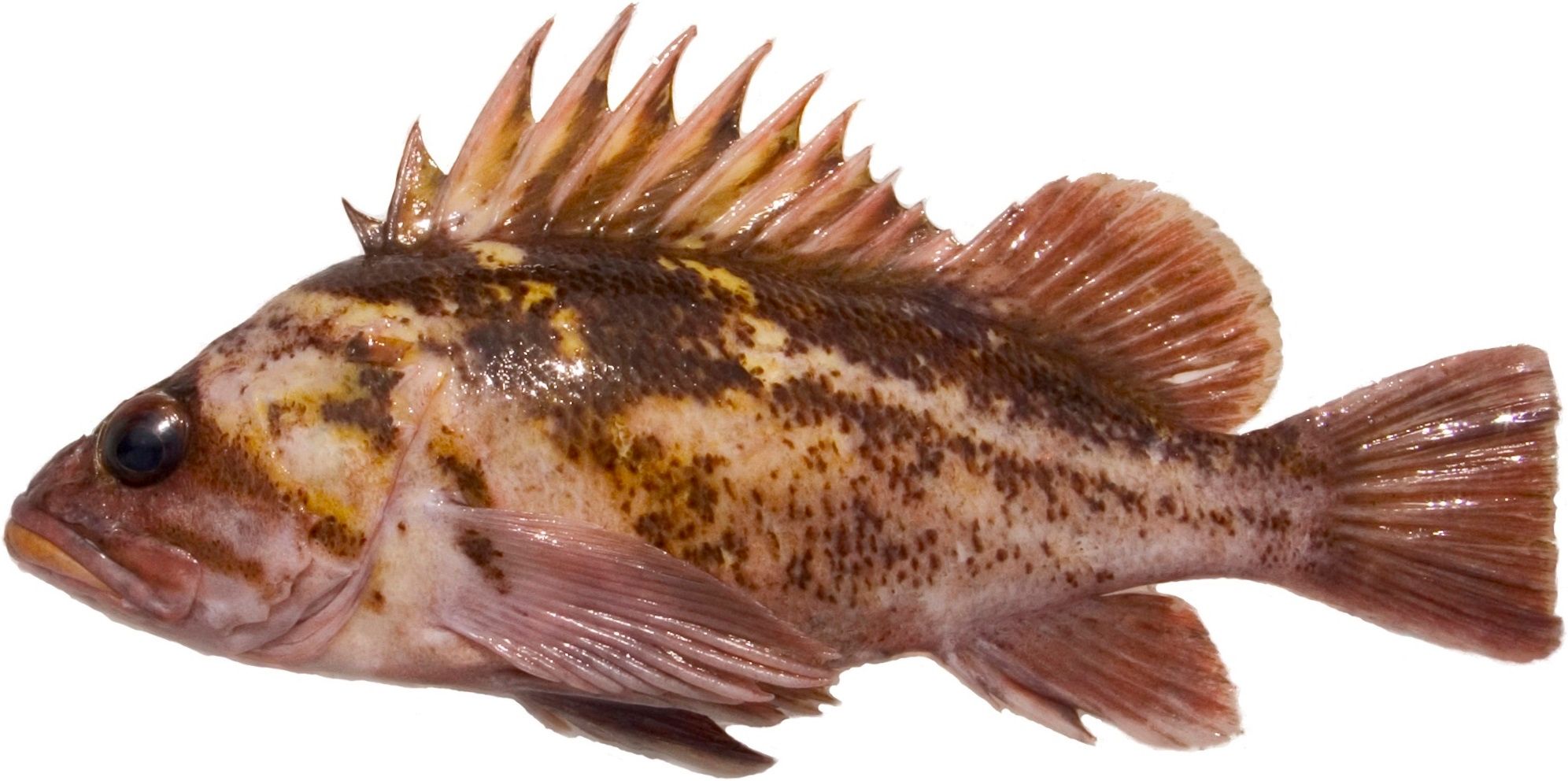
Copper rockfish are the colorful cousins of the black rockfish, sporting brilliant orange and copper hues that make them a favorite with photographers. They tend to hold tighter to structure than blacks and can grow quite a bit larger, with 5-pound fish not uncommon. Coppers are known for their sweet, mild flavor and firm texture. They're most active during daylight hours and seem to prefer the deeper, more complex wreck structure where they can ambush small fish and crustaceans.
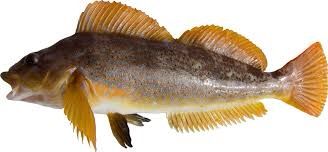
Kelp greenling are the acrobats of our target species – when hooked, they'll often jump and thrash on the surface like a miniature tarpon. These slender fish rarely exceed 2 pounds but make up for their size with attitude and excellent eating quality. They're curious by nature and will often investigate lures or baits repeatedly before committing to a bite. Kelp greenling are most active during the warmer months and prefer areas where kelp or other marine vegetation grows on the wreck structure.
Black sea bass are the heavyweights of the rockfish family, capable of reaching 20+ pounds in our area waters. They're slower growing and less common than other rockfish species, making them a prized catch when they show up. These fish have a more elongated body shape and tend to hold in deeper water around major structure. Black sea bass are known for their excellent table fare and fighting ability – a big one will test your tackle and technique.
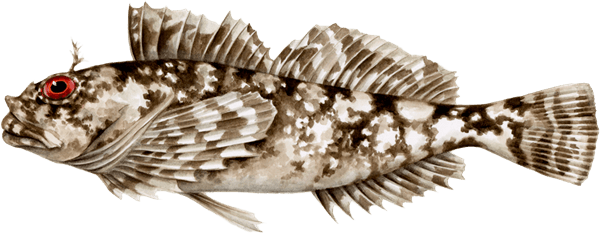
Cabezon round out our target list as one of the most unique-looking fish in our waters. These sculpin relatives have massive heads, no scales, and an attitude that matches their appearance. They're ambush predators that rely on camouflage, often sitting motionless on the bottom until prey comes within striking distance. Cabezon can exceed 20 pounds and are prized for their sweet, lobster-like meat. Just remember – the eggs are toxic, so we always discard those, but the fillets are world-class eating.
Time to Book Your Spot
If you're tired of the same old salmon fishing routine and want to experience some of Astoria's best-kept secrets, this wreck fishing adventure delivers everything you're looking for. With constant action, multiple species, and some of the best eating fish in the Pacific Northwest, it's no wonder this trip has become a customer favorite among serious anglers. The single-angler capacity means you'll get personalized instruction and have the flexibility to fish
 Shared Trip
 Wrecks/Reefs Fishing
 Astoria, OR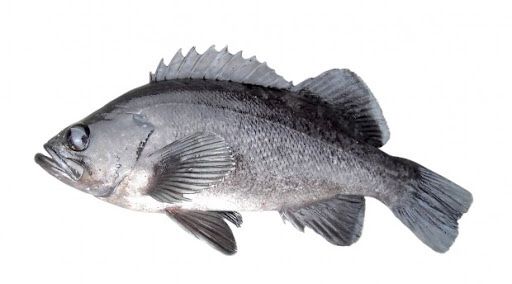


 Target lingcod and rockfish in concentrated wreck locations