Advanced Louisiana Lake Fishing Charter
If you're looking to separate yourself from weekend warriors and really dial in on some serious fish, this 6-hour advanced charter out of Barataria is going to be right up your alley. Captain Ron Ron runs a no-nonsense operation that's built for seasoned anglers who know the difference between casting and hoping versus actually hunting fish. We're talking about covering productive water with purpose, using advanced tactics that most guides won't bother teaching, and putting you on species that'll test every bit of skill you've got. This isn't a hand-holding trip – it's for anglers who want to elevate their game and work some of Louisiana's most reliable waters for redfish, black drum, sheepshead, trout, and southern flounder.
What to Expect on the Water
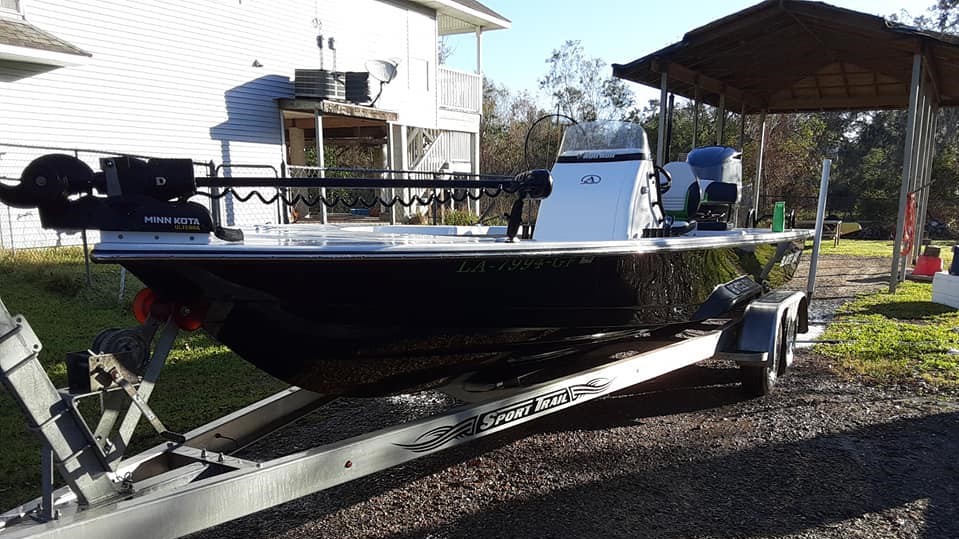
Right off the bat, you'll notice this charter operates differently than your typical lake trip. We're launching from Barataria, which puts you in prime position to work both the lake systems and the marsh edges where these fish set up shop. Captain Ron Ron knows exactly where to find structure, current breaks, and feeding zones that consistently hold fish throughout the season. The boat's rigged with top-tier electronics, so we're not just running and gunning – we're reading water, marking fish, and positioning strategically. You can bring your own setup if you've got preferences, or use the premium gear that's already on board. Either way, we're matching tackle to conditions and species, not just throwing the same rig at everything that swims. The pace stays aggressive, covering water efficiently while spending quality time on productive spots when we find them.
Advanced Tactics & Techniques
This is where things get interesting for experienced anglers. We're not talking about basic bottom rigs and hoping for the best. Captain Ron Ron runs advanced presentations that match what these fish are actually doing – whether that's working specific tide phases for redfish, targeting structure for black drum, or timing the bite for sheepshead around pilings and hard bottom. You'll learn sight fishing techniques for reds in shallow water, how to read subtle strikes from drum, and the precise bait presentations that make sheepshead commit. The electronics work gets detailed too – understanding how fish show up on the screen, reading bottom composition, and using GPS to return to productive spots throughout the day. We're also working with live bait when conditions call for it, plus artificial presentations that trigger reaction strikes. It's the kind of technical fishing that makes the difference between good days and great days on the water.
Top Catches This Season
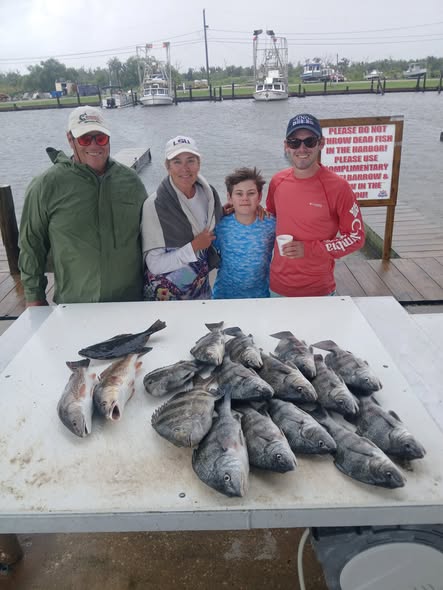
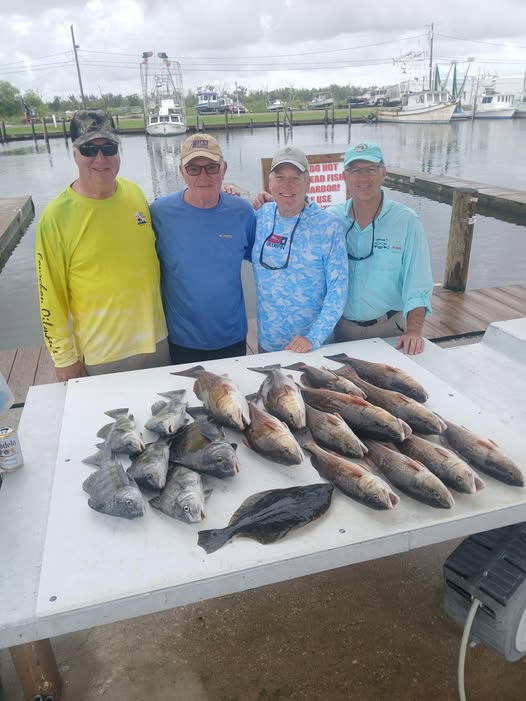
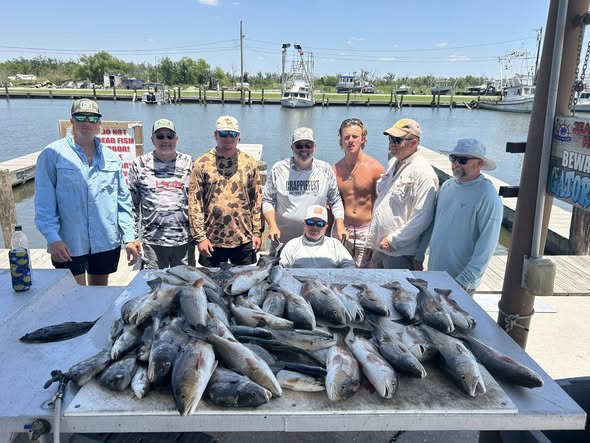
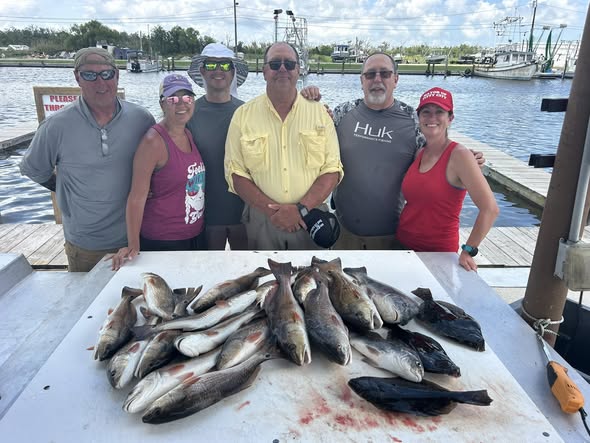
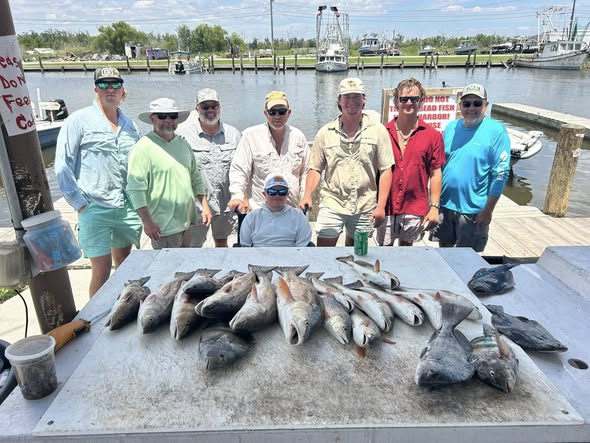
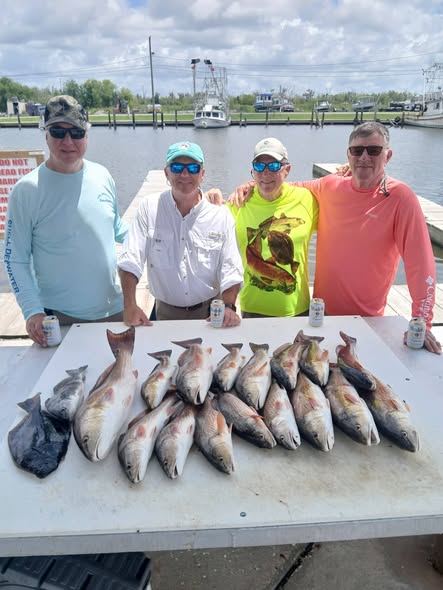
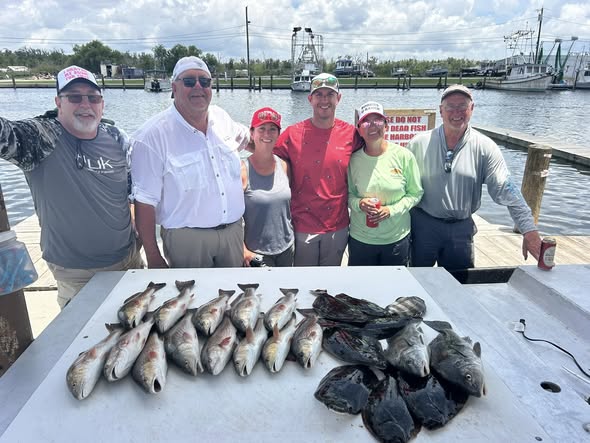
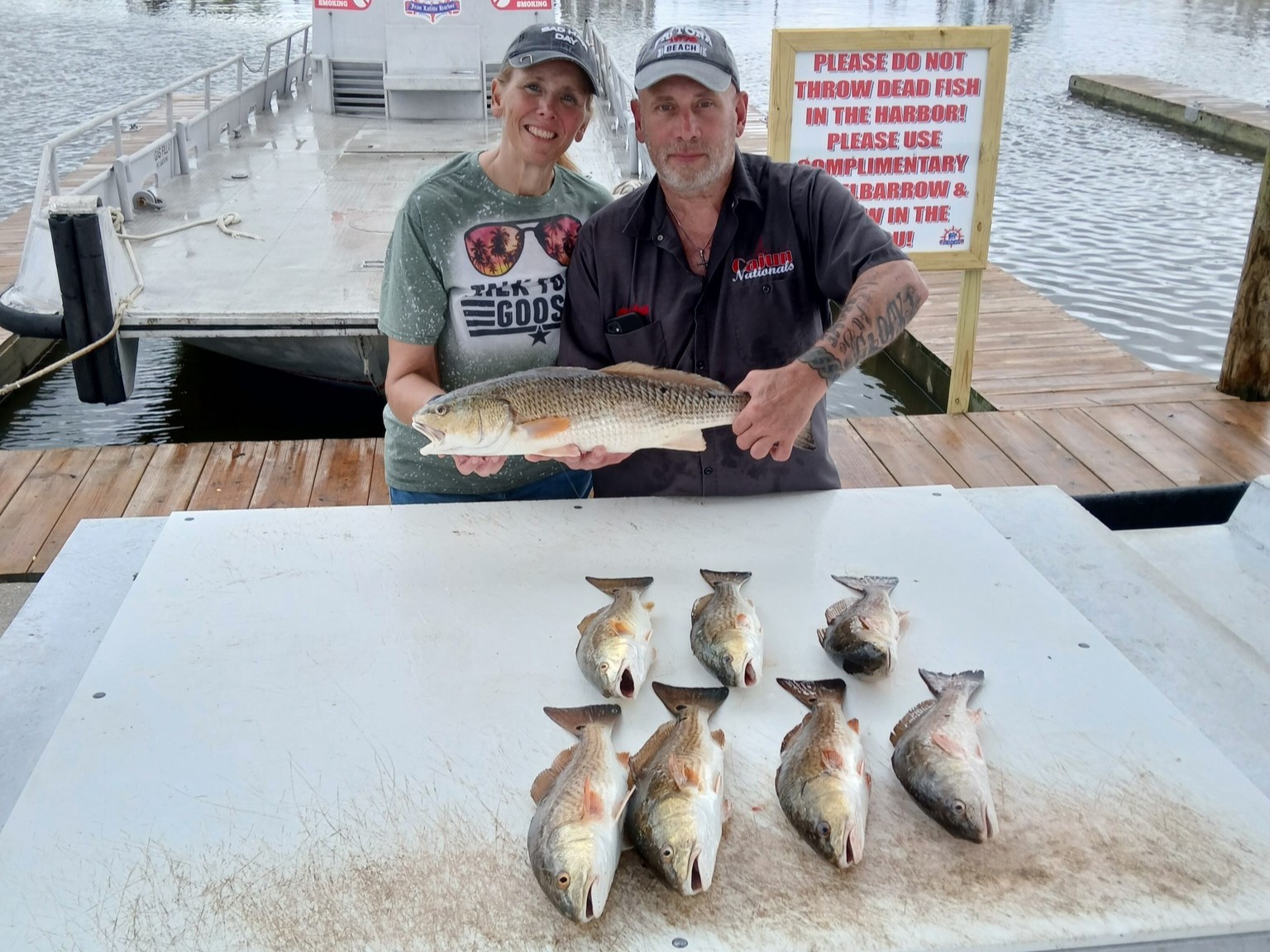
The Barataria area has been producing some serious fish for anglers who know how to work it right. Redfish have been stacked up in predictable patterns, with plenty of slot fish and some real bruisers mixed in. Black drum fishing has been particularly strong around structure, with fish ranging from solid 15-pounders up to some real tackle-testing specimens that'll make you appreciate good drag settings. Sheepshead action peaks around the right structure at the right times, and these fish are notorious for testing your hook-setting skills and bait presentation. Sea trout have been cooperative for anglers who can read the water and adjust techniques based on conditions. Southern flounder add another dimension to the mix, especially for anglers who enjoy the challenge of targeting a species that requires specific techniques and timing.
Target Species Breakdown
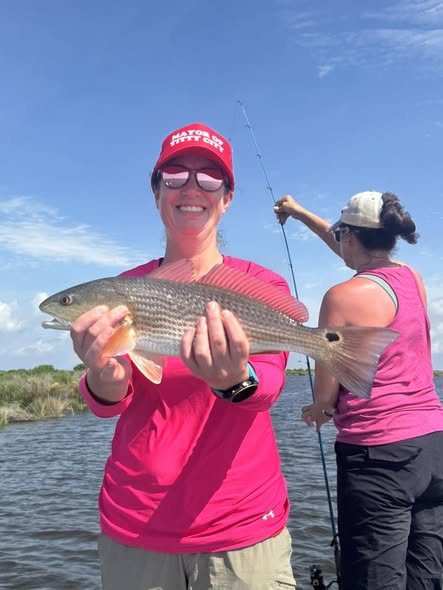
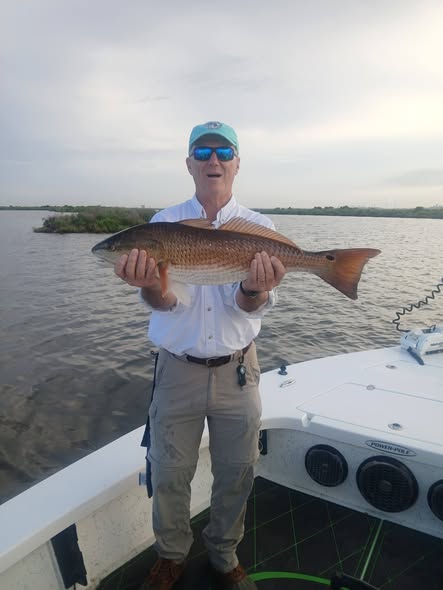
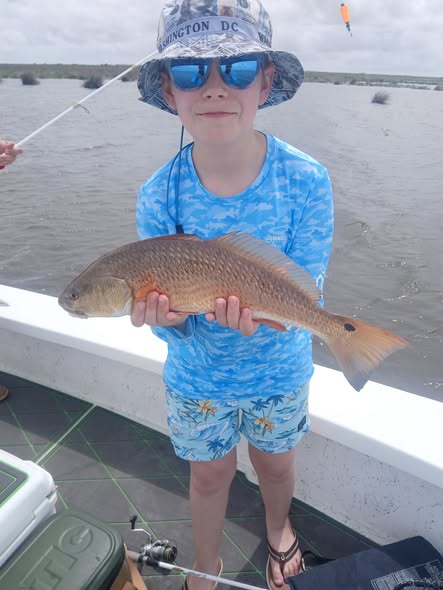
Redfish are the backbone of Louisiana fishing for good reason. These copper-colored fighters average 20-27 inches in our waters, with September through November being prime time as they school up for their spawning runs. What makes reds special is their aggressive nature and the variety of ways you can target them – from sight fishing in shallow water to working deeper structure. They hit hard, fight smart, and never give up easy. The lake systems around Barataria hold both resident fish and seasonal concentrations that can make for spectacular days when you time it right.
Black drum might not get the press that redfish do, but experienced anglers know they're some of the toughest fighters in these waters. These fish can range from 5 pounds up to 30-plus pound specimens that'll test your tackle and your technique. They're structure-oriented, which means precise positioning and the right bait presentation make all the difference. Peak season runs from late winter through spring, but quality fish are available year-round for anglers who understand their patterns. The fight is pure power – no jumping, just steady, determined runs that make you appreciate quality equipment.
Sheepshead earn their reputation as bait stealers, but that's exactly what makes them so rewarding for skilled anglers. These convict-striped fighters require precise presentations around structure, typically oyster reefs, pilings, and hard bottom areas. They average 12-16 inches with some reaching 4-5 pounds, and they're available year-round with peak action during cooler months. The challenge isn't just getting them to bite – it's detecting the subtle takes and setting the hook before they spit your bait. Master sheepshead fishing and you've mastered finesse techniques that'll make you a better angler across the board.
Sea trout, or speckled trout, provide consistent action for anglers who can read water conditions and adjust accordingly. These fish average 14-18 inches with occasional specimens pushing 20-plus inches. They're most active during spring and fall, preferring slightly cooler water temperatures and specific salinity levels. Trout respond well to both live and artificial baits, making them perfect for anglers who want to experiment with different techniques throughout the day. Their aggressive strikes and acrobatic fights make them a favorite among light-tackle enthusiasts.
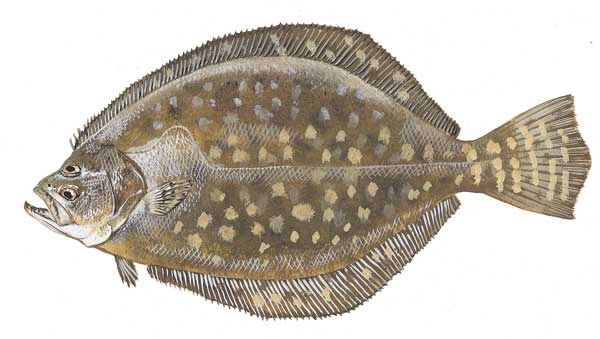
Southern flounder represent the ultimate finesse challenge in these waters. These flatfish are ambush predators that require specific techniques and timing to target consistently. They average 14-16 inches with some reaching 18-20 inches, and they're most active during their fall migration periods. What makes flounder special is the chess match – understanding their positioning, reading subtle strikes, and using precise presentations. They're excellent table fare, which
 Private Trip
 Lakes/Reservoirs/Ponds Fishing
 Louisiana


 Six-hour advanced charter targeting redfish and black drum