Beginner Backcountry Bonefish Fishing Charter
Looking to get your feet wet in the legendary backcountry waters around Islamorada? This 4-hour charter with SO FLO Charters is designed specifically for folks who want to learn the ropes without feeling overwhelmed. We'll launch right from World Wide Sportsman's Bay Side Marina and head into some of the calmest, most fish-rich flats in the Florida Keys. Whether you've never held a fishing rod or just want to try something different from your usual fishing spots, Captain Eric will have you casting like a pro and understanding what makes Keys fishing so addictive.
What to Expect on the Water
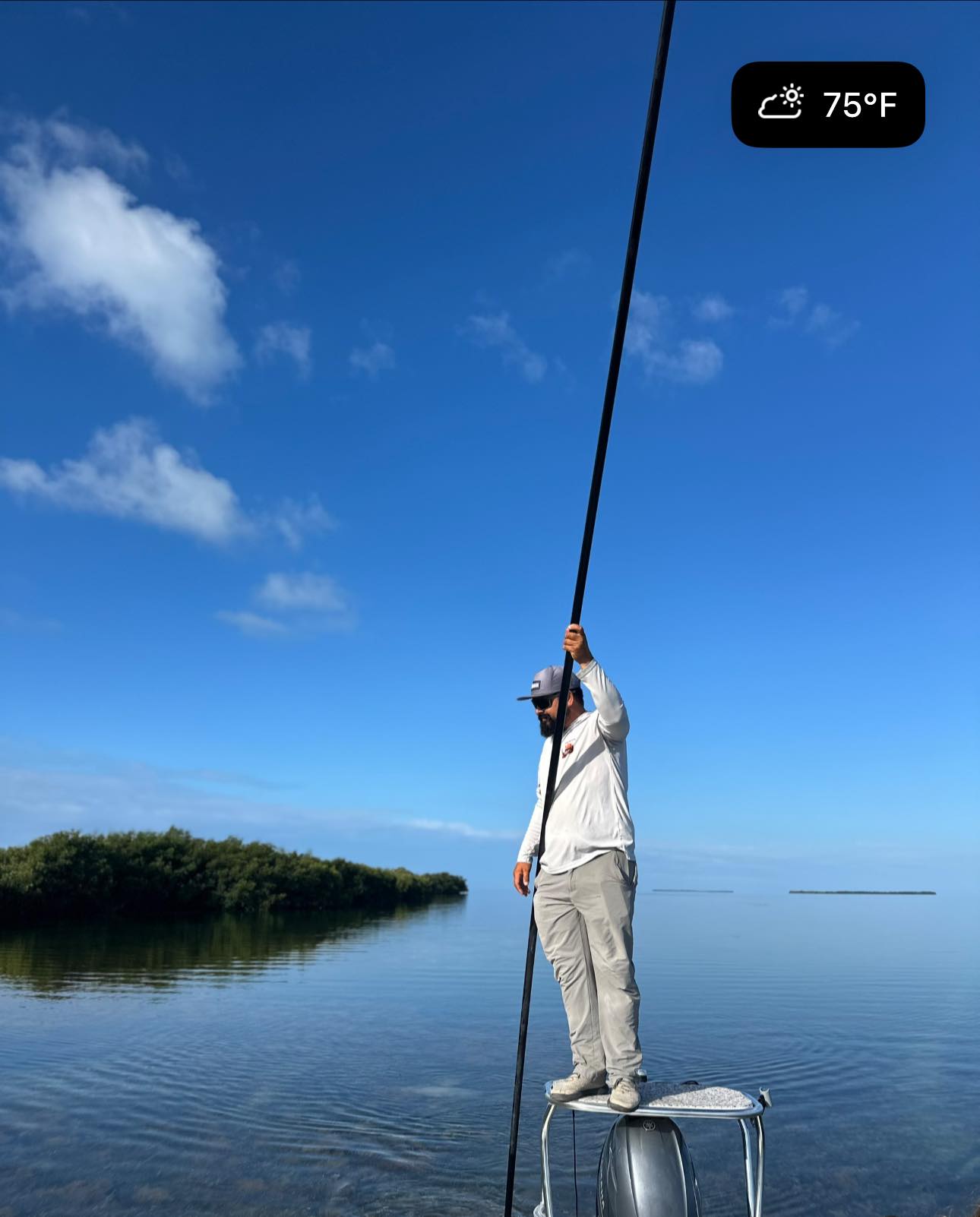
This isn't your typical deep-sea charter where you're fighting seasickness and praying for the boat to stop rocking. We're talking shallow, protected backcountry waters where the biggest waves you'll see are from other boats passing by. The trip keeps things relaxed with just 2 anglers max, so you get plenty of one-on-one instruction and coaching. Captain Eric brings all the gear – rods, reels, tackle, the works – so you can focus on learning proper casting techniques, reading the water, and understanding how these flats species behave. The pace is easy-going, perfect for families or anyone who wants to actually enjoy being on the water instead of stressing about whether they're doing everything right. You'll spend time sight fishing, which means spotting fish before you cast to them, and learning to work different types of structure like grass flats, sandy potholes, and mangrove edges.
Techniques and Tackle Setup
Backcountry fishing is all about finesse and patience, not brute force. We'll be using light spinning tackle that's perfect for beginners – easy to cast and forgiving when you make mistakes. The techniques focus on live bait and artificial lures, depending on what the fish are showing interest in that day. Captain Eric will teach you how to read the tide charts, understand why certain spots produce at different times, and show you the difference between fishing moving water versus slack tide. You'll learn proper casting angles to avoid spooking fish in shallow water, how to set the hook on different species, and why presentation matters more than having the fanciest gear. The boat stays in water shallow enough that you can see the bottom most of the time, which makes it way easier to understand what's happening below the surface and why fish position themselves where they do.
Customer Stories
"Excelente servicio, con mucha experiencia" - Adilen
"Captain Eric is fantastic. He knows where and when to be to put you on fish. He does a great job of teaching what you need for the type of fishing you are doing. I have fished all my life but over the years life gets in the way and you don't get to do it enough and your skills suffer and Eric is really good at recognizing your skill level and helping you be as successful as you can be with your skills. He put me on the fish and coached me through catching them. An absolutely great day with Eric." - Franklin
Target Species Breakdown
Bonefish are the main attraction here and for good reason. These silver rockets cruise the flats in skinny water, often with their tails showing above the surface as they root around for crabs and shrimp. They're notorious for being spooky – one wrong move and they'll bolt faster than you can blink. But that's what makes them so rewarding to catch. Bonefish average 3-6 pounds in these waters, though bigger ones definitely swim around. They're most active during moving tides, especially incoming water that brings fresh food onto the flats. The fight is legendary for their size – they'll make multiple long runs that'll have your drag screaming. Most guests are amazed at how hard a 4-pound bonefish can pull.
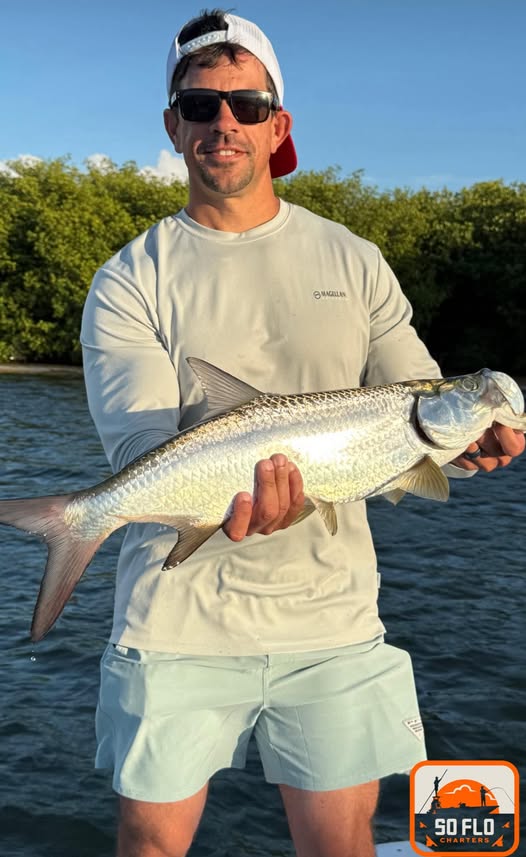
Tarpon show up seasonally and when they do, they steal the show completely. These silver kings can range from juvenile "baby" tarpon around 10-30 pounds up to monsters over 100 pounds. They're famous for their aerial displays – jumping completely out of the water multiple times during a fight. Spring and early summer are prime time for tarpon, though smaller ones hang around year-round in deeper backcountry channels. What makes them special is their prehistoric appearance and the fact that they can live over 50 years. Landing one is considered a rite of passage for serious anglers.
Great Barracuda are the opportunistic predators of the flats, and they're always ready to eat. These toothy missiles can grow over 4 feet long and they're lightning fast when they decide to strike. They'll often follow your lure right to the boat, giving you multiple chances to trigger a bite. Barracuda are perfect for beginners because they're aggressive and not nearly as finicky as bonefish. They hit hard and make powerful runs, plus they look prehistoric with those needle-sharp teeth. You'll find them around structure like coral heads, grass edges, and channel drop-offs.
Tripletail are the oddball species that guests always get excited about once they see one. These fish literally float on their sides near the surface, looking like floating debris or seaweed until they suddenly come alive. They're ambush predators that hang around crab traps, channel markers, and floating objects waiting for prey to swim by. Tripletail have excellent table fare and put up a surprising fight for their chunky build. They're most active during warmer months and can be found in both backcountry waters and along oceanside structures.
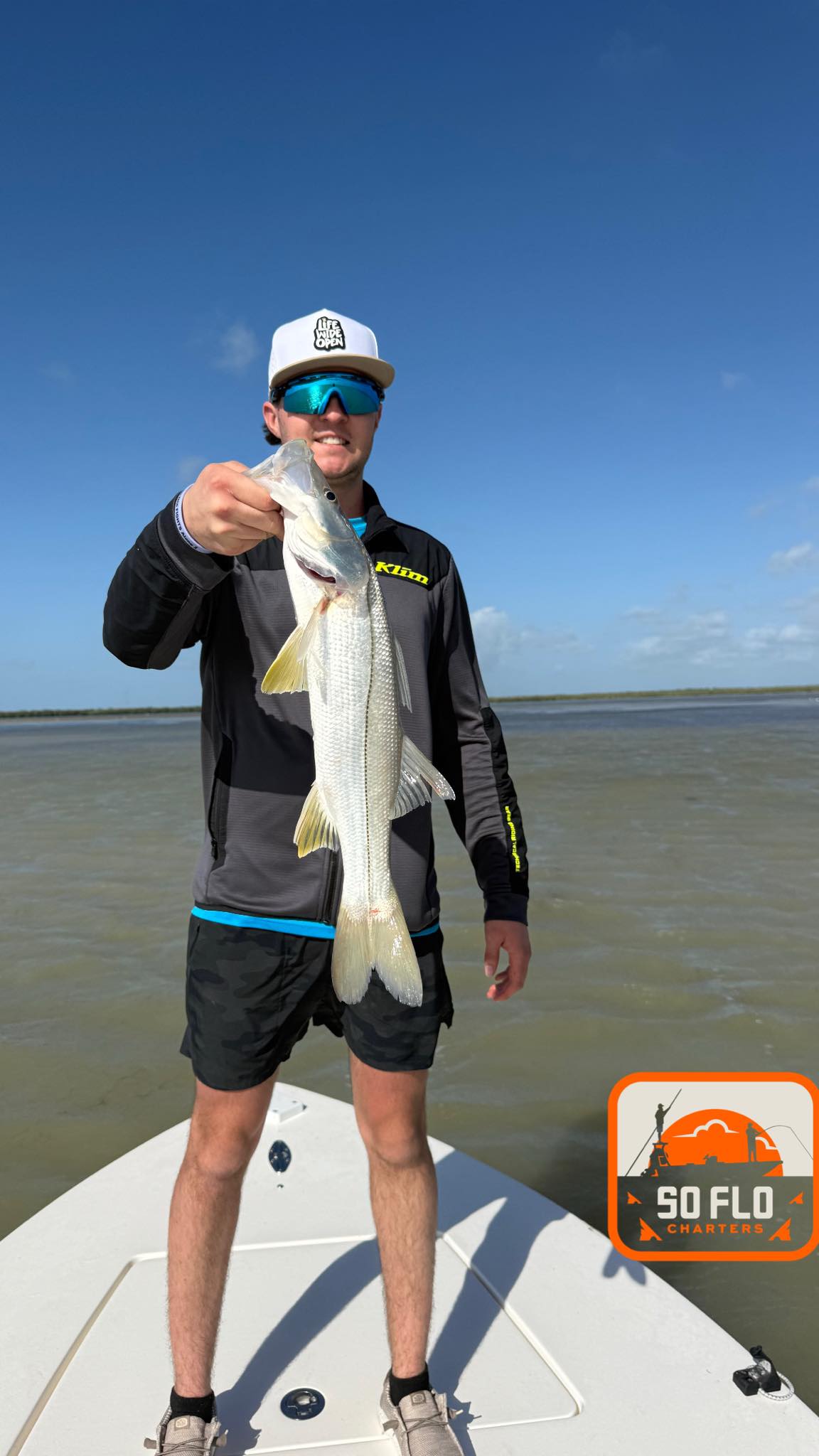
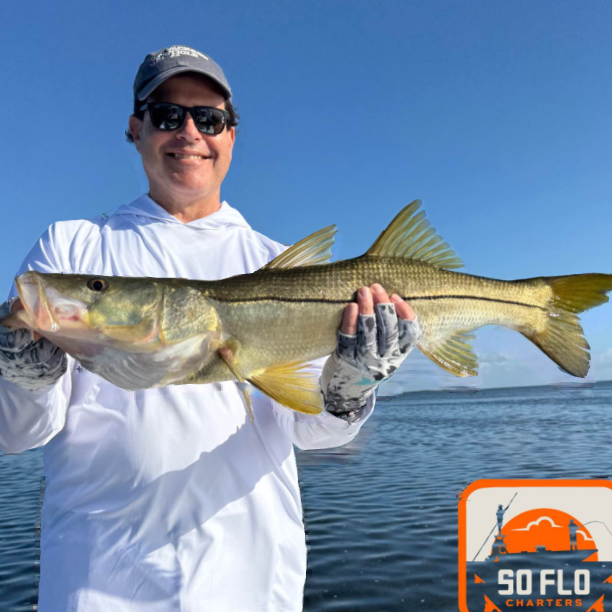
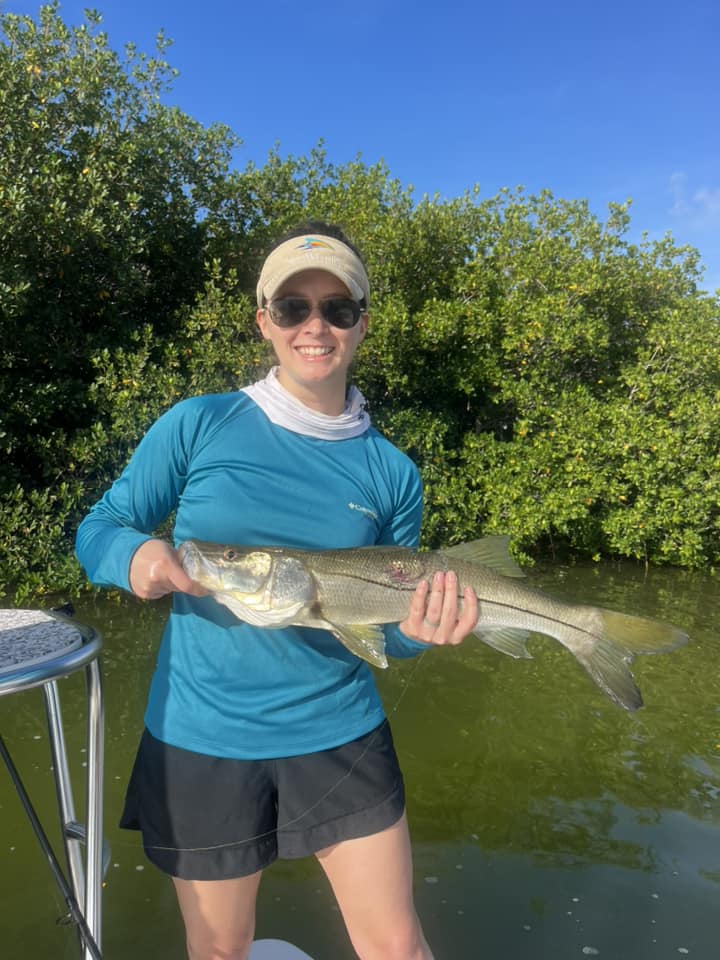
Snook are the inshore slam species that every Florida angler wants to catch. These fish love structure – mangroves, docks, bridges, anywhere they can ambush prey. They have a distinctive black lateral line and that classic snook profile that's unmistakable once you see it. They're extremely temperature sensitive, so timing and location are everything. During cooler months, they move to deeper water an

 5.0(2 Reviews)
 Private Trip
 Backcountry Fishing
 Islamorada


 Four-hour beginner-friendly backcountry fishing charter in Islamorada