Islamorada Backcountry Black Drum Fishing Charter
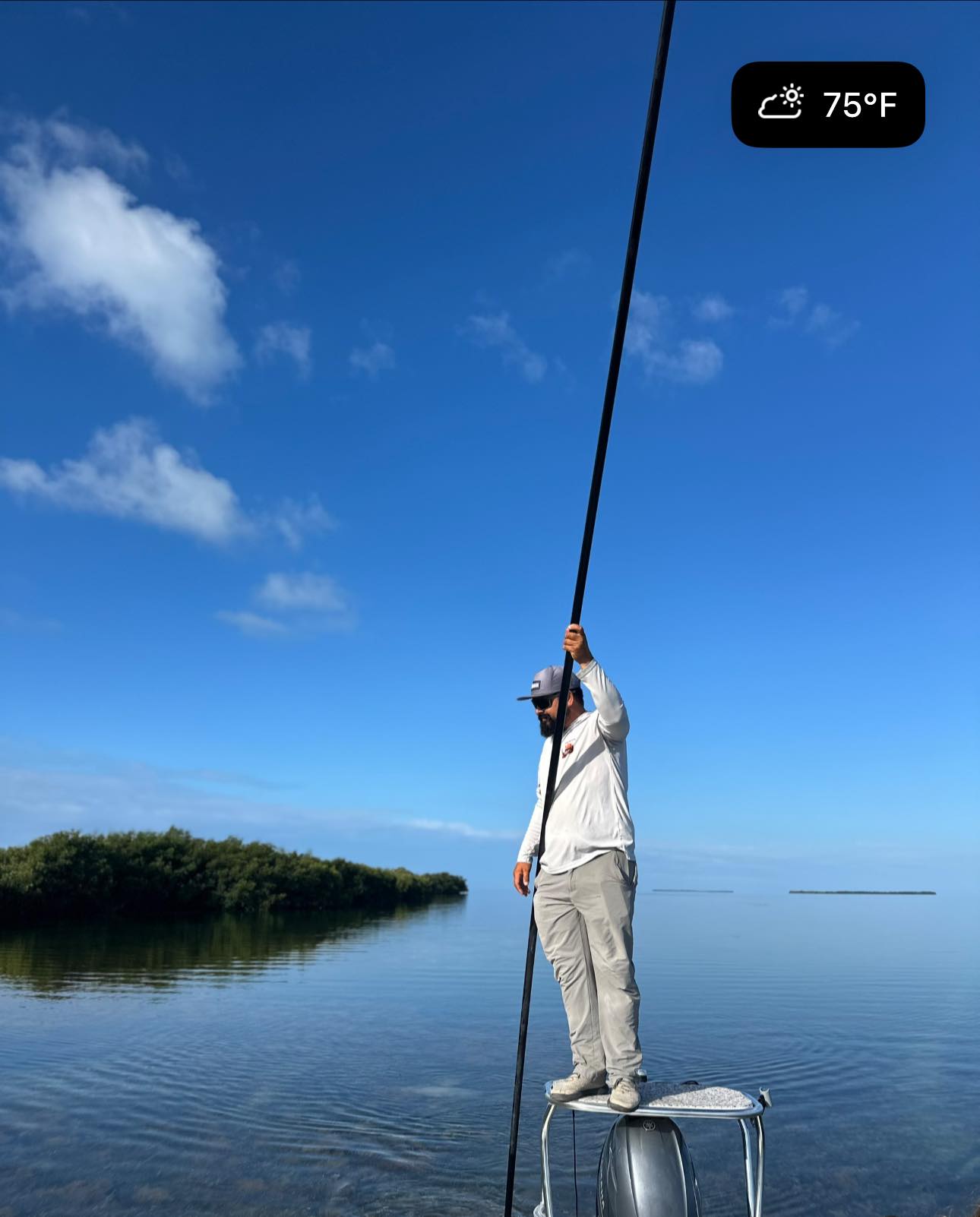
Picture this: you're drifting through glass-calm backcountry waters in Islamorada, watching herons stalk the flats while your line cuts through the surface. The Florida Keys backcountry is where serious anglers and families alike discover what makes this fishery so special. Our 6-hour guided trip with SO FLO Charters puts you right in the heart of it all, targeting black drum and other prized species that call these pristine waters home. Whether you're a weekend warrior looking to dial in your technique or planning a memorable day with the family, this top-rated charter delivers the goods without the crowds.
What to Expect on the Water
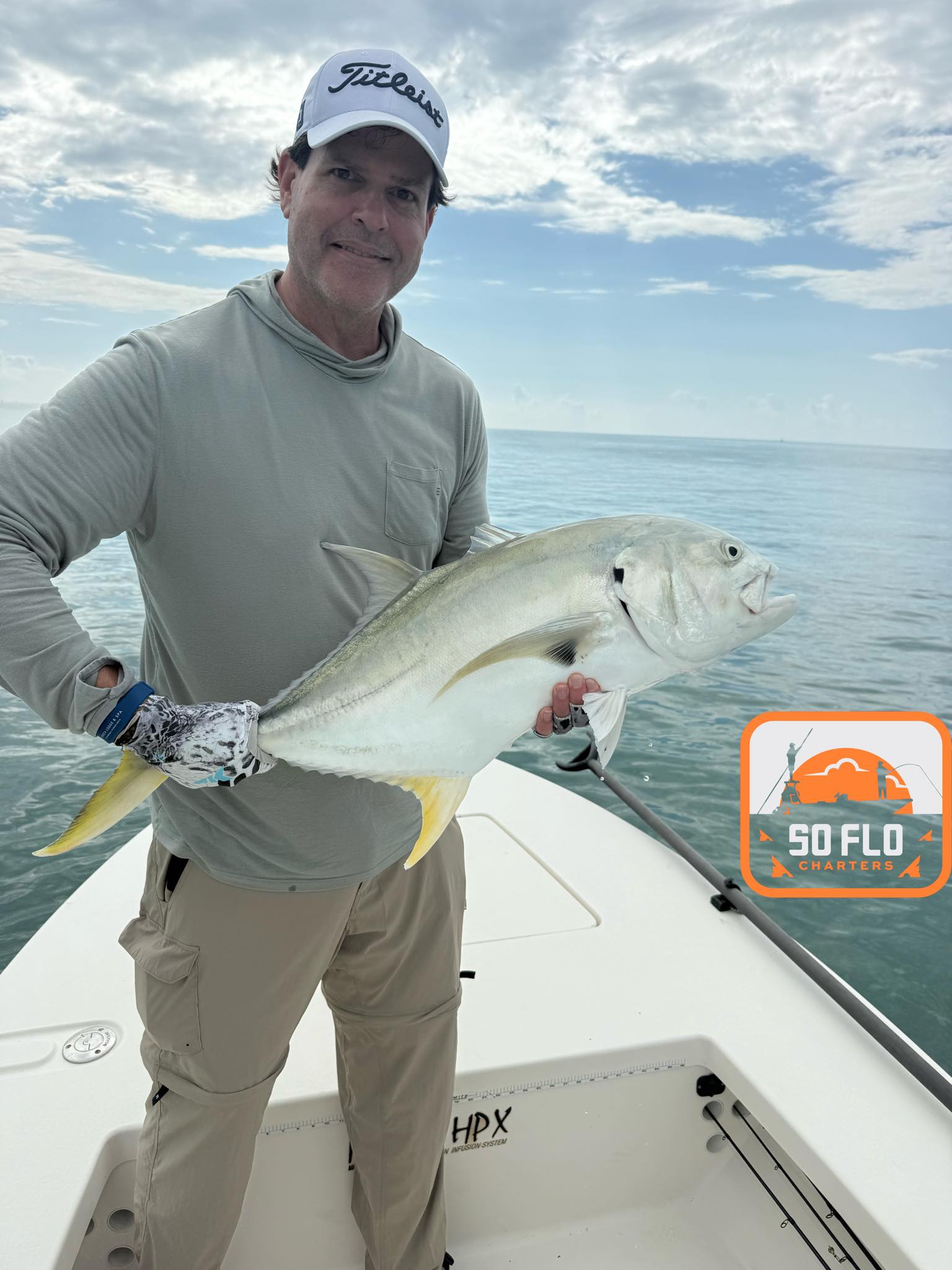
Your day starts at World Wide Sportsman Bay Side Marina, where our experienced crew gets you rigged and ready. We're talking about shallow-water fishing at its finest – those protected backcountry spots where the water stays calm and the fish stay active. The beauty of this trip is in the variety. One cast you might be sight-fishing for a cruising black drum, the next you're working a cut for snook or redfish. Our guides know these waters like their backyard, and they'll put you on fish while teaching you to read the water, understand the tides, and pick the right presentations. All your tackle is provided, so you can focus on what matters: learning, catching, and soaking up that Keys vibe. The pace is relaxed but productive – perfect for beginners who want to learn or experienced anglers looking to explore new techniques.
Techniques & Tackle Setup
Backcountry fishing in Islamorada is all about finesse and adapting to conditions. We'll have you rigged with medium-action spinning gear loaded with 15-20 lb test – perfect for the mixed bag you'll encounter. Live bait is king out here, and we'll get you set up with shrimp, pilchards, or pinfish depending on what's working. The key is learning to present baits naturally in these shallow waters. You'll work everything from oyster bars to grass flats, mangrove shorelines to creek mouths. Our guides will show you how to read the water – spotting those subtle color changes, current breaks, and structure that hold fish. We'll cover both sight-fishing techniques for when fish are visible and blind-casting methods for working likely spots. The beauty of backcountry fishing is the variety of presentations you'll use in a single trip, from free-lining baits in open water to working them tight against mangrove roots.
Top Catches This Season
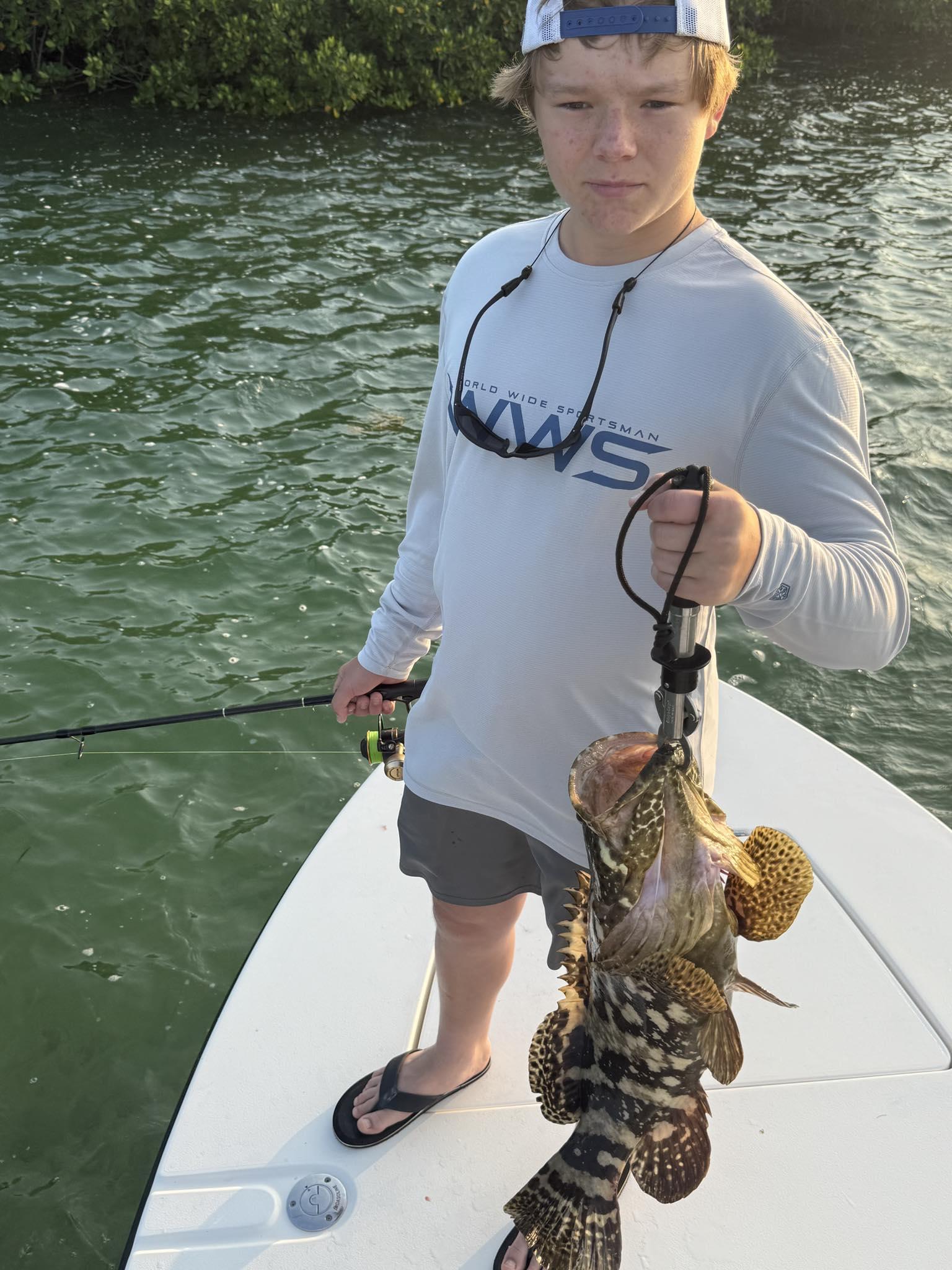
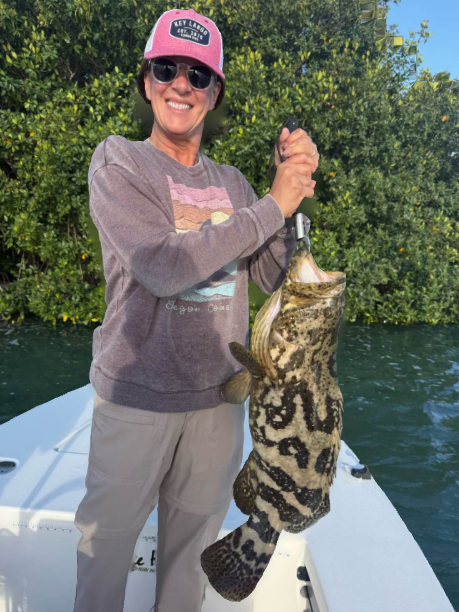
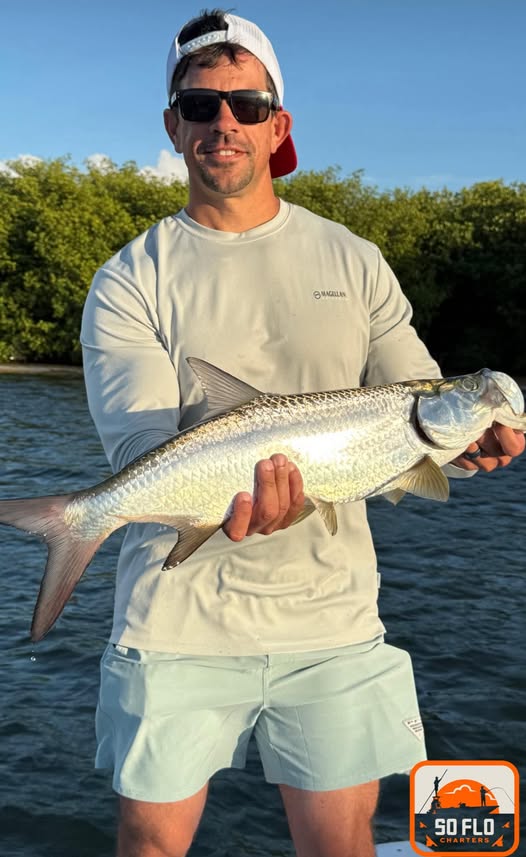
Black drum are the headliners here, and for good reason. These copper-colored fighters average 15-30 pounds in our backcountry, with bigger fish always possible. They're most active during moving tides, especially around oyster bars and shallow flats where they root for crabs and shrimp. What makes black drum so exciting is their power – they'll make long, bulldogging runs that'll test your drag and your patience. Spring through fall offers the most consistent action, though we see them year-round in the Keys.
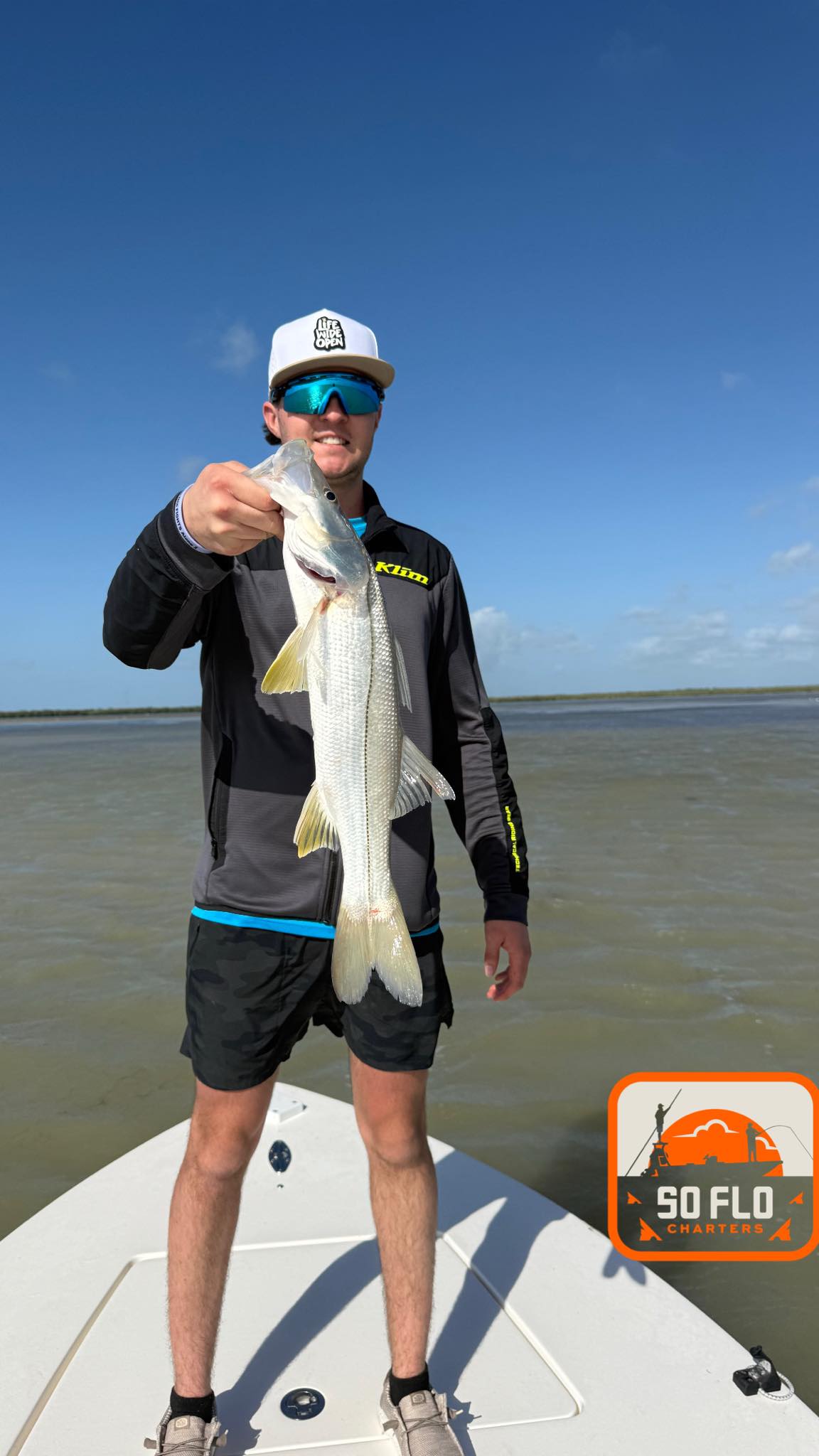
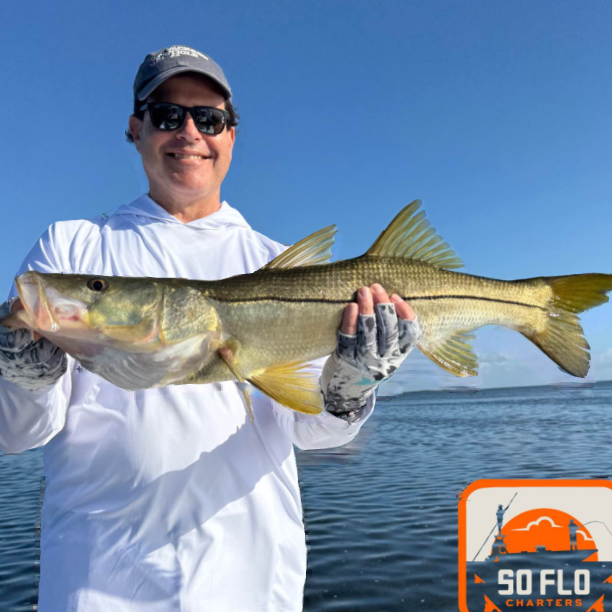
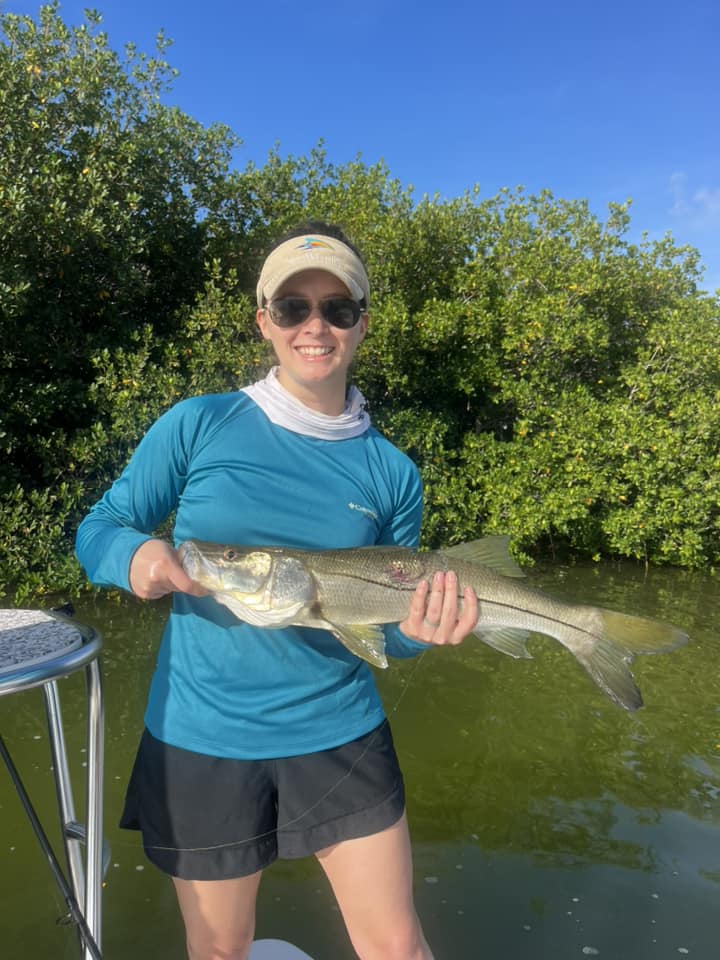
Snook are the backcountry's premier gamefish, and Islamorada's mangrove shorelines are prime real estate. These ambush predators love structure – docks, mangrove overhangs, creek mouths – anywhere they can pin baitfish. They're incredibly visual feeders, so sight-fishing opportunities are common on our trips. The slot-size fish we target here typically run 24-32 inches and fight like fish twice their size. Summer months see the most activity, but cooler months can produce trophy-class fish for those willing to work for them.
Sea trout, or "specks" as locals call them, are consistent players in our backcountry mix. They school up over grass flats and sandy potholes, making them perfect for anglers who want steady action. These spotted beauties are excellent table fare and relatively easy for beginners to catch once you locate a school. They're most active during dawn and dusk periods, though our guides know midday spots that consistently hold fish.
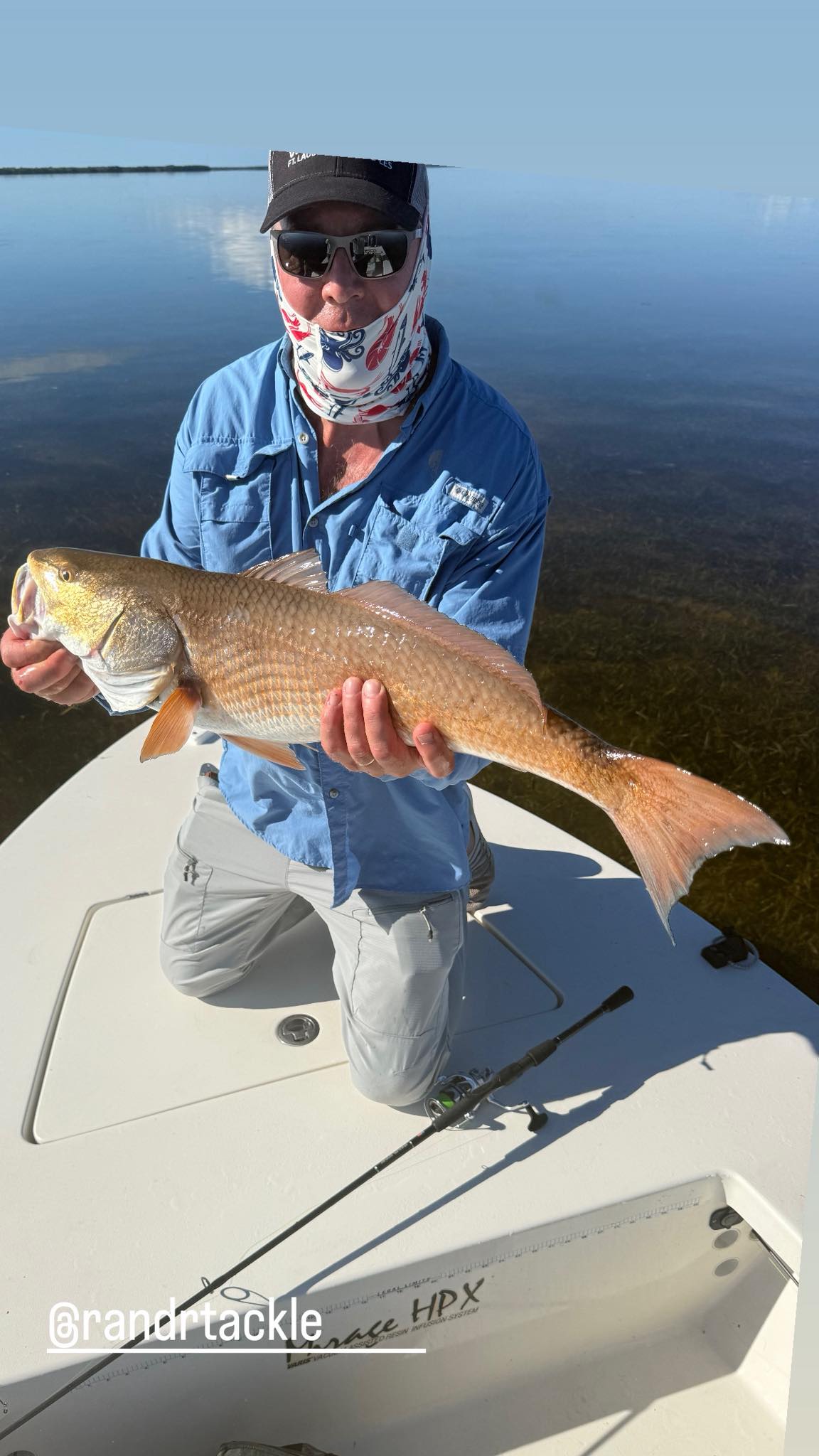
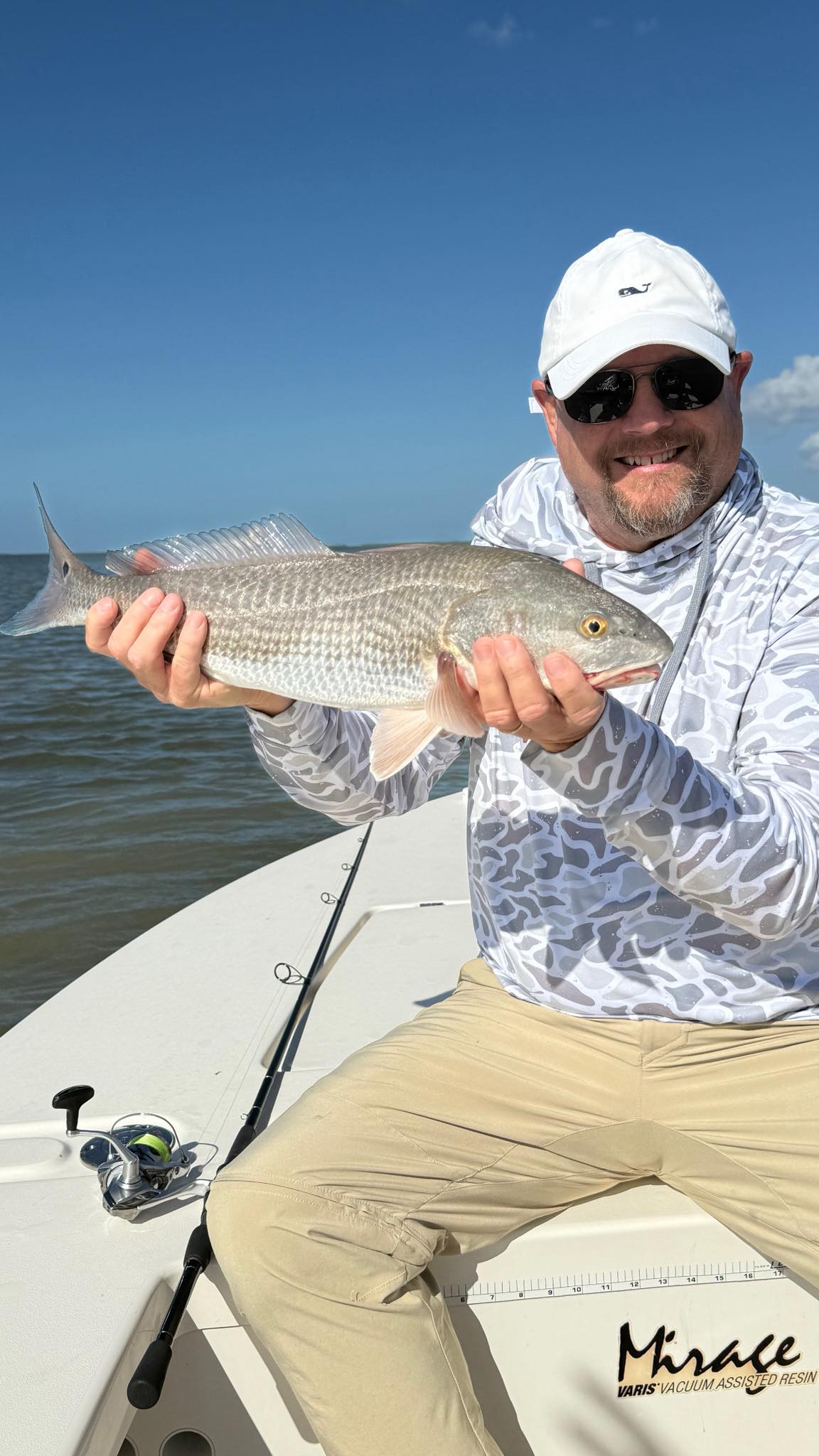
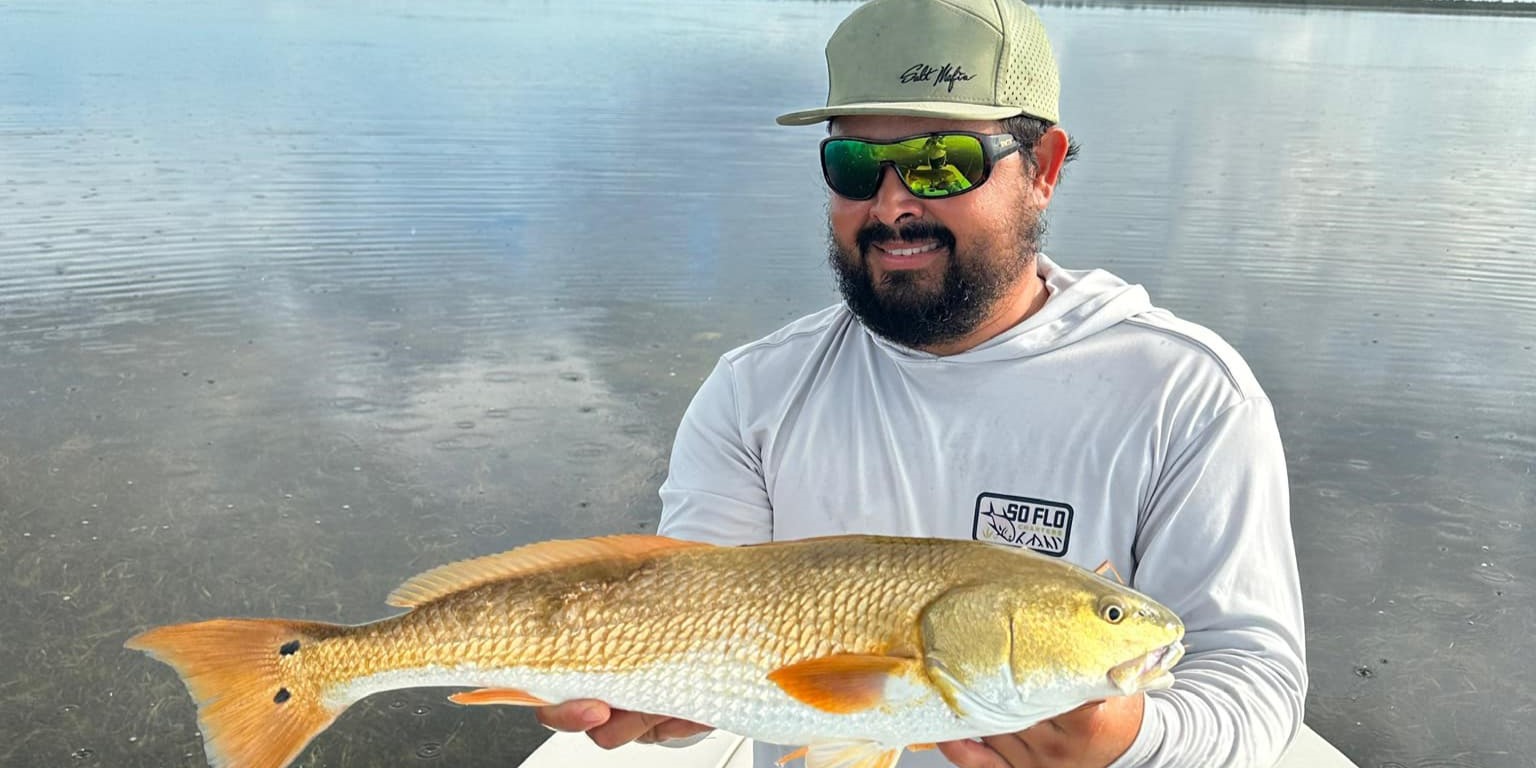
Redfish turn backcountry flats into an angler's playground. These bronze bruisers are built for shallow water and put up a fight that'll leave you grinning. They're often found in small schools, tailing over grass flats or cruising mangrove edges. The visual aspect of redfish angling – actually seeing your target before casting – adds a hunting element that keeps experienced anglers coming back. Fall and winter months are particularly productive for quality fish.
Great barracuda bring the speed and aggression that makes backcountry fishing so dynamic. These silver torpedoes patrol flats and channels, striking with explosive power that'll get your heart racing. They're opportunistic feeders, often following hooked fish to the boat – creating memorable double-headers. While they're present year-round, warmer months see more consistent numbers and active feeding behavior.
Time to Book Your Spot
This isn't just another fishing trip – it's your chance to experience world-class backcountry angling with guides who live and breathe these waters. The 6-hour format gives you time to explore different spots, try various techniques, and really understand what makes Islamorada's backcountry so special. With a maximum of two guests, you'll get personalized instruction and plenty of hands-on time. The all-inclusive tackle setup means you can focus on fishing instead of gear, while our local knowledge puts you on the productive water that visiting anglers rarely see. Whether you're looking to check black drum off your bucket list, introduce kids to quality fishing, or simply spend a day away from the crowds, this charter delivers the authentic Keys experience you're after. Book now and discover why anglers keep coming back to these legendary waters.
 Private Trip
 Backcountry Fishing
 Islamorada


 Six-hour backcountry fishing charter targeting black drum and barracuda