Professional Bonefish Charter - Islamorada
If you're serious about flats fishing and want to chase the legendary "gray ghosts" of the Keys, this professional-level backcountry charter is exactly what you've been looking for. SO FLO Charters runs these 4-hour trips specifically for experienced anglers who know the difference between a tourist fishing trip and a real backcountry hunt. We're talking about targeting bonefish, barracuda, snook, tarpon, and tripletail in the pristine shallow waters around Islamorada – some of the most productive flats fishing grounds in Florida. This isn't your typical charter where you sit back and wait for fish to bite. You'll be actively sight-casting to fish in crystal-clear water, working with professional guides who know these flats like the back of their hand.
What to Expect on the Water
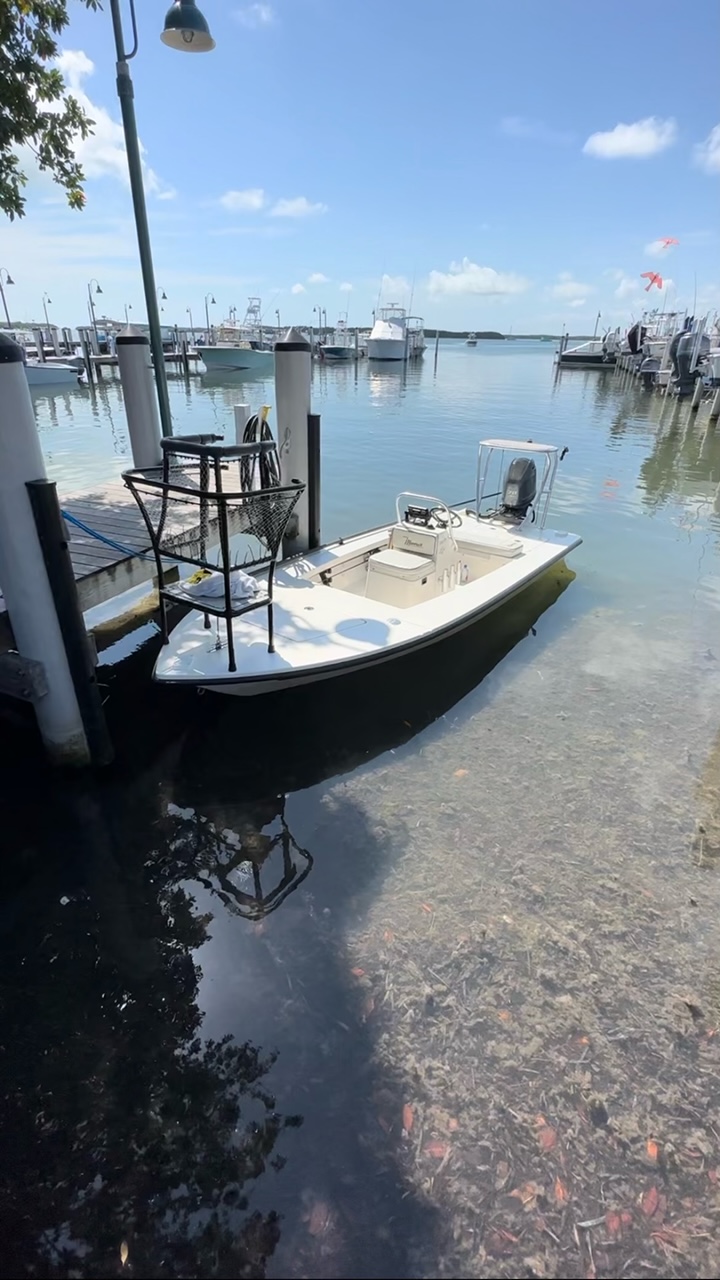
Your day starts at World Wide Sportsman Bay Side Marina, right at the heart of Islamorada's fishing scene. You'll meet your captain who's been working these backcountry waters for years, and within minutes you'll be running out to the flats where the real magic happens. The beauty of this charter is that it's designed for just two anglers max, so you're getting personalized attention and plenty of casting opportunities. These aren't the deep blue waters where you're trolling for mahi – we're talking about skinny water, sometimes just a foot or two deep, where you can actually see the fish before you cast to them. The guides will position you on productive flats, point out feeding fish, and coach you through the presentations that get strikes. Expect to spend your time poling through turtle grass beds, coral heads, and sandy potholes where these species love to hunt for crabs and shrimp.
Sight-Casting & Flats Techniques
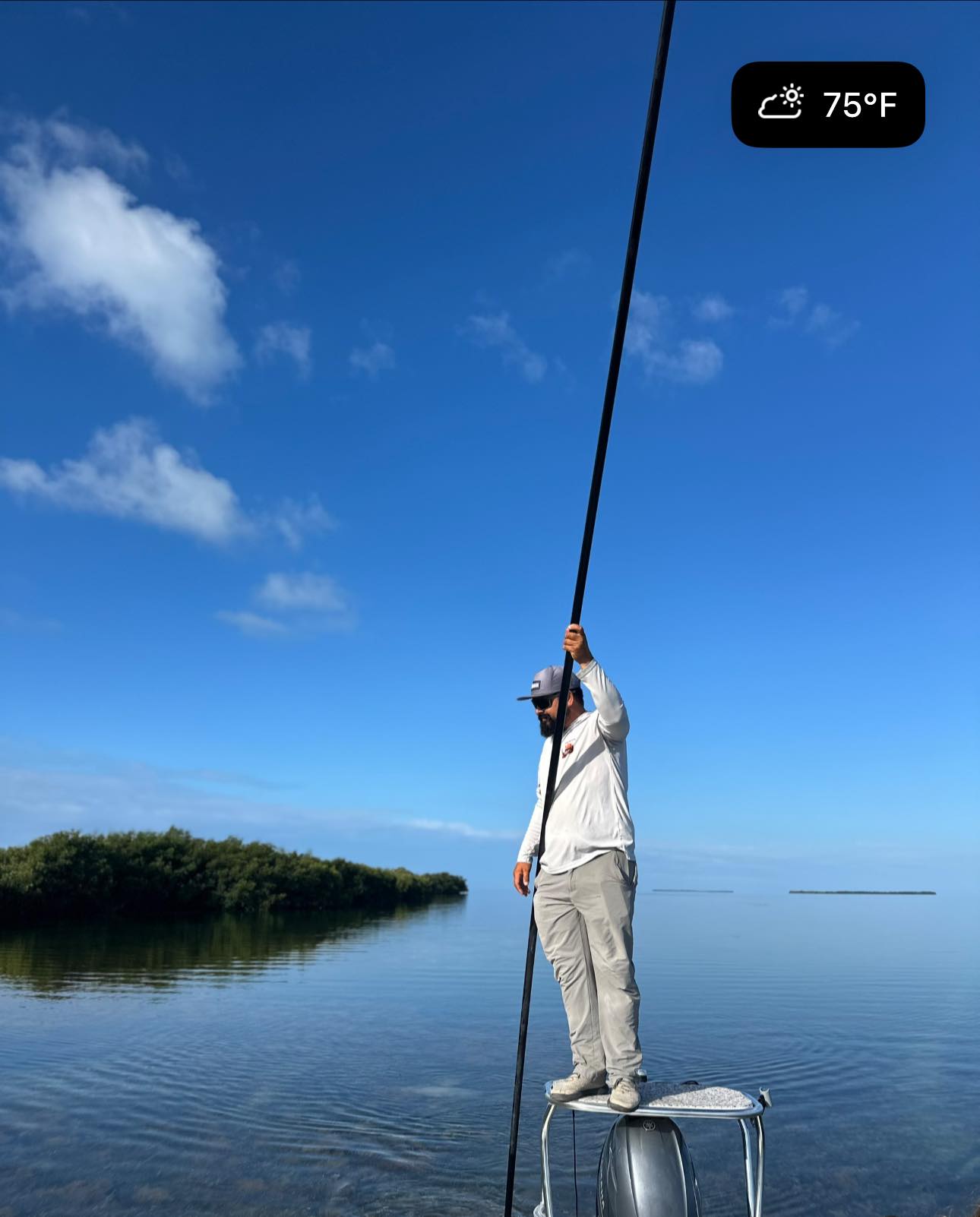
This is pure sight-fishing at its finest – no sitting around waiting for something to happen. Your guide will pole the skiff quietly through the shallows while you stand on the bow, scanning the water for tailing bonefish, cruising tarpon, or the telltale wake of a big snook moving across a flat. All the tackle is provided, and these guys know exactly what works in these waters. You'll be throwing live shrimp, crabs, and proven artificials like Clouser minnows and spoon flies on spinning gear or fly rods, depending on your preference. The key here is accuracy and presentation – these fish are spooky in shallow water, so your first cast better count. Your guide will call out the fish, give you direction and distance, then it's up to you to make the shot. When you hook up, be ready for some serious runs, especially if you tie into a bonefish or baby tarpon in two feet of water.
Target Species
Bonefish are the crown jewel of flats fishing, and Islamorada's backcountry holds some of the best populations in the Keys. These silver bullets typically run 3-8 pounds in these waters, though double-digit fish show up regularly for anglers who know how to work the deeper edges of the flats. Peak season runs from October through May when water temperatures cool down and the fish feed more aggressively during daylight hours. What makes bonefish so special is their combination of wariness and speed – they'll examine your bait like a lab scientist, then take off like a freight train if they decide to eat. The initial run can strip 100 yards of line in seconds, and in shallow water, you'll see every jump and direction change.
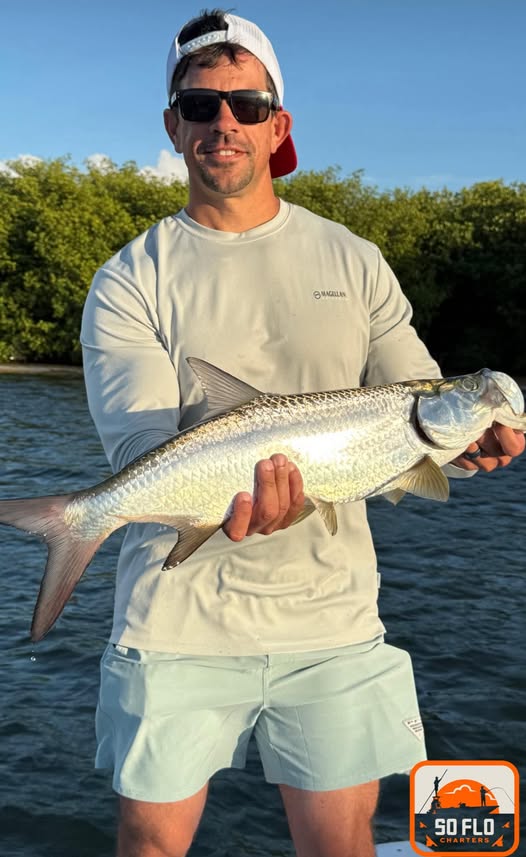
Tarpon in the backcountry are typically juveniles ranging from 10-40 pounds, but don't let the smaller size fool you – these fish will test your drag system and your arms. Spring and early summer bring the best tarpon action as these fish move through the area in good numbers. They're often found rolling in deeper potholes or cruising the edges where the flats drop into channels. A hooked tarpon will jump repeatedly, often throwing the hook in spectacular fashion, which is why landing one feels like such an accomplishment.
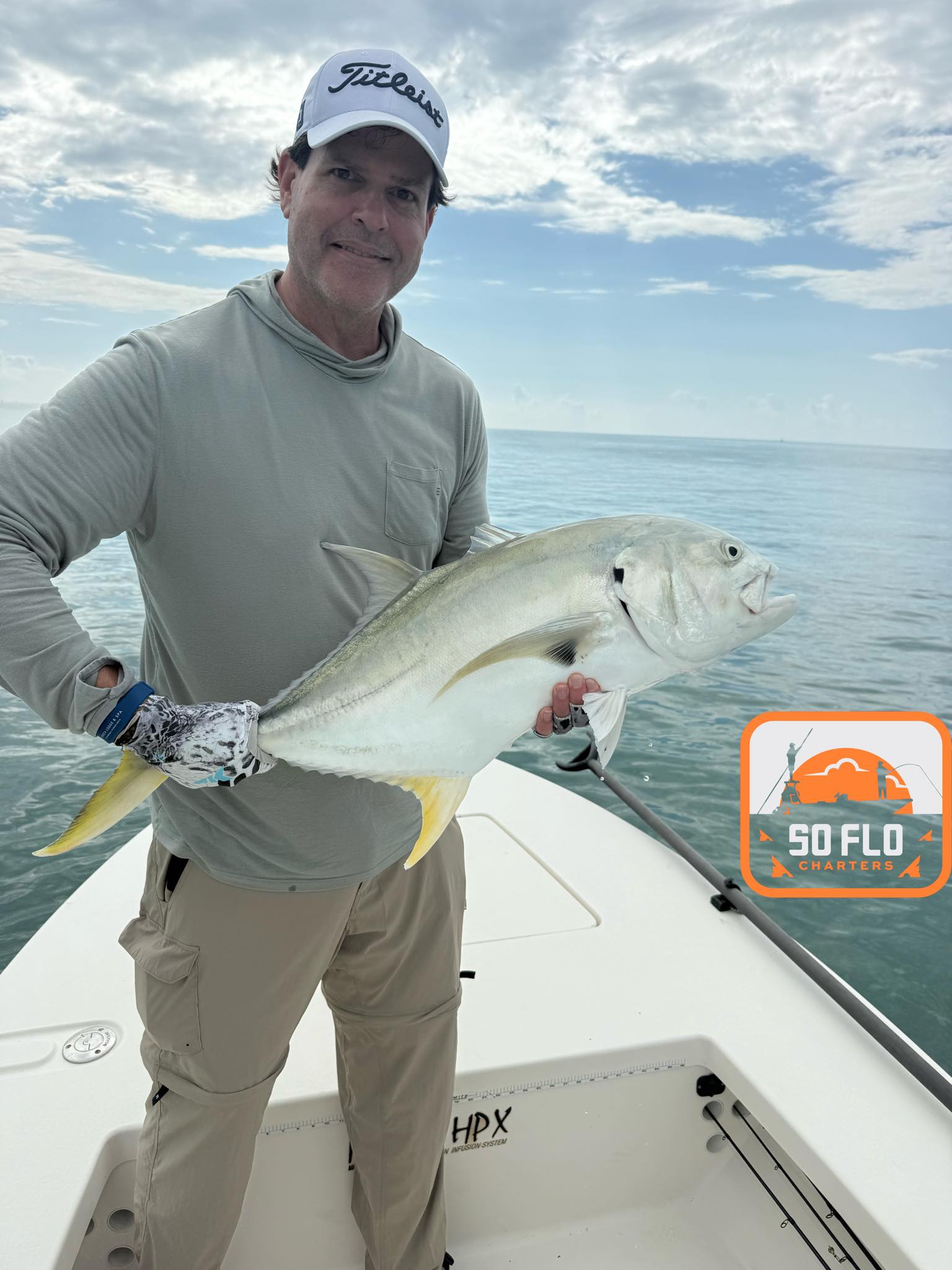
Great Barracuda are the opportunistic predators of the flats, often showing up when you least expect them. These toothy speedsters can reach 20-30 pounds in these waters and are absolutely explosive when hooked. They're year-round residents but most active during warmer months. Barracuda are visual hunters, so they'll often follow your lure or bait right to the boat before deciding whether to strike. When they do commit, it's usually a violent take followed by blistering runs and acrobatic jumps.
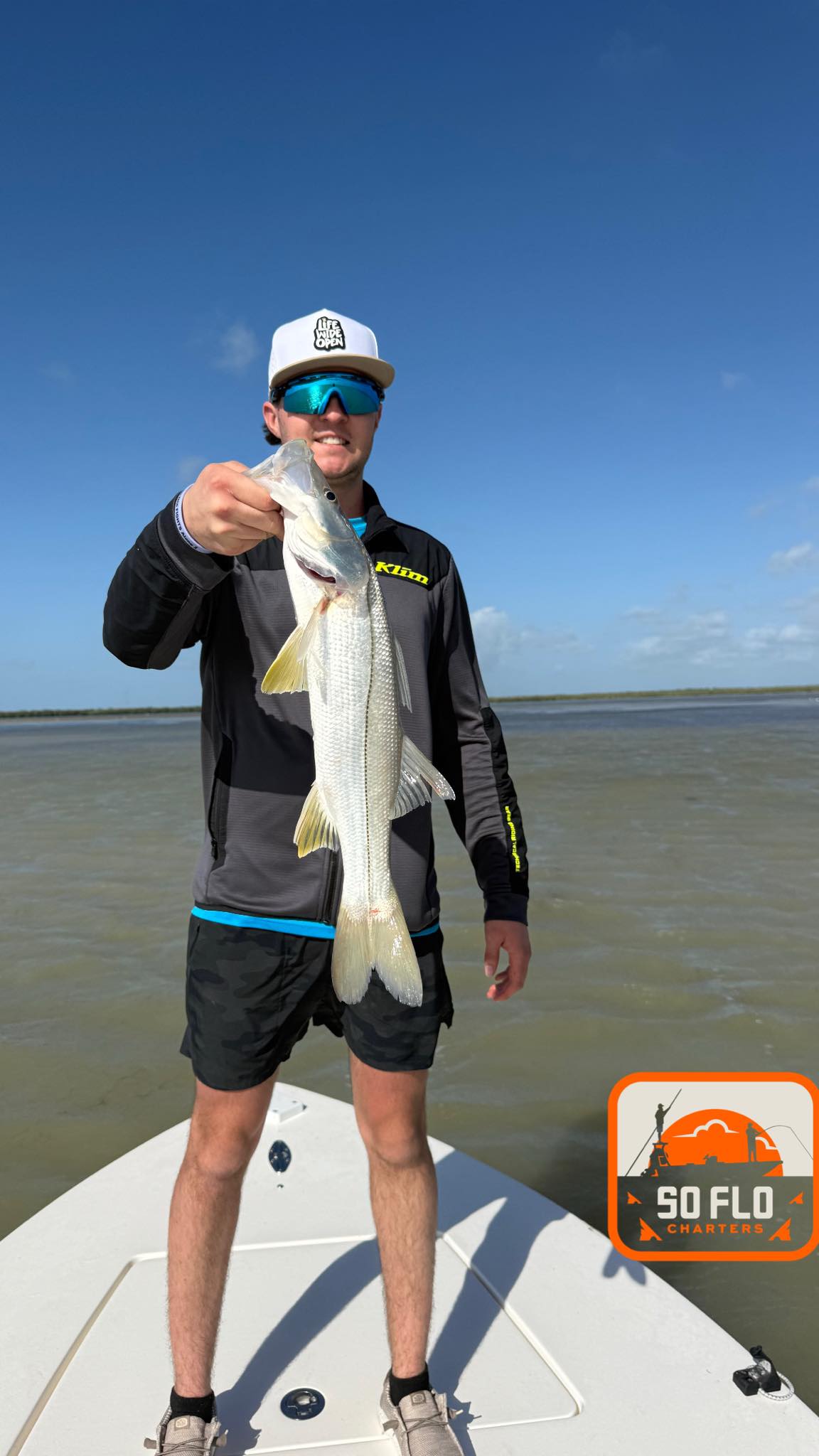
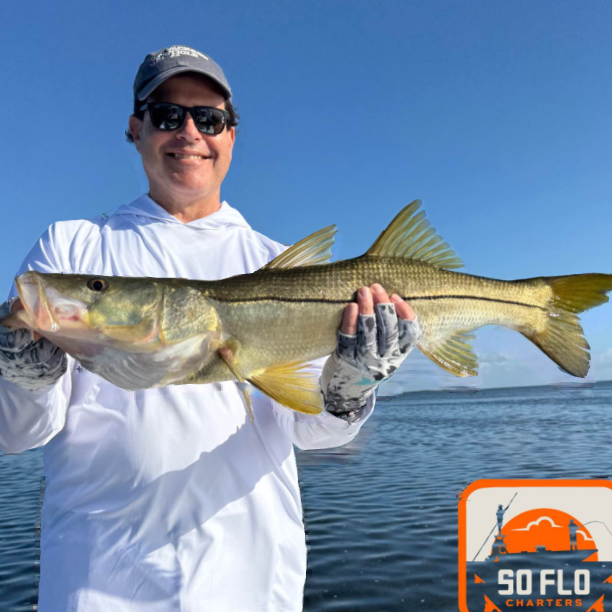
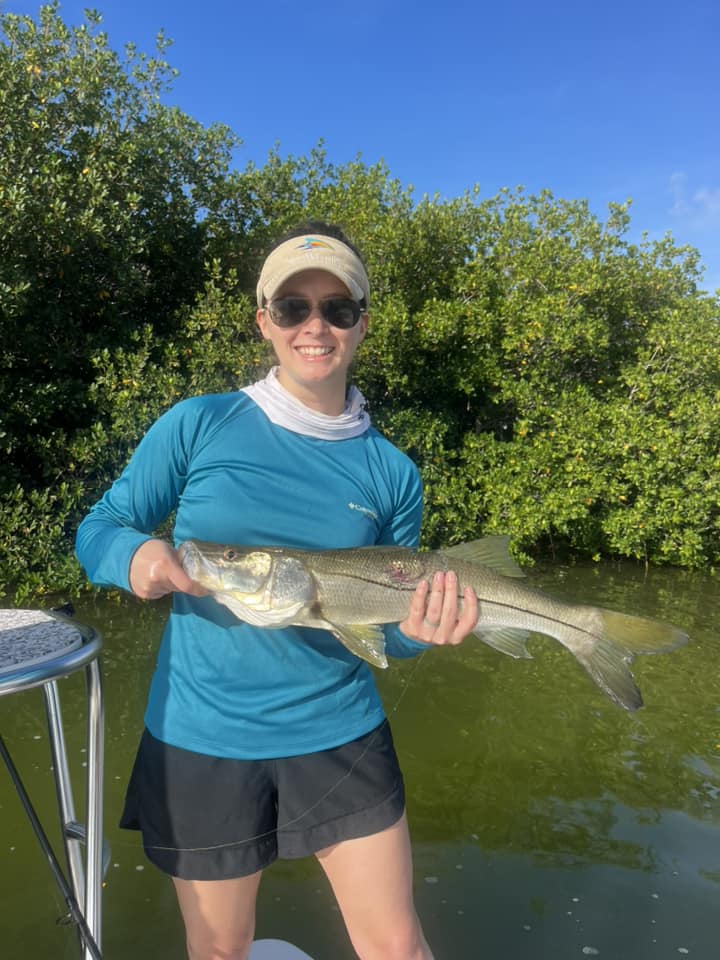
Snook are the ambush artists of the backcountry, hanging around structure like mangrove edges, dock pilings, and channel drop-offs. These fish can range from schoolie-sized up to true trophies over 30 inches. They're most active during dawn and dusk feeding periods, but skilled guides know how to find them throughout the day. Snook have that classic gamefish attitude – they hit hard, jump often, and use every piece of structure they can find to break you off.
Tripletail are the wild cards of this fishery – they're not always around, but when conditions are right, you might encounter these unique fish floating near crab trap buoys or debris lines. They're incredible table fare and put up a surprisingly good fight for their size. Most tripletail in these waters run 3-8 pounds and are most commonly found during warmer months when they move into shallow coastal areas.
Time to Book Your Spot
This professional-level backcountry charter represents some of the best flats fishing the Florida Keys has to offer, and with only two anglers per trip, spots fill up fast during peak season. The combination of SO FLO Charters' local knowledge, top-notch equipment, and access to prime fishing grounds makes this a top-rated choice for serious anglers. Whether you're looking to check bonefish off your bucket list
 Private Trip
 Inshore Fishing
 Islamorada


 Professional-level backcountry fishing targeting bonefish and barracuda