8-Hour Offshore Fishing Adventure - Islamorada
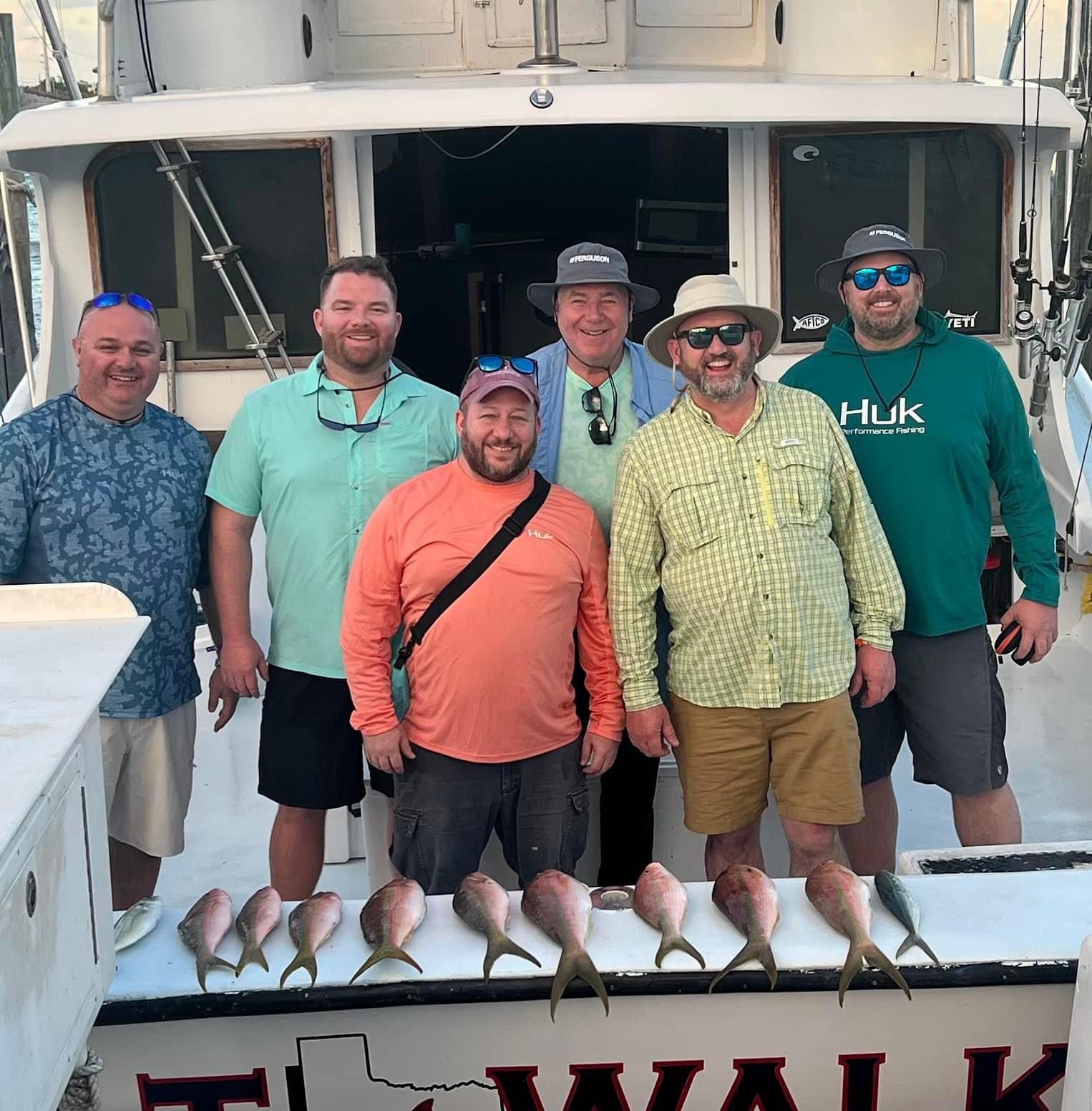
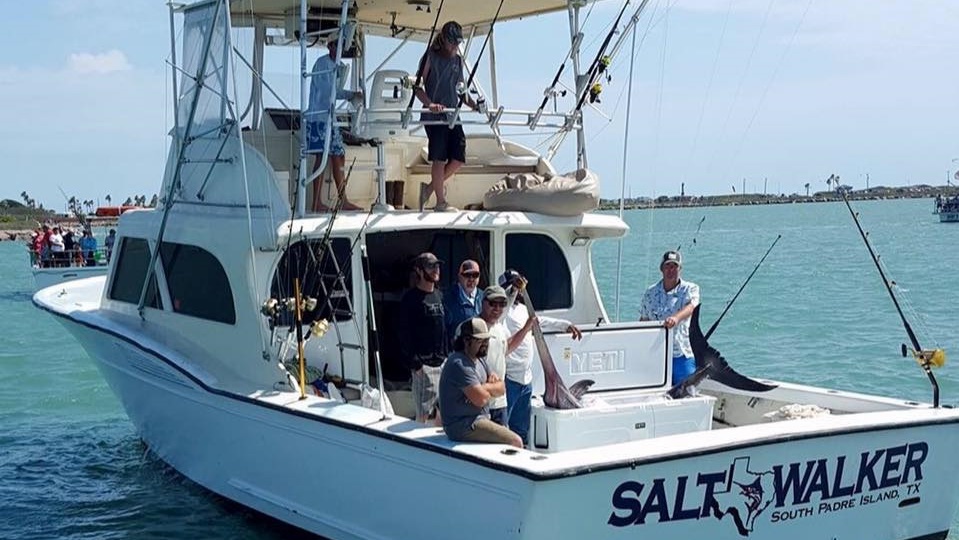
When you're looking for serious offshore action in the Florida Keys, this 8-hour charter with SaltWalker Sportfishing puts you right in the heart of some of South Florida's most productive fishing grounds. We're talking about the kind of day where you'll head out before sunrise and come back with stories that'll last a lifetime. Islamorada sits perfectly positioned between the Atlantic's deep blue water and the backcountry flats, giving us access to everything from reef fish to pelagic monsters. This isn't your typical half-day trip – we've got the time to hit multiple spots, adjust our game plan based on what's biting, and really dial in on the fish. With space for up to 6 anglers, you'll have plenty of room to work without bumping elbows when that big fish decides to make a run.
What to Expect on the Water
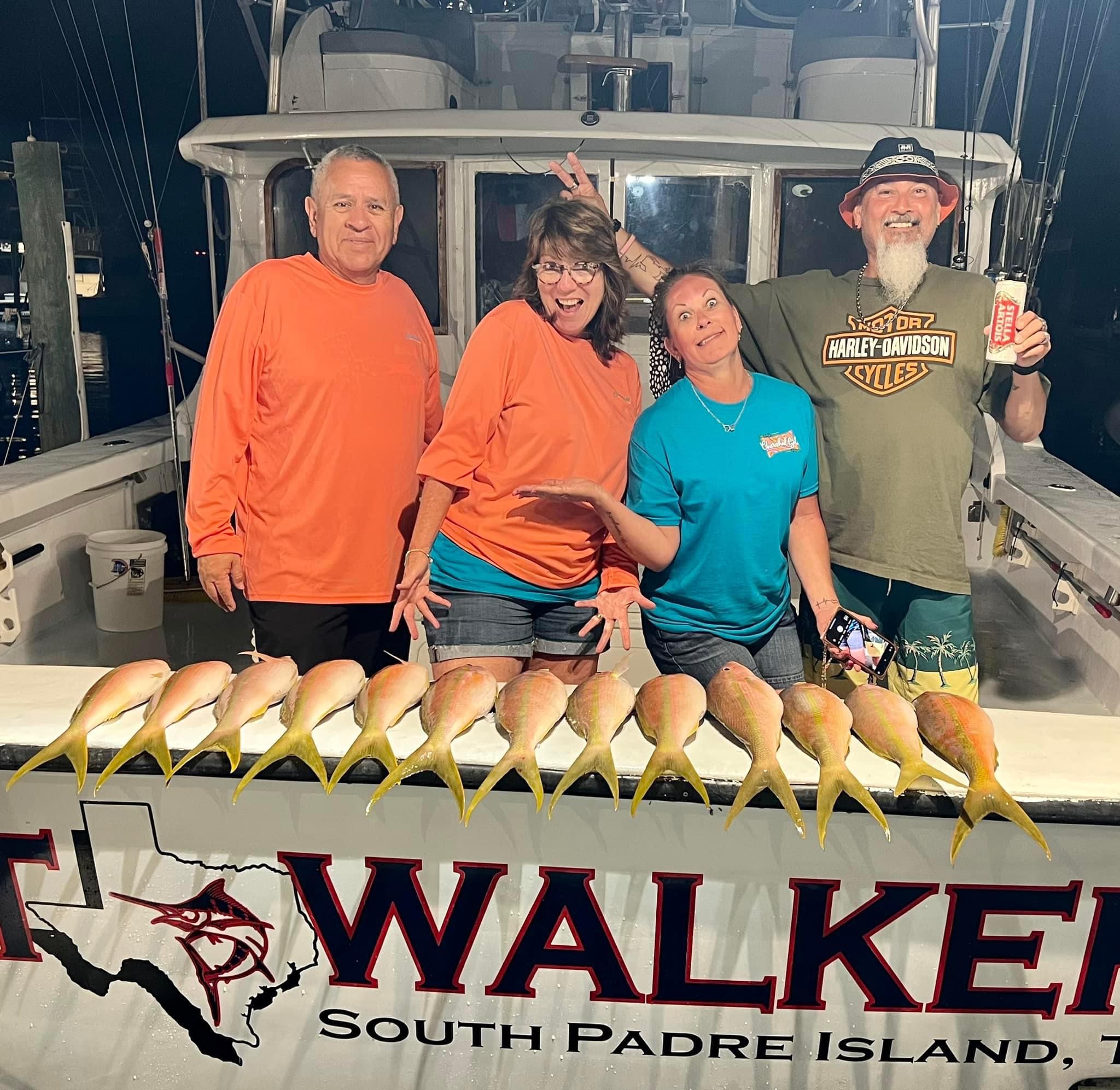
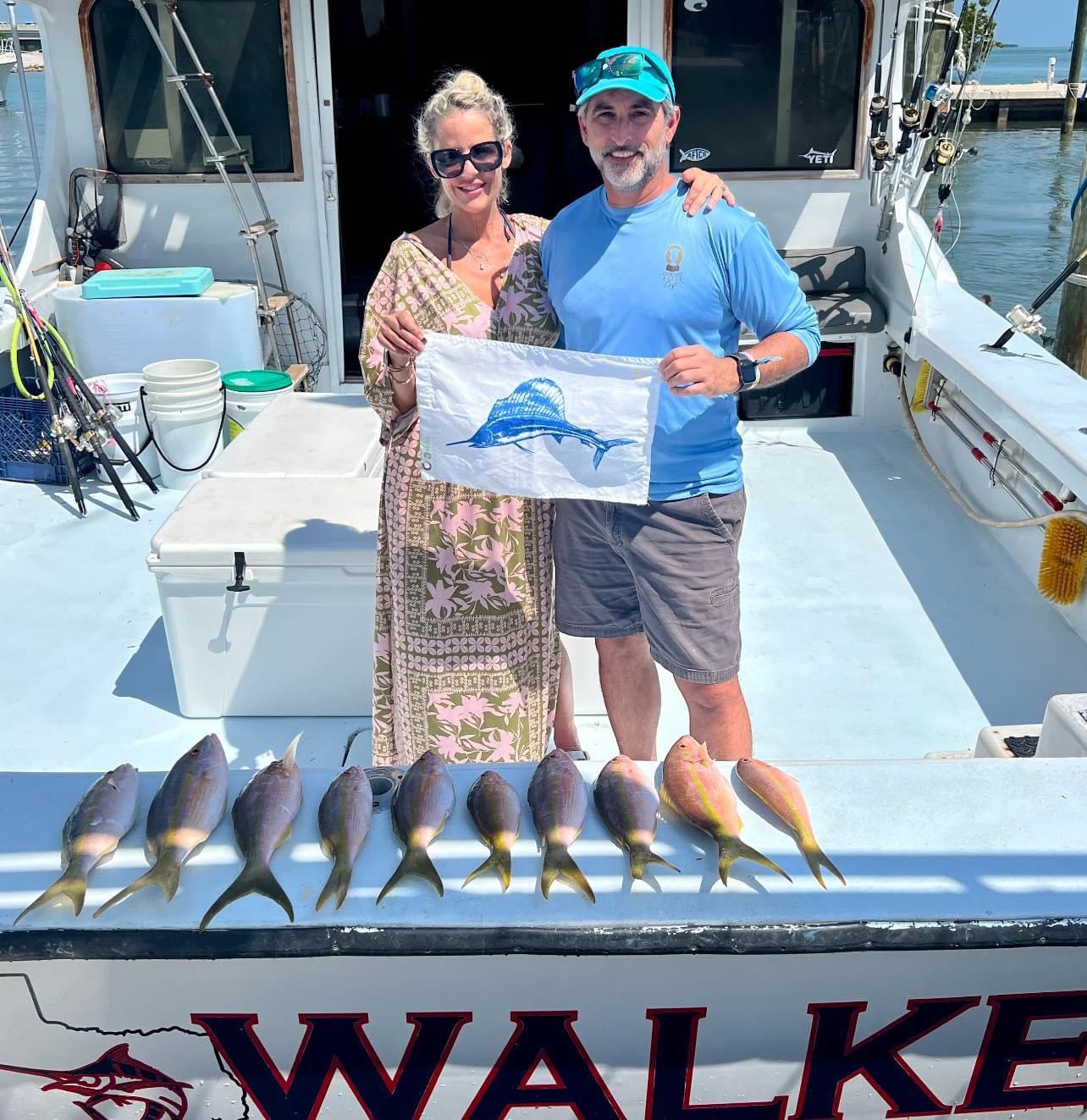
Your day starts early – we're talking about beating the sun to the dock because that's when the magic happens offshore. Captain and crew will have everything rigged and ready while you grab your coffee and get settled in. First stop is usually the reef to load up on live bait. Nothing beats a frisky pilchard or goggle-eye when you're targeting those bigger predators later in the day. From there, we'll work our way out to the deeper water where the real action lives. Expect to cover some serious ground over these 8 hours. We'll troll the weed lines for mahi and wahoo, drop down on structure for mutton snapper and amberjack, and keep our eyes peeled for those telltale signs that billfish are in the area. The boat's equipped with everything you need – quality tackle, outriggers, downriggers, and all the terminal gear. Just bring your fishing license, sunscreen, and an appetite for adventure. The Gulf Stream's influence keeps these waters loaded with baitfish year-round, which means the predators are never far behind.
Techniques and Tactics
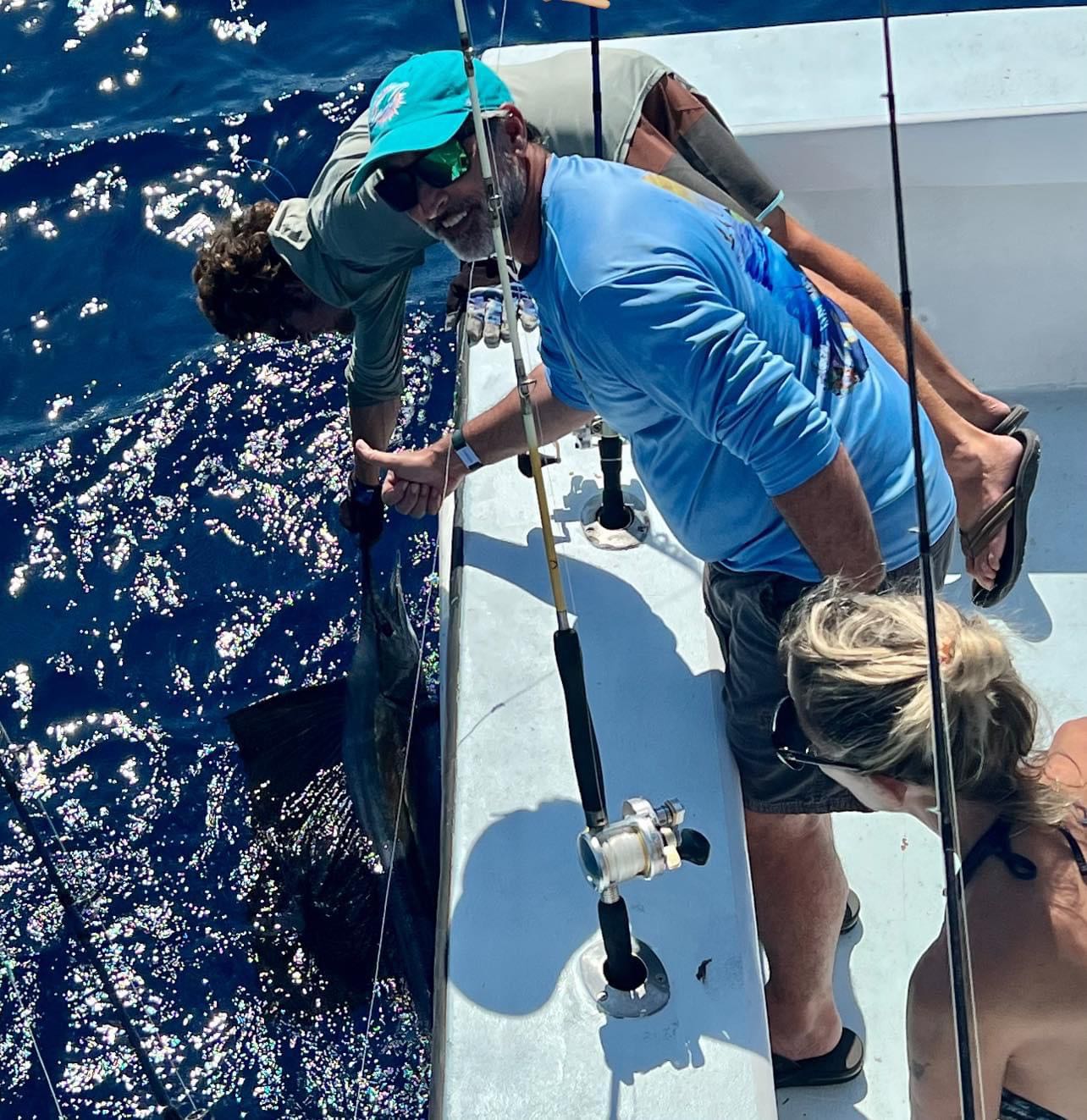
This trip is all about versatility and reading the water. We'll start with live bait fishing on the reef structure, using circle hooks and just enough weight to get down to where the snappers and groupers live. When we head offshore, it's trolling time – we'll pull a spread of baits at different depths and distances. Ballyhoo rigged on wire leaders for wahoo, bigger baits on the long riggers for marlin, and some artificials mixed in to cover all the bases. The key is staying mobile and adjusting to what the fish want that day. Sometimes they're stacked up on a particular depth, other times they're scattered and you need to cover water to find them. We'll also do some live bait fishing with kites when conditions are right – there's nothing like watching a sailfish come up and crush a goggle-eye on the surface. The tackle varies depending on what we're targeting, but expect everything from 20-pound spinning gear for the snappers up to 50 and 80-pound conventional setups for the big stuff. Don't worry if you're not familiar with all the techniques – that's what the crew is there for. They'll get you hooked up and help you fight these fish the right way.
Top Catches This Season
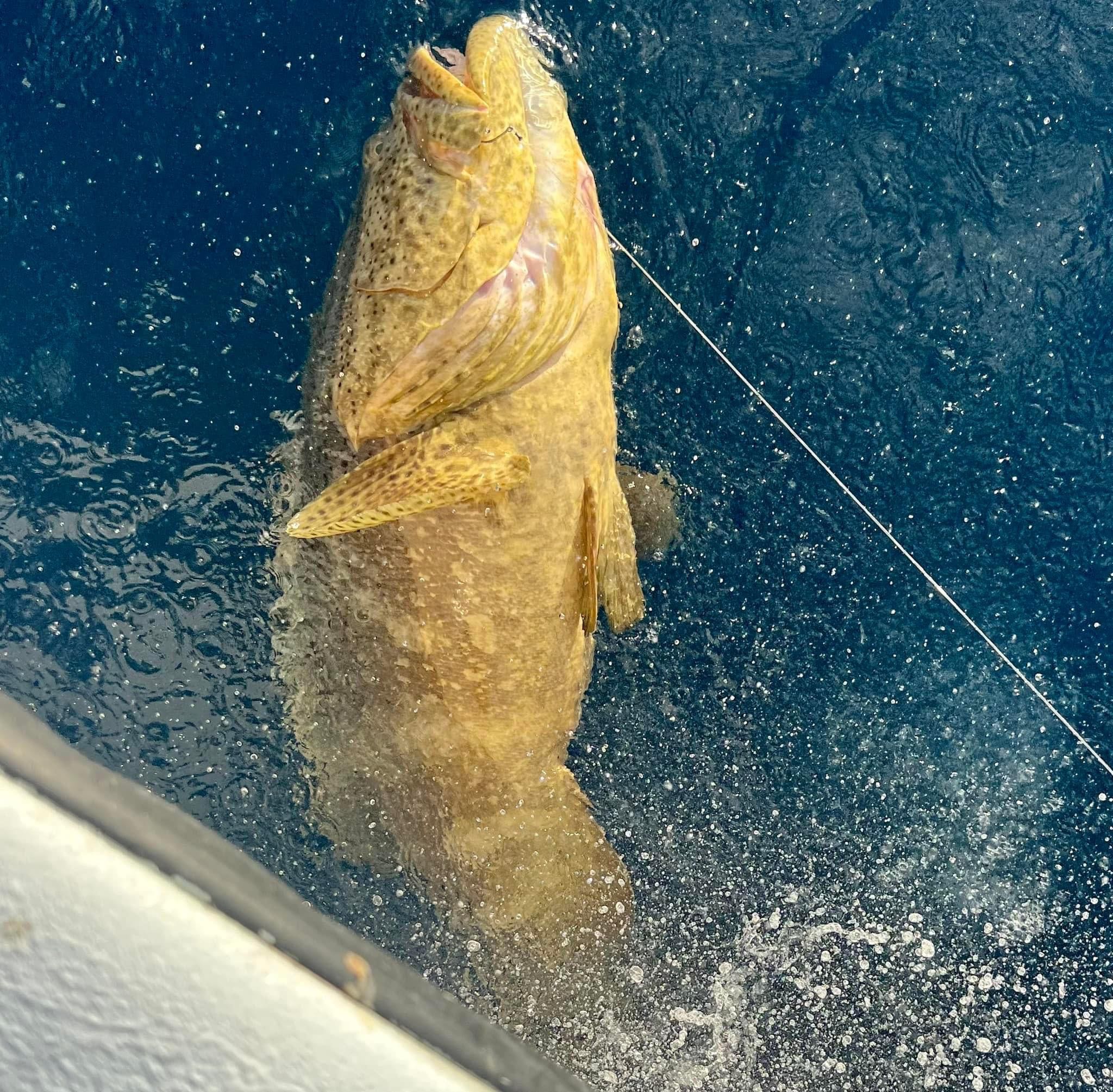
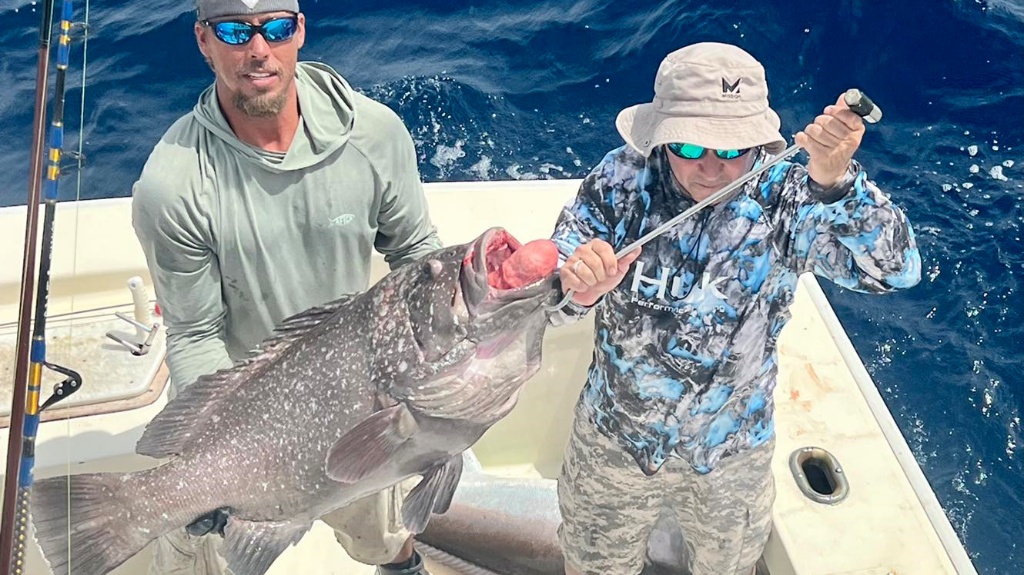
Goliath Grouper are the absolute giants of the reef, and hooking into one of these beasts is something you'll never forget. These fish can easily push 200-400 pounds and they know how to use every bit of that weight when they're hooked. They're year-round residents around Islamorada's deeper structure, but summer months tend to produce the most encounters. What makes them so special is the sheer power – they'll take your bait and head straight for the rocks, testing every knot and connection in your rig. Remember, these are catch-and-release only, but getting one boatside for photos is a bucket-list experience.
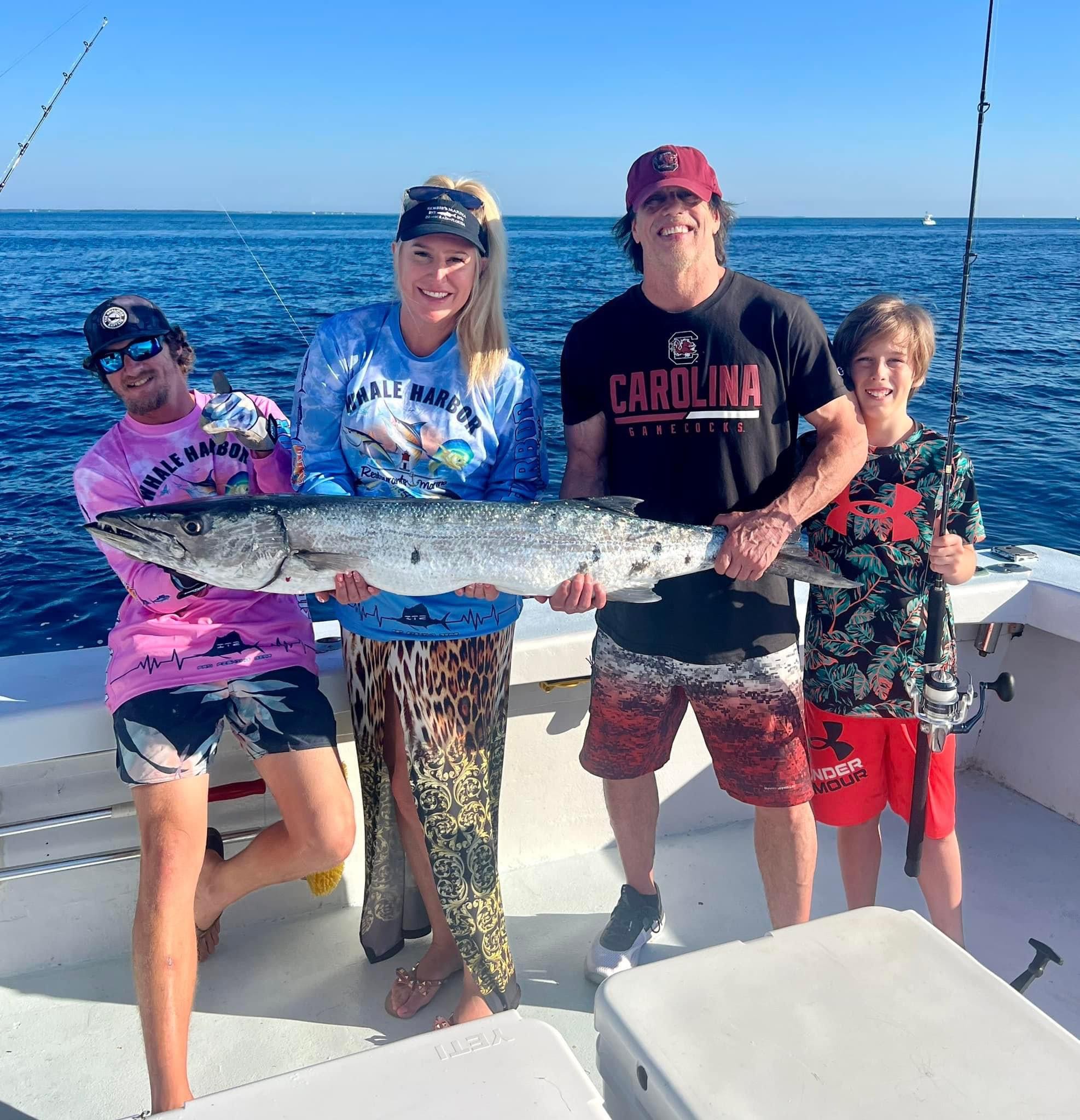
King Mackerel are the speed demons of the offshore scene, known for their blistering runs and acrobatic jumps. Fall and winter months are prime time for kings around Islamorada, when they school up in massive numbers during their migration. These fish average 20-40 pounds but can push 60-plus when you find the right schools. What anglers love about kings is their aggressive nature – they'll hit trolled baits hard and put on a real show once hooked. The key is having sharp hooks and good drag settings because they'll test both right off the bat.
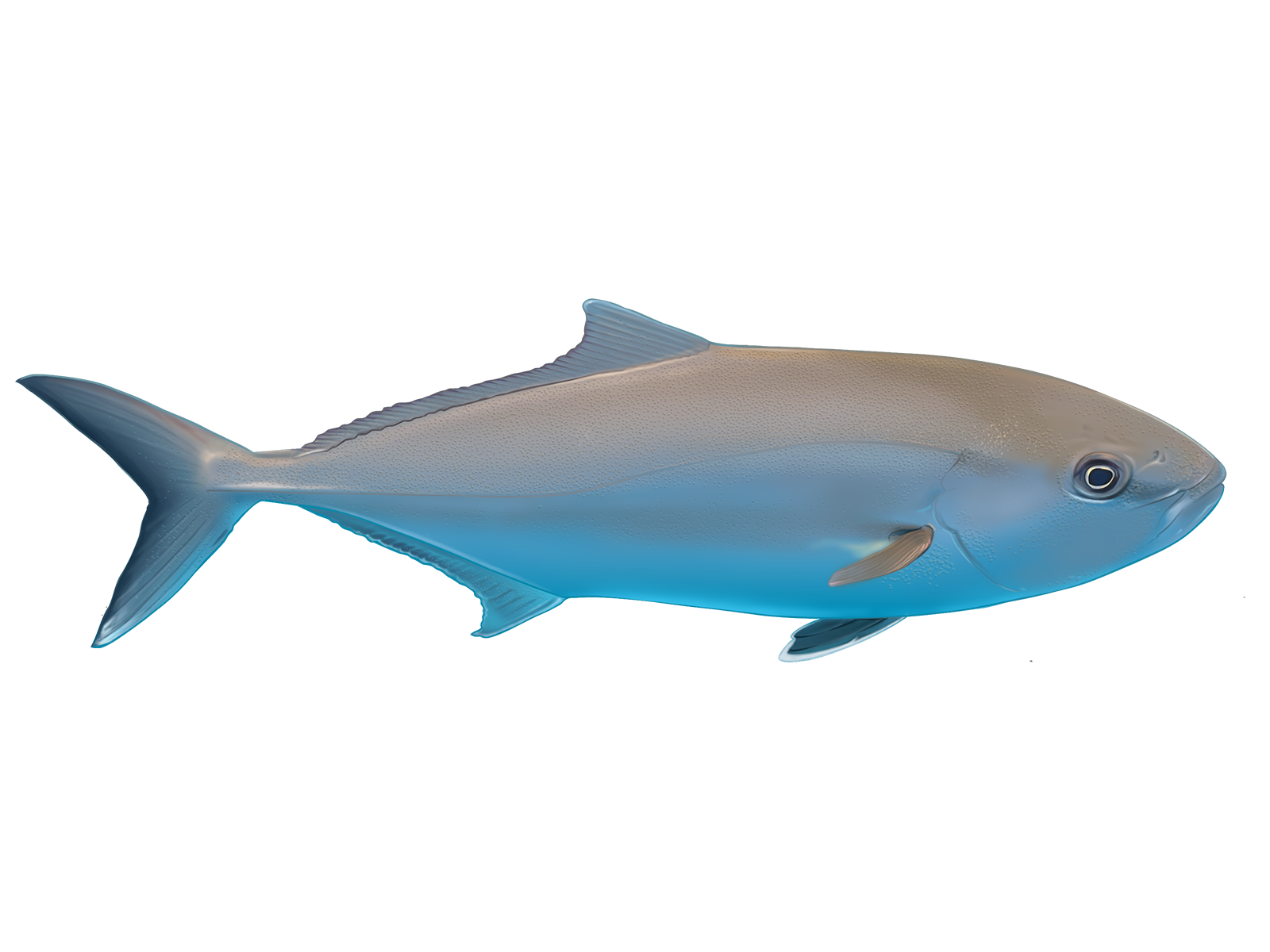
Greater Amberjack are the bullies of the deep structure, known for their incredible pulling power and stubborn fighting style. These fish are most active during the cooler months, typically October through March, when they move up from the deeper water to feed on the mid-depth reefs. AJs can range from 30 to 80 pounds, with the occasional monster pushing triple digits. They're notorious for their initial run toward the bottom, trying to cut you off in the rocks. What makes them a favorite among serious anglers is their refusal to give up – expect a long, tough fight that'll test your endurance as much as your tackle.
Mahi Mahi are the crowd-pleasers of the offshore world, combining beautiful colors with acrobatic fights and excellent table fare. Peak season runs from April through July, when schools of these fish follow the weed lines and current edges around Islamorada. They typically range from 10-30 pounds, with bull dolphins occasionally reaching 40-plus. What makes mahi so exciting is their willingness to bite and their spectacular aerial displays once hooked. Plus, where you find one, you usually find more, so multiple hookups are common.
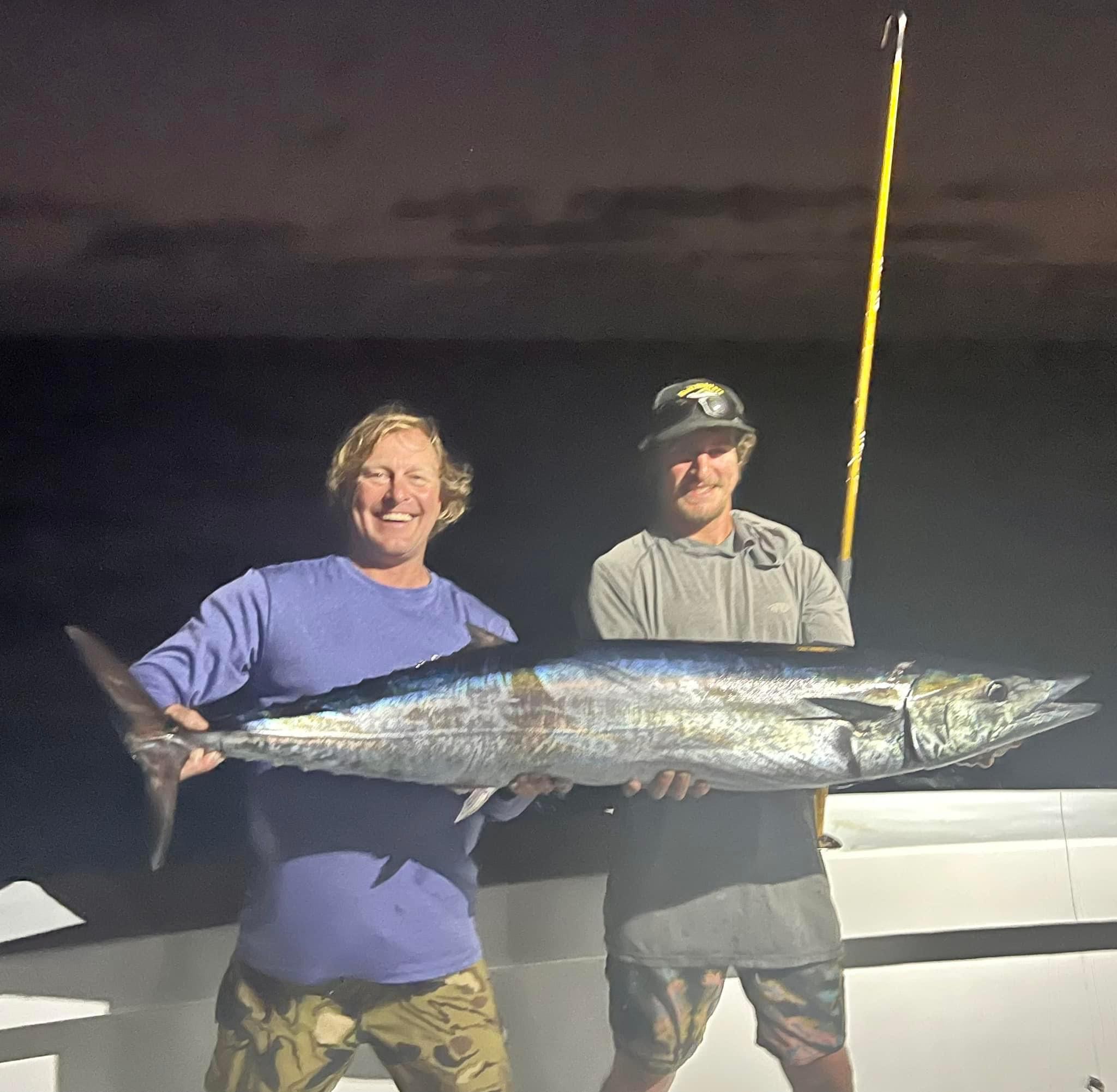
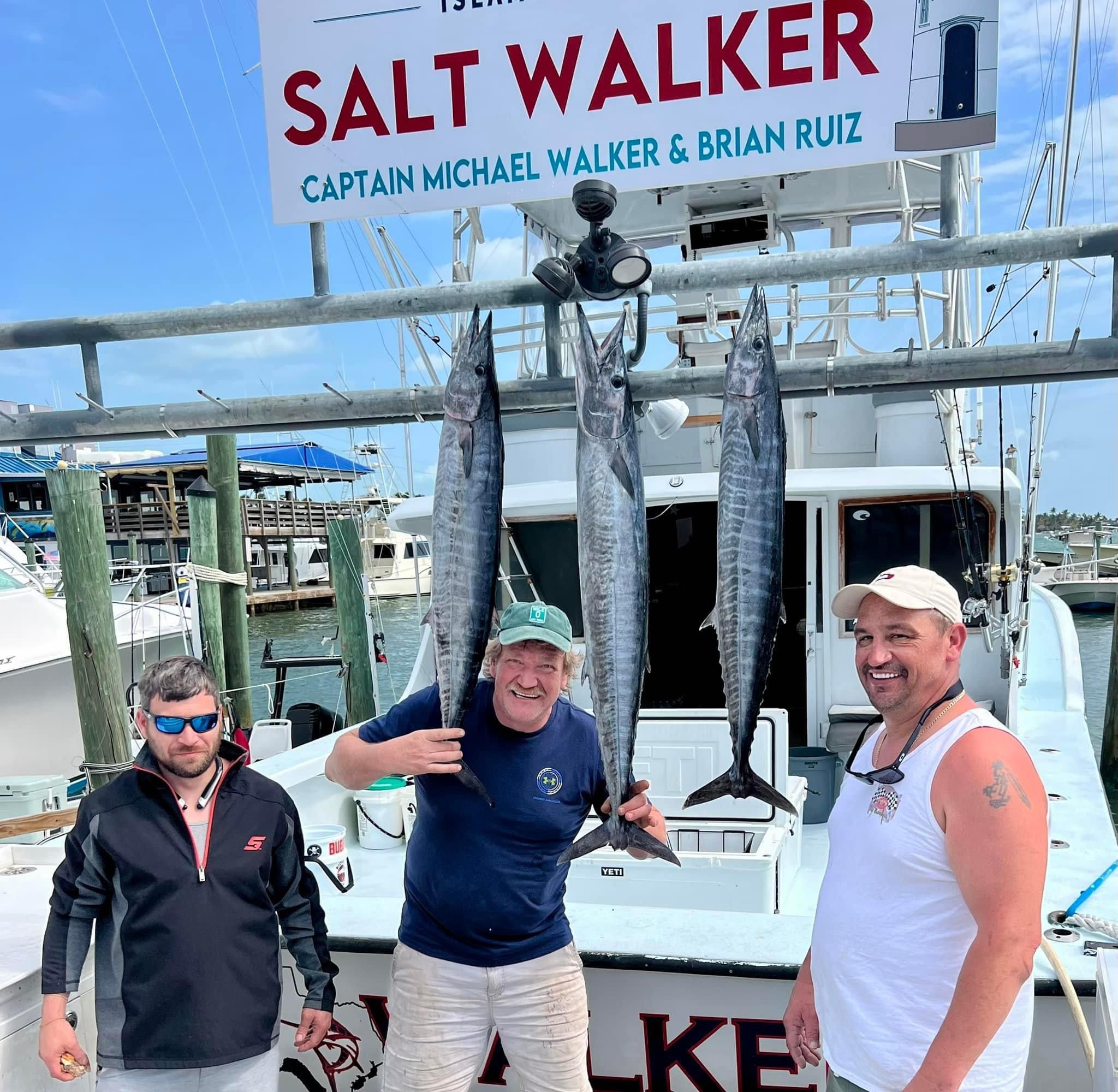
Wahoo are the speed kings of the trolling game, capable of hitting lures at over 50 mph and making runs that'll smoke your reel. Winter months are prime time for wahoo fishing off Islamorada, particularly December through February.
 Private Trip
 Offshore Fishing
 Islamorda



 Target Marlin, Sailfish, Mahi Mahi, and Wahoo offshore