May Full Day Offshore Halibut Charter Alaska
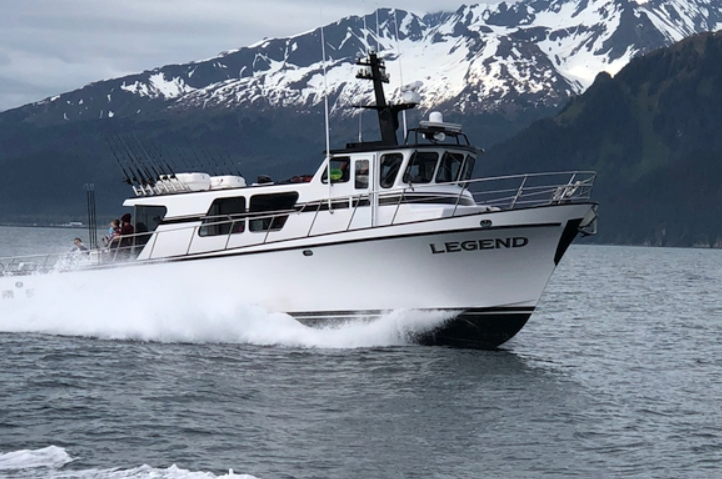
Looking for a real fishing adventure this May? This 10-hour shared charter with Saltwater Safari Company puts you right where Alaska's biggest halibut are feeding. You'll head offshore into some of the most productive waters in the state, chasing barn door halibut alongside tasty rockfish and Pacific cod. With Alaska's extended daylight hours in May and fish that are actively feeding after winter, you're setting yourself up for one heck of a day on the water.
What to Expect on the Water
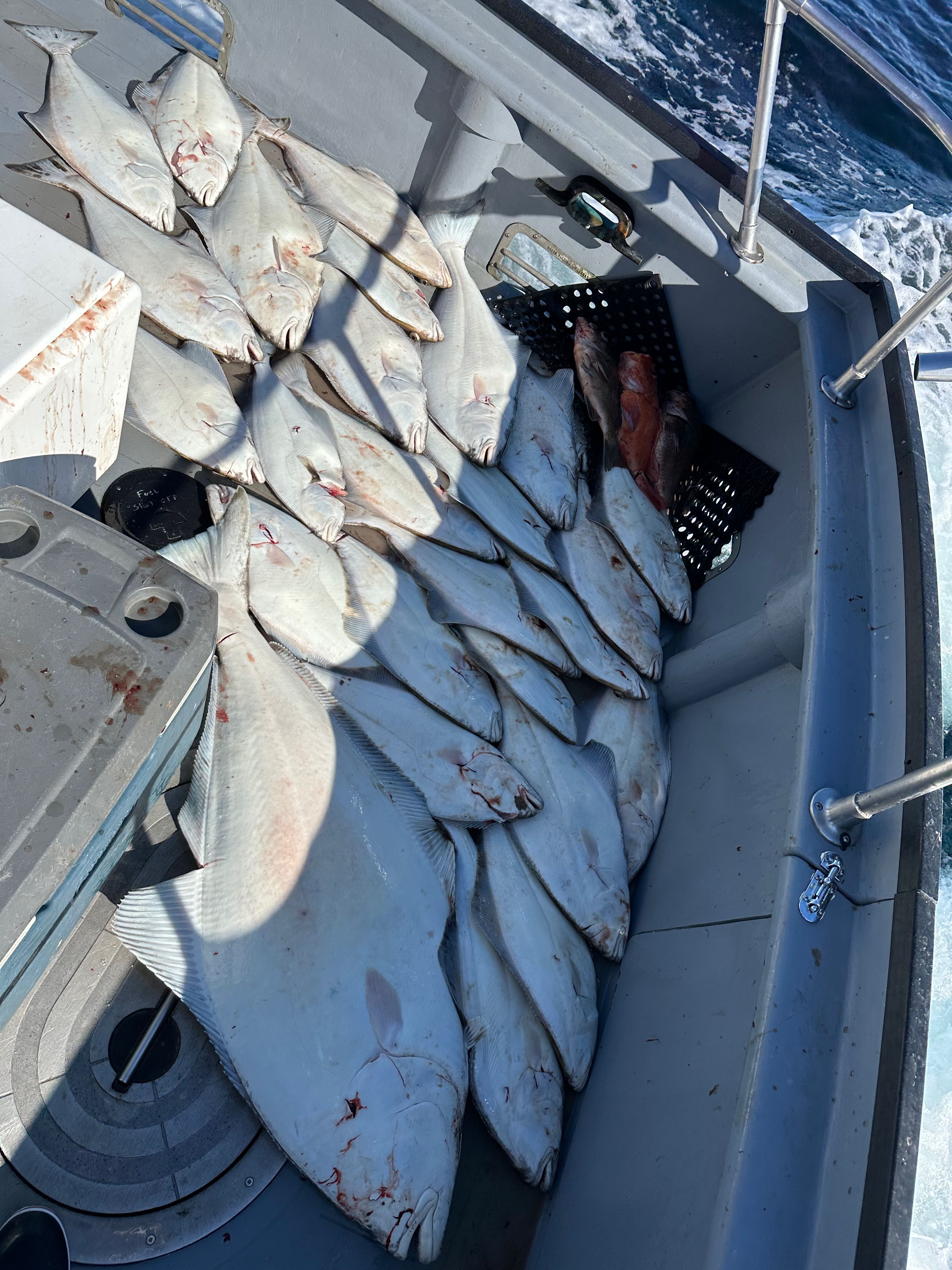
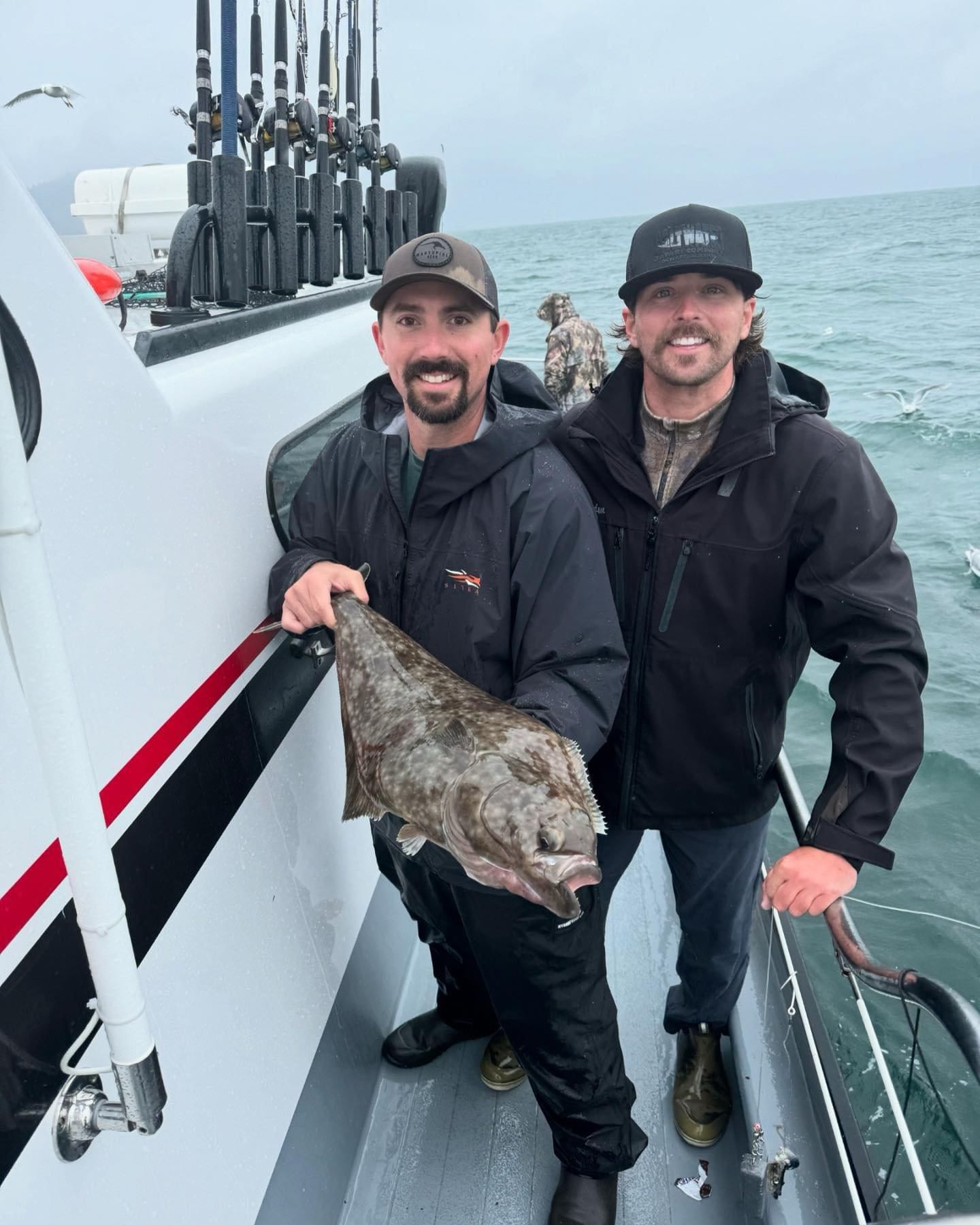
This isn't your typical half-day trip—you're looking at a solid 10 hours of fishing time, which means we can run to the prime offshore spots where the big halibut hang out. The shared charter format keeps costs down while still giving you plenty of room to fish comfortably. You'll be targeting bottom fish primarily, so expect to be dropping heavy jigs and bait down to where these flatfish are cruising along the seafloor. May is prime time because the halibut are moving into shallower water and feeding heavily before spawning season kicks into high gear. The limit is set at 2 halibut per angler—one can be any size (hello, potential doormat), and the other needs to be 28 inches or under. Don't forget that printed Alaska sport fishing license—the fish cops don't mess around up here, and digital copies won't cut it on the water.
Bottom Fishing Techniques
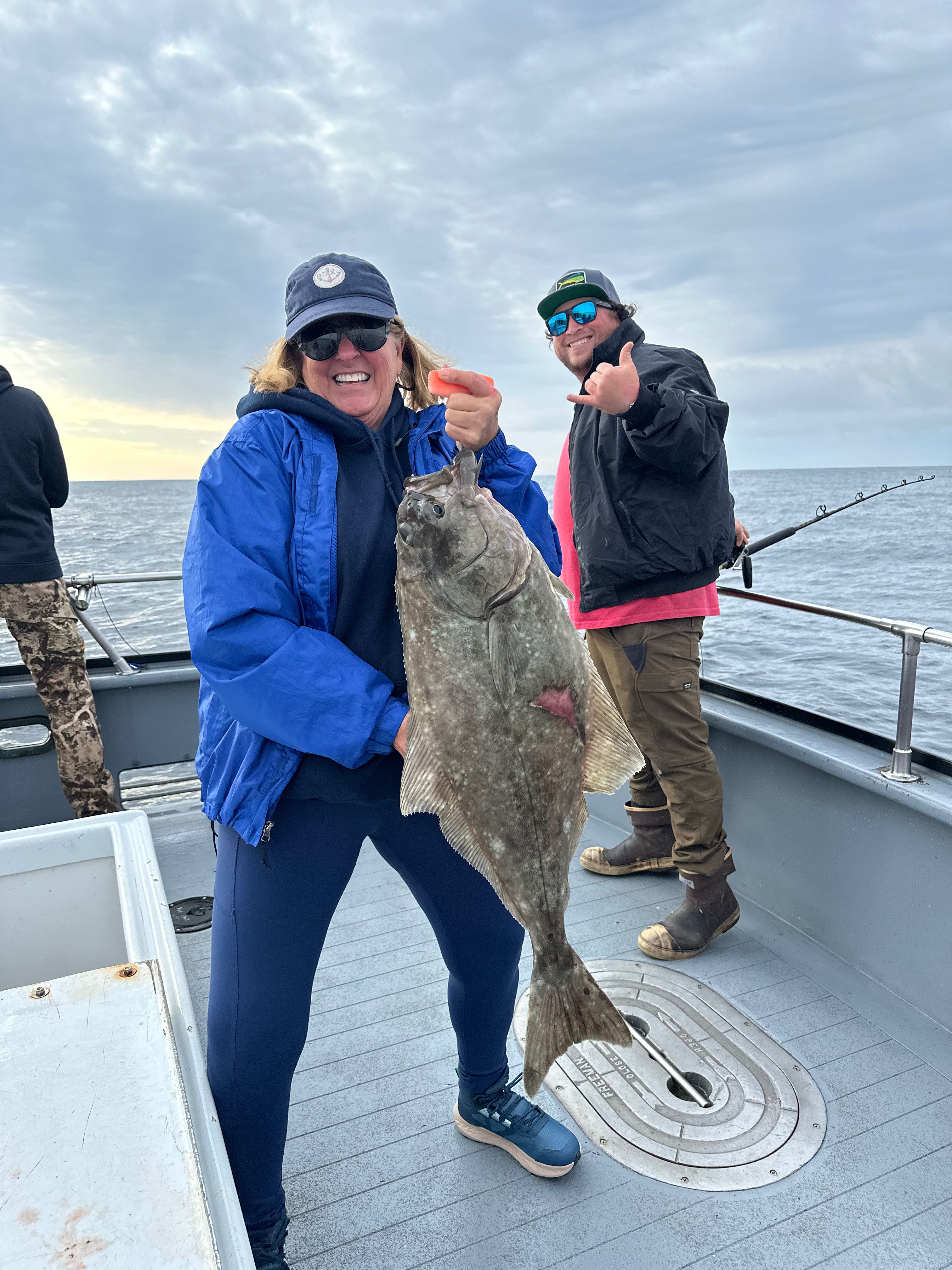
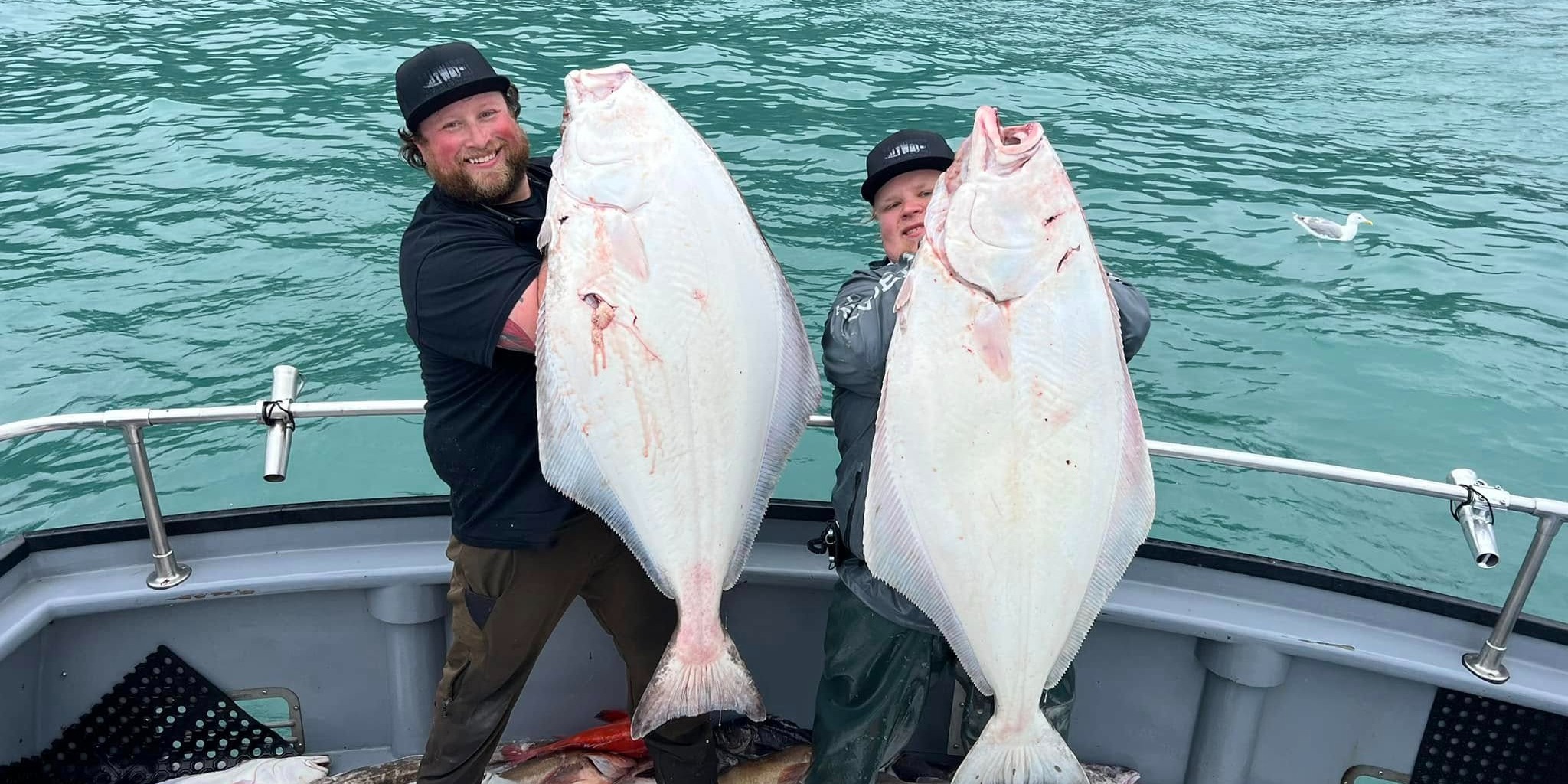
Offshore halibut fishing is all about getting your bait down to the bottom and keeping it there. We're talking anywhere from 80 to 300 feet of water, depending on where the fish are holding. The standard rig is a heavy lead sinker (often 16-32 ounces) with a spreader bar or simple dropper loop setup. Fresh or frozen herring, salmon bellies, and octopus are the go-to baits, though some days the halibut go crazy for large plastic swimbaits or heavy jigs. The key is feeling that bottom and working your bait just above it—halibut are ambush predators that like to lie flat and wait for something tasty to swim by. When you hook into a big one, it's all about steady pressure and patience. These fish can weigh anywhere from 20 to 200+ pounds, so your arms are going to get a workout. The captain and crew will help with gaffing and getting the fish in the boat, but the fight is all yours.
Customer Stories
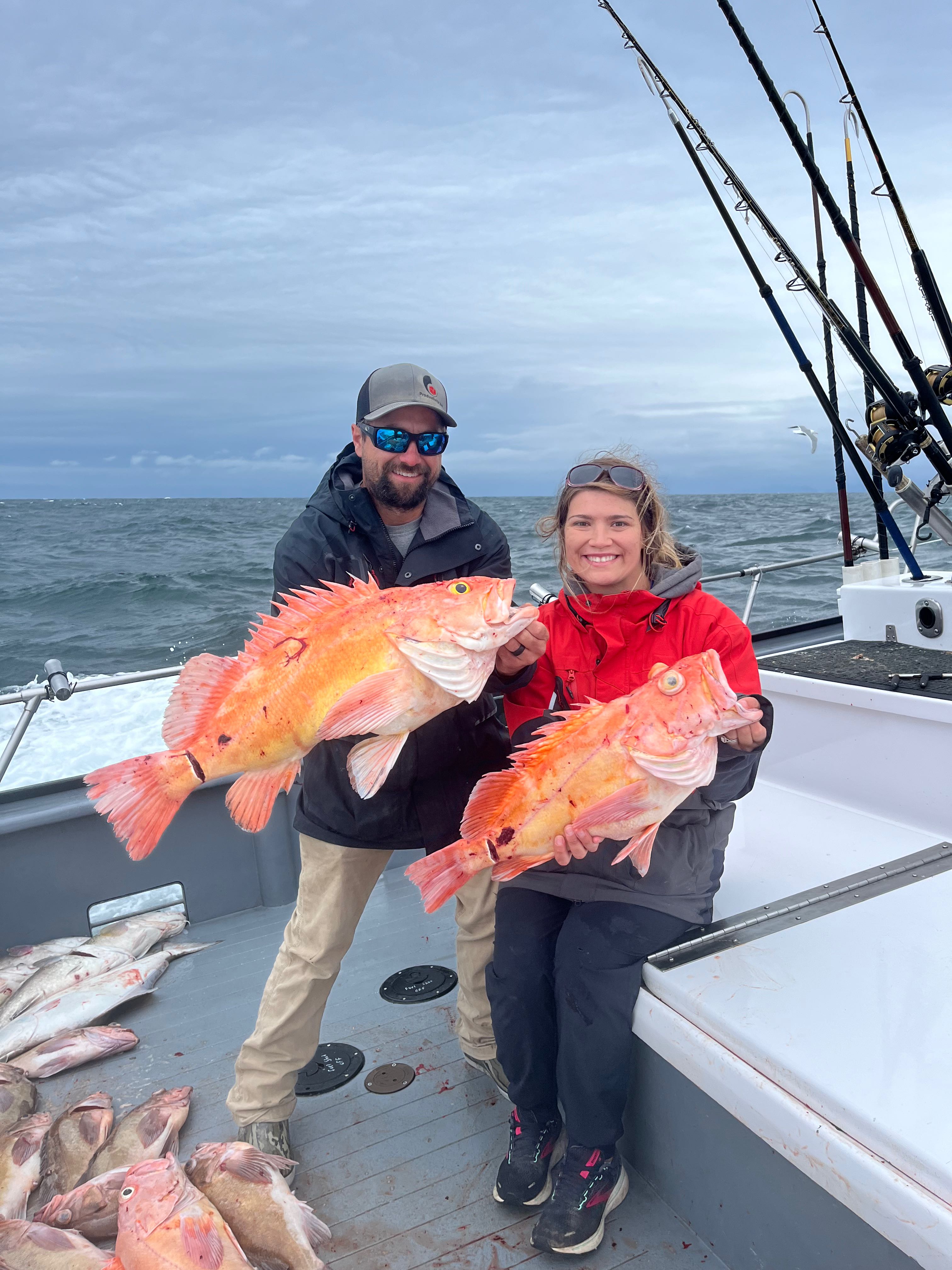
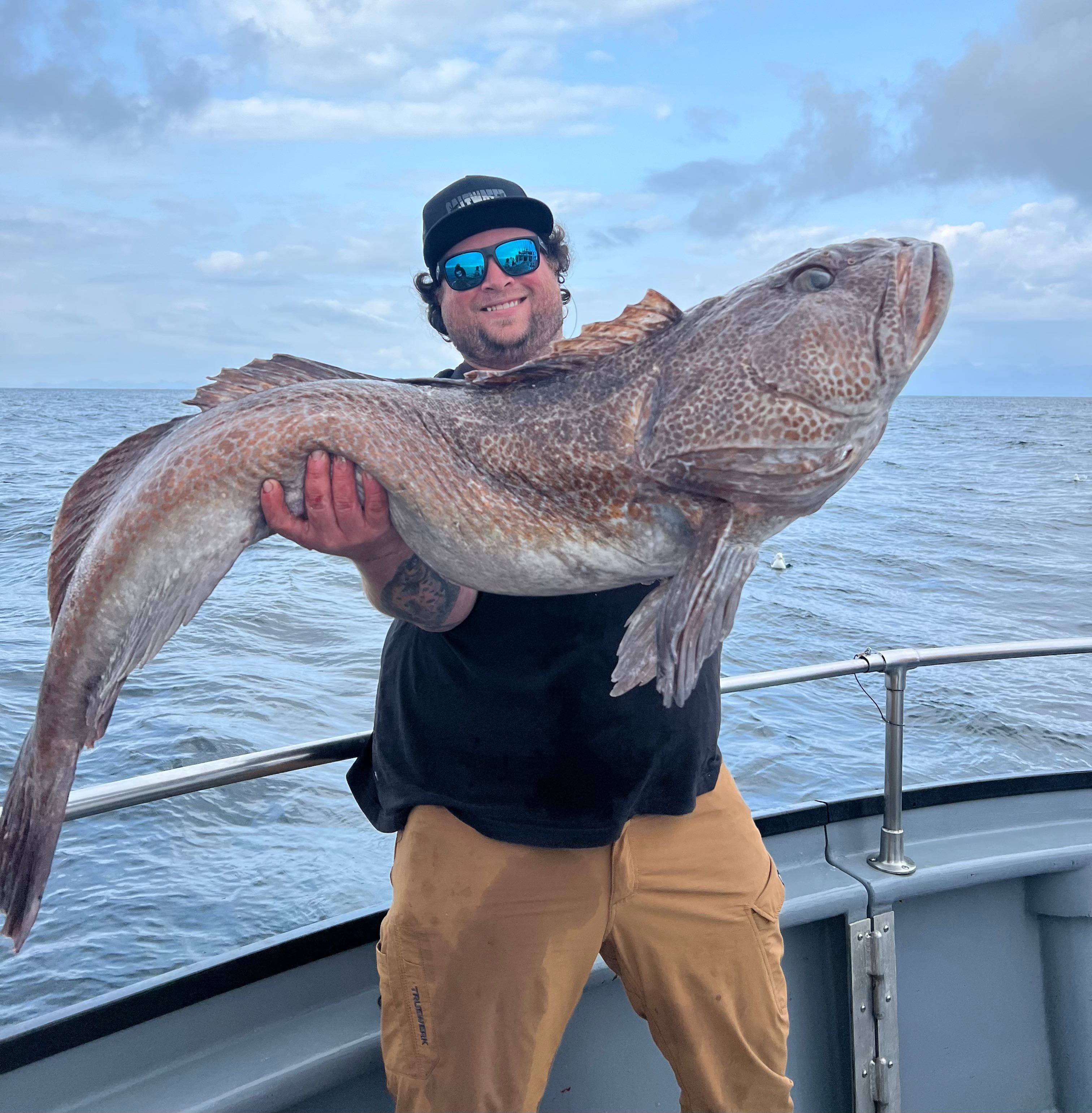
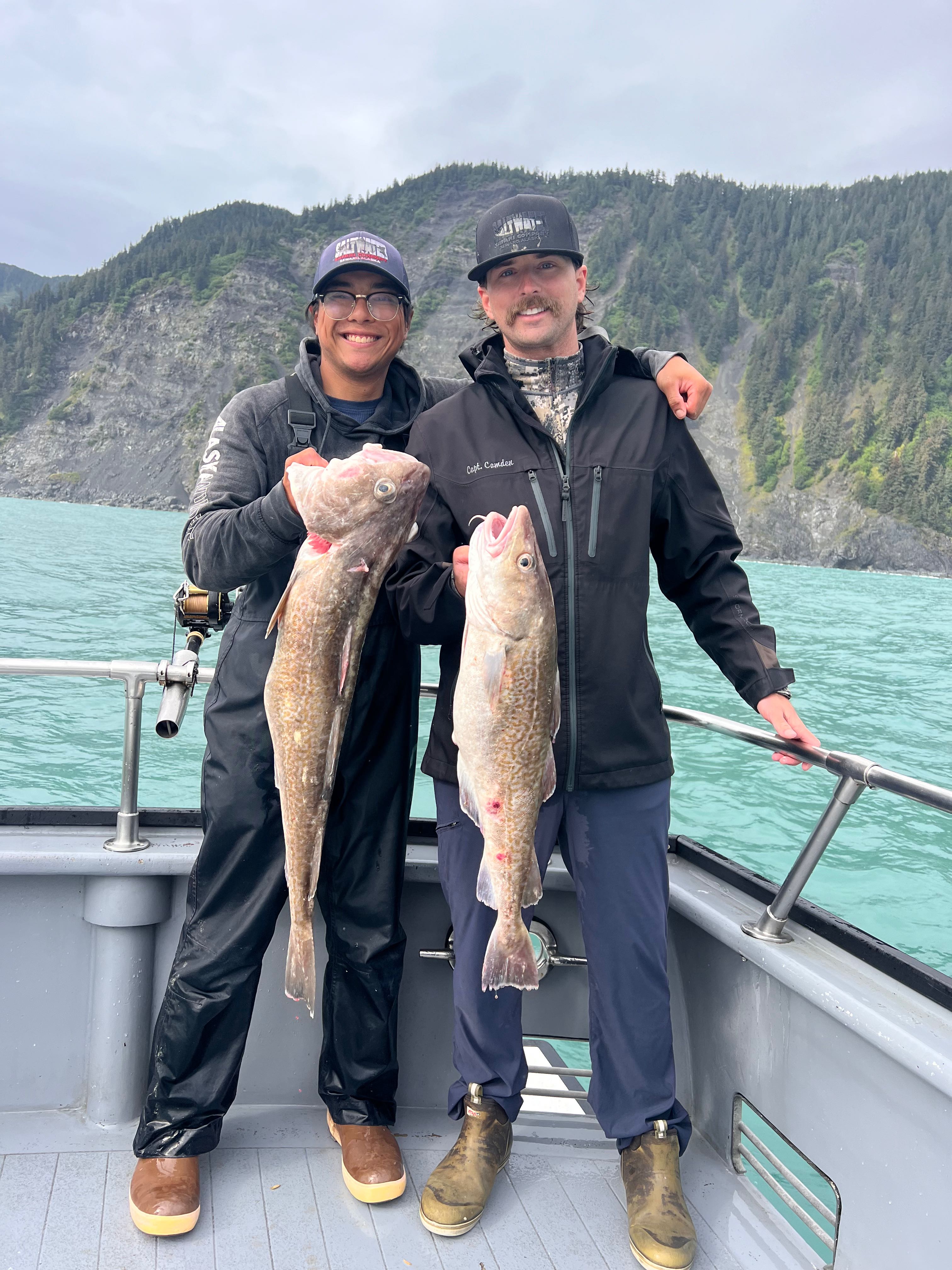
"Despite less-than-ideal weather conditions, the crew gave us the choice to either reschedule or go fishing, and we were eager to give it a try! They informed us that the bite might not be as strong due to our inability to reach the usual offshore spots. With rough seas, cold temperatures, and rain, we managed to catch a few fish (halibut, yellow-eye rockfish, cod). Once we moved into the bay, the rockfish bite was on fire! We had so much fun, we forgot how cold and wet we were! We limited out in less than 20 minutes. Noah and Cam were incredible—some of the best guides I've ever had. The boat was spotless, and the equipment was top-notch. 10/10 would highly recommend!" - Jay
Species You'll Want to Hook
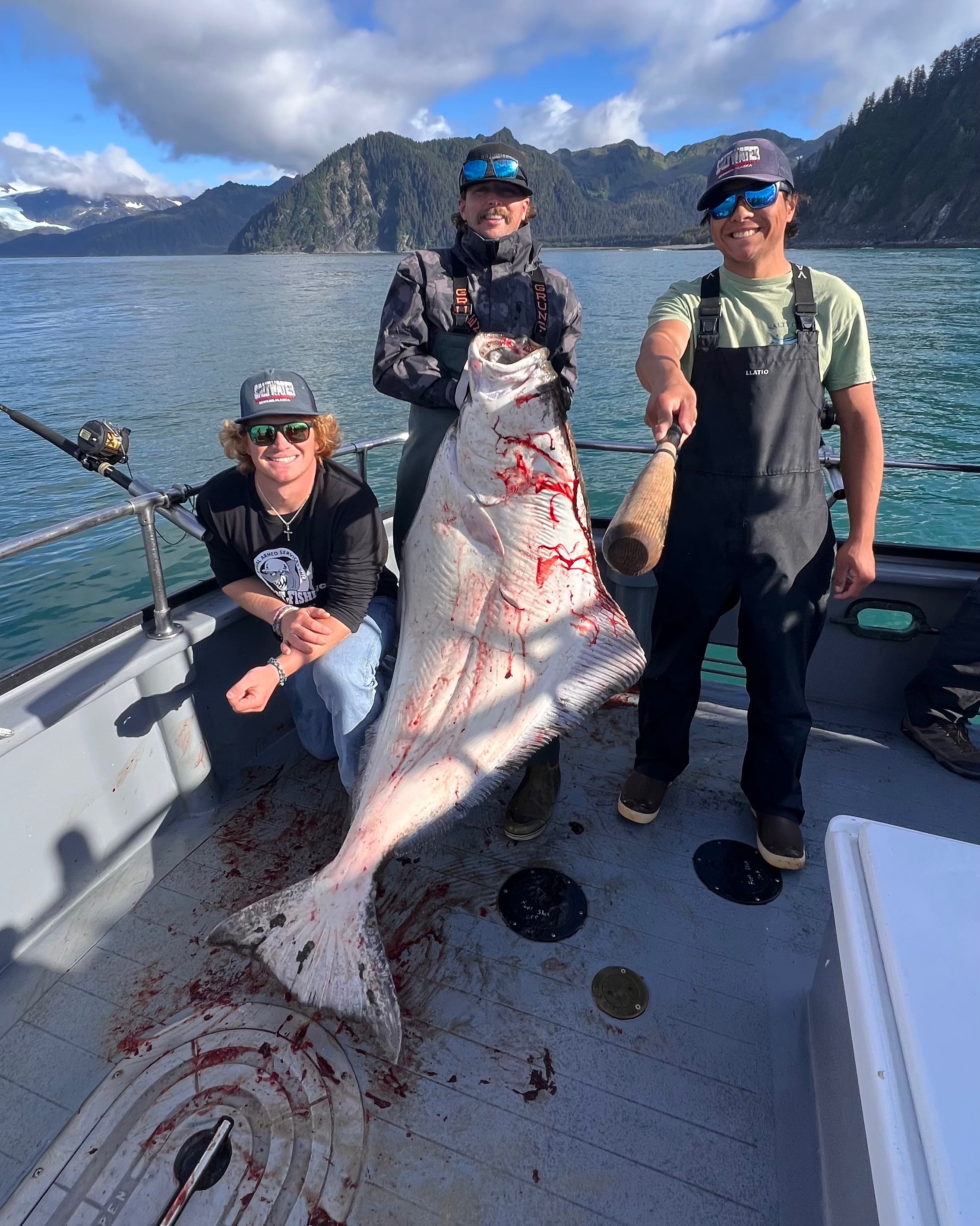
Pacific Halibut are the main event here, and for good reason. These flatfish are absolute tanks—they can live over 50 years and grow to monster proportions. In May, they're moving from their deeper winter haunts into more accessible waters, usually 100-250 feet deep along rocky bottom structure and ledges. What makes halibut so exciting to catch isn't just their size (though a 100-pounder will definitely test your limits), it's their fight. They don't jump like salmon or make long runs like tuna, but they use their flat body like a giant pancake to create incredible resistance on the way up. Plus, the meat is absolutely phenomenal—firm, white, and perfect for the grill. Alaska halibut fishing in May hits that sweet spot where the fish are hungry and accessible, but the crowds haven't arrived yet.
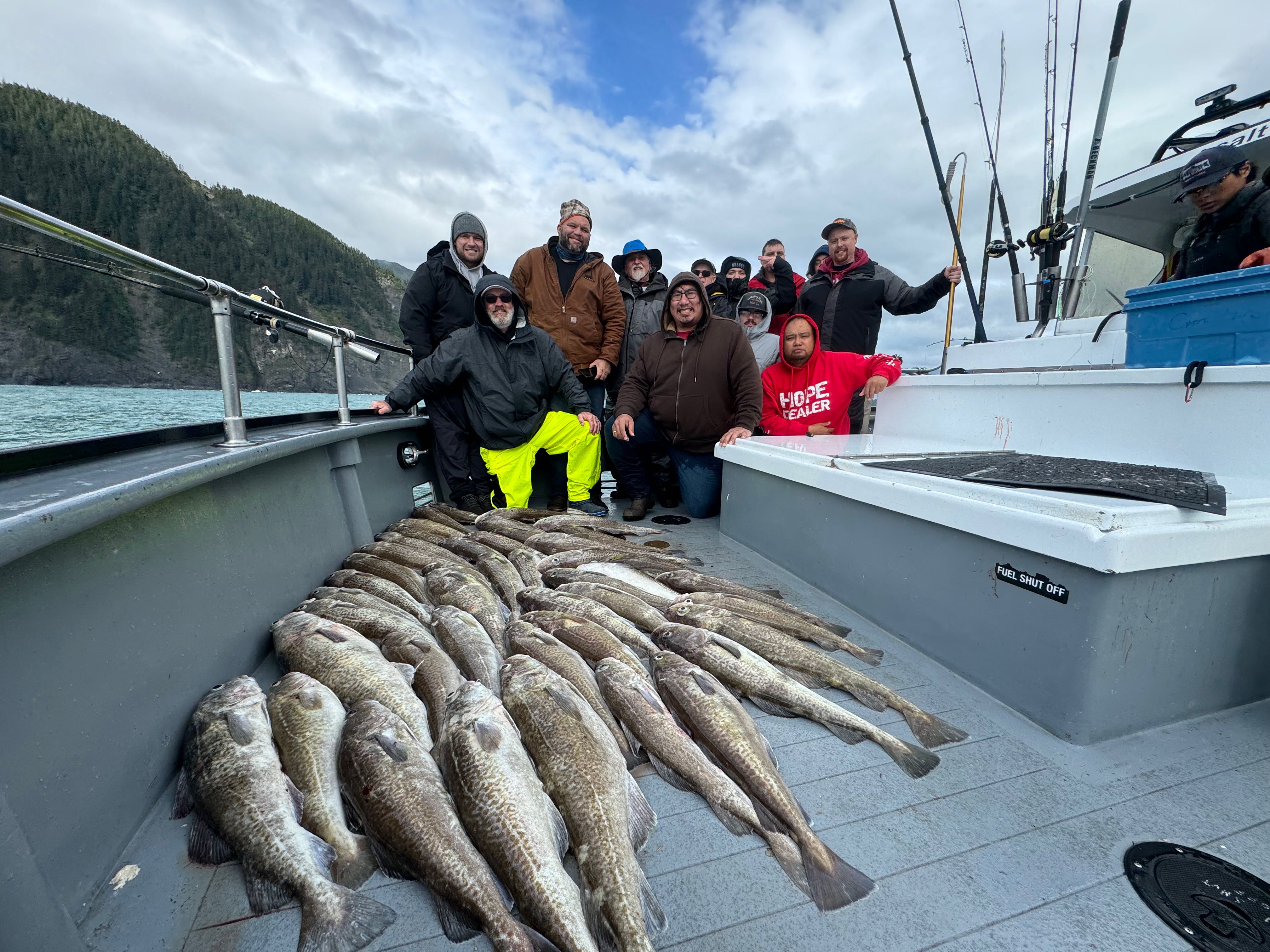
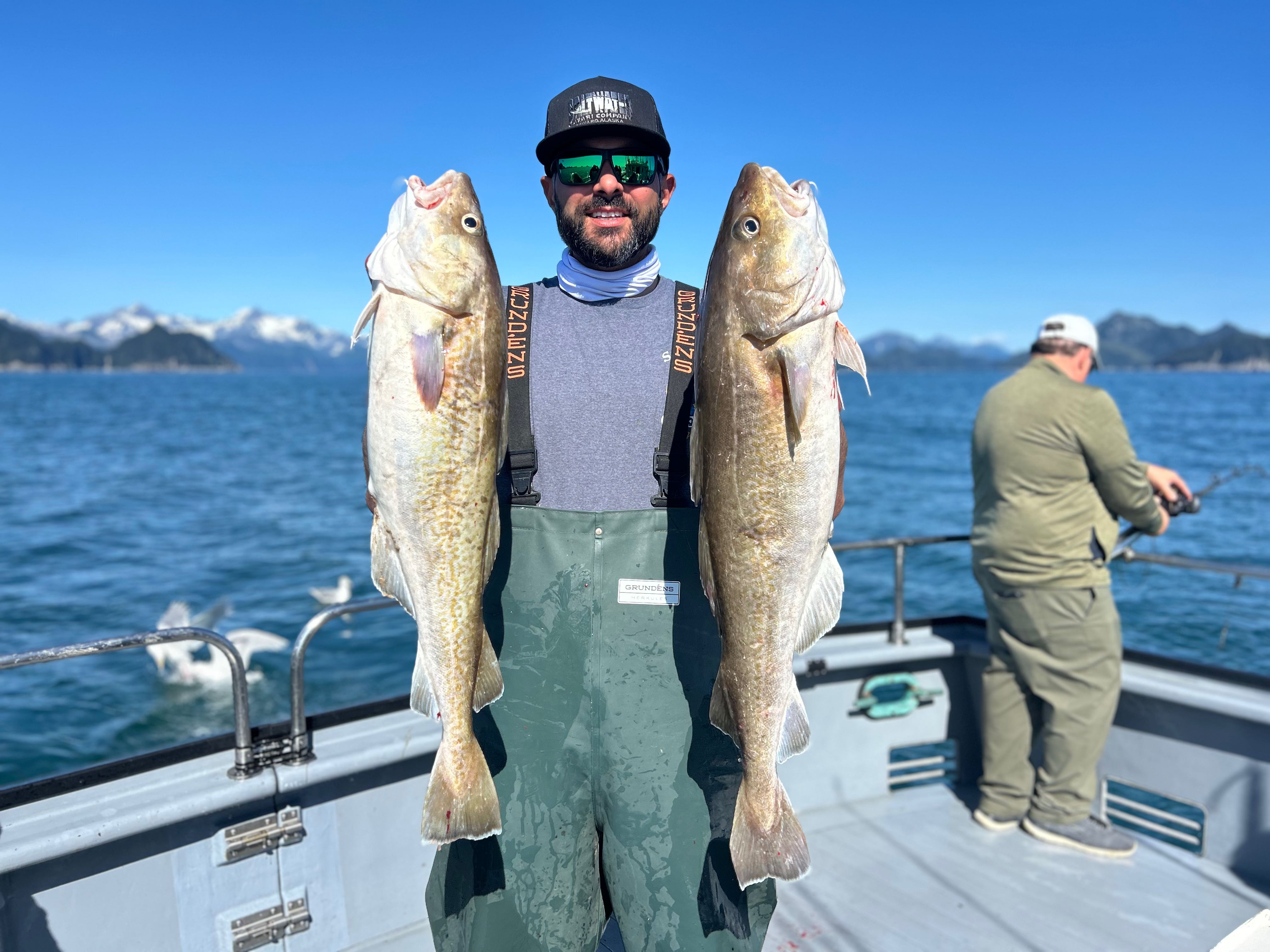
Pacific Cod might not get the same attention as halibut, but they're fantastic fish to target and even better on the dinner table. These guys school up in good numbers and often hang out in the same areas as halibut, especially around rocky bottom and structure. Cod are aggressive feeders and will hit just about anything you drop down there—herring, jigs, even bare hooks sometimes. They typically run 5-20 pounds in these waters, with the occasional 30+ pounder to keep things interesting. What's great about cod is they fight hard for their size and they're always biting. When the halibut action slows down, you can usually count on cod to keep your rod bent. The meat is flaky and mild, perfect for fish and chips or a nice fish stew.
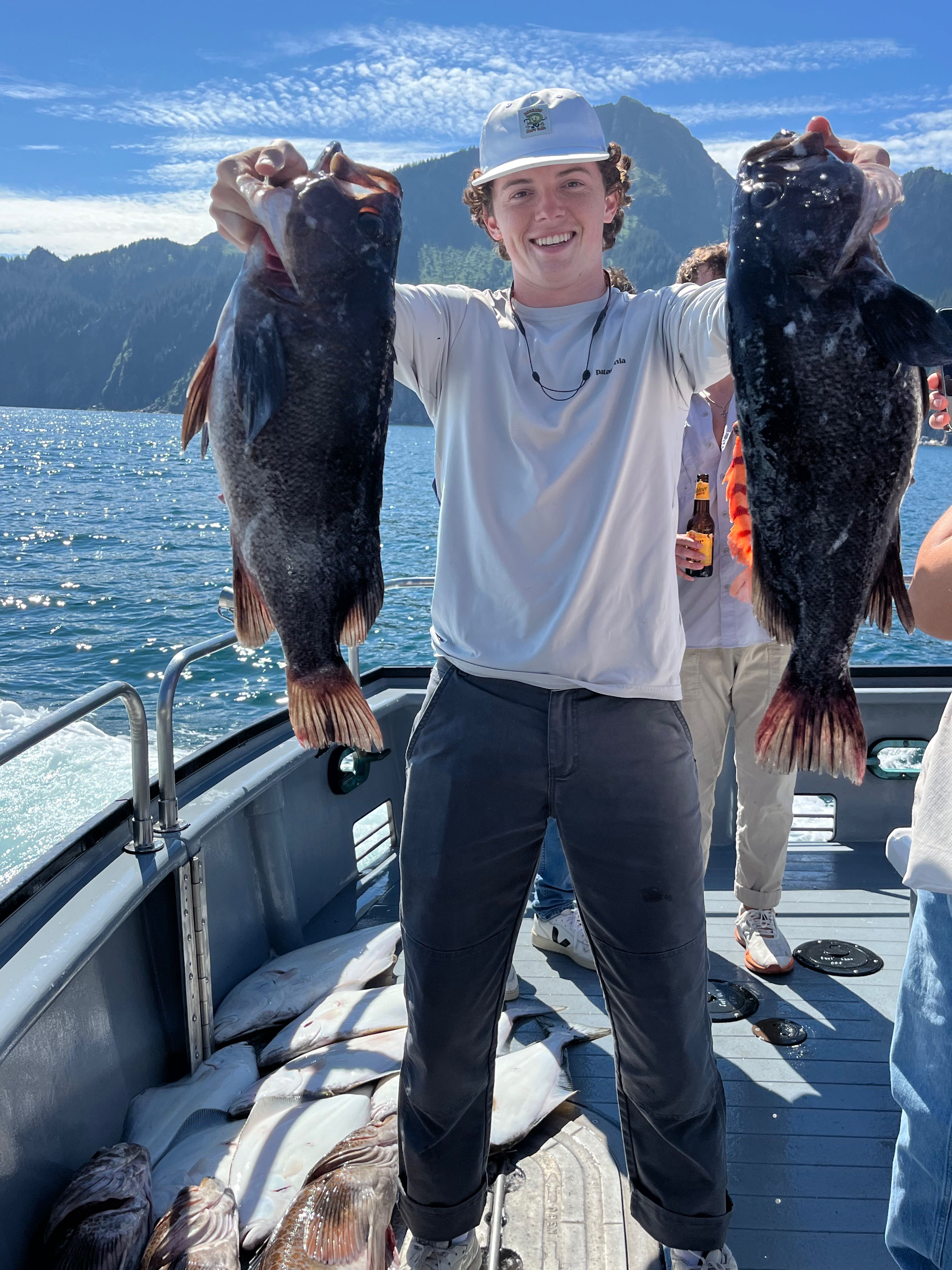
Black Rockfish are the workhorses of Alaska bottom fishing, and they're probably the most underrated fish swimming in these waters. These guys live around rocky reefs and ledges, often in huge schools, and they're absolute eating machines. In May, they're coming out of their winter patterns and feeding heavily on small baitfish and crustaceans. Rockfish fight harder than you'd expect for their size—they'll dive straight for the rocks and try to cut your line on the first chance they get. Most black rockfish run 2-8 pounds, but they make up for size with numbers. It's not uncommon to limit out on rockfish in under an hour when you find a good school. The meat is firm and sweet, similar to snapper, and they're perfect for fish tacos or ceviche. Plus, when you're working a good rockfish bite, the action is non-stop—as soon as your bait hits bottom, you're hooked up again.
Time to Book Your Spot
May is
 5.0(1 Reviews)
 Shared Trip
 Offshore Fishing
 Seward, AK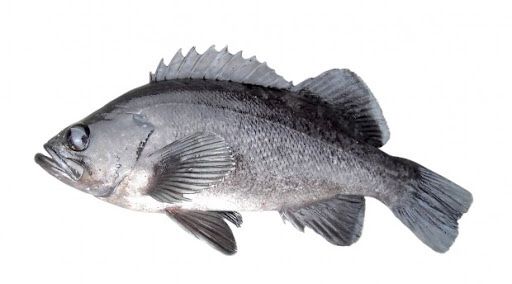


 Full day offshore halibut fishing in Alaska waters