Saltwater Fishing Charters - Inshore Adventures
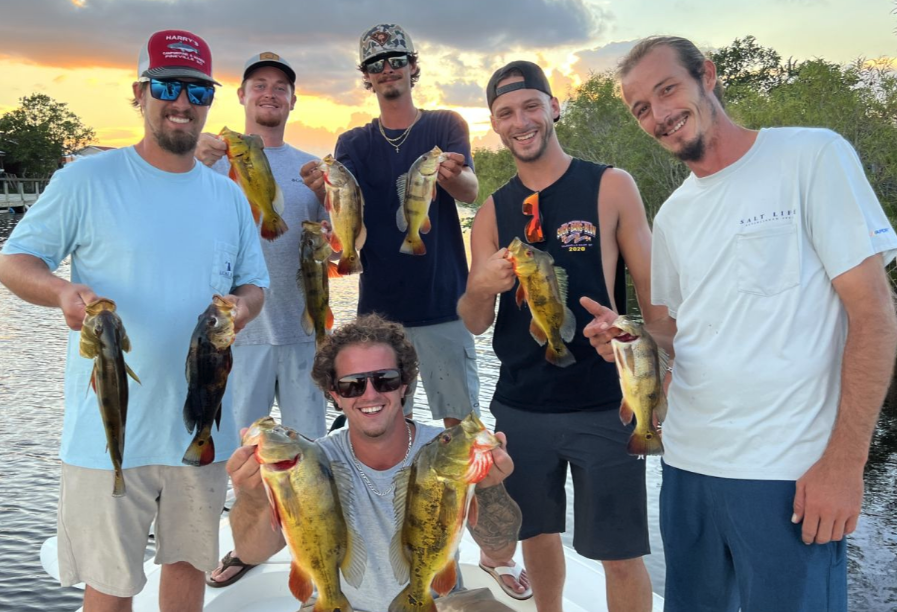
Here's the deal with Salty Fresh Fishing Charters – you're not just another angler on a crowded boat. This is your show, and you get to call the shots on what you want to target. Whether you're dreaming of sight-casting to tailing redfish in skinny water or dropping baits on structure for heavyweight grouper, Captain and crew will put you on the fish. The Gulf Coast waters here are loaded with opportunity, and with their local knowledge spanning decades, you're fishing with guides who know every flat, every reef, and every spot where the big ones hang out.
What to Expect on the Water
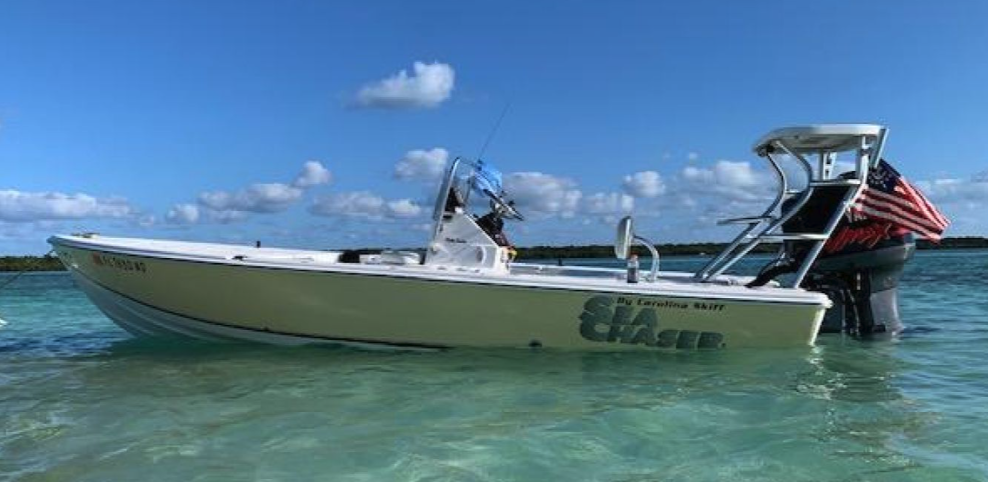
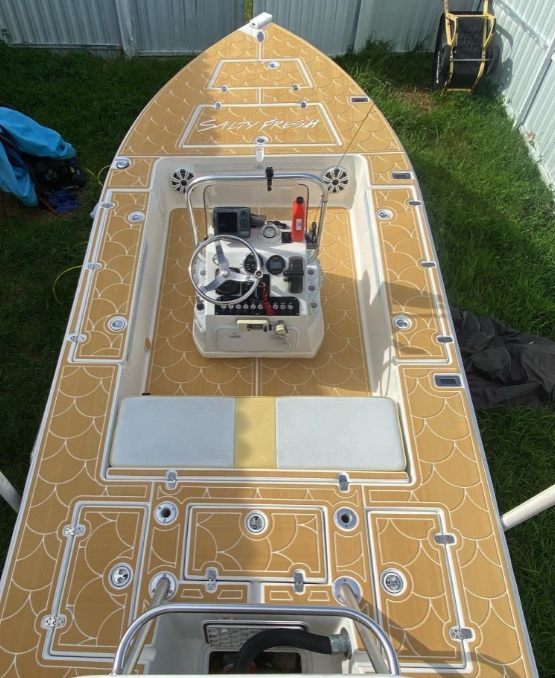
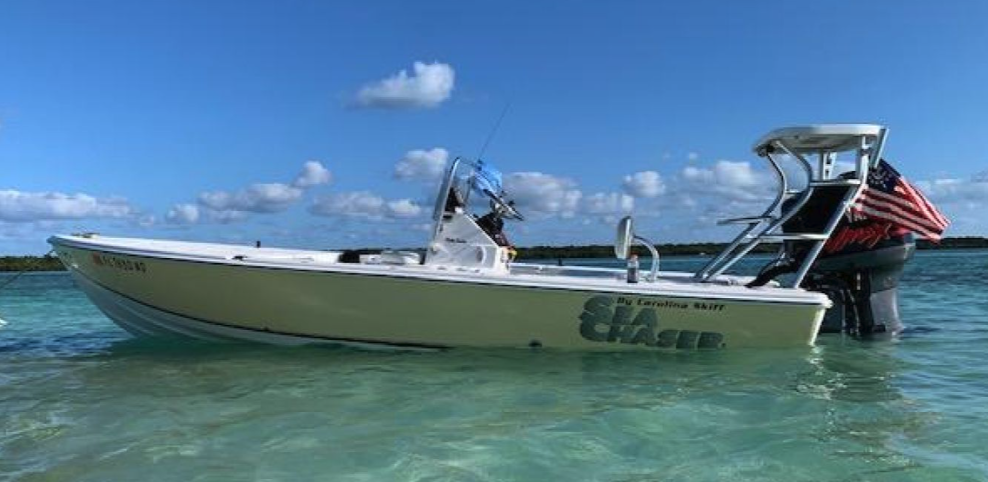
Your day starts with a choice – and that's what makes this charter special. Feel like working the flats and backcountry? You'll be poling through crystal-clear shallows where redfish cruise the edges and spotted sea trout ambush bait in the grass beds. The flats boat gets you into water so shallow you can practically step out and walk, putting you right where the snook like to hide under mangrove overhangs. But maybe you're in the mood for some real action – that's when you head to the reefs. Structure fishing means bigger fish, and when you're dropping baits on ledges and rock piles, you never know if it's going to be a nice mangrove snapper or a bull shark that takes your offering. The variety here keeps every cast interesting, and with room for up to six anglers, this works perfect for families or groups who want to experience different types of fishing in one trip.
Techniques and Tackle
The beauty of this charter is how they match the technique to your target. Flats fishing means light tackle and precision – you'll be using spinning reels with 15-20 pound test, throwing soft plastics and topwater plugs at fish you can actually see. It's visual fishing at its finest, and when a redfish turns on a bait in two feet of water, your heart rate goes through the roof. Switch over to reef fishing, and you're talking heavier gear – conventional reels spooled with 30-40 pound test because grouper don't play games when they head for the rocks. Live bait is king out there, and the guides know how to present pinfish and pilchards in a way that triggers strikes from the smart fish that have seen it all. Bottom fishing requires patience and feel – you've got to know when that tap-tap is a snapper picking at your bait versus a grouper inhaling it. The crew handles all the rigging and re-baiting, so you can focus on what matters: setting the hook when it counts.
Top Catches This Season
Redfish are the bread and butter of these flats, and for good reason. These copper-colored bruisers average 20-30 inches and fight like fish twice their size. Fall and spring are prime time when they school up in big numbers, but honestly, you can find them year-round if you know where to look. They're sight-fishing at its best – watching a red's back and tail break the surface as it roots around in the shallows, then making that perfect cast three feet ahead of its path. When they eat, they eat hard, and the initial run will test your drag and your nerves. What makes reds special is their willingness to eat artificials. A well-placed spoon or soft plastic gets crushed, making them perfect for anglers who like the challenge of lure fishing.
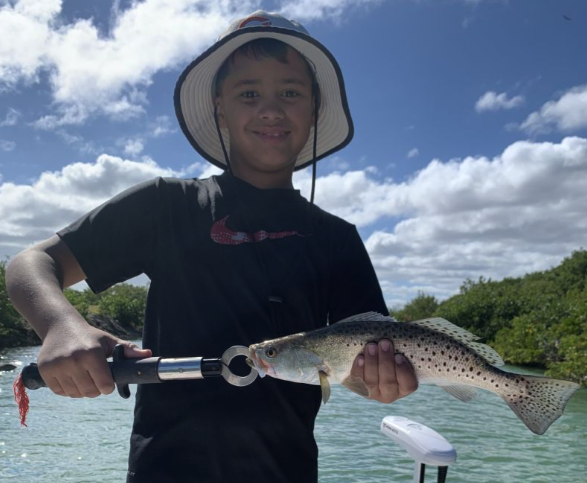
Sea trout might not have the glamour of other species, but don't sleep on these spotted fighters. They're incredibly abundant in the grass flats, especially during warmer months when they move shallow to feed. Most fish run 14-18 inches, but the big gator trout – those 20-plus-inch females – are out there for anglers who know how to target them. Trout are aggressive predators that respond well to moving baits, whether that's a popping cork with live shrimp or a paddle tail soft plastic worked through the grass. They're also excellent table fare, making them a favorite for families who want to take dinner home. The key with trout is covering water until you find a school, then working that area thoroughly because where there's one, there's usually a dozen more.
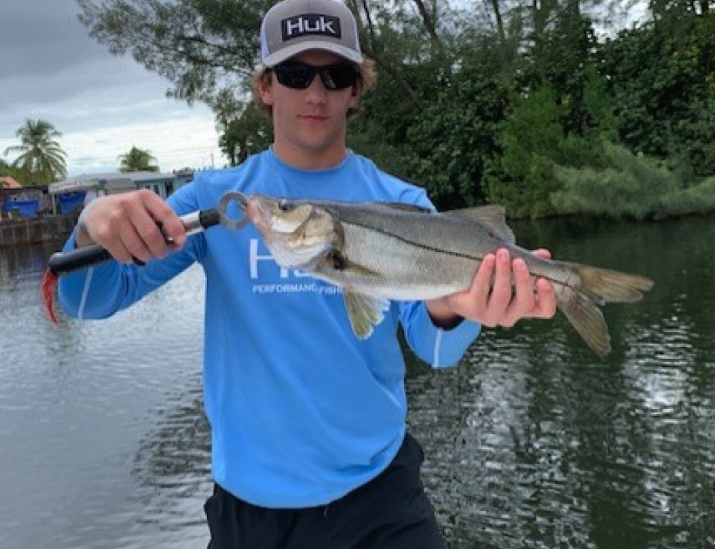
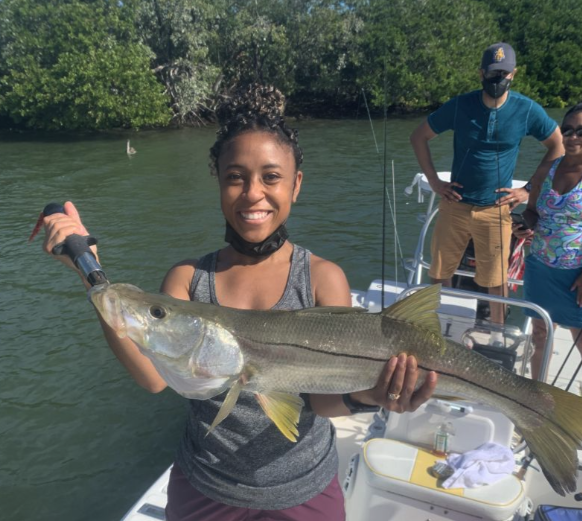
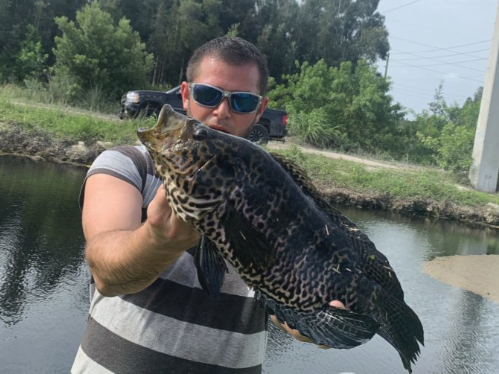
Snook are the ghosts of the mangroves, and catching one is like solving a puzzle. These ambush predators love structure – dock pilings, mangrove roots, bridge abutments – anywhere they can hide and surprise their prey. They're incredibly line-shy, so you need perfect presentations and quality leaders. But when a snook explodes on a topwater plug at dawn or dusk, it's pure magic. These fish jump, run, and use every trick in the book to throw your hook. They're also highly regulated with specific seasons and slot limits, making them a true trophy catch. The guides know the productive snook holes that recreational anglers never find, those back-country spots where big fish feel safe enough to feed aggressively.
Barracuda are the speed demons of the reef, and they'll humble any angler who thinks they've seen it all. These toothy predators can exceed 40 inches and hit lures at speeds that seem impossible. They're incredibly aggressive, often striking multiple times even after being hooked, and their aerial displays rival any game fish in these waters. Barracuda respond well to shiny spoons and tube lures, but you need wire leaders because their teeth will cut through mono or braid like butter. They're also surprisingly good eating when prepared correctly, though most anglers prefer the bragging rights of landing such a formidable predator.
Red snapper fishing happens when regulations allow, but when it's open, these reef dwellers are worth the wait. These deep-water fighters average 5-15 pounds and possess incredible strength for their size. They're structure-oriented fish that live around ledges, artificial reefs, and rocky bottom, making them challenging to land before they reach cover. Red snapper are among the best eating fish
 Private Trip
 Inshore Fishing
 Miami
Miami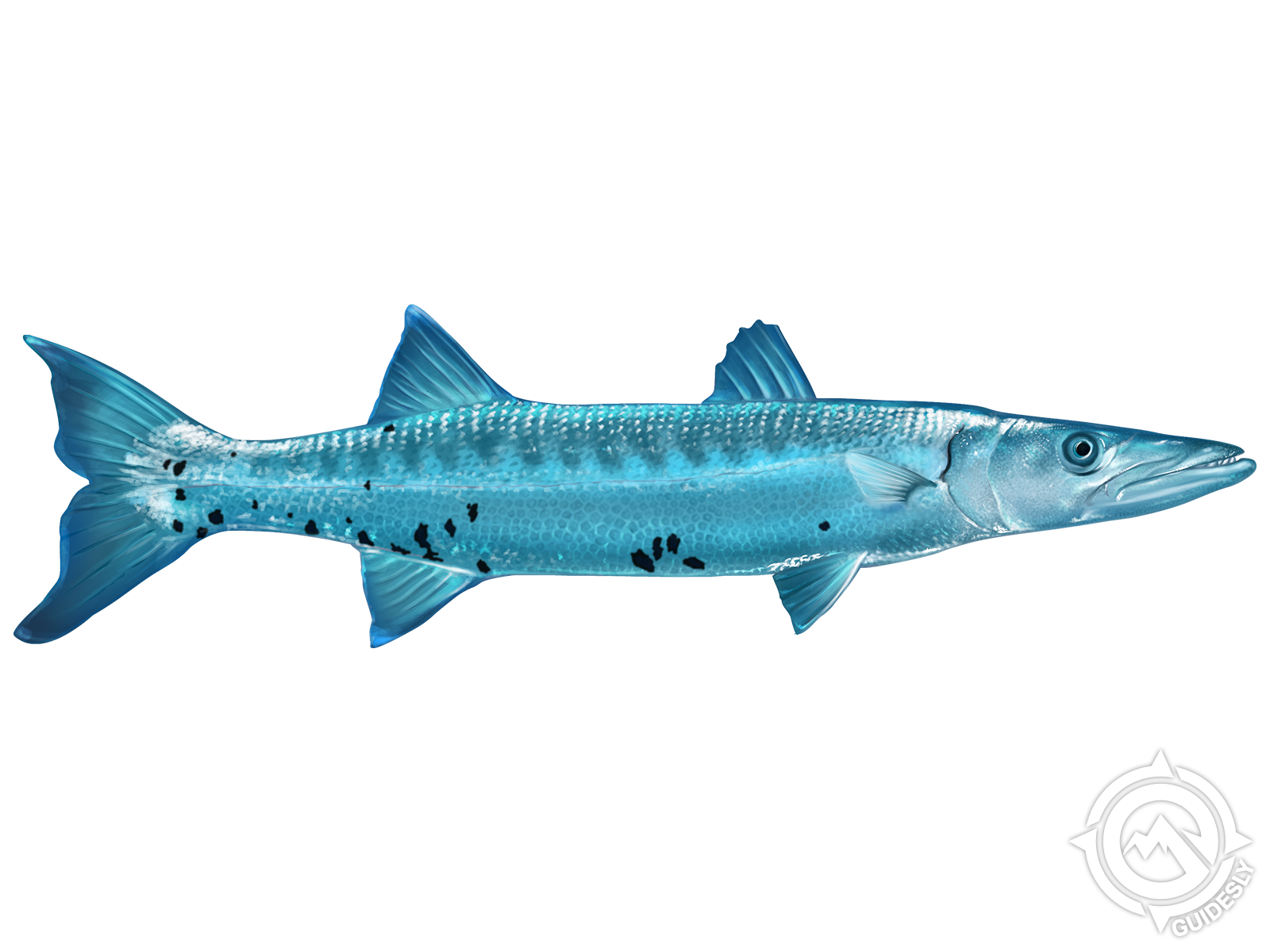


 Target Redfish, Trout, and Snook in shallow flats waters