Half-Day Inshore Light Tackle An Fly
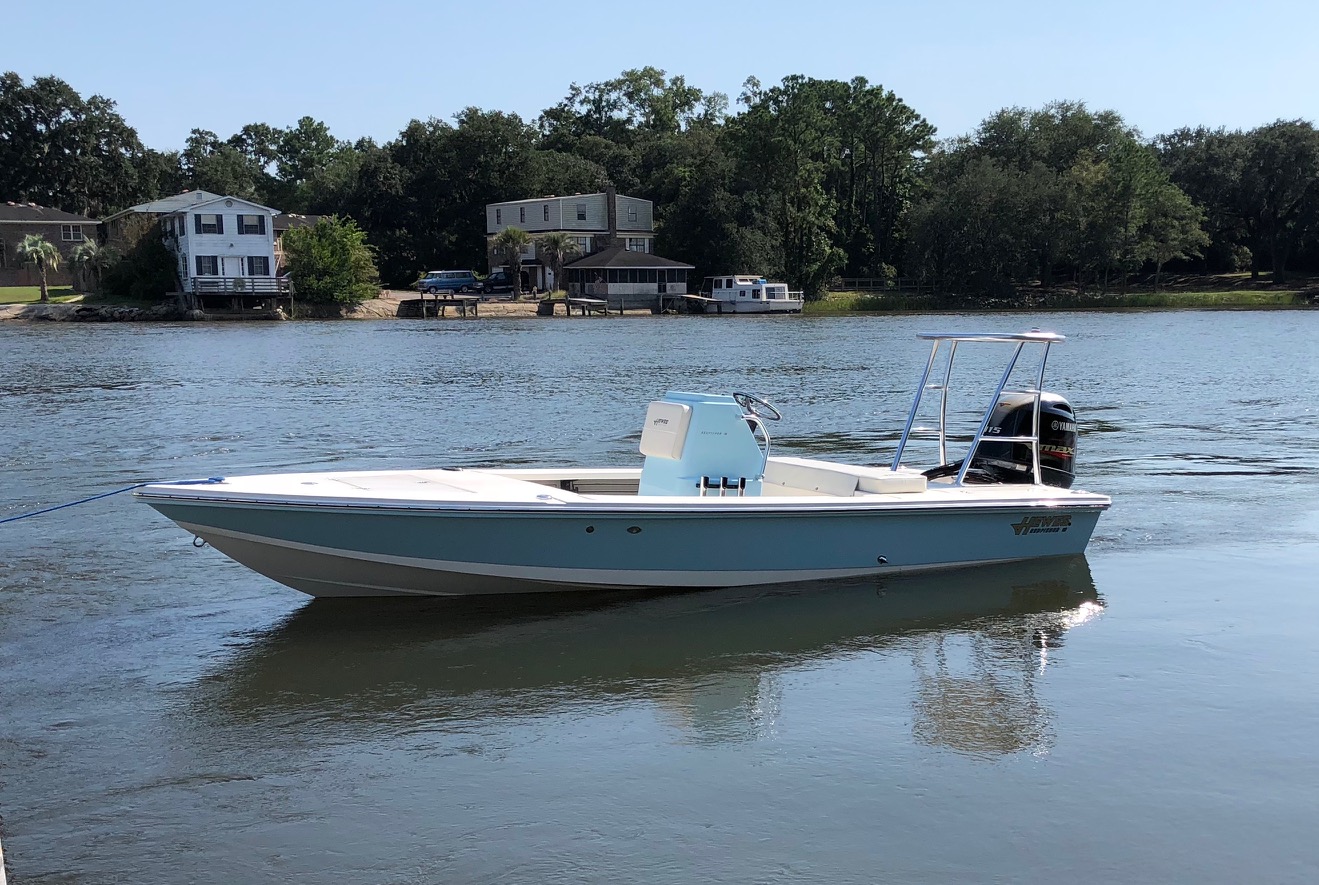
Charleston's saltwater flats are calling, and there's no better way to answer than with Captain Stephen aboard the legendary Hewes Redfisher 18. This half-day charter puts you right in the heart of the lowcountry's best fishing grounds, where tailing redfish cruise shallow waters and spotted sea trout lurk in grass beds. You'll fish the same marshes and tidal creeks that have made Charleston famous among saltwater anglers, using top-shelf Penn light-tackle reels paired with St. Croix rods that'll handle anything from schoolie reds to bull-sized flounder.
What to Expect on the Water
Captain Stephen knows these waters like the back of his hand, and he's got a knack for putting clients on fish whether you're casting your first fly or you've been working flats for decades. The Hewes Redfisher 18 isn't just any boat – this is the original flats skiff that started it all. With its shallow draft and quiet poling platform, you'll slip into skinny water where bigger boats can't go. The morning starts early when the tide's right, and you'll spend four solid hours working everything from oyster bars to creek mouths. Don't worry about bringing gear – everything's provided, from the rods and reels to terminal tackle and bait. Captain Stephen stocks both live and artificial options depending on what the fish are wanting that day.
Light Tackle & Fly Techniques
This charter's all about finesse fishing, whether you're throwing artificials on spinning gear or laying down fly lines. The Penn reels are spooled with appropriate line weights for sight casting to redfish and working grass flats for trout. If you're fly fishing, expect to throw 8-weight rods with floating lines most of the day, though Captain Stephen's got sinking tips ready when the fish are holding deeper. The technique changes with the tide – high water means sight fishing the flats for tailing reds, while falling tides concentrate fish along drop-offs and creek bends. You'll learn to read the water, spot nervous bait, and present lures or flies with the precision these educated fish demand. The light tackle approach means every fish feels like a monster, and when a 30-inch red takes off across a shallow flat, you'll understand why this style of fishing is addictive.
Target Species
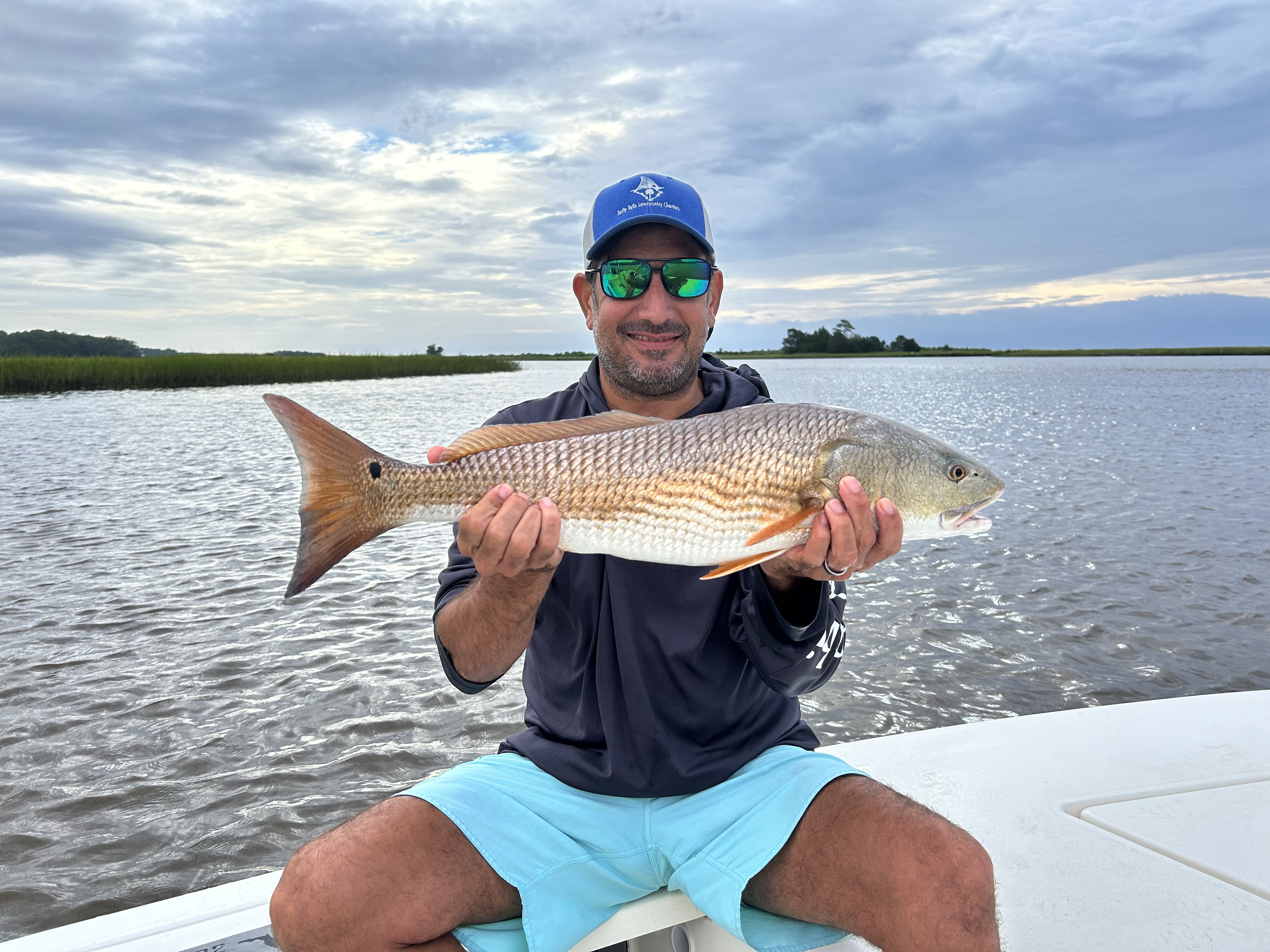
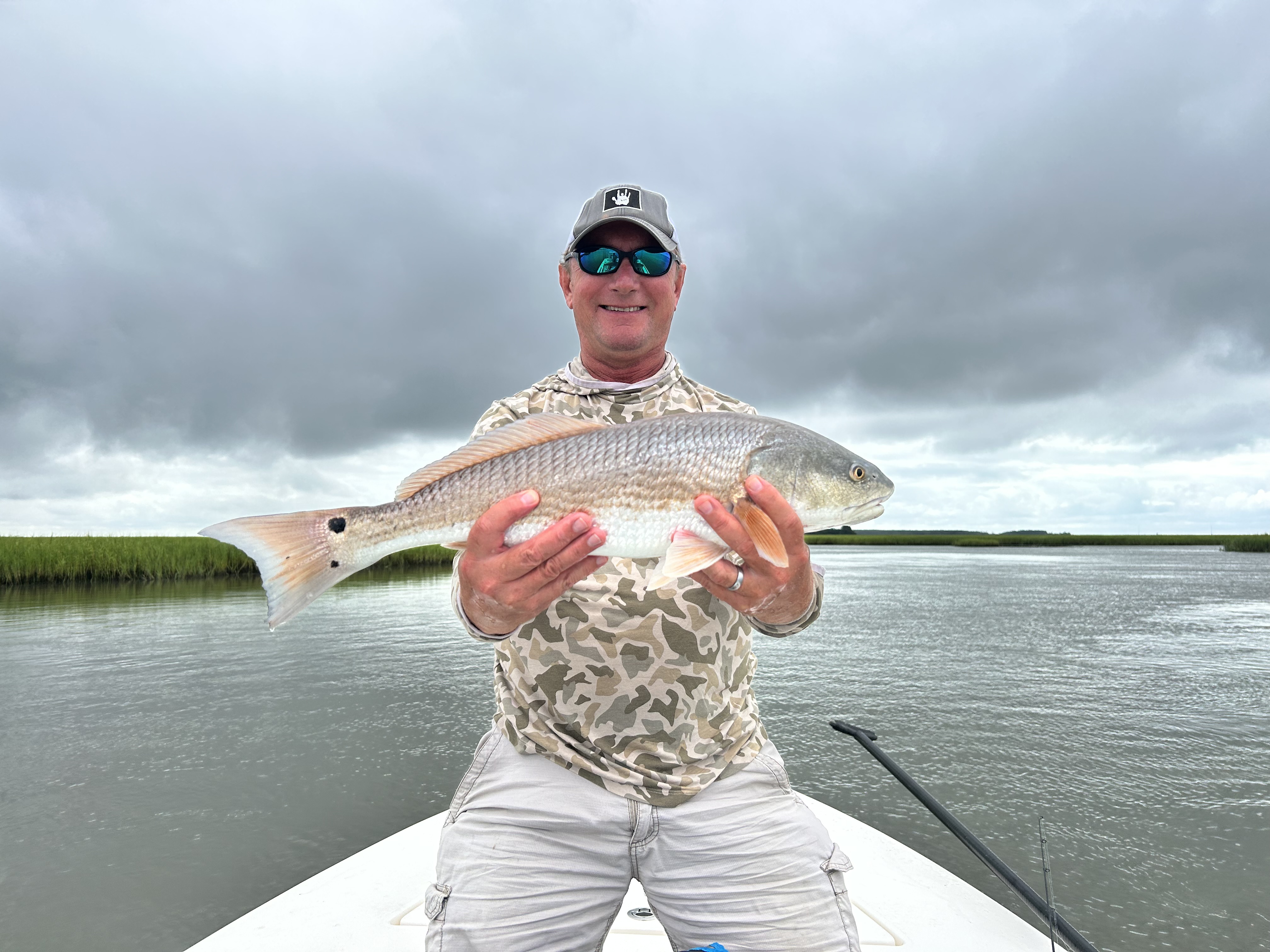
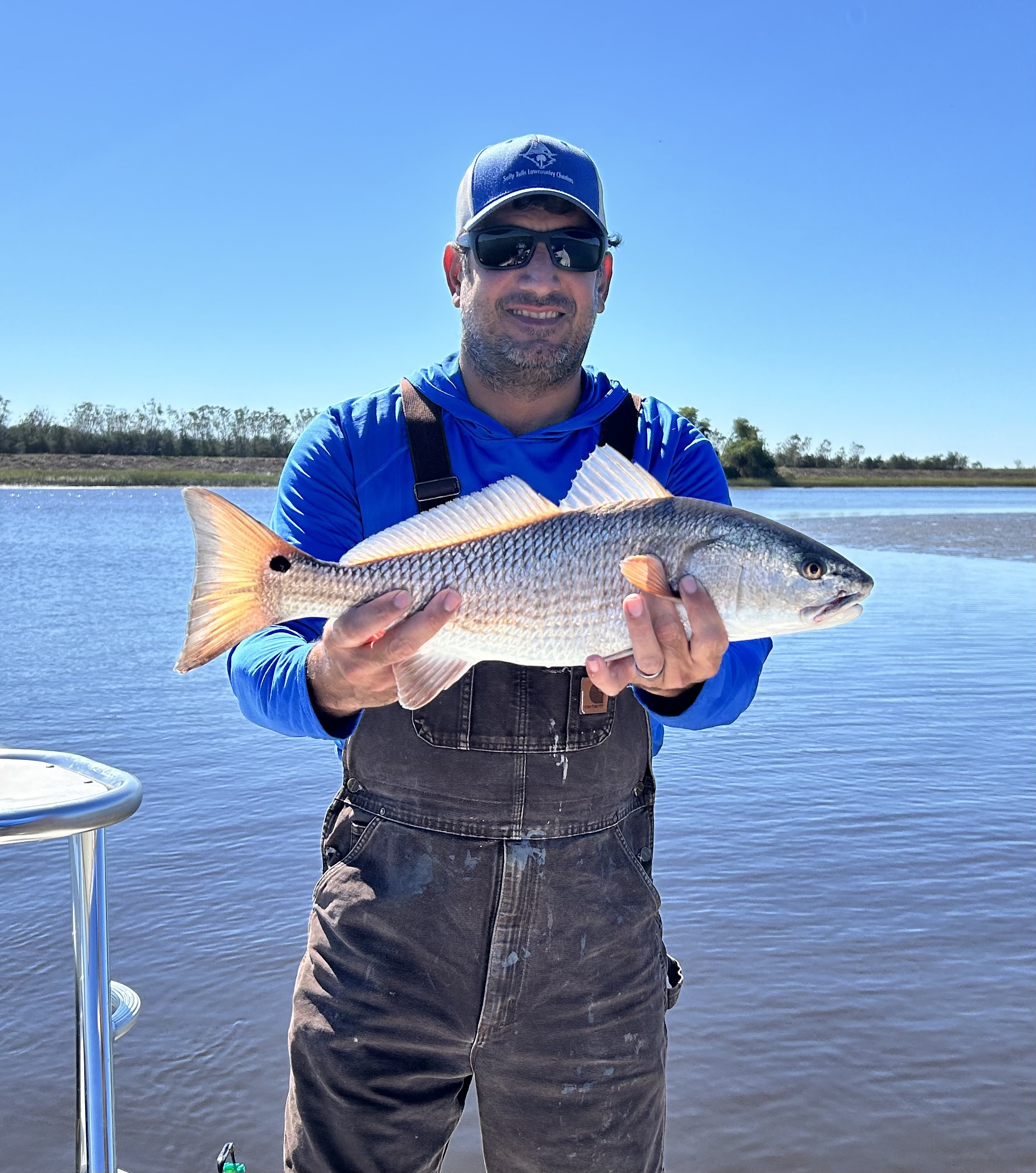
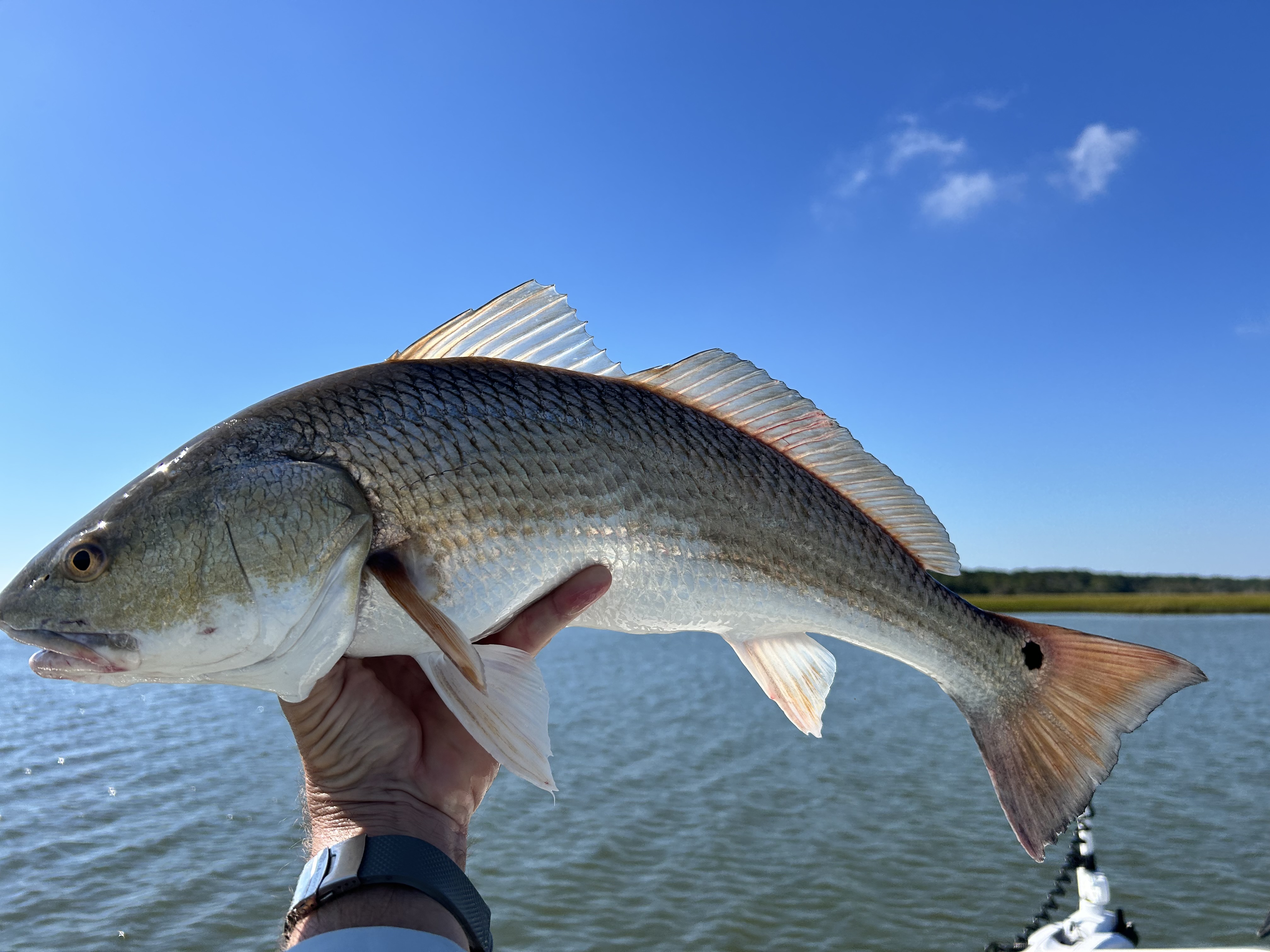
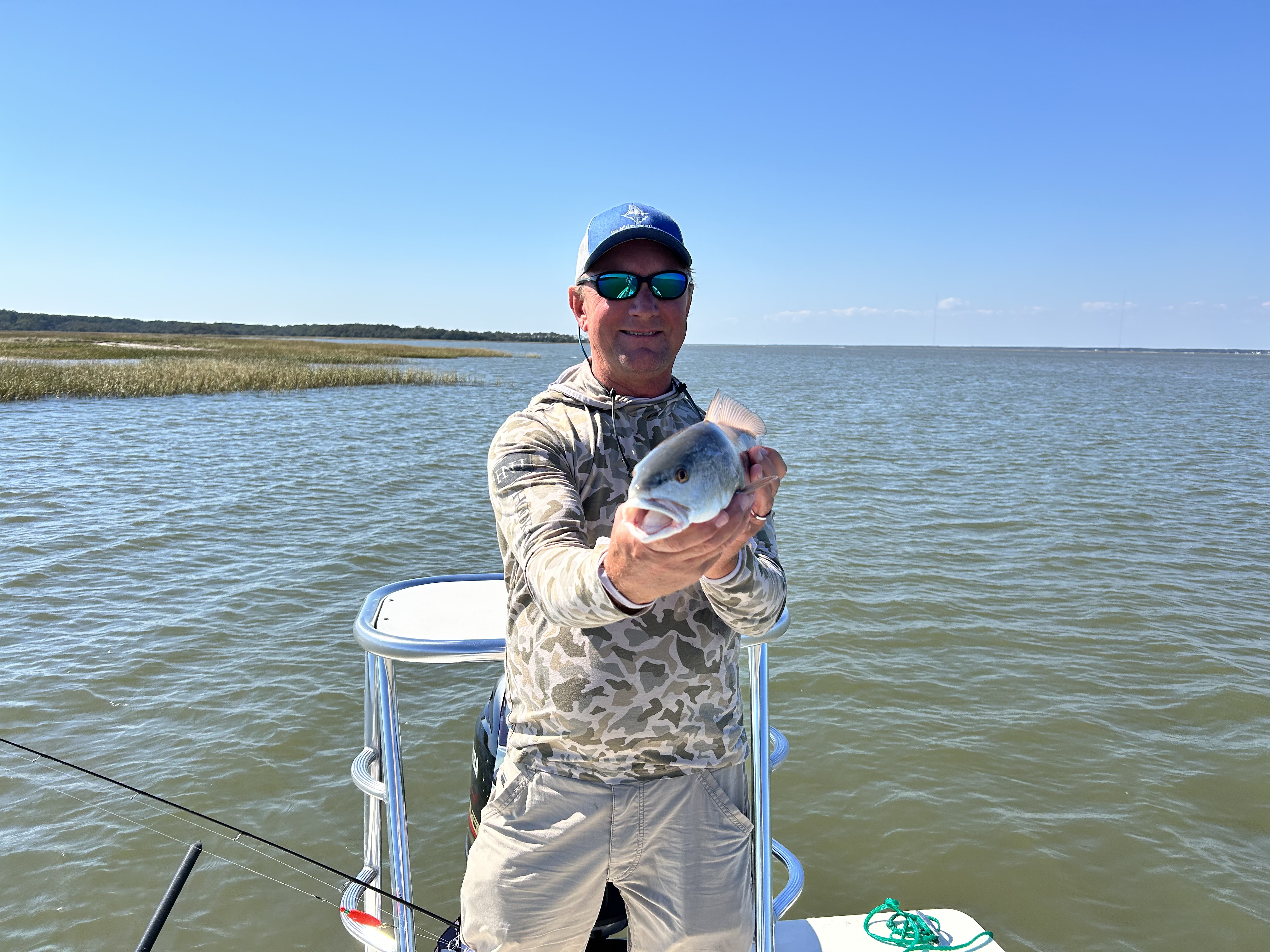
Redfish are the crown jewel of Charleston's inshore scene, and for good reason. These copper-colored bruisers patrol the flats year-round, with the best action typically from April through November. You'll find them tailing in ankle-deep water during high tides, their distinctive black spots flashing as they root for crabs and shrimp. Reds average 18-27 inches in the slot, but don't be surprised when a 35-inch bull shows up to test your drag. What makes them special is their willingness to eat both flies and artificials, plus they fight like freight trains once hooked.
Spotted sea trout love the grass beds and sandy potholes throughout Charleston's marsh system. These beautiful fish are most active during cooler months, from October through March, when they school up in deeper creeks. Trout are structure-oriented, holding near oyster bars and dock pilings where baitfish congregate. They're suckers for soft plastics worked slowly along the bottom, and on fly gear, a well-presented Clouser Minnow is deadly. Most trout run 14-20 inches, with the occasional "gator" trout pushing 24 inches or better.
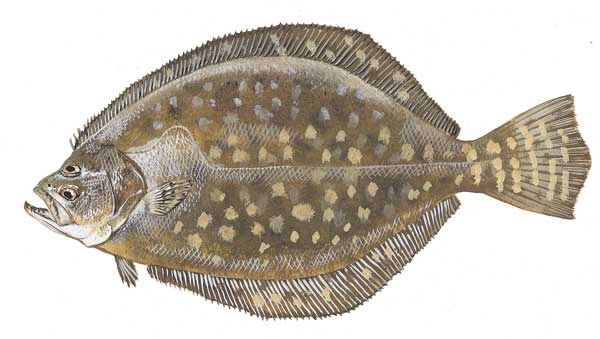
Southern flounder are the shape-shifters of the flats, perfectly camouflaged against sandy bottoms near creek mouths and channel edges. Spring and fall migrations bring the best flounder action, with fish moving between inshore creeks and offshore spawning grounds. These ambush predators love live finger mullet, but they'll also crush a properly presented jig or fly. Flounder fishing requires patience – they often follow a bait for several feet before committing. When they do hit, it's usually a solid thump rather than a screaming run. Keeper flounder start at 15 inches, with the real trophies pushing 20-plus inches.
Tarpon are the wildcards that can show up any time from May through September, turning a routine inshore trip into something legendary. Charleston's juvenile tarpon typically run 10-40 pounds, perfect for light tackle fishing. They roll and crash bait in the deeper creeks, and when one eats your fly or lure, you're in for aerial acrobatics that'll have your heart pounding. Tarpon require heavy tippet and strong hooks since their mouths are like sandpaper, but the reward is a fish that jumps like a silver rocket and fights with incredible power.
Time to Book Your Spot
Captain Stephen's half-day charters fill up fast, especially during peak season when the fishing's red-hot. This isn't just another fishing trip – it's your chance to experience Charleston's world-class inshore fishing from the deck of a legendary flats boat with a captain who lives and breathes these waters. Whether you're looking to check redfish off your bucket list, perfect your fly casting technique, or just spend a morning doing what you love, this charter delivers. The boat only holds three anglers, so you're guaranteed personal attention and prime fishing spots without the crowds. Book now and get ready to see why Charleston's lowcountry marshes are considered some of the best saltwater fishing grounds on the East Coast.
 Private Trip
 Inshore Fishing
 Mount Pleasant, SC


 Half-day inshore charter targeting redfish, flounder and spotted trout