Full Day Sandy River Salmon & Trout Adventure
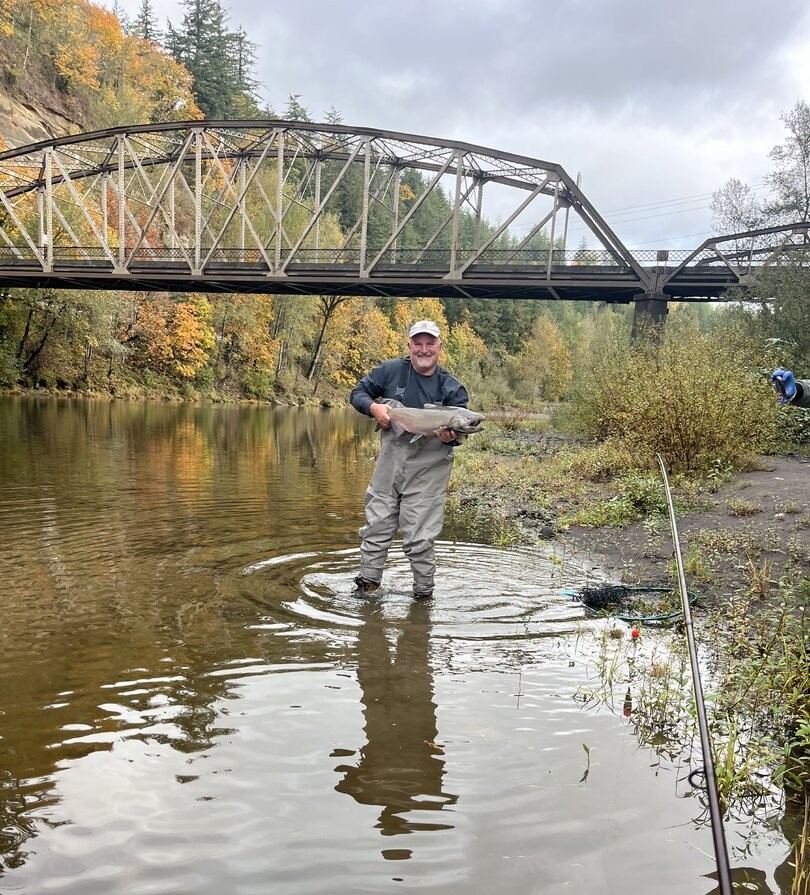
Get ready for an authentic Pacific Northwest fishing experience on one of Oregon's most productive salmon and trout waters. Guide Barry Buckland has been working the Sandy River for years, and he knows exactly where these fish like to hang out. This 8-hour trip is perfect for folks who are new to the game or just want a relaxed day on the water without the pressure. You'll launch near Troutdale and drift through some of the most scenic stretches of river in the Columbia River Gorge, all while learning the ropes from a guy who lives and breathes this stuff.
What to Expect on the Water
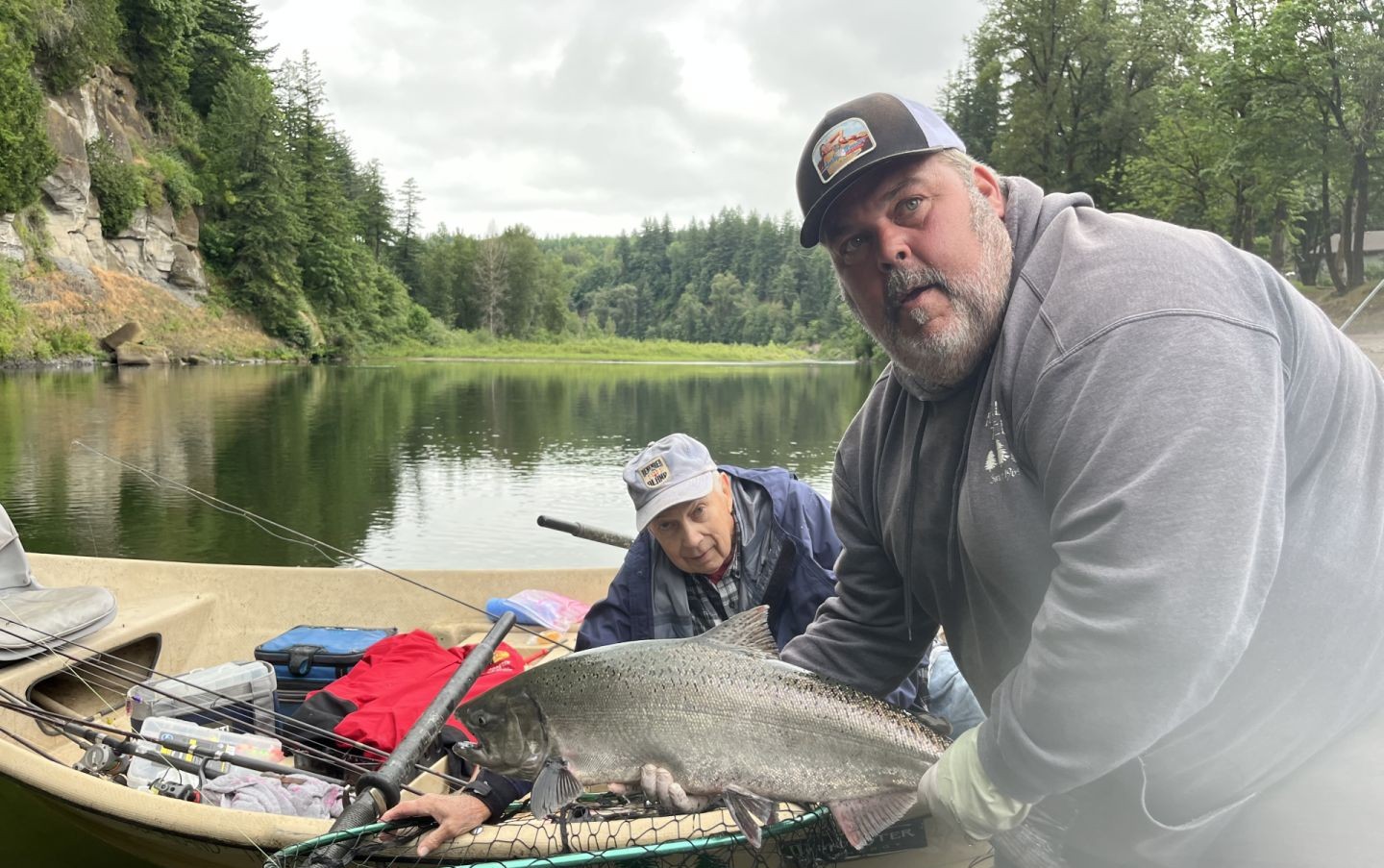
Barry runs a comfortable Clackamax drift boat that's built for exactly this kind of fishing. These boats are local favorites because they're stable, roomy, and let you get into spots where the big fish hide without spooking them. You'll spend your day drifting prime runs and holes where salmon stage up during their spawning runs and trout hunt for food. The pace is totally flexible – if you want to work a productive spot longer or take a break to soak in the scenery, that's exactly what we'll do. Barry brings all the gear you need, from quality rods and reels to the right tackle for current conditions. He'll also pack plenty of ice to keep your catch fresh if you decide to take some fish home for dinner.
Drift Fishing the Sandy
The Sandy River is perfect for drift boat fishing because the current does most of the work for you. Barry will position the boat so your bait or lure moves naturally downstream, just like the real thing. You'll learn different presentation techniques depending on what we're targeting – maybe bouncing eggs along the bottom for salmon or swinging flies through deeper pools for trout. The beauty of drift fishing is that it covers a lot of water, so you're constantly putting your offering in front of fresh fish. Barry will teach you how to read the water, spot likely holding spots, and feel the difference between a bite and your weight ticking bottom. These are skills that'll serve you well whether you're fishing the Sandy or any other river system.
Species You'll Want to Hook
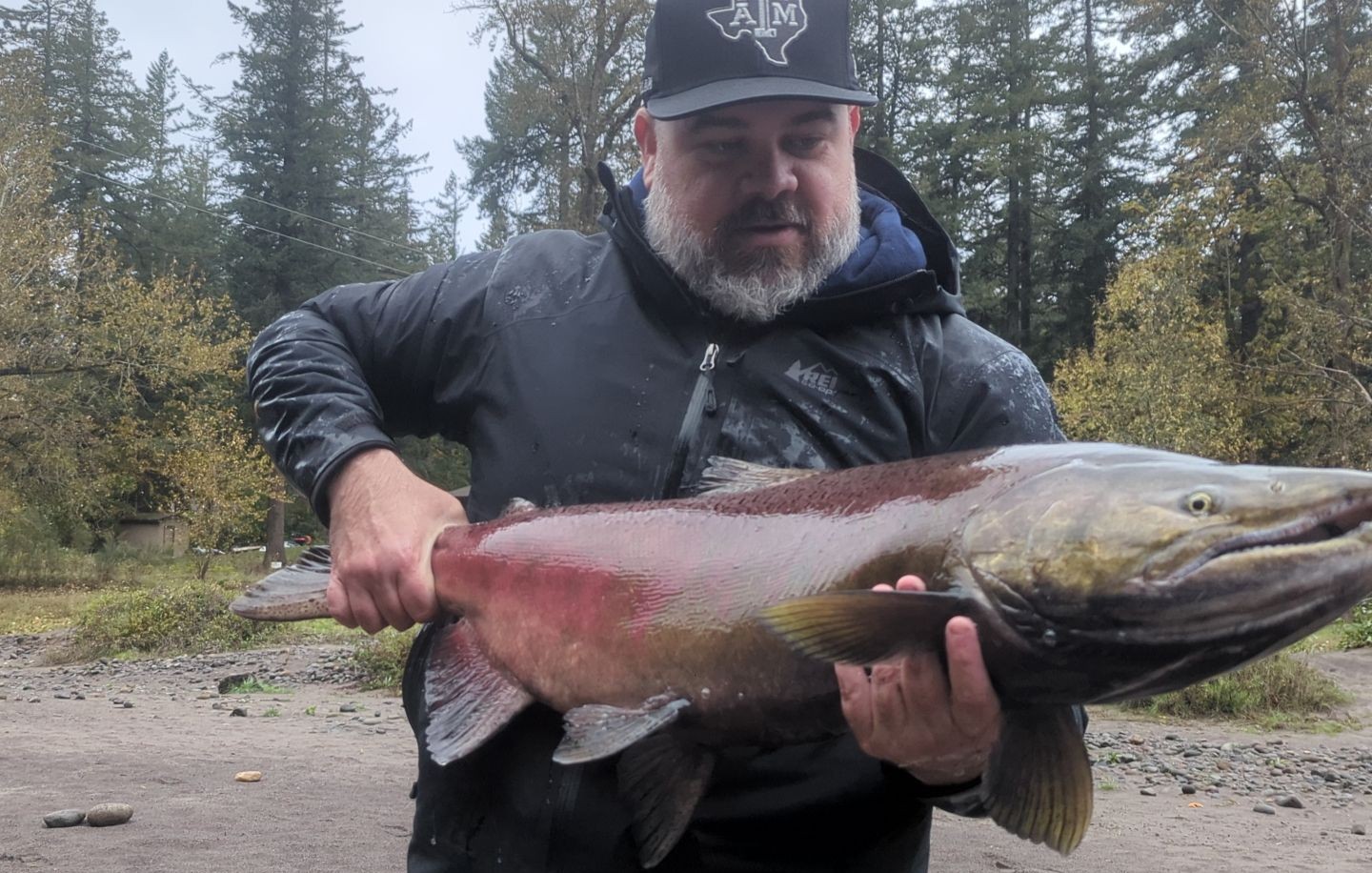
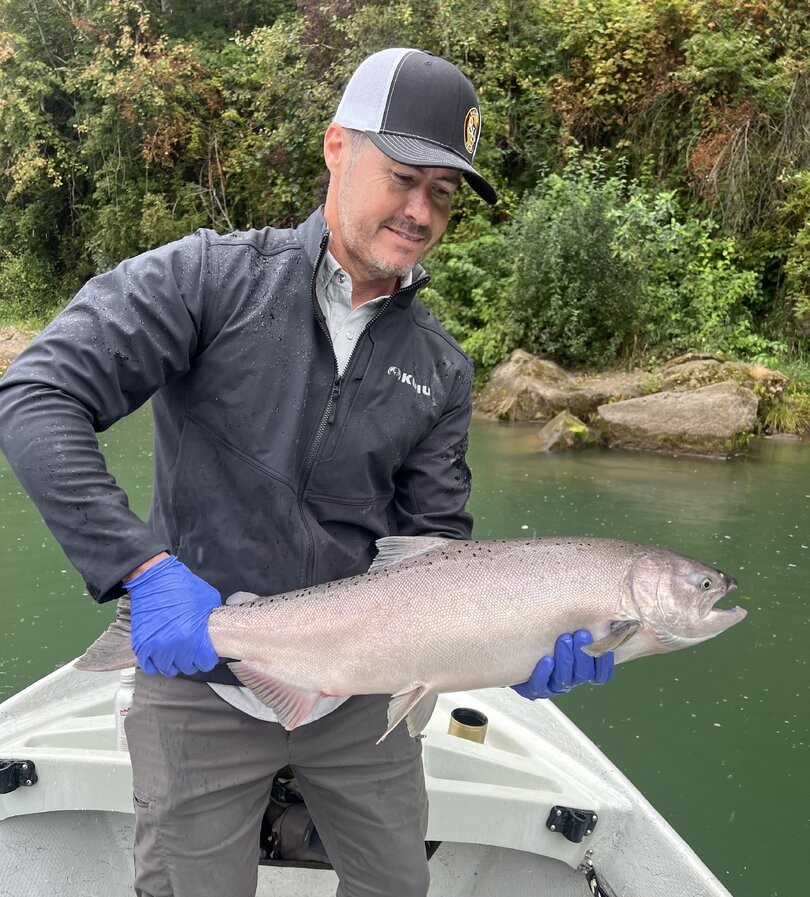
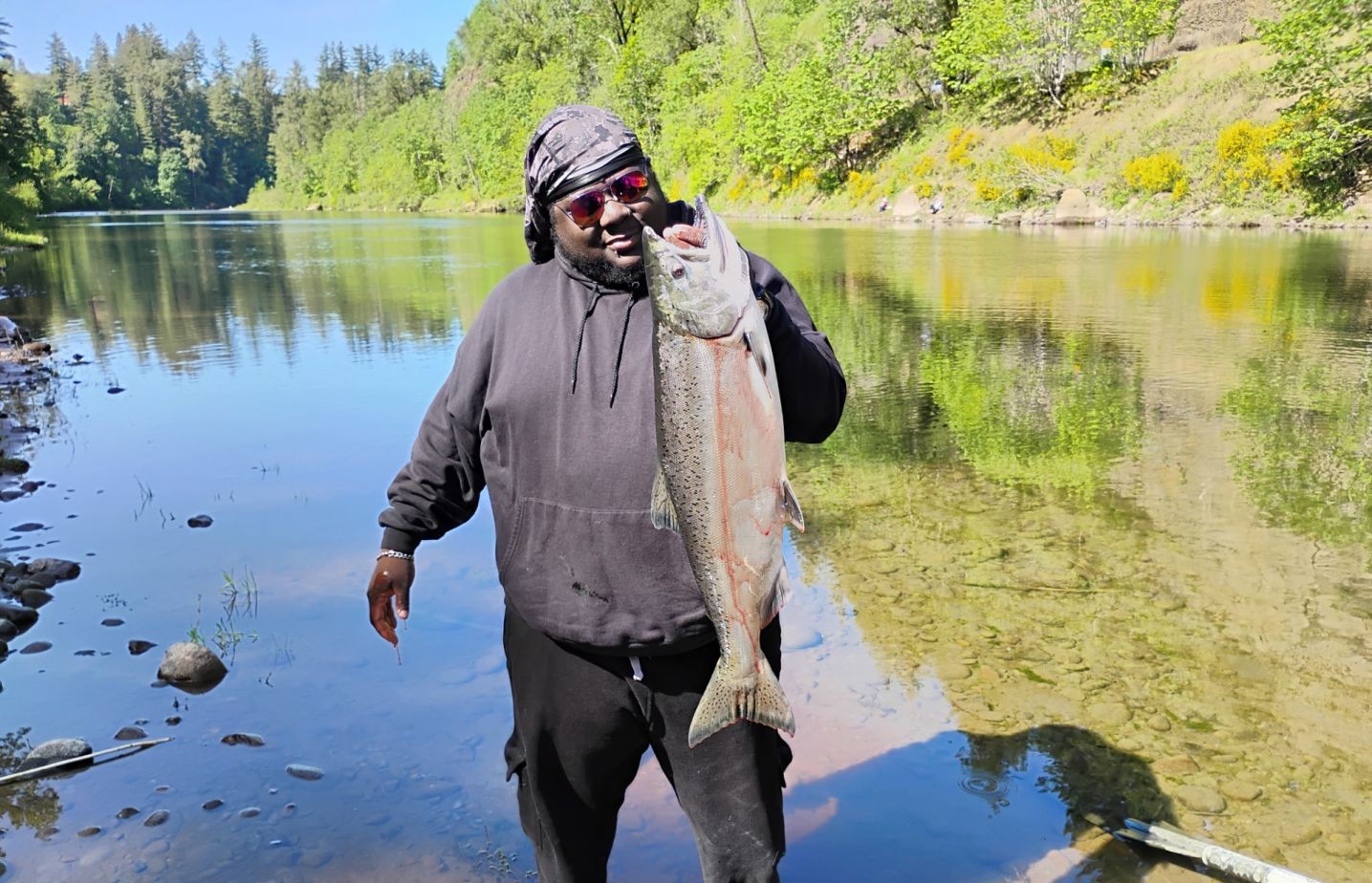
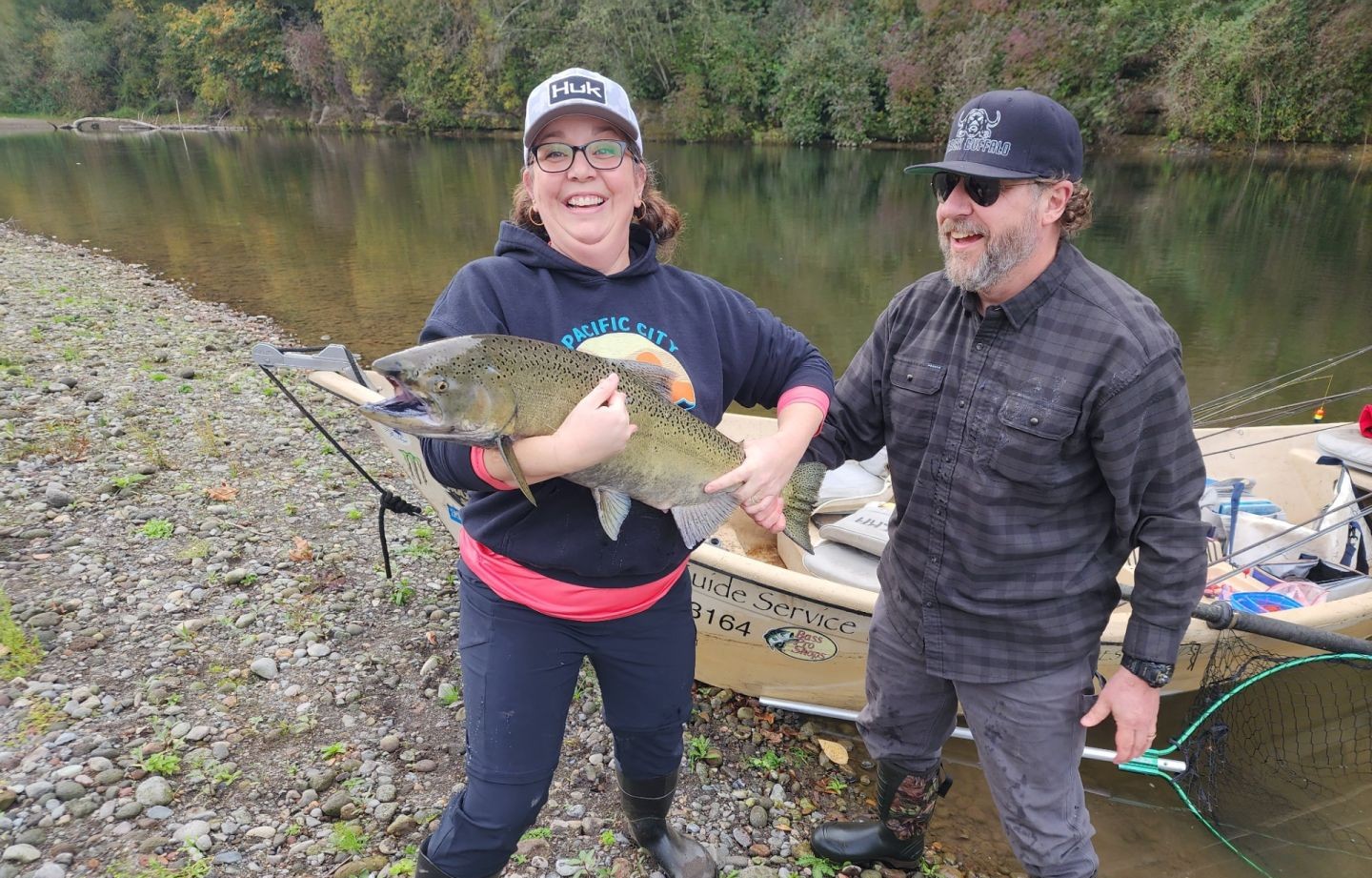
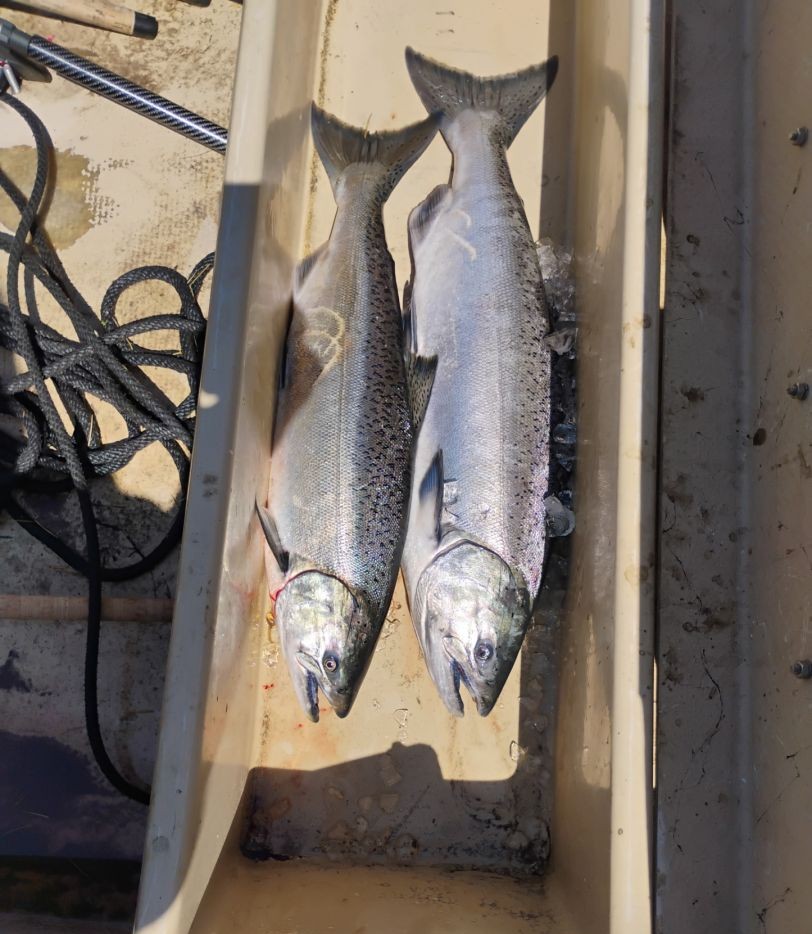
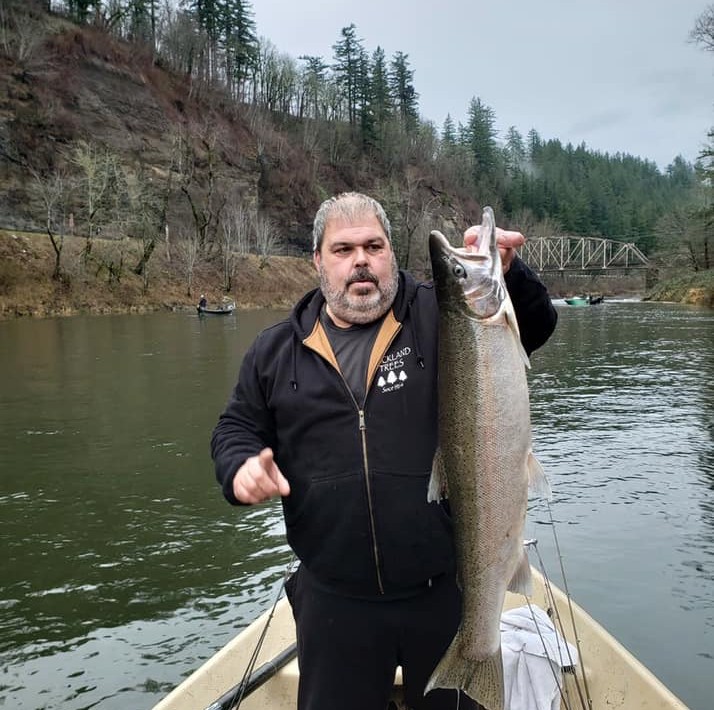
Chinook salmon are the kings of the Sandy River, and for good reason. These powerful fish can push 30 pounds or more when they're fresh from the ocean, and they'll test every bit of your tackle and technique. Chinooks typically run strongest from late summer through fall, though spring runs also make appearances depending on the year. What makes them so exciting isn't just their size – it's their attitude. A hooked Chinook will run hard, jump, and do everything possible to throw your hook. Barry knows the deeper holes and current breaks where these fish rest during their upstream journey.
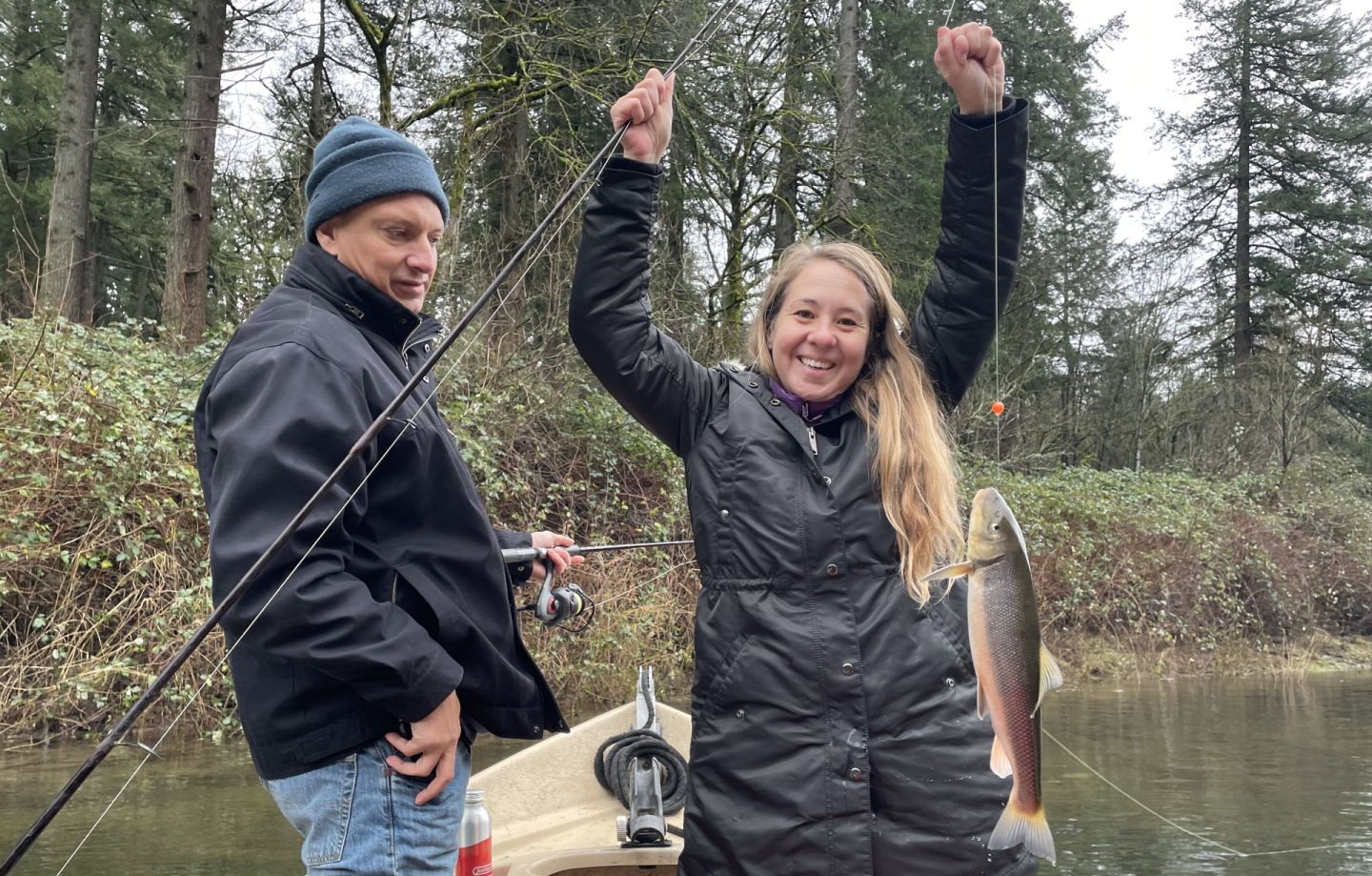
Rainbow trout in the Sandy are something special. These aren't your typical stocked fish – they're wild, streamborn trout that have learned to be opportunistic feeders. They'll average 12-16 inches, but don't let their size fool you. Sandy River rainbows are scrappy fighters that know how to use the current to their advantage. They're active year-round, though they really turn on during spring when insect hatches start popping. These trout have beautiful coloration with that classic pink stripe, and they're incredibly fun on light tackle.
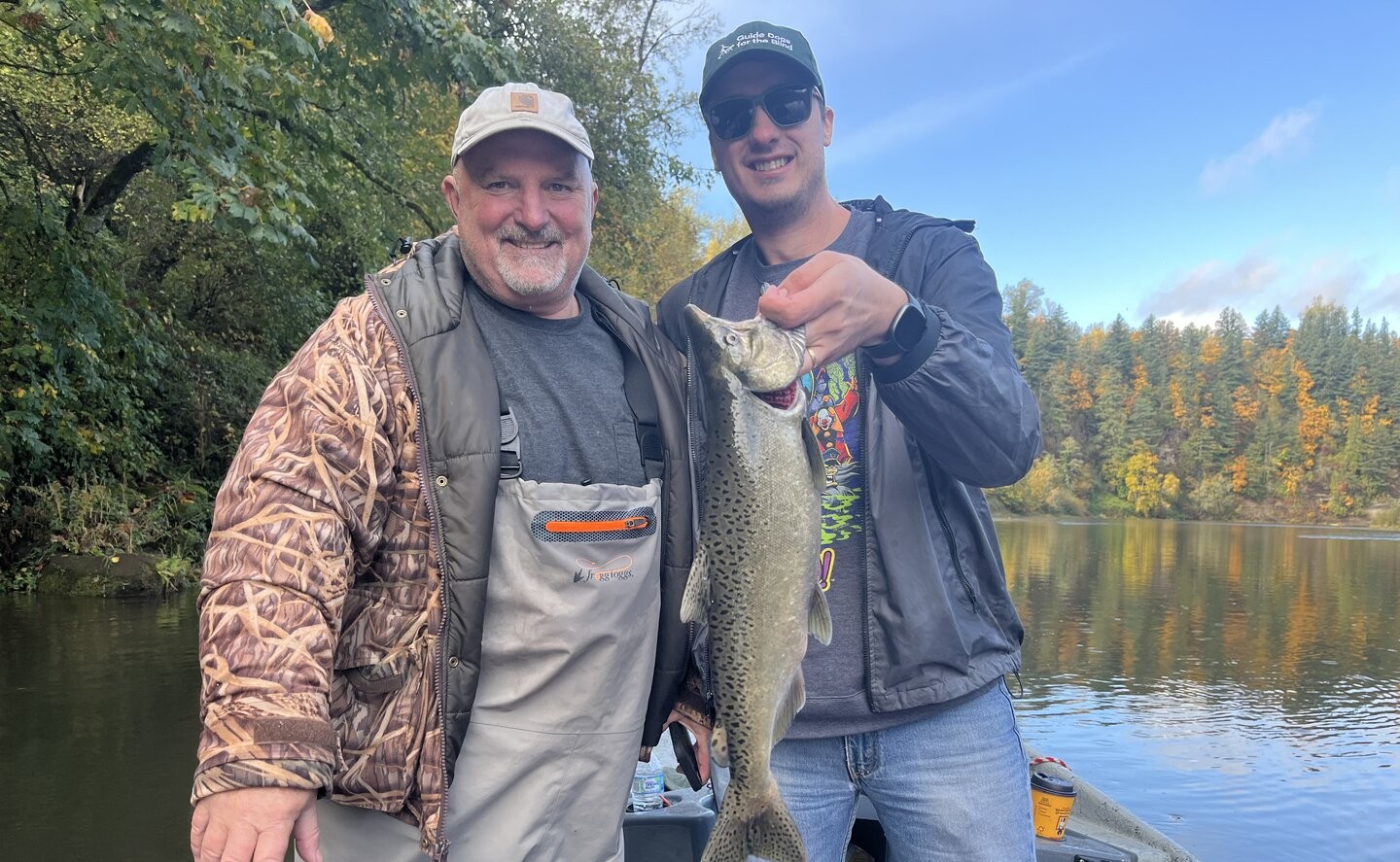
Coho salmon bring their own brand of excitement to the Sandy River. Also called silvers, these fish are absolute acrobats when hooked. They'll jump repeatedly and make blistering runs that'll have your reel screaming. Cohos typically show up in good numbers during fall runs, and they're aggressive biters compared to their chinook cousins. They average 8-12 pounds but punch well above their weight class when it comes to fight. Barry has dialed in the specific techniques that work best for Sandy River cohos, including the right colors and presentations that trigger strikes.
Time to Book Your Spot
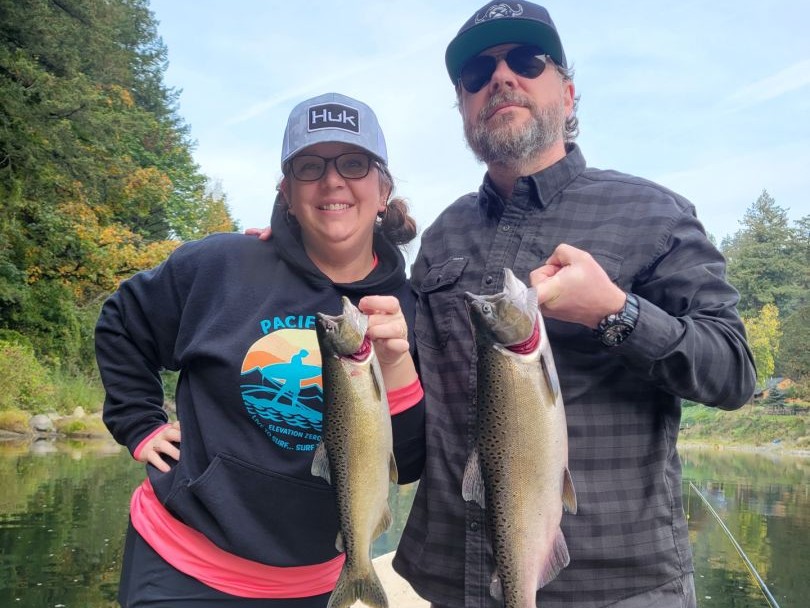
This trip fills up fast, especially during prime salmon season. Barry only takes two guests at a time, which means you get personalized attention and plenty of room to fish comfortably. Whether you're looking to learn proper fishing techniques, enjoy a relaxing day on a beautiful river, or maybe bring home dinner, this Sandy River adventure delivers on all counts. The combination of Barry's local knowledge, quality equipment, and the Sandy's diverse fishery makes this one of the top-rated guided trips in the Troutdale area. Don't wait – the fish are biting and Barry's calendar is filling up quickly.
 Private Trip
 Lakes/Reservoirs/Ponds Fishing
 Sandy River
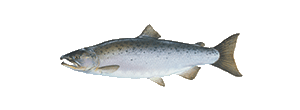

 Full-day guided salmon and trout fishing on Sandy River