Full Day Offshore Fishing in Islamorada
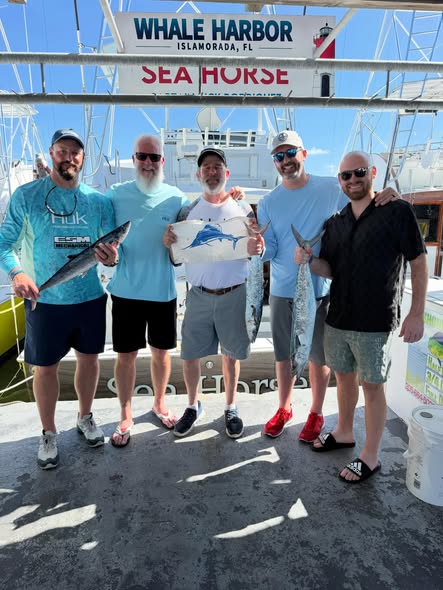
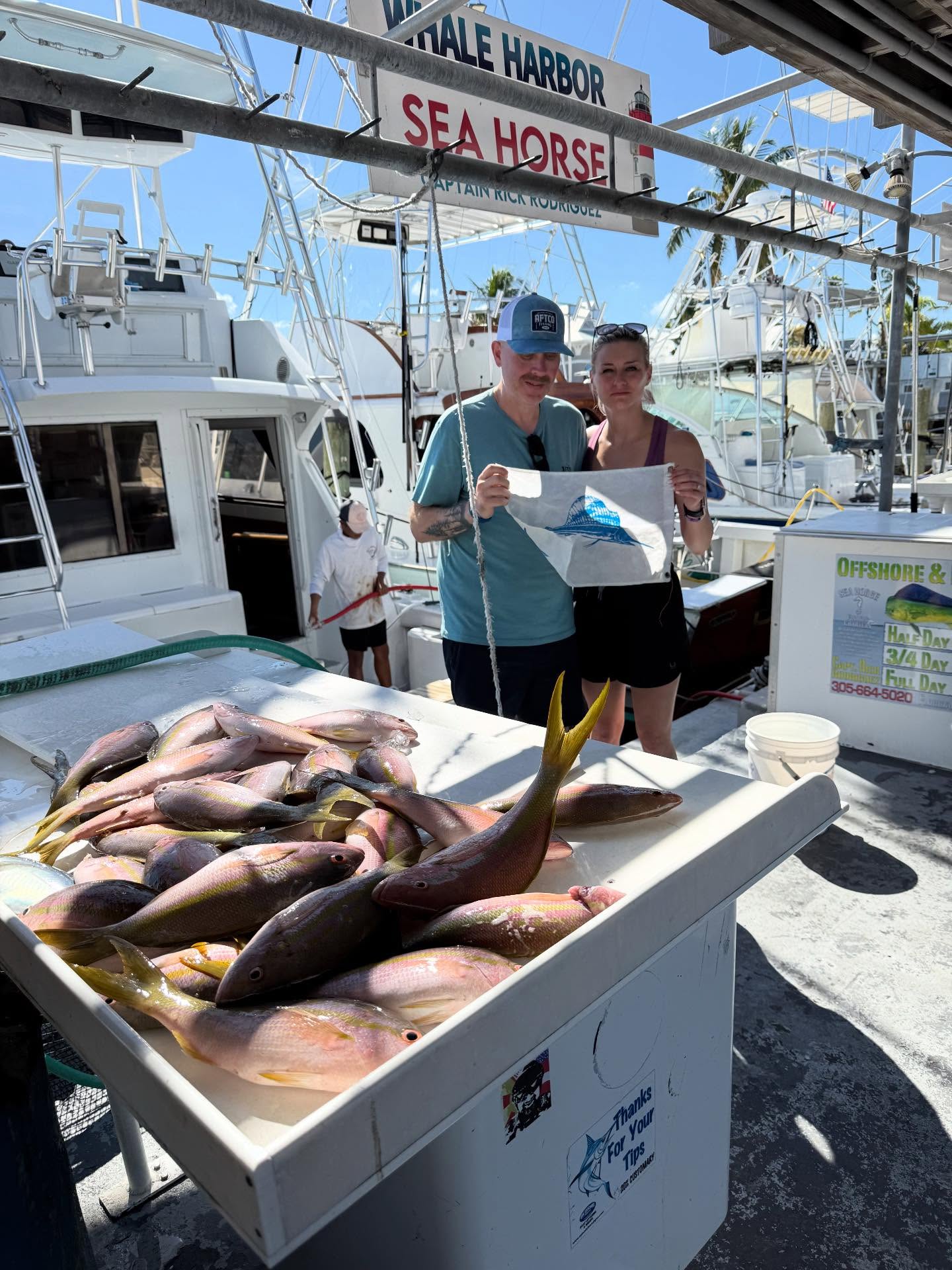
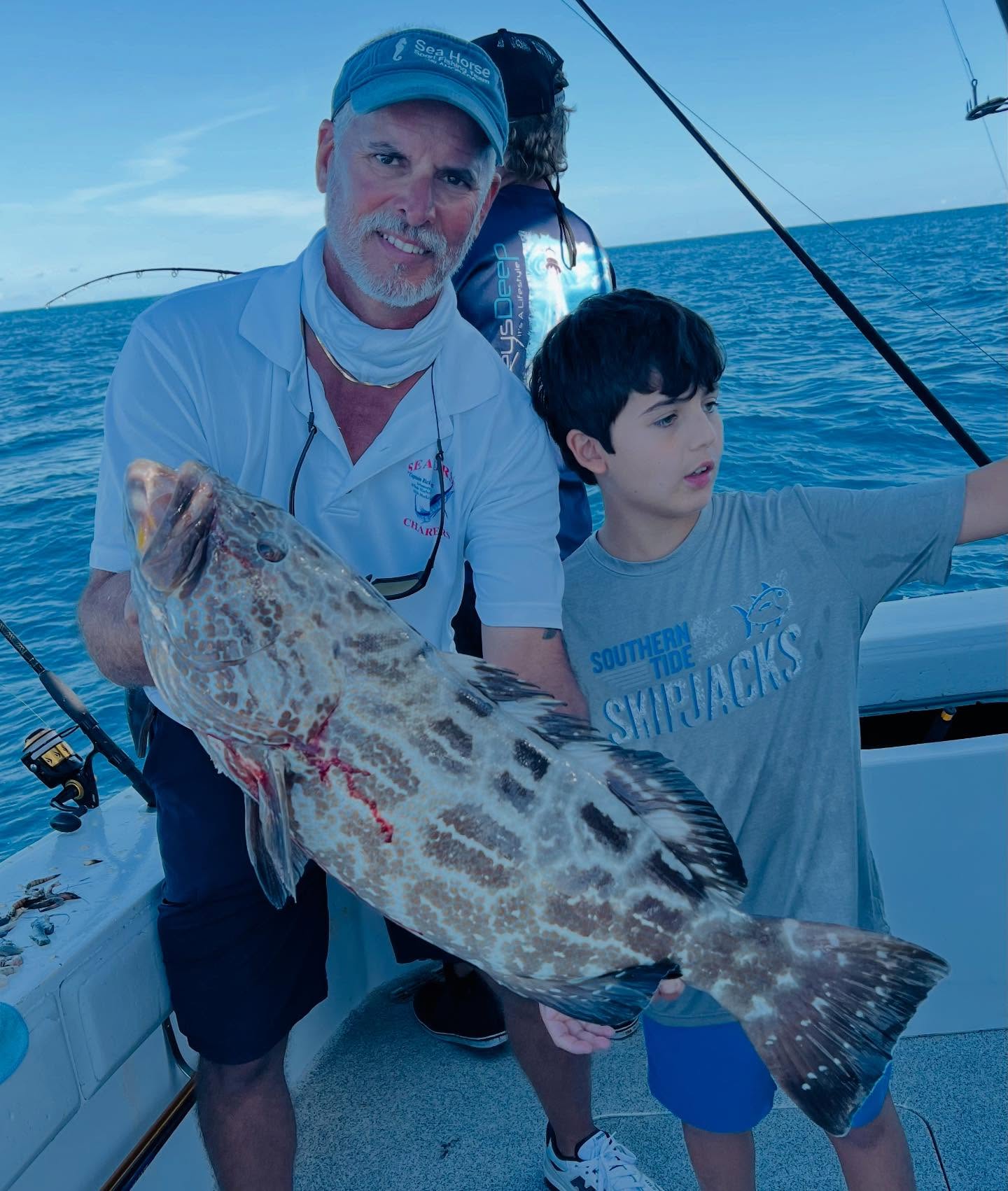
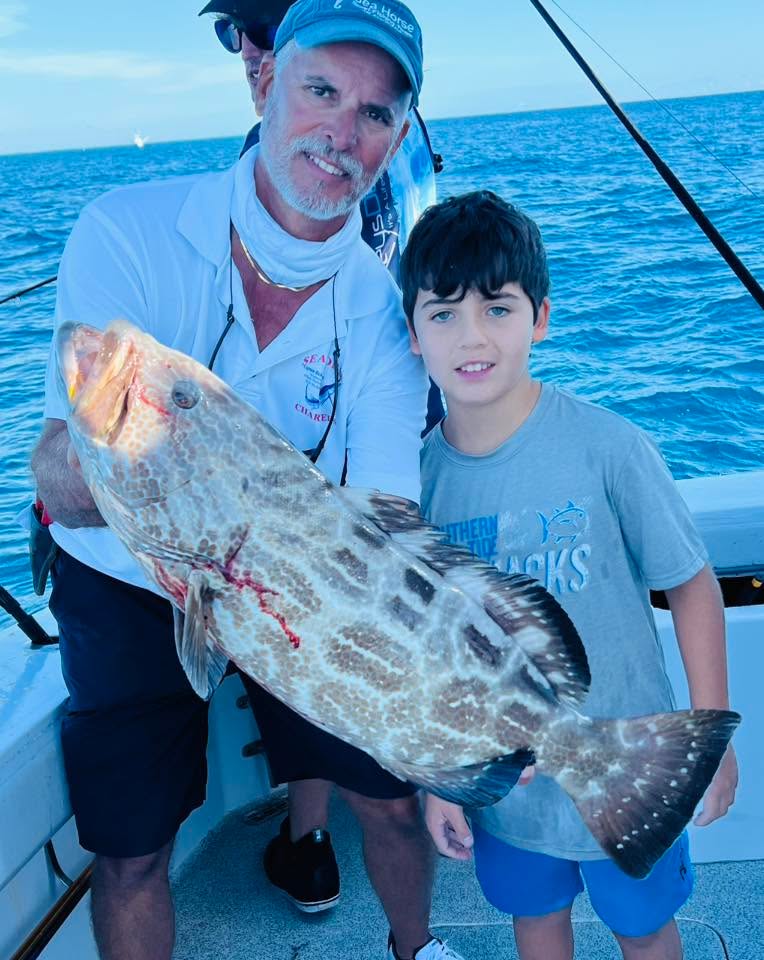
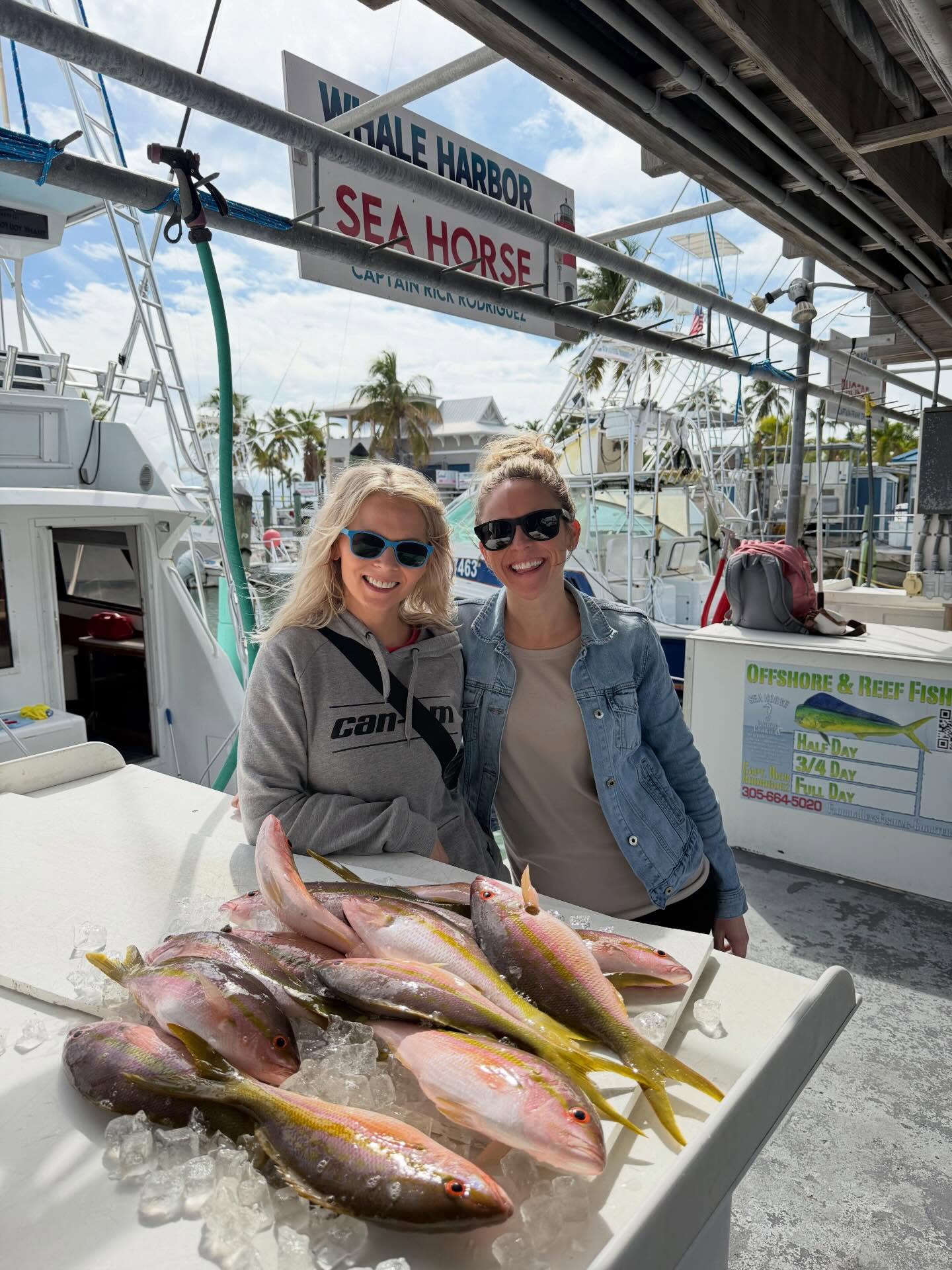
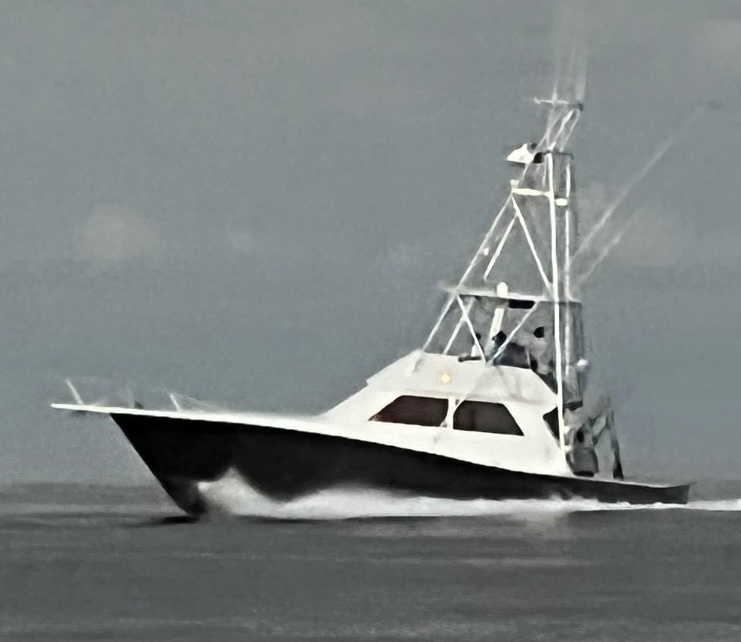
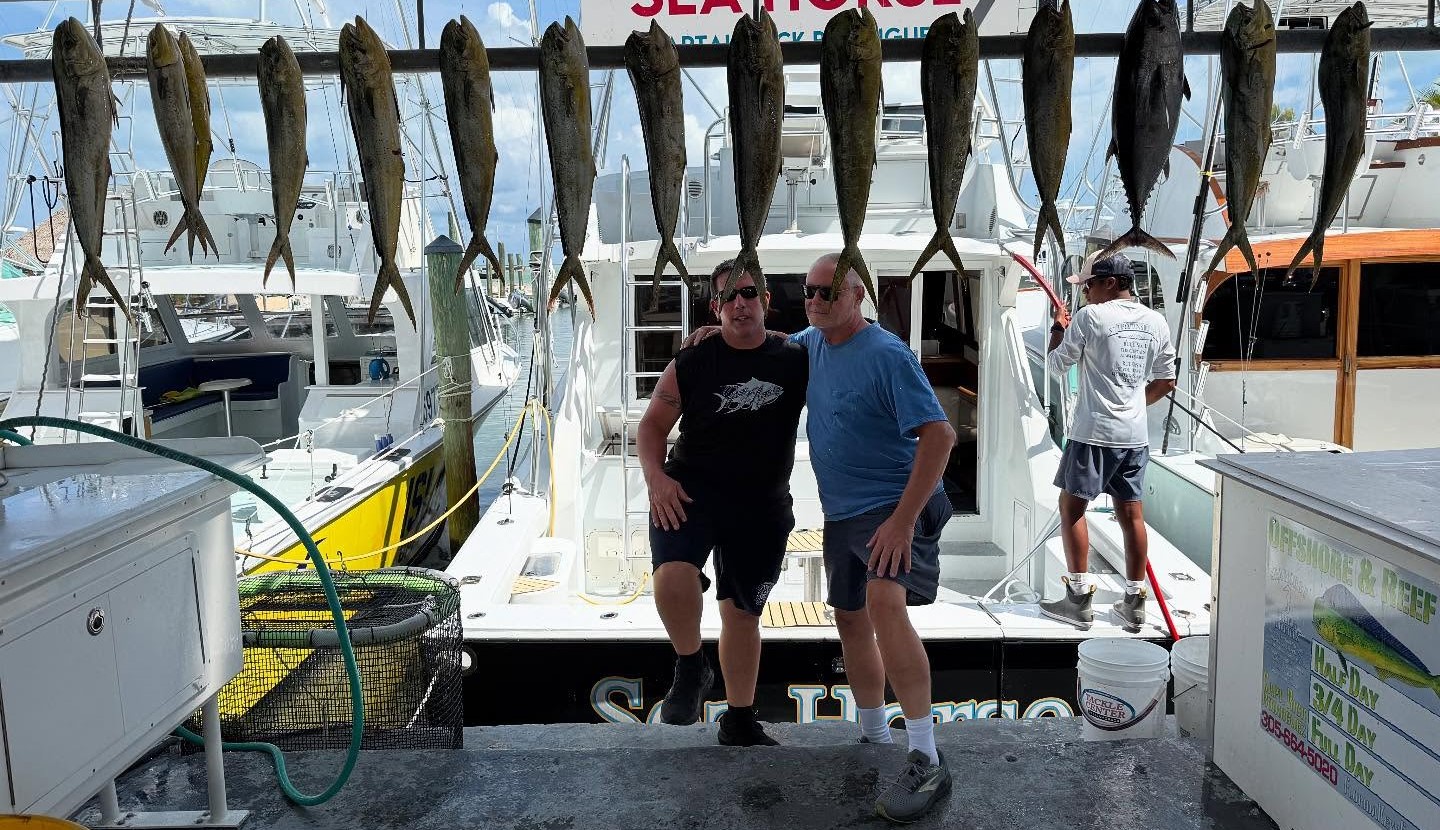
Nothing beats a full day chasing pelagics in the deep blue waters off Islamorada. Sea Horse Deep Sea Fishing knows exactly where to find the action, and their experienced crew will put you on some serious fish. We're talking about going after the big boys - sailfish, tuna, marlin, amberjack, and wahoo. This isn't your typical half-day trip where you're rushing back to the dock just as things heat up. With a full day charter, you've got time to work multiple spots, adapt to changing conditions, and really dial in on what's biting. The boat holds up to 6 anglers, so bring your crew or join a small group of fellow fishing fanatics.
What to Expect on the Water
Your day starts early - that's when the fish are most active and the seas are typically calmer. The Sea Horse crew knows these waters like the back of their hand, and they'll have you rigged up and ready before you even clear the harbor. Islamorada sits right in the heart of the Florida Keys, perfectly positioned for accessing both the Atlantic's deep drop-offs and the productive edge waters where baitfish congregate. The crystal-clear waters here aren't just pretty to look at - they're a sign of the healthy ecosystem that supports world-class offshore fishing. You'll be targeting structure, weed lines, and temperature breaks where predatory fish ambush their prey. The crew handles all the heavy lifting when it comes to reading conditions, but they're also great teachers if you want to learn the finer points of offshore fishing.
Trolling Tactics & Gear Setup
Most of your fishing will involve trolling with a spread of lures and baits designed to attract different species at various depths. The crew runs a combination of outriggers, downriggers, and flat lines to cover the water column effectively. Live bait fishing comes into play when you mark fish on the finder or when working structure like wrecks and reefs. The boat's equipped with quality tackle that can handle everything from scrappy blackfin tuna to monster blue marlin. Circle hooks are standard for most applications - they're better for the fish and increase your chances of a solid hookup. When a fish hits, the crew will coach you through the fight, helping you maximize your chances of bringing it to the boat. They know when to apply pressure and when to let the fish run, crucial knowledge that separates successful offshore trips from long days of broken hearts.
Top Catches This Season
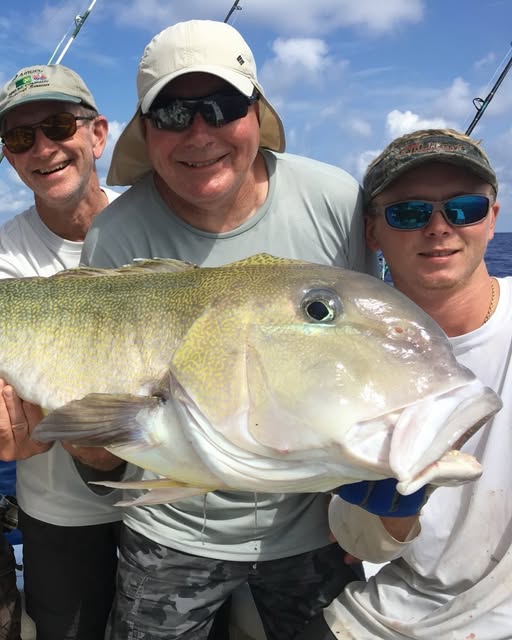
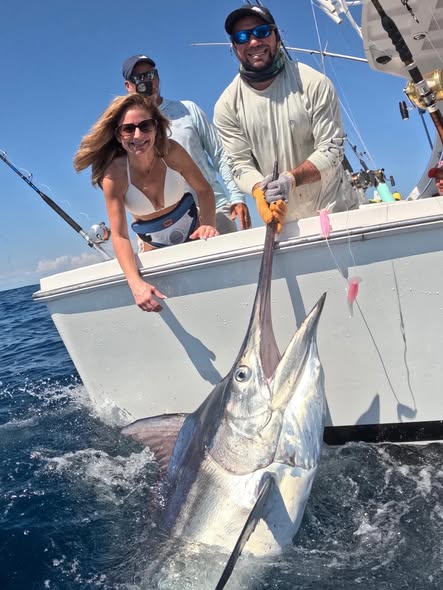
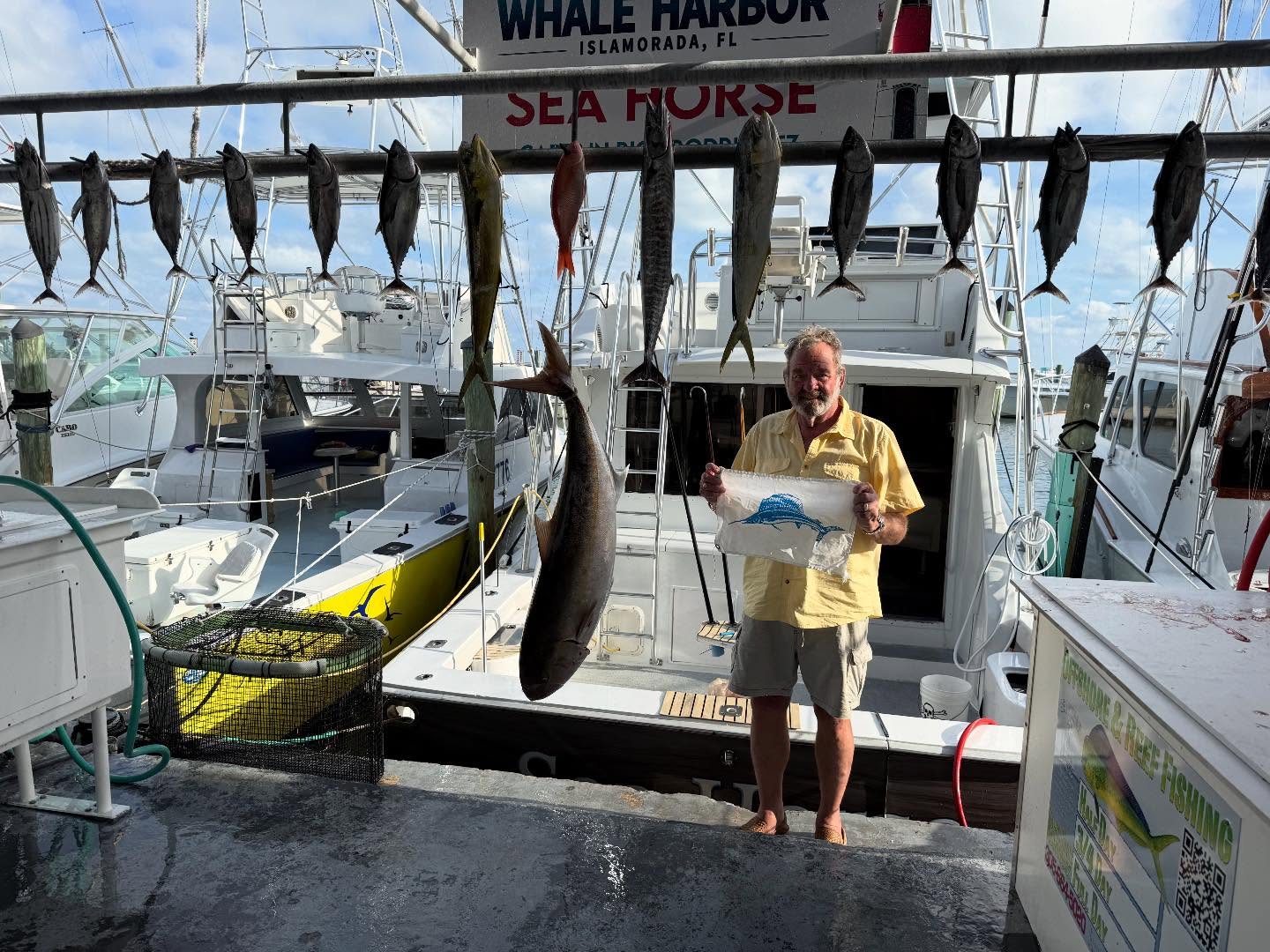
Blackfin tuna are some of the most reliable fighters you'll encounter on this trip. These smaller cousins of the giant bluefin rarely exceed 40 pounds, but they make up for size with pure attitude. They school up around structure and bait concentrations, often feeding aggressively in the early morning and late afternoon. What makes blackfin special is their accessibility - they're around most of the year in South Florida waters, with peak action typically from fall through spring. Once hooked, they make blistering runs and fight way above their weight class. Atlantic sailfish are the poster fish for Florida Keys offshore fishing, and for good reason. These acrobatic billfish put on an aerial show that'll have you scrambling for your camera between fighting the fish. Peak sailfish season runs from December through April, when cooler water temperatures bring them closer to shore. A typical Keys sailfish runs 6-8 feet long and 40-60 pounds, perfect size for exciting fights on appropriate tackle. Blue marlin represent the holy grail of offshore fishing here. These ocean giants can exceed 500 pounds and provide the fight of a lifetime. Summer months offer the best marlin opportunities, particularly around the full moon periods when baitfish are most active. Even a smaller marlin of 150-200 pounds will test your endurance and skill like no other fish in these waters. Greater amberjack are the bulldogs of the offshore world. These reef-dwelling bruisers use their broad shoulders and powerful tails to wage war in the deep. They're particularly abundant around wrecks and rocky bottom in 100-300 feet of water. Spring and fall provide peak amberjack action, with fish commonly ranging from 30-80 pounds. Wahoo are pure speed demons, capable of reaching 60 mph and making runs that'll empty your reel in seconds. These torpedo-shaped predators patrol the deep blue water, often hitting trolled baits at full speed. Their razor-sharp teeth and incredible acceleration make them one of the most challenging fish to hook solidly, but when everything comes together, you're in for the ride of your life.
Time to Book Your Spot
This is exactly the kind of fishing trip that creates lifelong memories and converts casual anglers into offshore addicts. Sea Horse Deep Sea Fishing has built their reputation on consistently putting clients on fish while providing the kind of professional service that makes the day enjoyable for everyone on board. Whether you're celebrating a special occasion, introducing someone to offshore fishing, or just need to scratch that fishing itch, a full day gives you the best shot at experiencing the variety and excitement that makes Islamorada fishing legendary. The crew's knowledge of local conditions, combined with top-notch equipment and a genuine passion for fishing, creates the perfect recipe for success. Don't wait too long to secure your date - the best fishing days book up quickly, especially during peak seasons. Remember that deposits are non-refundable, so make sure you're committed to your chosen date before booking.
 Private Trip
 Offshore Fishing
 Islamorada, FL


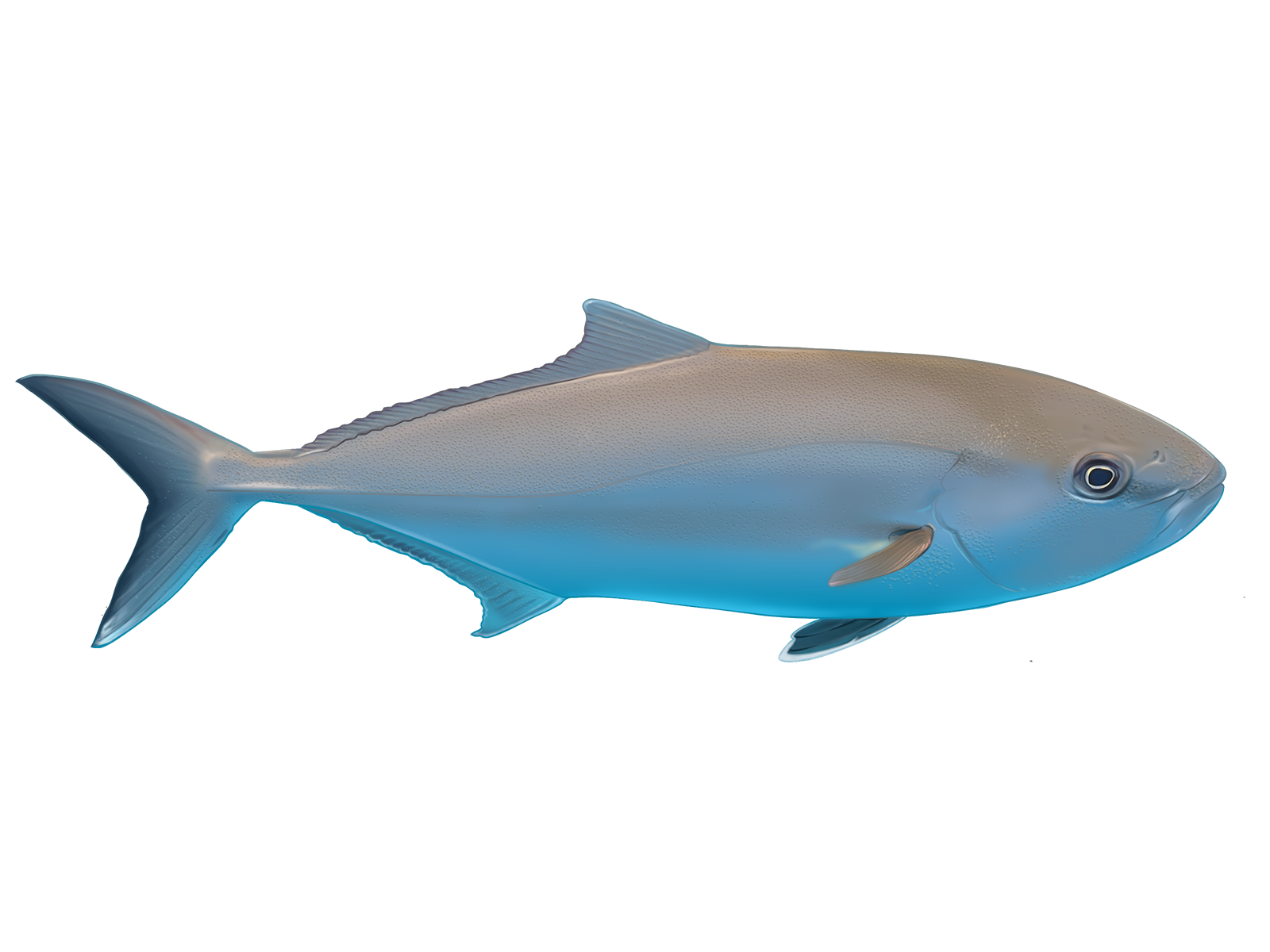

 Full day offshore fishing targeting sailfish, tuna, and marlin