Shared Gulf Stream Fishing Trip in North Carolina
Picture this: you're itching to get out on the water and chase some serious fish in the Gulf Stream, but your usual fishing buddies are tied up with work or family stuff. Sound familiar? That's exactly why we created these shared Gulf Stream trips. No need to wrangle a full crew or wait months for everyone's schedules to align. Just grab your gear and join up to 3 other serious anglers for a day of world-class offshore fishing in North Carolina's legendary waters. The Gulf Stream runs right along our coast here, bringing warm blue water loaded with pelagic species that'll test your tackle and your skills. We're talking about the kind of fishing that puts North Carolina on every angler's bucket list.
What to Expect on the Water
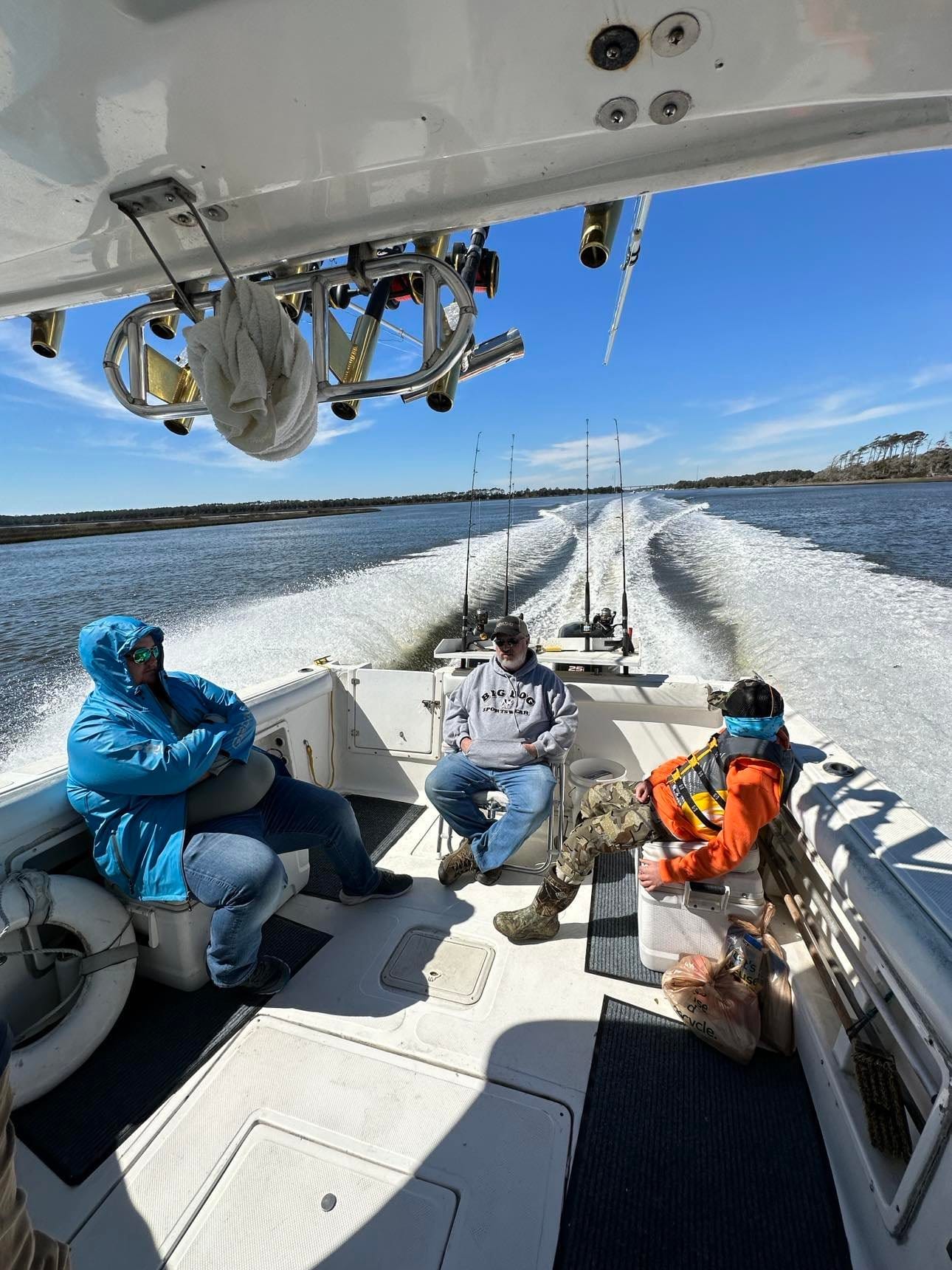
When you step aboard for this Gulf Stream adventure, you're signing up for the real deal. We'll motor out from the North Carolina coast and hit that magical blue water where the continental shelf drops off and the Gulf Stream current brings baitfish – and the predators that chase them. The vibe on these shared trips is always solid because everyone who books knows their fishing. No babysitting beginners or explaining why we need to leave at dawn. You'll be fishing alongside folks who understand that when the bite is on, you fish hard, and when it's slow, you stay patient and keep working. The Gulf Stream can be 20-40 miles offshore depending on where we launch, but that steam out gives us time to rig up and talk strategy. Some days we'll find the break in 180 feet, other days we might run out to 400 feet or deeper to find where the fish are stacked up.
Trolling Techniques & Tackle
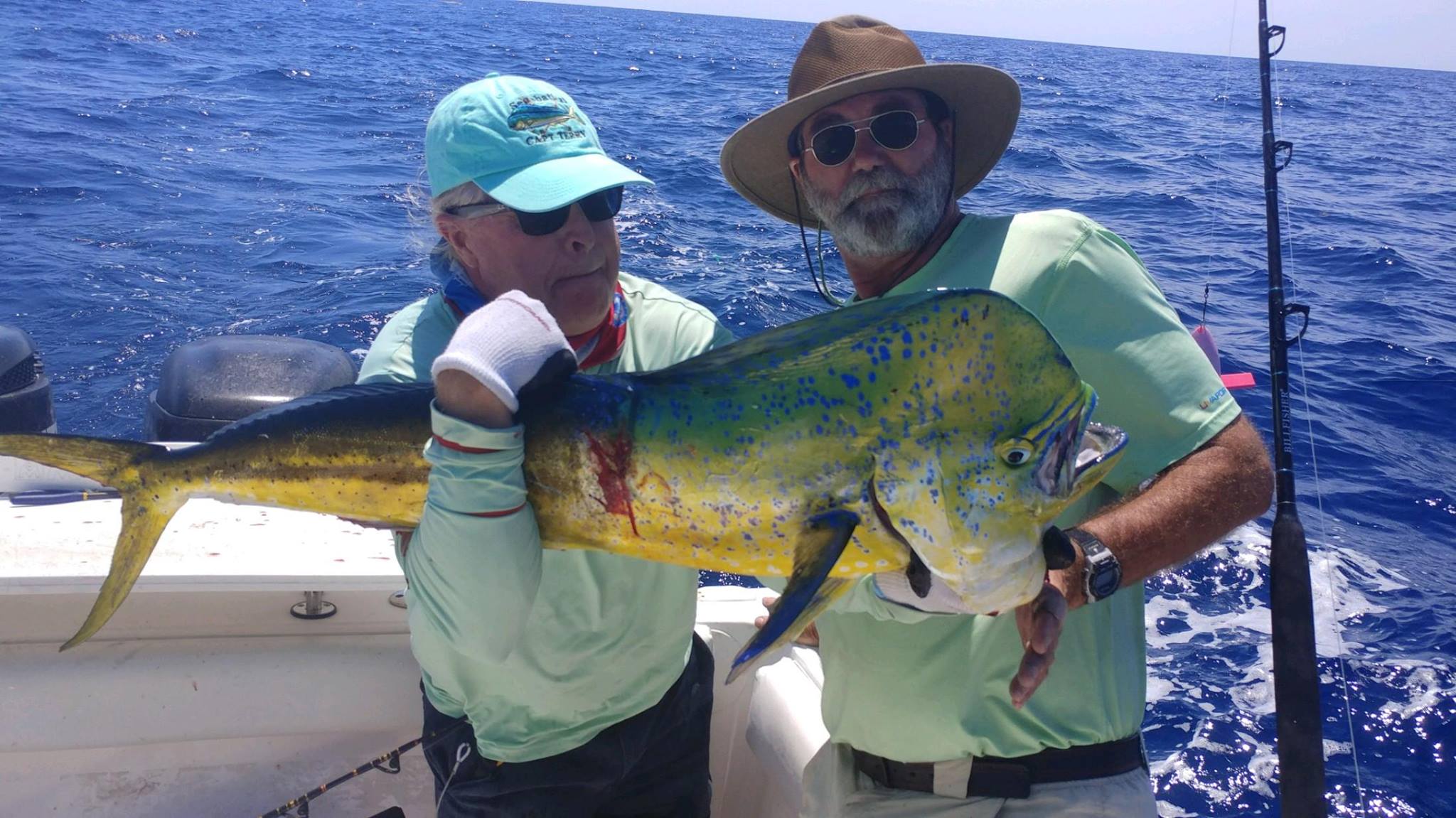
Gulf Stream fishing is all about covering water and presenting baits at different levels of the water column. We'll typically run a spread of 6-8 lines with a mix of ballyhoo, cedar plugs, and lures targeting everything from surface feeders to fish holding deeper. The boat comes equipped with quality Penn and Shimano reels spooled with 30-50 pound test, but if you've got your own favorite rod and reel combo, bring it along. We'll set up a pattern with outriggers, downriggers, and flat lines to maximize our coverage. When we mark bait or temperature breaks on the fish finder, that's when things get interesting. Don't be surprised if we suddenly pull in half the spread to focus on a hot area – that's Gulf Stream fishing. One minute you're trolling peacefully, the next minute you've got a double or triple hookup screaming drag. The key is staying alert and ready to grab a rod when the captain hollers.
Species You'll Want to Hook
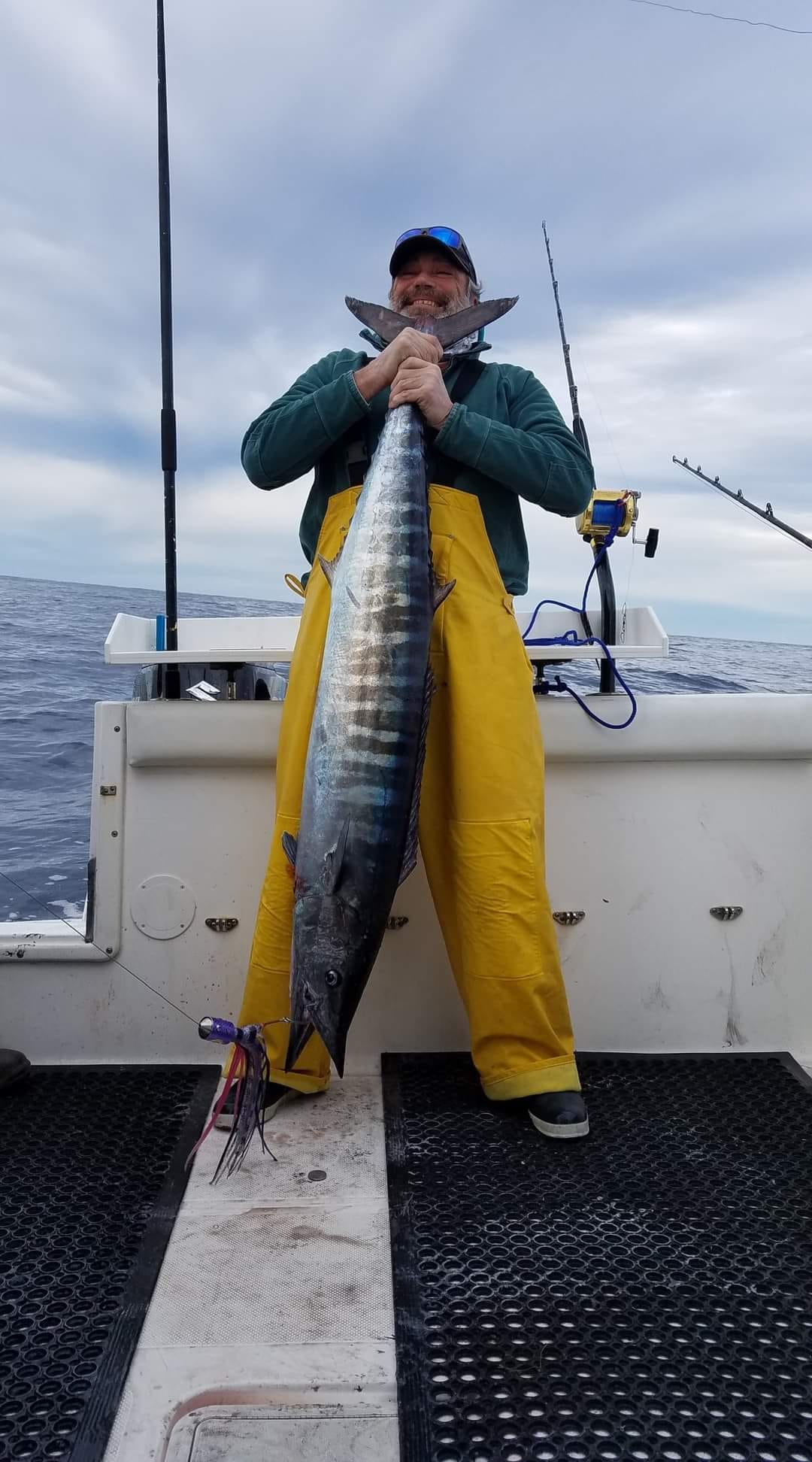
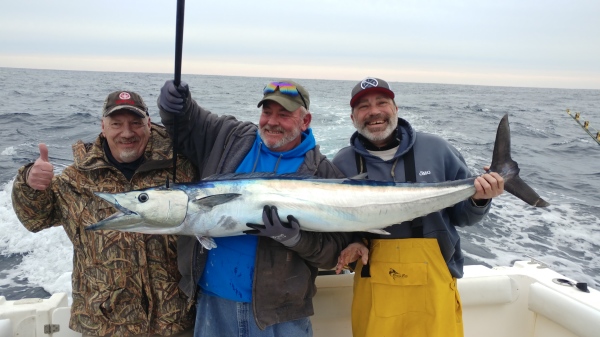
Wahoo are the speed demons of the Gulf Stream, and North Carolina waters produce some monsters. These fish can hit 60+ mph when they take your bait, so that first run is absolutely electric. Peak wahoo season runs from late fall through early spring, with November through February being prime time. They typically range from 20-60 pounds in our waters, though we see 80+ pounders every season. What makes wahoo special is that savage initial strike followed by blistering runs that'll have your arms burning. They're also fantastic table fare with firm, white meat that's perfect for the grill.
Cobia are the gentle giants that'll fool you into thinking they're sharks when they cruise up to the boat. These curious fish often approach the vessel and hang around, giving you a shot at sight fishing. Spring and early summer are peak times, especially around wrecks and structure. Cobia fight like underwater bulldogs – not the fastest fish, but they've got serious pulling power and stamina. A good cobia will range from 30-50 pounds, and they're absolutely delicious. Many anglers consider cobia the best eating fish in the ocean, with meat that tastes like a cross between grouper and halibut.
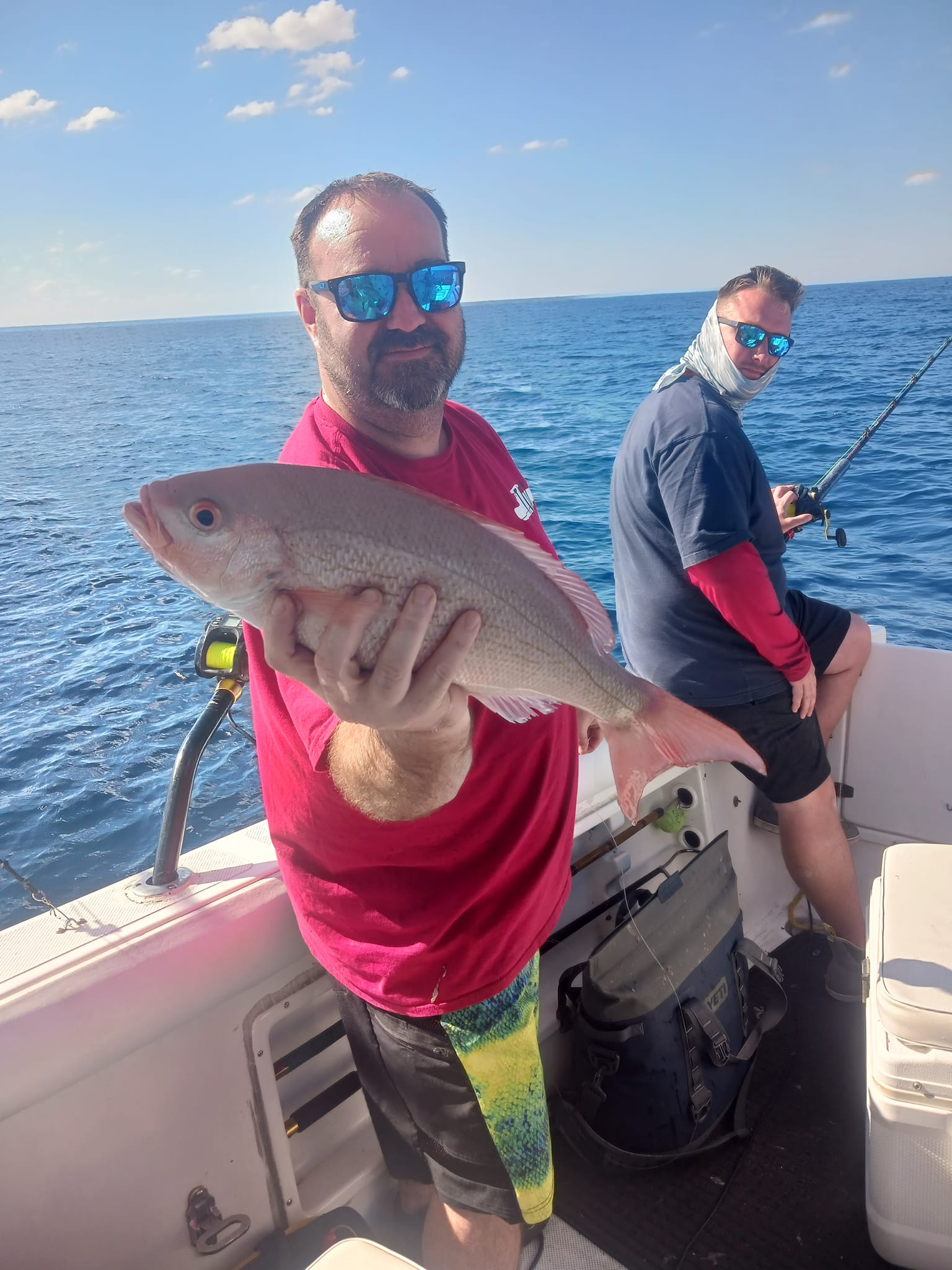
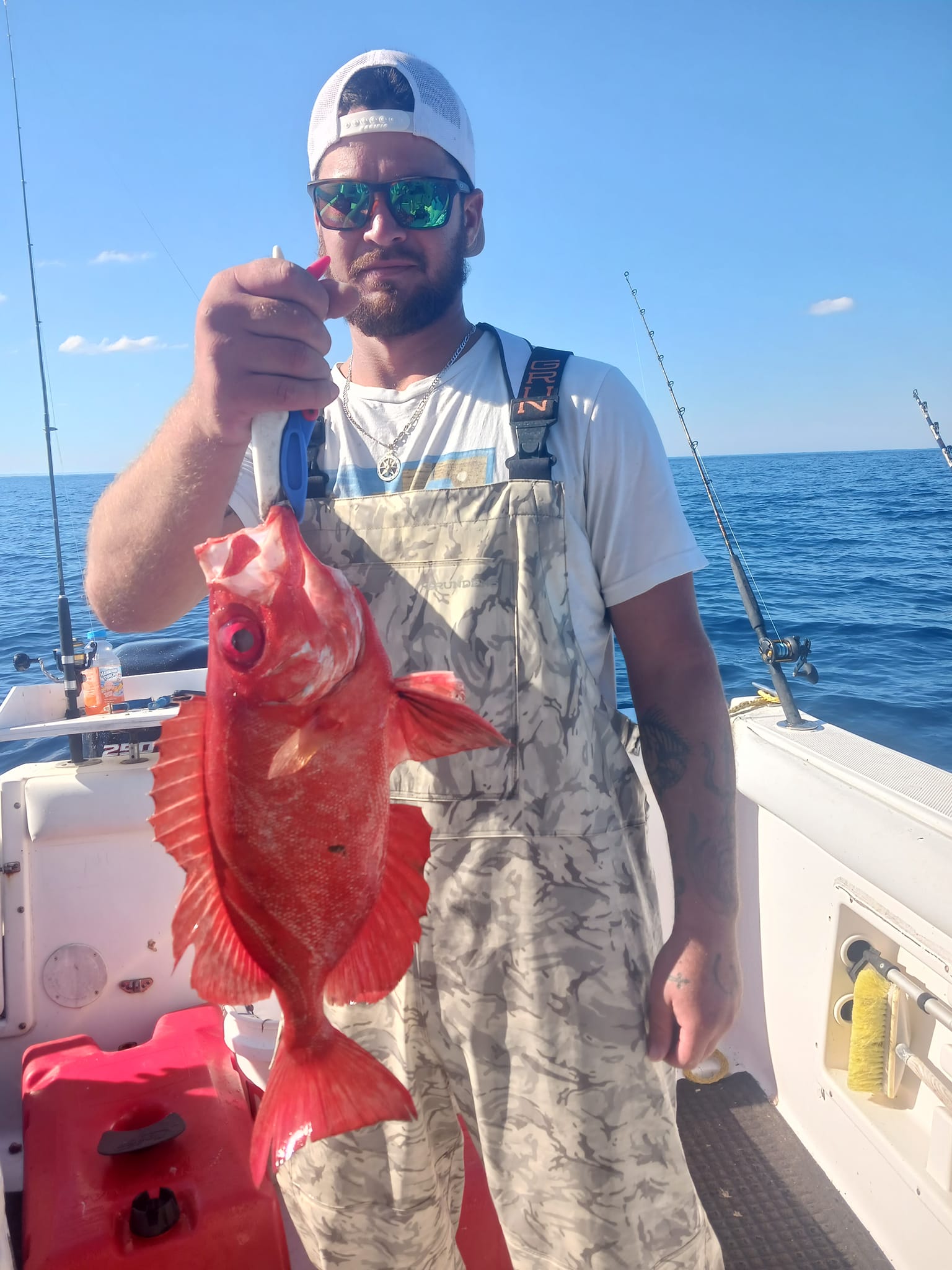
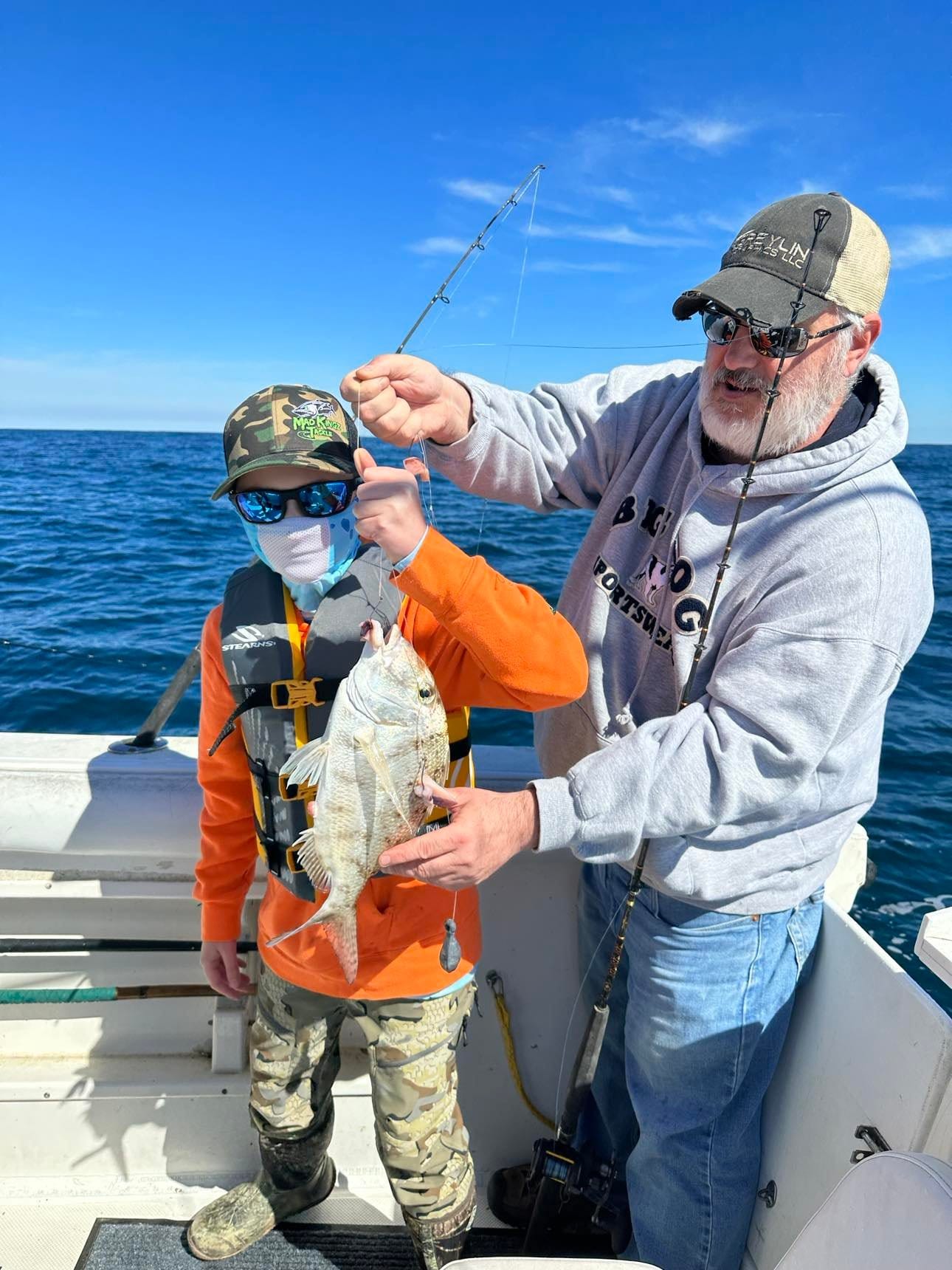
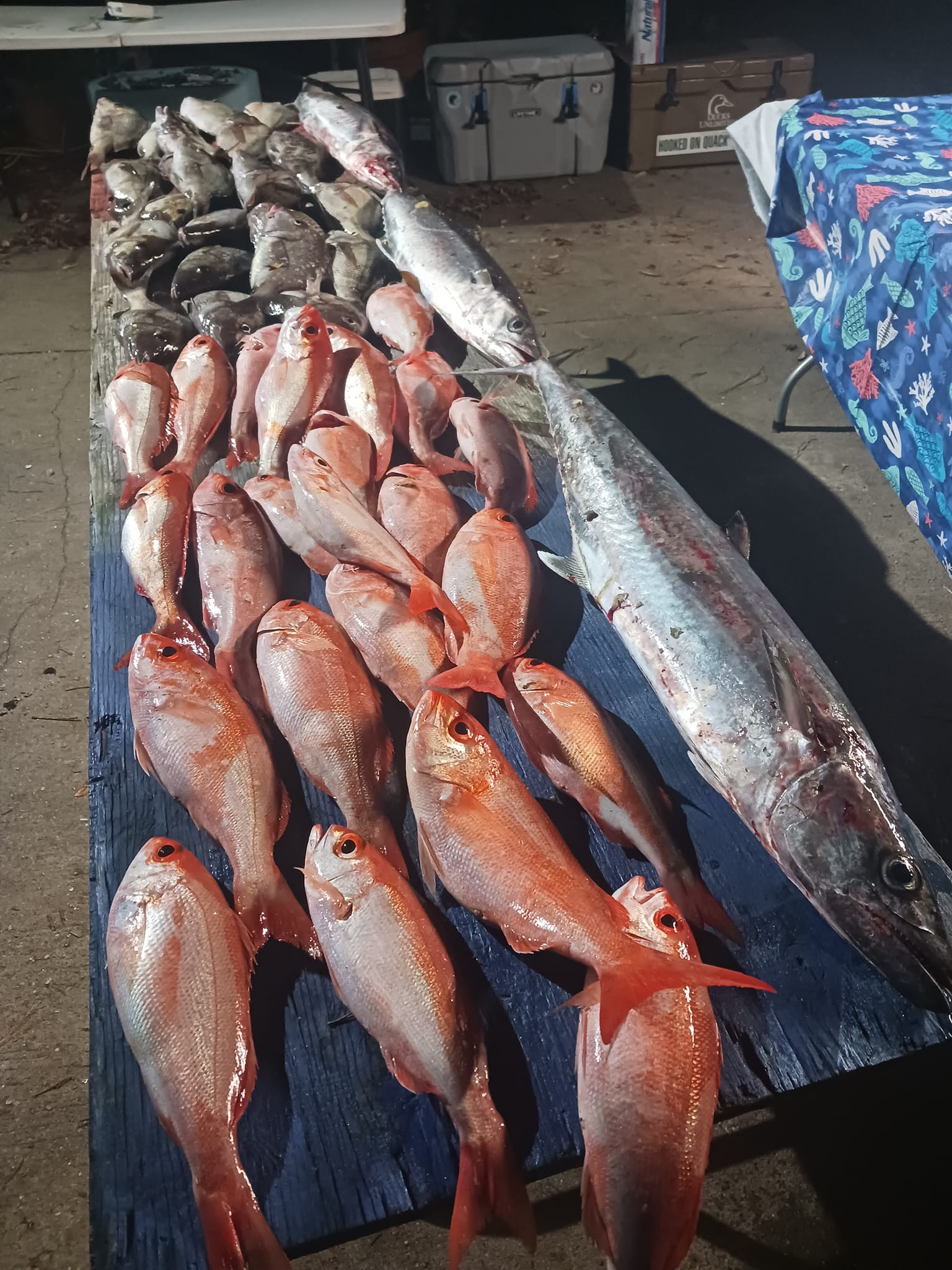
Red snapper are the crown jewel of bottom fishing in North Carolina waters. When snapper season opens (typically a short window in summer), these ruby-colored fighters make every drop worthwhile. They hang around structure in 120-300 feet of water and fight hard all the way to the surface. A keeper red snapper runs 20+ inches, and the bigger ones push 8-10 pounds. They're notorious bait stealers with those sharp teeth, so you need to set the hook fast. The payoff is sweet, flaky white meat that's prized by chefs and home cooks alike.
Spanish mackerel might be smaller than the other species we target, but they make up for size with pure aggression and numbers. These silver bullets will attack just about any small lure or bait, making them perfect for non-stop action. They typically run 1-3 pounds and are most active in spring and fall. While you're waiting for the big fish to bite, Spanish mackerel keep your adrenaline pumping with their acrobatic fights and willingness to bite. They're also excellent smoked or grilled whole.
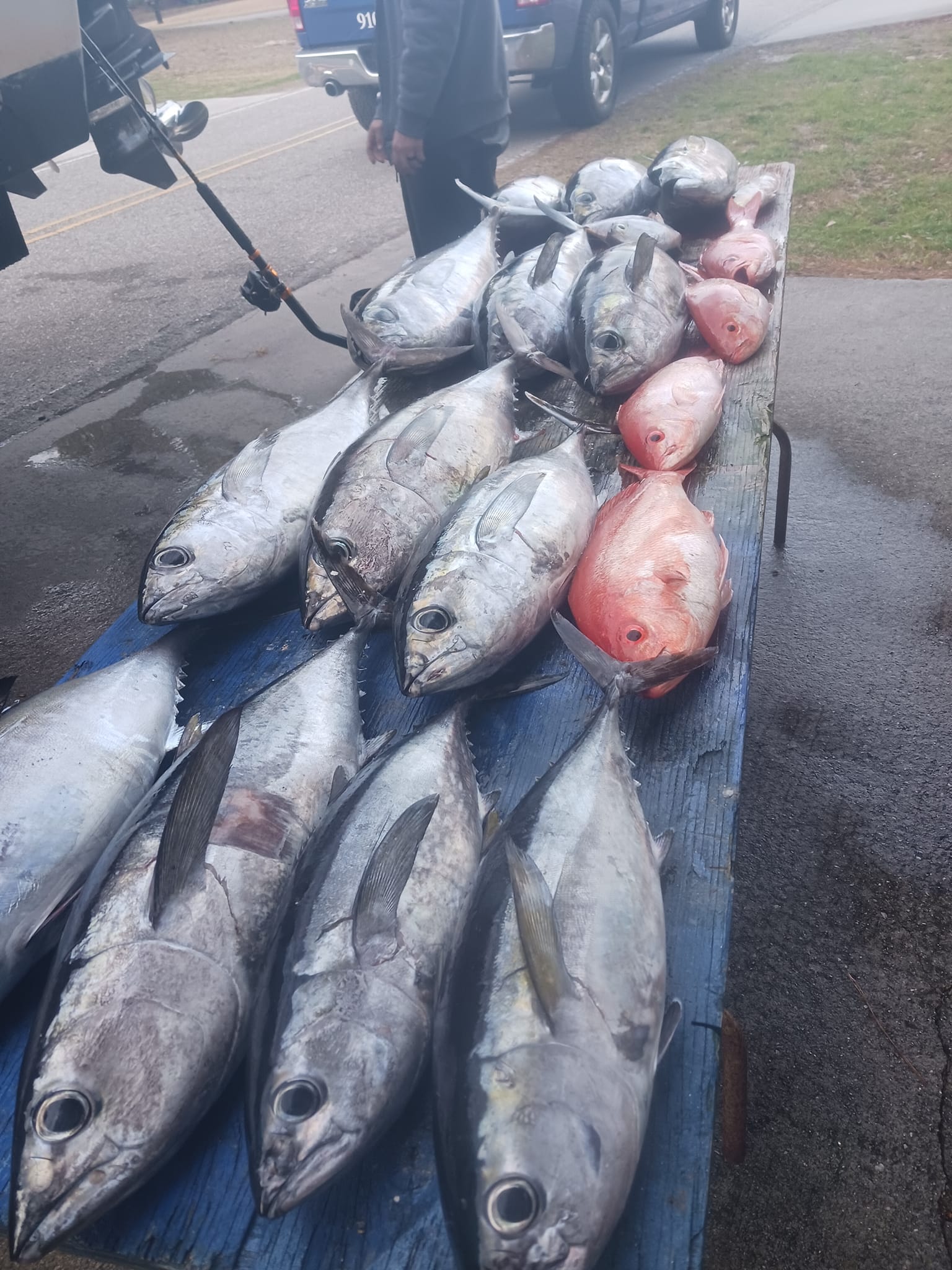
Blackfin tuna are the workhorses of the Gulf Stream, and they'll test your endurance with deep, powerful runs. These fish typically range from 10-25 pounds and are available year-round, though spring and fall see the biggest concentrations. Blackfins are pure muscle – they fight hard, dive deep, and don't give up easily. What's really exciting about blackfin tuna is that they often travel with bigger yellowfin tuna, so landing one might mean there are larger cousins in the area. The meat is rich and red, perfect for searing rare or making into sushi-grade steaks.
Time to Book Your Spot
Here's the bottom line: if you're serious about fishing and tired of waiting for the perfect group to come together, this shared Gulf Stream trip is your ticket to some of North Carolina's best offshore action. With only 2 spots available per trip, you're looking at a small, focuse
 Private Trip
 Offshore Fishing
 Wilmington


 Shared offshore charter accommodates up to 4 anglers maximum.