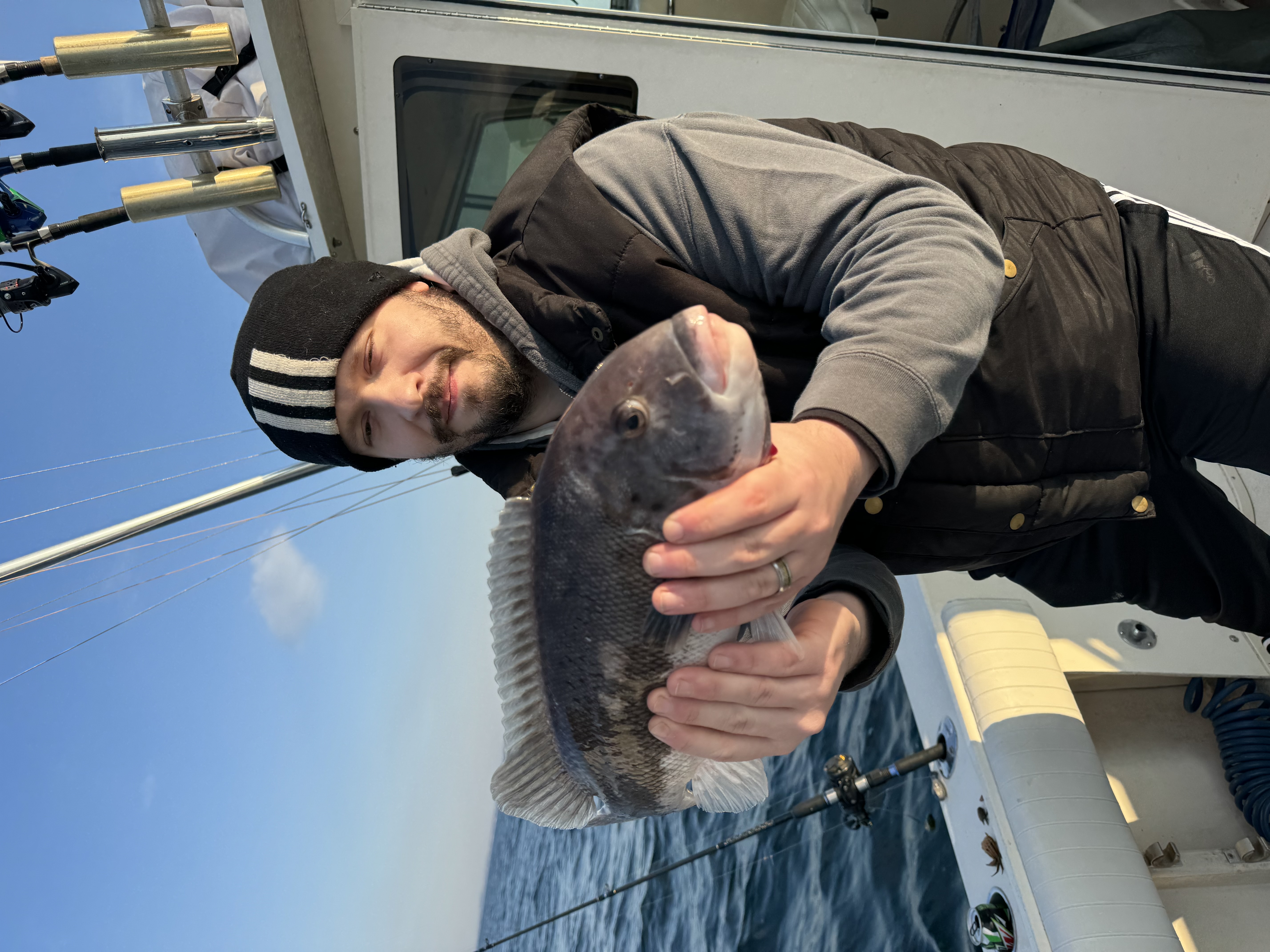
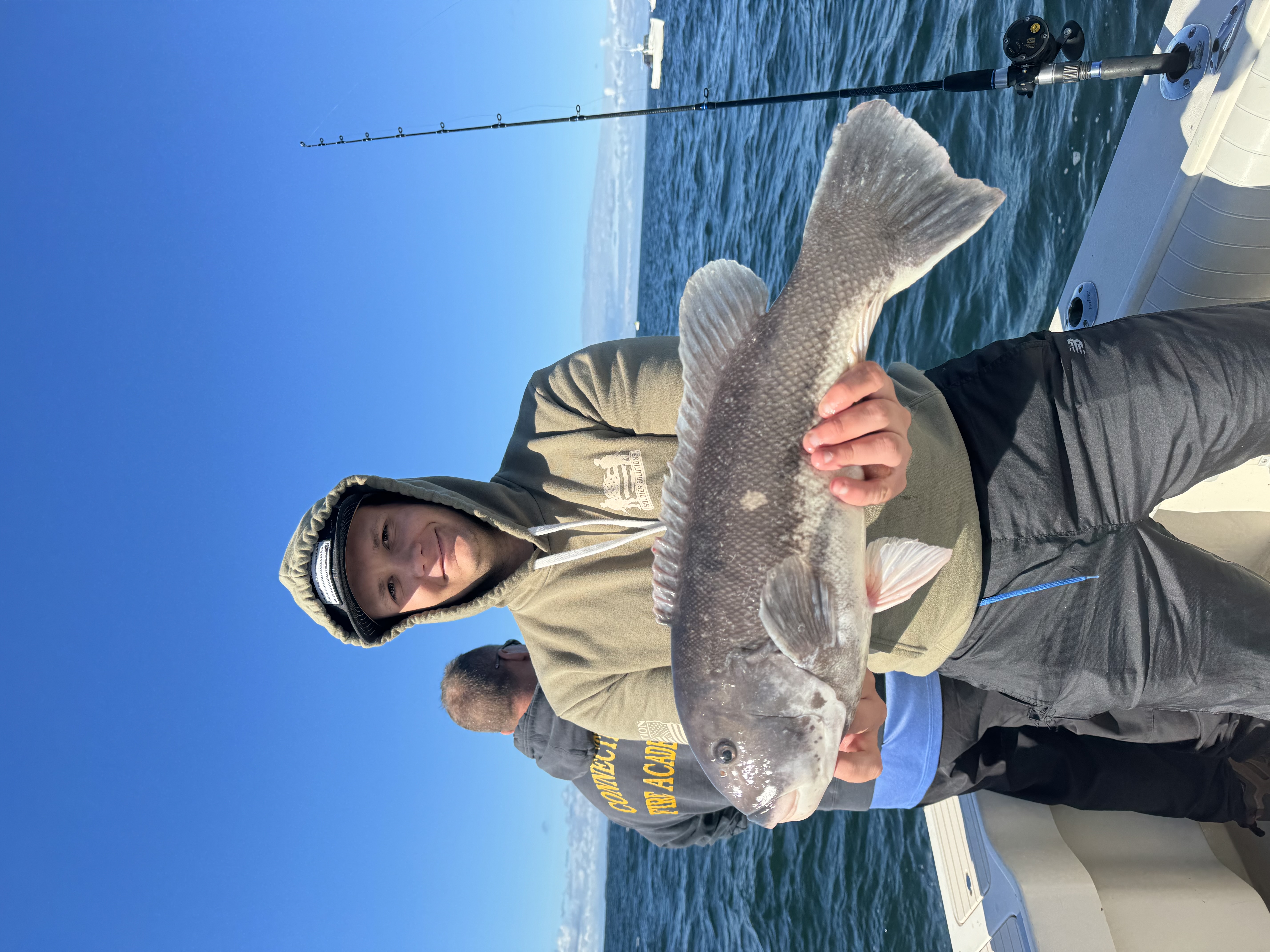
New London Half Day Morning Fishing Charter
Looking for a solid half-day fishing trip that won't break the bank or eat up your whole weekend? Set The Hook CT LLC has you covered with their morning saltwater charter out of New London. This isn't some cookie-cutter operation – Captain knows these waters like the back of his hand and tailors every trip based on what's biting, when they're biting, and where the action is hottest. Whether you're a seasoned angler or just getting your feet wet in saltwater fishing, this 4-person charter gives you the perfect taste of what Connecticut's coast has to offer without the commitment of a full-day grind.
What to Expect on the Water
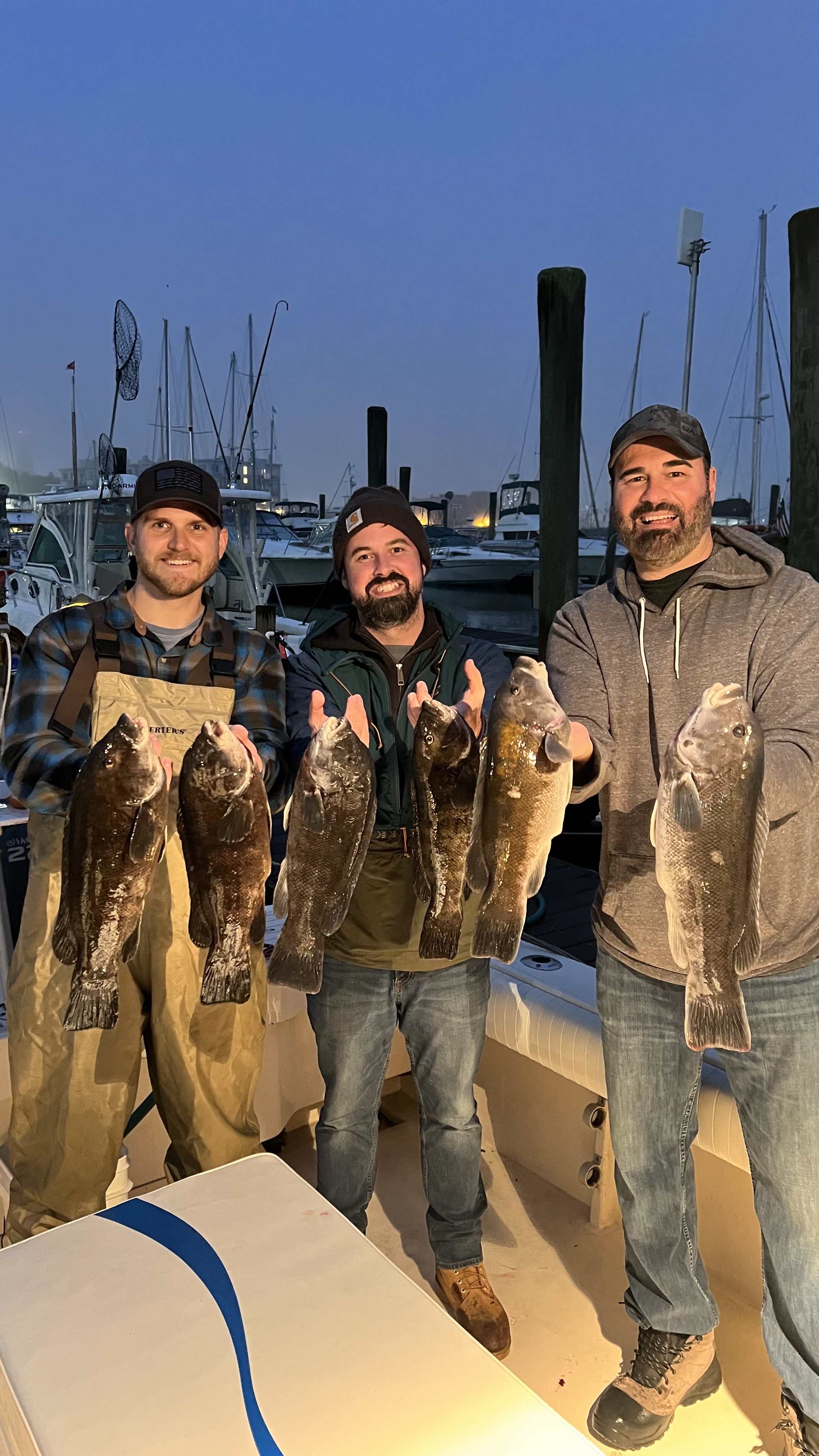
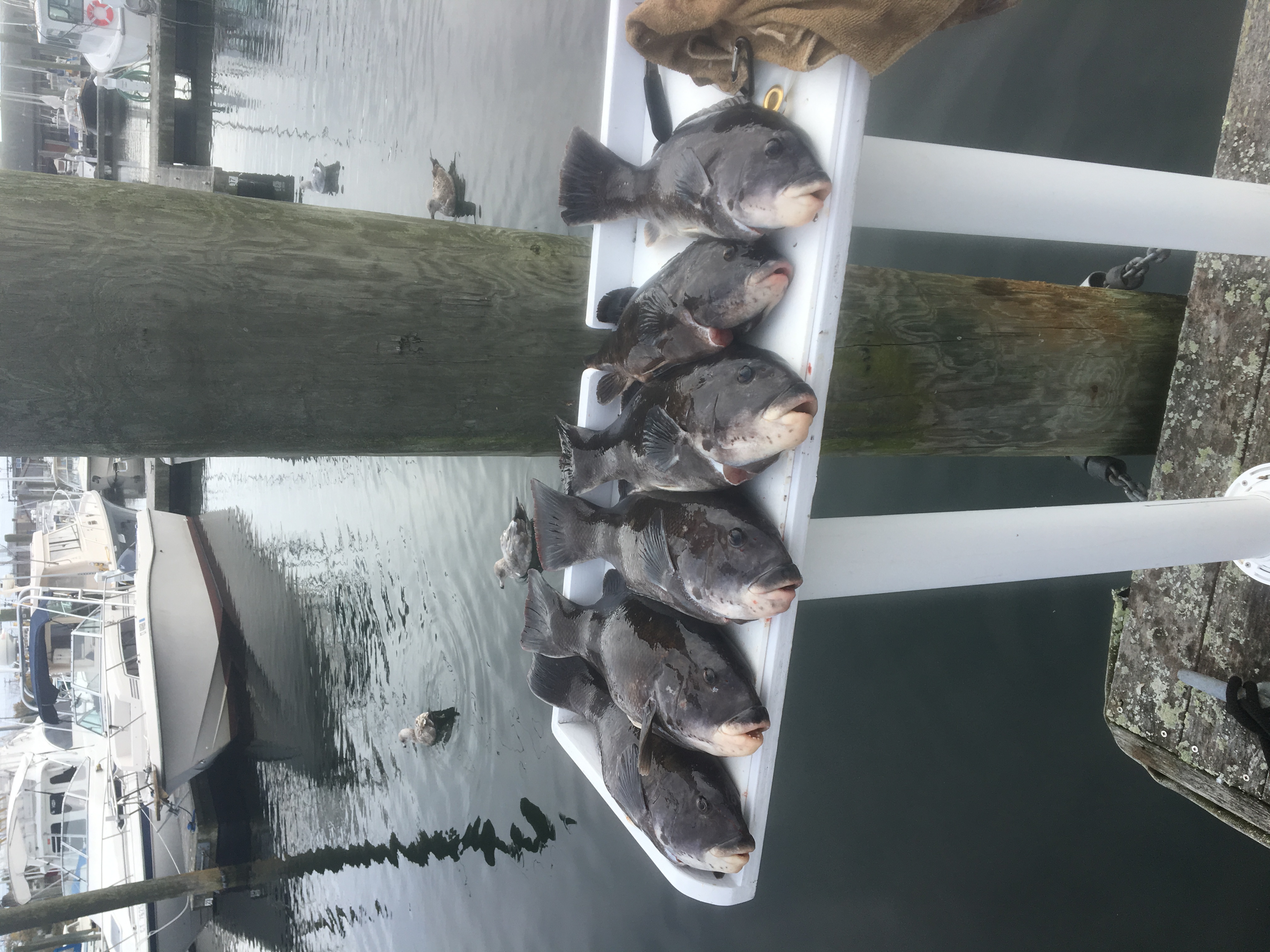
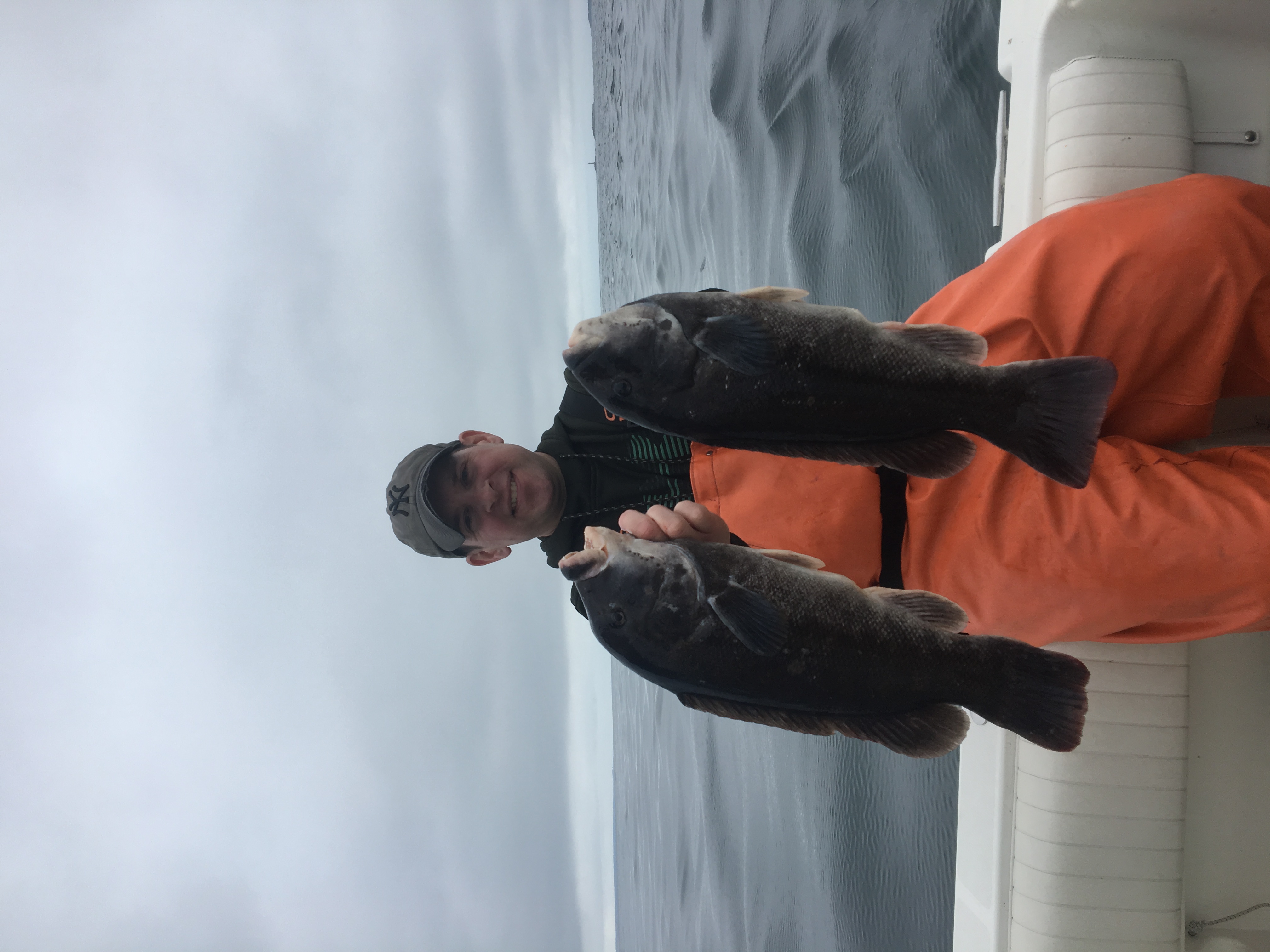
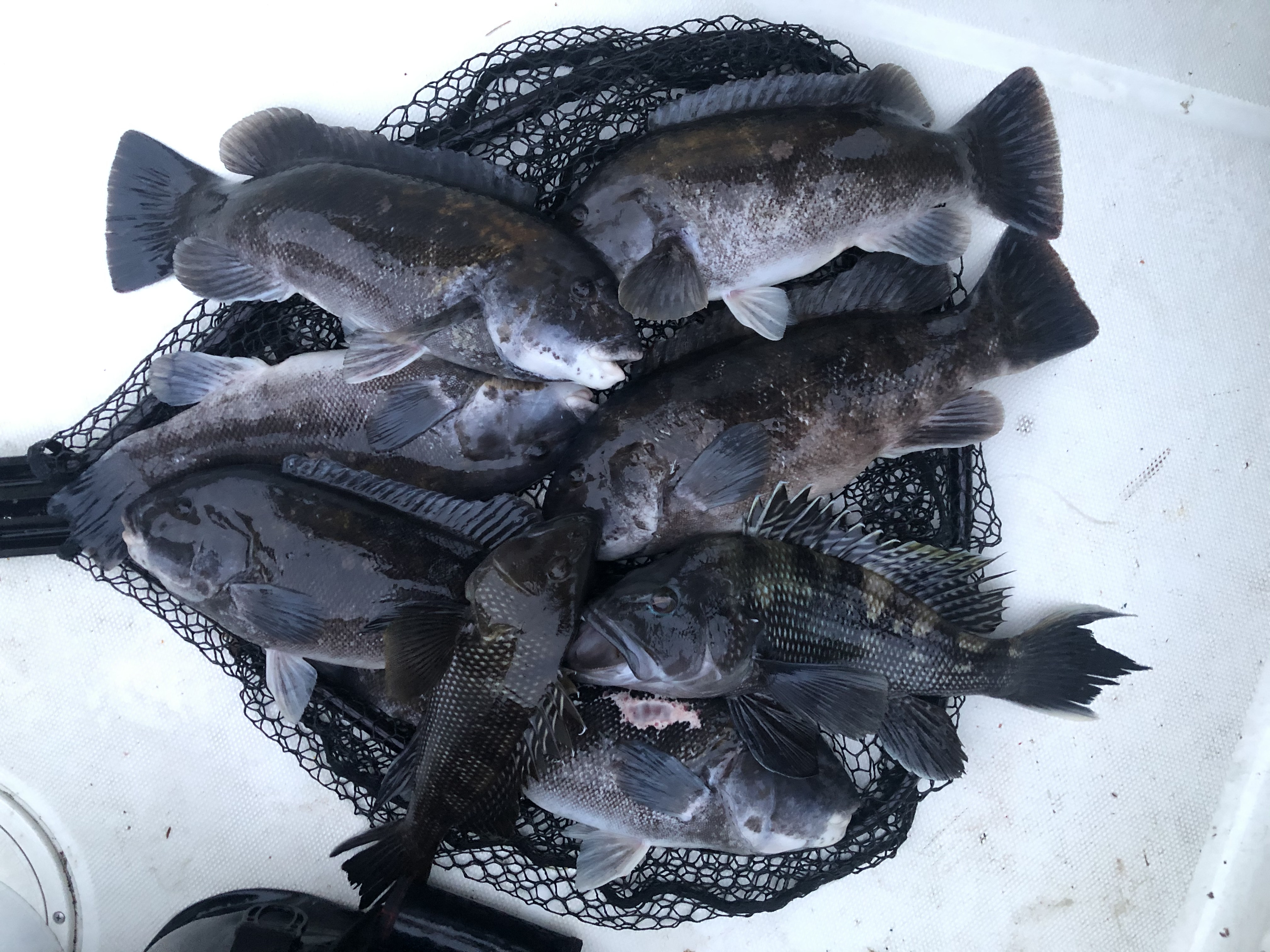
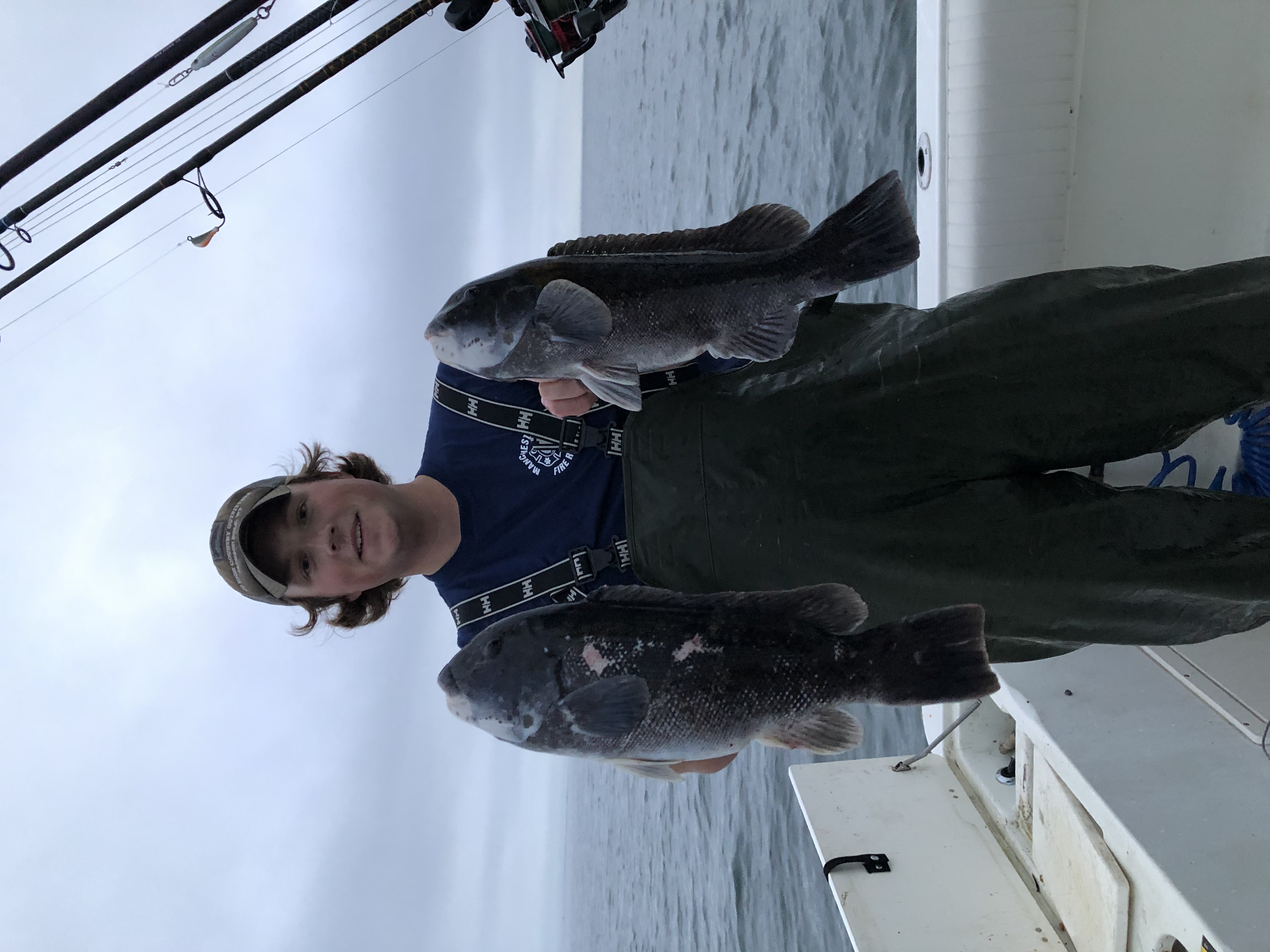
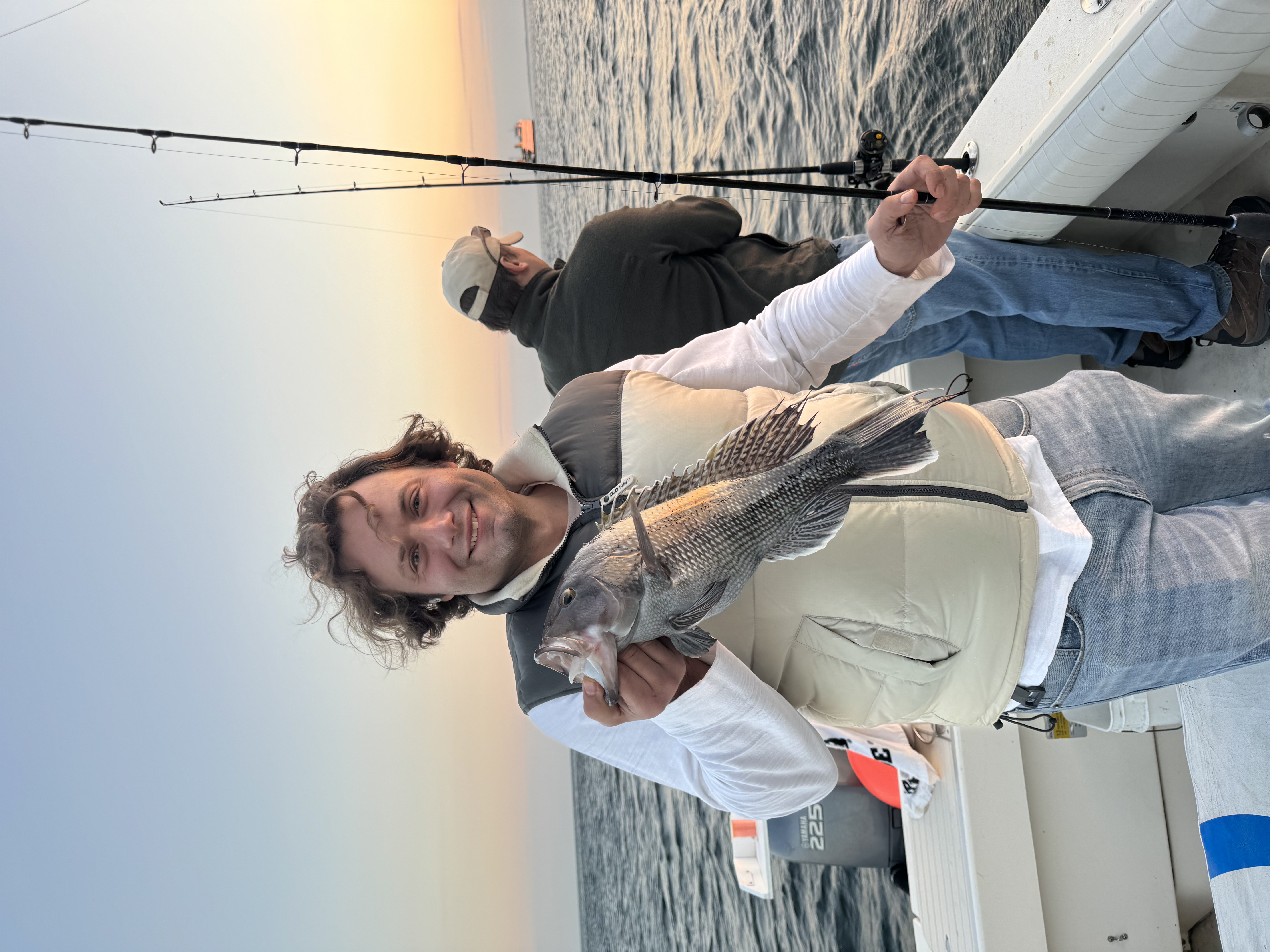
Your morning starts early, but trust me, it's worth dragging yourself out of bed. The captain reads the tides, weather, and recent bite reports to put you on fish – not just take you for a boat ride. Some days that means heading out for light tackle action where you'll feel every headshake and run. Other mornings, you might find yourself bottom fishing productive structure for keeper fluke, fat sea bass, and scrappy porgies that'll bend your rod and put dinner on the table. The beauty of fishing with Set The Hook CT is the flexibility – no two trips are identical because the fish don't follow a script. You'll cover different spots throughout the morning, moving when the bite slows down and staying put when the action heats up. The boat handles four anglers comfortably, so you won't be bumping elbows or tangling lines every cast.
Tackle and Techniques
The captain brings all the gear you need, but feel free to bring your own setup if you've got favorites. For bottom fishing, you'll be working with conventional tackle – typically spinning gear in the 20-30 pound class that can handle the current and get baits down to where the fish are holding. Rigs vary depending on what's biting, but expect anything from simple high-low rigs for sea bass and porgies to bucktails and strip baits for fluke. When targeting stripers, the approach changes completely – you might find yourself casting plugs, working live bait, or even trolling tube and worm combos if that's what's producing. The captain reads the water and adjusts tactics on the fly, which means you'll learn different techniques throughout the trip. Don't worry if you're new to saltwater fishing – the crew will get you dialed in quickly, but experienced anglers will appreciate the attention to detail and willingness to try whatever it takes to put fish in the boat.
Species You'll Want to Hook
Bluefish are the scrappiest fighters you'll find in these waters, and New London consistently produces solid fish from spring through fall. These aggressive predators hit hard and fight dirty, making screaming runs that'll test your drag and your nerves. Blues in the 3-8 pound range are common, with occasional slammer fish pushing double digits during peak season. They're not picky eaters – chunk baits, metals, and plugs all produce when schools are feeding. What makes blues special here is their predictability during certain tide phases, and the captain knows exactly when and where to find them.
Summer flounder, or fluke as every local calls them, are the bread and butter of New London's bottom fishing scene. These flatfish are masters of camouflage and ambush, lying in wait on sandy bottoms before exploding upward to crush baits. Keeper fluke here typically run 18-24 inches, with doormat fish over 5 pounds always a possibility. Peak season runs from late spring through early fall, with the best action often coming during moving water on either side of slack tide. Fluke fishing requires patience and feel – you need to detect subtle taps and know when to set the hook versus when to let them run with the bait.
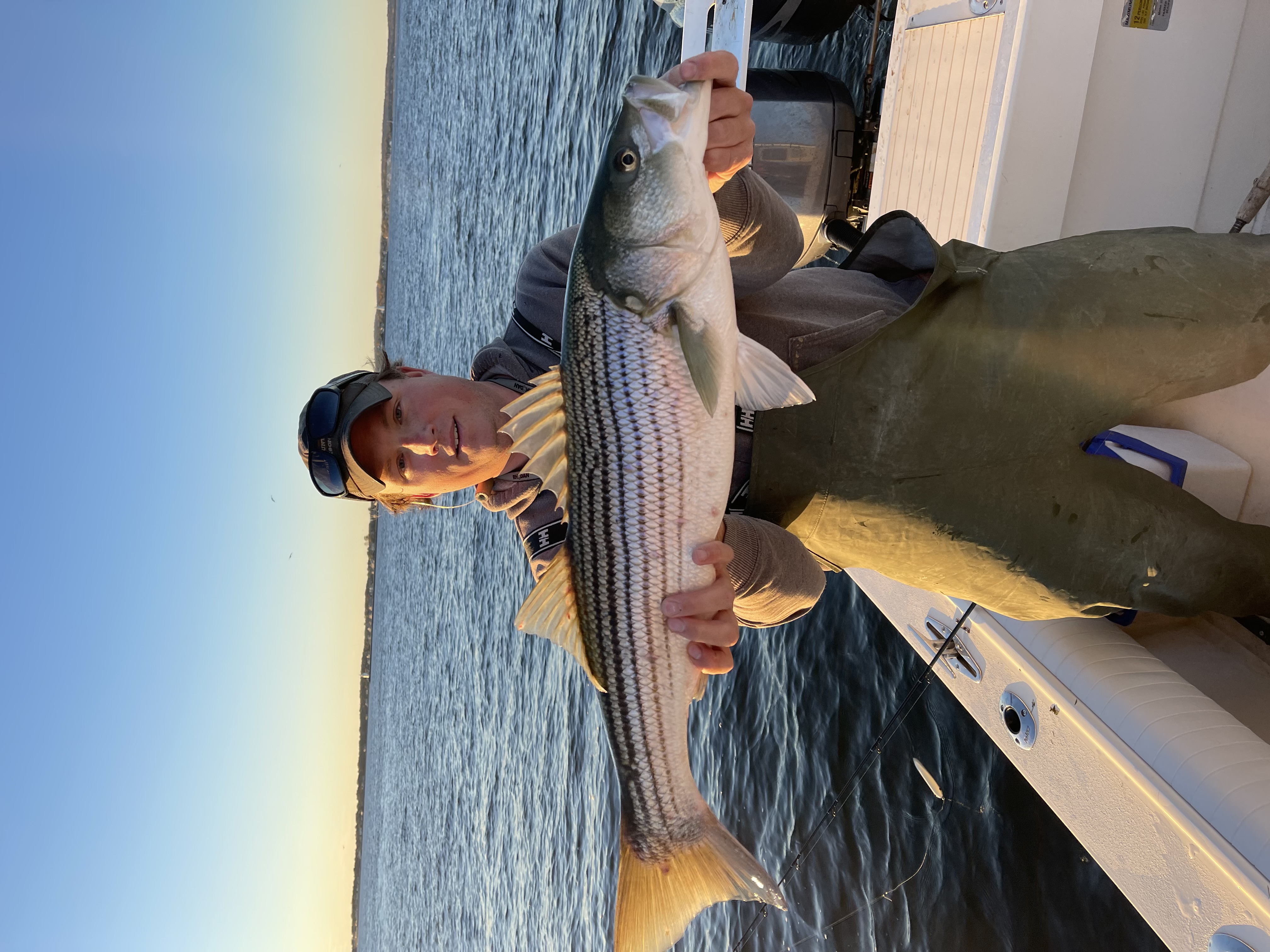
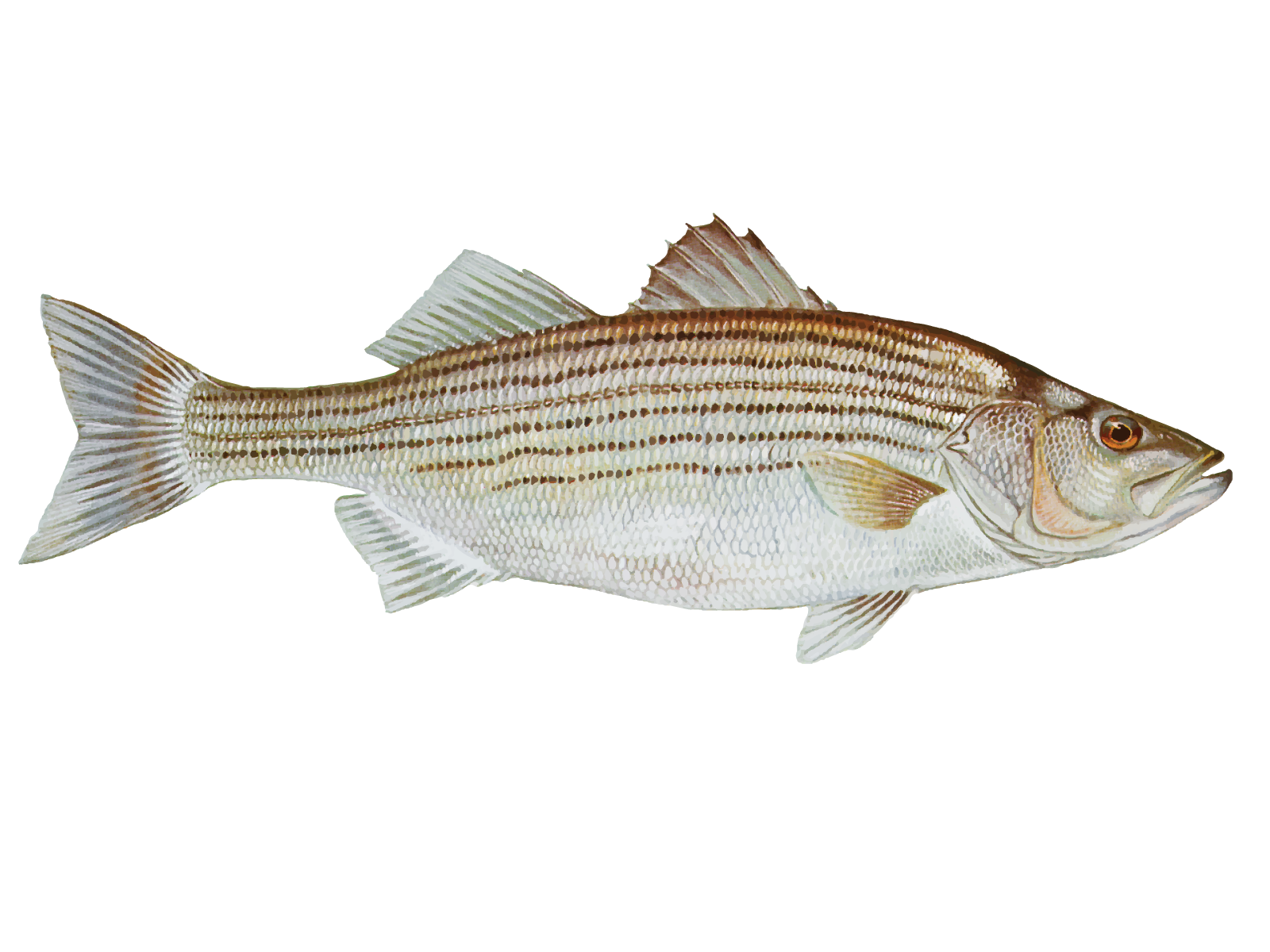
Striped bass are the crown jewel of Connecticut saltwater fishing, and New London sits right in the heart of prime striper territory. These fish range from schoolie bass perfect for light tackle fun to trophy fish that'll spoil your reel and make your arms ache. Spring and fall migrations bring the best action, but resident fish provide consistent opportunities throughout the warmer months. Stripers are smart, which makes them challenging – they can be finicky about presentations and spook easily in shallow water. When you hook a good one though, nothing compares to that initial run and the bulldogging fight that follows.
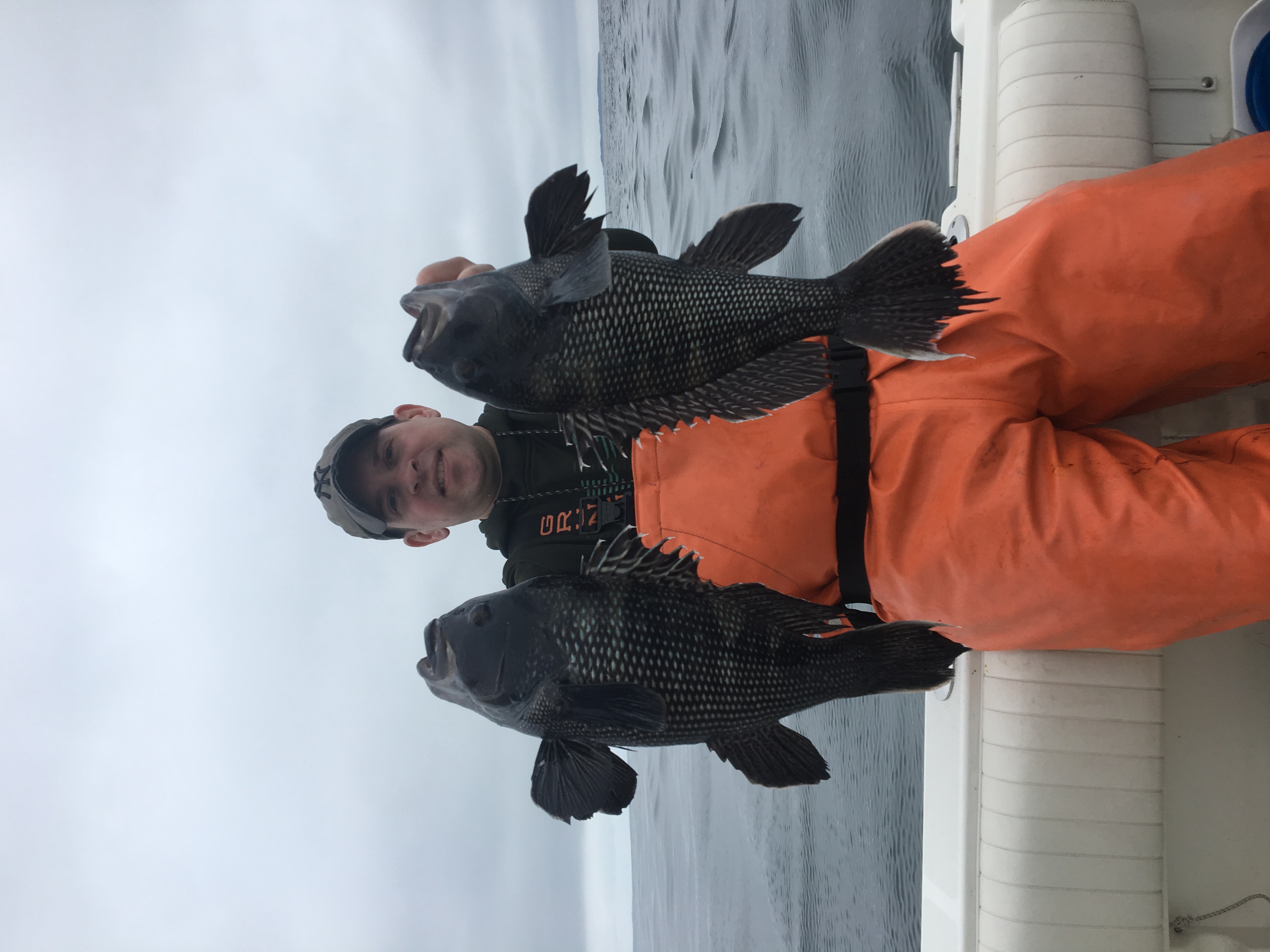
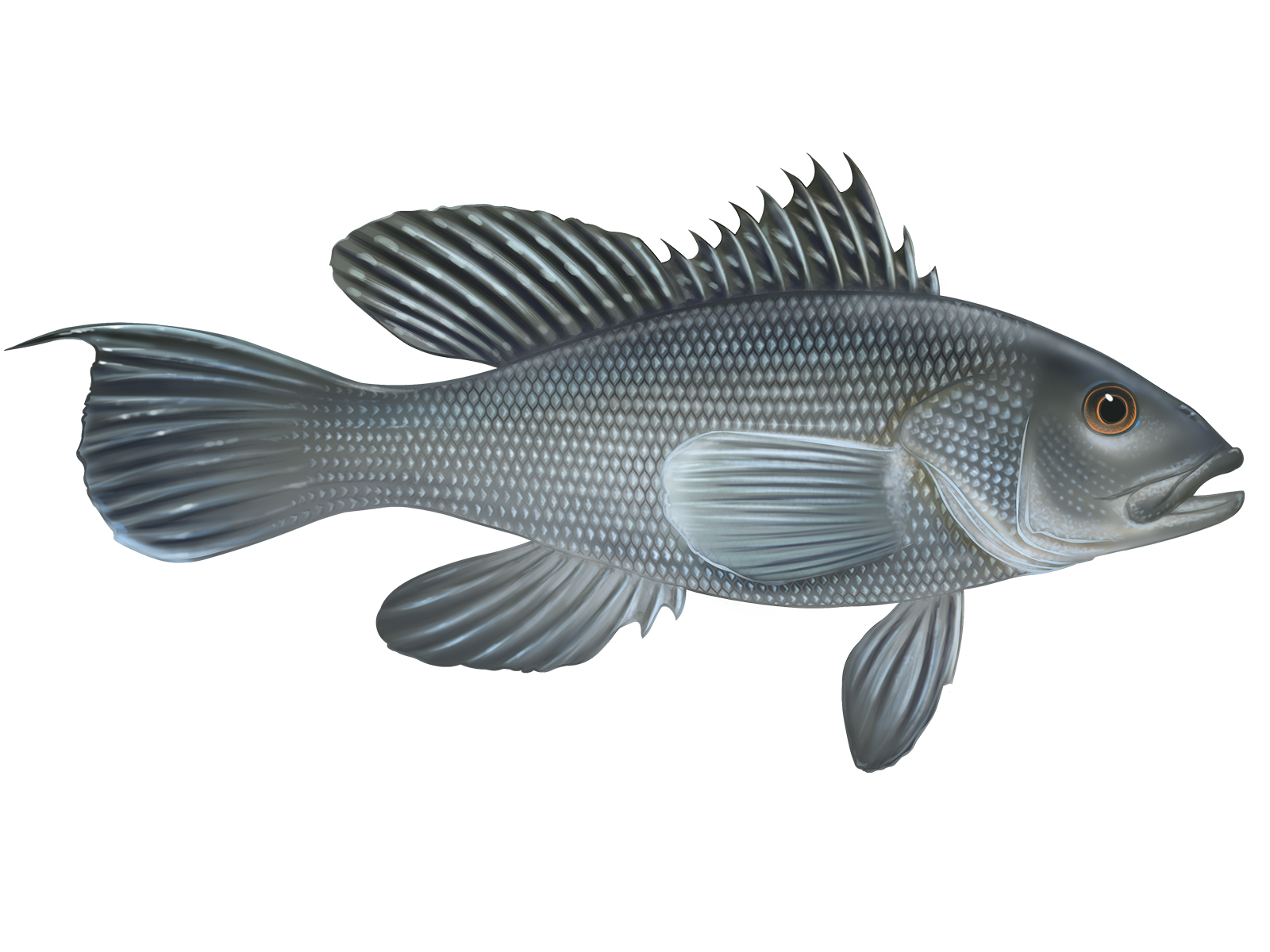
Sea bass might not be the flashiest fish in Long Island Sound, but they're willing biters that put up a solid scrap for their size. These bottom dwellers love structure – rocks, wrecks, and hard bottom where they can ambush crabs and small baitfish. Most sea bass here run 1-3 pounds, with bigger fish mixed in during peak summer months. They're excellent table fare and relatively easy to clean, making them perfect for anglers looking to bring home a fresh dinner. The bite is usually pretty obvious – sea bass don't nibble, they grab baits and head for cover.
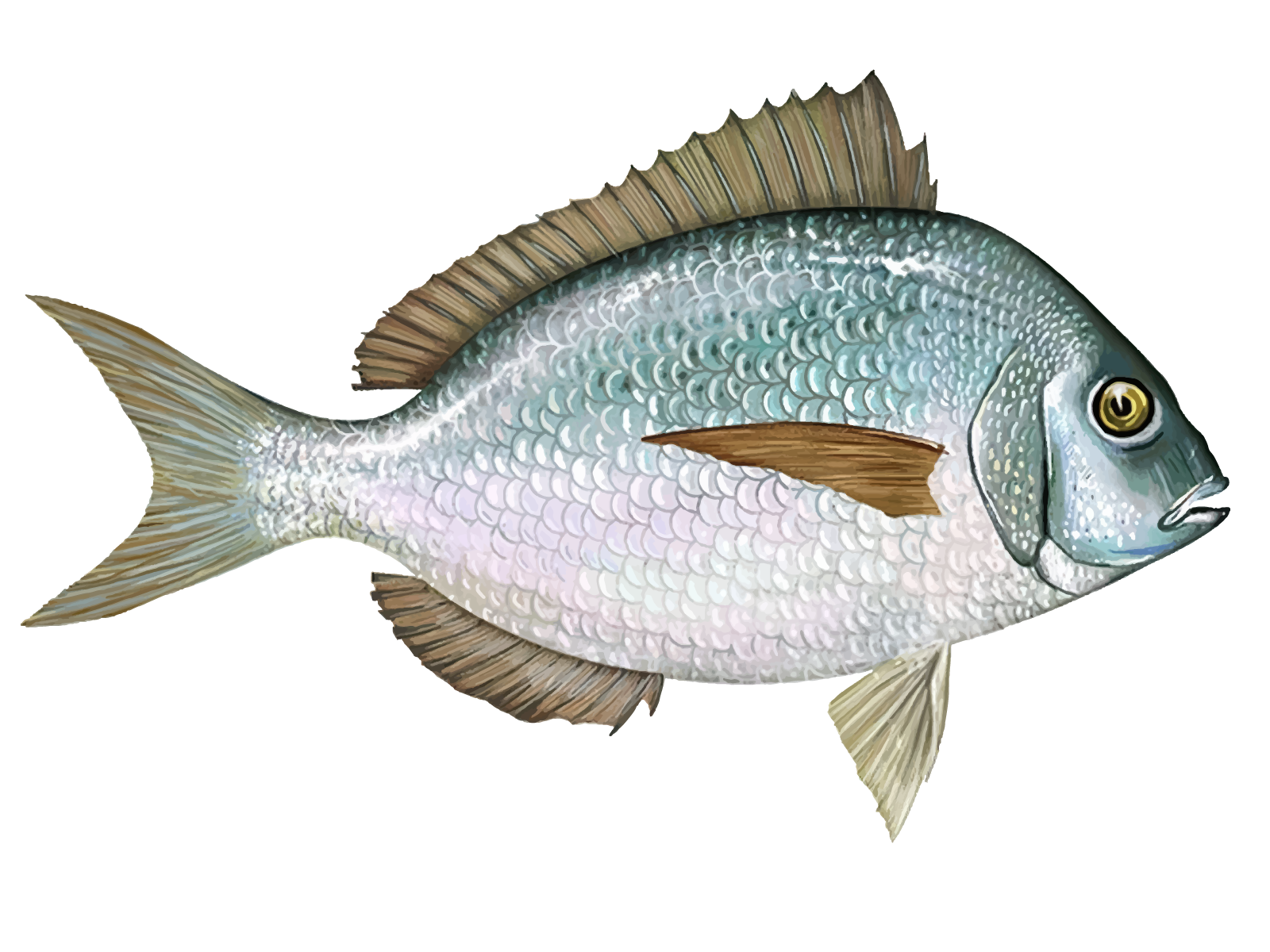
Scup, also known as porgies, are often overlooked but provide fast action when other species aren't cooperating. These panfish are abundant in New London waters and eager to bite, making them perfect confidence builders for kids or inexperienced anglers. Don't let their size fool you – porgies fight hard for their weight and make excellent bait for bigger fish when the bite is slow. They school heavily during summer months, so when you find them, you can often catch them as fast as you can drop baits down.
Time to Book Your Spot
Half-day charters like this fill up fast, especially during peak season when the fishing is red hot. Set The Hook CT LLC has built a solid reputation by putting clients on fish and adapting to conditions rather than stubbornly sticking to one approach. The morning schedule works perfectly if you want to fish the prime early bite and still have your afternoon free for other plans. At four anglers max, you're getting a personalize
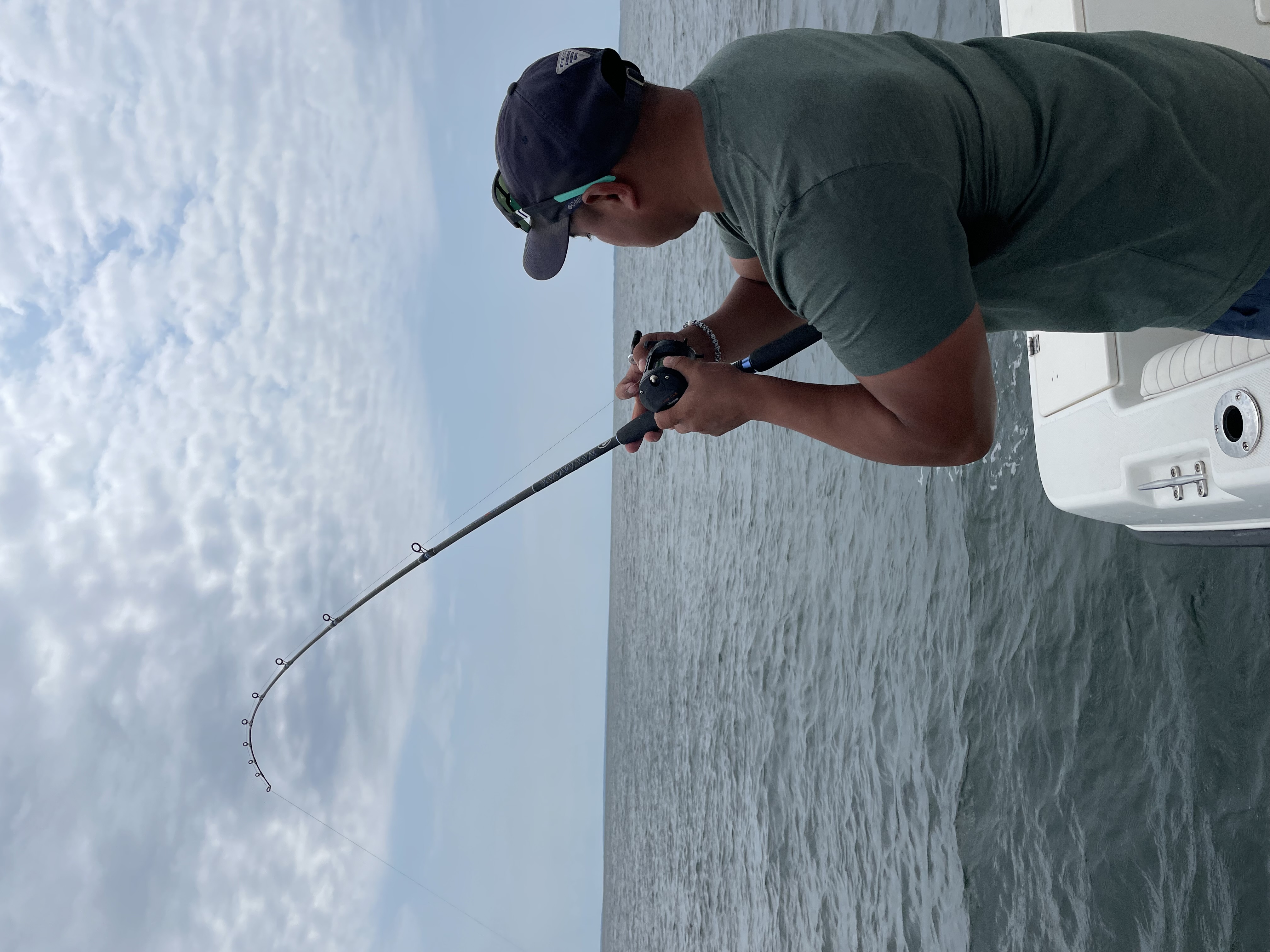
 Private Trip
 Inshore Fishing
 New London, CT

 Half-day charter accommodates up to 4 anglers comfortably.