Matagorda Bay Afternoon Redfish & Drum Charter
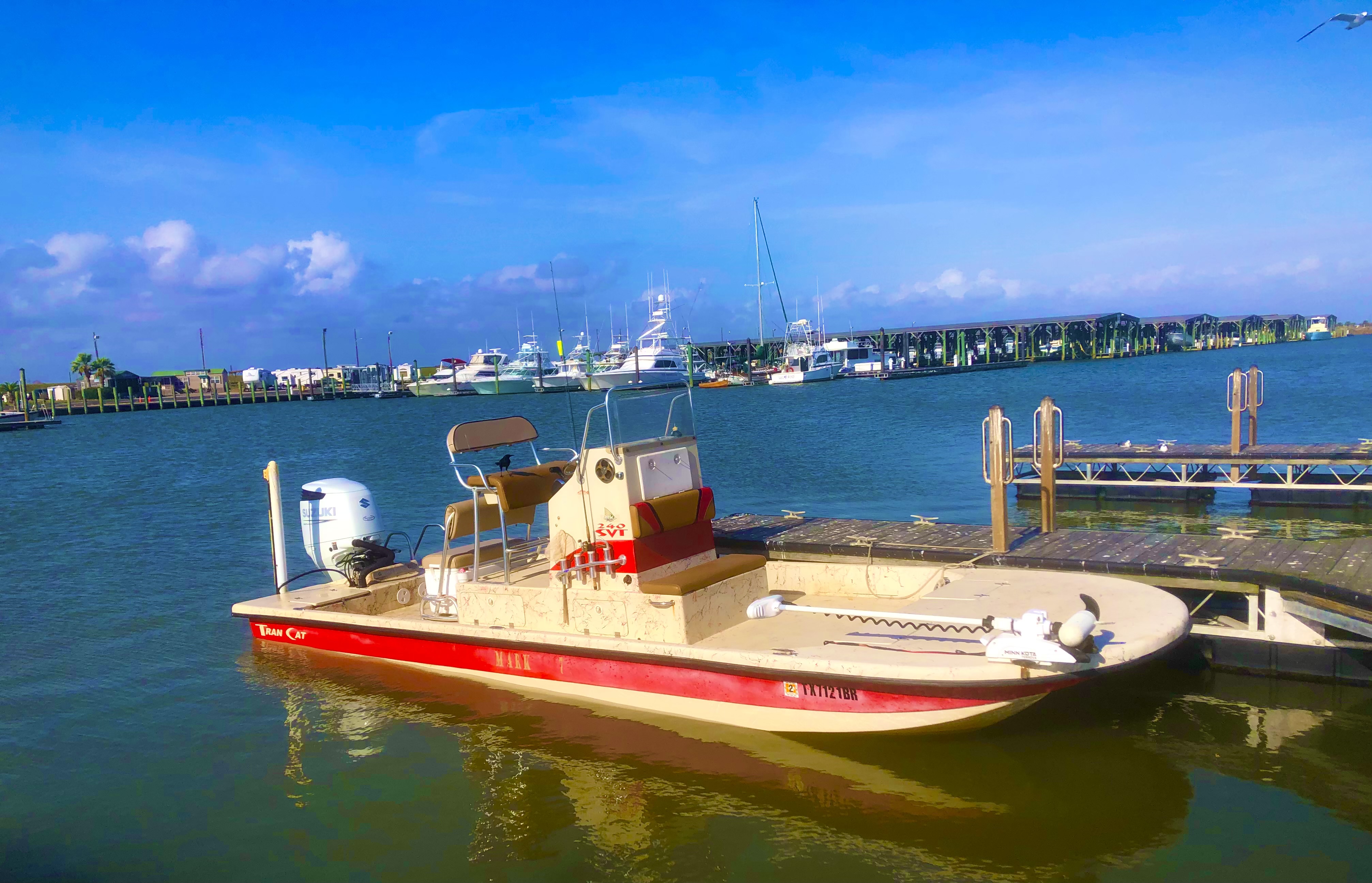
Captain Chad knows these waters like the back of his hand, and he's ready to put you on some seriously good fish in Matagorda Bay. This isn't your typical crowded party boat deal – we're talking about a private 5-hour afternoon charter that targets the bay's best inshore species. You'll be fishing both East and West Matagorda bays, hitting the spots where redfish, black drum, and sheepshead love to hang out. With room for up to four anglers, this trip gives everyone plenty of elbow room to work their lines without bumping into each other.
What to Expect on the Water
When you step aboard Captain Chad's boat, you're getting more than just a fishing trip – you're getting a local education. This guy has been working these bays for years and knows exactly where to find fish when conditions get tough. The afternoon timing is perfect for Matagorda Bay because that's when the tide changes start moving baitfish around, and predators follow. You'll spend five solid hours working different structures, grass beds, and drop-offs that hold fish year-round. The boat comfortably handles four people, so nobody's fighting for space or getting their lines tangled. Chad provides all the tackle you'll need, plus live shrimp when available – that's the good stuff that really gets these inshore species fired up. All you need to bring is a valid Texas fishing license and maybe some snacks if you get hungry.
Techniques & Tackle Setup
Captain Chad runs a variety of techniques depending on what the fish are doing and where they're holding. You'll likely be throwing soft plastics on jig heads around structure, working topwater plugs over grass flats during the right conditions, and dropping live or cut bait near oyster reefs and channel edges. The tackle setup is dialed in for these Texas inshore species – medium-action rods with spinning reels spooled with 15-20 pound braid, because you never know when a big red is going to make a run into the grass. Wade fishing might come into play if the conditions are right and the fish are shallow, but most of the action happens from the boat. Chad reads the water constantly, adjusting his approach based on wind, tide, and what the baitfish are doing. This isn't random casting – every spot has a purpose, whether it's a shell bed that holds black drum or a grass edge where reds like to ambush prey.
Customer Stories
"I thoroughly enjoyed our fishing trip and afternoon with Captain Chad. He was very knowledgeable about the Matagorda area and it's history. We were dealing with some windy conditions but Captain Chad still found a way to put us on the bite. It was very comfortable fishing 4 people with his boat. I will most definitely be booking another guided fishing trip with Chad again soon." - BRANDON
Target Species Breakdown
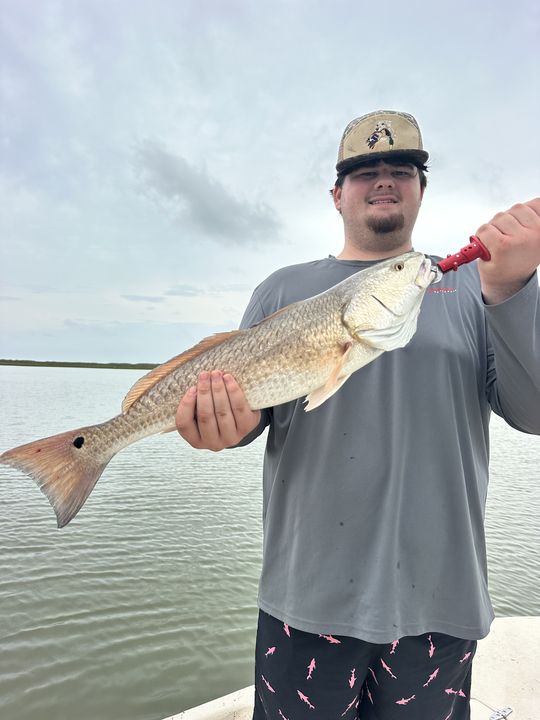
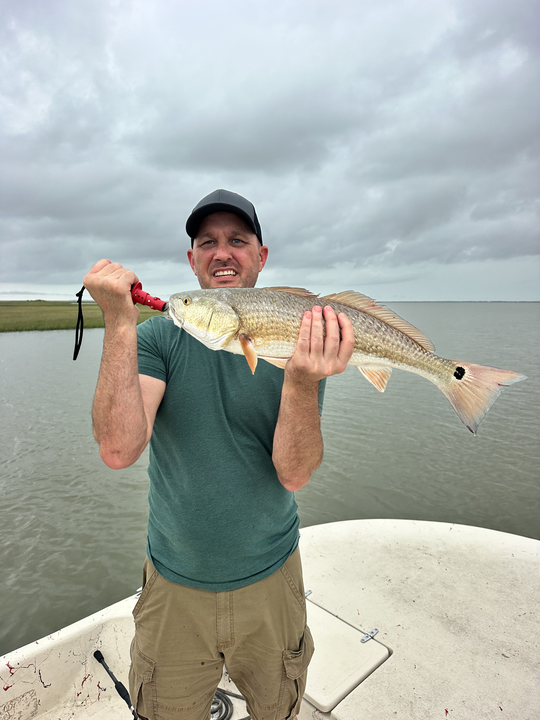
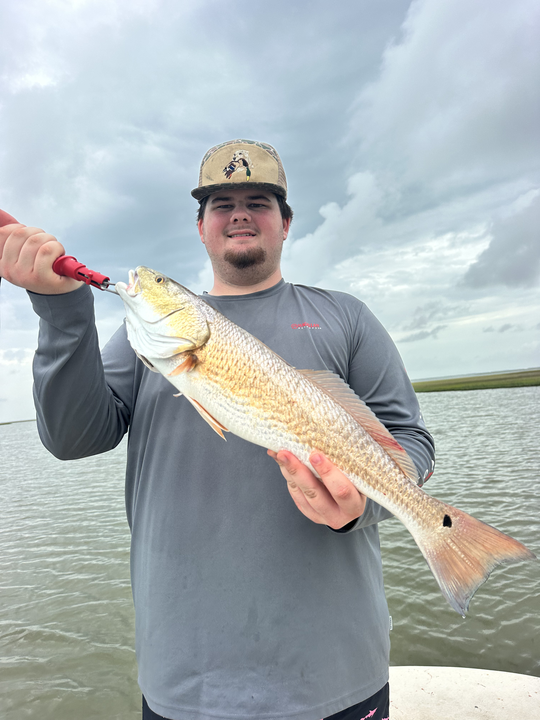
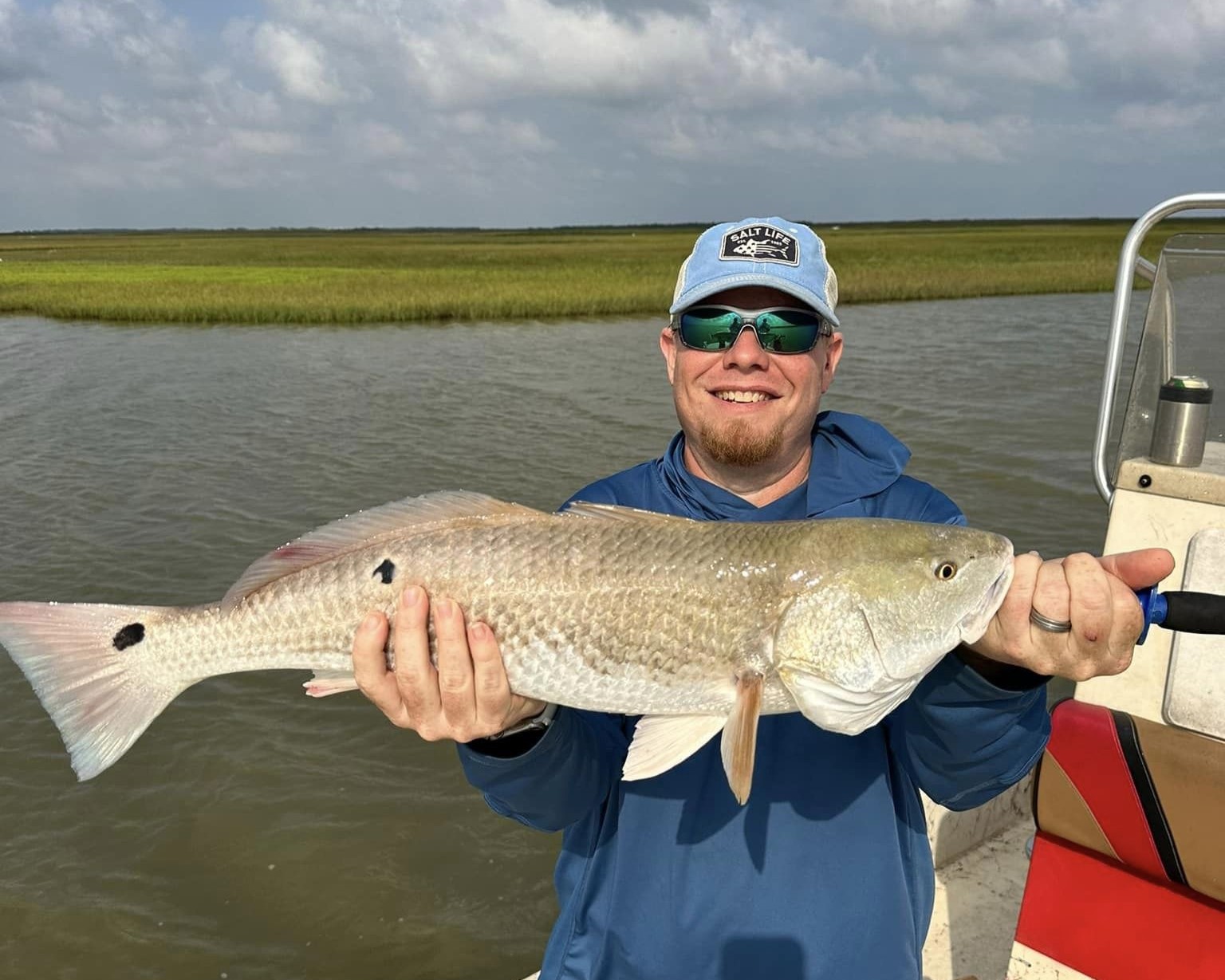
Redfish are the crown jewel of Texas inshore fishing, and Matagorda Bay holds some real bruisers. These copper-colored fighters typically run 18-28 inches in the bay, with plenty of slot fish and some oversized bulls mixed in. Reds love to cruise the grass flats and oyster reefs, especially during moving tides. They're aggressive feeders that'll hit everything from topwater plugs to live shrimp, and when they grab your bait, you'll know it. The fight is what makes them special – they'll make long runs and use their broad tails to bulldoze through the water. Fall and spring are prime time, but you can catch quality reds here year-round.
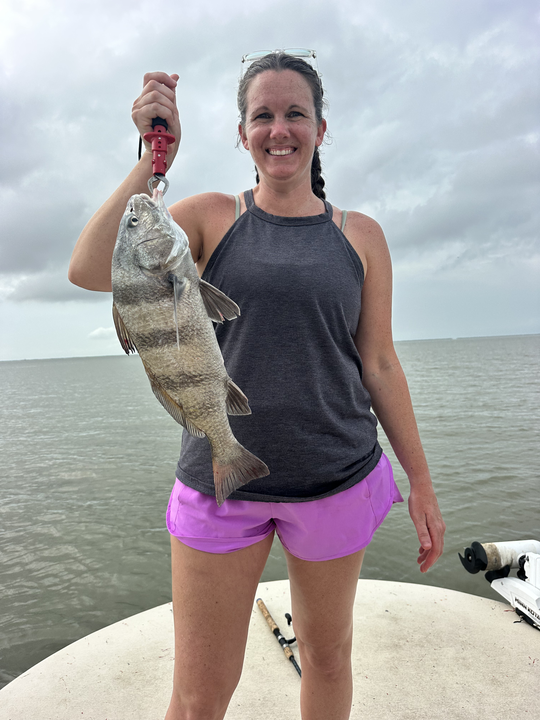
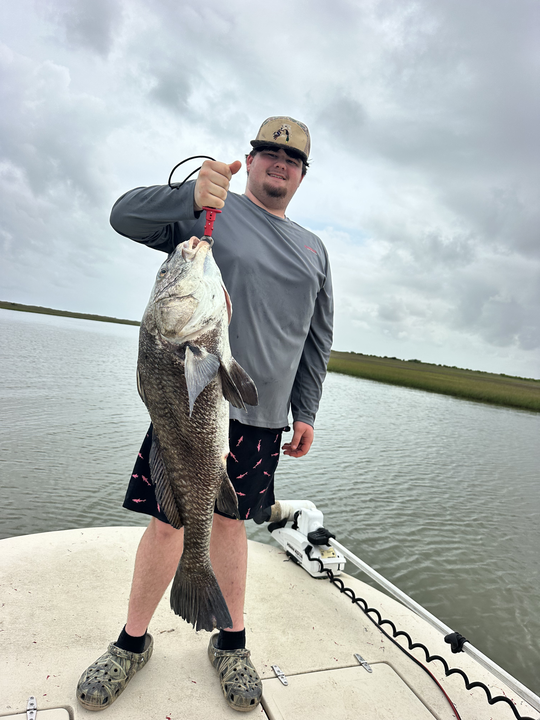
Black drum might not be the prettiest fish in the bay, but they're some of the strongest fighters you'll encounter in shallow water. These bottom-huggers can range from schooling juveniles around 2-5 pounds up to massive adults that can top 30 pounds. They love to root around oyster bars and shell beds, using their pharyngeal teeth to crush crabs and oysters. Cut bait and live shrimp fished on the bottom are your best bets. When a big drum takes off, it's like hooking a truck – they use that deep body and powerful tail to test your drag and your patience.
Sheepshead are the technical challenge of the bunch, with mouths full of human-like teeth designed for picking barnacles and small crabs off structure. These black-and-white striped fish require finesse and quick reflexes – they're notorious bait stealers that can clean your hook before you even know they were there. Live or fresh dead shrimp fished tight to pilings, reefs, or other hard structure is the way to go. They typically run 12-16 inches in the bay, and while they're not the biggest fish you'll catch, they're some of the best eating. Winter months are when they really turn on around structure.
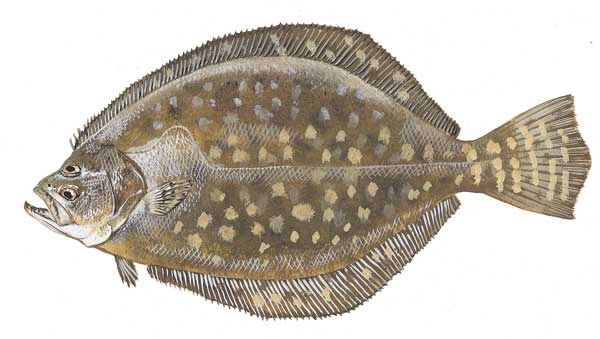
Southern flounder are the ultimate ambush predators, lying flat on sandy bottoms waiting for unsuspecting baitfish to swim overhead. These flatfish can be tricky to locate, but Captain Chad knows the drop-offs, channel edges, and mud flats where they like to set up. Soft plastics bounced along the bottom or live shrimp drifted with the current work best. Flounder typically range from 14-20 inches, with some real doormat-sized fish pushing 4-6 pounds. They're excellent table fare and provide a different kind of fight – more head-shaking and rolling than the power runs of redfish.
Sea trout round out the mix as willing biters that can be found throughout the bay system. These spotted beauties love grass flats and sandy potholes, especially during warmer months. They're perfect for topwater action early and late in the day, but they'll also hit soft plastics and live bait throughout the afternoon. Most trout in the bay run 12-18 inches, with some real gator trout exceeding 20 inches and
 4.0(1 Reviews)
 4.0(1 reviews)
 Private Trip
 Inshore Fishing
 Matagorda Bay


 Private 5-hour afternoon charter targeting redfish and black drum