All Day Nearshore Combo Trip
When you're looking for a full day of serious fishing action out of Murrells Inlet, our 8-hour nearshore combo trip delivers everything you could want on the water. This isn't your typical half-day outing – we're talking about a proper fishing adventure that covers all the bases. You'll get the best of both worlds with high-speed trolling runs for pelagic species and solid bottom fishing sessions when the fish are holding deep. With room for up to 4 anglers, this trip keeps things intimate while maximizing your chances at landing multiple species throughout the day.
What to Expect on the Water
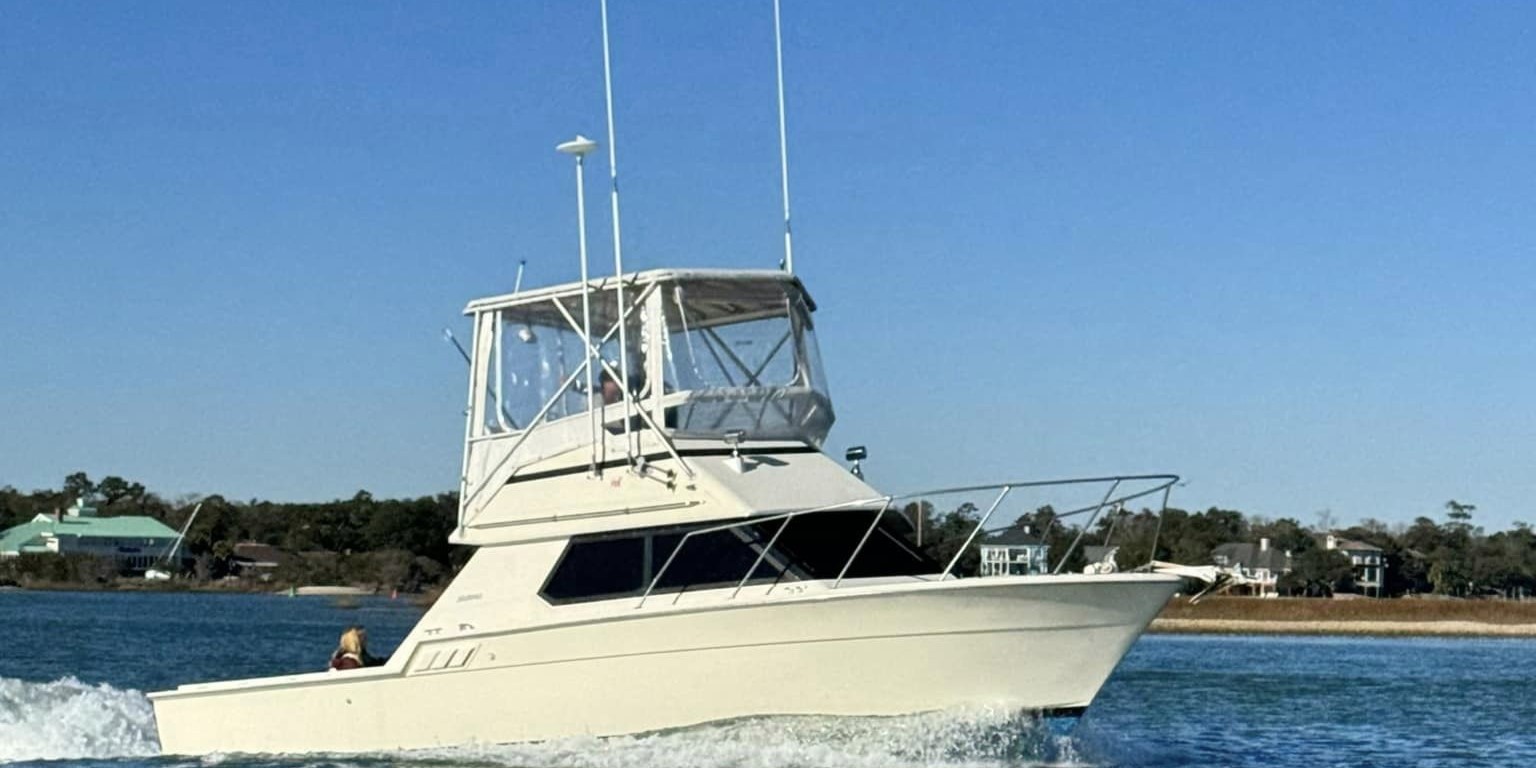
We kick things off early, heading out from Murrells Inlet with a game plan that adapts to conditions and what's biting. The beauty of an 8-hour charter is flexibility – we can run up to 25 miles offshore when weather allows, hitting those productive zones where the big fish hang out. You'll start with trolling spreads targeting fast-moving predators, then shift gears to bottom rigs when we find structure holding amberjack or other reef dwellers. The extended time frame means we're not rushing between spots; instead, we can work areas thoroughly and move when the action slows. Expect to cover serious water and experience the full spectrum of nearshore fishing techniques.
Trolling Spreads & Bottom Rigs
Our trolling setup is designed to pull multiple species at once – we'll run a combination of spoons, diving plugs, and live bait depending on what's working. The spread typically covers different depths and speeds to appeal to various predators cruising the area. When Spanish mackerel are schooled up, we might pull smaller spoons closer to the surface, while king mackerel usually prefer deeper-running baits with more flash. For bottom fishing, we switch to heavy conventional tackle with circle hooks and natural baits. Structure fishing requires precise boat positioning and the right sinker weights to keep baits in the strike zone. We carry everything from light spinning gear for smaller species up to heavy conventional setups capable of handling big amberjack.
Top Catches This Season
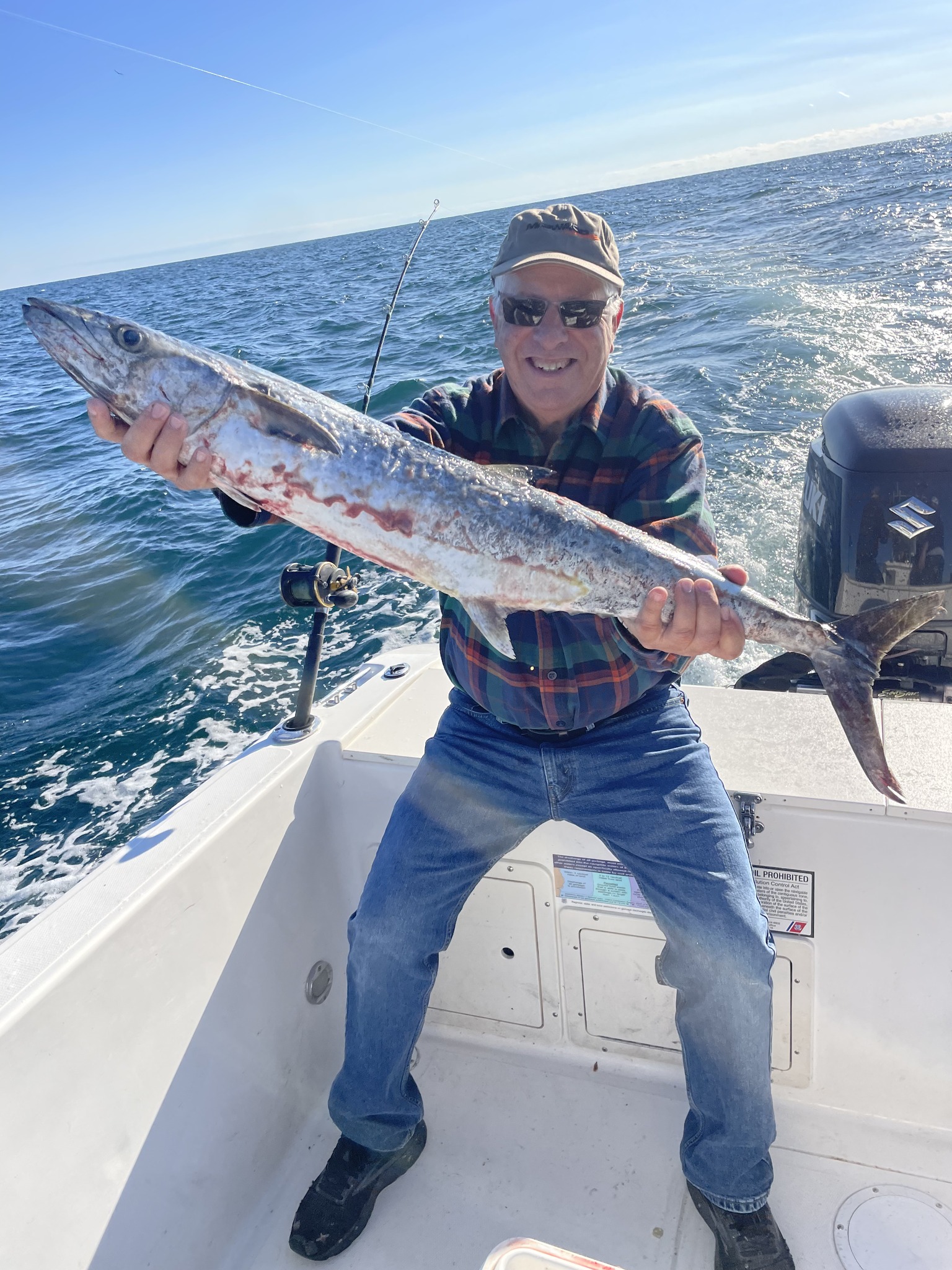
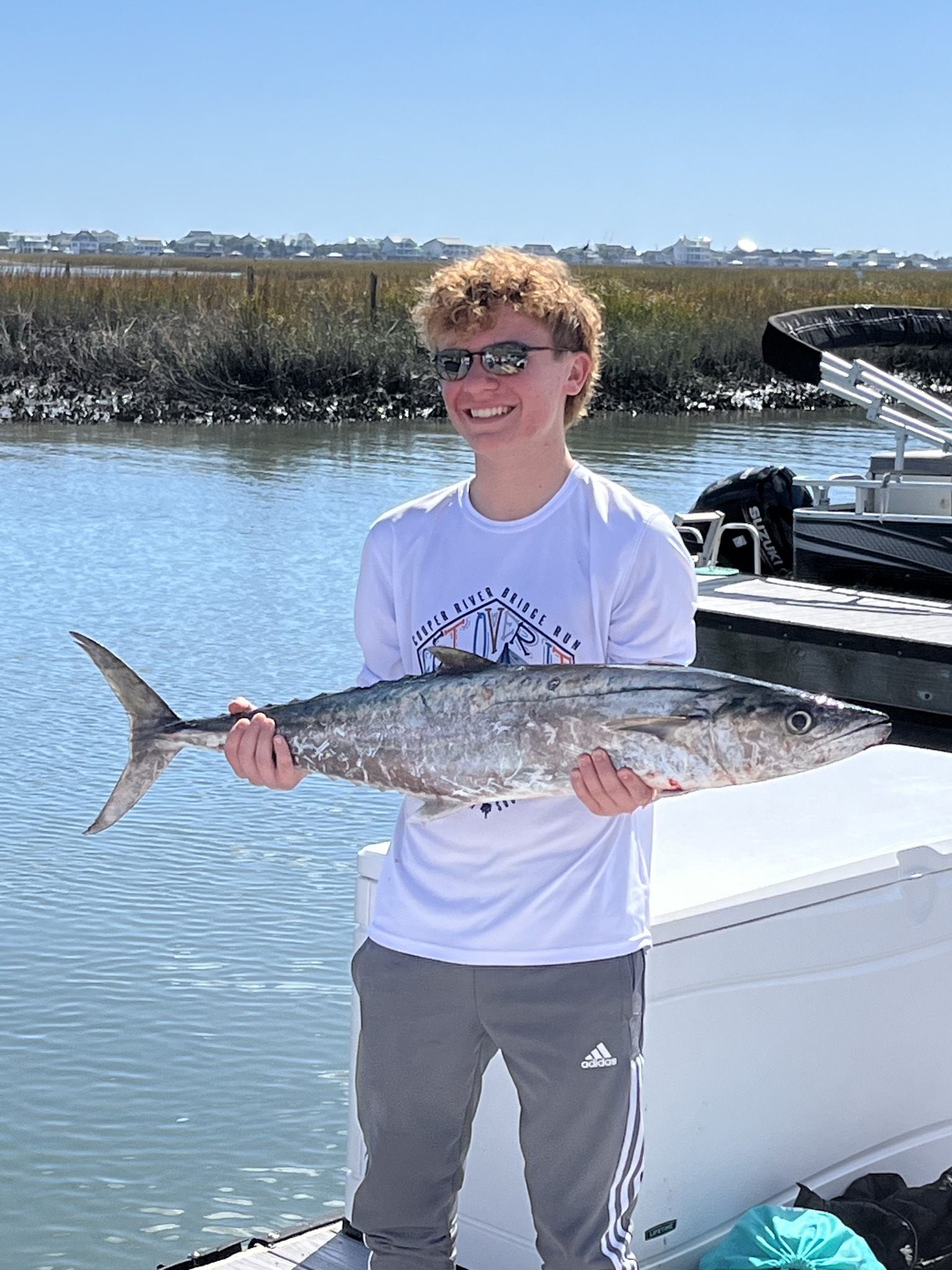
King Mackerel are the crown jewel of our nearshore trips, with fish ranging from schoolie-sized "snake kings" up to trophy specimens over 40 pounds. These fish are most active during warmer months and prefer live bait presentations or fast-trolled spoons. The fight is legendary – long, blistering runs that test your drag system and endurance. What makes kings special here is their year-round presence, though fall and early winter often produce the largest specimens.
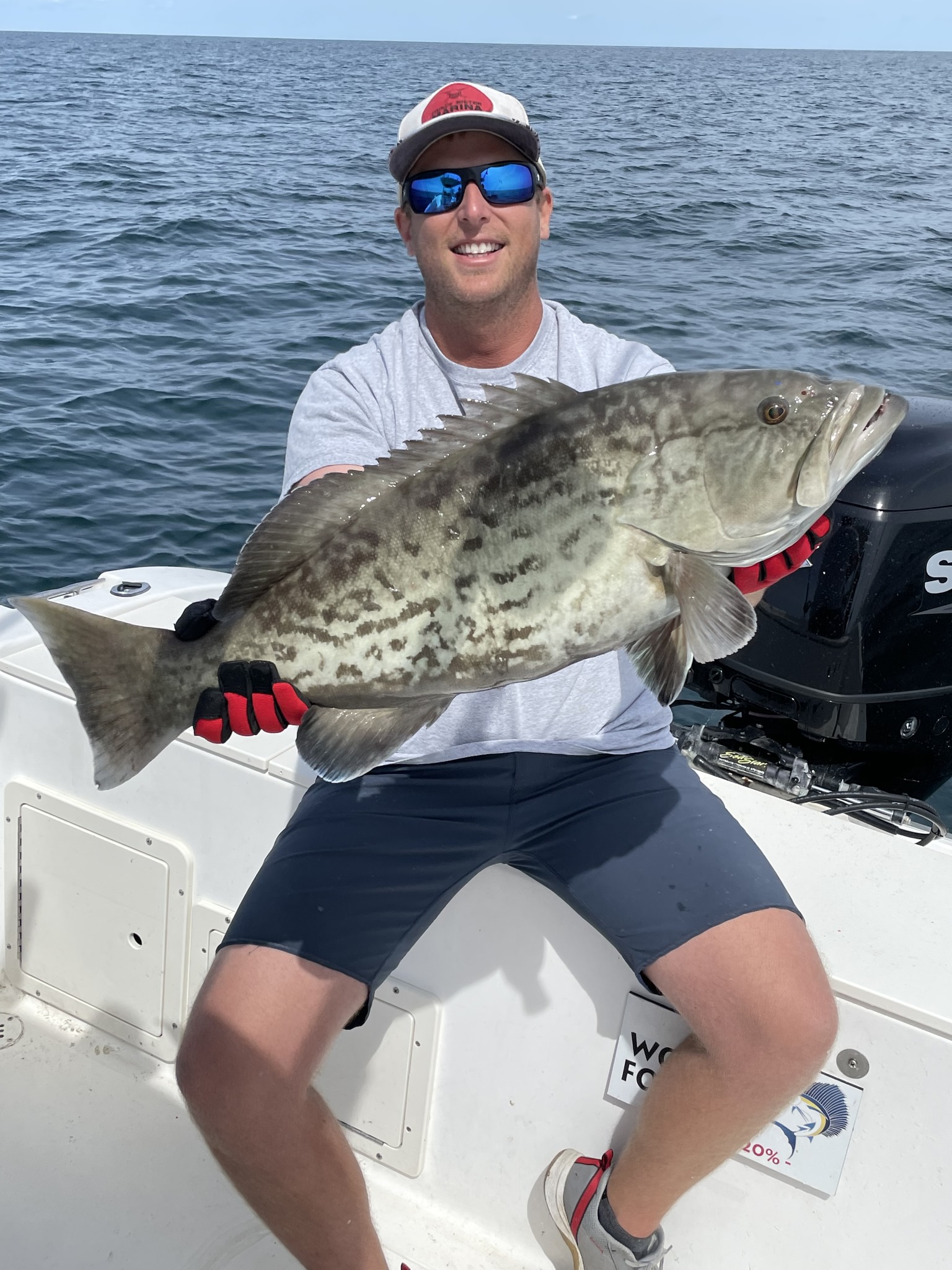
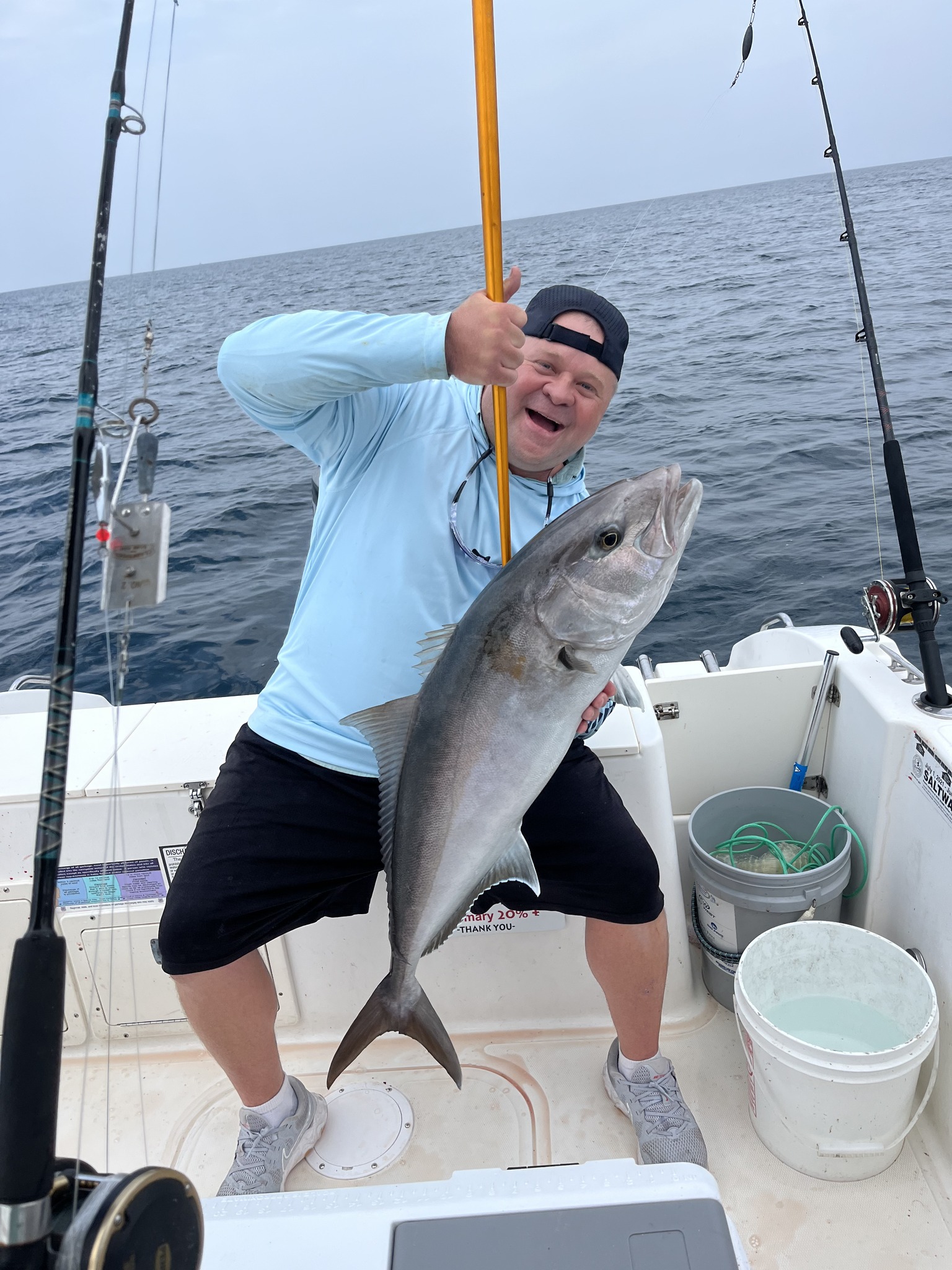
Greater Amberjack are the bullies of the bottom, typically found around structure in 40-80 feet of water. These bruisers average 20-50 pounds but can exceed 60 pounds during peak season. They're ambush predators that hit hard and immediately dive for cover, making the first few minutes of the fight crucial. Summer through fall offers the best action, and their powerful runs combined with bulldog determination make them a favorite among serious anglers.
Great Barracuda add serious excitement with their aggressive strikes and acrobatic fights. These toothy predators are lightning fast and often surprise anglers with their size – many exceed 3 feet and 15 pounds. They're visual feeders that respond well to shiny lures and live bait, particularly during spring and fall migrations. The combination of speed, jumping ability, and razor-sharp teeth makes every barracuda encounter memorable.
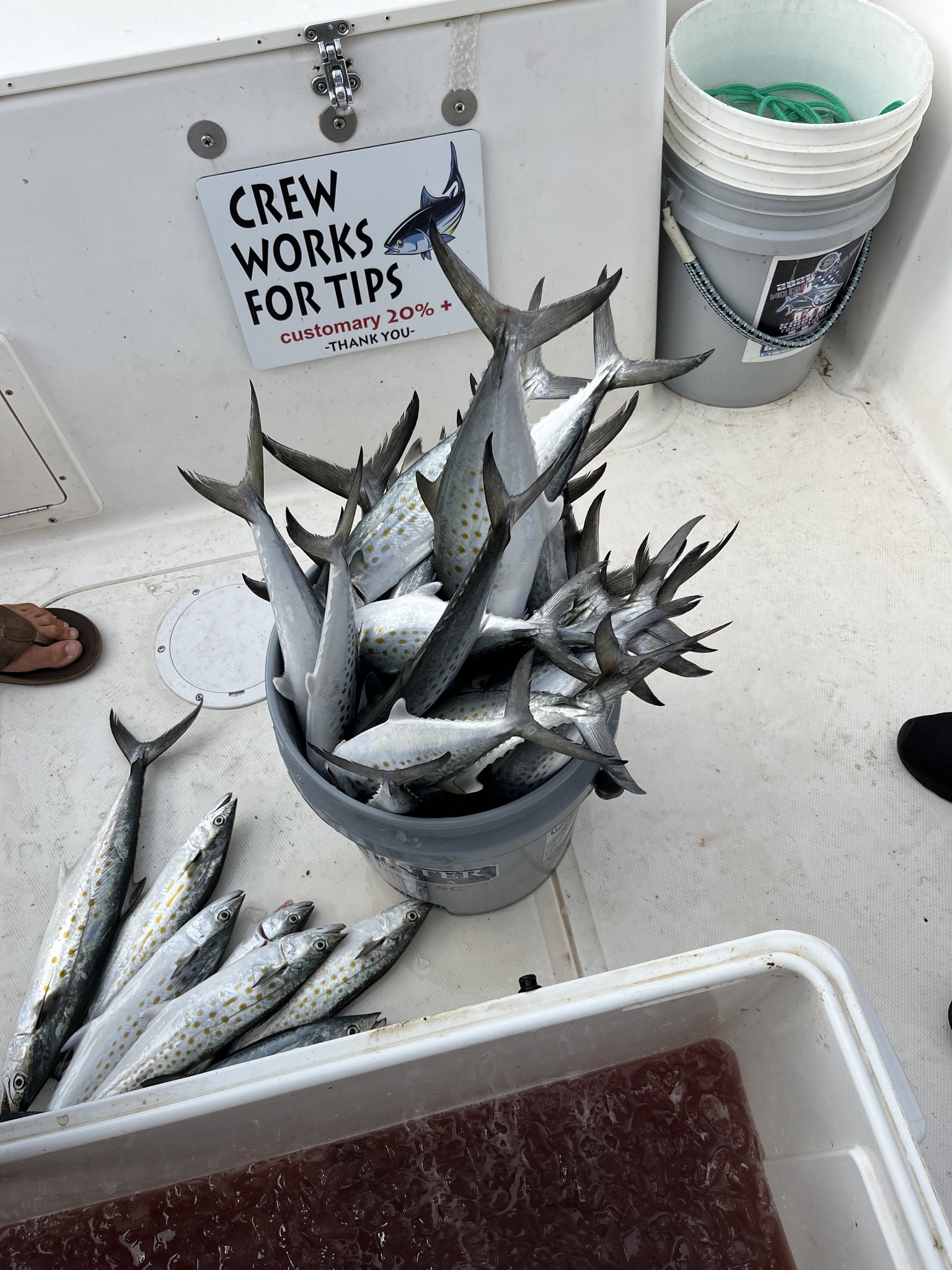
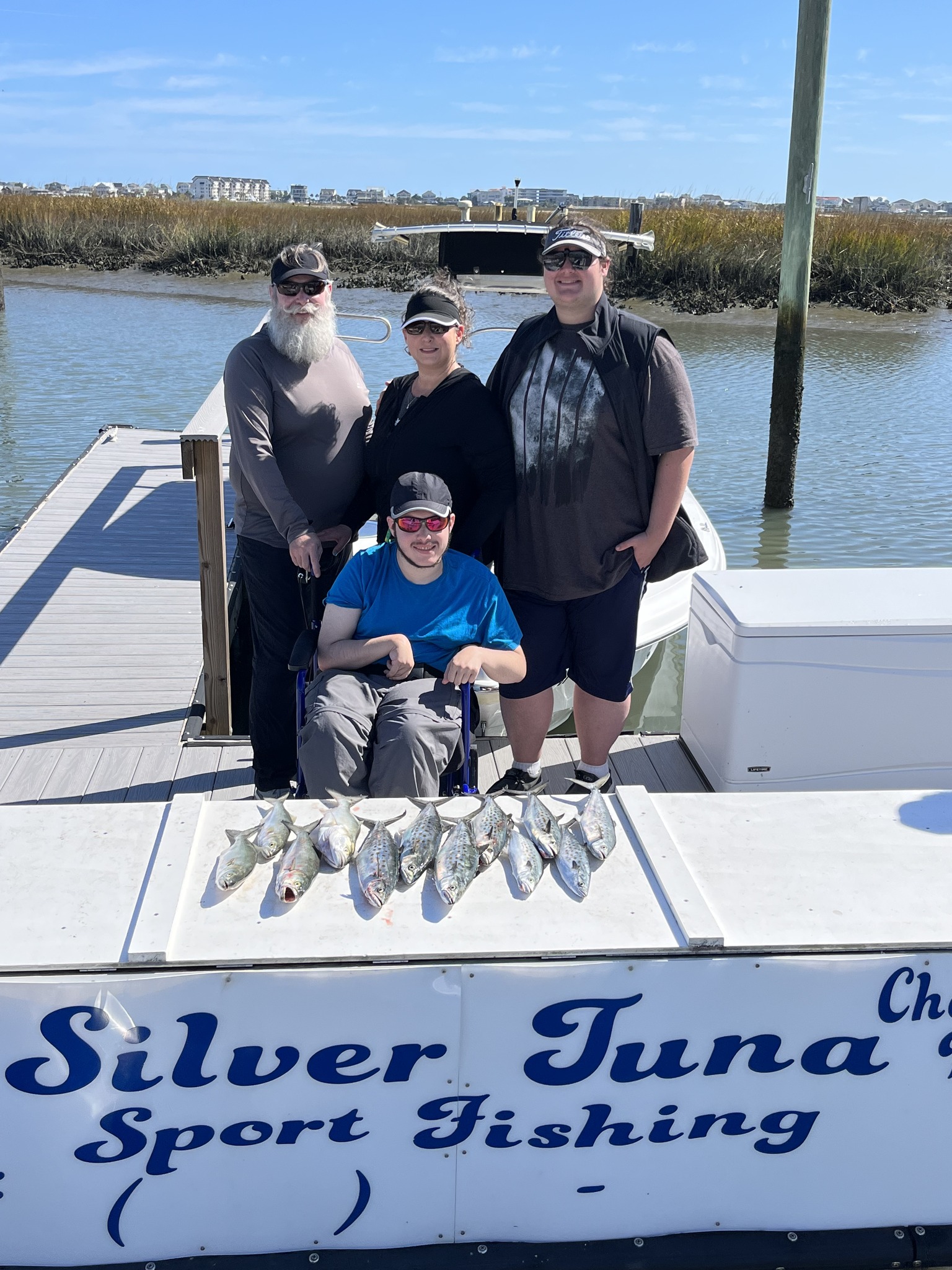
Spanish Mackerel are the action fish of the group, often schooling in large numbers during their seasonal runs. While smaller than their king mackerel cousins, they make up for size with numbers and aggressive feeding behavior. These fish are perfect for light tackle enthusiasts and provide steady action when larger species are finicky. Peak season runs from spring through fall, with some of the best action occurring during their migration periods.
Bluefish round out our target species list with their voracious appetites and hard-fighting nature. These schooling fish can appear suddenly and provide fast-paced action when they're feeding. Blues are opportunistic predators that hit everything from trolled lures to bottom baits, making them a welcome addition to any trip. Their seasonal presence varies, but when they show up, expect multiple hookups and constant action.
Time to Book Your Spot
This all-day nearshore combo trip represents the best value for serious anglers who want maximum time on the water. With 8 hours to work with, we can adapt to conditions and target whatever species are biting best. The 25-mile range opens up productive zones that shorter trips simply can't reach, while the combo approach ensures variety even when one technique isn't producing. Whether you're after a trophy king mackerel or just want a cooler full of quality fish, this trip delivers the goods. Don't wait – prime dates fill up quickly, especially during peak fishing seasons when the bite is hot.
 Private Trip
 Inshore Fishing
 Murrells Inlet, SC

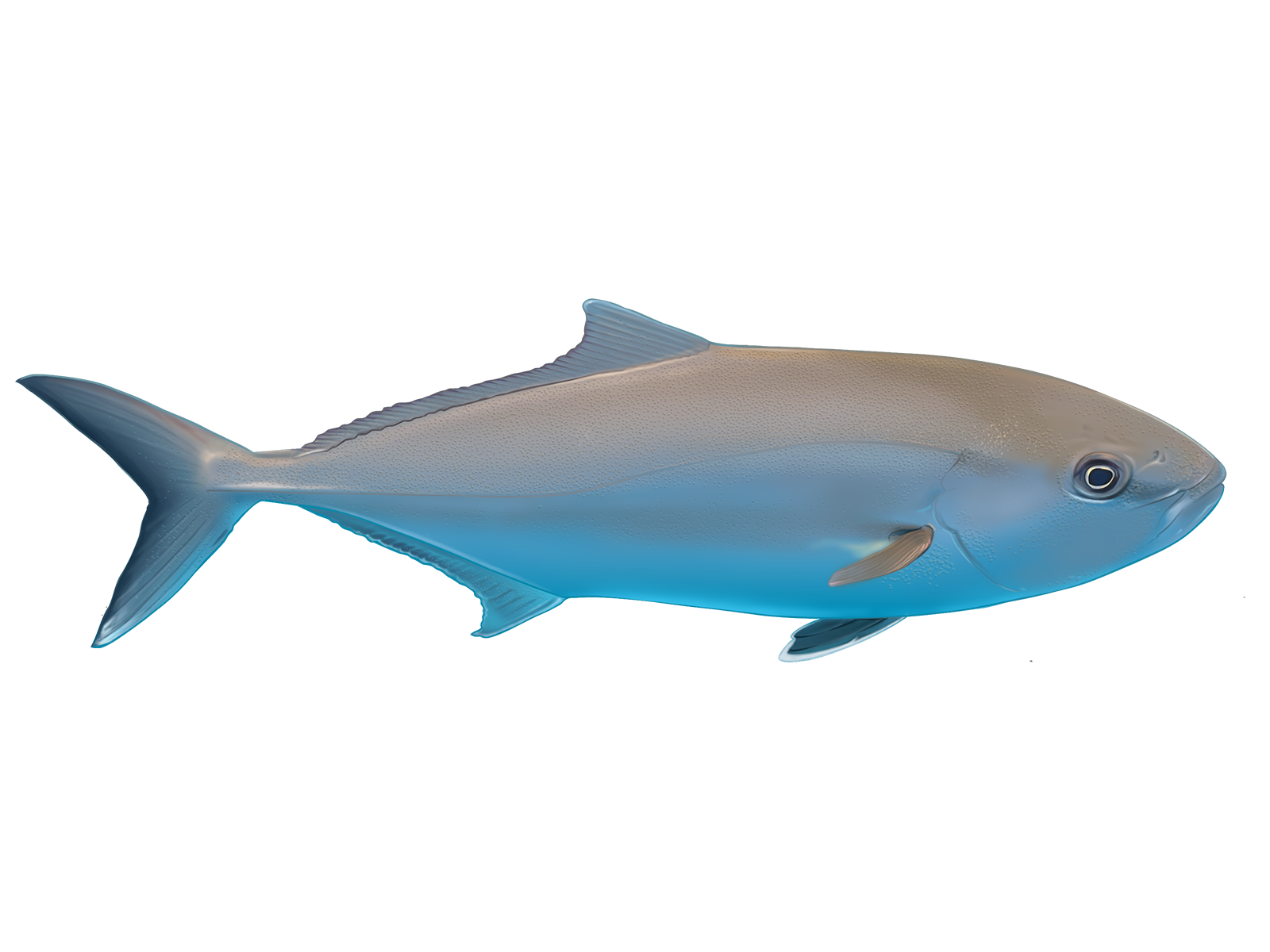


 Eight-hour combo trip combines trolling and bottom fishing techniques