Charleston 4-Hour Inshore Fishing Adventure
There's something special about fishing Charleston's shallow waters, where the grass flats meet winding creeks and every cast holds promise. This 4-hour charter with Skinny Water Charters puts you right in the heart of some of South Carolina's most productive inshore fishing grounds. Whether you're a weekend warrior looking to dial in your technique or a complete beginner who's never held a rod, Captain knows how to put you on fish and make sure you walk away with stories worth telling. The Lowcountry's maze of marshes and oyster bars creates the perfect hunting grounds for some seriously sought-after species, and with just two anglers max, you'll get the personalized attention that makes all the difference between a good day and a great one.
What to Expect on the Water
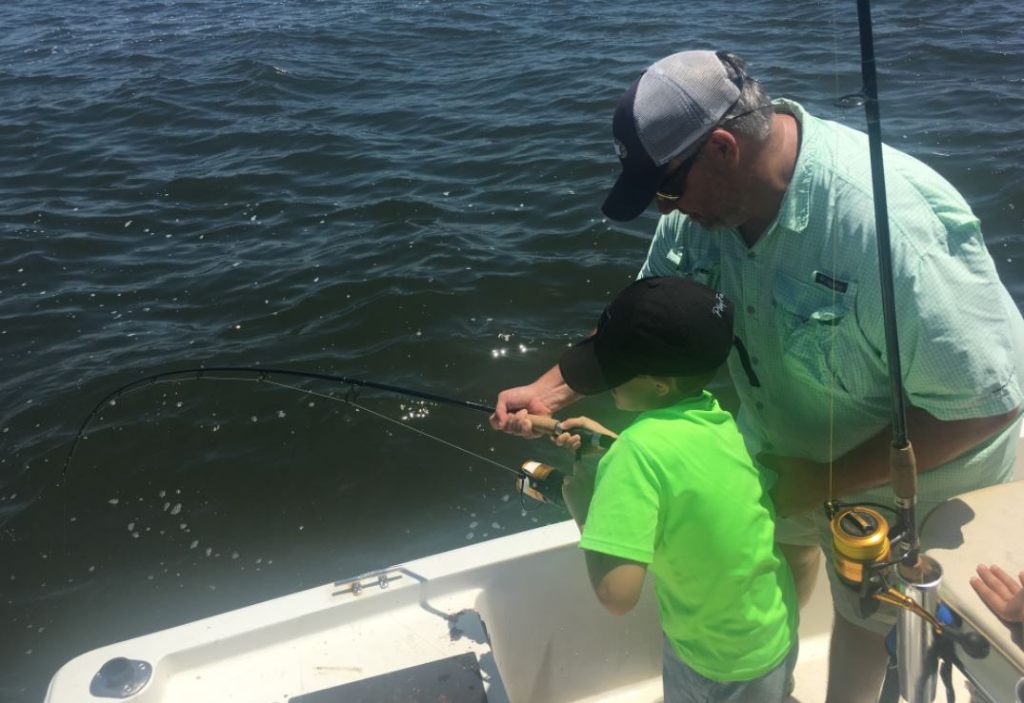
This isn't your typical party boat experience – you're getting the real deal with skinny water fishing. We're talking about working the shallow flats, creek mouths, and structure where these fish live and feed. The captain knows these waters like the back of his hand, reading tides and conditions to put you exactly where you need to be. You'll spend your time sight fishing over grass beds, working creek edges during moving water, and targeting specific structure that holds fish year-round. The beauty of inshore fishing here is the variety – one minute you might be working a shallow flat for tailing redfish, the next you're dropping baits near dock pilings for flounder. With only two guests aboard, there's no fighting for prime casting spots or waiting your turn. The captain takes time to coach your technique, help you read the water, and adjust tactics based on what the fish are telling us that day.
Techniques & Tactics
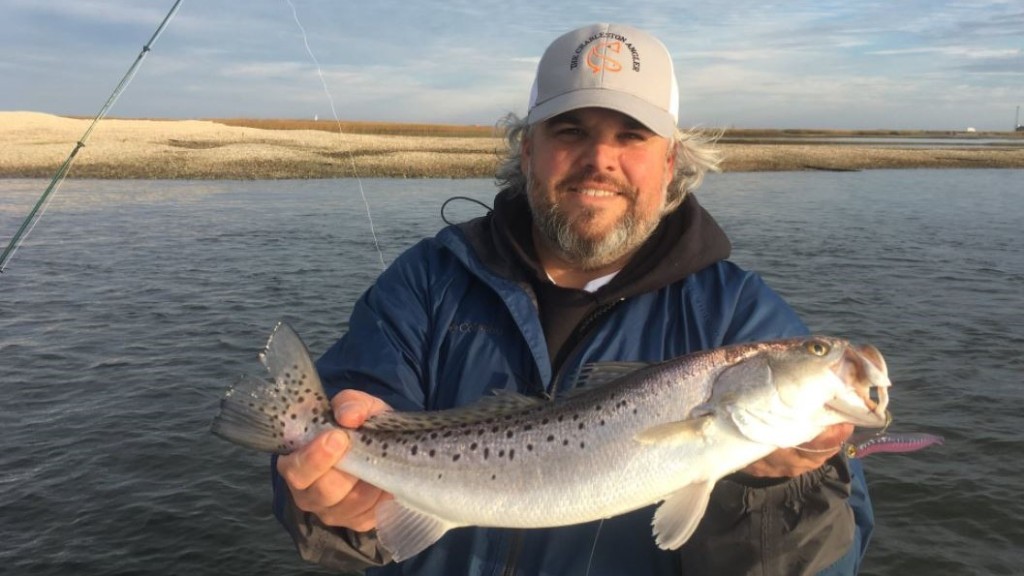
Inshore fishing in Charleston waters calls for finesse and local know-how. We'll be using light tackle that lets you feel every bump and run – typically spinning gear spooled with braided line for sensitivity and hook-setting power in these grass-heavy environments. Depending on conditions and target species, you might be throwing live shrimp under popping corks, working soft plastics along oyster bars, or presenting cut bait near structure. The captain provides all tackle and bait, but he's also happy to let you bring your own setup if you've got preferences. Artificial lures play a big role here – gold spoons for redfish, paddle tail soft baits for trout, and jigs for working deeper holes and creek bends. The key is matching your presentation to the conditions: shallow water calls for weedless rigs, while deeper creek channels let you get away with more traditional bottom rigs. Reading the tide is everything in this game, and the captain times trips to hit moving water when these fish are most active and feeding aggressively.
Species You'll Want to Hook
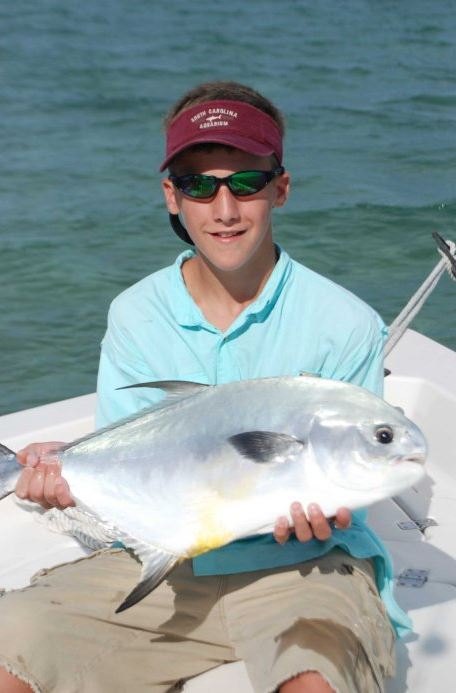
Tarpon are the silver kings of Charleston waters, and when they show up, everything else takes a backseat. These fish typically appear from late spring through early fall, with peak action in summer months when baitfish are thick. They're famous for their aerial displays – once hooked, a tarpon will launch itself clear out of the water in spectacular fashion. Most fish here run 50-150 pounds, though bigger ones cruise through regularly. What makes tarpon special isn't just their size or acrobatics – it's the way they test every aspect of your tackle and technique. They're incredibly strong, surprisingly smart, and absolutely relentless once they decide to run.
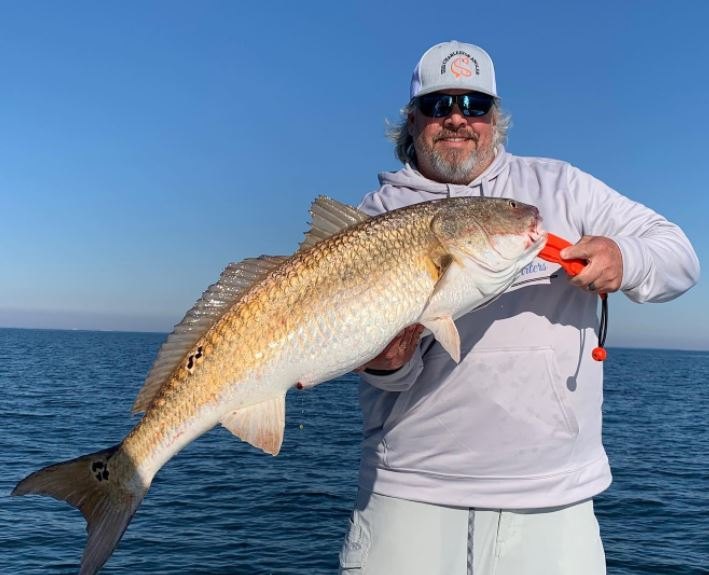
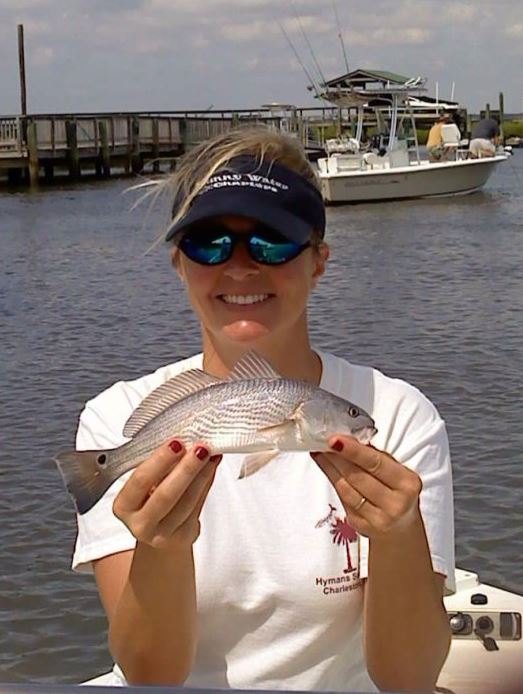
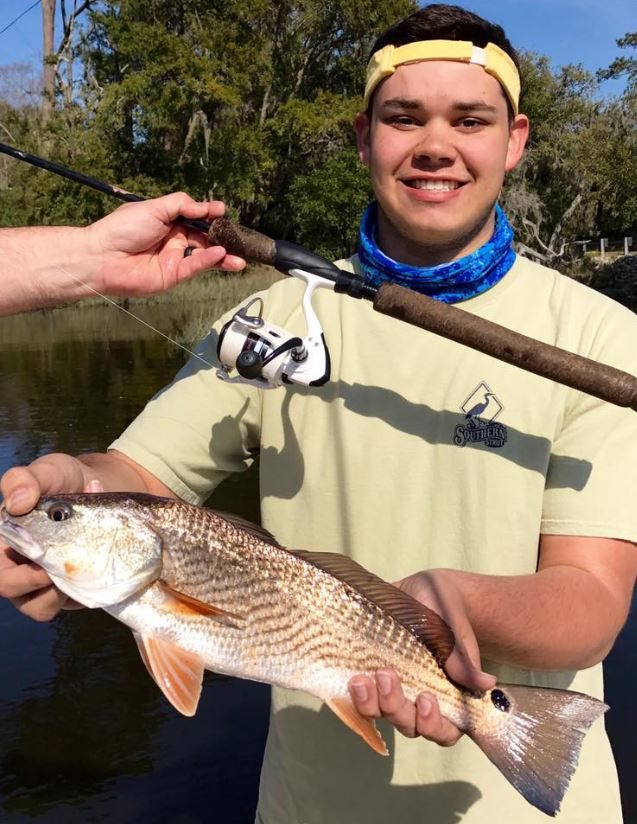
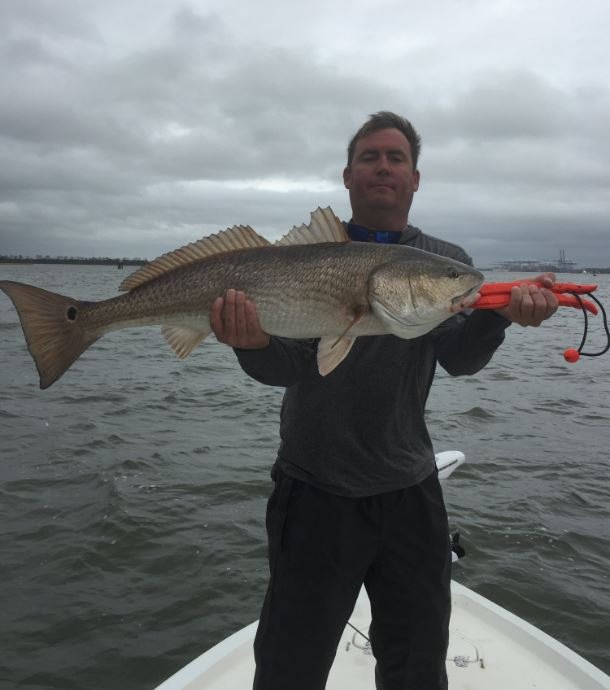
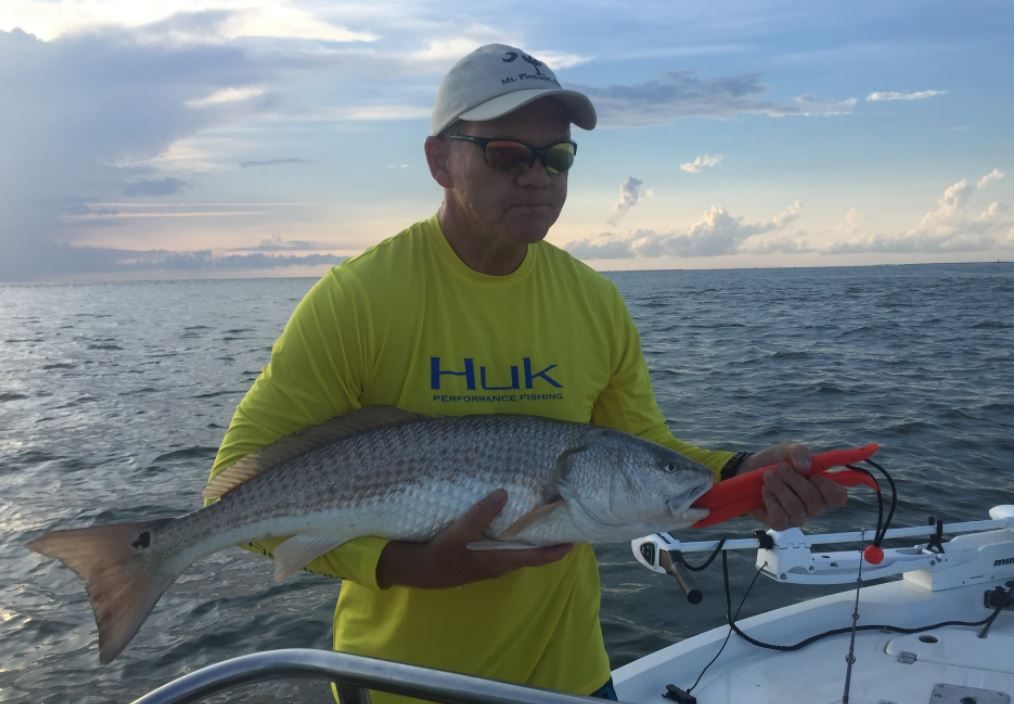
Redfish are the bread and butter of Charleston inshore fishing, and for good reason. These copper-colored bruisers are year-round residents that love shallow water and structure. Spring and fall offer the best action when they're feeding heavily, but summer brings the excitement of sight fishing to tailing reds in skinny water. They're perfect for anglers wanting to learn proper technique – they hit hard, fight smart, and don't give up easily. A typical Charleston red runs 18-27 inches, though oversized fish over the slot provide serious arm-burning action. They're notorious for their initial run toward structure, so having your drag set right and being ready for that first surge is crucial.
Cobia are the wild cards of inshore fishing here – when they show up, they completely change the game. These chocolate-brown fish are curious by nature and incredibly aggressive once they commit to a bait. Peak season runs from April through June when they're moving through on their annual migration, though resident fish hang around structure year-round. They're sight fishing targets that often approach the boat, circling and investigating before deciding to eat. Cobia fight like freight trains, using their broad tails and powerful bodies to test your tackle. They're also fantastic table fare, which makes landing one even more satisfying.
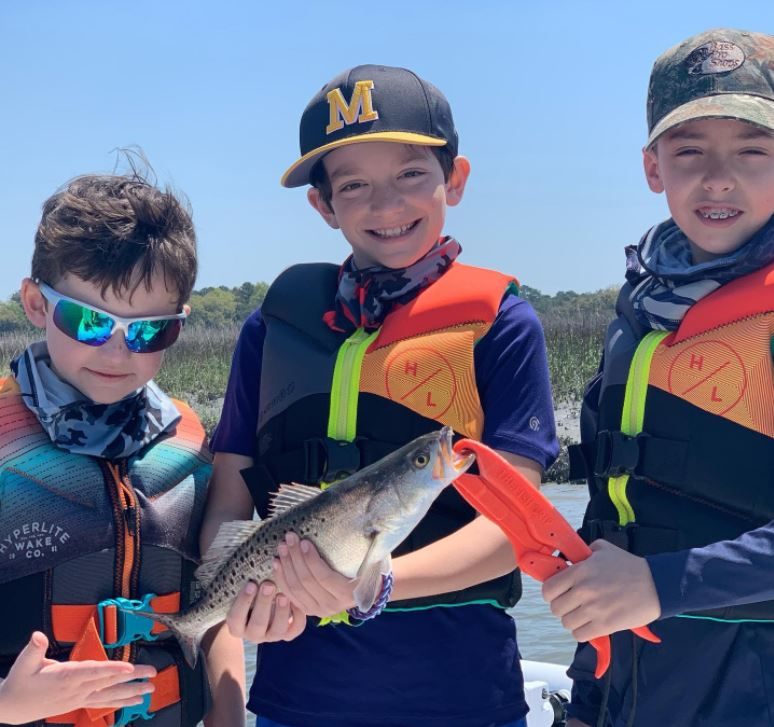
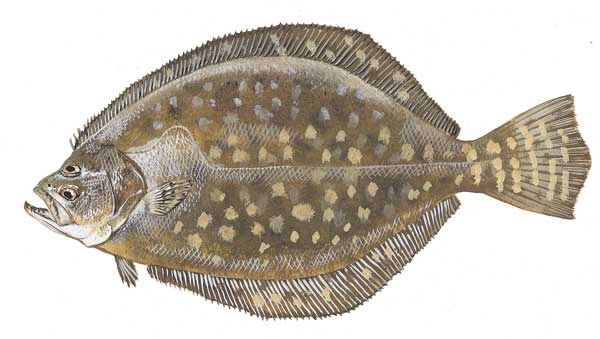
Southern Flounder are the masters of disguise, lying perfectly camouflaged on sandy bottoms waiting for prey to swim by. Fall months bring the best flounder action as they stage near inlets before heading offshore to spawn. These flatfish require patience and the right presentation – they're ambush predators that inhale baits rather than striking aggressively. Working creek mouths and channel edges with live bait or soft plastics bounced along the bottom produces consistent action. They might not win any beauty contests, but flounder are incredible eating and provide a different style of fishing that teaches you to feel subtle bites and set hooks at just the right moment.
Time to Book Your Spot
Charleston's inshore waters fish well year-round, but every season brings something different to the table. The captain's local knowledge and commitment to putting guests on fish makes this charter a top choice for anyone serious about experiencing what Lowcountry fishing has to offer. With personalized instruction, quality tackle, and access to productive waters, you're getting everything needed for a memorable day on the water. The small group size means you'll actually learn something while you're having fun – skills that'll serve you well whether this is your first fishing trip or you're looking to up your inshore game. These Charleston flats and creeks have been producing fish for generations, and there's no better way to experience them than
 Private Trip
 Inshore Fishing
 Charleston, SC


 Target redfish, trout, and flounder on Charleston inshore waters