Beginner Inshore Fishing in Galveston Bay
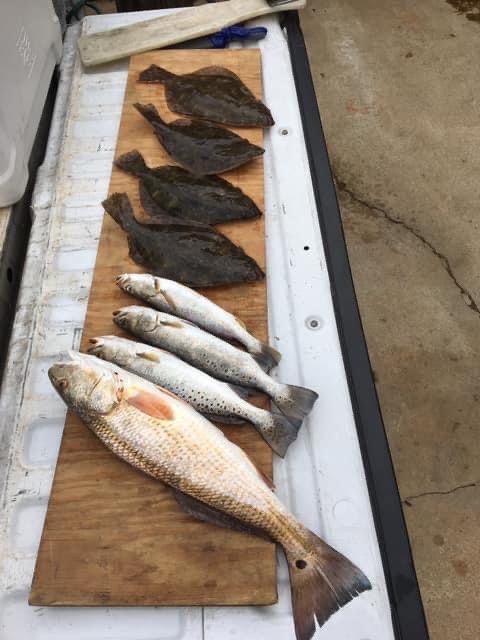
If you've been thinking about trying your hand at inshore fishing, there's no better place to start than Galveston Bay with Captain Jason Custer and Small Time Charters. This 5-hour charter is built specifically for beginners who want to learn the ropes while actually catching fish. You'll be targeting some of the bay's most popular species - Redfish, Speckled Trout, Flounder, and Sheepshead - all while getting hands-on instruction from a guide who knows these waters like the back of his hand. The best part? Everything's included except your fishing license, so you can focus on what matters most: getting fish in the boat.
What to Expect on the Water
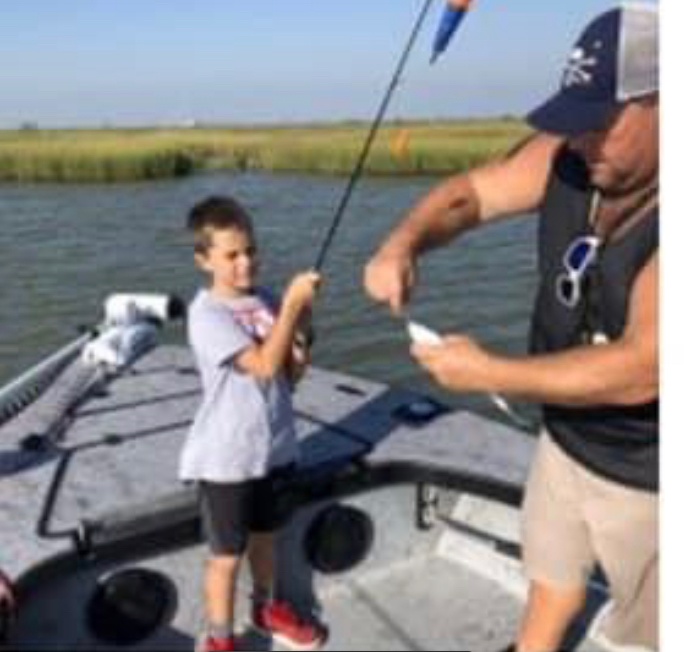
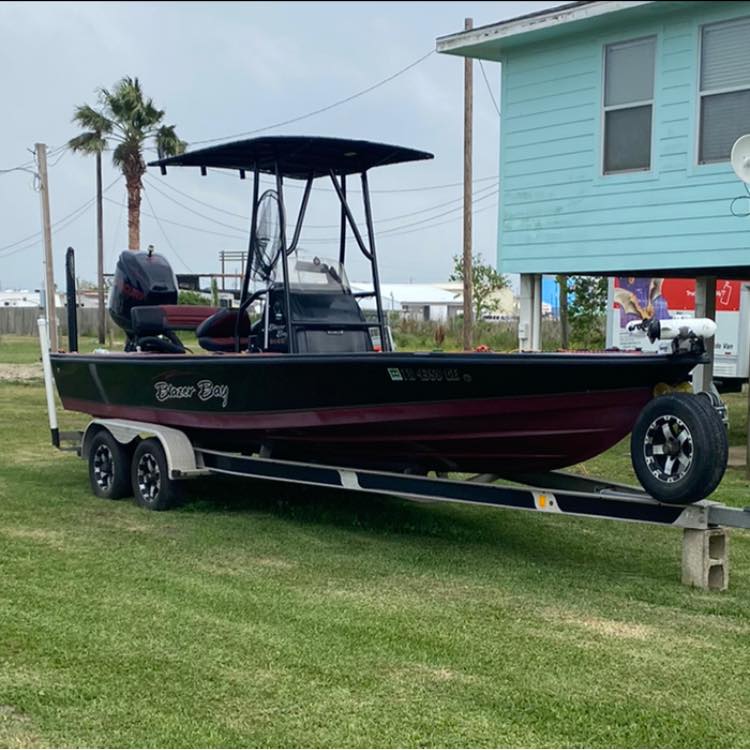
Captain Jason runs a tight ship with his 24-foot Blazer Bay boat, which is perfect for navigating the shallow flats and deeper cuts that make Galveston Bay such a productive fishery. You'll launch early and spend your five hours hitting multiple spots based on tides, weather, and recent fish activity. This isn't a crowded party boat experience - with just two anglers max, you get personalized attention and plenty of rod time. The captain provides all your tackle, from live bait rigs to artificial lures, and he'll teach you when and why to use each setup. Expect to move around the bay quite a bit, as inshore fishing is all about adapting to conditions and following the fish. The boat's shallow draft lets you access areas bigger vessels can't reach, which often means better fishing and fewer crowds.
Tackle and Techniques
Inshore fishing in Galveston Bay requires finesse and local knowledge, both of which Captain Jason brings in spades. You'll primarily use medium-action spinning rods with 20-30 pound braided line, perfect for the structure-heavy environment where these fish live. Live shrimp under popping corks is a go-to technique for speckled trout, while cut bait on Carolina rigs works magic for redfish cruising the flats. The captain also carries an arsenal of soft plastics - think paddle tails and shrimp imitations - rigged on jig heads for working grass beds and drop-offs. You'll learn to read water color, watch for bait activity, and understand how tide movement affects fish behavior. GPS fish finders help locate structure, but the real skill comes in presenting baits naturally and knowing exactly where fish hold during different tide stages.
Target Species
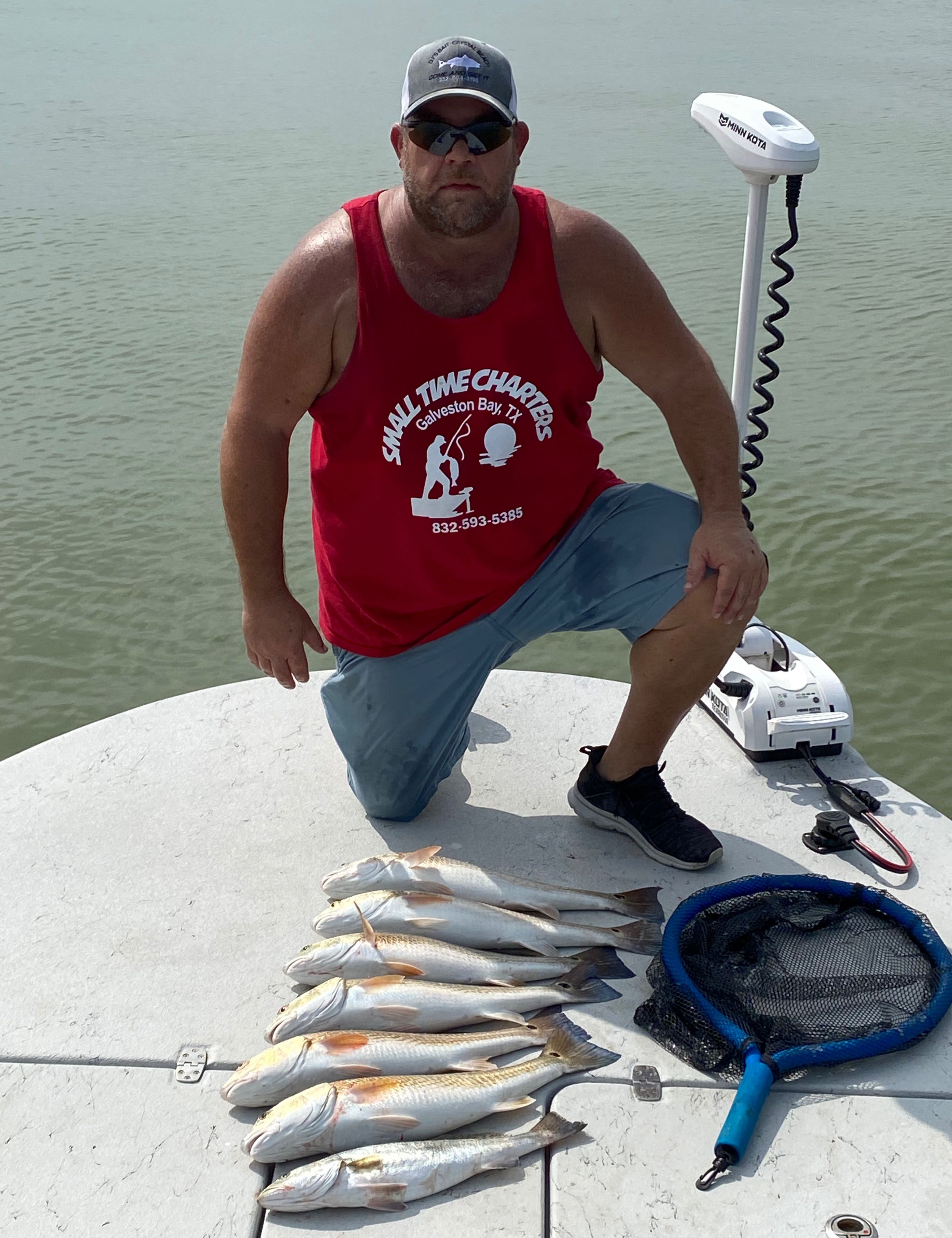
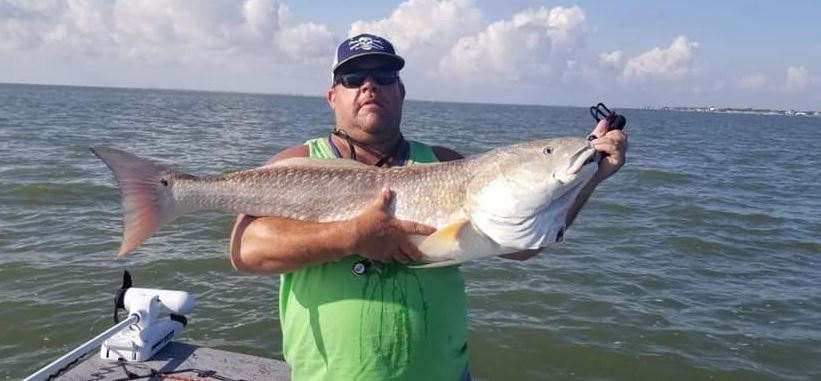
Redfish are the crown jewel of Galveston Bay fishing, and for good reason. These copper-colored fighters typically run 20-28 inches in the bay, with some oversized bulls pushing 30+ inches during cooler months. Reds are aggressive feeders that cruise shallow flats and grass beds, making them perfect targets for sight fishing when conditions are right. They hit live shrimp, cut mullet, and soft plastic baits with authority, and once hooked, they'll make screaming runs that test your drag system. Fall and spring offer the most consistent action, though summer fishing can be fantastic early and late in the day. What makes redfish special is their fighting spirit - they don't give up easily and will use every oyster bar and grass bed to try breaking free.
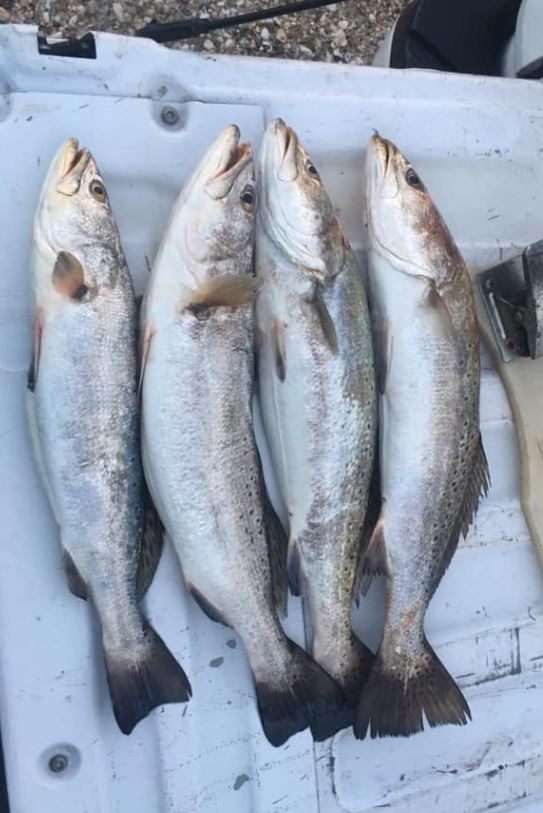
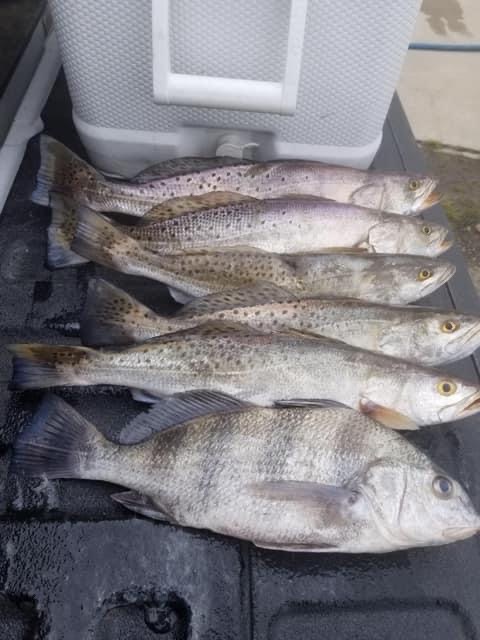
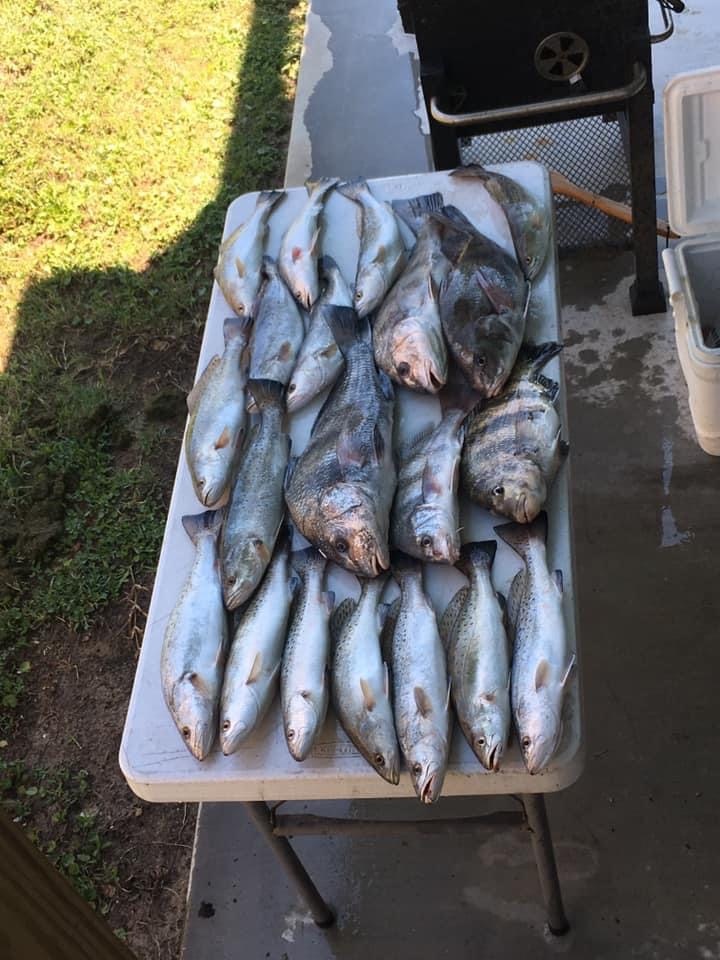
Speckled trout, or "specks" as locals call them, are the bread and butter of Galveston Bay. These beautiful fish with distinctive black spots average 14-18 inches, with trophy fish reaching 20+ inches. Specks are structure-oriented and love areas with shell bottom, grass beds, and moderate current. They're incredibly light biters, requiring sensitive tackle and quick hook sets. Live shrimp under popping corks is deadly effective, especially during moving tides. Specks are most active during spring and fall, though summer dawn and dusk fishing can produce excellent results. What anglers love about speckled trout is their willingness to bite artificial lures and their excellent table fare - they're considered one of the best-eating fish in the bay.
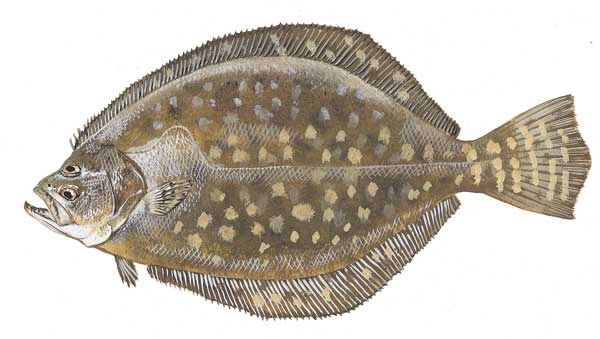
Southern Flounder might not win beauty contests, but they're masters of disguise and incredibly fun to catch. These flatfish typically run 14-20 inches in the bay, with some doormat-sized fish reaching 24+ inches during fall migration. Flounder are ambush predators that bury themselves in sand and mud, waiting for unsuspecting baitfish to swim by. They prefer areas where current creates feeding opportunities - channel edges, boat cuts, and structures where bait gets swept along. Fall months from September through November offer peak flounder action as fish move toward Gulf passes for spawning. Cut bait, live mud minnows, and soft plastic grubs all work well. The challenge with flounder is detecting their subtle bite - they often just pick up the bait and swim with it, requiring patience and experience to time the hook set properly.
Sheepshead are the bay's most finicky biters, earning them the nickname "convict fish" for their black and white stripes and their habit of stealing bait. These fish average 12-16 inches but can reach 20+ inches, and they're armed with human-like teeth designed for crushing shellfish. Sheepshead hang around structure - piers, jetties, reefs, and anywhere oysters or barnacles grow. They're most active during cooler months when water temperatures drop below 70 degrees. Fishing for sheepshead requires small hooks, light line, and incredible patience. Live or fresh dead shrimp, fiddler crabs, and oysters are top baits. What makes sheepshead exciting is the challenge factor - they're notorious bait thieves that require perfect timing and technique to hook consistently. When you do connect, they fight surprisingly hard for their size and make excellent table fare.
Time to Book Your Spot
This beginner-friendly charter with Small Time Charters offers everything you need for a successful day on Galveston Bay. Captain Jason's local expertise, quality equipment, and patient instruction create
 Private Trip
 Inshore Fishing
 Crystal Beach, TX


 5-hour beginner charter targeting redfish and speckled trout