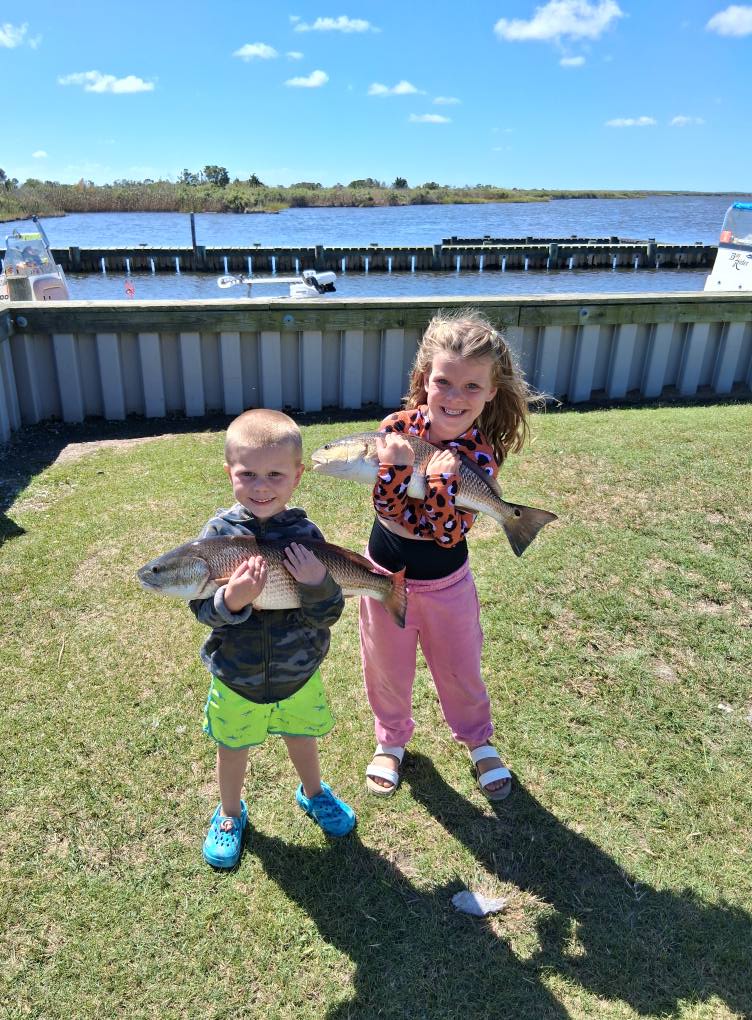
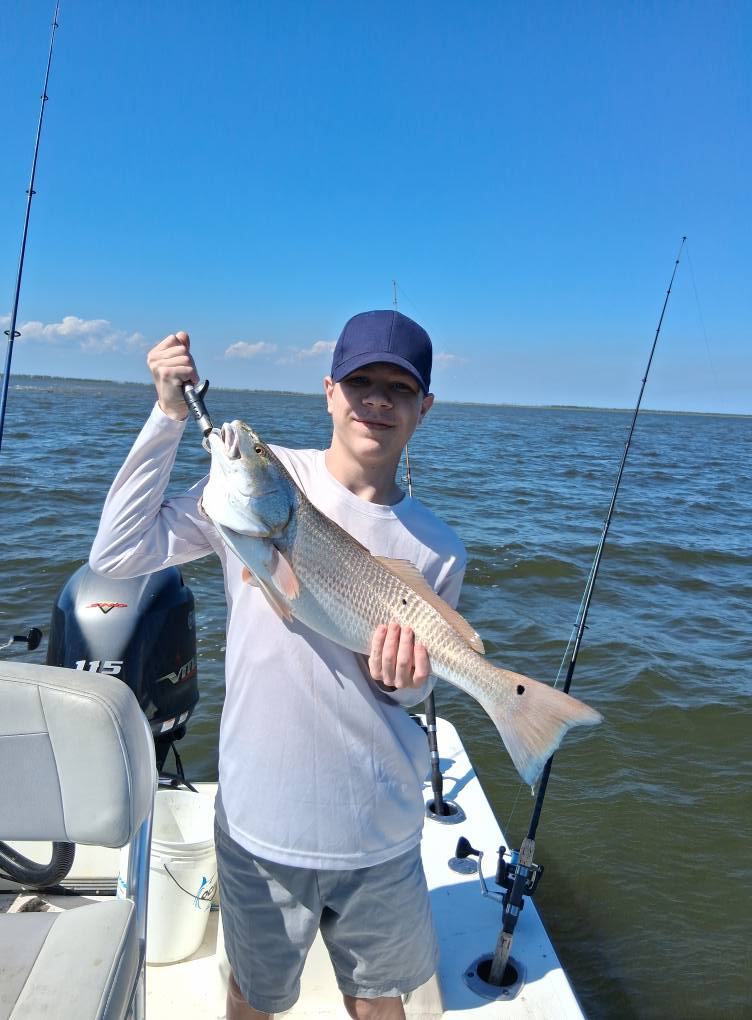
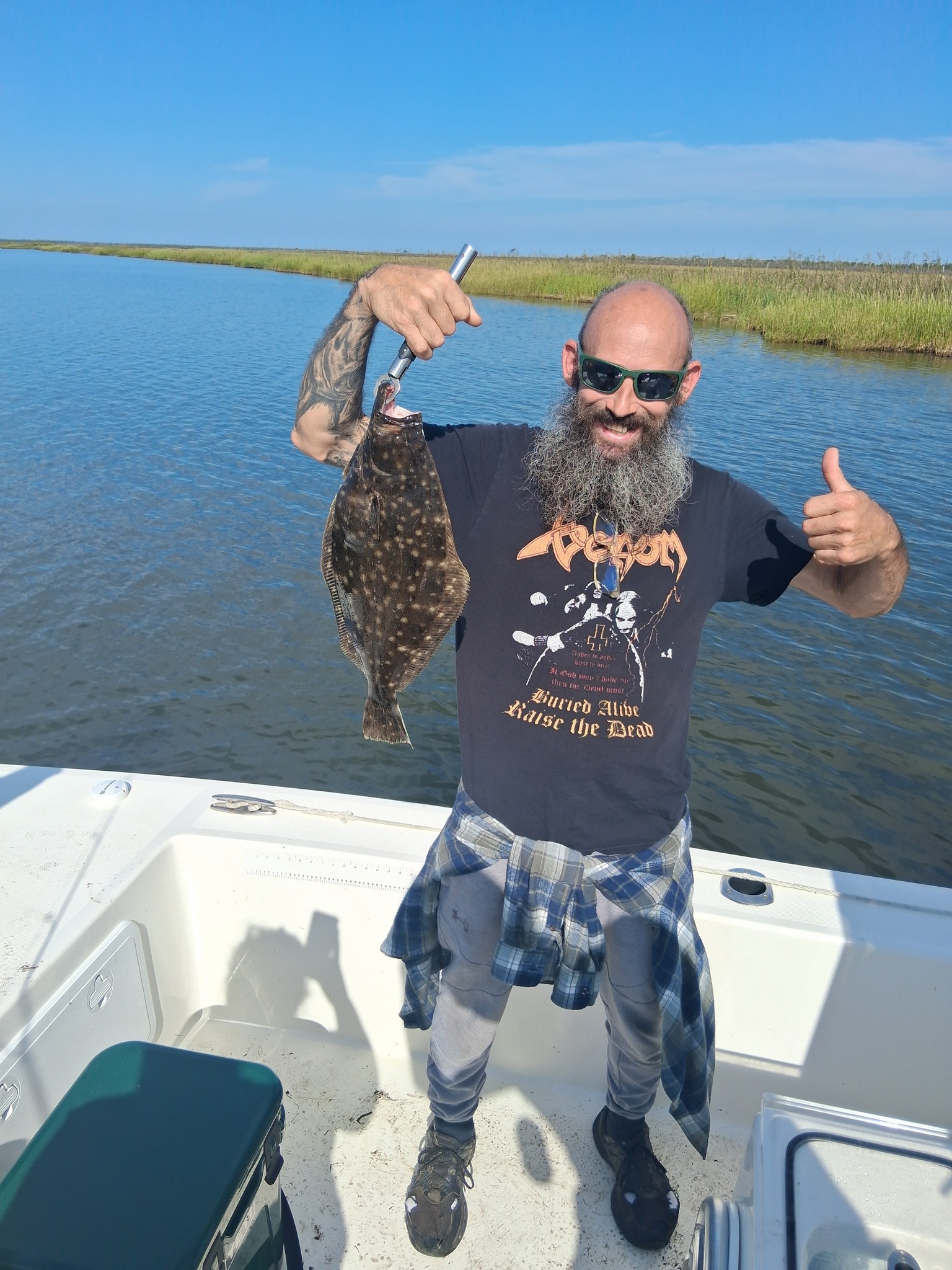
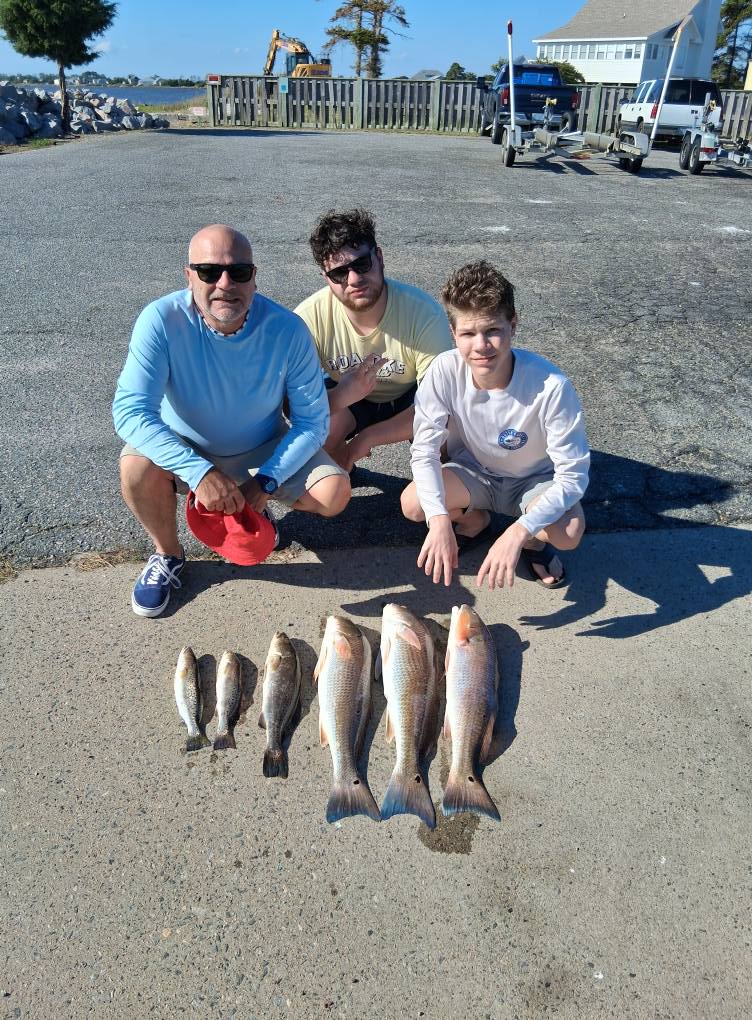
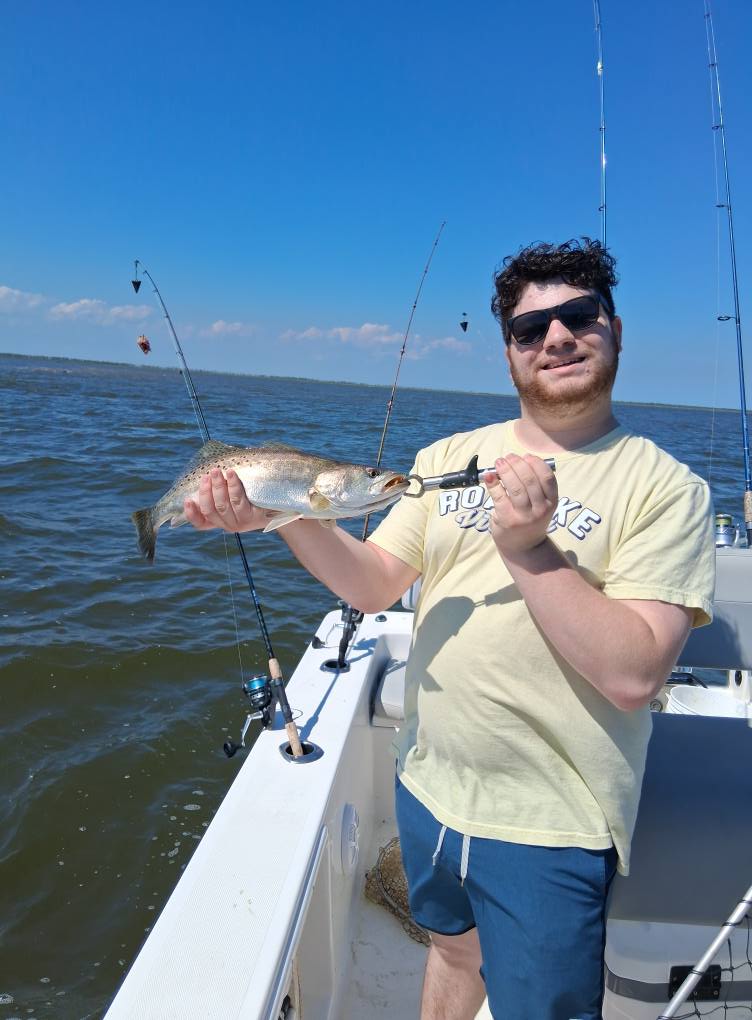
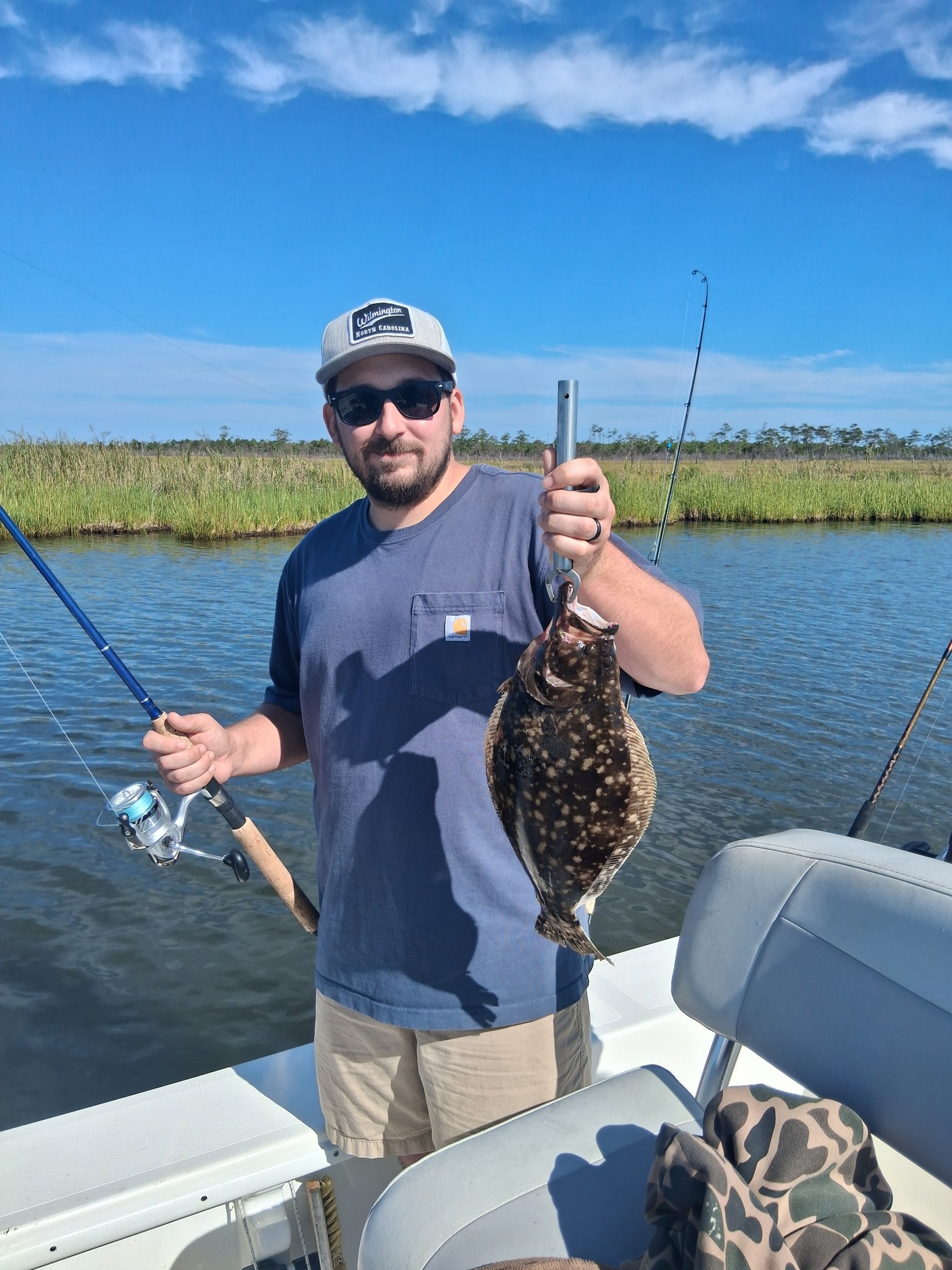
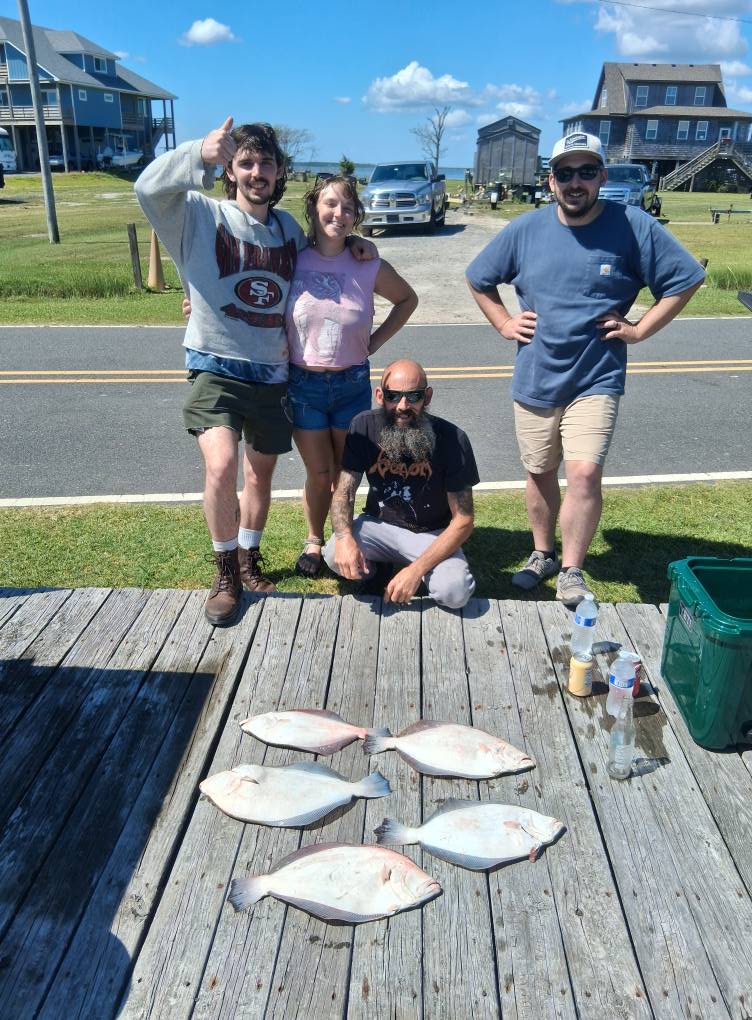
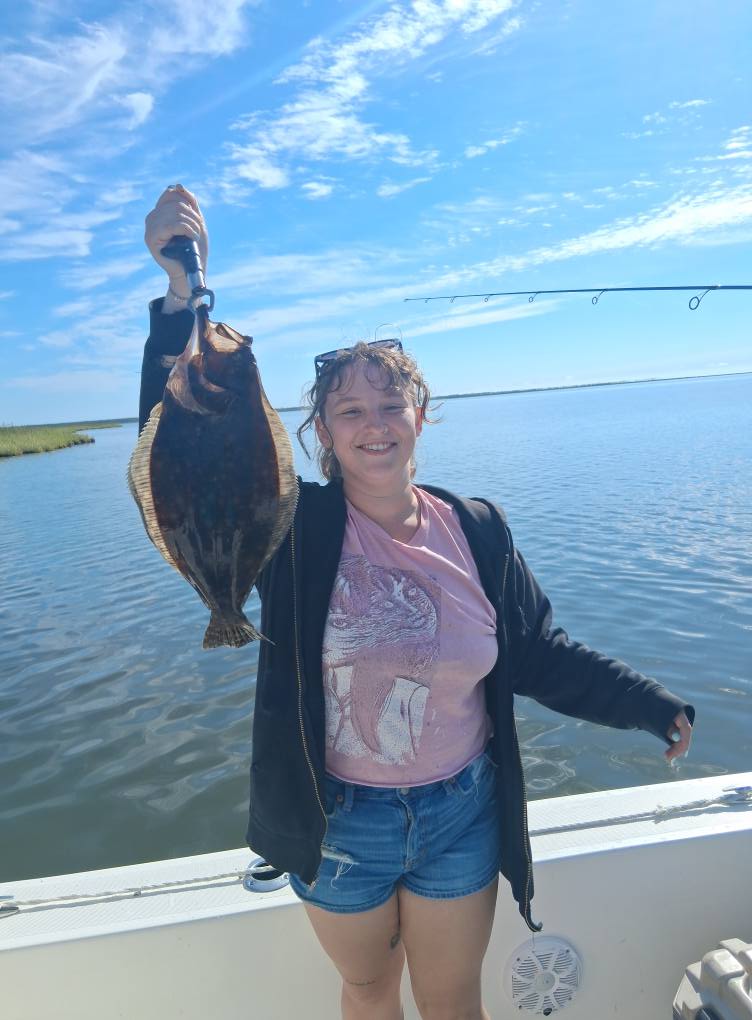
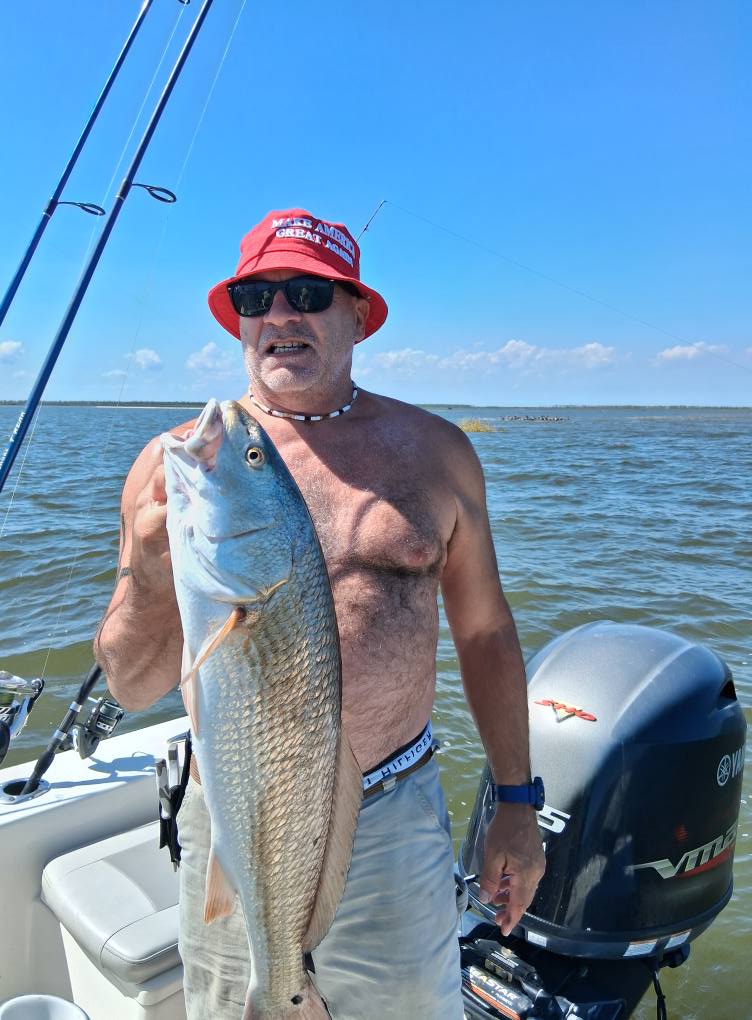
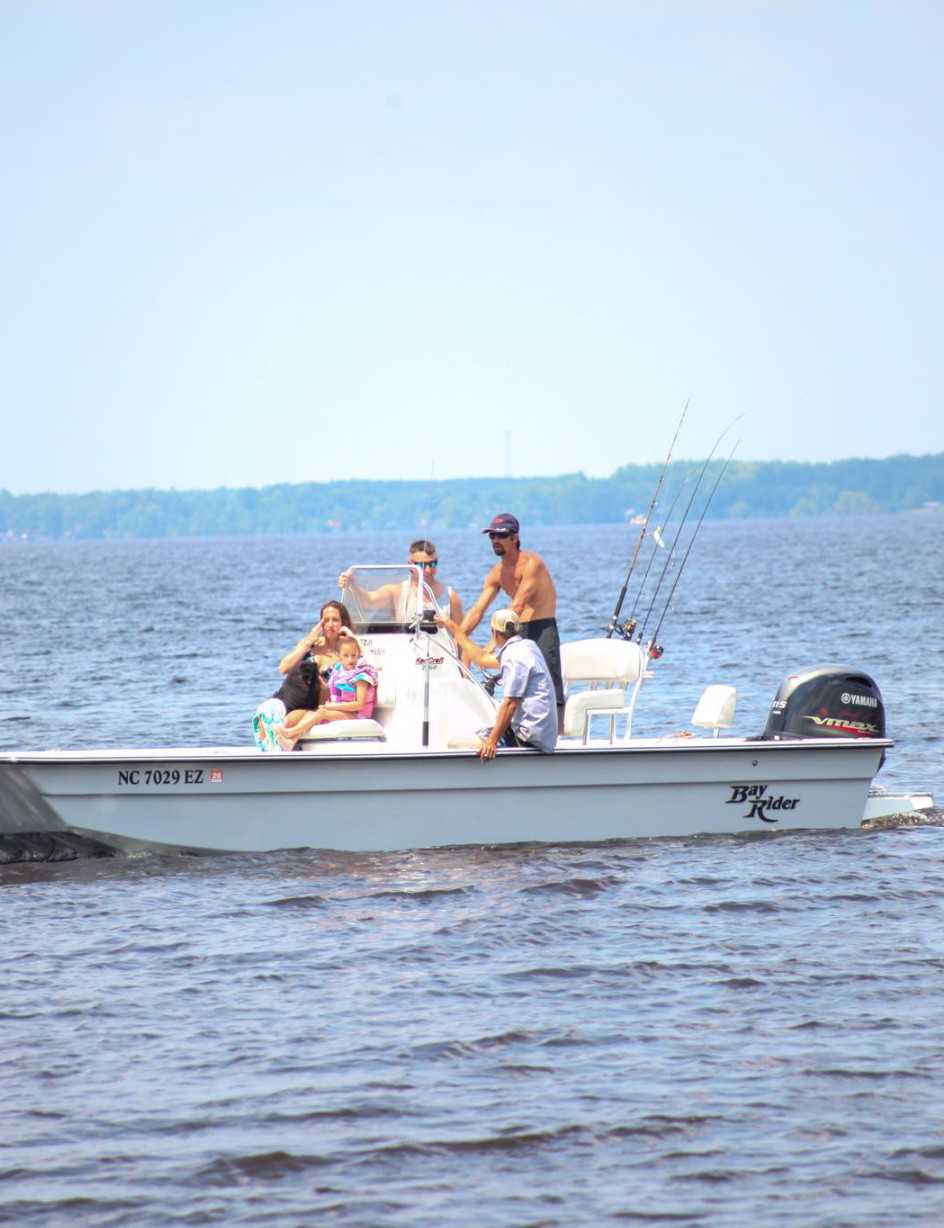
Full Day Guided Fishing Trip In Outer Banks
When most folks think Outer Banks, they picture saltwater surf fishing and offshore charters. But here's what the locals know - some of the best fishing happens in the freshwater lakes and ponds tucked away from the tourist crowds. This 7-hour guided trip puts you right in the sweet spots where the fish are biting, whether you're casting your first line or you've been working these waters for years. Our guides know every creek bend, every structure, and every seasonal pattern that makes the difference between going home with stories and going home with fish.
What to Expect on the Water
We're talking about a full day on some of the most productive freshwater in the region - seven solid hours of fishing time with guides who've been reading these waters for decades. You'll hit multiple spots throughout the day, from shallow coves where bass love to ambush prey to deeper channels where stripers cruise. The beauty of freshwater fishing here is the variety - one cast you might hook into a feisty largemouth, the next could be a hefty bowfin that'll test your drag. We keep group sizes small at just four anglers max, so you get plenty of personal attention and prime fishing real estate. Don't worry about gear - we've got you covered with quality rods, reels, and tackle that's perfectly matched to what we're targeting.
Techniques That Put Fish in the Boat
Every species calls for a different approach, and that's where local knowledge really pays off. For largemouth bass, we'll work the structure with soft plastics and crankbaits, hitting the drop-offs and submerged timber where they like to stage. Crappie fishing means finesse - light jigs around cover, sometimes vertical presentations in deeper water. When we're after stripers, we might troll the main channels or cast topwater baits if they're feeding shallow. The yellow perch respond well to smaller presentations - think worms and small jigs fished near the bottom. Bowfin are the wild cards - these prehistoric fighters will hit just about anything when they're in the mood, but they prefer live bait or aggressive retrieves that trigger their predator instincts. Our guides read the conditions daily and adjust tactics accordingly, so you're always fishing the most effective patterns.
Species You'll Want to Hook
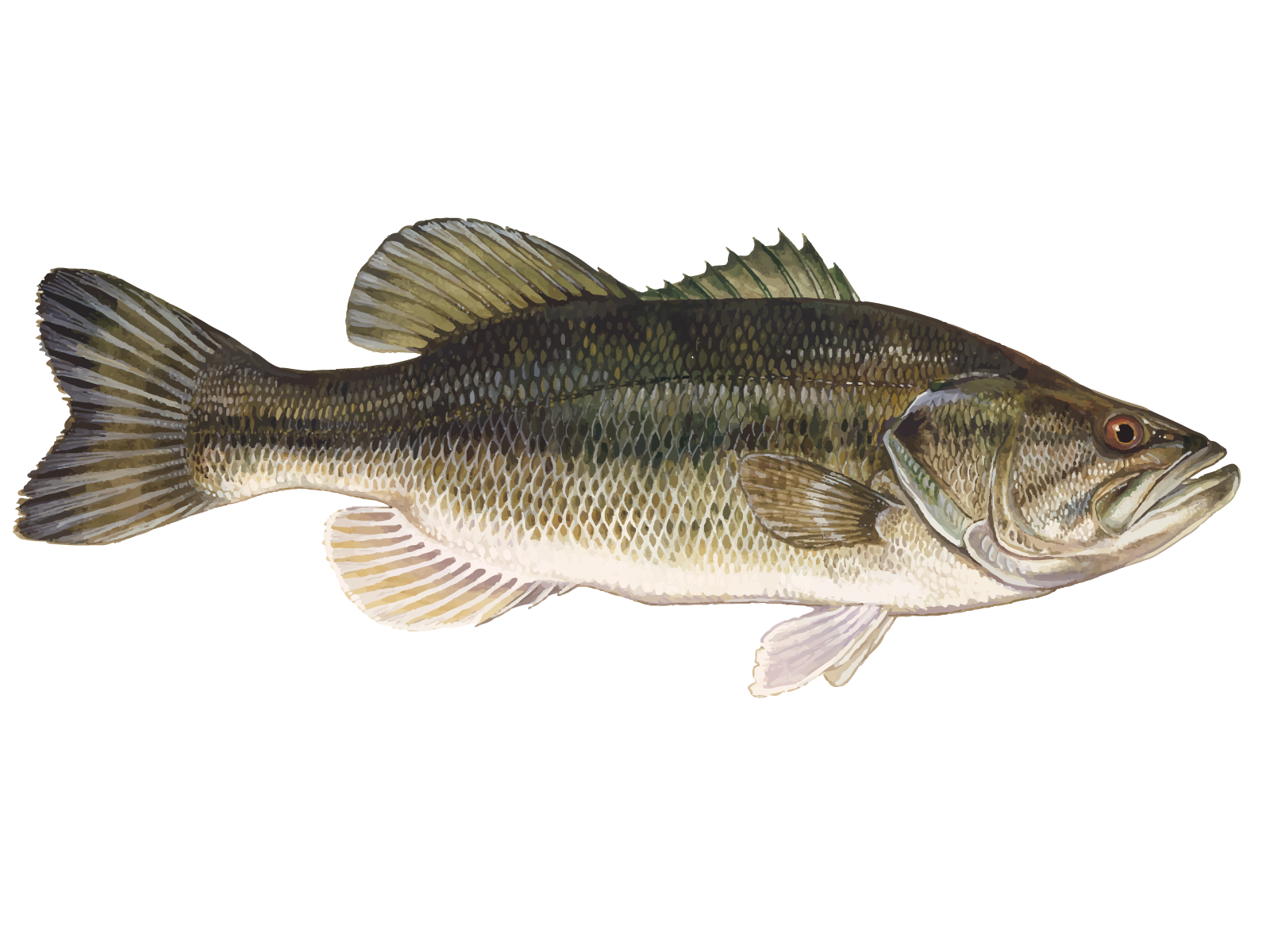
Largemouth bass are the bread and butter of these waters, and for good reason. These fish average 2-4 pounds but don't be surprised when a 6-pounder crushes your bait near some fallen timber. Spring and fall are prime time when they're feeding heavily, but summer brings topwater action that'll get your heart pumping. They fight dirty too - jumping, diving for cover, using every trick in the book to throw your hook.
Crappie might be smaller, but pound-for-pound they're some of the scrappiest fish around. Most run 8-12 inches, perfect eating size, and they school up so when you find one, you'll usually find more. Peak season runs from late winter through spring when they move shallow to spawn. What makes crappie special is their light bite - it's all about finesse and feeling the subtle taps that signal a fish.
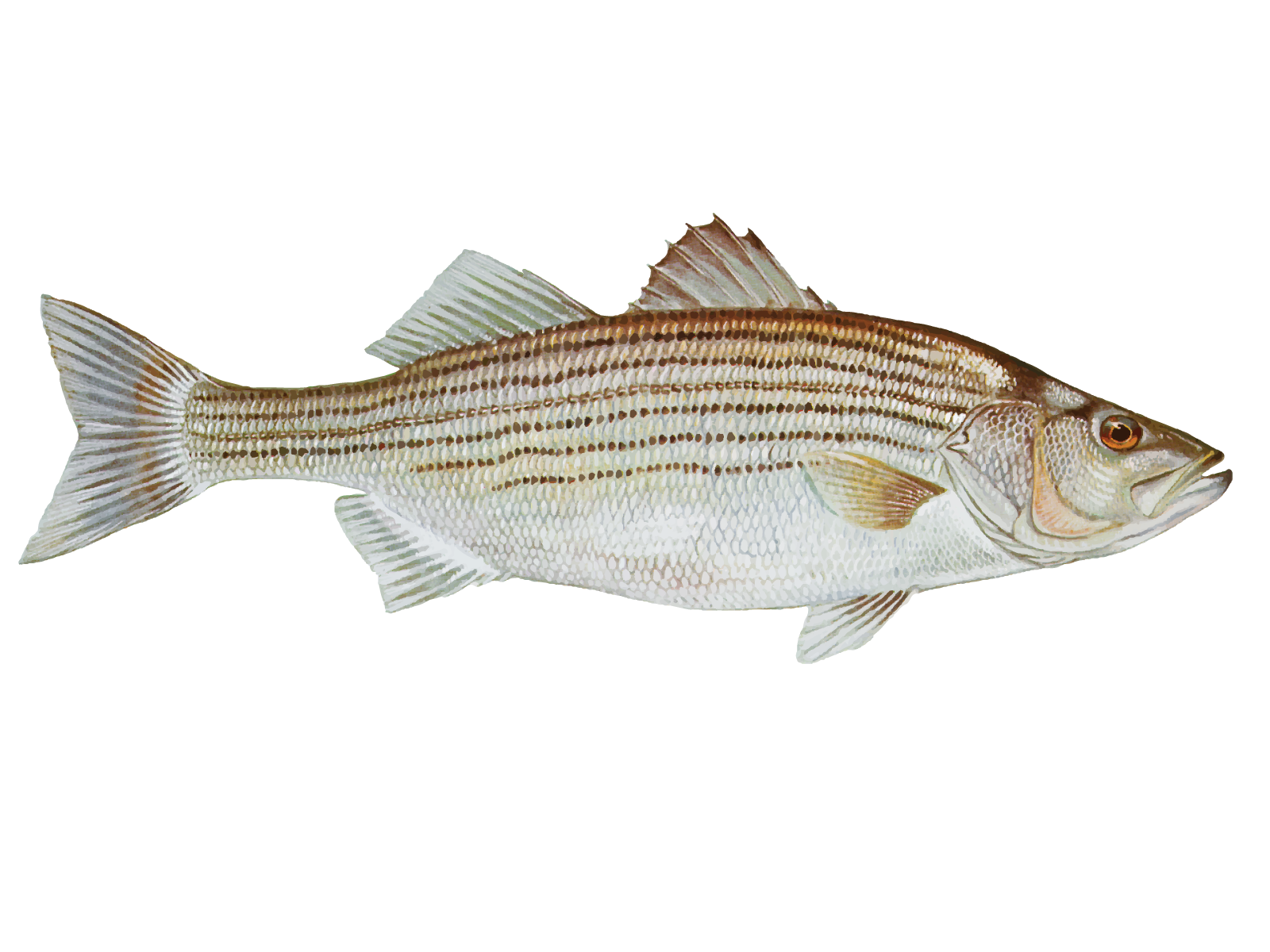
Striped bass bring the muscle to freshwater fishing. These silver rockets can push 10-15 pounds and make blistering runs that'll have you questioning your knot-tying skills. They're most active during cooler months and love to chase baitfish in open water. When a striper hits topwater at dawn, that explosive strike will stick with you long after you head home.
American yellow perch are the ultimate panfish - beautiful, abundant, and absolutely delicious. They run 6-10 inches typically, with those distinctive yellow sides and dark vertical bars. Winter and early spring are peak times when they school up tight. Don't let their size fool you - perch are aggressive feeders and excellent table fare that make any fish fry a success.
Bowfin are living fossils that'll give you a fight you won't soon forget. These prehistoric predators can stretch over 20 inches and fight like they're twice that size. They gulp air at the surface, have a primitive swim bladder, and can survive in conditions that would kill other fish. Summer is prime bowfin time when they're most active. Fair warning - they've got a nasty set of teeth and an attitude to match, but that's exactly what makes them so addictive to target.
Time to Book Your Spot
This isn't your typical tourist fishing trip - it's a genuine local experience that showcases the incredible freshwater diversity the Outer Banks has to offer. Seven hours on the water with expert guides, top-notch equipment, and access to spots that produce fish year-round. Whether you're looking to learn new techniques, target species you've never caught, or just spend a day away from the crowds doing what you love, this trip delivers. The fish are biting, the guides are ready, and your spot on the boat is just a booking away. Don't sleep on freshwater fishing in the OBX - once you experience it, you'll understand why the locals have been keeping this secret for so long.
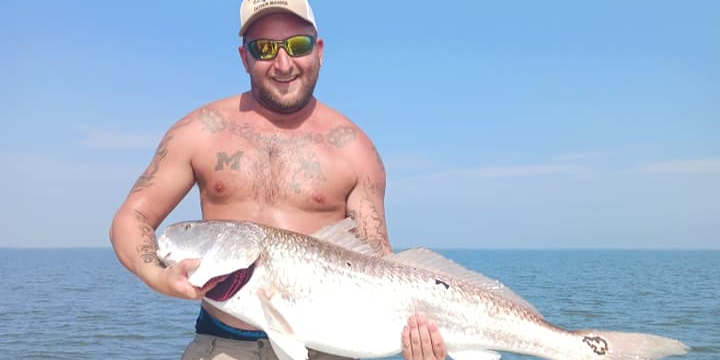
 Private Trip
 Lakes/Reservoirs/Ponds Fishing
 Outer Banks


 7-hour freshwater fishing adventure targeting multiple species