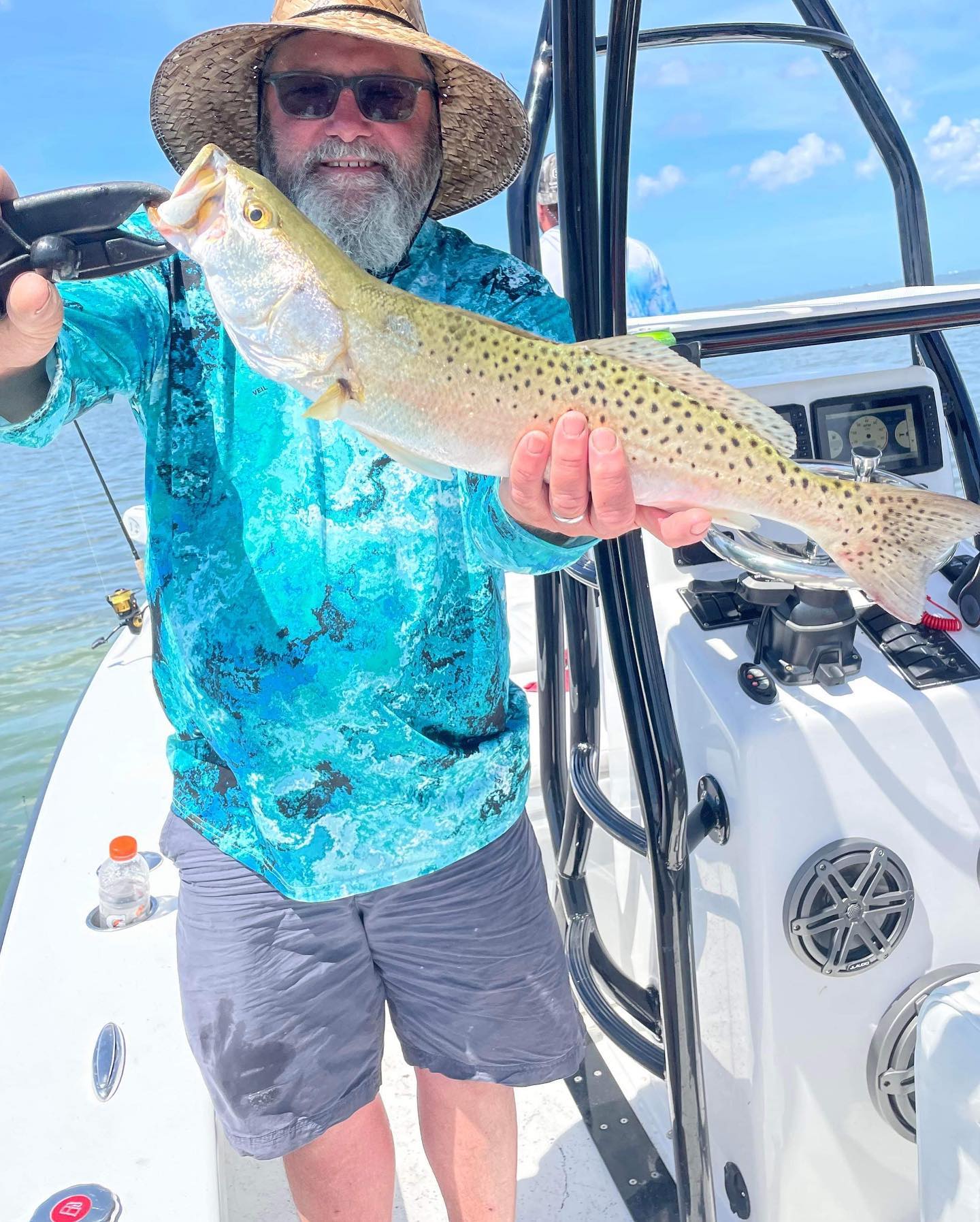
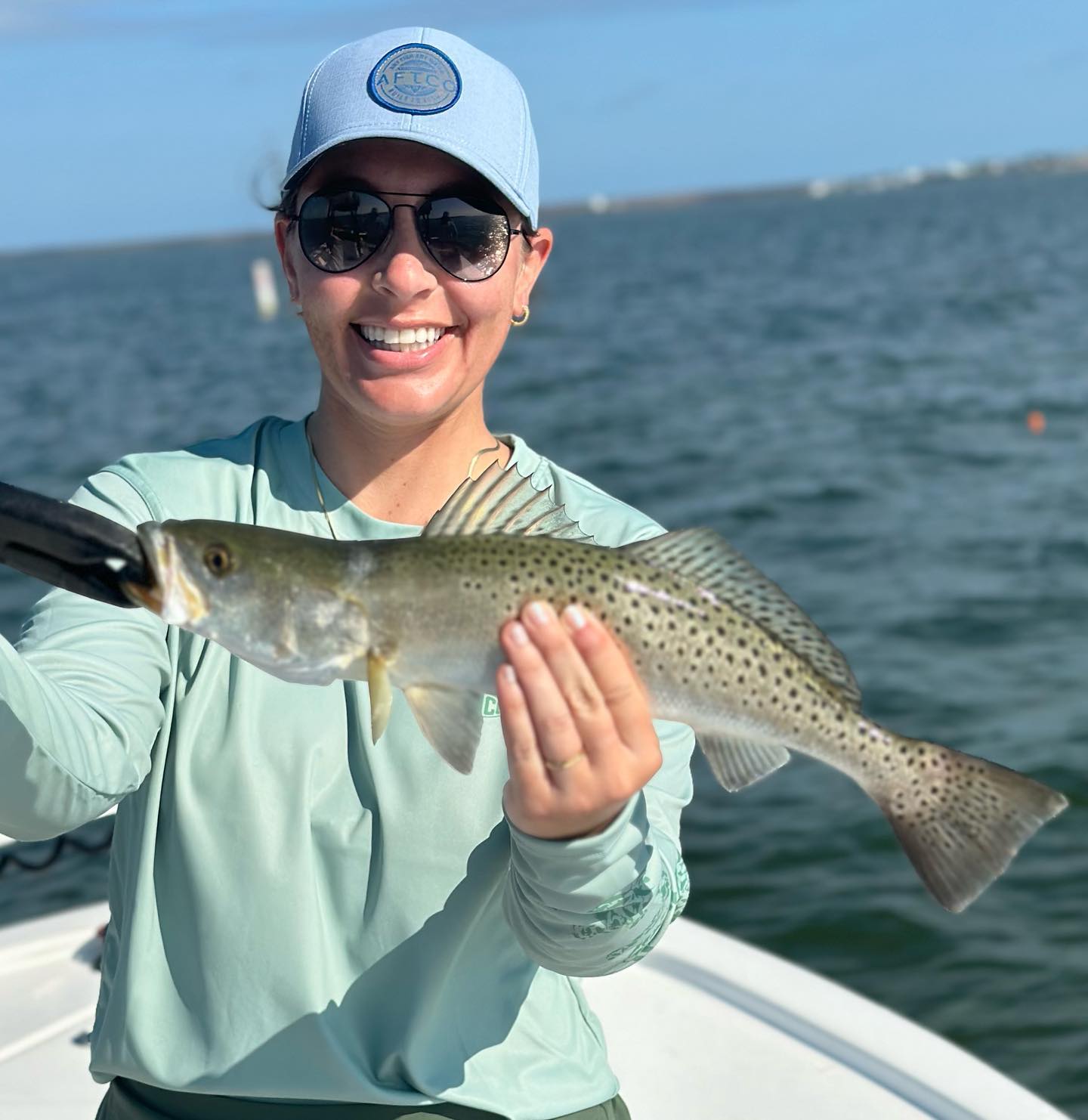
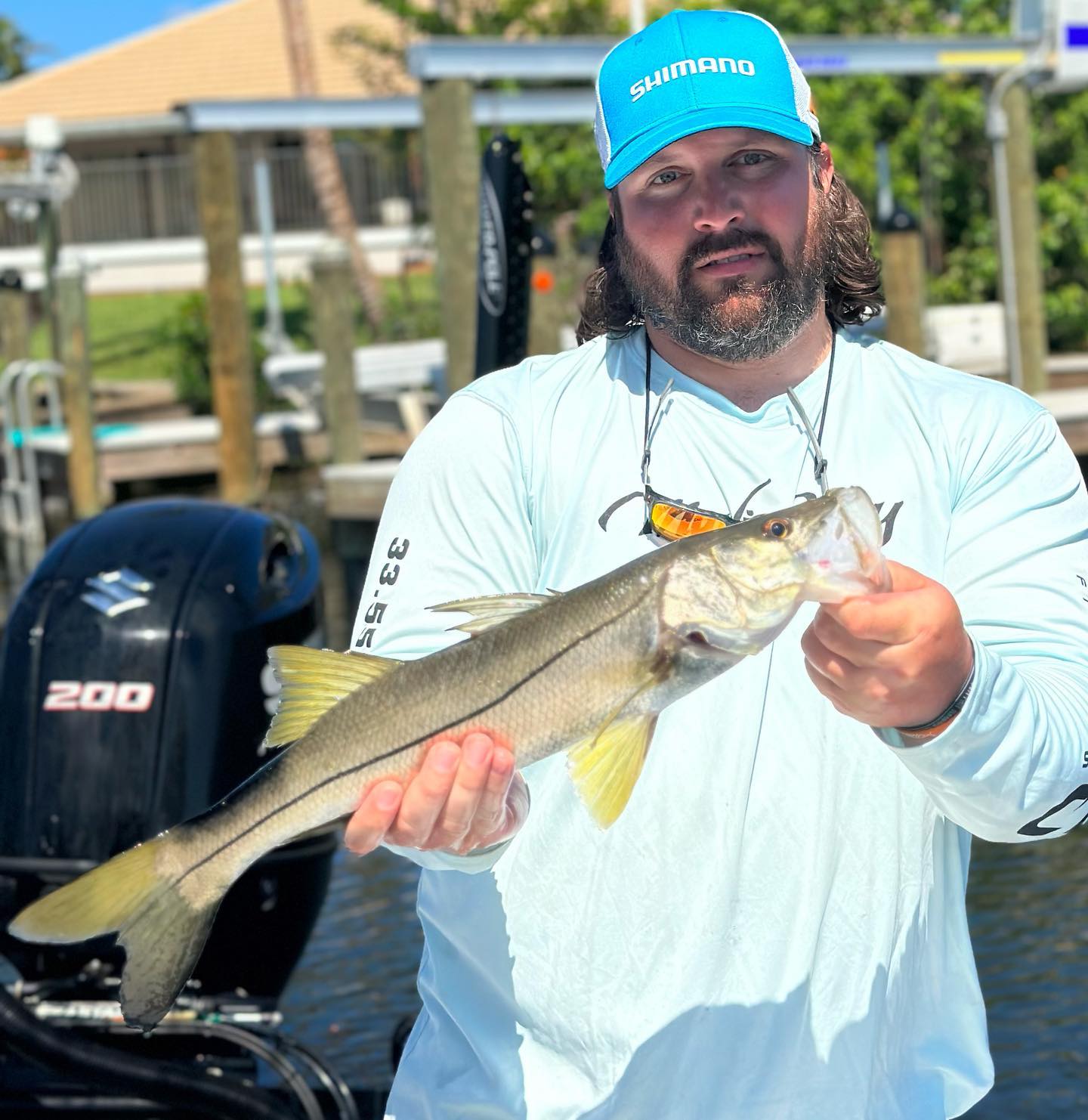
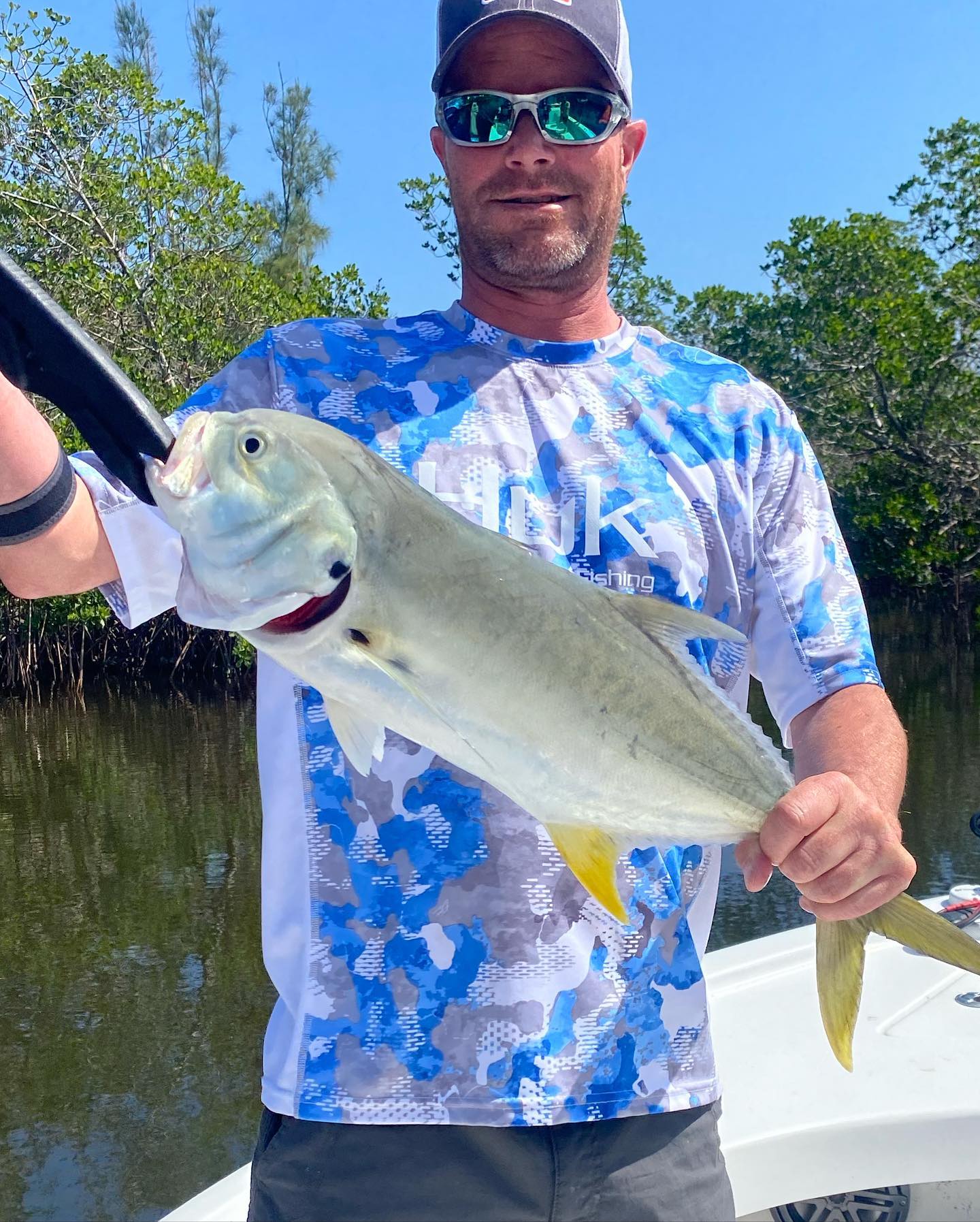
Backcountry Fishing in Murrells Inlet, SC
Looking for a solid day of fishing without the crowds? Our backcountry charters in Murrells Inlet put you right where the fish are biting. We're talking shallow water action where redfish cruise the grass flats, flounder lay waiting in sandy pockets, and sheepshead hang around every piling and dock. This isn't your typical offshore grind – it's intimate fishing in some of South Carolina's most productive waters. You'll work the jetties, slip into quiet creeks, and fish spots that only locals know about. With room for up to four anglers, you get personalized attention and plenty of elbow room to work your technique. The scenery's pretty sweet too, but let's be honest – you're here for the bend in your rod.
What to Expect on the Water
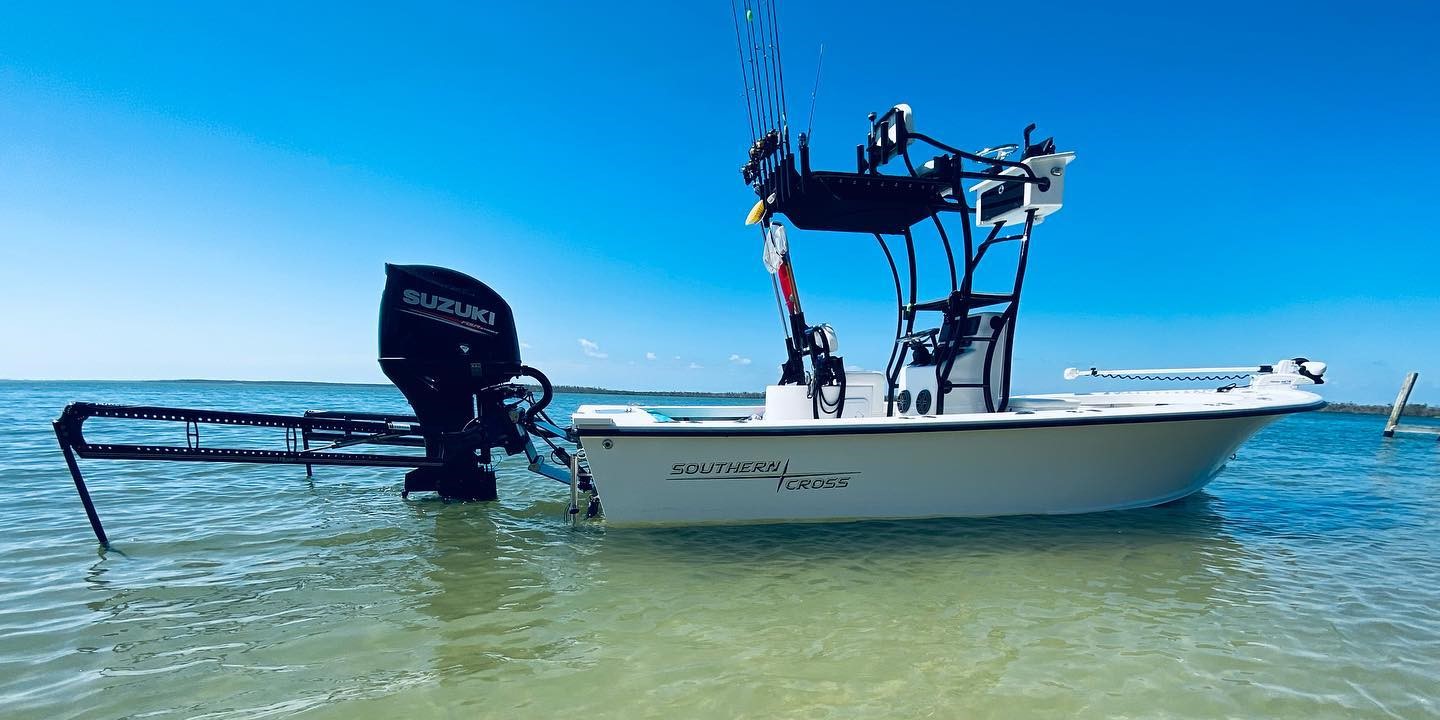
We launch from Murrells Inlet and head straight into the maze of creeks, marshes, and flats that make this area a top-rated fishing destination. The boat stays in skinny water most of the day, so you'll feel connected to every nibble and strike. Expect to move around – that's how backcountry fishing works best. We'll hit oyster bars where sheepshead love to feed, cruise grass beds looking for tailing redfish, and work structure where black drum stack up. The pace is relaxed but focused. You're not racing other boats to a GPS number; you're reading water, watching bait, and making strategic casts. Most trips run six to eight hours, giving us time to adjust tactics based on tides, weather, and what the fish are telling us. Bring sunglasses, a hat, and get ready to actually fish instead of just soaking bait.
Techniques & Tackle Setup
Backcountry fishing is all about finesse and presentation. We're using light to medium spinning gear that lets you feel every bump and tap. Live shrimp is our go-to bait – it works on everything from flounder to redfish to black drum. We'll also throw artificial lures when fish are aggressive or when we want to cover water quickly. Jig heads with soft plastics, spoons, and topwater plugs all have their place depending on conditions. The key is staying quiet and making accurate casts. In three feet of water, a sloppy presentation spooks fish fast. We anchor up on productive spots and fan cast the area, or drift with the current when fish are scattered. Circle hooks keep everything simple for catch and release, and we've got all the tackle you need. Your job is to pay attention to your rod tip and set the hook when something bites.
Species You'll Want to Hook
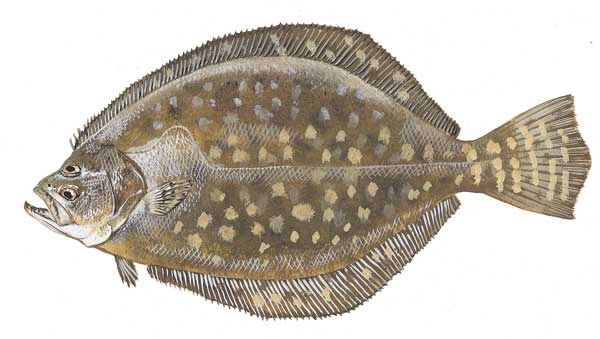
Southern Flounder are the bread and butter of Murrells Inlet backcountry fishing. These flatfish ambush prey from sandy bottoms and grass edges, typically running 14 to 20 inches with occasional doormat-sized fish over 24 inches. Spring through fall offers the best action, especially around moving water near creek mouths and deeper holes. What makes flounder so appealing is their aggressive strike and excellent table fare. They hit live shrimp, finger mullet, and soft plastic jigs worked slowly along the bottom. The fight isn't spectacular, but landing a keeper flounder always feels like a win.
Black Drum show up in serious numbers around Murrells Inlet, particularly in cooler months when they school up near oyster bars and deeper creek bends. These copper-colored bruisers range from puppy drum around two pounds to grown fish pushing 30 pounds or more. They're bottom feeders with powerful jaws designed to crush shellfish, so expect a steady, bulldogging fight that tests your drag system. Blue crab and fresh shrimp are prime baits, and the bite often happens in waves – catch one, and there's usually more around. Black drum make great photo fish with their distinctive coloring and size.
Sheepshead fishing around Murrells Inlet is technical and rewarding. These black-and-white striped fish have human-like teeth and a reputation for stealing bait, but they're also some of the best eating fish in the salt. They hang tight to structure – dock pilings, oyster bars, bridge supports – anywhere barnacles and small crustaceans collect. Small hooks, light weights, and fresh fiddler crabs or shrimp get the job done. The bite feels like a gentle tap-tap-tap, and you need to set the hook quickly before they strip your bait. Most sheepshead run one to three pounds, but four-pound fish aren't uncommon in winter months.
Redfish are the crown jewel of backcountry fishing, and Murrells Inlet has excellent populations year-round. These bronze-backed fighters cruise grass flats, oyster bars, and creek edges looking for crabs, shrimp, and small fish. Slot-sized reds between 15 and 23 inches are common, with occasional bull reds over 27 inches that'll test your equipment and skills. What makes redfish special is their willingness to eat both live bait and artificials, plus their habit of feeding in shallow water where you can sight-cast to individual fish. The strike is aggressive, the fight is strong, and they're beautiful fish with distinctive black spots along their sides.
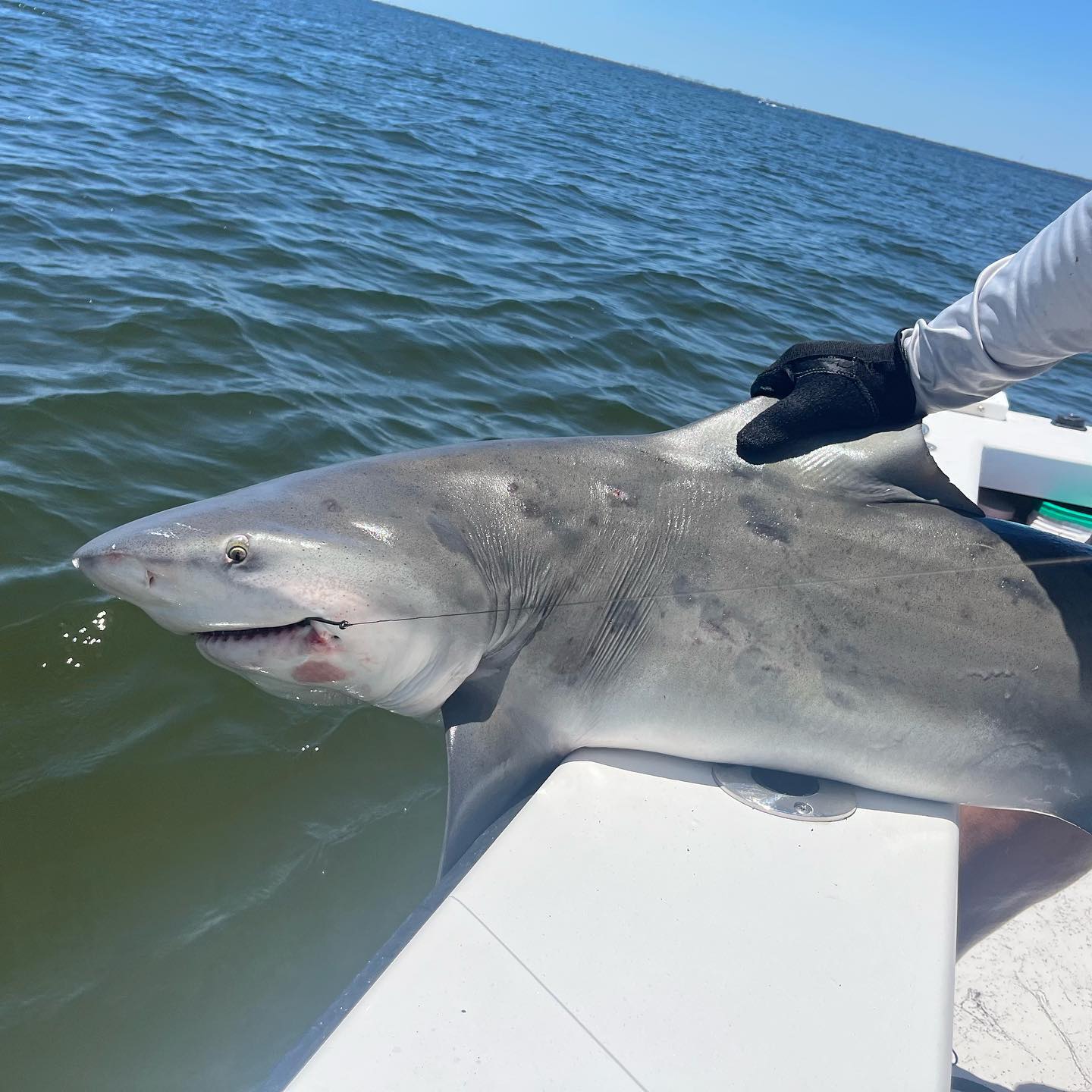
Blacktip Shark add excitement to any backcountry trip, especially during summer months when they move into shallow water chasing bait schools. These sleek predators typically run two to four feet long and put on spectacular aerial shows when hooked. They hit live bait hard and make blistering runs that peel line off your reel. While we practice catch and release with sharks, landing one gets your heart pumping and makes for great photos. They're often caught incidentally while targeting other species, but we can specifically fish for them when conditions are right and guest interest is high.
Time to Book Your Spot
Murrells Inlet bac
 Private Trip
 Backcountry Fishing
 Myrtle Beach


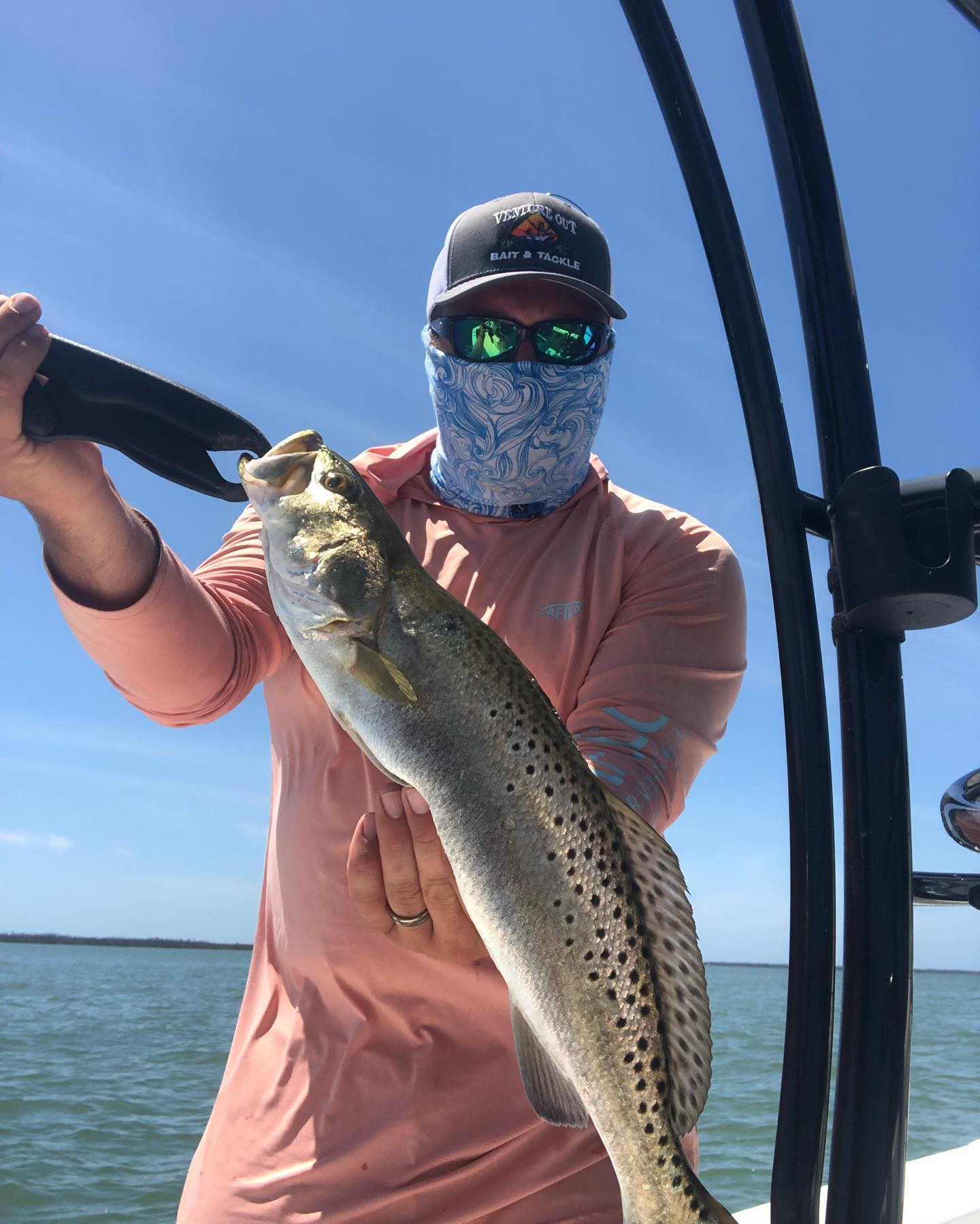
 Backcountry fishing targeting trout, redfish, flounder, and sharks