Inshore Fishing Trip - Murrells Inlet
Looking for a solid day on the water without the hassle of a crowded boat? This solo inshore trip with Southern Saltwater Charters puts you right in the heart of Murrells Inlet's best fishing grounds. You'll have the captain's full attention as you work the shallows for some of South Carolina's most popular inshore species. Whether you're a seasoned angler or just getting your feet wet in saltwater fishing, this personalized trip gives you the best shot at filling your cooler while learning the ins and outs of Murrells Inlet's productive waters.
What to Expect on the Water
Your day starts early at the Murrells Inlet marina, where you'll meet your captain and get a quick rundown of the day's game plan. The beauty of fishing these inshore waters is the variety - one cast you might be working a grass flat for redfish, the next you're dropping down to structure for black drum. The shallow water around Murrells Inlet is perfect for sight fishing when conditions are right, and there's nothing quite like watching a bull red cruise up to your bait in three feet of crystal clear water. Your captain will have all the gear rigged and ready, from light tackle spinning setups for trout to heavier rods for drum. The trip covers prime spots around the inlet, including the famous jetties, grass flats near Huntington Beach State Park, and the deeper channels where big fish like to hang out. Pack your sunscreen, snacks, and plenty of water - you'll be out there working these fish for hours.
Techniques and Tackle Setup
Inshore fishing around Murrells Inlet is all about reading the water and adapting your approach. Your captain will have you rigged with everything from live shrimp under popping corks to soft plastic baits on jig heads. When targeting redfish in the shallows, you'll likely be casting gold spoons or paddle tail swimbaits toward oyster beds and drop-offs. For sheepshead around structure, it's all about precision - dropping fiddler crabs or barnacles right next to pilings and rocks where these crafty fish feed. The black drum bite often calls for fresh cut bait on the bottom, while sea trout respond well to live shrimp or DOA shrimp imitations worked slowly over grass beds. Your captain will adjust tactics throughout the day based on tides, weather, and what the fish are telling you. The gear provided includes spinning reels spooled with 15-20 pound test, perfect for the mix of species you'll encounter without being too heavy for the smaller fish or too light for that surprise bull red.
Top Catches This Season
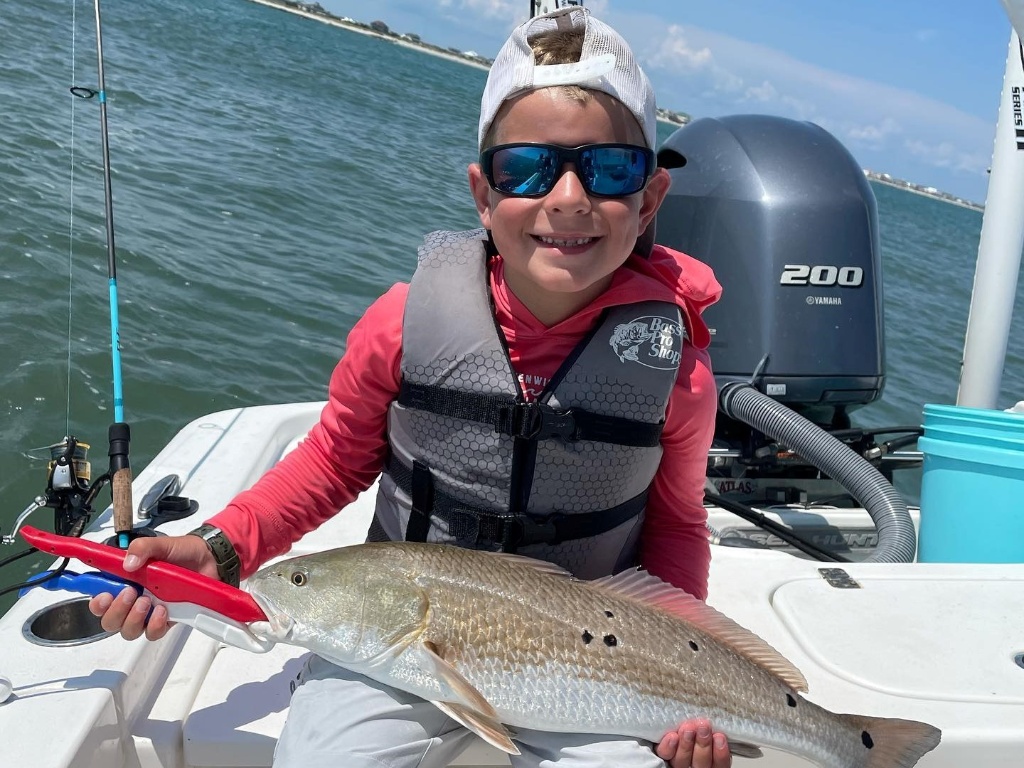
Redfish are the bread and butter of Murrells Inlet inshore fishing, and for good reason. These copper-colored bruisers average 20-28 inches in the slot, with plenty of oversized bulls mixed in during fall and winter months. They're aggressive feeders that'll hit everything from live bait to artificial lures, making them perfect for anglers of all skill levels. What makes reds so exciting is their fight - they'll make long runs and use their broad sides to pull drag. Plus, they're excellent table fare when kept in the slot limit. Black drum are another customer favorite, especially the larger specimens that cruise the inlet's deeper holes. These fish can push 30-40 pounds and provide an entirely different fight than redfish - more of a bulldogging, head-shaking battle that'll test your drag system. Sheepshead might be the trickiest to hook, but they're pound-for-pound some of the strongest fish in these waters. Their human-like teeth and finicky feeding habits make them a challenge, but veteran anglers love the technical aspect of sheepshead fishing. Sea trout round out the slam possibilities, and while they're more delicate than the other species, their willingness to hit topwater lures and their excellent eating quality make them a welcome addition to any cooler.
Species You'll Want to Hook
Black Drum are the heavyweights of the inshore scene around Murrells Inlet, with fish ranging from puppy drum at 2-3 pounds to massive bulls exceeding 40 pounds. These fish are most active during cooler months from October through March, when they school up in deeper holes and around structure. The big ones are catch-and-release only due to size limits, but the fight they provide is worth the trip alone. They're bottom feeders that love fresh cut bait, especially blue crab and shrimp, and they're not shy about inhaling a well-presented offering.
Sheepshead are the ultimate technical fish - they've got human-like teeth designed for crushing barnacles and crustaceans off pilings and rocks. Peak season runs from late fall through early spring when they're staging for their offshore spawning runs. These black-and-white striped fish rarely exceed 5-6 pounds inshore, but they're incredibly strong for their size. The key is feeling that subtle tick when they mouth your bait - wait too long and they'll steal it clean, set too early and you'll pull it right out of their mouth.
Sea Trout are year-round residents that provide consistent action, especially during warmer months from April through October. They average 14-18 inches with occasional gator trout pushing 20+ inches. These fish are aggressive feeders that'll hit both live and artificial baits, making them perfect for beginners. They school up over grass beds and are often the first fish you'll connect with on any given trip. Their soft mouths require a gentle touch, but they're forgiving enough that most hooked fish make it to the boat.
Redfish are simply the kings of inshore fishing around Murrells Inlet. Slot-sized fish run 18-27 inches and are available year-round, though fall and winter bring the massive schools of bull reds that Murrells Inlet is famous for.
 Private Trip
 Inshore Fishing
 Murrells Inlet, SC


 Target redfish, flounder, black drum, and sheepshead species