Guided Catfish And Bullhead Fishing On Roanoke River
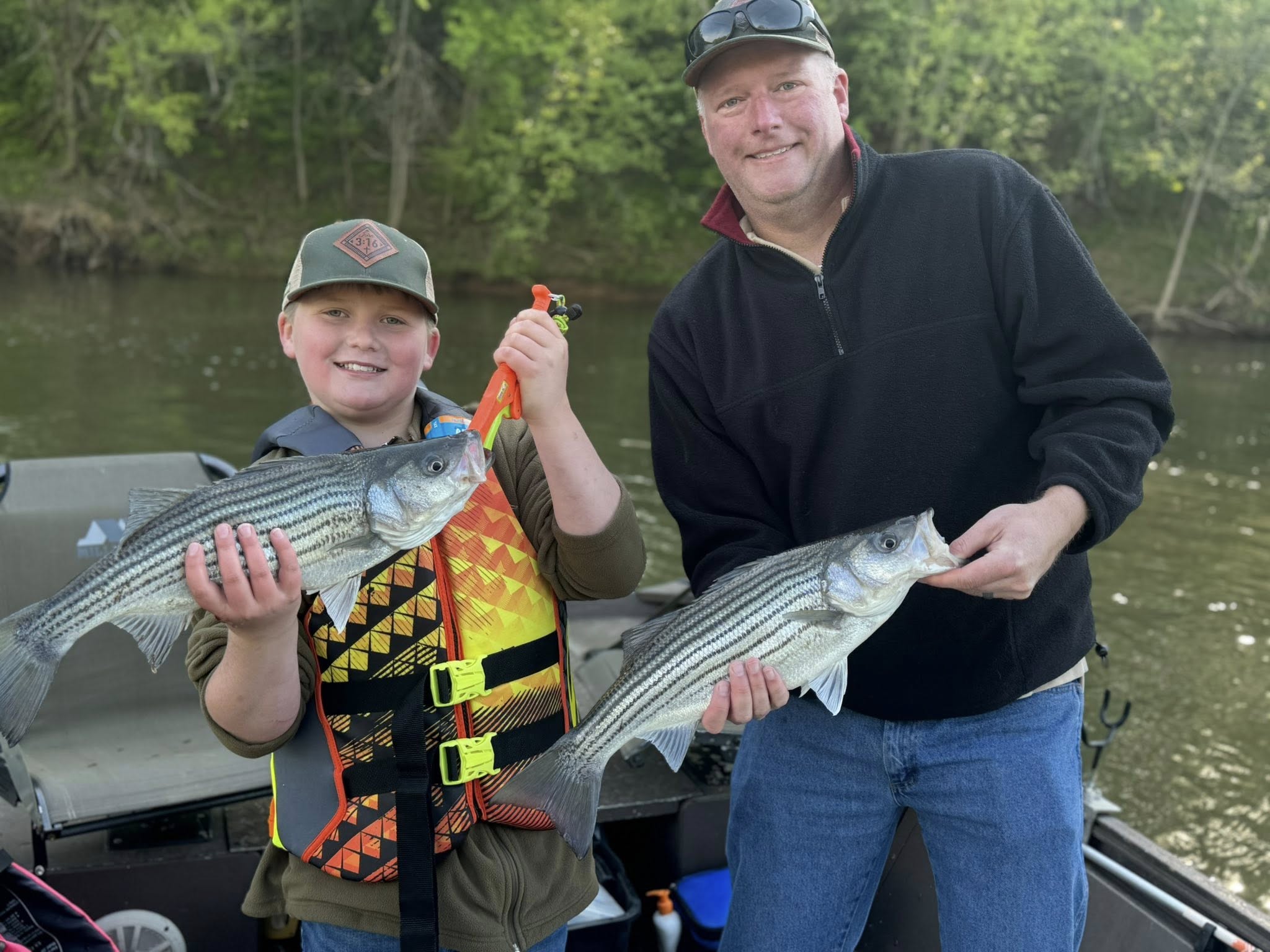
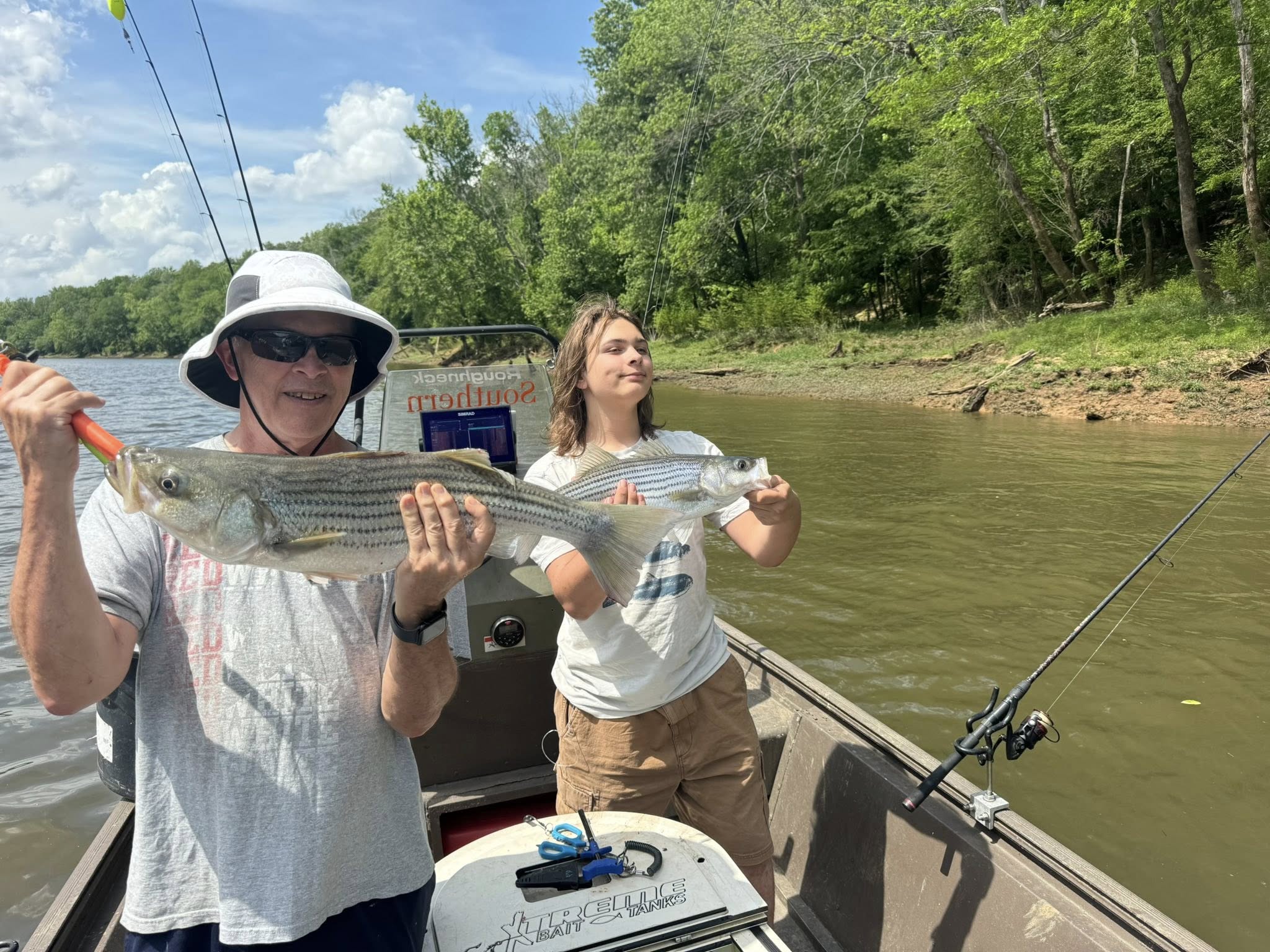
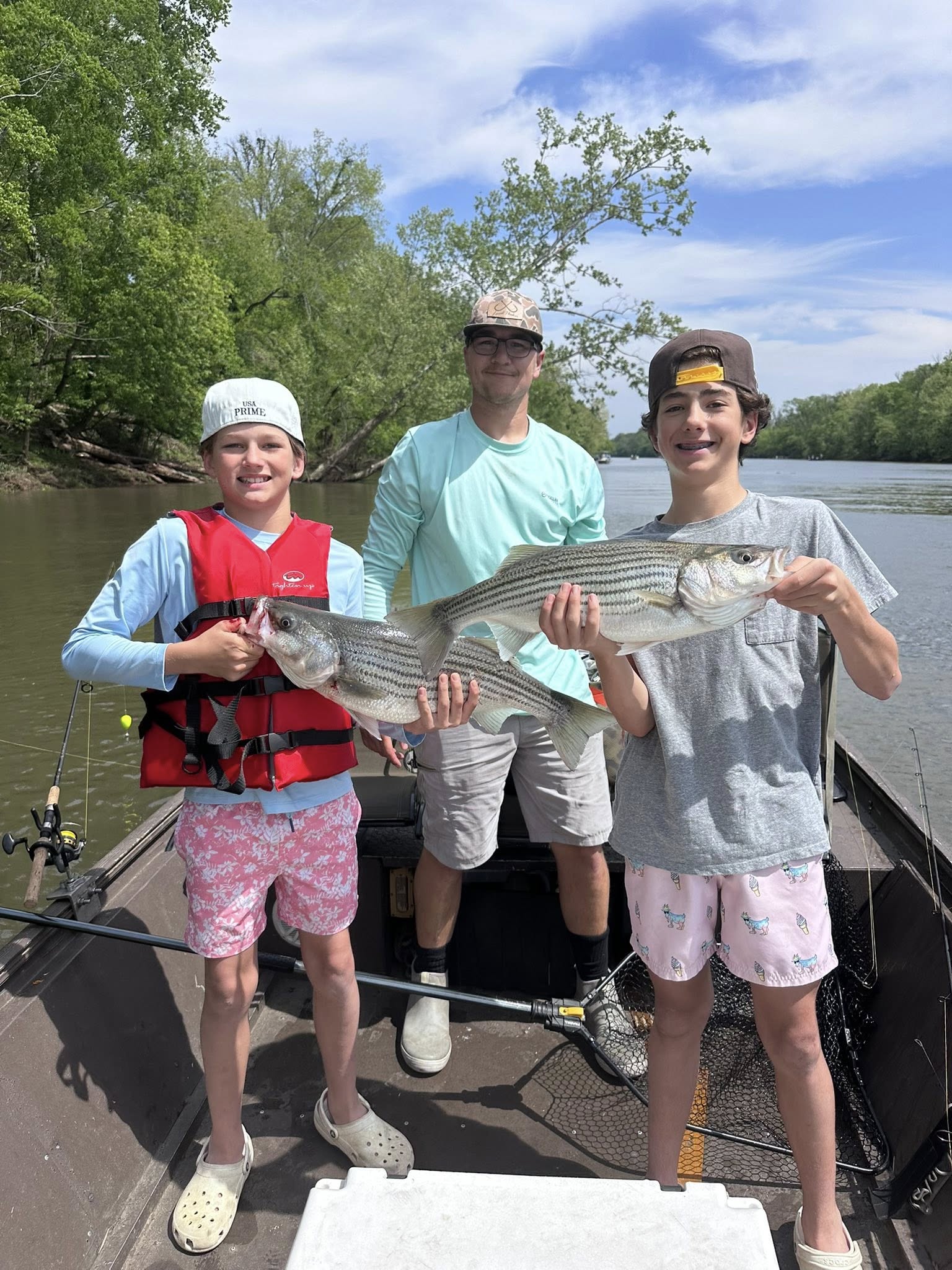
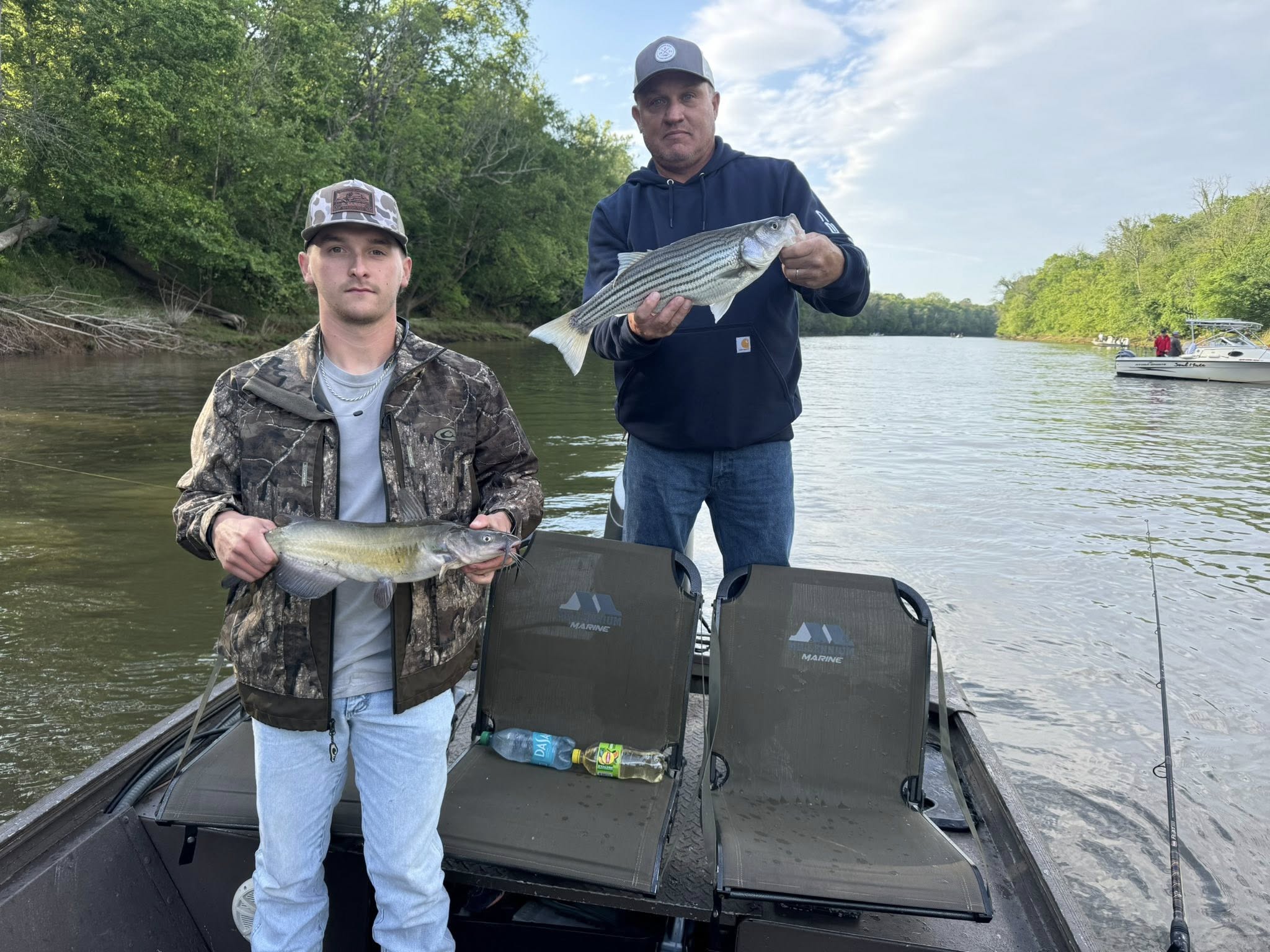
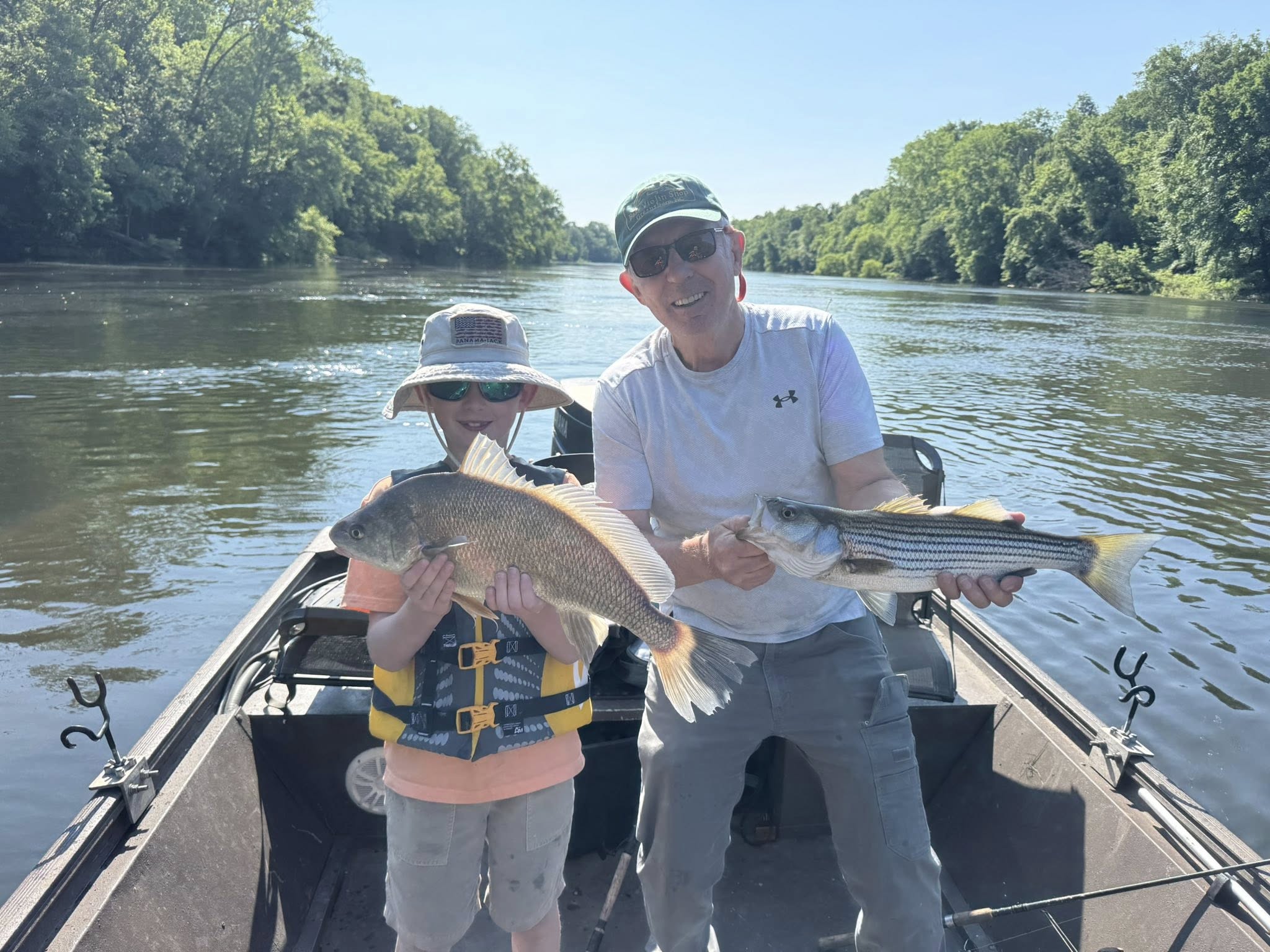
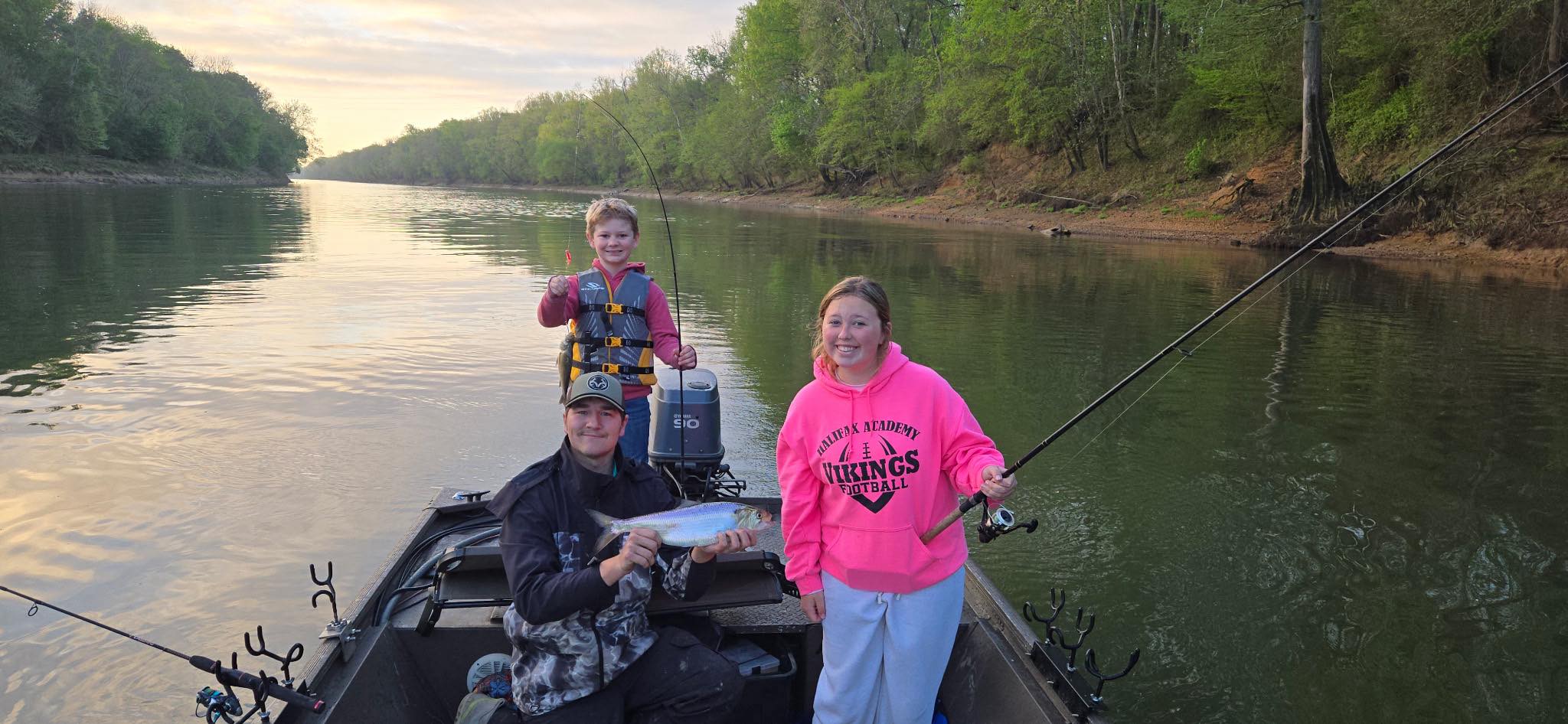
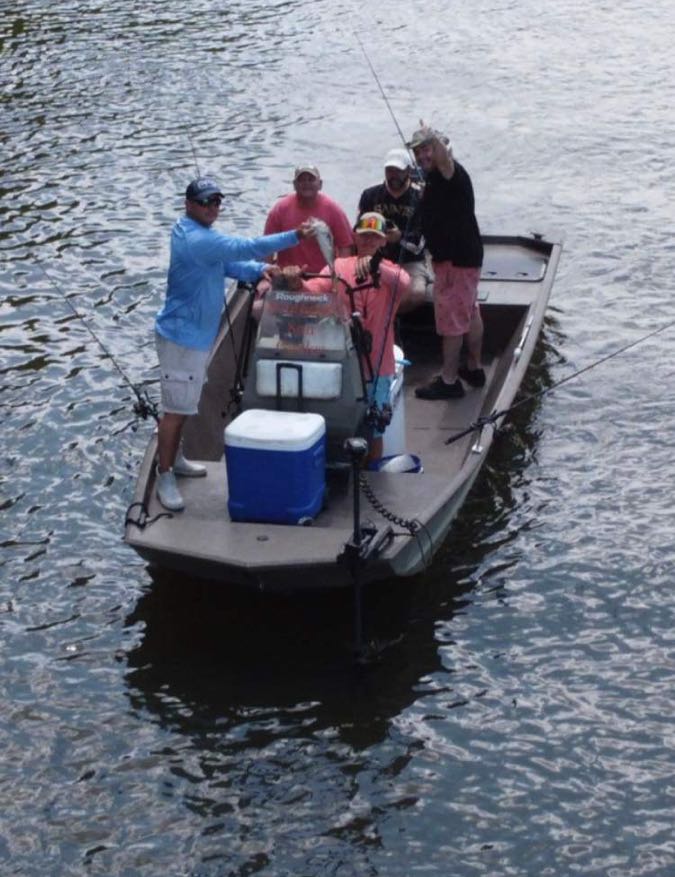
Nothing beats the satisfaction of feeling that unmistakable tug on your line when a hefty catfish decides your bait looks like dinner. Here on the Roanoke River, we've got some of the best catfish and bullhead fishing in North Carolina, and our 5-hour guided trips put you right in the heart of the action. Whether you're a seasoned angler or just getting your feet wet, this fishing adventure delivers the kind of authentic river experience that keeps folks coming back season after season. With room for up to 4 anglers, it's perfect for families, buddies, or anyone looking to escape the daily grind and spend quality time on the water.
What to Expect on the Water
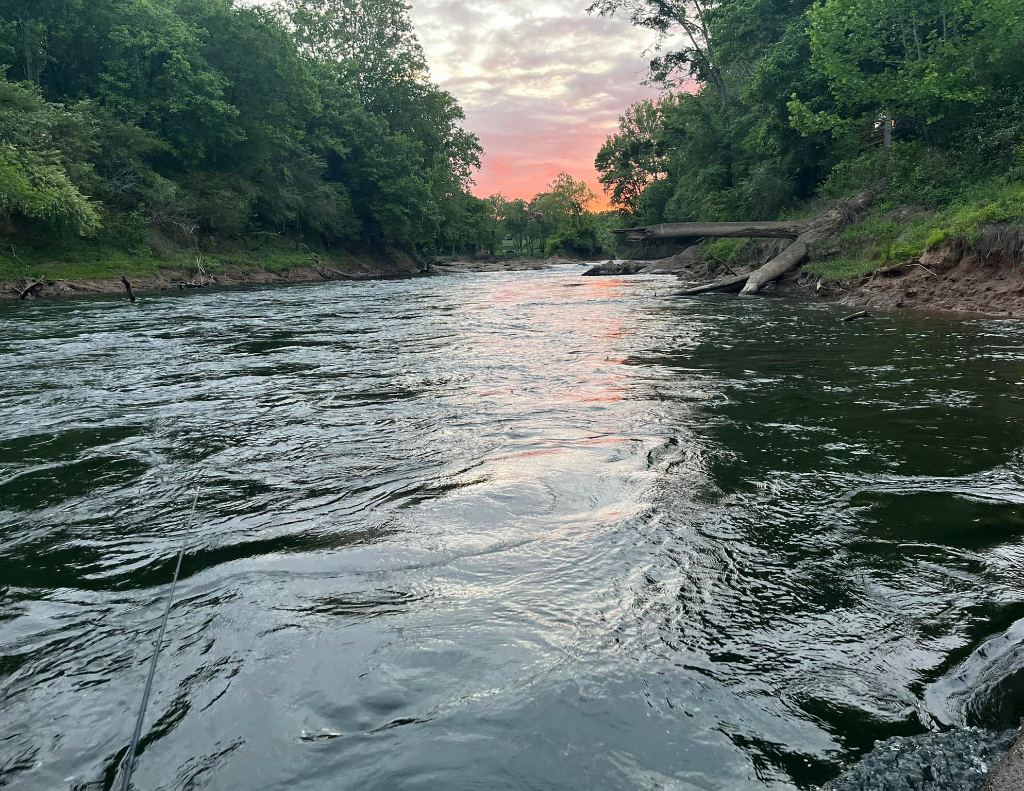
Your day starts early when we meet at the launch, and trust me, those pre-dawn hours are worth every minute once you see the sunrise painting the Roanoke's calm waters. This isn't some rushed tourist trap – we're talking about a full 5-hour commitment to serious catfishing. The Roanoke River flows through diverse habitat that creates perfect conditions for catfish and bullheads, from deeper holes where big cats like to hang out during the day to shallow flats where bullheads cruise for food. You'll fish multiple spots as we work our way along productive stretches, reading the water and adjusting tactics based on what the fish are telling us. The river changes throughout the day, and part of what makes this trip special is learning how to adapt your approach as conditions shift. We provide all the guidance you need, but you'll be doing the real work – baiting hooks, setting the drag, and fighting these scrappy fish once they decide to cooperate.
Gear Setup and River Tactics
Catfishing on the Roanoke requires a different approach than lake fishing, and we've got the river techniques dialed in. We'll be using medium-heavy rods with enough backbone to handle good-sized cats but sensitive enough to detect those subtle bullhead bites. Circle hooks are the standard here – they're safer for the fish and hook up better when cats make those classic runs. For bait, we rotate between proven producers like chicken liver, nightcrawlers, and cut bait depending on what's working that day. The key to success on this river is understanding current breaks, drop-offs, and structure where these fish like to feed. We'll anchor in productive spots and fish multiple lines, spacing them out to cover different depths and current seams. Bottom rigs work best most of the time, but we'll adjust leader length and weight based on flow conditions. The Roanoke has plenty of snags, so we'll teach you how to work around timber and rocks without losing too much tackle. Part of the learning experience involves reading your rod tip – catfish don't always slam the bait like bass do, and bullheads can be especially subtle.
Species You'll Want to Hook
Brown bullheads are the most common catch on our Roanoke River trips, and these chunky little fighters pack way more punch than their size suggests. Most browns run 8 to 12 inches, but don't let that fool you – they're built like miniature bulldozers and will give you a solid account of themselves on light tackle. Browns are most active during warmer months from late spring through early fall, and they're not picky eaters, which makes them perfect for anglers still learning to read bites. What makes brown bullheads special is their willingness to feed during daylight hours when other catfish species get sluggish. They school up in deeper pools and along current breaks, so when you find one, you'll usually find several.
Yellow bullheads bring a different personality to the mix – they're typically smaller than browns but more aggressive, and they'll hit baits that bigger catfish might ignore. These guys average 6 to 10 inches but make up for their size with attitude. Yellows prefer slightly different habitat, often hanging around vegetation edges and shallow cover where they can ambush small prey. They're excellent fish for kids and beginners because they bite consistently and don't require heavy tackle to enjoy the fight. Peak season for yellows runs from April through September, with the best action happening in the evening hours as water temperatures start to drop.
White catfish are the trophy fish of this trip – when you hook into a good one, you'll know immediately that something different just grabbed your bait. These fish can push 2 to 3 pounds on the Roanoke, and they fight with the kind of determined power that gets your heart pumping. Whites are more selective feeders than bullheads, so landing one feels like a real accomplishment. They prefer deeper water during the day but will move shallow to feed, especially around dawn and dusk. White catfish are most active from late spring through early fall, but the biggest specimens often show up during those transitional periods when water temperatures are changing. These fish have a cleaner taste than other catfish species, making them a favorite for anglers who like to keep a few for dinner.
Time to Book Your Spot
Look, there's something special about spending a morning on the Roanoke River with nothing but the sound of moving water and the anticipation of your next bite. This isn't just about catching fish – though you'll definitely do that – it's about connecting with one of North Carolina's premier fishing destinations in a way that most people never experience. Our 5-hour trips give you enough time to really settle into the rhythm of river fishing, learn some new techniques, and hopefully put together some memories that'll last long after you've headed home. The Roanoke's catfish and bullhead populations are healthy and hungry, and with our local knowledge guiding your efforts, you're in for the kind of authentic angling adventure that reminds you why you fell in love with fishing in the first place. Don't wait too long to secure your dates – the best fishing windows fill up fast, and you don't want to miss out on what could be your best catfishing trip of the year.
 Private Trip
 River Fishing
 100 Rockfish Dr, Weldon, NC, USA


 5-hour guided catfish fishing adventure on Roanoke River