Full Day Inshore Fishing in North Carolina
When you're looking for the real deal in North Carolina inshore fishing, Southern Tides Fishing Charters delivers an authentic 8-hour adventure that puts you right in the heart of our coastal waters. This isn't your typical half-day rush job – we're talking about a proper full-day fishing trip where you'll have time to work different spots, adjust tactics, and really get into the rhythm of the water. With up to 6 anglers on board, there's plenty of room to spread out and fish comfortably while targeting some of the most sought-after species along our coast. You'll be working miles of North Carolina shoreline, from productive grass flats to winding creeks and oyster-studded structure that holds fish year-round.
What to Expect on the Water
Your day starts early, which is exactly how serious anglers like it. We'll be covering serious ground across North Carolina's inshore waters, hitting everything from shallow grass flats where redfish cruise in skinny water to deeper creek channels where big trout stack up during moving tides. The beauty of an 8-hour trip is flexibility – if the fish are biting in one area, we can stay and work it thoroughly. If they're not cooperating, we've got time to relocate and try different tactics. You'll be fishing around oyster bars that create perfect ambush points for feeding fish, working creek mouths where baitfish get funneled during tide changes, and covering expansive grass flats where you can sight-fish to tailing redfish. The variety keeps things interesting, and the extra time means we can adapt to conditions and fish behavior throughout the day.
Tactics and Techniques
Inshore fishing in North Carolina requires reading water, understanding structure, and matching your presentation to what the fish want. We'll be using a mix of live bait and artificials, depending on conditions and target species. Soft plastics rigged on jig heads work fantastic around oyster bars and grass edges, while topwater plugs can produce explosive strikes during dawn and dusk periods. When we're working deeper creek channels, we might switch to live shrimp or finger mullet under popping corks to target speckled trout. The key is staying versatile – some days the fish want a slow presentation dragged along the bottom, other days they're aggressive and hitting fast-moving baits. Structure is everything in inshore fishing, so you'll learn to identify productive oyster bars, grass bed edges, and creek bends that consistently hold fish. Tide timing plays a huge role too, and we'll position ourselves to take advantage of moving water that gets baitfish active and predators feeding.
Target Species
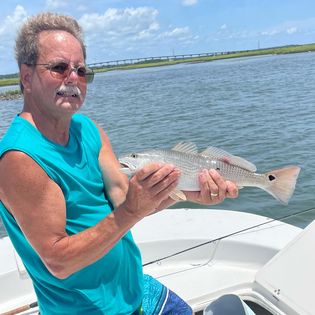
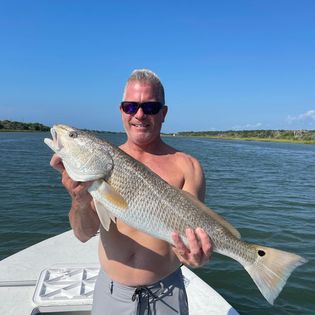
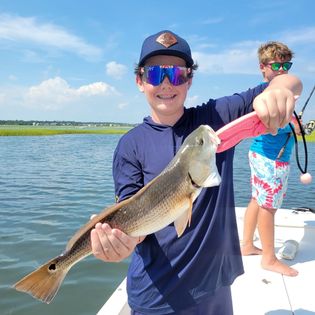
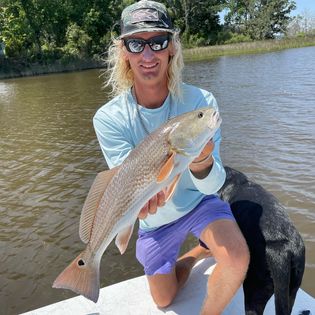
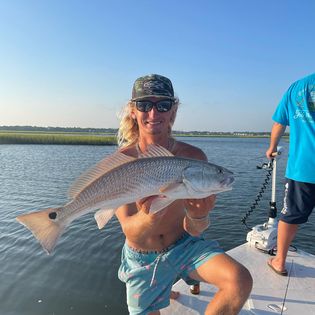
Redfish are the crown jewel of North Carolina inshore fishing, and for good reason. These copper-colored bruisers can push 30+ inches and provide some of the most memorable fights you'll experience in shallow water. Spring through fall offers the best action, with fish cruising grass flats and oyster bars in water so shallow you can watch them inhale your bait. What makes redfish special is their willingness to eat and their bulldogging fight – once hooked, they'll use every oyster bar and grass bed to try breaking you off. The sight-fishing opportunities are world-class, especially during warmer months when you can spot their tails and backs in skinny water.
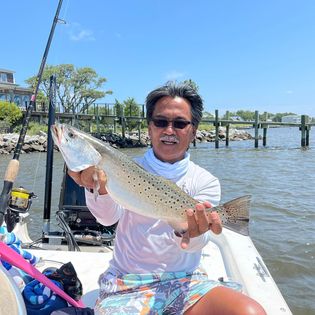
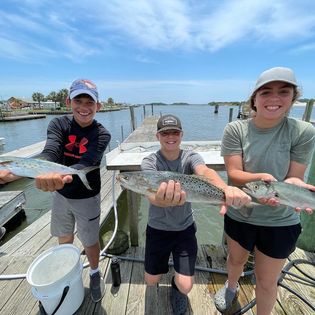
Speckled trout, or "specks" as locals call them, are the bread and butter of North Carolina inshore fishing. These spotted beauties are aggressive feeders that school up in deeper creek channels and along grass bed edges. Peak season runs from late spring through early winter, with fish ranging from schoolie size up to impressive 5+ pound gator trout. What anglers love about specks is their willingness to hit artificials – a well-placed soft plastic or topwater plug can trigger vicious strikes. They're also excellent table fare, making them a favorite target for anglers looking to take home dinner.
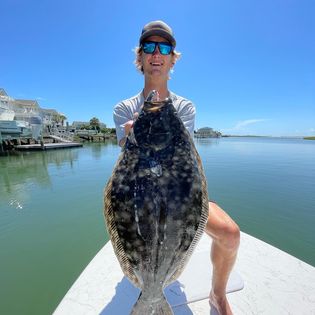
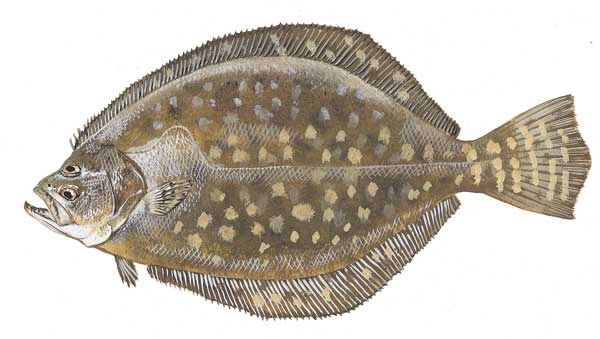
Southern flounder are the ultimate ambush predators, lying camouflaged on sandy bottoms waiting for unsuspecting baitfish. These flatfish can reach impressive sizes, with doormat flounder over 20 inches providing fantastic fights and excellent eating. Summer and early fall are prime time, when flounder move into shallow creeks and around structure to feed. What makes flounder fishing exciting is the technique – you're often bouncing baits along the bottom, feeling for that distinctive pickup that signals a flounder has grabbed your offering. The fight might not be flashy, but landing a big flounder is always satisfying.
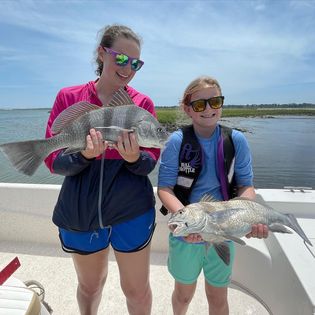
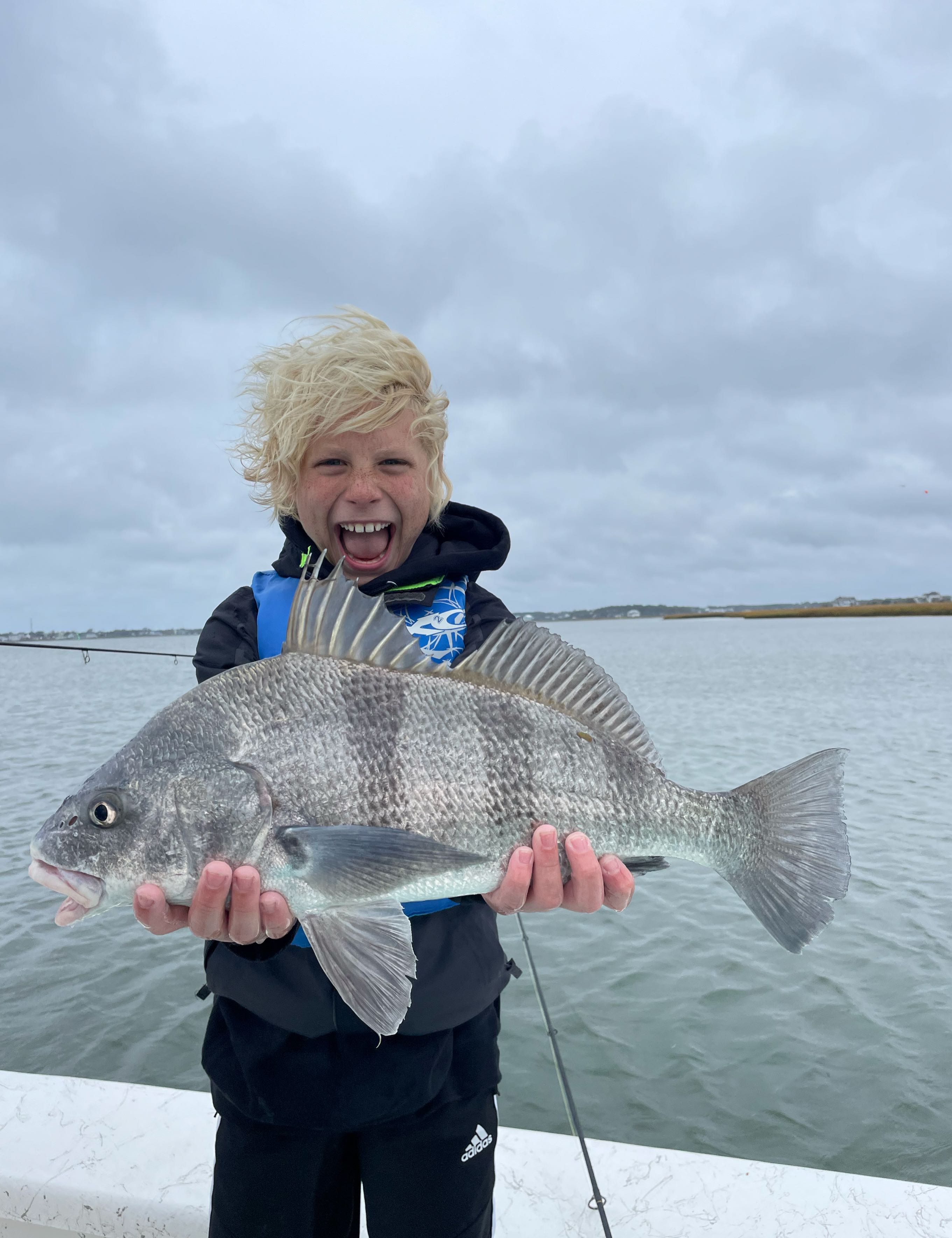
Black drum are the heavyweights of the inshore scene, with mature fish capable of reaching 40+ pounds. These bottom-dwellers love oyster bars and structure, where they use their powerful pharyngeal teeth to crush crabs and shellfish. Spring brings the best black drum action as fish move shallow to spawn, though keeper-sized drum can be caught year-round. The appeal of black drum fishing lies in their size and power – hooking into a big drum means you're in for a sustained battle that will test your tackle and technique.
Sheepshead are the convict-striped specialists that challenge even experienced anglers with their bait-stealing abilities. These structure-loving fish hang around oyster bars, pilings, and hard bottom, picking off crabs and barnacles with their human-like teeth. Winter through early spring offers peak sheepshead action, when fish school up in deeper water. What makes sheepshead fishing addictive is the challenge – they're notorious for stealing bait, so success requires precise presentation and lightning-fast hook sets. Landing a quality sheepshead feels like winning a chess match against one of the smartest fish in the water.
Time to Book Your Spot
This full-day inshore fishing trip represents the best value for serious anglers who want to experience everything North Carolina's coastal waters have to offer. Eight hours gives you the time to really learn the water, try different techniques, and put together a memorable day on some of the East Coast
 Private Trip
 Inshore Fishing
 Cedar Point, NC


 Eight-hour inshore fishing adventure targeting redfish, trout, and flounder