Morning Fishing Trip - North Carolina Inshore
There's something special about getting on the water early when the fish are still actively feeding and the North Carolina coast is waking up. This half-day morning trip with Southern Tides puts you right in the heart of some of the best inshore fishing grounds on the East Coast. You'll be working miles of productive shorelines, expansive grass flats, and countless creeks that hold serious fish. With Captain Jacob at the helm, you're looking at a solid morning of fishing that consistently produces limits for anglers who know where to look.
What to Expect on the Water
This isn't your typical boat ride - you're heading into prime inshore territory where the fishing actually happens. The North Carolina coast gives us access to thousands of oyster bars, shallow grass flats, and tidal creeks that create perfect habitat for multiple species. You'll be fishing water that ranges from skinny flats where redfish cruise in less than three feet, to deeper creek mouths where flounder ambush baitfish. The morning bite is typically strong here, especially during the warmer months when fish feed heavily before the sun gets high. Captain Jacob knows these waters like his backyard and puts you on fish instead of just taking you for a ride. With space for up to six anglers, there's room for your whole crew without feeling crowded when the action picks up.
Techniques and Tackle
We're talking real inshore fishing here - light tackle, live bait, and artificial lures that match what these fish are eating. You'll be using spinning gear in the 15-20 pound class that gives you the sensitivity to feel those subtle bites but enough backbone to turn fish away from structure. Depending on conditions and what's biting, you might be sight fishing with topwater plugs, bouncing jigs along oyster bars, or working live shrimp under popping corks. The grass flats require specific techniques - you need to know how to work lures through the vegetation without hanging up every cast. Tidal movement drives everything out here, so timing your fishing around current changes makes the difference between a slow day and limiting out. Captain Jacob provides all the gear, but if you've got your own setup rigged and ready, bring it along.
Customer Stories
"Jacob was very knowledgeable and we had a great time limiting out on our catch. Will be back most definitely" - William
Species You'll Want to Hook
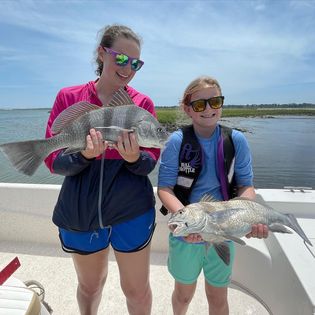
Black Drum are the bulldogs of the inshore flats, and North Carolina's waters hold some serious fish. These bruisers hang around oyster bars and structure where they crush crabs and shellfish with those powerful pharyngeal teeth. You'll find them year-round, but spring and fall produce the biggest fish when they're staging for spawning runs. Black drum fight dirty - they use their broad sides and that thick body to pull hard toward bottom structure. When you hook a big one, expect a tug-of-war that'll test your drag and your patience. They're not the prettiest fish in the ocean, but they'll give you a workout you won't forget.
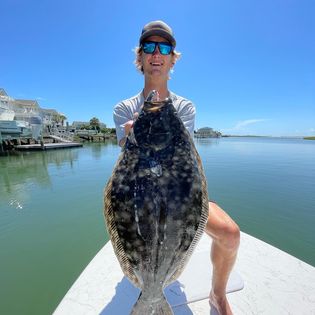
Summer Flounder, or fluke as most anglers call them, are the shape-shifters of the inshore world. These ambush predators bury themselves in sand and mud, waiting to explode upward when baitfish pass overhead. Peak season runs from late spring through early fall, with the biggest fish often caught in deeper water during summer months. What makes flounder fishing addictive is the sudden, violent strike - one second you're bouncing bottom, the next your rod tip is getting yanked down. They're also excellent table fare, which makes a successful flounder trip feel like hitting the jackpot. North Carolina produces some of the East Coast's best fluke fishing, with fish regularly topping five pounds.
Sheepshead are the convict fish - those black and white stripes make them easy to identify, but catching them requires finesse most anglers don't expect. These bait stealers have human-like teeth that let them pick barnacles and crabs off pilings and rocks with surgical precision. They're notorious for subtle bites that feel like you're snagged on bottom until the "snag" starts swimming away. Winter months often produce the best sheepshead action when other species have moved offshore. Once you figure out their feeding pattern and learn to set the hook on those light taps, sheepshead become one of the most rewarding inshore targets. Plus, they're fantastic eating with firm, white meat that rivals any fish in the ocean.
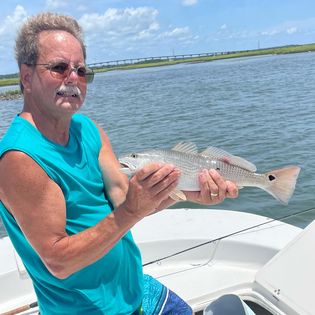
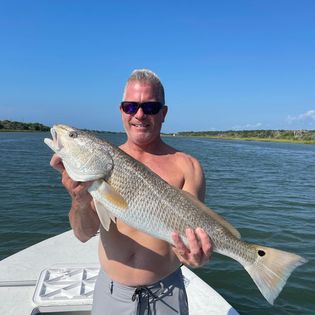
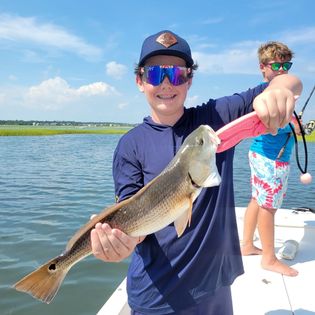
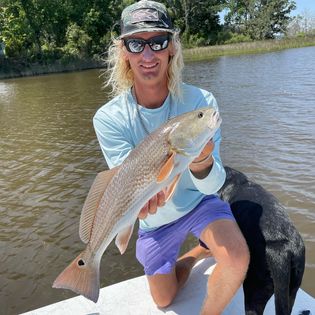
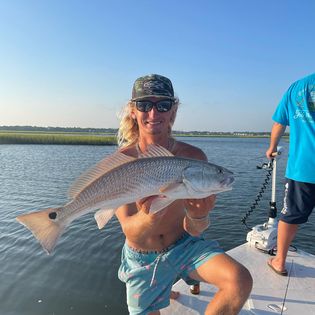
Redfish are the crown jewel of inshore fishing along the Carolina coast. These copper-colored bruisers cruise shallow flats, tailing in grass beds and ambushing prey around oyster bars. Spring through fall offers the most consistent action, but winter can produce some of the biggest fish when they school up in deeper creeks. What makes redfish special is their willingness to eat artificials - spoons, soft plastics, and topwater plugs all produce strikes. When a big red explodes on a topwater lure in two feet of water, that's a moment that keeps anglers coming back year after year. They're also built like tanks, using that broad tail and powerful body to make long runs that'll have your reel screaming.
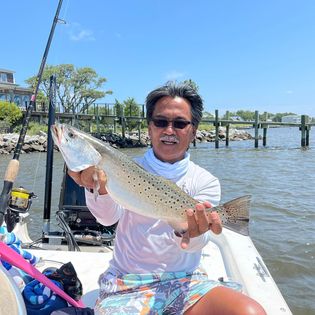
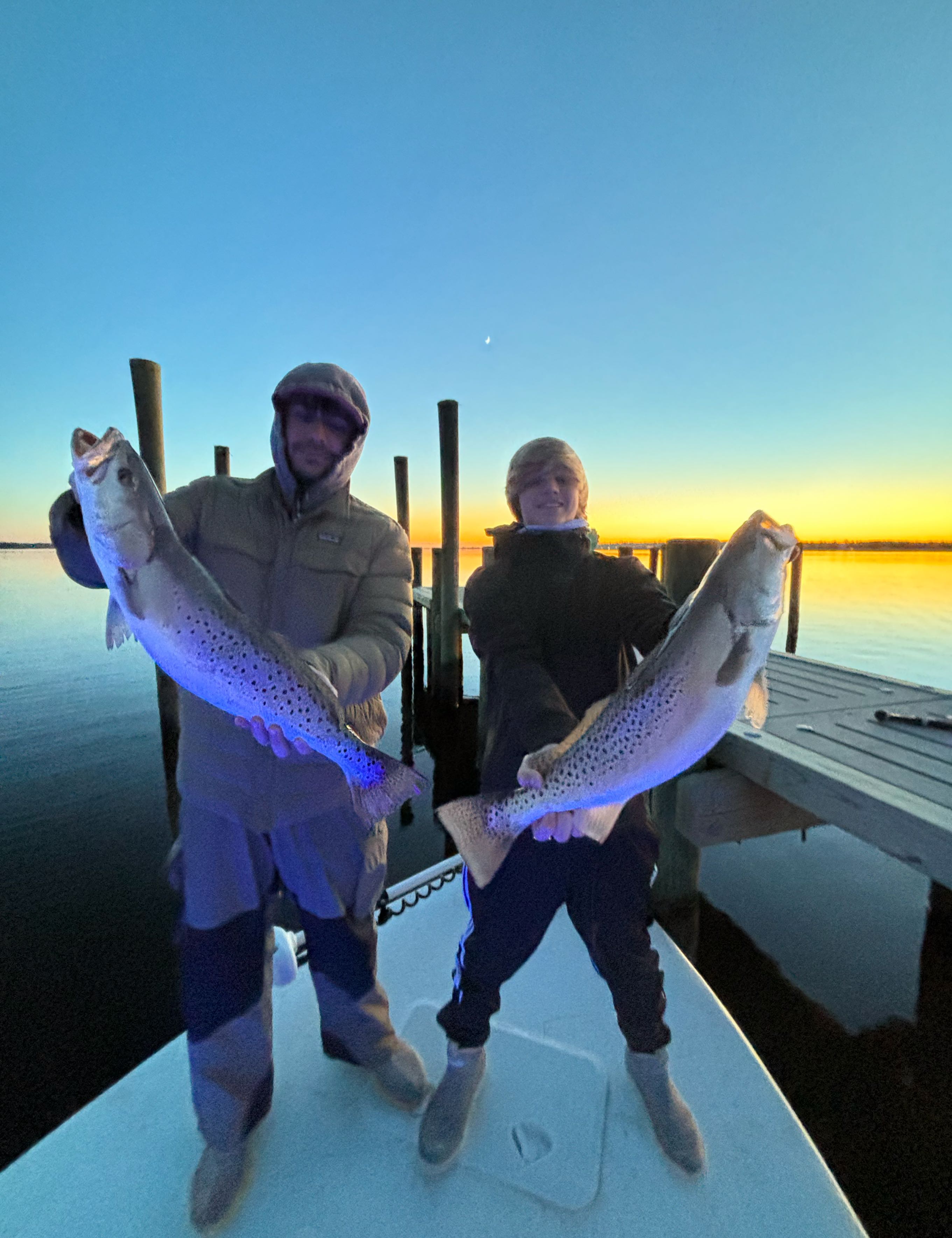
Sea Trout, or speckled trout, are the bread and butter of inshore fishing in North Carolina. These spotted predators patrol grass flats and creek mouths, feeding heavily on shrimp and small baitfish. They're active year-round but really turn on during spring and fall when water temperatures hit that sweet spot. Trout have relatively soft mouths, so light drag settings and sharp hooks are essential. They're also one of the most reliable species for putting consistent action on the boat - when you find a school of feeding trout, you can often catch fish after fish until they move on. The eating quality is outstanding too, with flaky white meat that's perfect for the dinner table.
Time to Book Your Spot
 5.0(1 Reviews)
 Private Trip
 Inshore Fishing
 Cedar Point, NC


 Half-day inshore fishing along North Carolina's diverse coastline