4 Hour Morning Fishing Trip - Choctawhatchee Bay
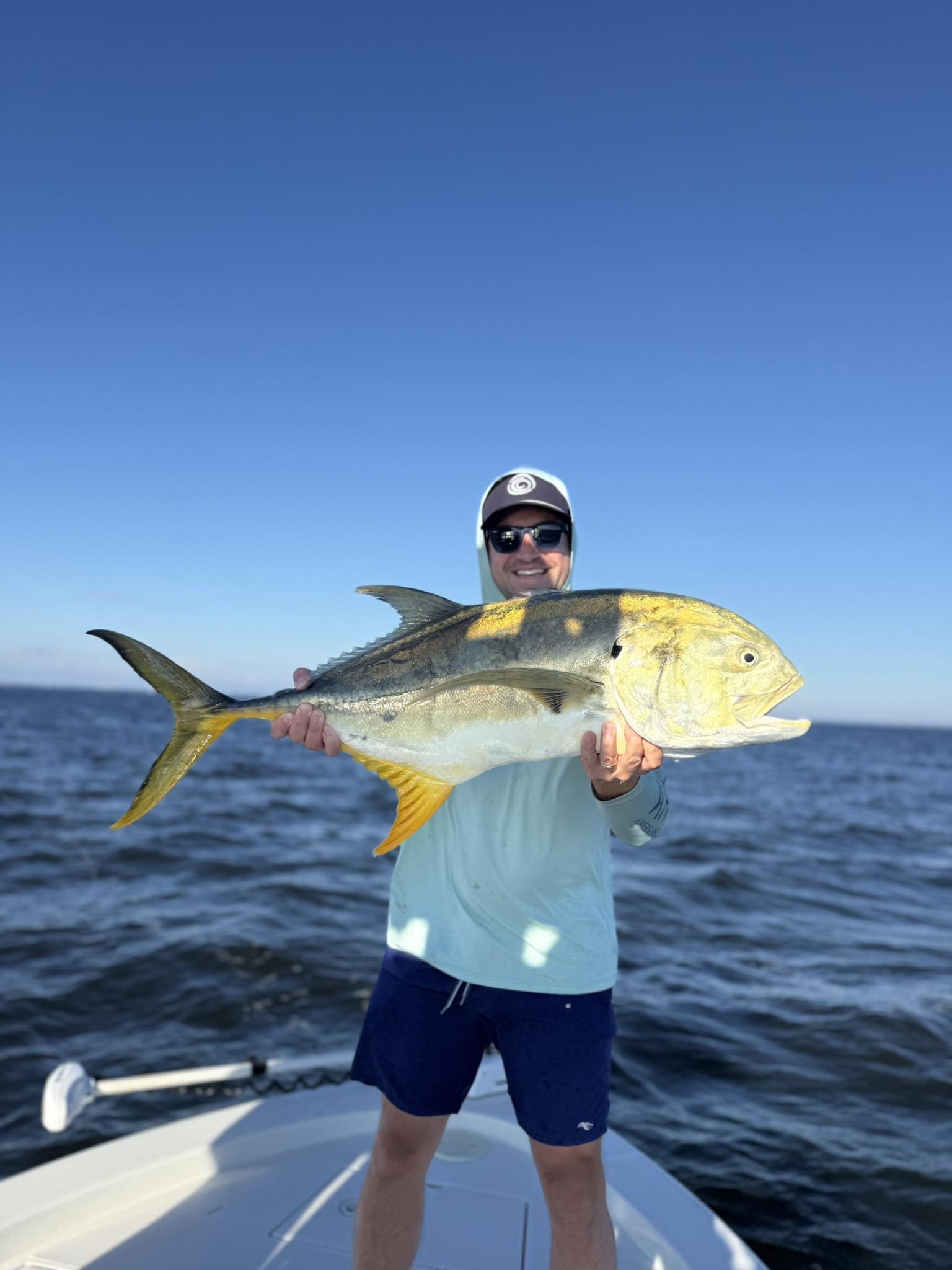
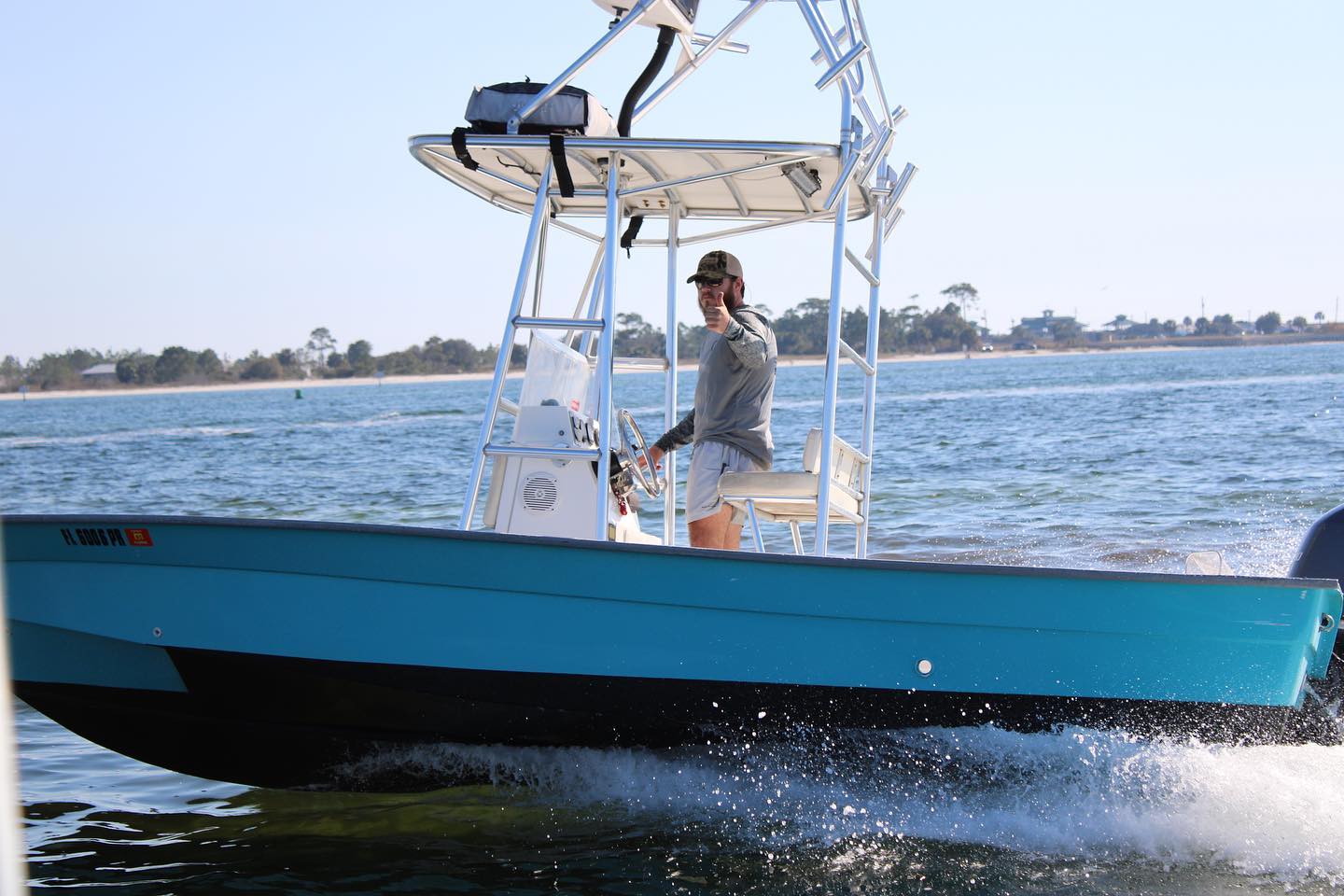
There's something special about hitting the water when the sun's just coming up and the fish are actively feeding. Captain Dalton Spitzer knows these Choctawhatchee Bay waters like the back of his hand, and this 4-hour morning trip puts you right in the action during prime feeding time. Starting from Freeport, you'll fish the protected inshore waters where redfish cruise the grass flats, speckled trout ambush baitfish around structure, and Spanish mackerel tear through the bay during their seasonal runs. This top-rated morning charter handles up to 4 anglers and welcomes everyone from first-timers to seasoned locals looking to dial in their technique on these productive 30A waters.
What to Expect on the Water
Morning trips are gold for inshore fishing, and Captain Dalton times these charters to hit the sweet spot when fish are most active. You'll launch from Freeport and cruise into Choctawhatchee Bay's vast network of grass flats, oyster bars, and drop-offs that hold fish year-round. The bay stays relatively calm compared to open Gulf waters, making it perfect for light tackle fishing and really dialing in your presentation. Dalton provides all the gear you'll need, from spinning rods rigged with live bait to artificial lures that mimic the shrimp and baitfish these species feed on. The pace stays relaxed but productive - you're not rushing from spot to spot, but rather working structure methodically and learning to read the water like a local. Whether you're learning to cast a net for the first time or perfecting your popping cork technique, this trip gives you hands-on time with an experienced guide who knows how to put fish in the boat.
Light Tackle Techniques
This charter focuses on light tackle fishing, which means you'll feel every hit and fight these fish put up. Captain Dalton typically runs spinning gear in the 2500-3000 size range spooled with 15-20 lb braid, perfect for the structure and species you'll target. Depending on conditions and what's biting, you might fish live shrimp under popping corks around oyster beds, work soft plastics through grass flats, or cast spoons and jigs when Spanish mackerel are schooled up. The key is reading the tides and water temperature - morning trips often coincide with moving water that positions baitfish and gets predators feeding actively. You'll learn to work different depths, from shallow grass flats in 2-3 feet of water to bay edges that drop into 8-12 foot channels. Dalton takes time to explain why certain spots hold fish and how seasonal patterns affect where and when to target different species, giving you knowledge you can use long after the trip ends.
Top Catches This Season
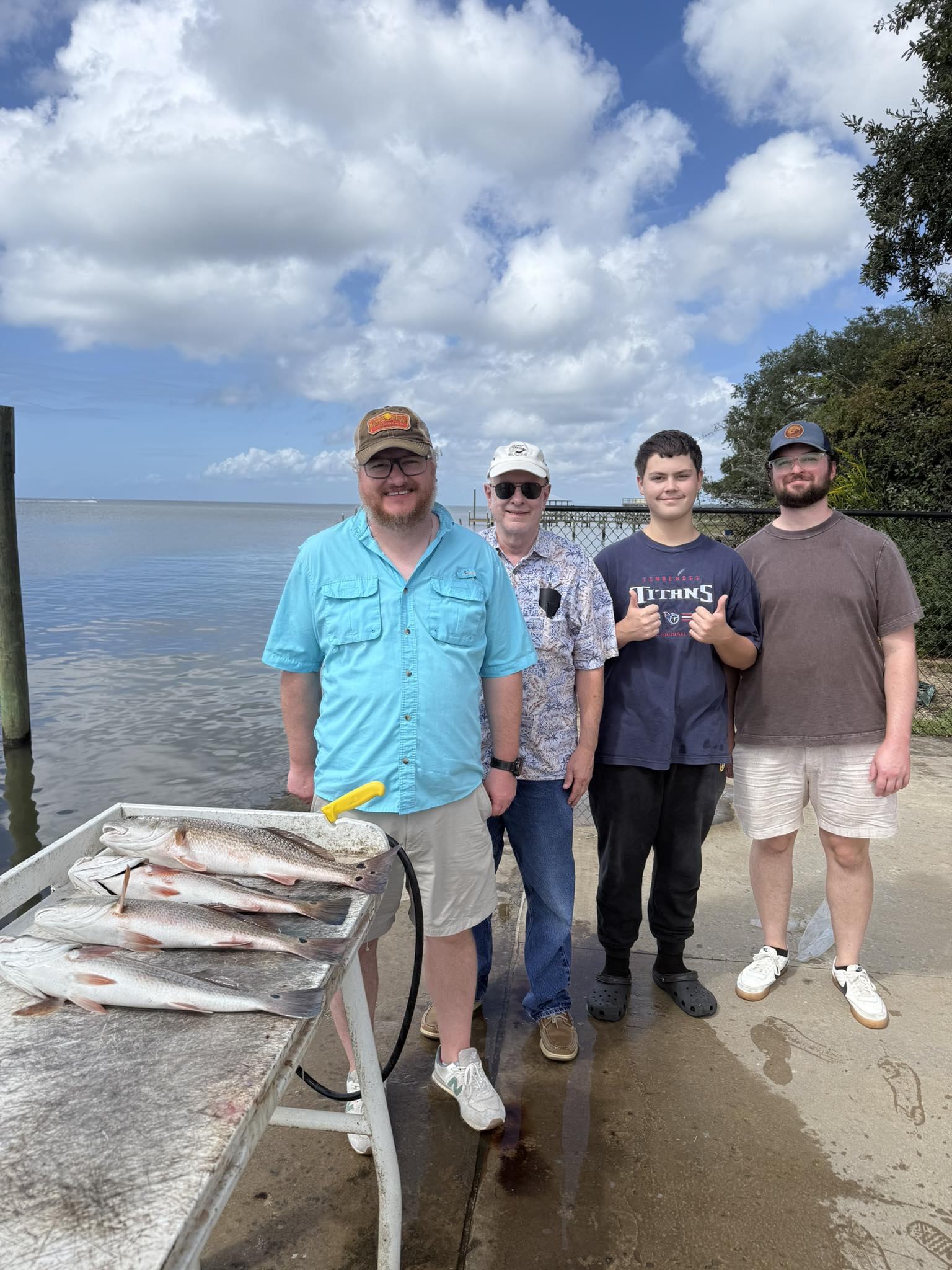
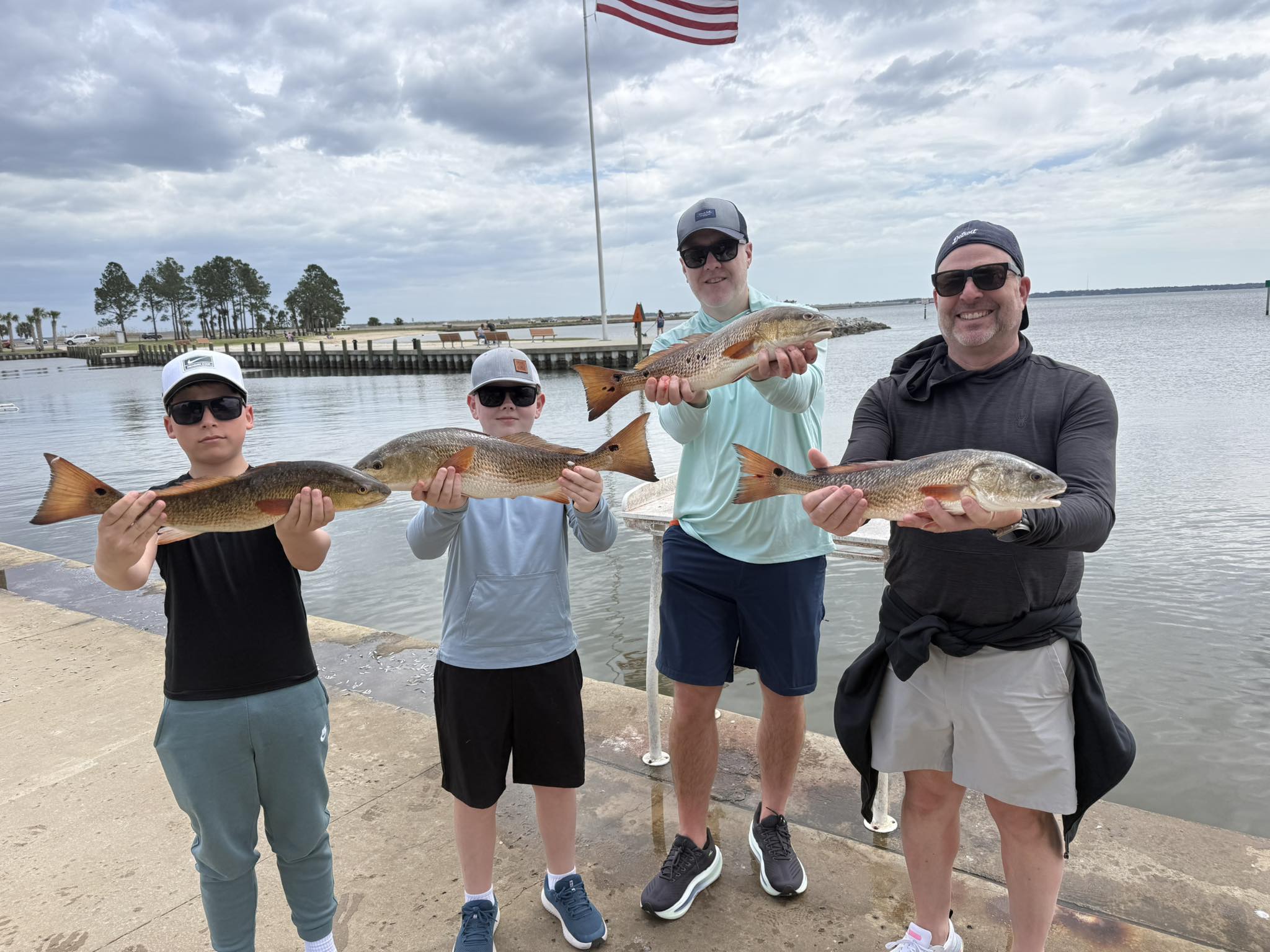
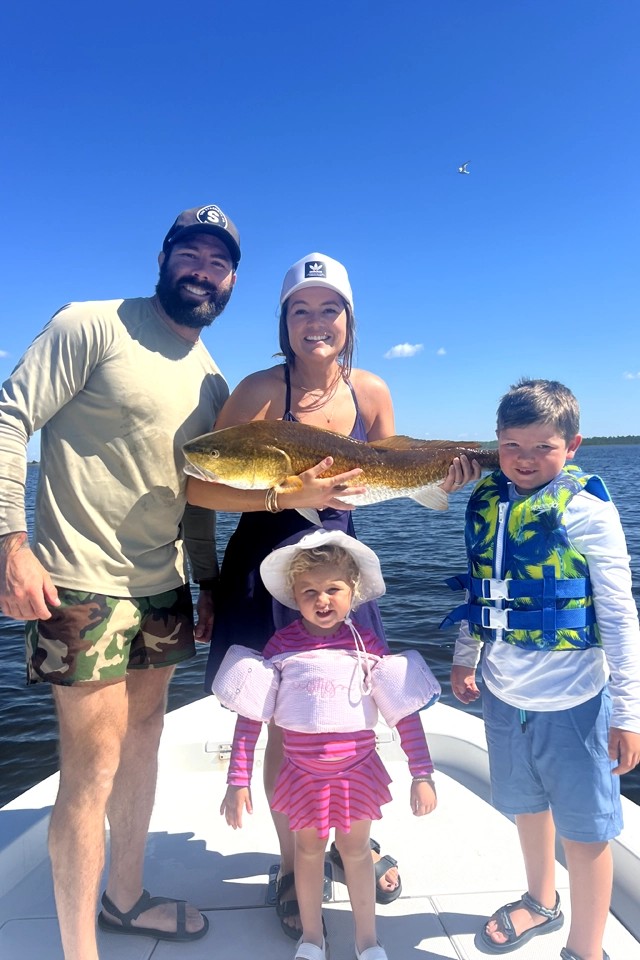
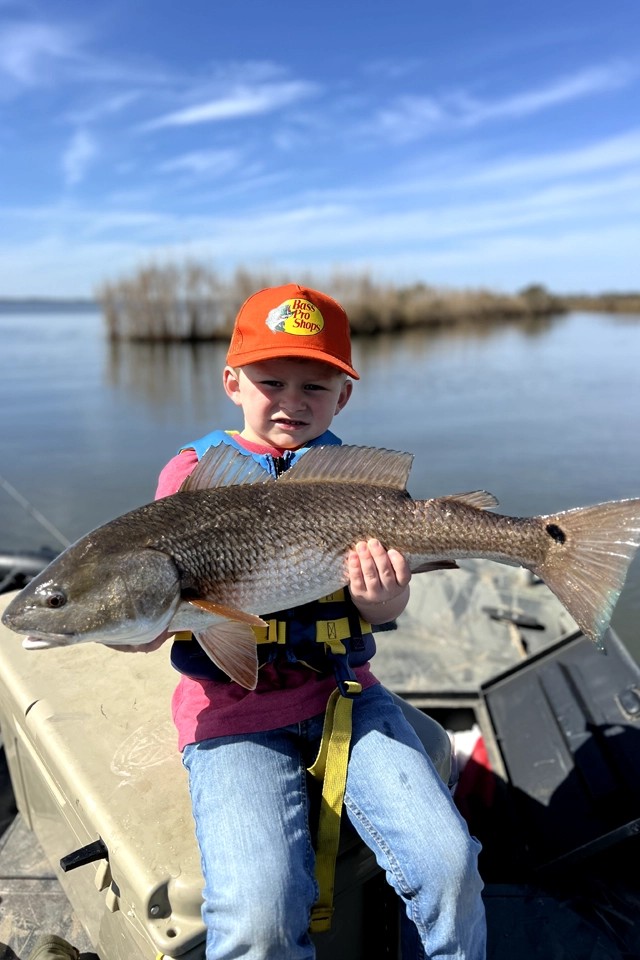
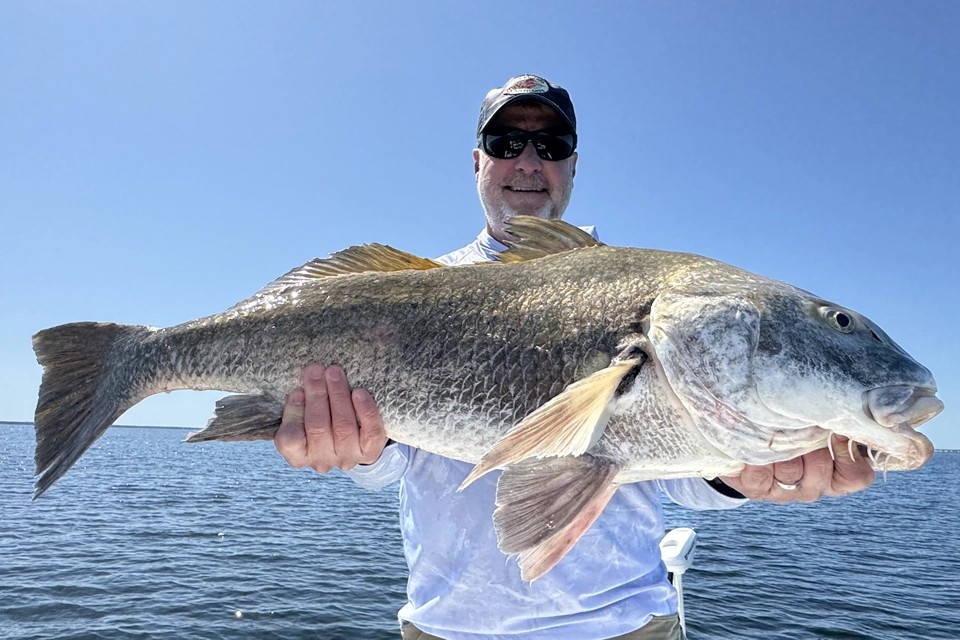
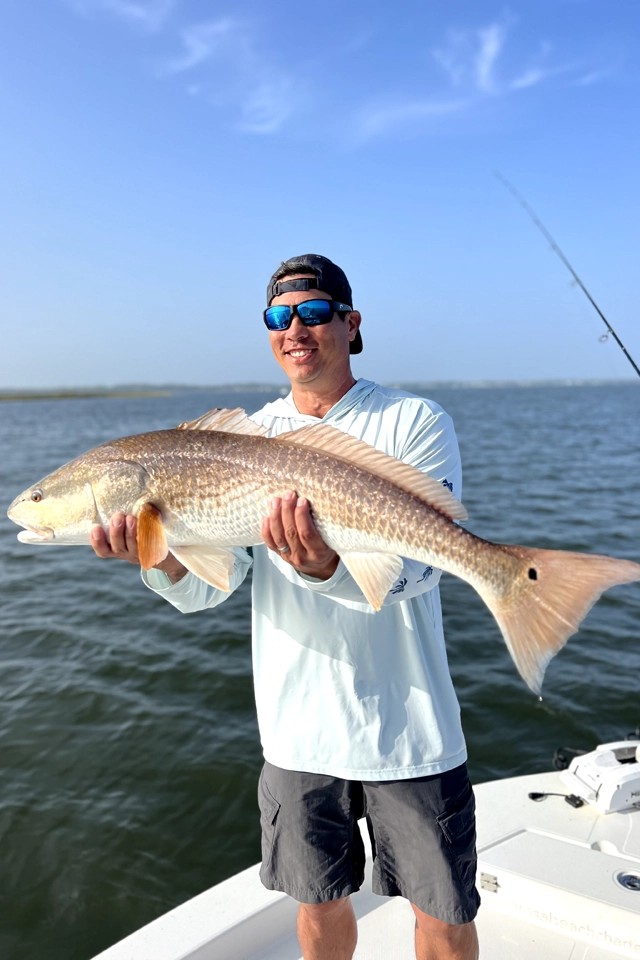
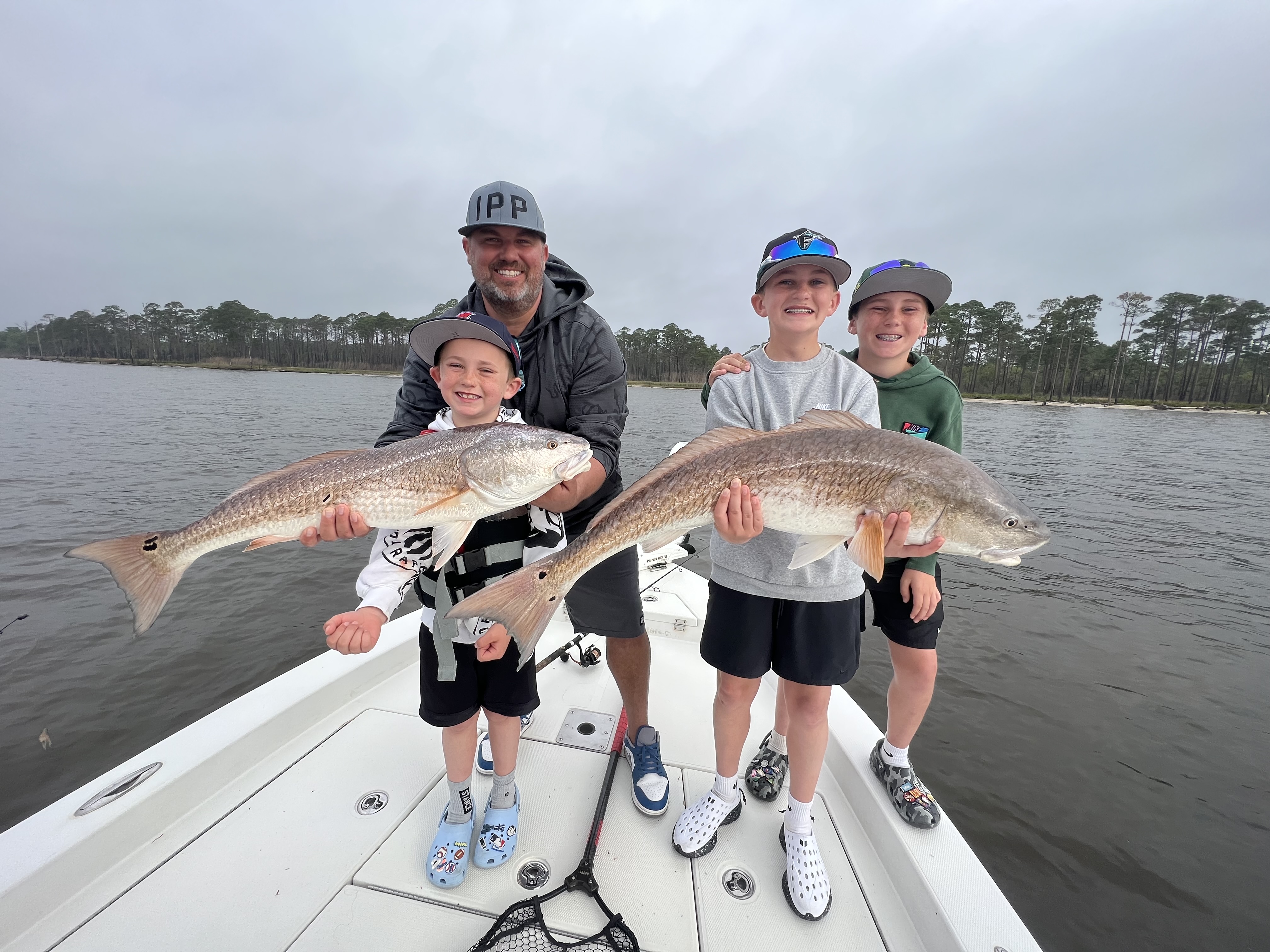
Redfish are the bread and butter of Choctawhatchee Bay fishing, and these copper-colored fighters love the grass flats and oyster structure throughout the bay. You'll typically find them in 2-6 feet of water, often tailing in the shallows during moving tides. Redfish here run anywhere from schoolie-sized 18-inchers up to bull reds pushing 30+ inches, and they hit both live bait and artificials with aggressive strikes. What makes them special is their fight - they use that broad tail and body to bulldoze through grass beds and around structure, testing your drag and technique. Spring through fall offers the most consistent action, but even winter months can produce solid catches when you find warmer water pockets.
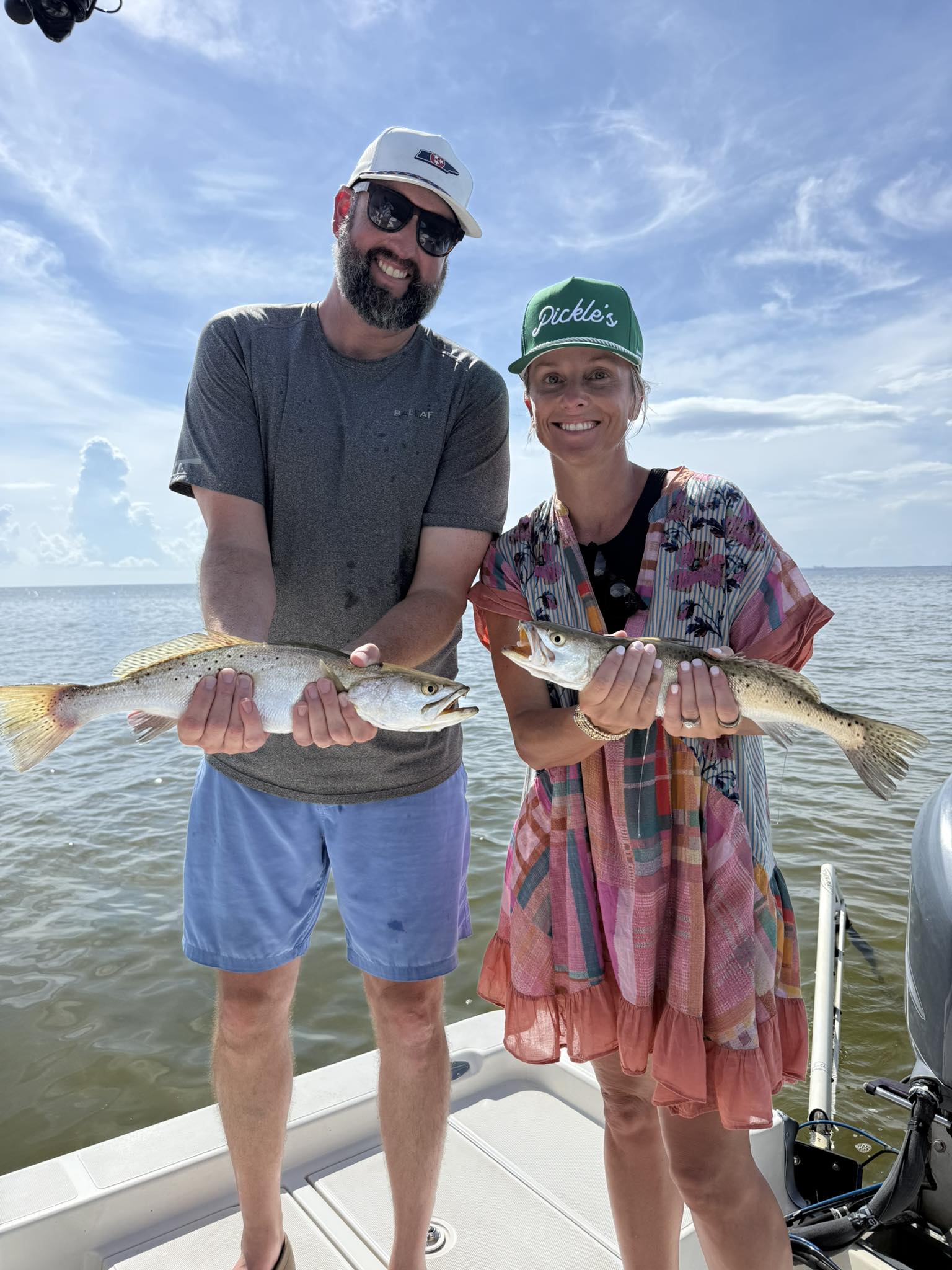
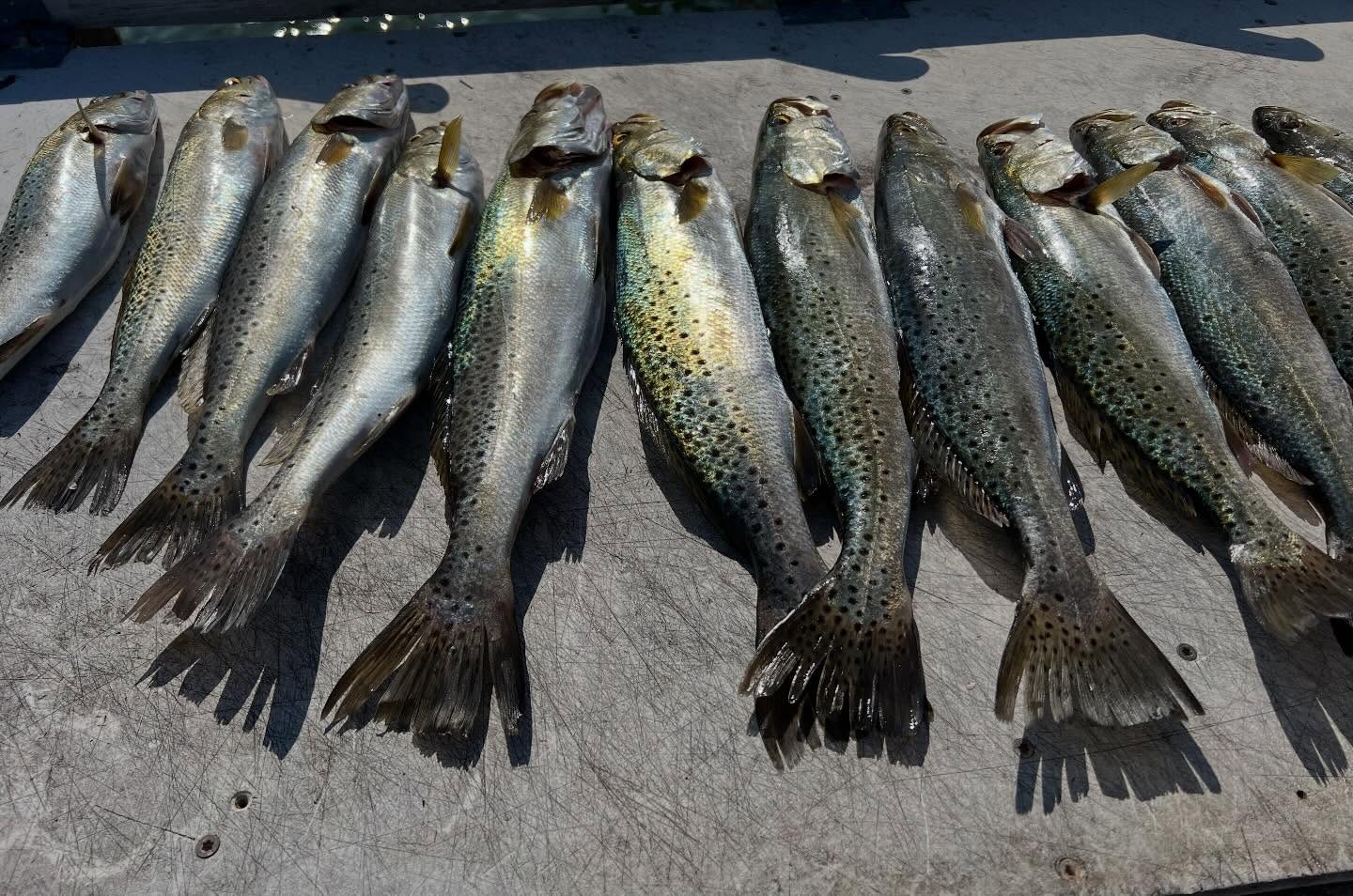
Speckled trout patrol the same areas as redfish but tend to be more finicky about presentation and water temperature. These spotted fighters prefer slightly deeper grass beds and drop-offs, especially around points and cuts where current moves baitfish. Trout in the bay typically run 14-20 inches with occasional specimens pushing 24+ inches. They're known for their soft mouths, so you'll learn proper hookset technique and how to fight them without pulling the hook. Speckled trout fishing peaks in spring and fall when water temperatures hit that sweet spot, but summer morning trips often produce steady action before the water heats up too much.
Black drum might not win beauty contests, but they're powerful fighters that test your tackle around oyster beds and hard structure. These bottom feeders can range from smaller 2-3 pound fish up to true giants exceeding 20 pounds. They're notorious for using their strength and the structure to their advantage, making powerful runs that'll have your drag screaming. Black drum bite year-round in the bay, with larger fish more common in cooler months. They're excellent table fare in the smaller sizes and provide some of the strongest fights you'll experience on light tackle.
Spanish mackerel bring speed and aggressive strikes when they move through the bay during their seasonal migrations. These sleek predators school up and create some of the fastest action you'll find, often hitting lures and live bait with violent strikes that'll catch you off guard. They typically run 1-3 pounds in the bay but make up for size with pure energy and acrobatics. Spring and fall migrations offer the best opportunities, but summer months can produce scattered fish. They're also excellent eating when iced down properly, making them a customer favorite for both sport and the dinner table.
Time to Book Your Spot
Morning fishing trips book up quickly, especially during peak seasons when the bite is hot and weather conditions are most favorable. Captain Dalton's local knowledge and relaxed teaching style make this charter perfect whether you're introducing kids to fishing, planning a guys' trip, or just want to learn these productive inshore waters. The 4-hour timeframe gives you solid fishing time without the full-day commitment, and morning departures mean you're back at the dock with time to enjoy other 30A activities. All tackle and bait are included, so just bring sun protection, drinks, and snacks to fuel your morning on the water. This world-
 Private Trip
 Inshore Fishing
 Choctawhatchee Bay


 Four-hour morning trip targets redfish, trout, and Spanish mackerel