Lake Bowfishing Adventure for Two Anglers
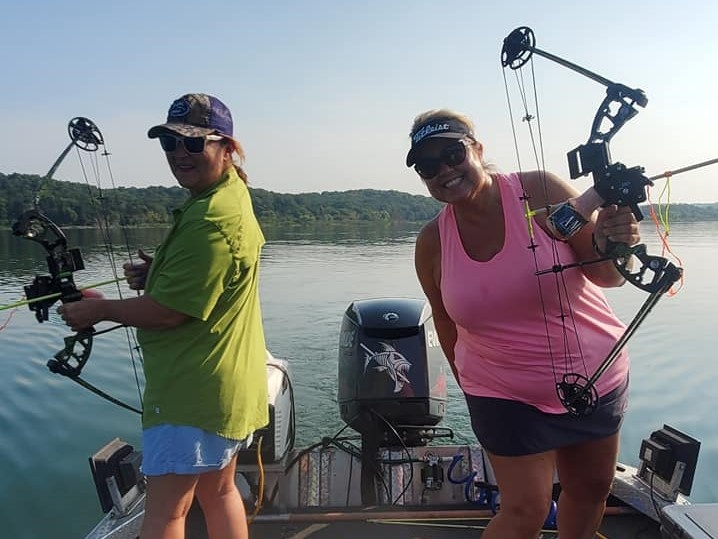
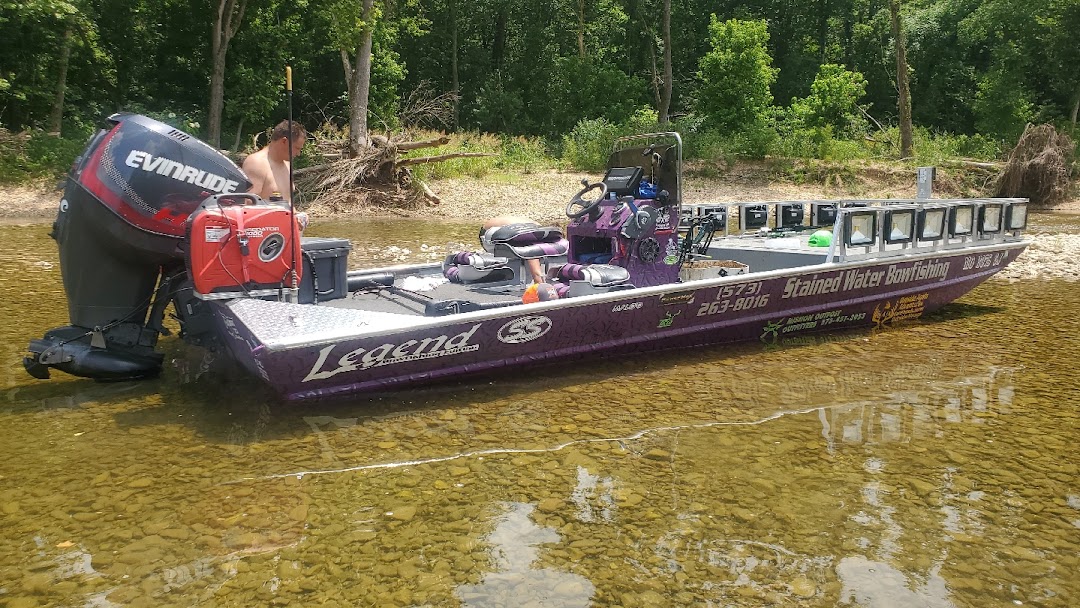
Ready to try something that'll get your heart pumping while you're out on the water? This bowfishing trip with Stained Water Bowfishing combines the best of both worlds - the patience of fishing with the precision of archery. You'll spend quality time targeting rough fish like buffalo and carp with your bow, then switch gears to reel in some serious game fish. It's a customer favorite that keeps folks coming back because there's nothing quite like drawing back that bow when a big gar cruises into range.
What to Expect on the Water
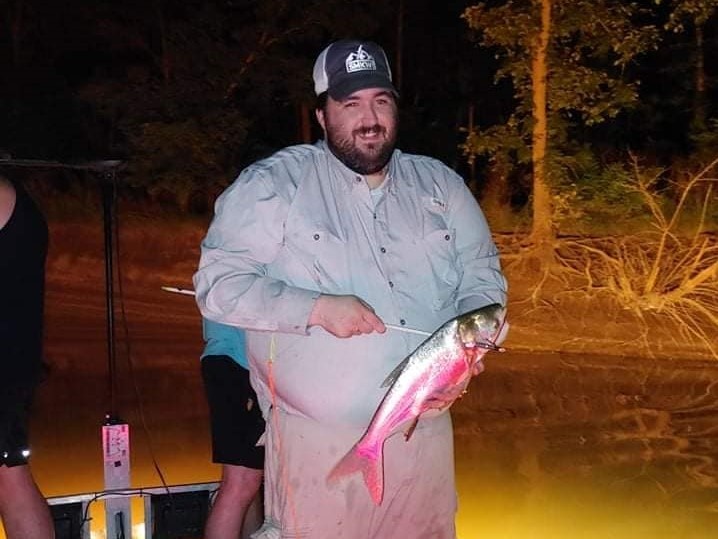
This top-rated bowfishing experience is built for small groups - just you and one other angler, which means personalized attention and plenty of room to work. The guide knows these waters like the back of their hand and will put you on fish throughout the day. You'll be hunting buffalo, carp, and longnose gar with bow and arrow, then switching to traditional tackle for walleye, bass, trout, and striped bass. The beauty of this setup is the variety - one minute you're stalking shallow water with your bow drawn, the next you're fighting a walleye on light tackle. Bring your family or buddies for a day that mixes skill, patience, and pure fun on the water.
Gear and Techniques
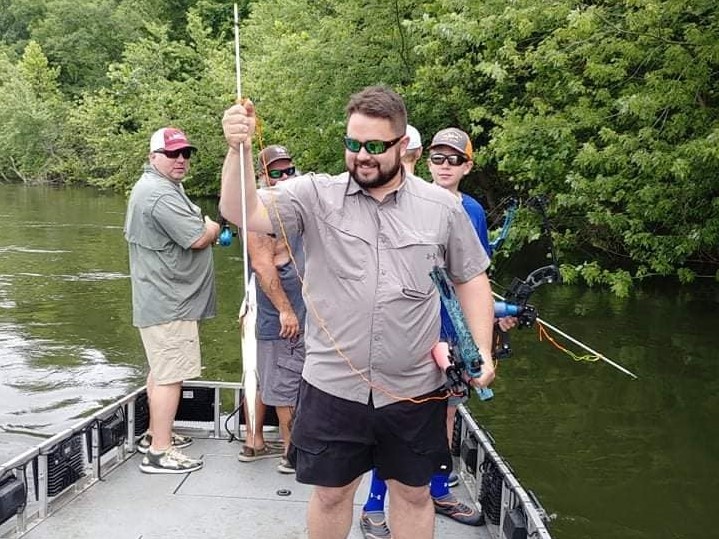
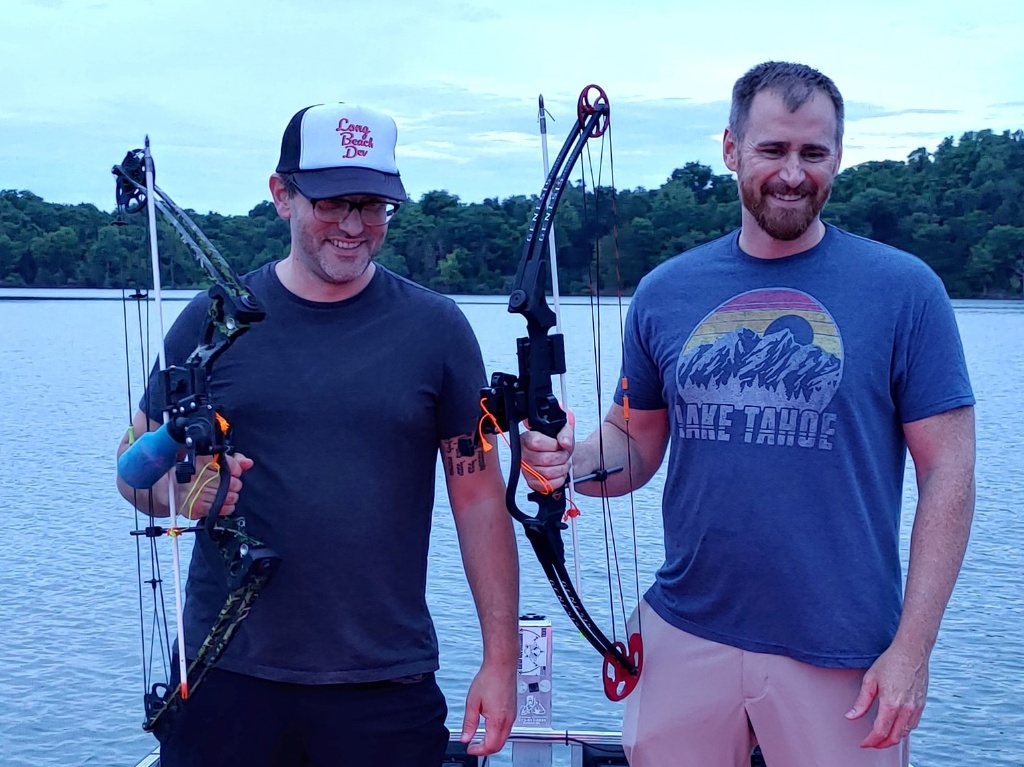
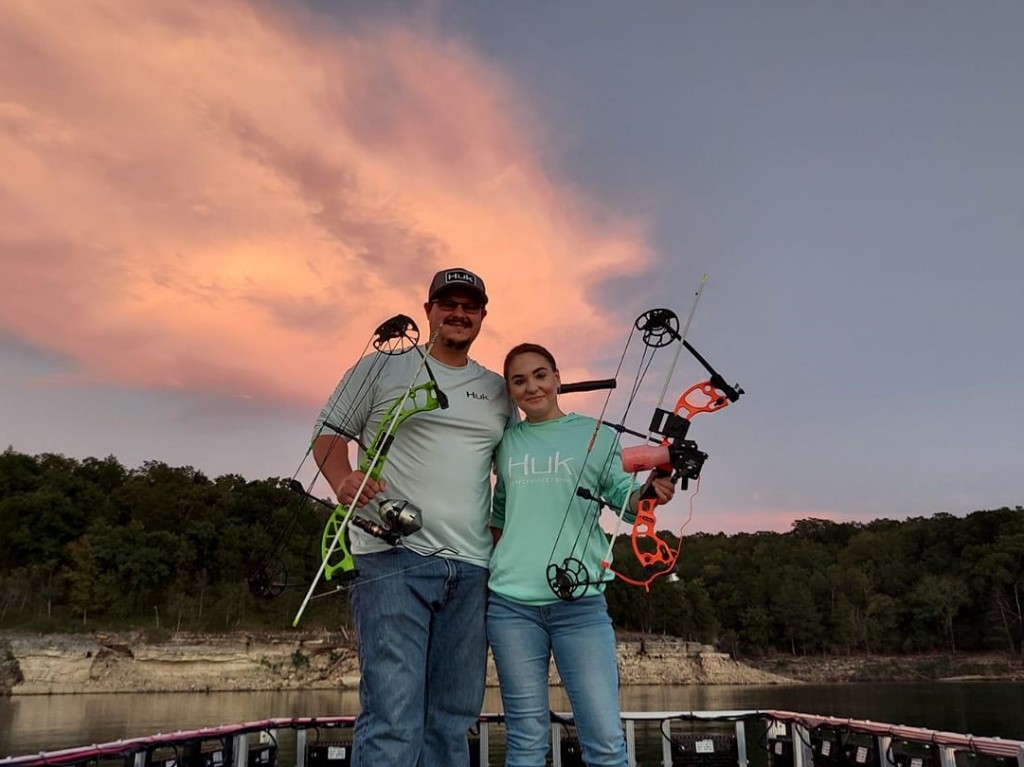
Bowfishing requires specialized equipment and technique that's different from your typical rod-and-reel setup. You'll be using recurve or compound bows fitted with bowfishing reels and heavy arrows designed to penetrate underwater. The key is learning to compensate for light refraction - fish appear closer to the surface than they actually are, so you'll need to aim low. Your guide will coach you through proper shooting form and target acquisition. When you switch to conventional fishing, expect to use spinning tackle for the game fish species. The boat stays quiet for bow shots, then transitions to covering water for the hook-and-line action. Most of your bow targets will be in shallow, clear water where you can spot them visually.
Top Catches This Season
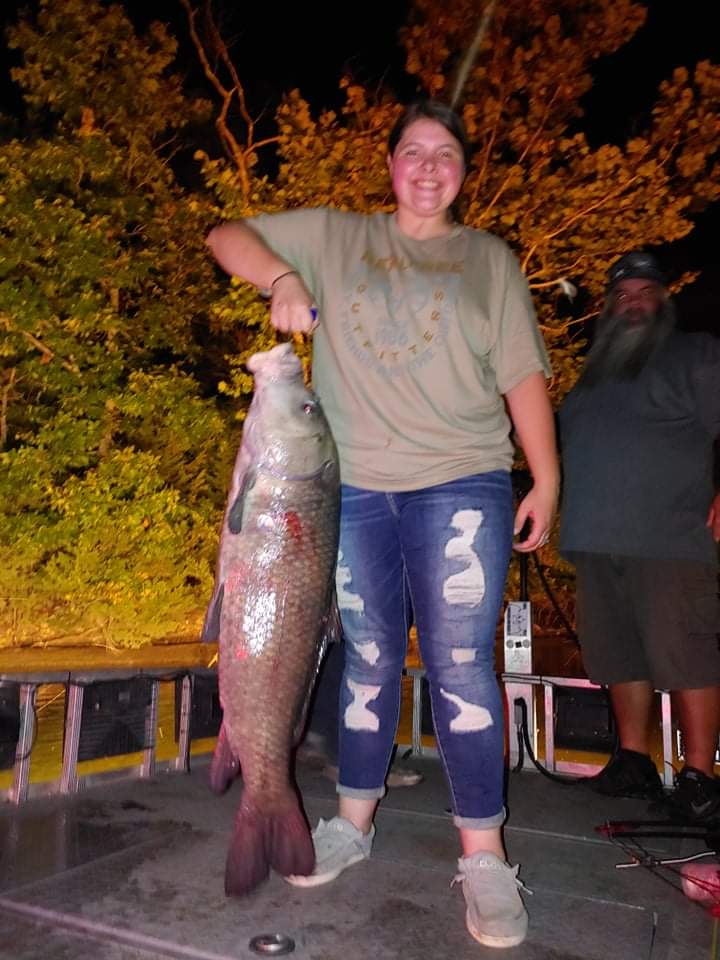
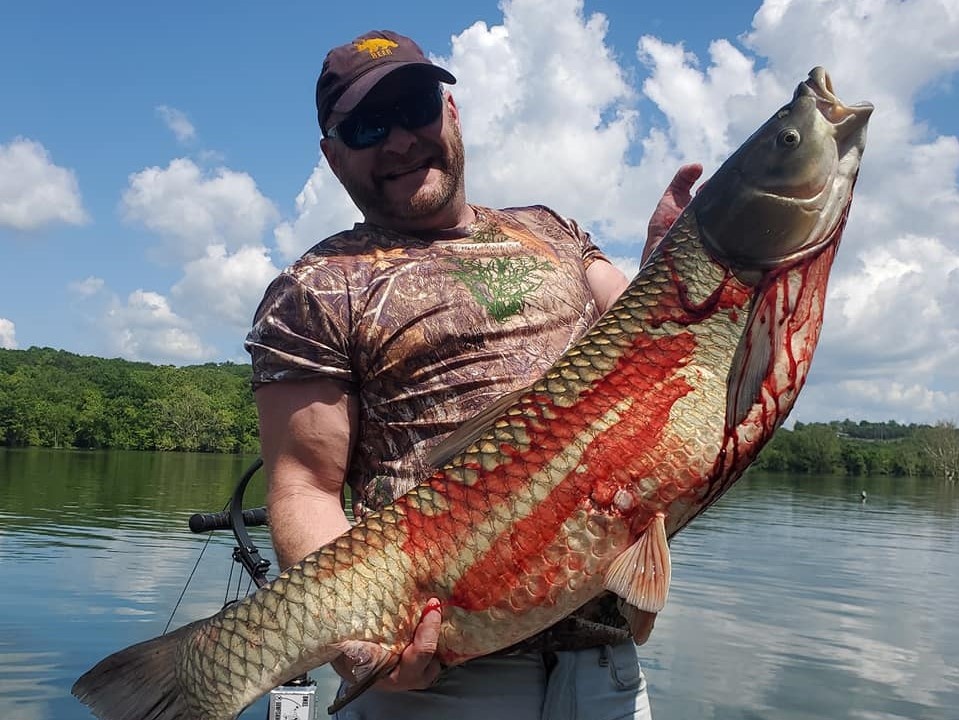
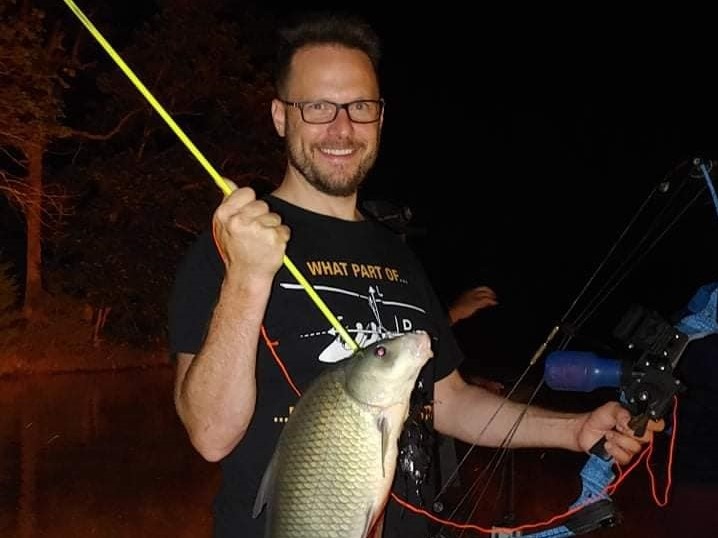
Bigmouth Buffalo are the heavyweight champions of bowfishing and these waters hold some real monsters. These fish can push 40-50 pounds and provide world-class action when you connect with a good arrow shot. They're bottom feeders that move into shallow water during spawning season, making them perfect bow targets. Buffalo fight hard and will test your equipment - there's nothing like watching a big buffalo roll and thrash after a clean shot. They're most active in spring and early summer when water temperatures climb into the 60s and 70s. Anglers love them because they're challenging to spot and even tougher to hit cleanly.
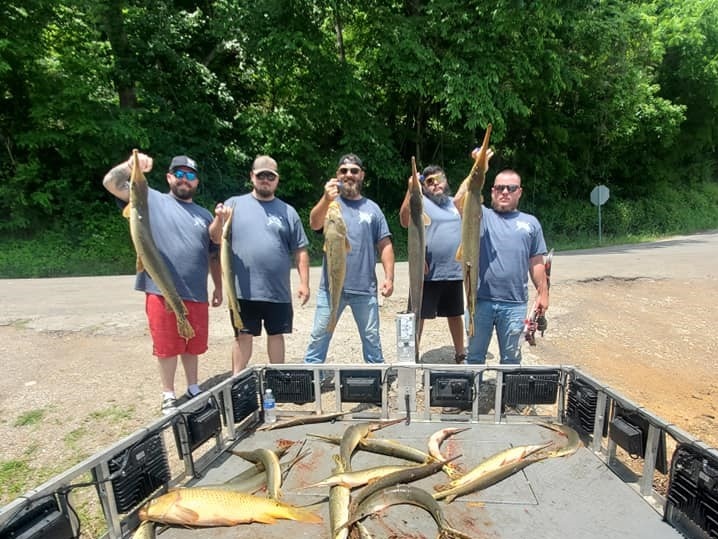
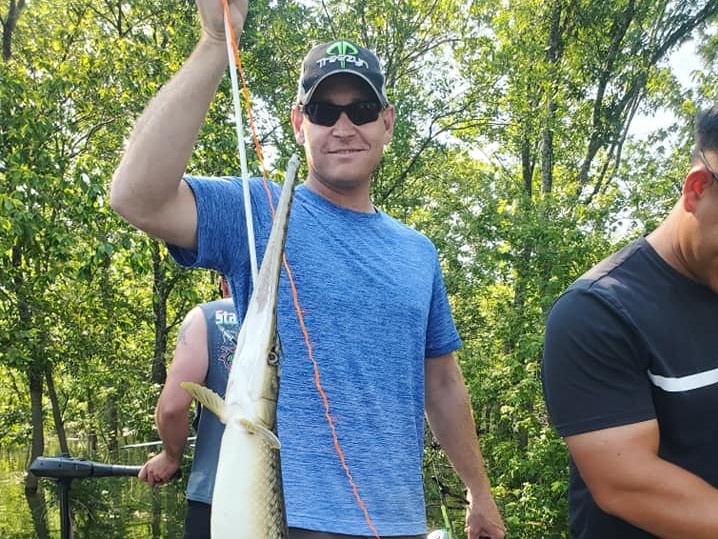
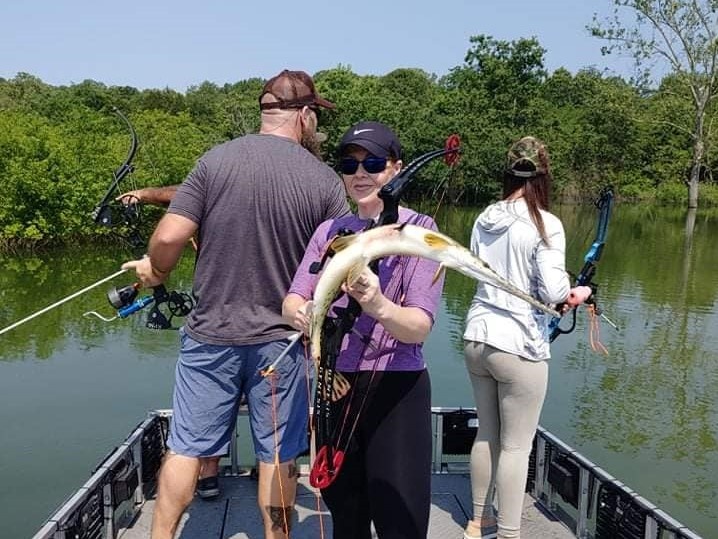
Longnose Gar are prehistoric-looking fish that cruise just under the surface like aquatic alligators. These torpedo-shaped predators can stretch 3-4 feet long and their bony plates make shot placement critical. Gar are ambush hunters that hang motionless before exploding into action, giving you time to draw and aim if you stay patient. Best gar action happens in late spring through summer when they move shallow to spawn. They're a trending target for bowfishers because they're visible, challenging, and put up a spectacular fight. Their long, tooth-filled snouts and armor-like scales make them look like something from another era.
Walleye represent the premier game fish you'll target with conventional tackle on this trip. These golden-sided beauties are renowned for their fighting ability and excellent table fare. Walleye typically run 2-4 pounds with occasional fish pushing 6-8 pounds or more. They're most active during low-light periods like early morning and evening, relating to structure and drop-offs. Spring and fall produce the most consistent walleye action when water temperatures are in their comfort zone. Anglers prize walleye for their subtle bites and bulldogging fights - they don't jump but they'll test your drag with powerful runs.
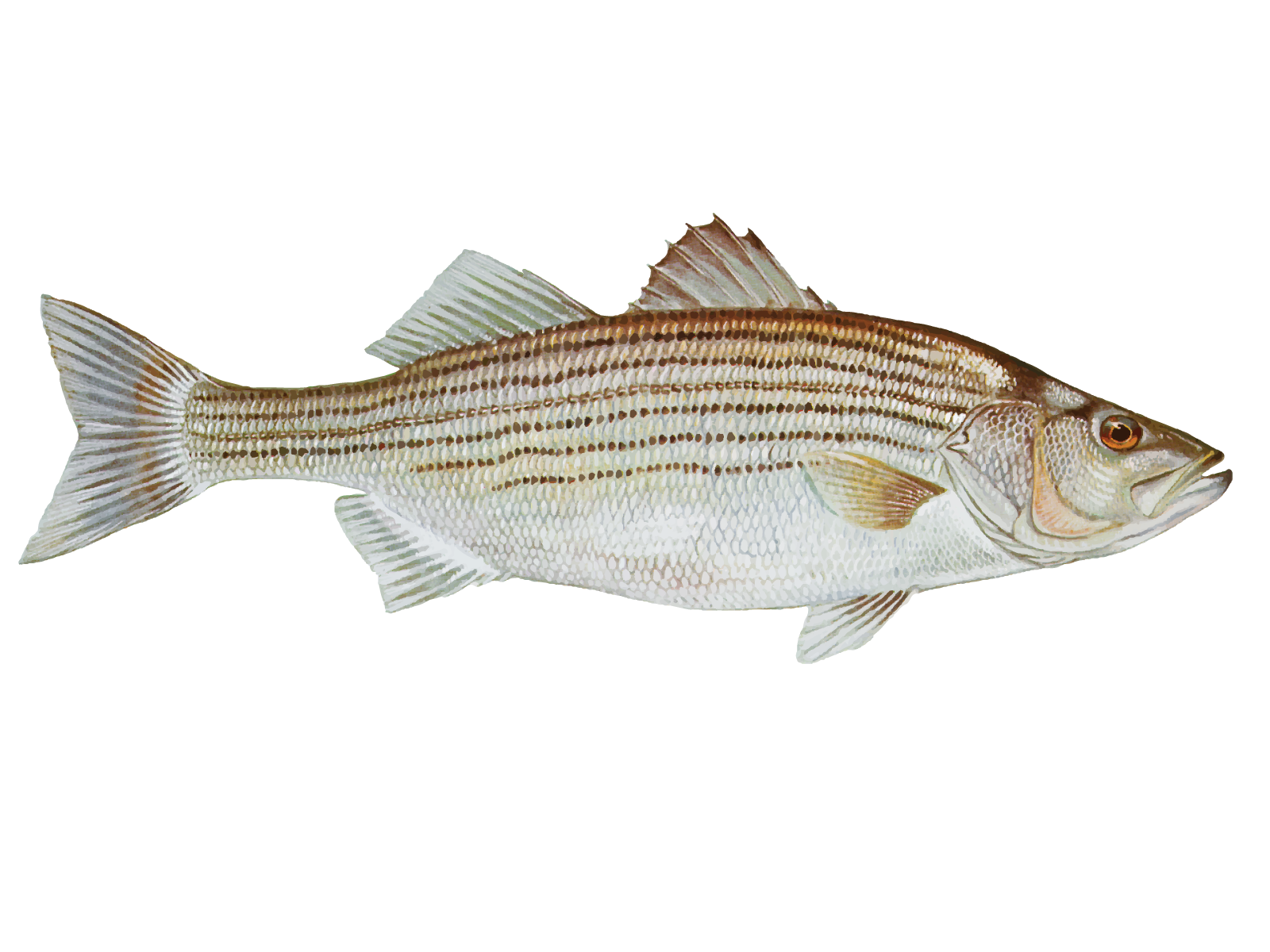
Striped Bass are the powerhouses of the conventional fishing portion of your trip. These silver-sided battlers can range from schoolie size around 2-3 pounds up to true trophy fish over 20 pounds. Stripers are aggressive feeders that chase baitfish in open water and around structure. They're known for their initial runs and ability to strip line off your reel in a hurry. Peak striper fishing typically occurs during spring and fall migrations when they're actively feeding. These fish are a customer favorite because they hit hard, fight harder, and grow to impressive sizes. When a good striper hits your lure, you'll know it immediately.
Rainbow Trout add a different dynamic to your fishing experience with their acrobatic fights and beautiful colors. These fish typically range from 12-16 inches with occasional larger specimens. Rainbows are known for their spectacular jumps and fast runs when hooked. They prefer cooler water and are most active during spring and fall when temperatures drop. Trout fishing requires finesse and lighter tackle, making every fish feel bigger than it actually is. Their pink stripe and spotted sides make them some of the most beautiful fish you'll catch. Anglers appreciate rainbows for their willingness to bite and their never-give-up attitude when hooked.
Time to Book Your Spot
This bowfishing and conventional fishing combo gives you the best of both worlds in one action-packed day. You'll leave with new skills, great stories, and hopefully some fish for the cooler. The small group size means quality instruction and plenty of opportunities for everyone to get involved. Whether you're looking to try bowfishing for the first time or you're an experienced angler wanting to mix things up, this trip delivers variety and excitement from start to finish. Don't wait - spots fill up fast during peak season and you don't want to miss out on this unique fishing experience that combines tradition with innovation.
 Private Trip
 Lakes/Reservoirs/Ponds Fishing
 Jerome, MO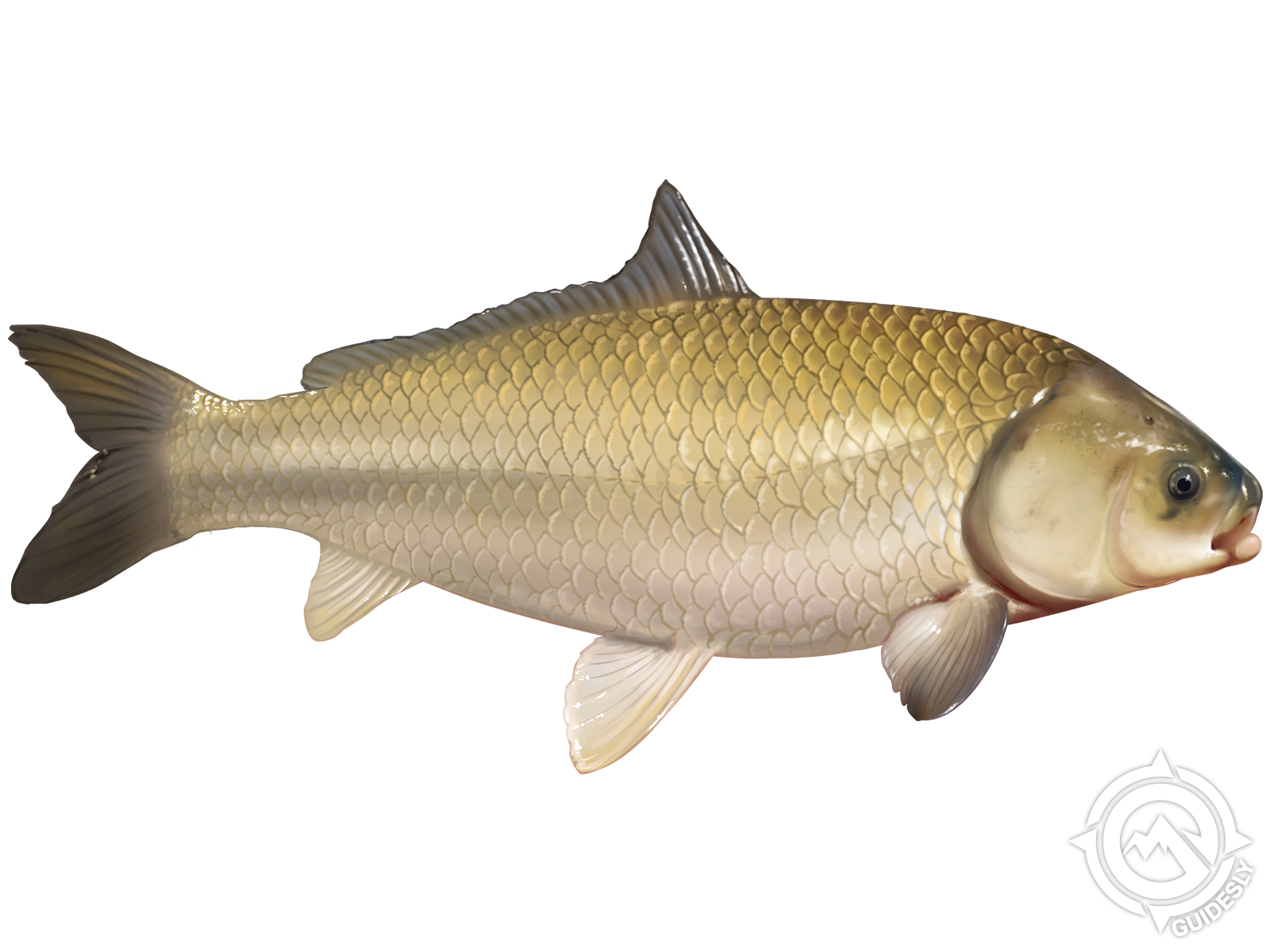


 Hunt buffalo, carp, and gar with bow and arrow