Georgetown Half Day Inshore Fishing Trip
Looking for a solid half-day fishing trip that delivers? State Line Guide Service has you covered with our Georgetown inshore charter that puts you right in the heart of South Carolina's best fishing waters. We're talking about four hours of serious angling in the backcountry creeks and inshore flats where the fish are fat, happy, and ready to fight. This isn't some cookie-cutter tourist trip – it's real fishing with a local guide who knows every creek bend, oyster bar, and grass flat from Georgetown Harbor to Winyah Bay. You'll be fishing waters that have been producing quality catches for decades, and with everything included from gear to your fishing license, all you need to bring is yourself and maybe a cooler for your cleaned fish.
What to Expect on the Water
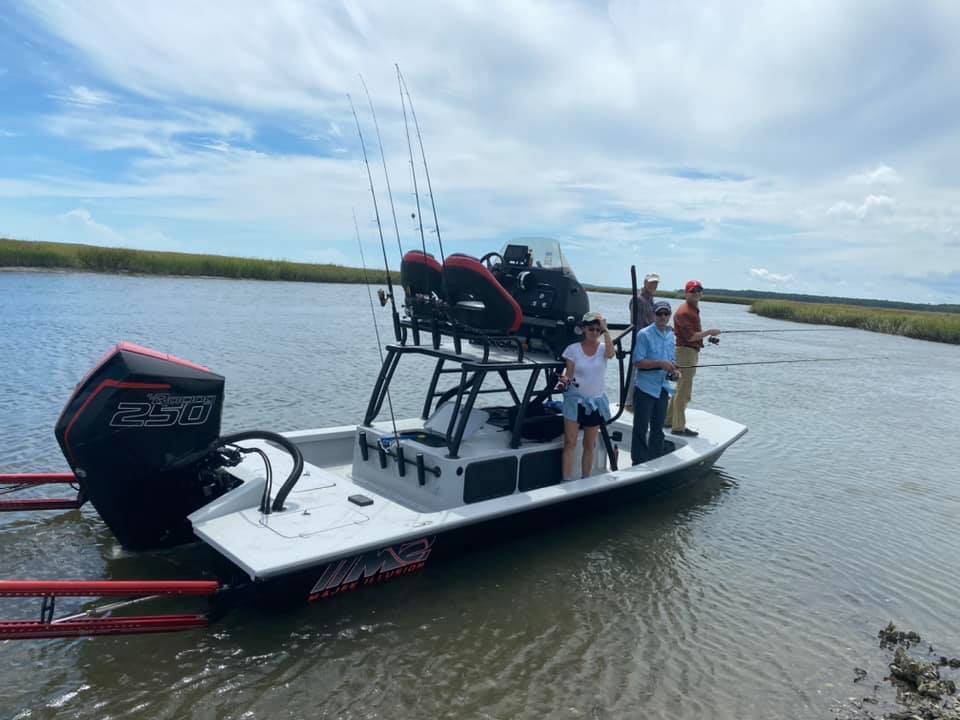
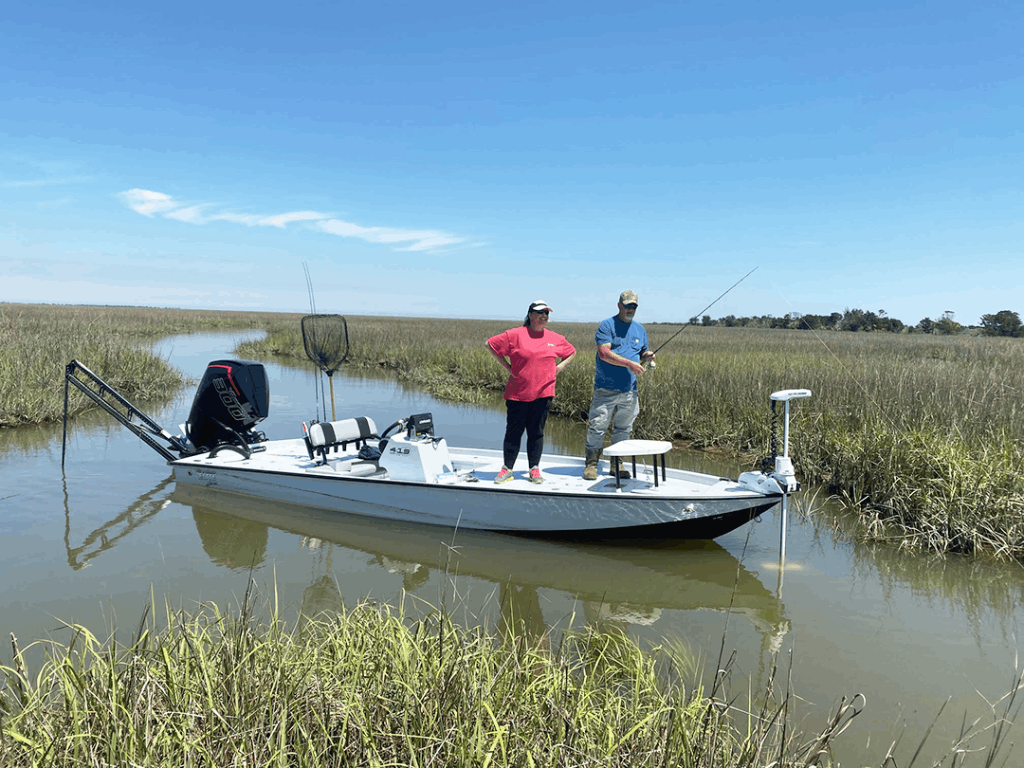
Your Georgetown fishing adventure starts early when you meet up at the dock, coffee in hand, ready to hit some of the most productive inshore waters on the East Coast. We're launching into a maze of tidal creeks, salt marshes, and shallow flats that make this area a top-rated destination for targeting multiple species in a single trip. The beauty of fishing Georgetown's backcountry is the variety – one cast you're working a creek mouth for redfish, the next you're pitching into cover for largemouth bass. Our boat stays in skinny water where the big boats can't go, giving you access to pristine fishing spots that see minimal pressure. The tides here can make or break your day, so we time everything around the water movement to put you on fish when they're most active. Don't worry about bringing anything – we've got you set up with quality rods, reels, tackle, and all the local knowledge you need to make this trip memorable.
Techniques & Tackle Setup
Georgetown inshore fishing is all about adapting to conditions and reading the water. We'll be using a mix of live bait and artificials depending on what the fish are telling us. For redfish, we're often sight casting with spoons or soft plastics to fish cruising the flats, or dropping live shrimp around structure when they're holding tight to cover. The largemouth bass fishing here is something special – we're talking about brackish water bass that fight harder than their freshwater cousins, and we'll be flipping jigs into cypress trees and grass mats or working topwater when the conditions are right. For black drum and flounder, it's all about bottom fishing with the right bait in the right spots – muddy bottoms, creek bends, and drop-offs where these species love to hang out. The gear we provide is matched to the fishing we're doing, with medium to medium-heavy action rods that can handle everything from a schoolie bass to a bull redfish that wants to take you into the next county.
Species You'll Want to Hook
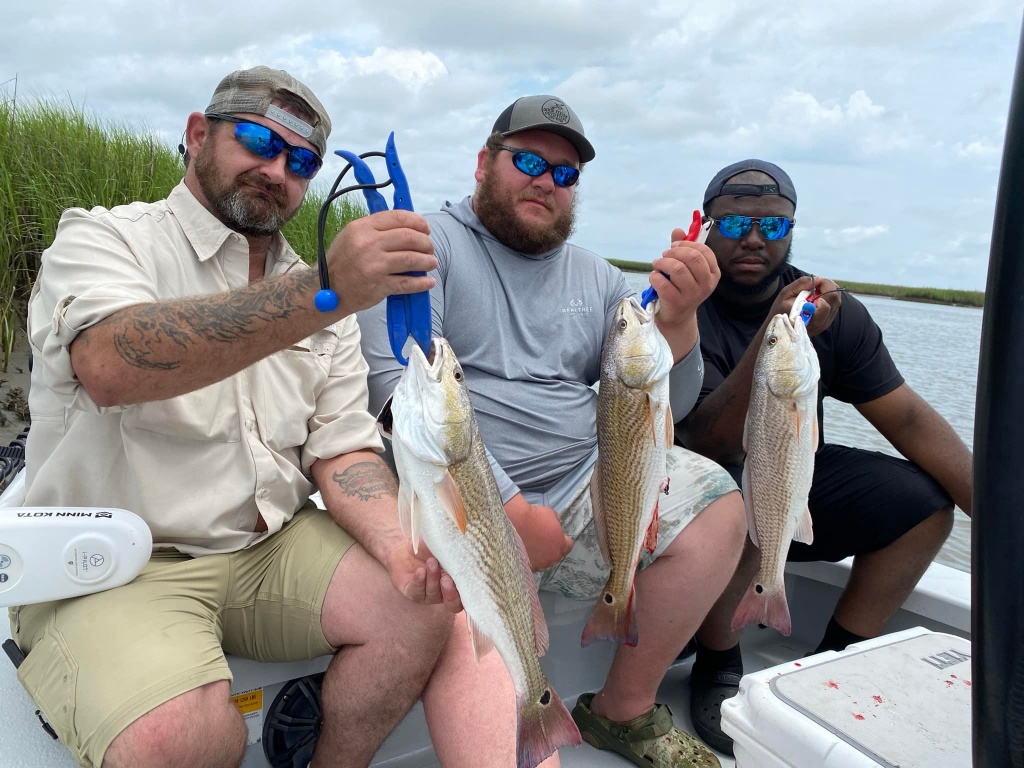
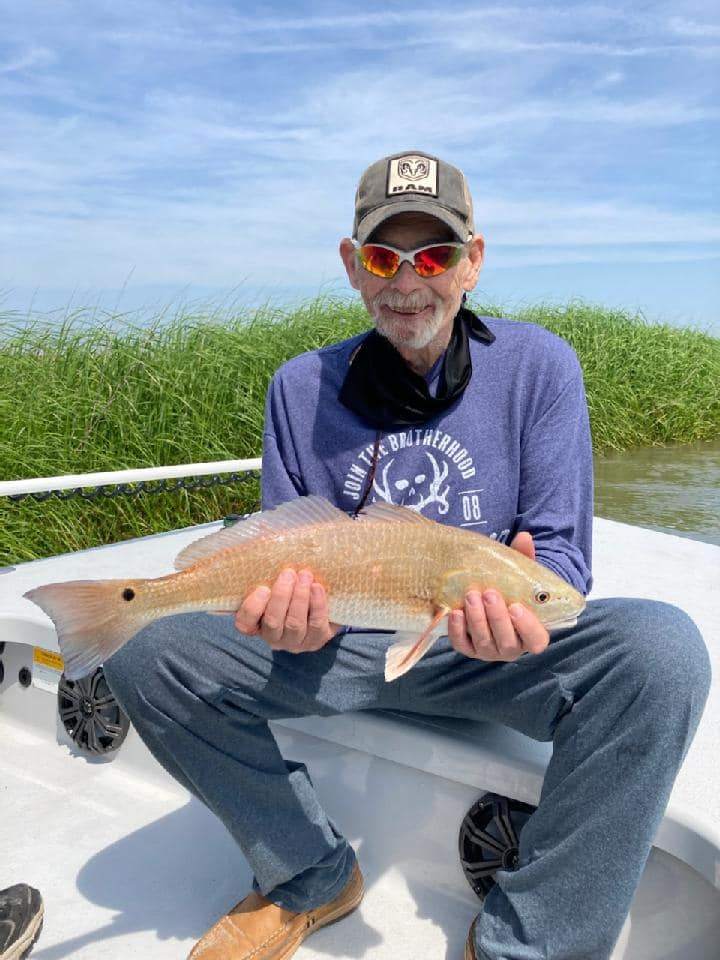
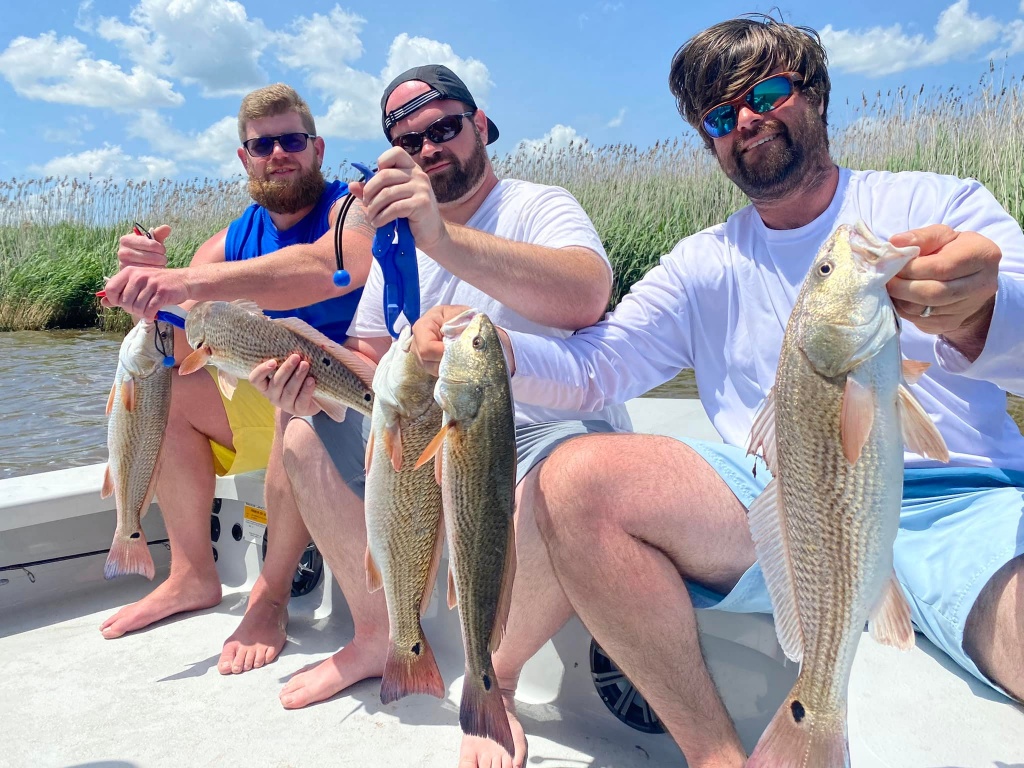
Redfish are the crown jewel of Georgetown inshore fishing and the reason many anglers become obsessed with these waters. These copper-colored bruisers run anywhere from slot-size fish around 18 inches up to bulls pushing 40 inches and 30+ pounds. Spring through fall offers the best action, with fish moving onto the flats during high tide and retreating to deeper creek channels on the low water. What makes reds so special is their fight – they'll make long, powerful runs that test your drag and your patience. The sight fishing opportunities here are world-class, especially on calm mornings when you can spot their backs and tails in shallow water.
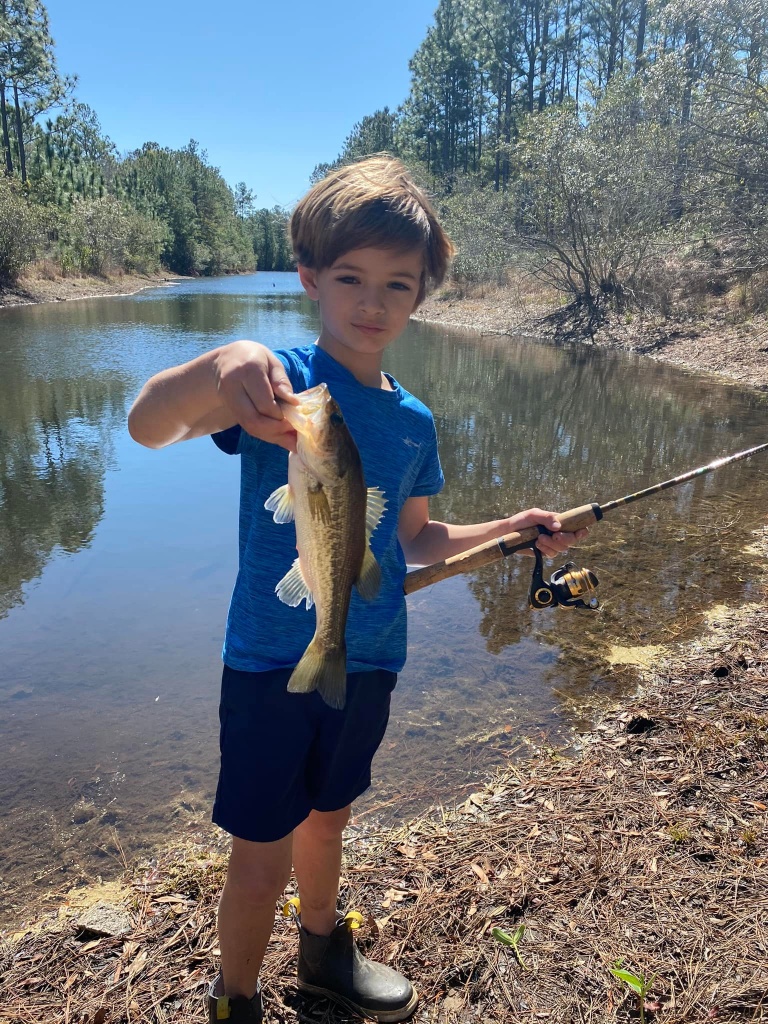
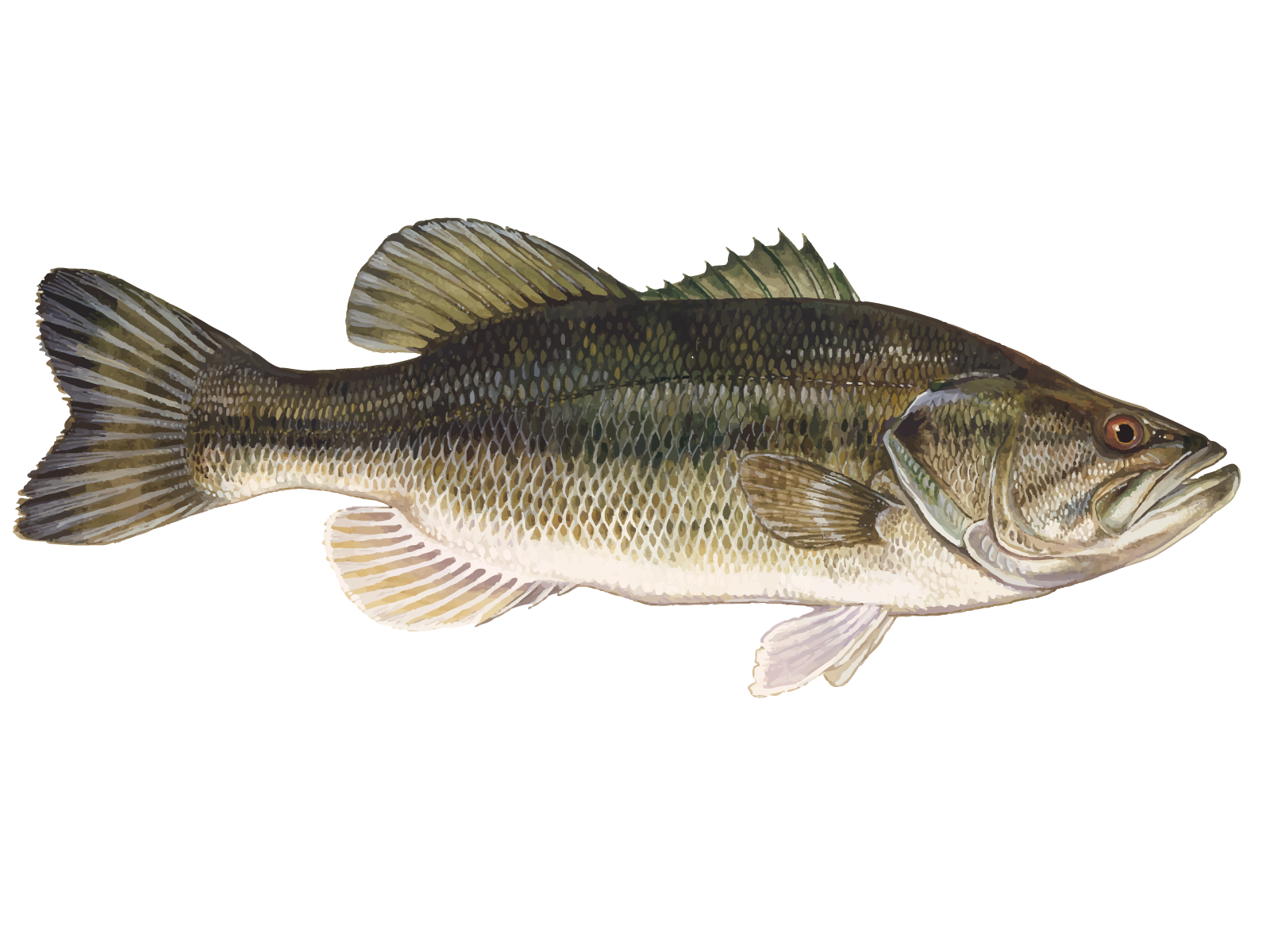
Largemouth bass in Georgetown's brackish creeks are a customer favorite because they're aggressive, plentiful, and surprisingly strong in the salty water. These aren't your typical pond bass – they're living in tidal water that makes them healthier and more aggressive. Peak fishing runs from late winter through early summer when they're most active in the shallows. You'll find them around cypress trees, fallen timber, and grass lines where they ambush baitfish. A 3-pound bass in brackish water fights like a 5-pounder from freshwater.
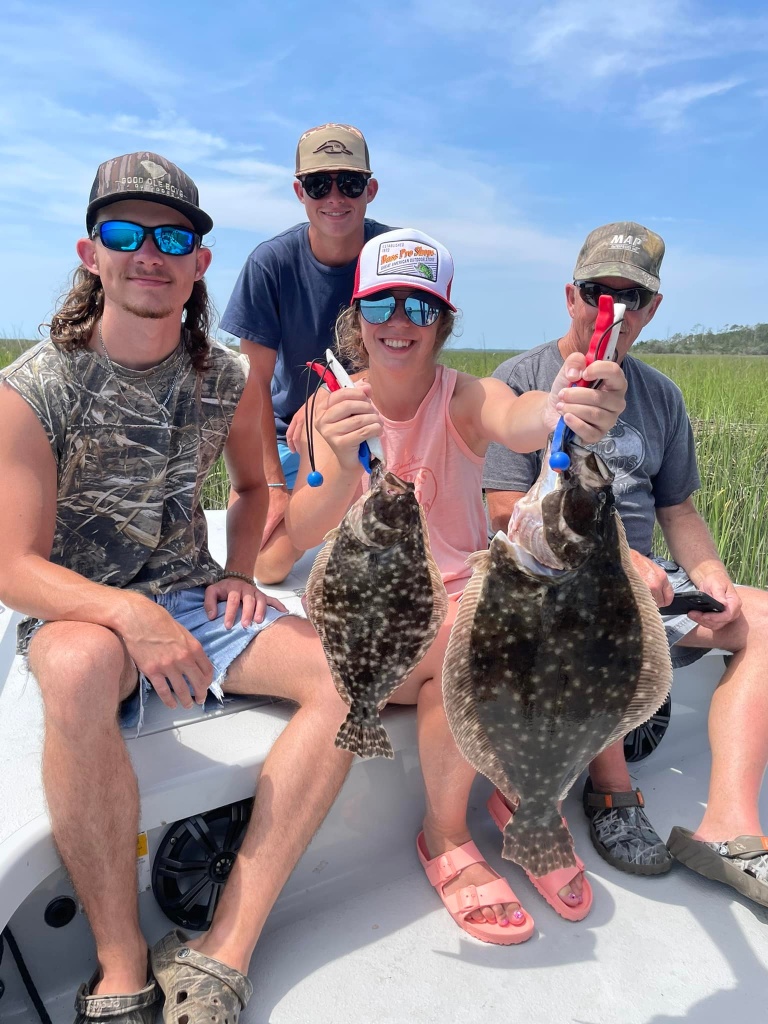
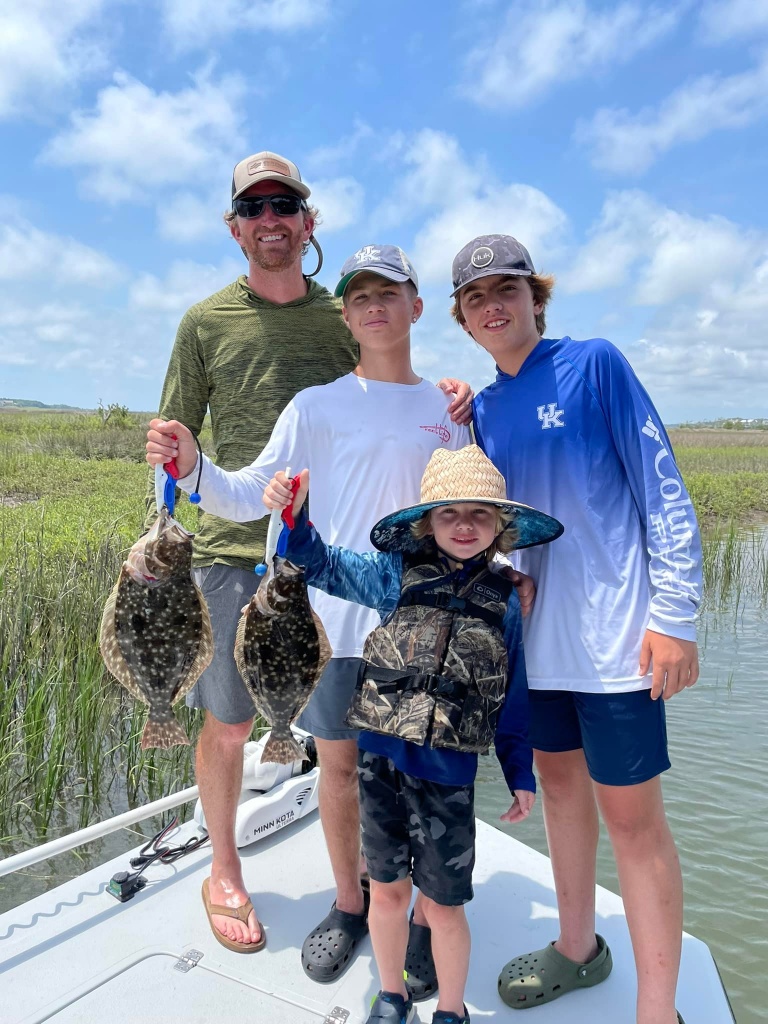
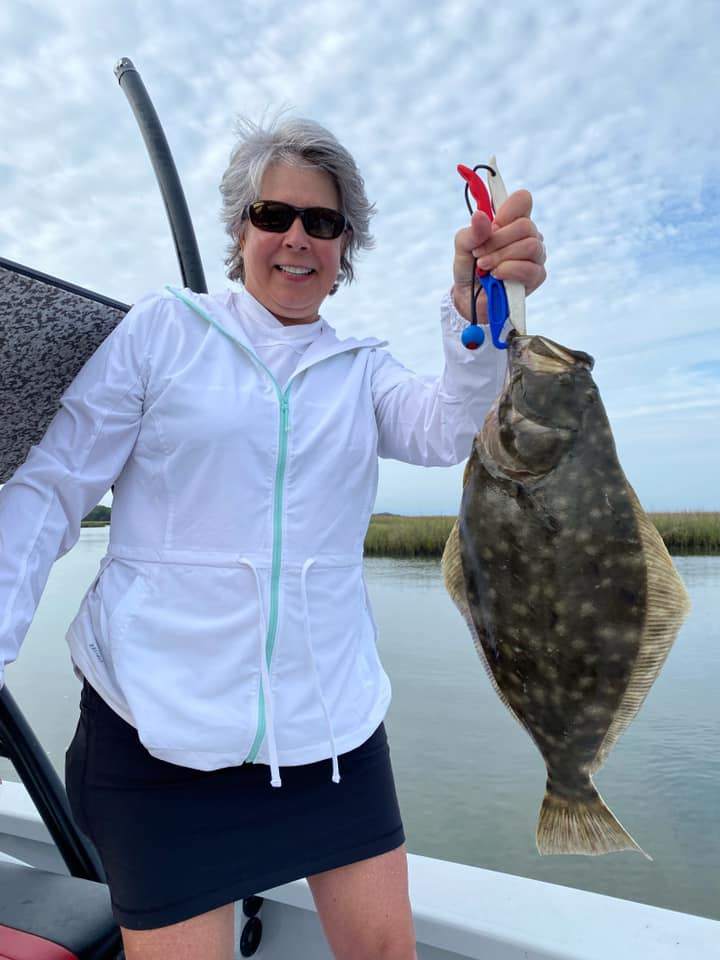
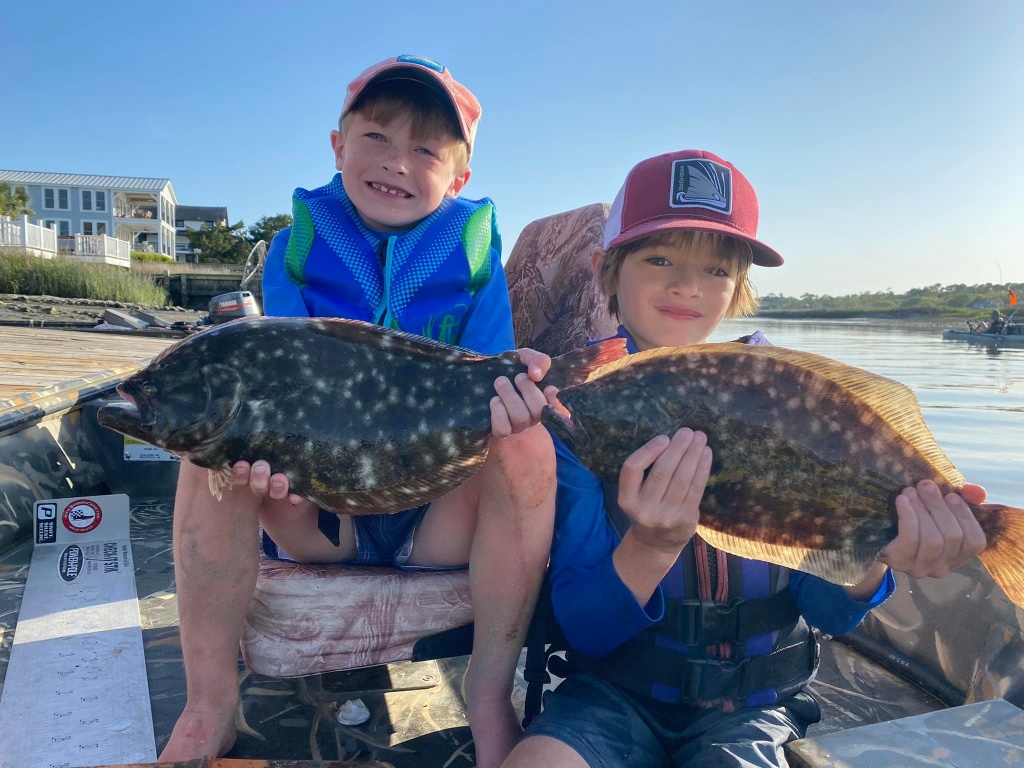
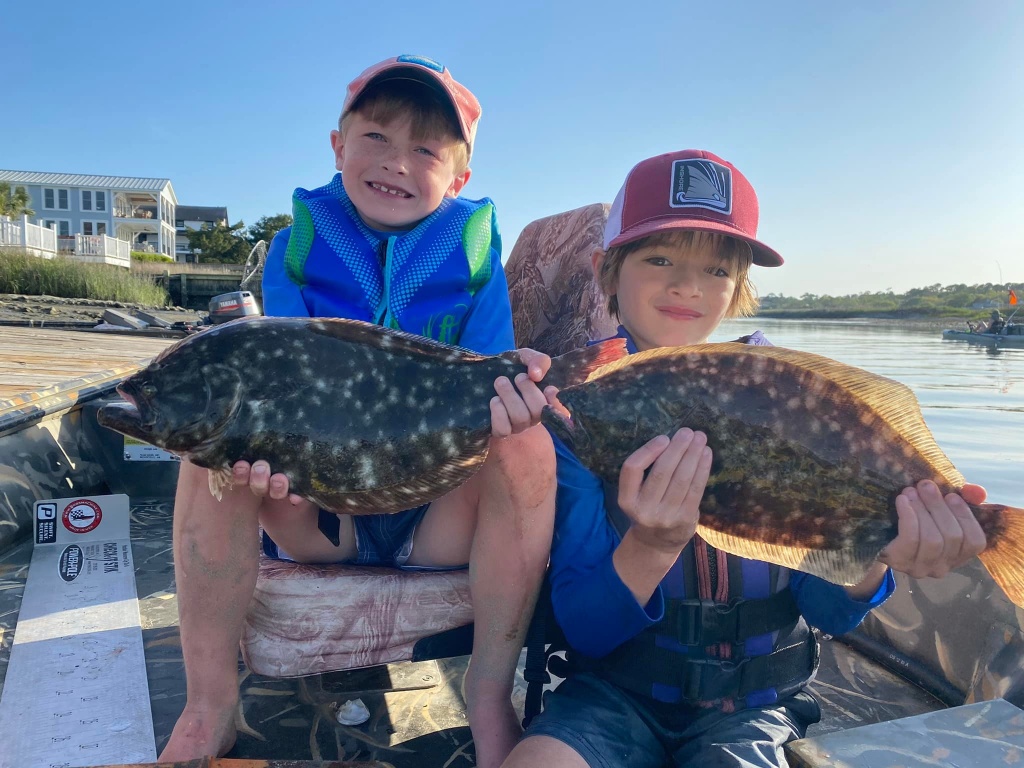
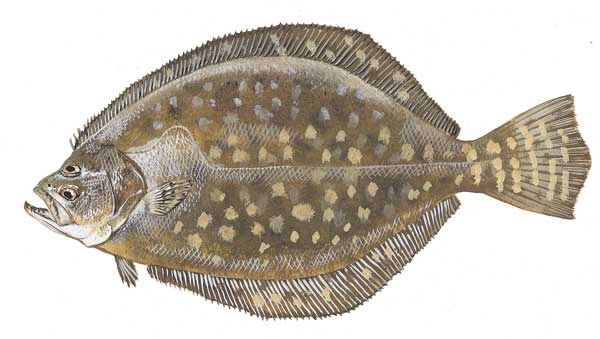
Southern flounder are the ninja of the inshore scene, perfectly camouflaged on sandy and muddy bottoms where they wait to ambush passing prey. These flatfish are most active during their fall migration when they're moving from the creeks to deeper water to spawn. They're excellent table fare and provide steady action when you find them. The key is fishing structure changes – creek bends, dock pilings, and channel edges where they set up to feed.
Black drum are the underrated bruisers of Georgetown waters, especially the bigger fish that can push 20-30 pounds. They're bottom feeders that love oyster bars, bridge pilings, and creek mouths where they root around for crabs and shrimp. Fall and winter are prime time for the larger specimens, while smaller "puppy drum" are caught year-round. They're not flashy fighters, but they're strong and steady, making for great action when the other species are slow.
Time to Book Your Spot
This Georgetown half-day trip offers serious value for anglers who want quality fishing without burning a whole day on the water. With State Line Guide Service handling all the details – gear, license, bait, even cleaning your catch – you're getting a hassle-free fishing experience that focuses on what matters most: putting fish in the boat. The four-hour timeframe is perfect for testing these waters, and many first-time guests end up booking longer trips after seeing what Georgetown has to offer. Whether you're a seasoned angler looking to explore new waters or someone wanting to experience South Carolina's renowned inshore fishing scene, this trip delivers the goods. Book now and get ready to see why Georgetown's backcountry has been producing happy anglers and bent rods for generations.
 Private Trip
 Inshore Fishing
 Myrtle Beach

 Target Redfish, Bass, Flounder, and Black Drum inshore