Big Manistee River Salmon & Trout Adventure
The Big Manistee River is hands down one of Michigan's premier fishing destinations, and this full-day trip puts you right in the heart of the action. We're talking eight solid hours on some of the most productive waters in the state, where steelhead runs collide with resident trout populations and migrating salmon create world-class fishing opportunities. Whether you're a seasoned angler looking to add Michigan species to your list or someone who's still figuring out which end of the rod to hold, this guided experience delivers the goods. The Manistee's crystal-clear waters wind through scenic Michigan countryside, offering both technical fishing challenges and those magical moments when everything clicks perfectly.
What to Expect on the Water
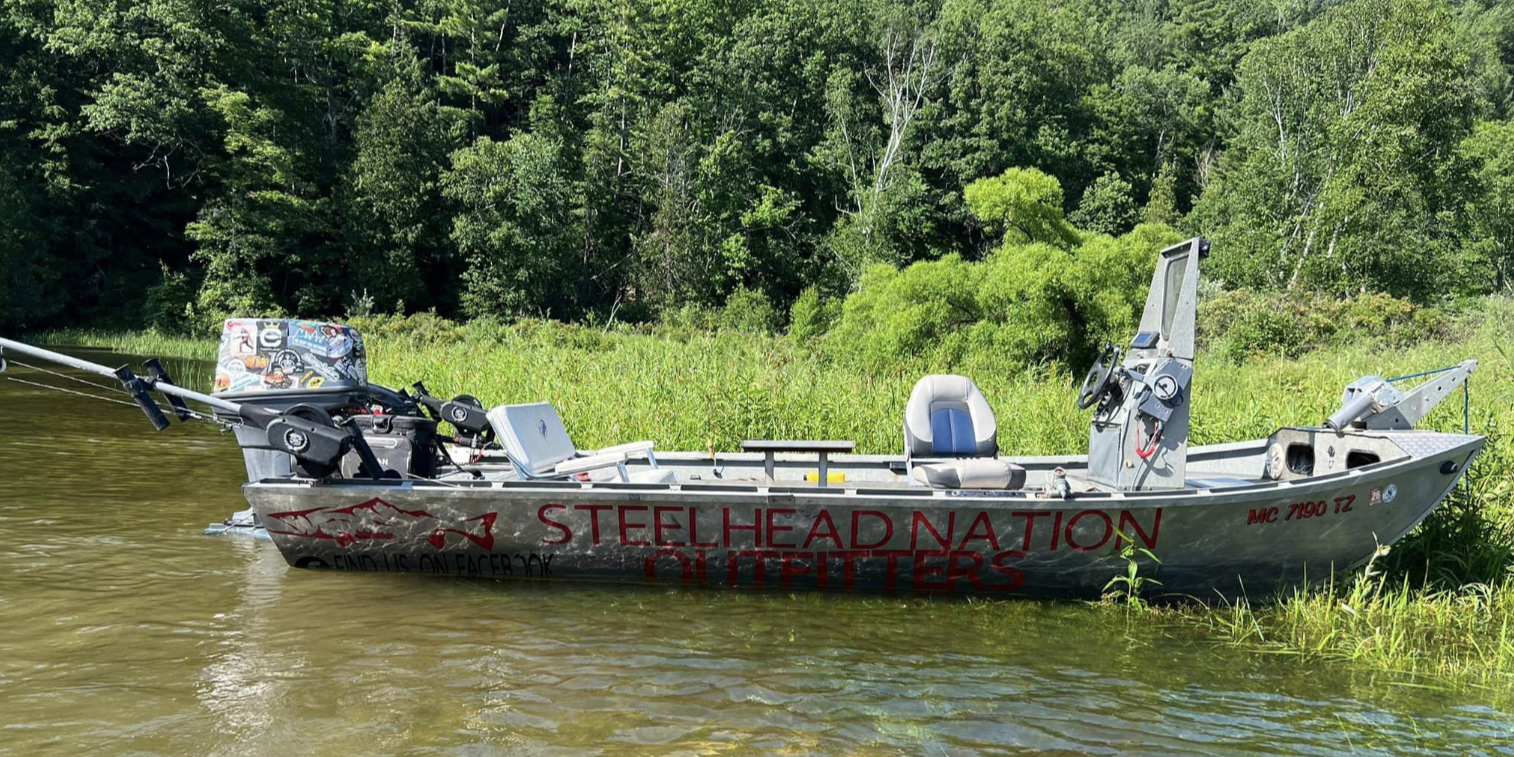
Your day kicks off early as we launch onto the Big Manistee, where the current runs clean and the fish are active. This isn't your typical pond fishing – we're dealing with a legitimate river system that demands respect and rewards skill. The guide knows every productive hole, riffle, and deep pool along this stretch, plus they've got the seasonal patterns dialed in tight. You'll cover serious water throughout the eight hours, moving between spots based on conditions and what the fish are telling us. The intimate two-angler maximum keeps things personal and ensures everyone gets plenty of rod time. Don't worry about bringing gear – we've got quality rods, reels, and tackle that can handle everything from delicate presentations to big fish battles. The scenery alone makes this trip worthwhile, but when you factor in the consistent fishing action, it becomes a top-rated Michigan experience that keeps customers coming back season after season.
Techniques & Tackle Setup
The Big Manistee demands versatility, and that's exactly how we approach each day on the water. Depending on the season and target species, we'll run everything from drift fishing with spawn bags to swinging streamers through the deeper runs. The guide carries an arsenal of proven patterns – think egg flies, woolly buggers, and local favorites that consistently produce on this system. For hardware enthusiasts, we'll also deploy spinners, spoons, and plugs when conditions call for it. The key here is reading the water and adapting your approach accordingly. Early morning often means working the tail-outs and shallow riffles where fish have been feeding overnight, while midday action typically shifts to deeper pools and undercut banks. We use medium to medium-heavy action rods that can handle the strong currents while still providing the sensitivity needed to detect subtle takes. The guide will walk you through proper line management, drift control, and strike detection – skills that translate to better fishing anywhere you go. Every angler leaves with improved technique and confidence on moving water.
Species You'll Want to Hook
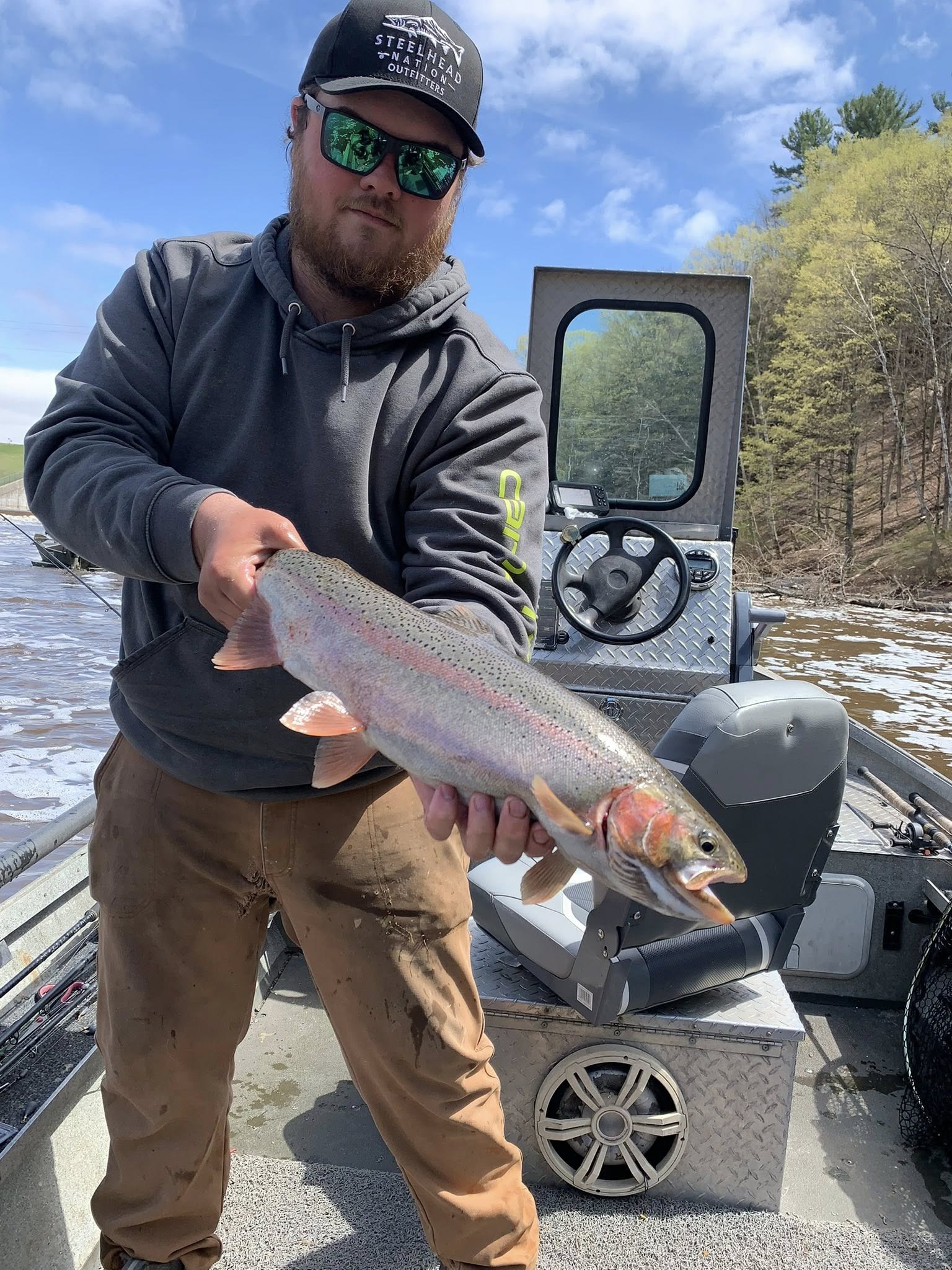
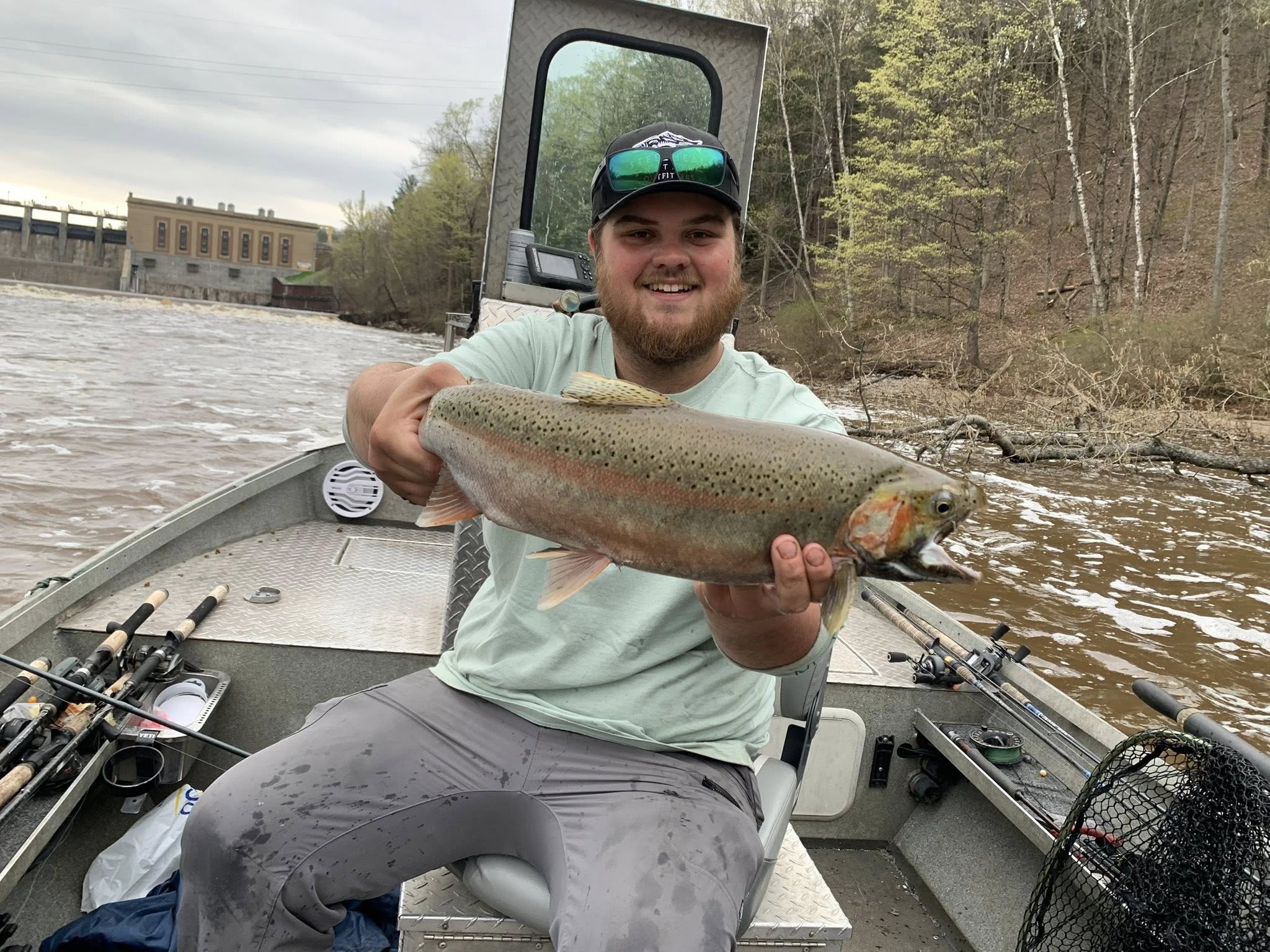
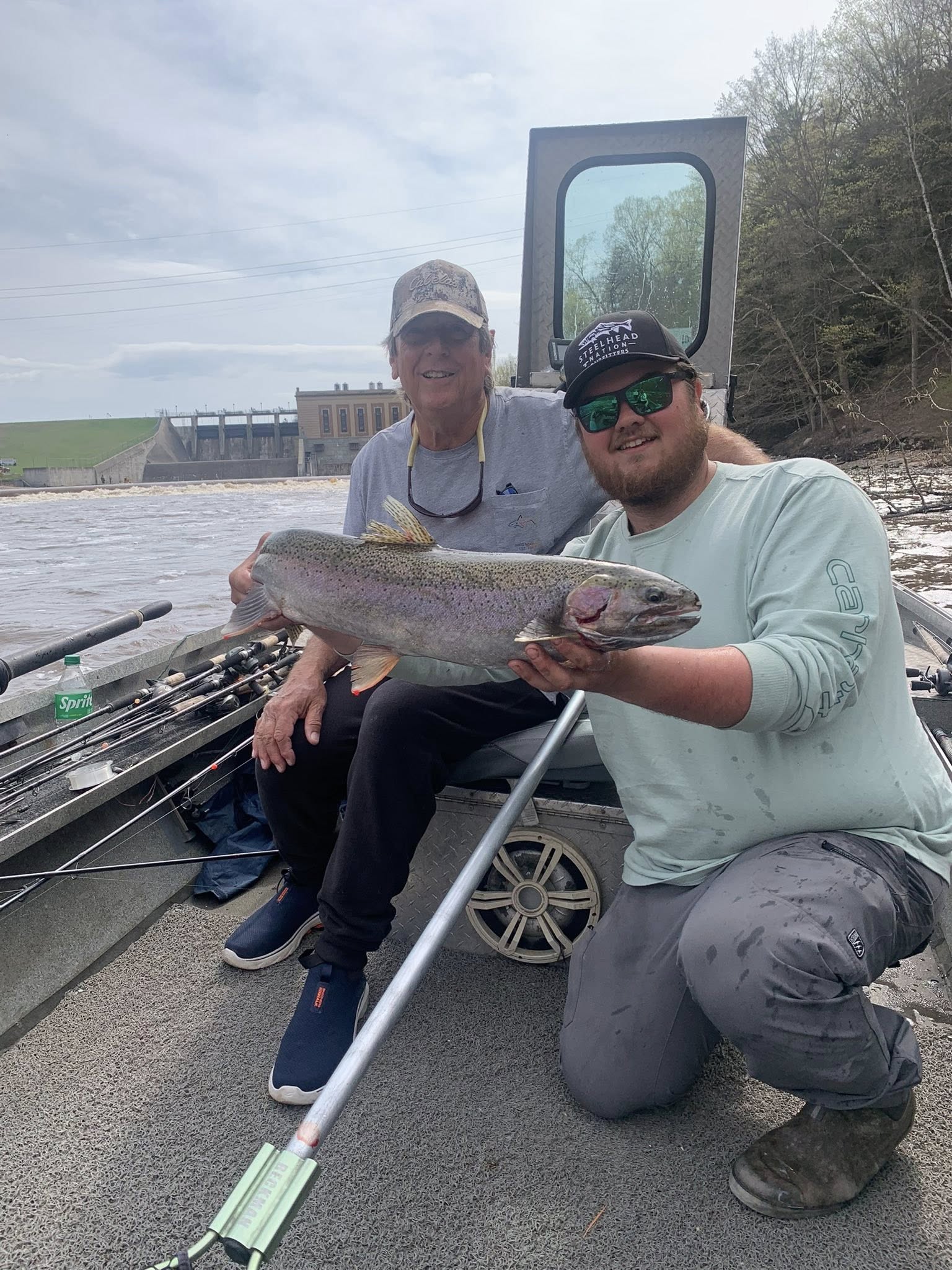
Rainbow Trout are the bread and butter of the Big Manistee system, with resident populations that grow fat on the river's abundant insect life. These aren't your typical stocked rainbows – we're talking wild, stream-bred fish that fight like they mean it. They average 14-18 inches but don't be surprised when a 20-plus inch specimen bends your rod double. Best action typically runs from late spring through fall, though winter fishing can be phenomenal when weather permits. What makes them special here is their aggressive nature and willingness to chase presentations, making them perfect target fish for anglers still developing their river skills.
Coho Salmon transform the Big Manistee into a completely different fishery when they start their fall runs. These silver bullets typically show up in September and October, bringing explosive fights and acrobatic displays that'll leave your arms aching. Fresh cohos are chrome-bright and absolutely ferocious – expect multiple jumps and screaming runs that test both your drag system and nerves. They average 8-12 pounds but can push much larger, and their aggressive feeding behavior makes them accessible to various techniques. The seasonal nature of coho runs creates a sense of urgency that keeps the fishing exciting and unpredictable.
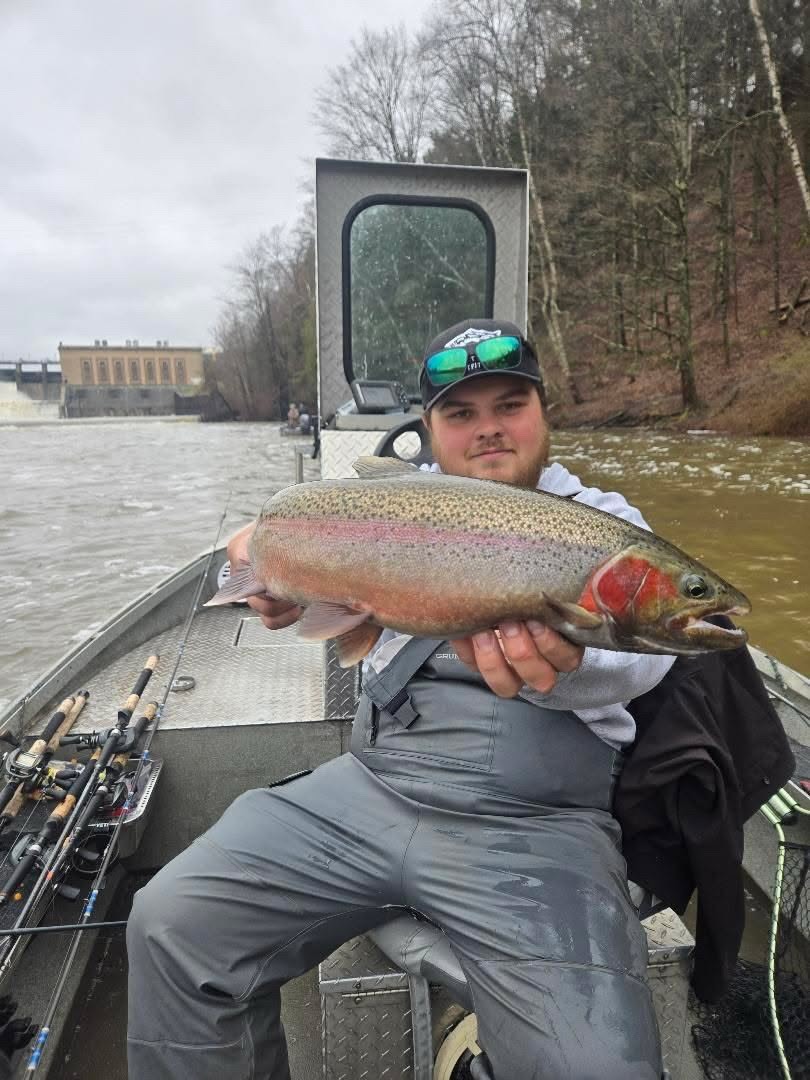
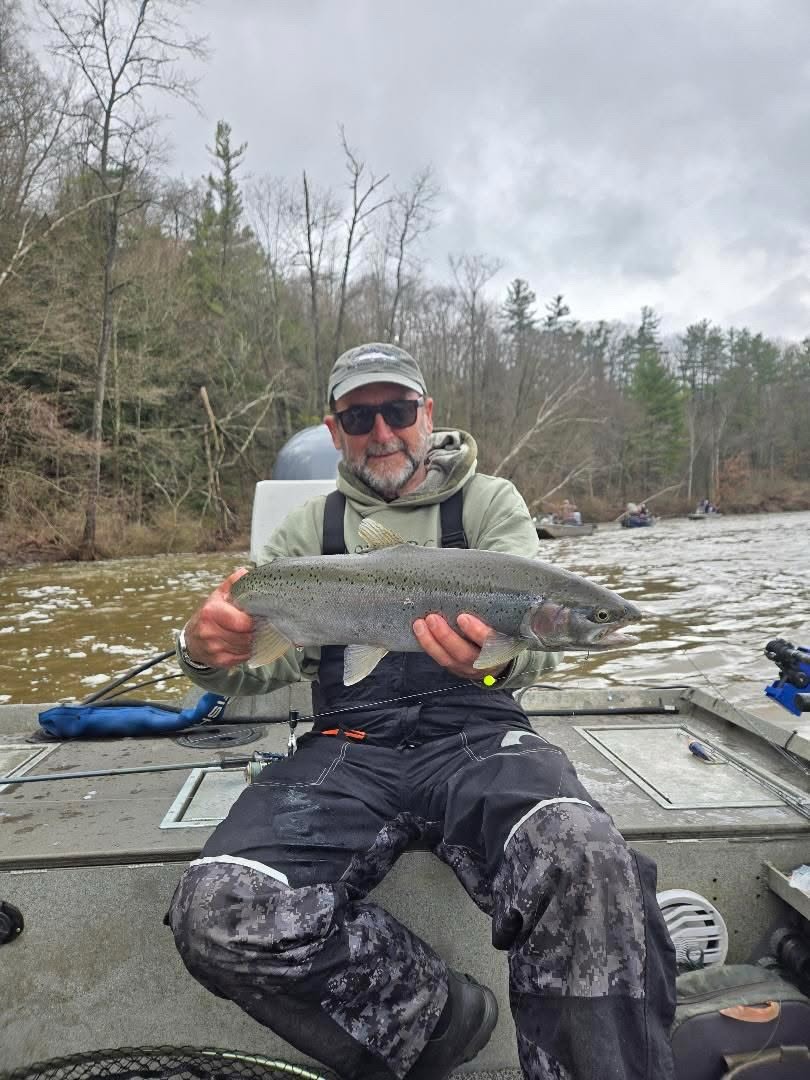
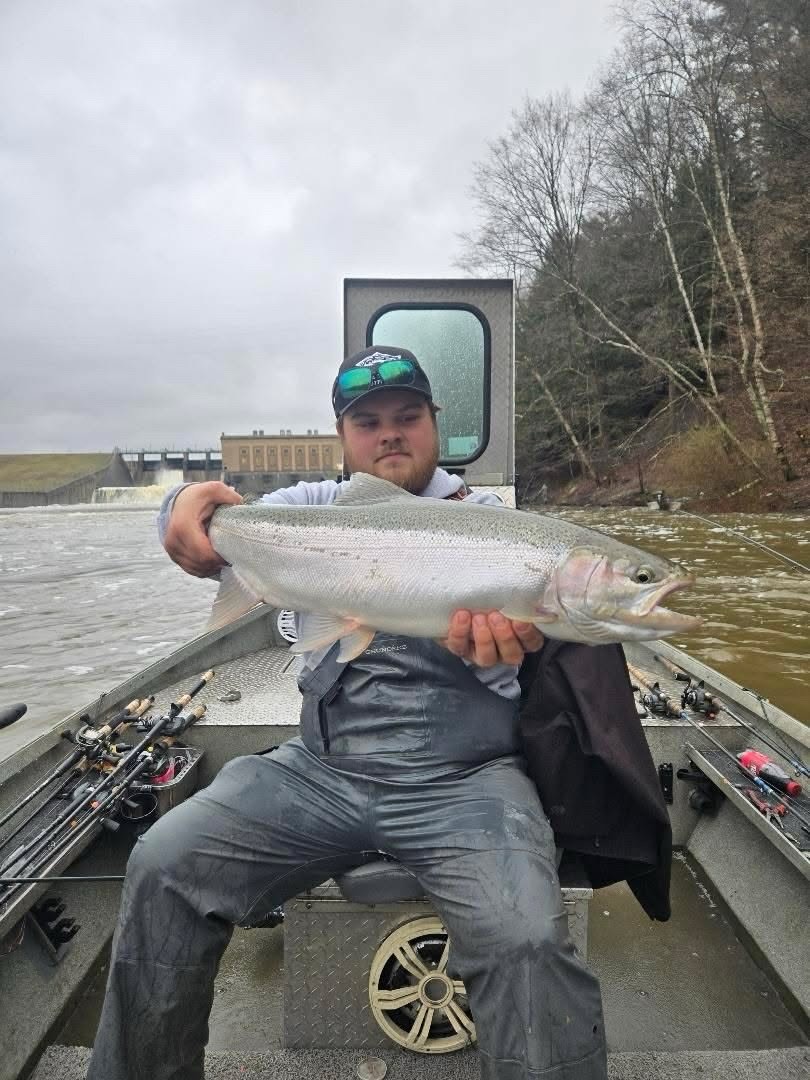
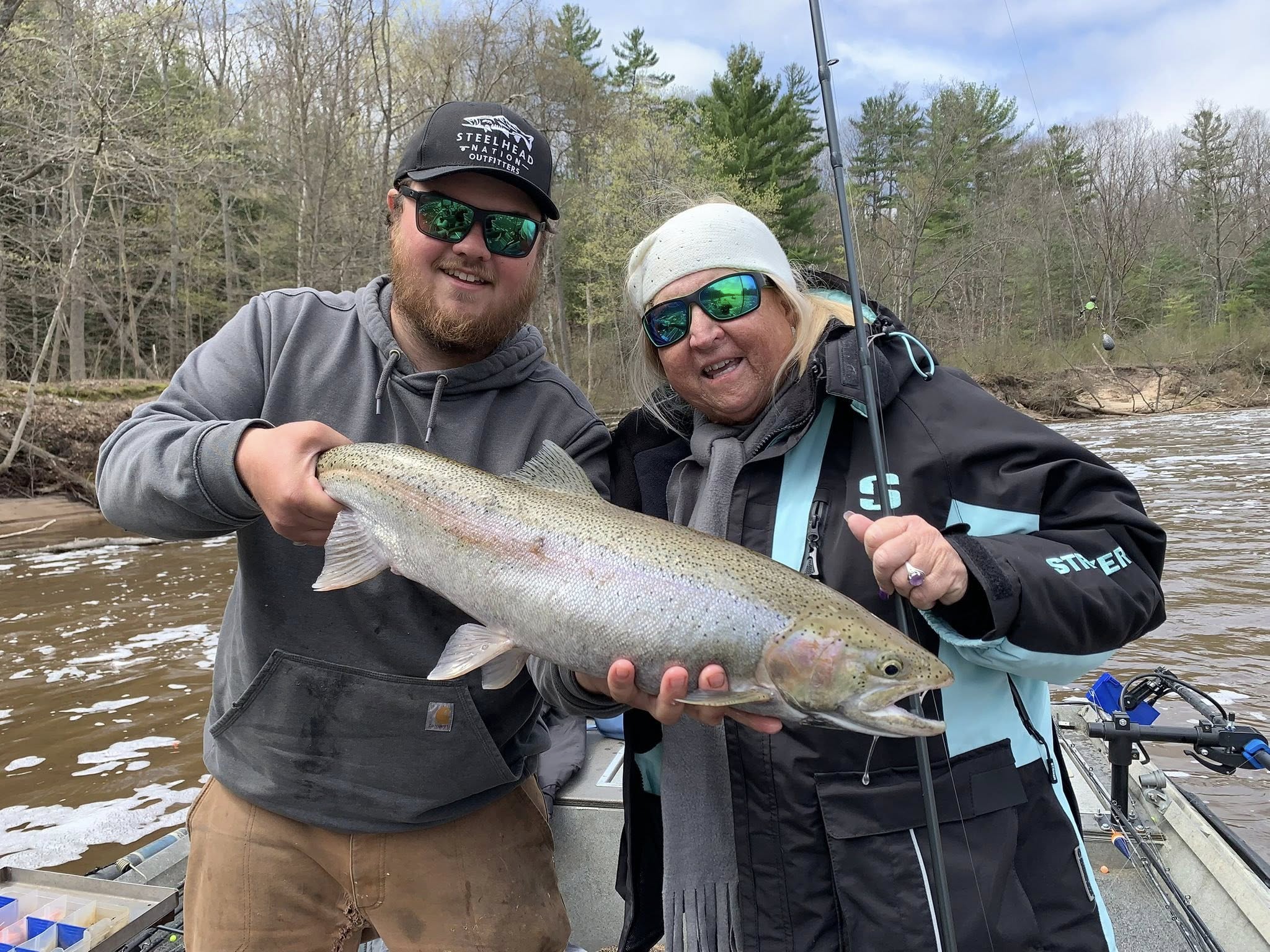
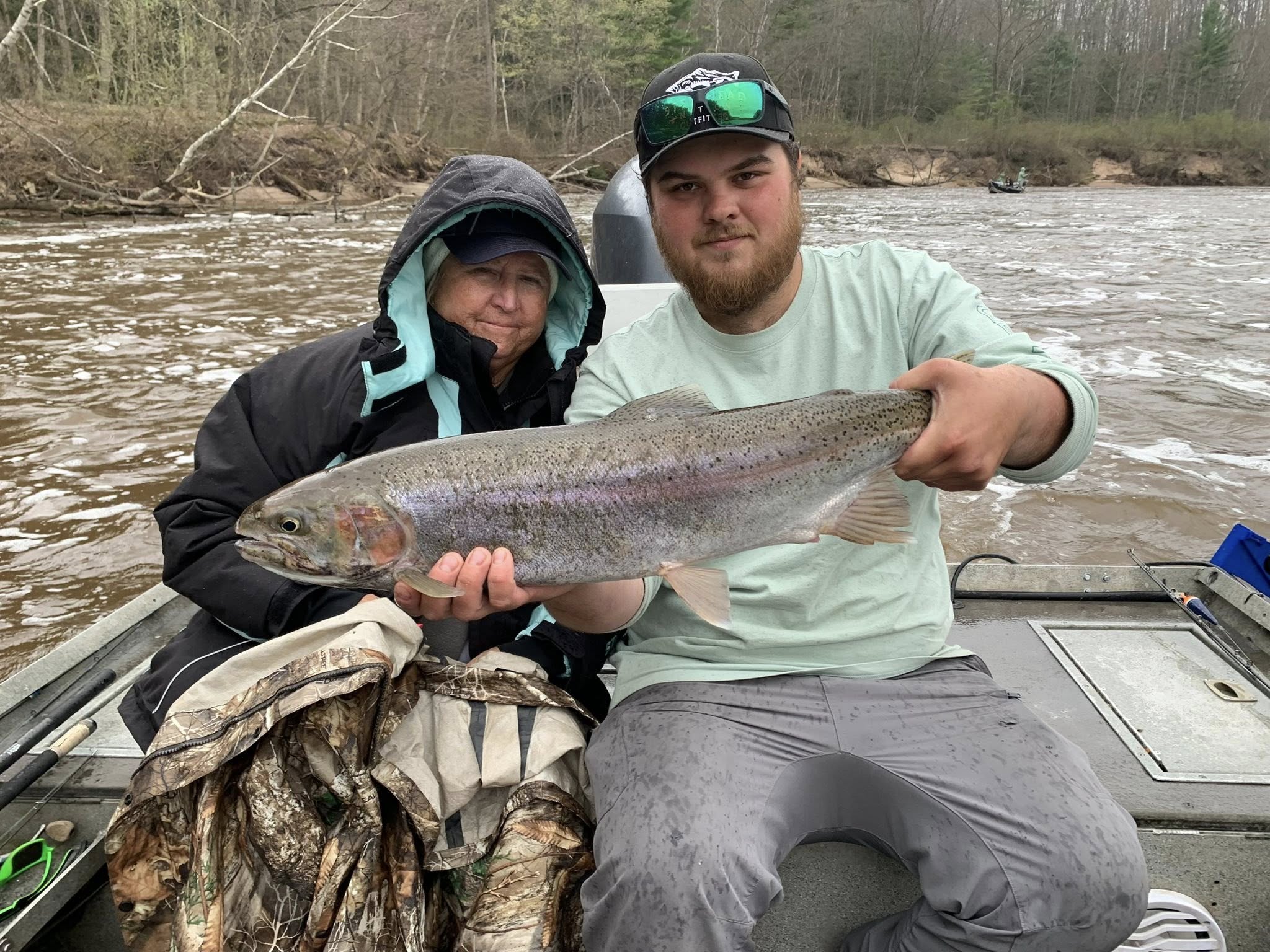
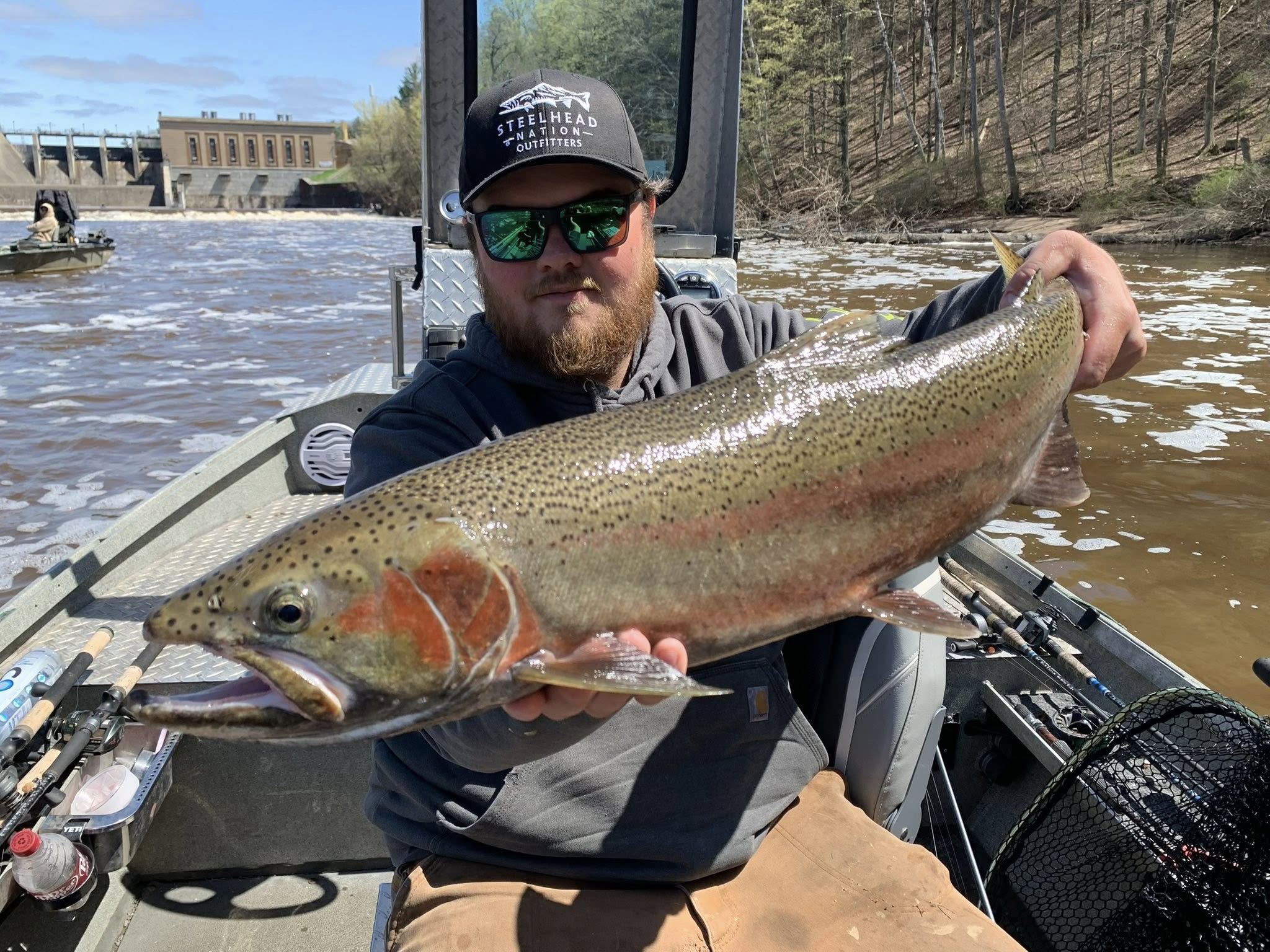
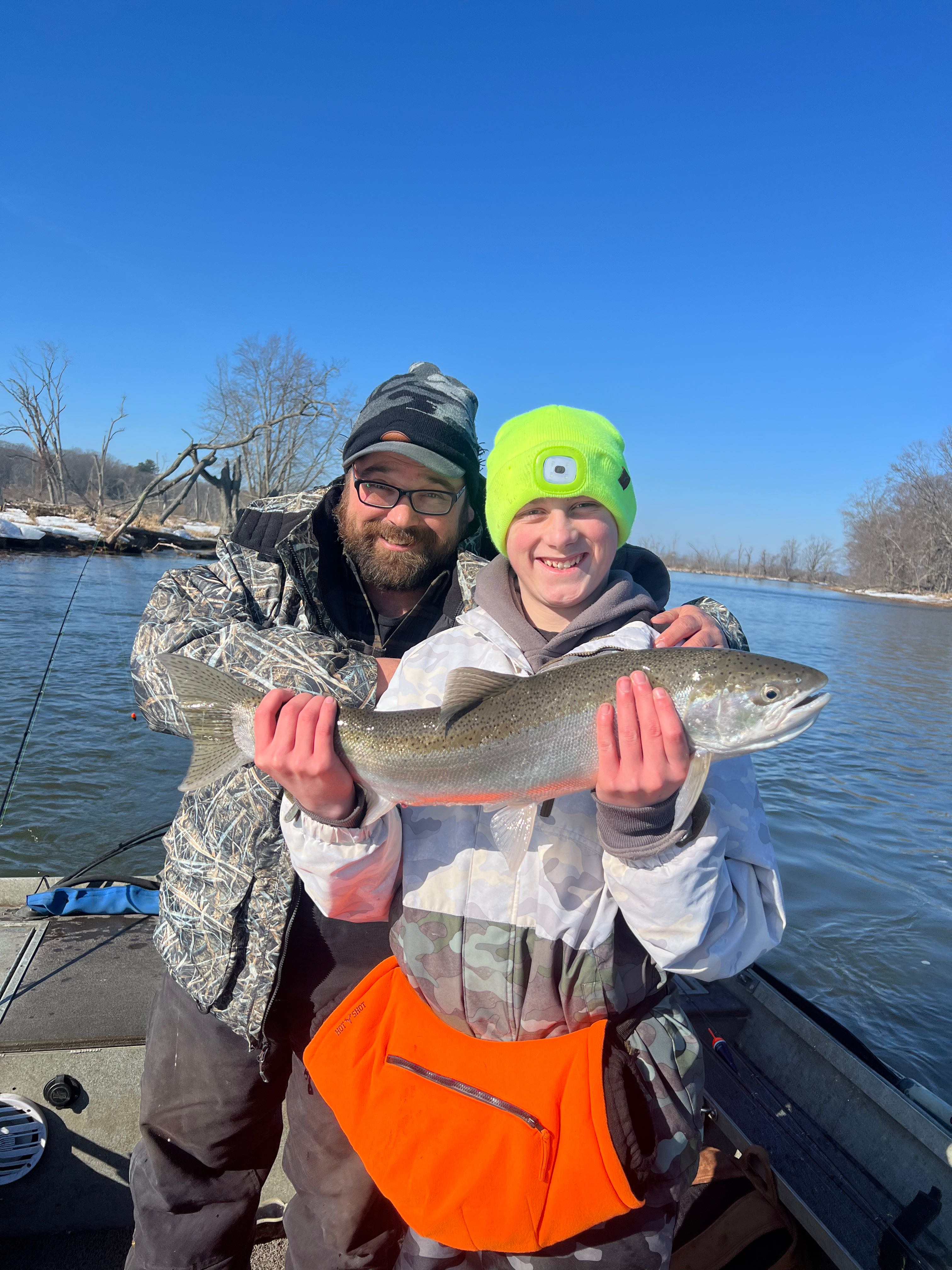
Steelhead Trout represent the ultimate prize on the Big Manistee, earning their reputation as one of the most challenging freshwater gamefish in North America. These lake-run rainbows possess incredible strength and stamina, often doubling back on themselves and making blistering runs that can empty your reel in seconds. Peak steelhead action typically occurs during spring and fall migrations, though some fish are present year-round. What sets Manistee steelhead apart is their size – fish in the 8-15 pound range are common, with true giants pushing 20 pounds or more. Their reputation for being difficult to hook and even harder to land makes every steelhead encounter a memorable experience that separates casual anglers from serious river fishermen.
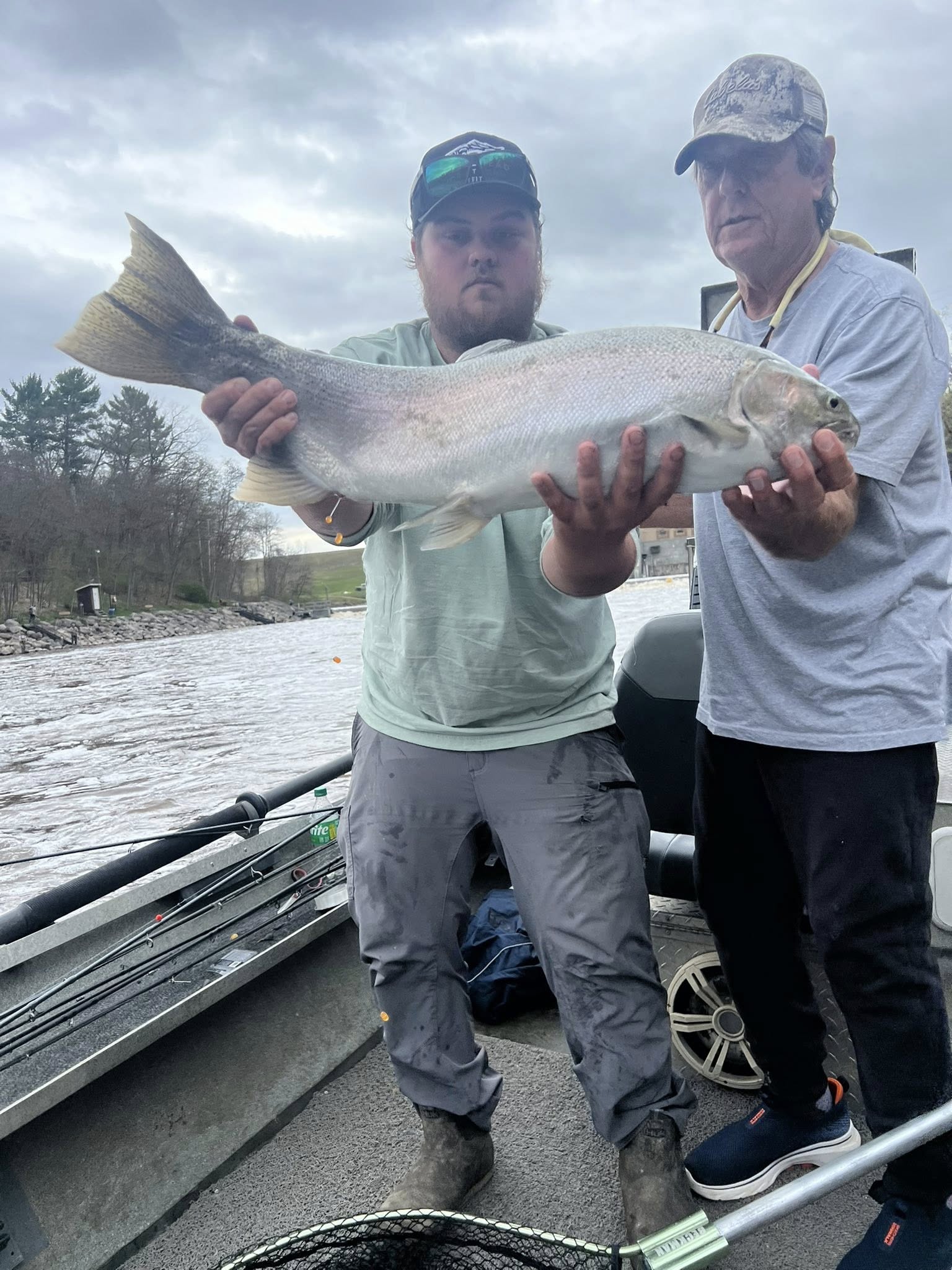
Chinook Salmon bring raw power to the Big Manistee equation, with mature fish capable of weighing 20-30 pounds or more. These are the kings of the salmon world, and when one grabs your offering, you'll know it immediately. Fall runs typically peak in September and early October, drawing anglers from across the Midwest who want to test their skills against Michigan's largest salmonid. Chinooks fight deep and strong, using their bulk and the river's current to maximum advantage. They're notorious for making powerful downstream runs that can carry them hundreds of yards from the hook-up point. The sheer size and strength of these fish demands heavy tackle and solid technique, making them a favorite target for experienced anglers seeking the ultimate freshwater challenge.
Brown Trout add a crafty element to the Big Manistee's fishing opportunities, with both resident and migratory populations calling these waters home. These fish are notorious for their wariness and selective feeding habits, often requiring precise presentations and natural drifts to fool. They tend to hold in the deepest, most secure cover during daylight hours, making them a technical challenge that rewards skilled anglers. Browns typically range from 16-24 inches, though true trophy fish can exceed 30 inches and 10 pounds. Fall spawning runs bring lake-run browns into the river system, where they become more aggressive and accessible
 Private Trip
 River Fishing
 Lake Michigan

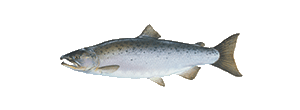


 Eight-hour guided salmon and steelhead fishing adventure