Alabama Cast Rig and Bait Tutorial
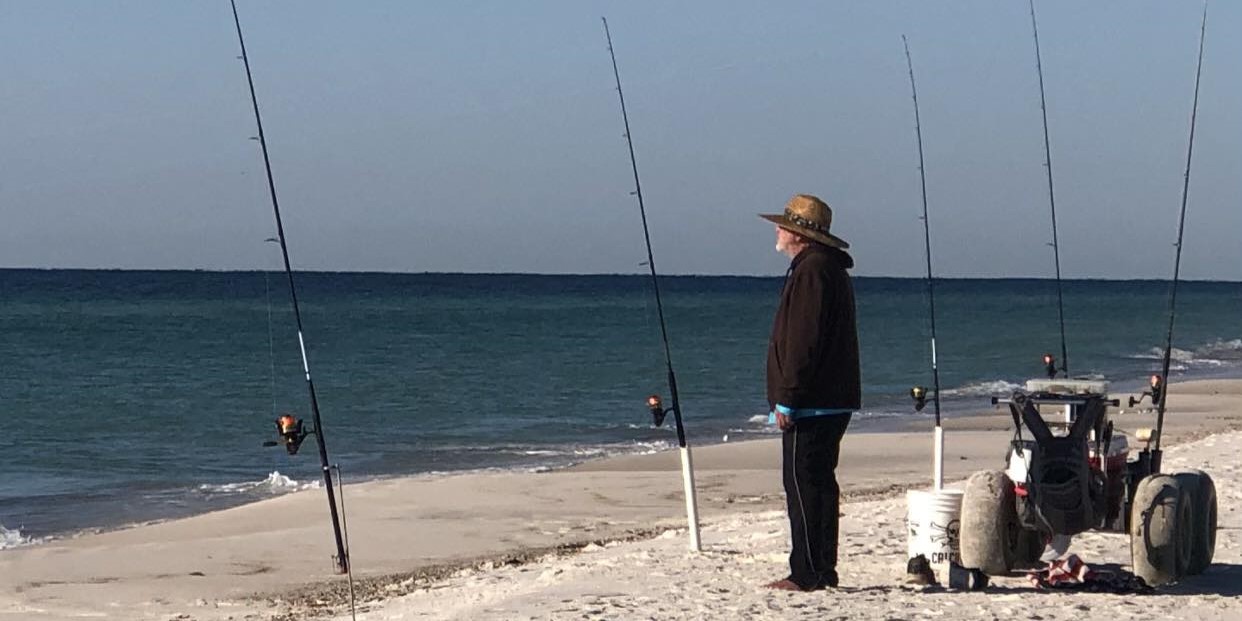
Looking to master the art of surf fishing along Alabama's Gulf Coast? Captain Chuck's hands-on tutorial at Mobile Street Public Beach Access is your ticket to becoming a confident angler. This intimate 4-hour session focuses on building real skills you'll use every time you hit the beach. Starting at 6 AM when the surf is calm and the fish are active, you'll learn proper casting techniques, essential rig setups, and bait preparation that actually works. The early morning timing isn't just about peaceful conditions – it's prime feeding time for redfish, pompano, and Spanish mackerel cruising the nearshore waters. With one-on-one instruction from a seasoned guide, you'll practice at your own pace and leave with confidence to tackle Alabama's productive surf on your own.
What to Expect on the Water
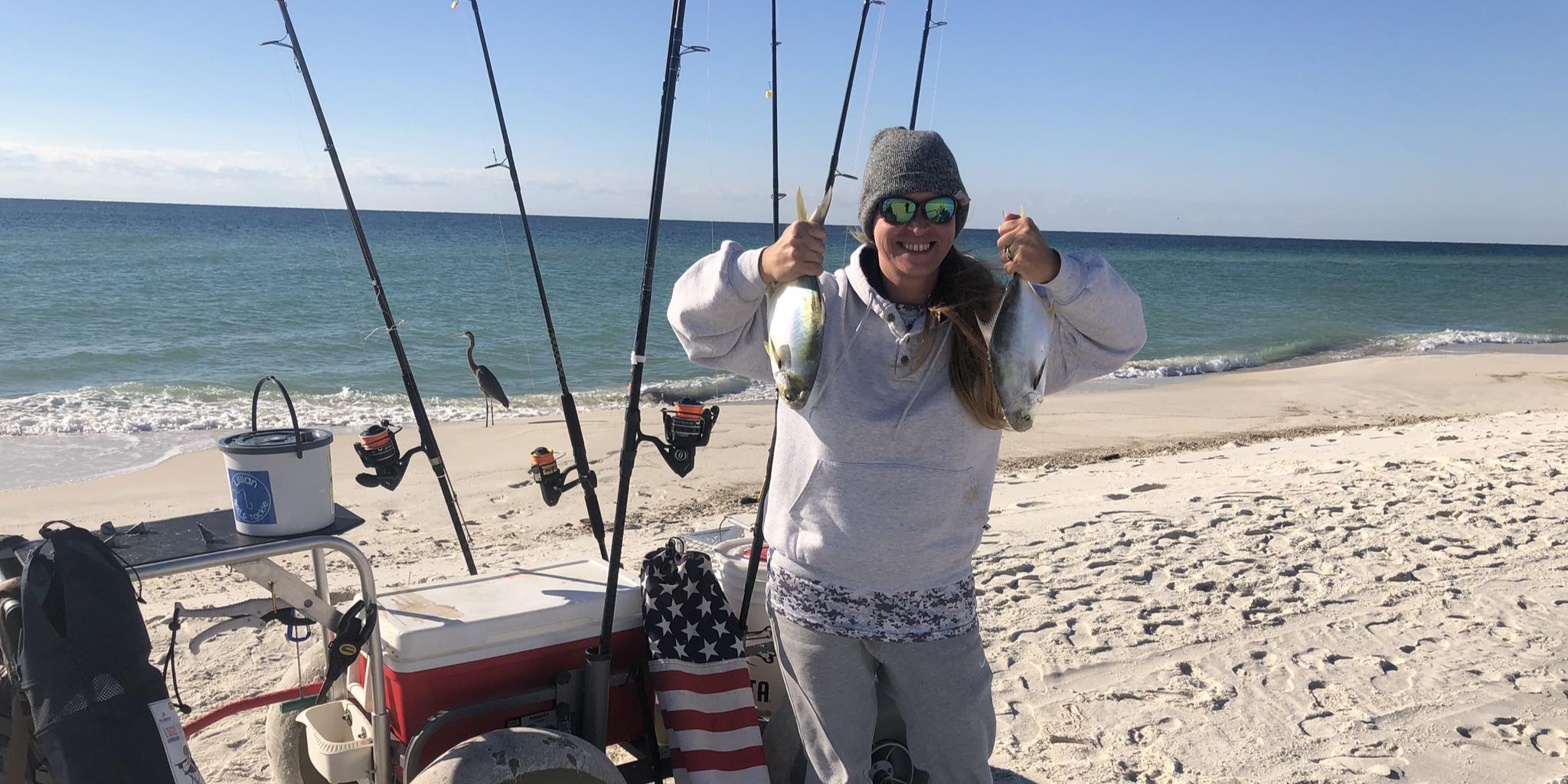
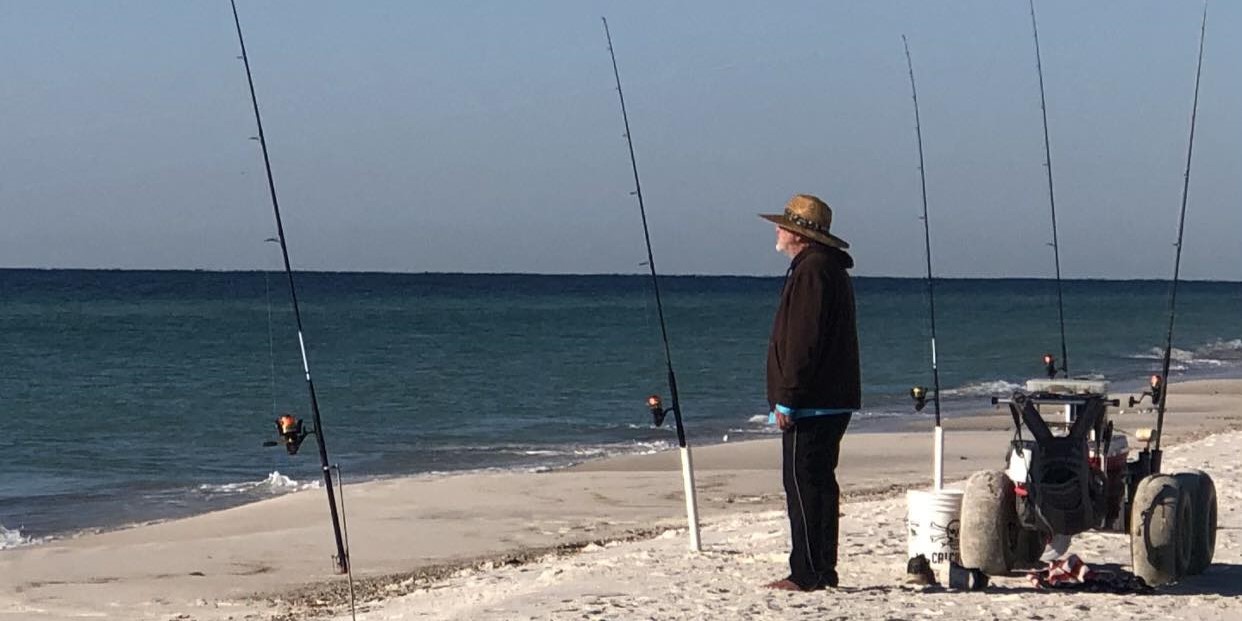
Captain Chuck meets you right at the Mobile Street Public Beach Access, a top-rated spot that locals know produces consistent action. The 6 AM start time might seem early, but it's golden hour for surf fishing – calmer seas, cooler temperatures, and hungry fish moving into the shallows to feed. You'll spend four solid hours working through the fundamentals that separate successful surf anglers from weekend warriors who go home empty-handed. The tutorial covers casting form that gets your bait out past the breakers where fish are feeding, plus rig construction techniques that keep your setup fishing effectively in the surf zone. Captain Chuck focuses on practical skills you'll actually use, not theoretical knowledge that sounds good but doesn't catch fish. The small group size means you get direct feedback on your casting stroke, hands-on practice with different rig configurations, and personalized tips based on your experience level. By the end of the session, you'll understand how to read the beach, where to position your baits, and why certain setups work better in different conditions.
Surf Fishing Fundamentals
Surf fishing success comes down to mastering a few key techniques, and this tutorial breaks them down step by step. You'll start with casting mechanics – the proper stance, timing, and follow-through that gets your bait out to the fish zone consistently. Captain Chuck demonstrates the overhead cast, side cast, and pendulum cast, then helps you find the style that works best for your build and strength. Rig building is where many beginners struggle, so you'll practice tying fish finder rigs, Carolina rigs, and pompano rigs until the knots become second nature. Each rig serves different purposes – fish finders let you feel light bites while keeping your sinker on bottom, while Carolina rigs work better in cleaner sand when you want your bait moving slightly in the current. Bait preparation covers both live and cut options that produce along this stretch of Alabama coast. You'll learn to rig shrimp to stay on the hook through strong surf, cut mullet and whiting for targeting bigger predators, and sand fleas when pompano are running. The tutorial also covers reading water conditions – identifying cuts, holes, and structure that hold fish, plus understanding how tides affect feeding patterns and bait placement.
Top Catches This Season
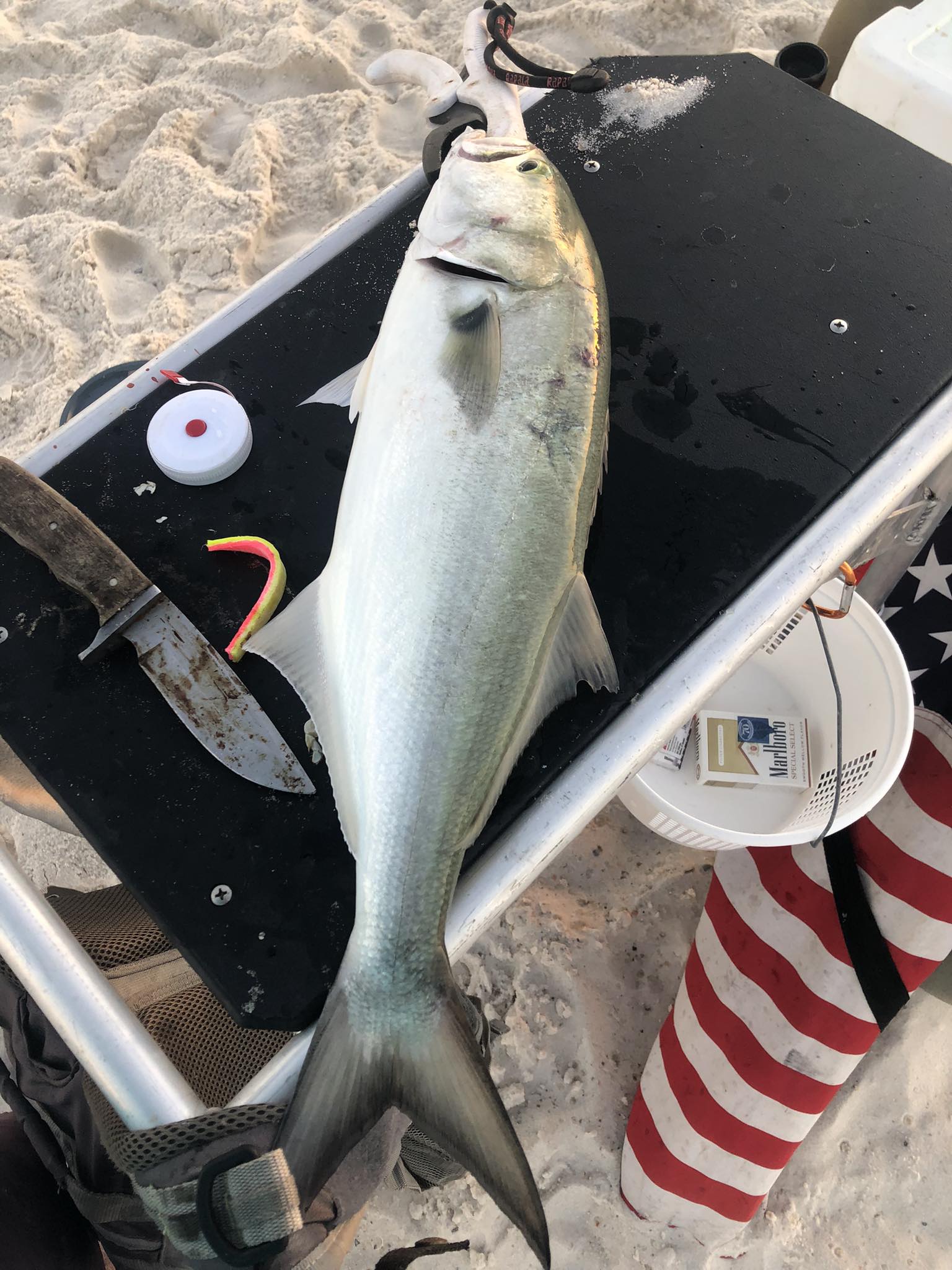
The waters off Mobile Street Public Beach Access hold some of Alabama's most sought-after inshore species, each offering unique challenges and rewards for surf anglers. Redfish are the bread and butter of this fishery, with bull reds over 30 inches cruising the surf zone year-round. These copper-colored bruisers feed aggressively in the early morning hours, often taking cut bait fished on the bottom near structure. What makes reds so exciting is their powerful runs – when a big one takes your bait, you'll know it immediately as line screams off your reel. Fall and spring offer the best action, but even summer mornings can produce solid fish for anglers who know where to look.
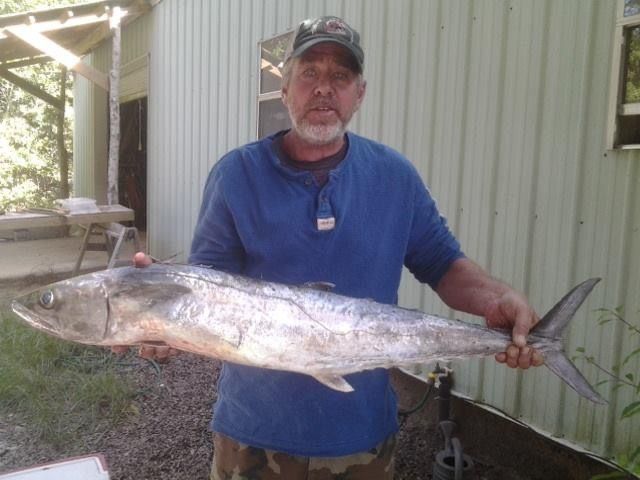
Spanish mackerel bring speed and aerial acrobatics to your surf fishing sessions. These silver missiles typically show up in late spring through early fall, often feeding in schools that create visible surface activity. They prefer smaller baits like cut shrimp or small spoons, and their razor-sharp teeth mean you'll need a wire leader. The fun factor with Spanish mackerel is off the charts – they hit hard, jump repeatedly, and provide fast-paced action when the schools move through.
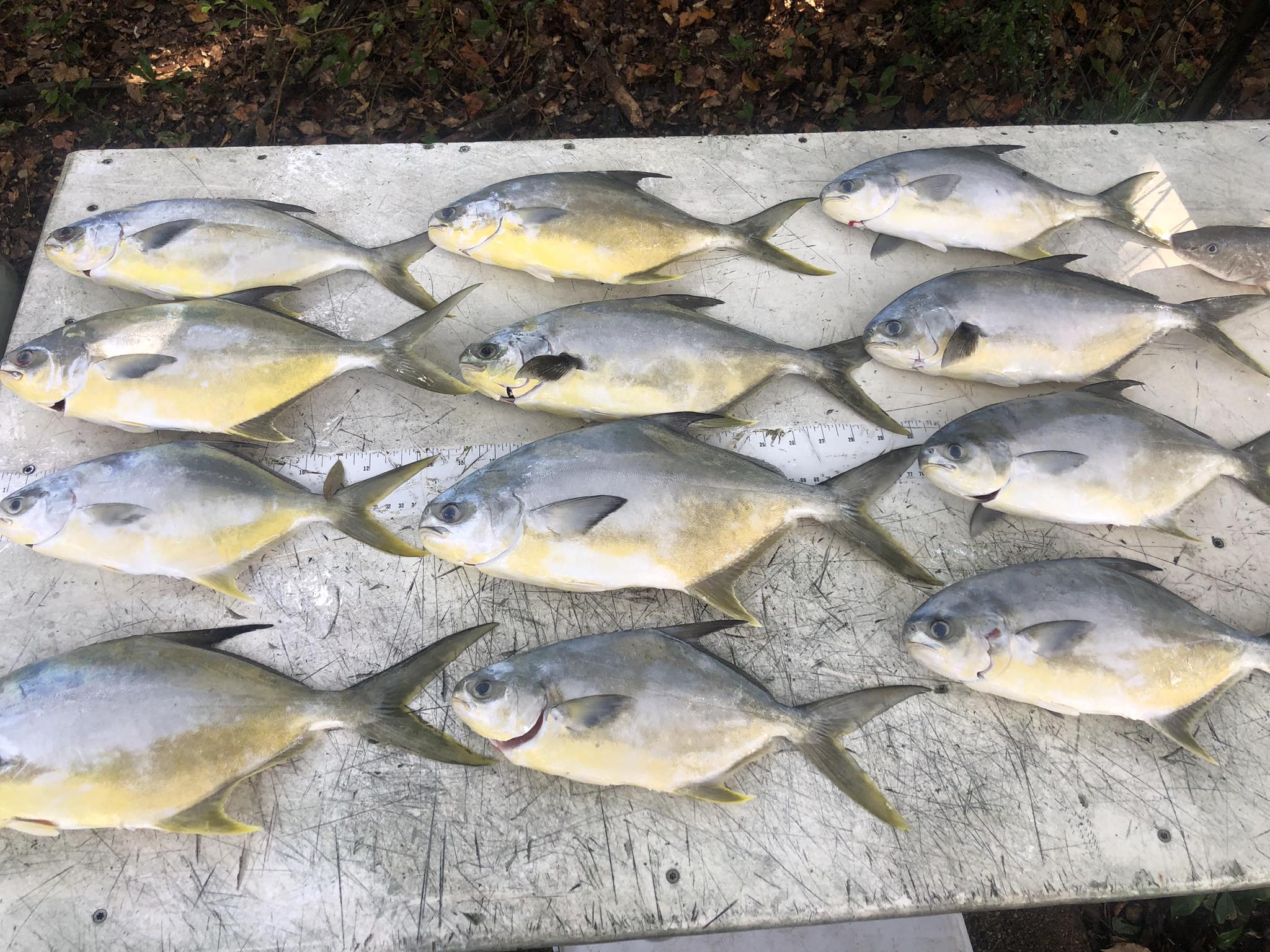
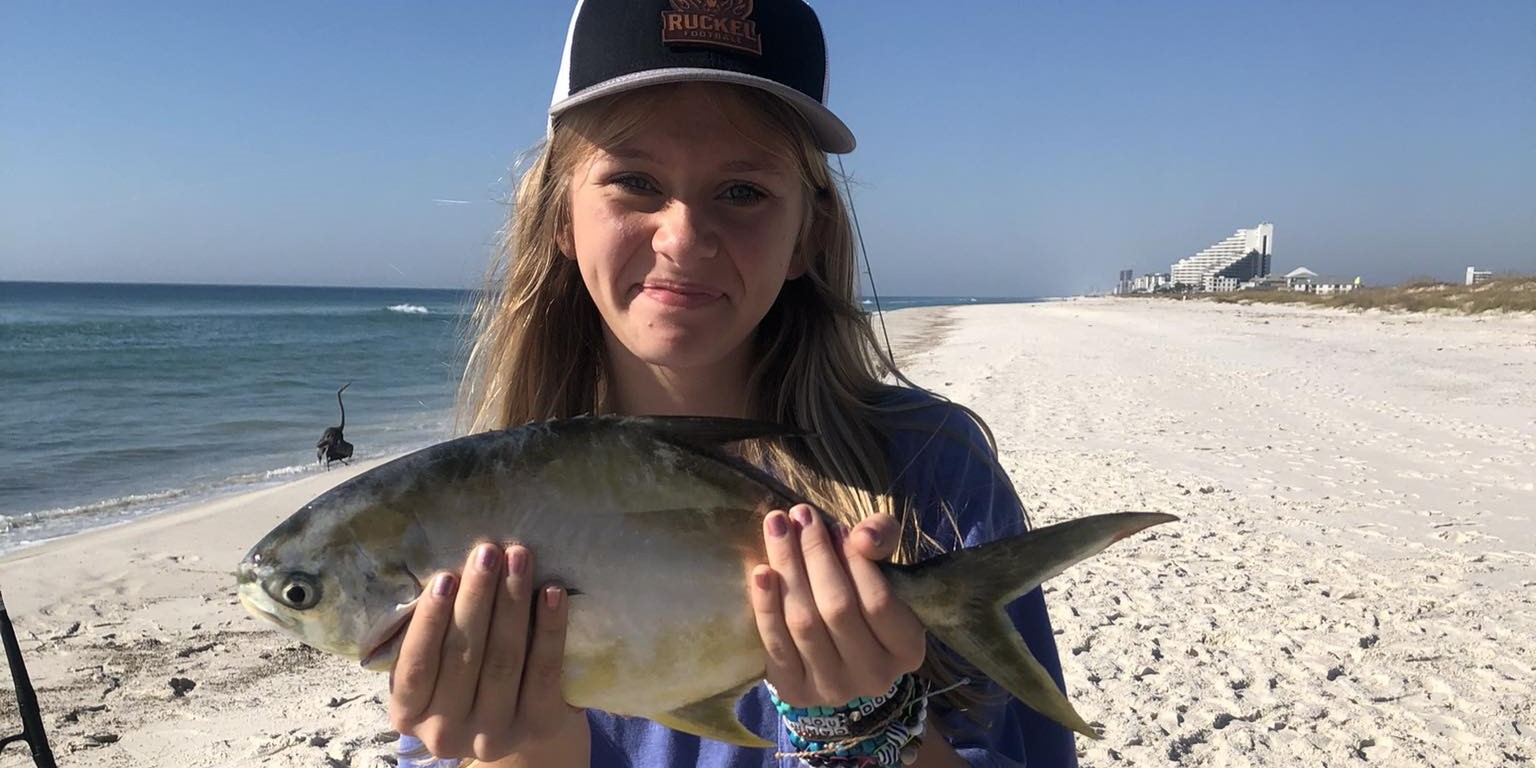
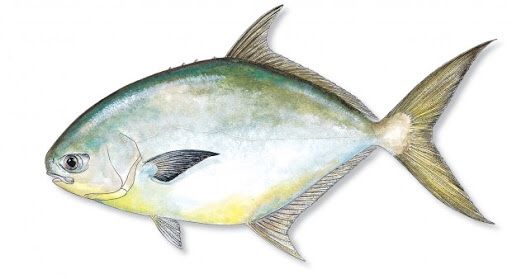
Florida pompano represent the holy grail of surf fishing along Alabama's coast. These golden, disc-shaped fish are prized both for their fighting ability and excellent table fare. Pompano prefer sand fleas, ghost shrimp, and small pieces of fresh shrimp fished in the first trough behind the breakers. They're notoriously finicky feeders, which makes landing one especially rewarding. Best fishing happens during their spring and fall migrations when schools move through the area.
Black drum round out the target species list with their impressive size and bulldogging fights. These bottom-feeders can exceed 40 pounds and are suckers for fresh cut bait fished on the bottom. What makes drum fishing exciting is never knowing if your next bite will be a 5-pound fish or a 25-pound monster that tests your tackle and skills. They're most active during cooler months but can be caught year-round by persistent anglers.
Time to Book Your Spot
This tutorial gives you the foundation every successful surf angler needs – proper technique, proven rigs, and local knowledge that takes most people years to figure out on their own. Captain Chuck's one-on-one instruction means you'll learn faster and avoid the common mistakes that frustrate beginners. The early morning timing maximizes your chances of seeing these techniques work on actual fish, plus you'll experience the best conditions for learning proper form. Whether you're planning to fish Alabama's beaches regularly or just want to make the most of occasional trips, these skills will serve you well anywhere you cast a line in the surf. The intimate setting allows for plenty of questions and personalized instruction based on your goals and experience level. Book your spot with Straw Hat Fishin' Beach Charters and turn your surf fishing dreams into reality with techniques that actually work.
 Shared Trip
 Shore Fishing
 Orange Beach


 Four-hour surf fishing tutorial covers casting, rigging, and bait prep