Quick Florida Cast Rig and Bait Tutorial
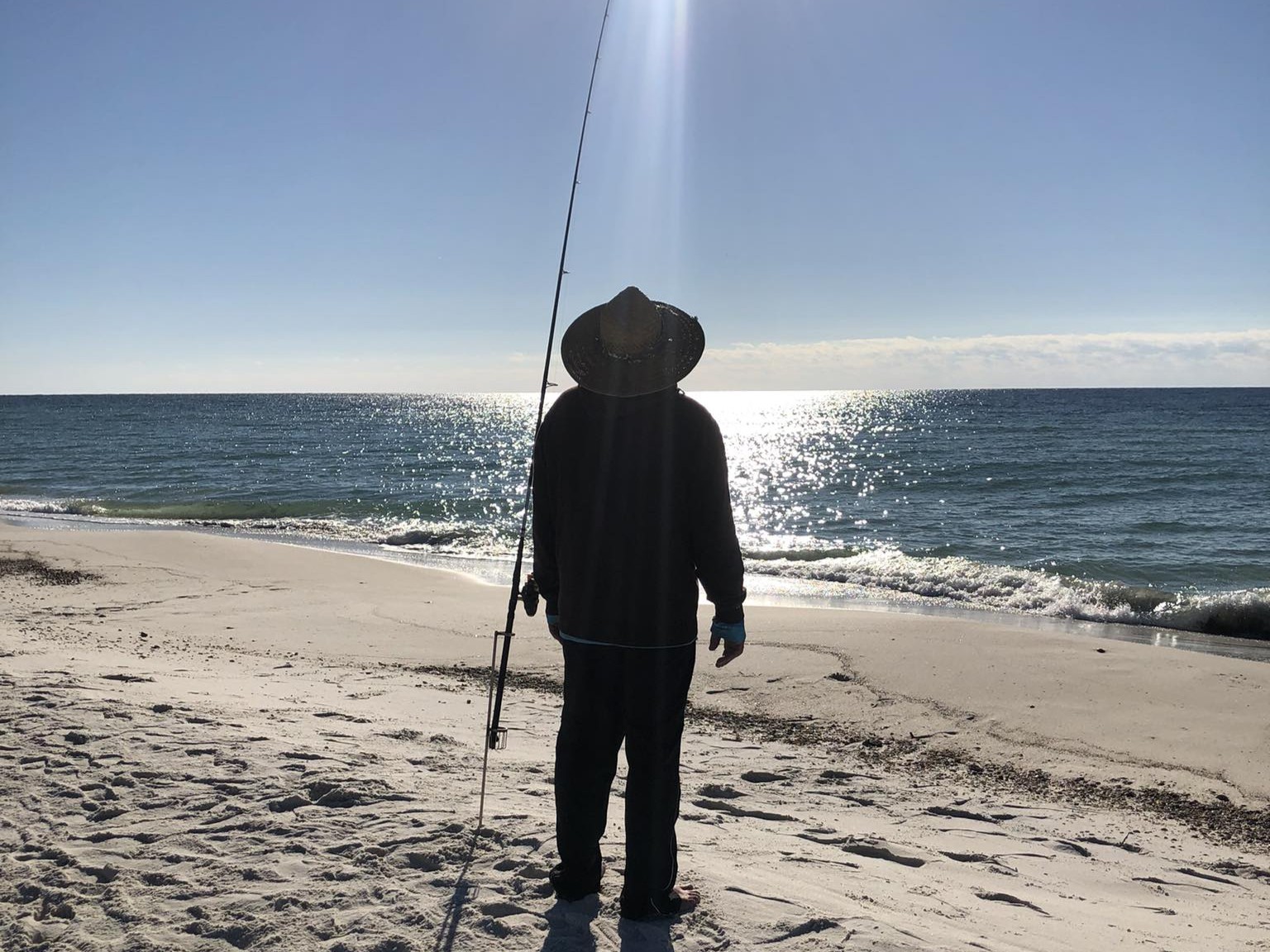
Want to get confident with your surf casting before heading out on your own? Captain Chuck's got you covered with this hands-on tutorial right here in Perdido Key. This isn't some rushed group lesson where you're fighting for attention – it's just you (or you and a buddy) learning the real fundamentals that make the difference between going home empty-handed and actually putting fish in the cooler. We'll meet up at the Perdido Key Welcome Center, then spend a solid two hours on the Florida side where the conditions are perfect for learning without the chaos.
What to Expect on the Beach
This tutorial is all about building your confidence from the ground up. Captain Chuck keeps things simple and practical – no fancy techniques you'll never use, just the bread-and-butter skills that work day in and day out on these beaches. You'll start with proper casting form, because let's face it, most folks are chunking their rigs about half as far as they could be. Then we dive into rig setup – the Carolina rig, fish finder rig, and a couple other setups that consistently produce along this stretch of coast. Knot work is huge too, since there's nothing worse than losing a fish because your connection failed. We'll practice the improved clinch knot, palomar knot, and the loop knot until you can tie them in your sleep. Bait prep rounds out the session – how to rig live shrimp, cut bait, and some local favorites that the fish here can't resist.
Gear Talk & Beach Setup
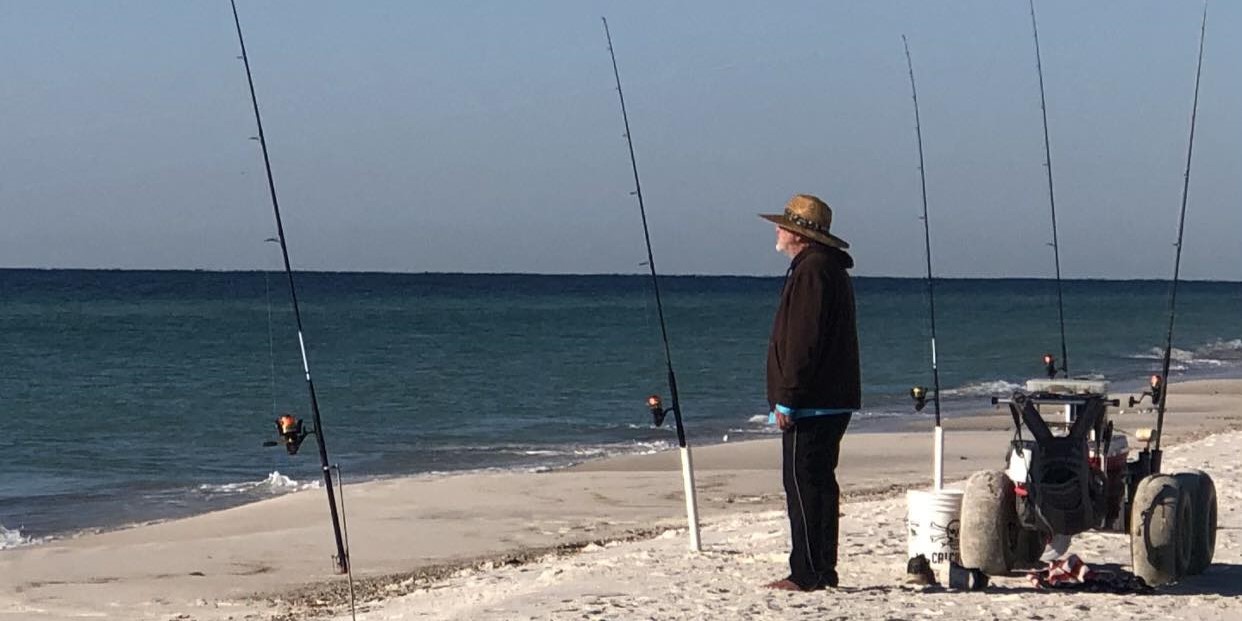
Captain Chuck brings all the gear you need for the lesson, so don't stress about showing up with the wrong stuff. We're talking medium-heavy surf rods that can handle the wind and get your bait out where it needs to be, reels spooled with the right line weight for these waters, and a tackle box full of the terminal tackle that actually works here. You'll get hands-on time with pyramid sinkers, circle hooks in the sizes that matter, and swivels that won't fail when a big drum decides to make a run. The Florida side of Perdido Key gives us that perfect learning environment – less crowded than the main tourist spots, cleaner bottom structure, and usually calmer conditions. We set up in a spot where you can practice casting without worrying about tangling up other anglers or losing expensive tackle in the rocks.
Species You'll Want to Hook
Redfish are the bread and butter of surf fishing along the Gulf Coast, and Perdido Key's waters hold some real quality fish. These copper-colored fighters typically run 18 to 27 inches in the surf zone, with the occasional bull red pushing 30-plus inches showing up during their fall and spring runs. Redfish feed aggressively in the shallow waters near the beach, especially around dawn and dusk when they're hunting for crabs and small baitfish. They're not particularly line-shy, which makes them perfect for beginners, but they'll test your drag once hooked. The techniques you'll learn in this tutorial – proper bottom rig setup and fresh bait presentation – are exactly what puts these fish on the beach.
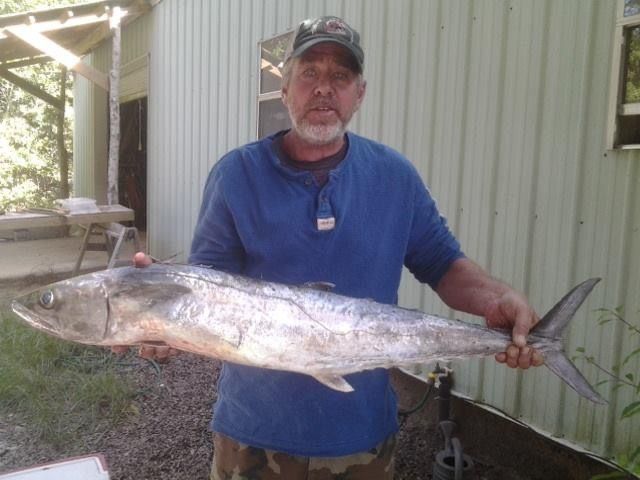
Spanish Mackerel bring the speed and excitement that keeps anglers coming back. These silvery speedsters typically weigh 1 to 3 pounds but fight like fish twice their size. They show up in good numbers during the warmer months, usually from late spring through early fall, and they're suckers for moving baits and shiny presentations. While this tutorial focuses on bottom fishing techniques, Captain Chuck will show you how to modify your rig for these surface feeders when they're around. Spanish mackerel have razor-sharp teeth, so learning proper wire leader setup during the tutorial pays dividends when you encounter schools of these aggressive feeders.
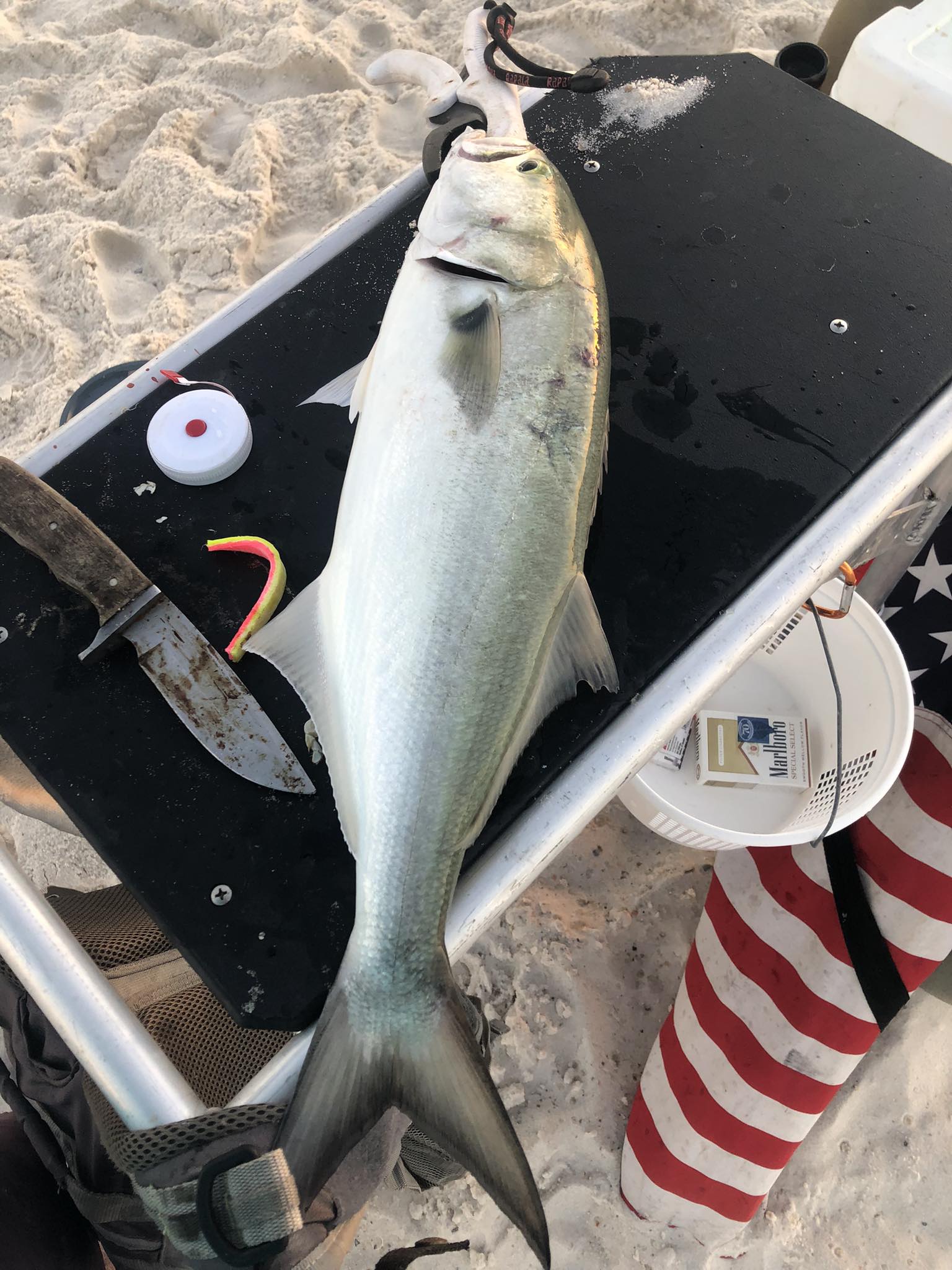
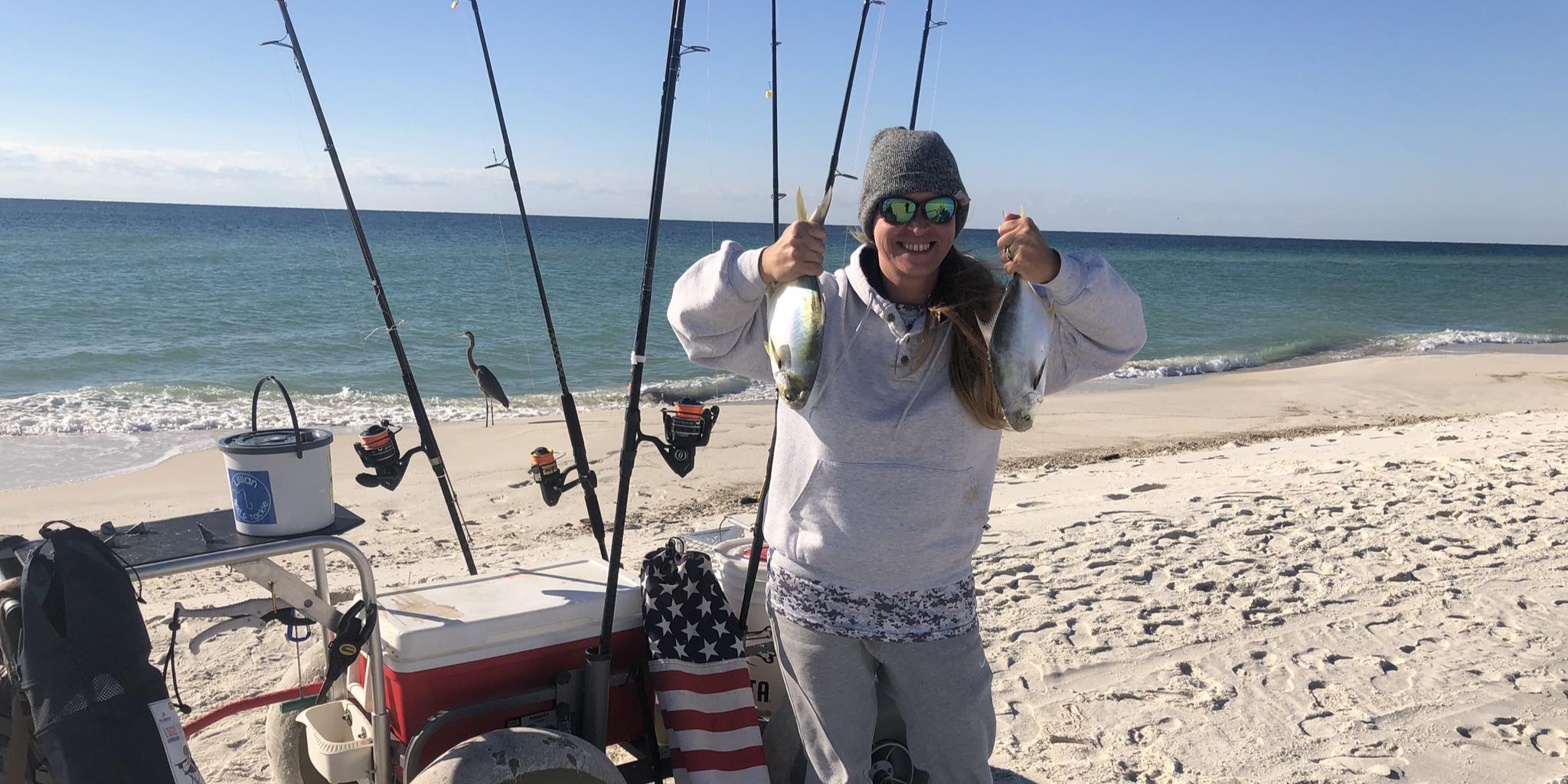
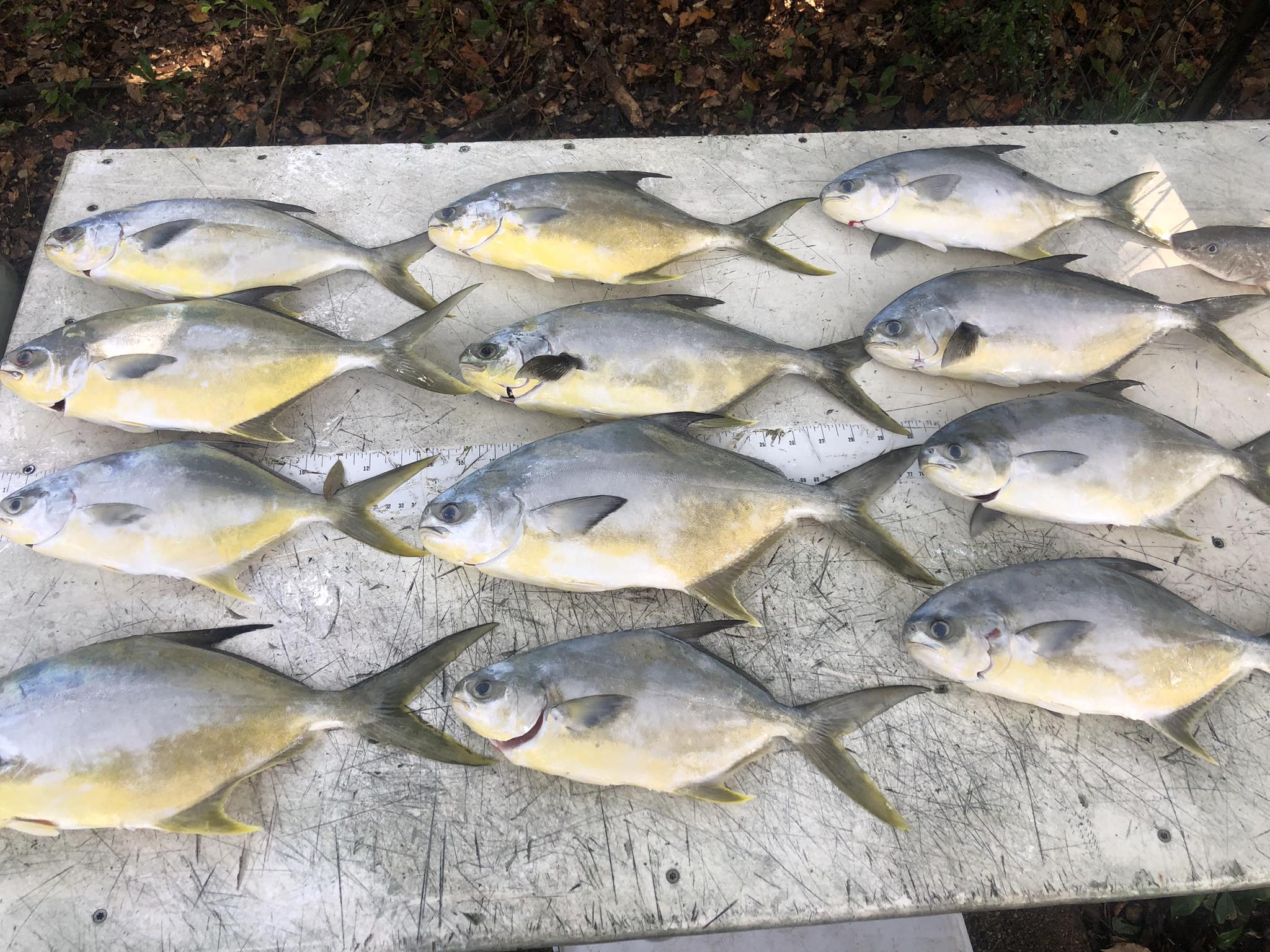
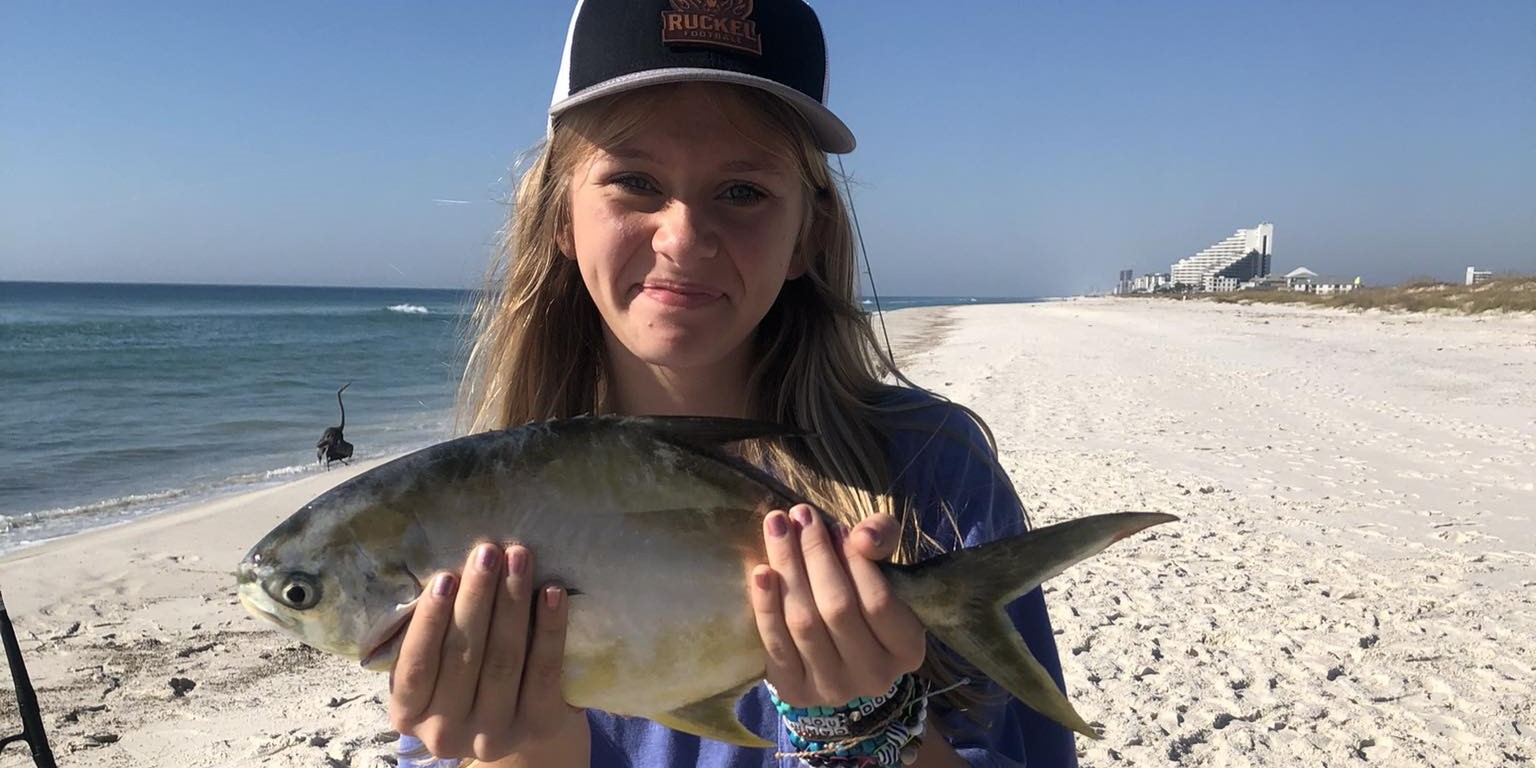
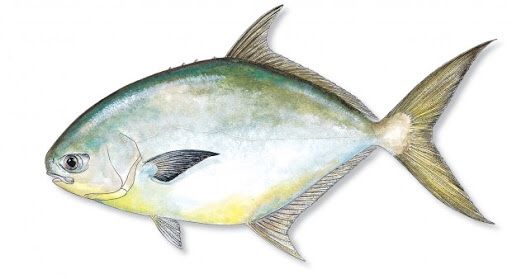
Florida Pompano are the prize of Gulf Coast surf fishing, and for good reason. These high-bodied, silver fish typically run 1 to 4 pounds and are absolute table fare champions. Pompano are notoriously finicky, which makes the rig setup and bait presentation skills from this tutorial absolutely critical. They love clean sandy bottoms and feed heavily on sand fleas, small crabs, and marine worms. The fish move through Perdido Key's waters in schools, usually during their spring and fall migrations, but resident fish can be caught year-round by anglers who know what they're doing. Pompano fishing requires patience and precise technique – exactly what this tutorial teaches.
Black Drum are the heavyweights of the surf fishing world around here, with fish ranging from 2-pound "puppy drum" to monsters pushing 20 pounds or more. These bottom feeders have incredible pulling power and will test every knot and connection you learned during the tutorial. Black drum are structure-oriented and love feeding around oyster bars, bridge pilings, and rocky areas, but they also cruise the surf zone looking for crabs and shellfish. They're most active during cooler months, making them a consistent target when other species are scarce. The heavy tackle techniques and bottom rig setups you'll master in this session are perfectly suited for tangling with these bruisers.
Time to Book Your Spot
Look, there's a world of difference between watching YouTube videos and getting hands-on instruction from someone who knows these waters inside and out. Captain Chuck's tutorial gives you the confidence and skills to actually catch fish instead of just going through the motions. Two hours of personalized instruction beats years of trial and error, and you'll walk away knowing exactly what works in these specific waters. The small group size means you get the attention you need to really dial in your technique. This top-rated tutorial fills up fast, especially during prime fishing season, so don't wait around. Book your spot with Straw Hat Fishin' Beach Charters and start catching fish instead of just casting blind.
 Shared Trip
 Shore Fishing
 Orange Beach


 Two-hour surf fishing tutorial covers casting, rigging, and bait prep