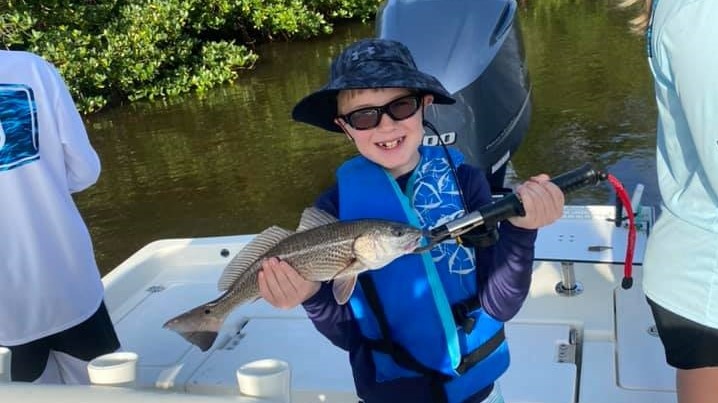
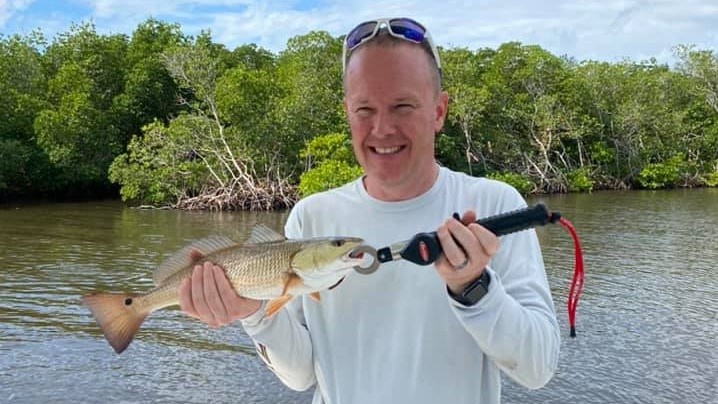
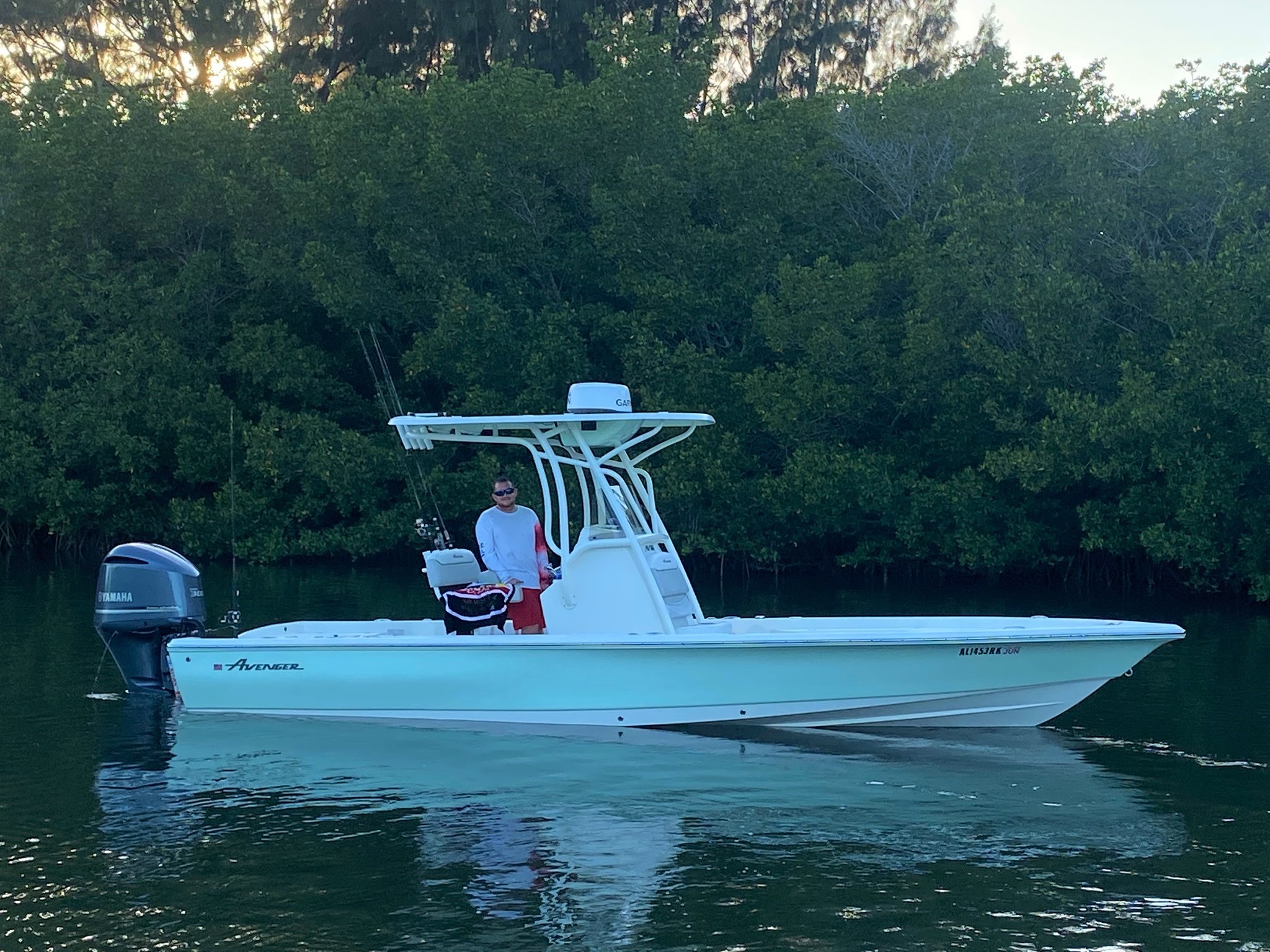
Gulf of Mexico Reef Fishing Adventure
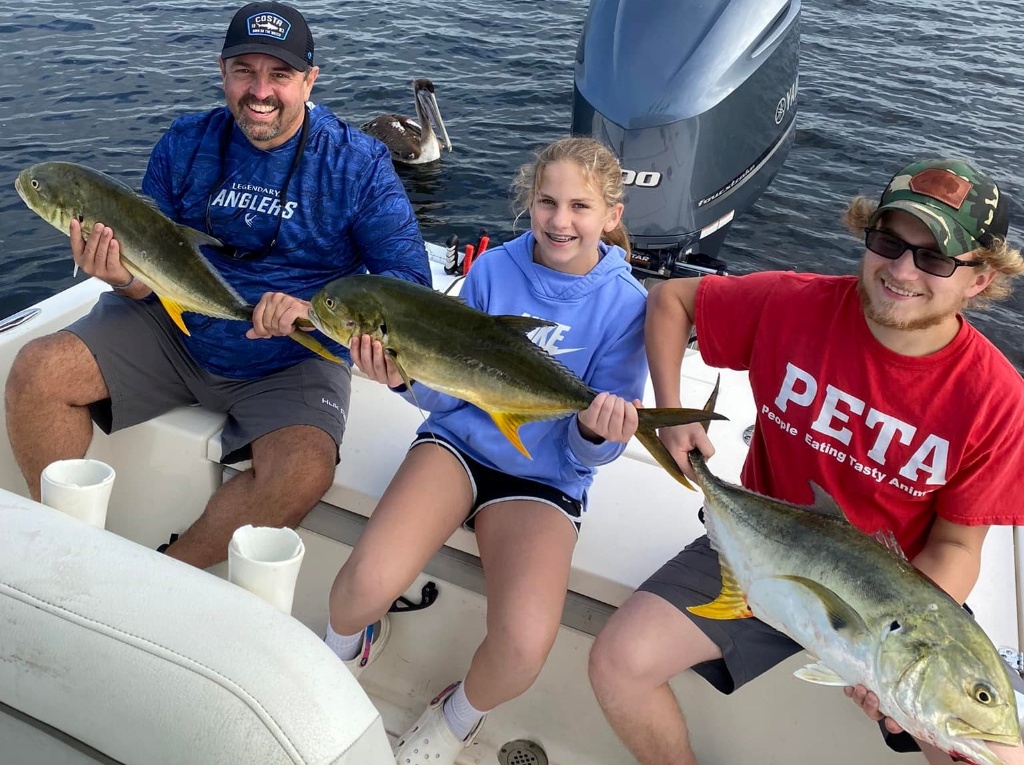
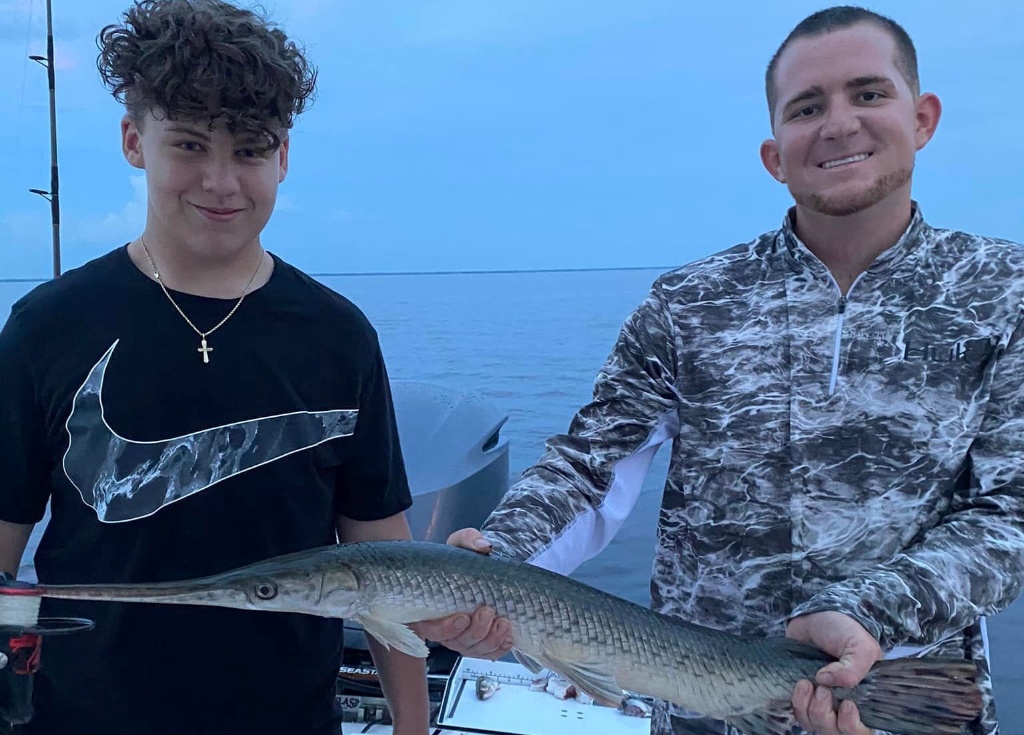
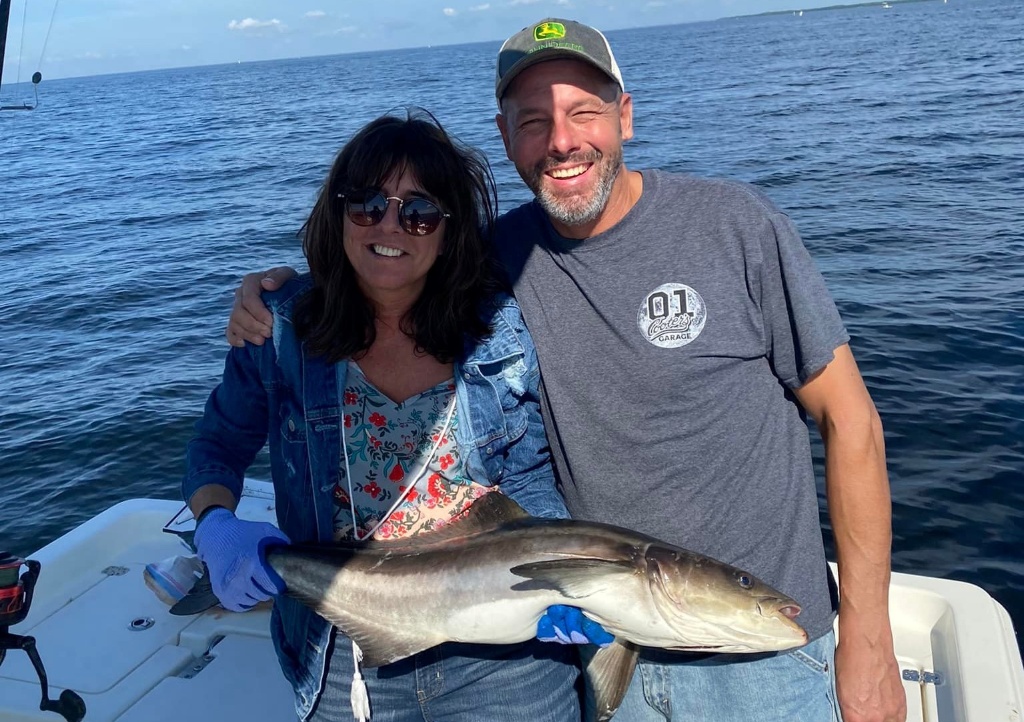
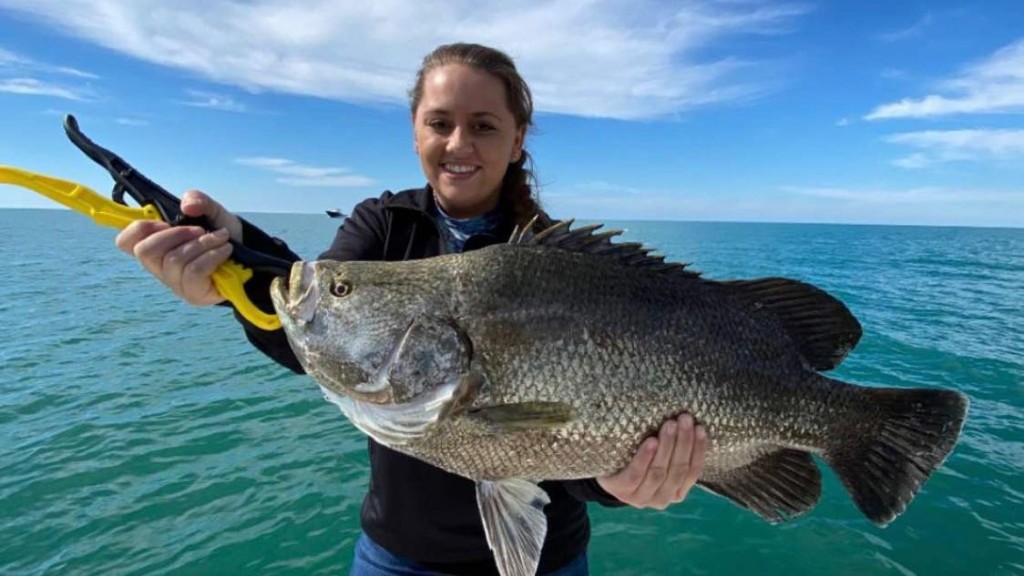
When you're ready to get serious about Gulf fishing, there's nothing quite like targeting the wrecks and reefs where the real action happens. Our reef fishing trips with Straw Hats Fishing Charters put you right in the sweet spots where sheepshead and Spanish mackerel are stacking up. You'll fish with a captain who knows these waters like the back of his hand and can read structure like a book. We keep our groups small at just 4 anglers max, so you get plenty of room to work and personalized attention when the bite gets hot.
What to Expect on the Water
This isn't your typical inshore trip – we're heading out to where the Gulf's best structure fishing happens. Your guide has been working these reefs and artificial wrecks for years, marking productive spots and learning the seasonal patterns that put fish on the deck. The boat comes loaded with all the tackle you need, from light spinning gear for the mackerel to heavier bottom rigs for those stubborn sheepshead hiding in the structure. We've got you covered with snacks and drinks onboard, and you're welcome to bring your own beverages too – just skip the glass bottles since we'll be moving around a bit. The whole vibe is relaxed but focused, perfect for both seasoned anglers looking to dial in their wreck fishing game and newcomers who want to learn what Gulf structure fishing is all about.
Wreck Fishing Techniques
Fishing wrecks and reefs is all about precision and patience. We'll anchor up on the structure or use controlled drifts depending on current and wind conditions. For sheepshead, we're talking about getting right into the metal with live or cut bait – these fish live in the nooks and crannies, so your presentation has to be spot-on. Think fiddler crabs, shrimp, or cut bait worked right against the structure. Spanish mackerel are a different game entirely – we'll run lighter tackle with spoons, jigs, or live bait on the edges where they're cruising and feeding. Your captain will set you up with the right gear for each technique and show you how to read your electronics to see what's happening below. The key is staying in contact with the bottom structure while avoiding snags, and knowing when to switch up your approach based on what the fish are telling you.
Top Catches This Season
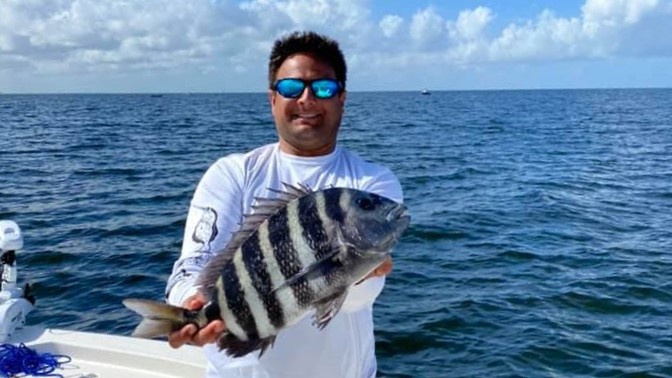
Sheepshead are the bread and butter of Gulf wreck fishing, and for good reason. These black-and-white striped fighters are some of the smartest fish in the Gulf, with crushing power that'll surprise you when they clamp down on your bait. They're year-round residents on most structure, but fall through early spring is when they really stack up thick. What makes them so addictive to target is their finicky nature – you have to earn every fish. They'll steal your bait, test your drag, and keep you honest with your hooksets. Plus, they're fantastic table fare with firm, white meat that's hard to beat.
Spanish mackerel bring the speed and excitement that gets your heart pumping. These silver bullets show up in good numbers during warmer months, and when they're feeding, it's game on. They'll hit fast-moving lures, live bait, and just about anything that looks like it's trying to escape. What's great about Spanish mackerel is how they fight – they're fast, they jump, and they never give up until they're in the boat. They travel in schools, so when you find one, there are usually more around. They're also perfect for anglers who want non-stop action since they're aggressive feeders and not nearly as picky as the sheepshead.
Time to Book Your Spot
Gulf of Mexico reef fishing delivers the kind of day on the water that reminds you why you love fishing in the first place. You're working real structure, targeting fish that require skill and technique, and learning from a captain who lives and breathes these waters. Whether you're after the challenge of outsmarting sheepshead or the fast action of Spanish mackerel, this top-rated charter experience gives you the best shot at both. The small group size means you get quality time with your guide, plenty of space to fish, and the personalized instruction that makes the difference between a good day and a great one. Ready to see what the Gulf's wrecks and reefs have to offer? Book your reef fishing adventure with Straw Hats Fishing Charters and get ready for some world-class structure fishing that'll keep you coming back for more.
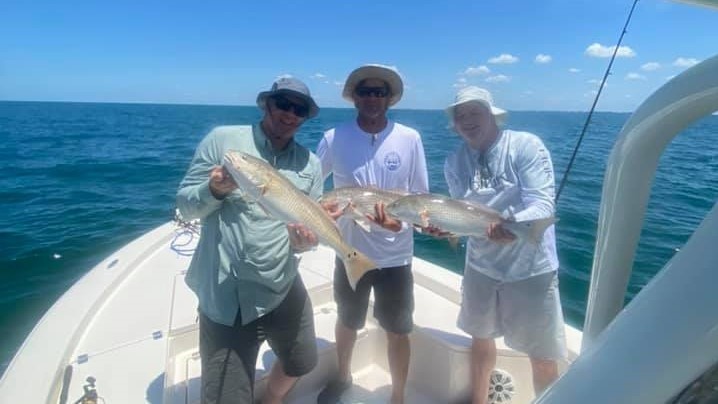
 Private Trip
 Wrecks/Reefs Fishing
 Port Charlotte, FL

 Target reefs and wrecks in Gulf of Mexico waters