Cherokee Lake Striped Bass Fishing Trip
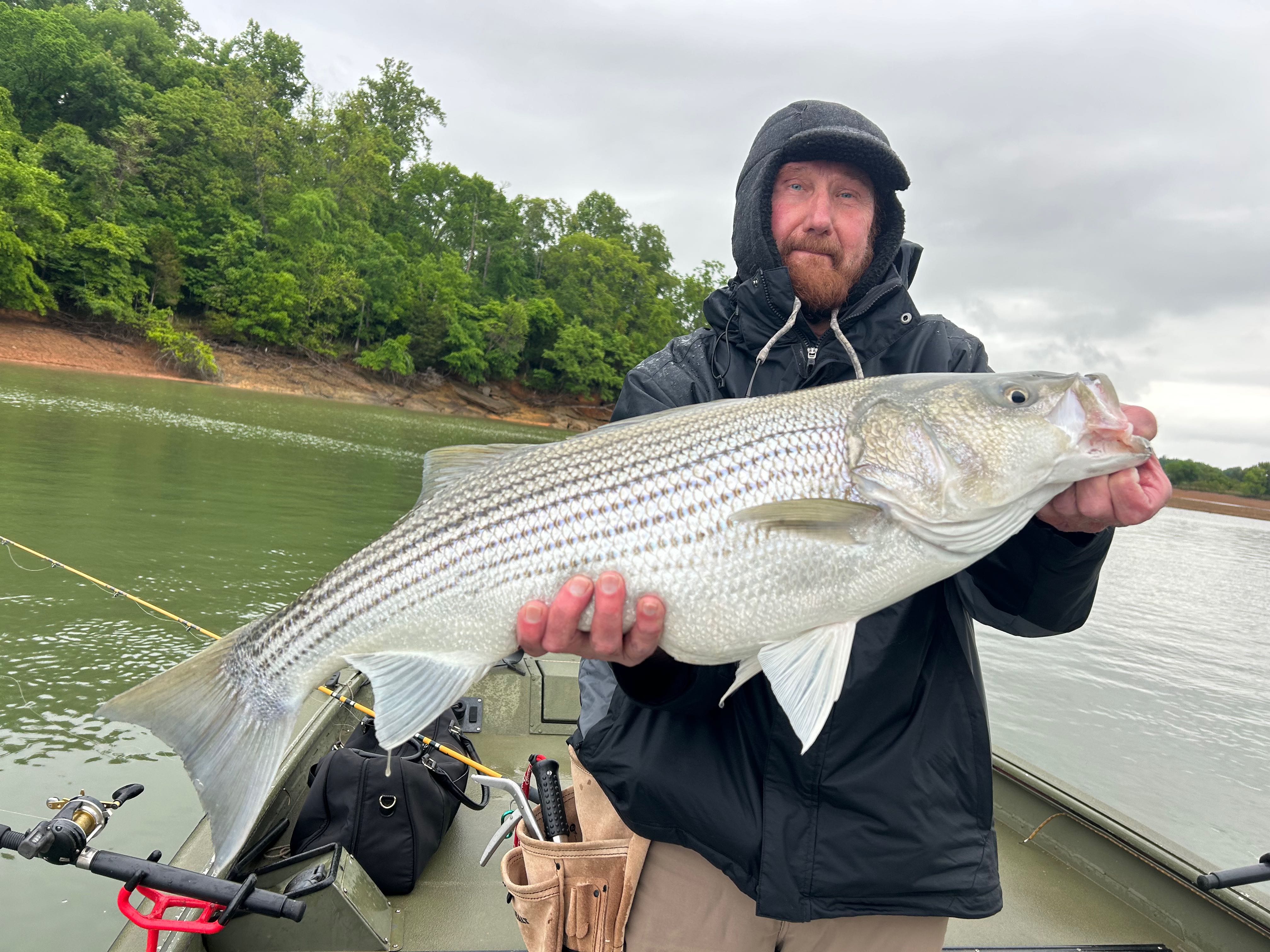
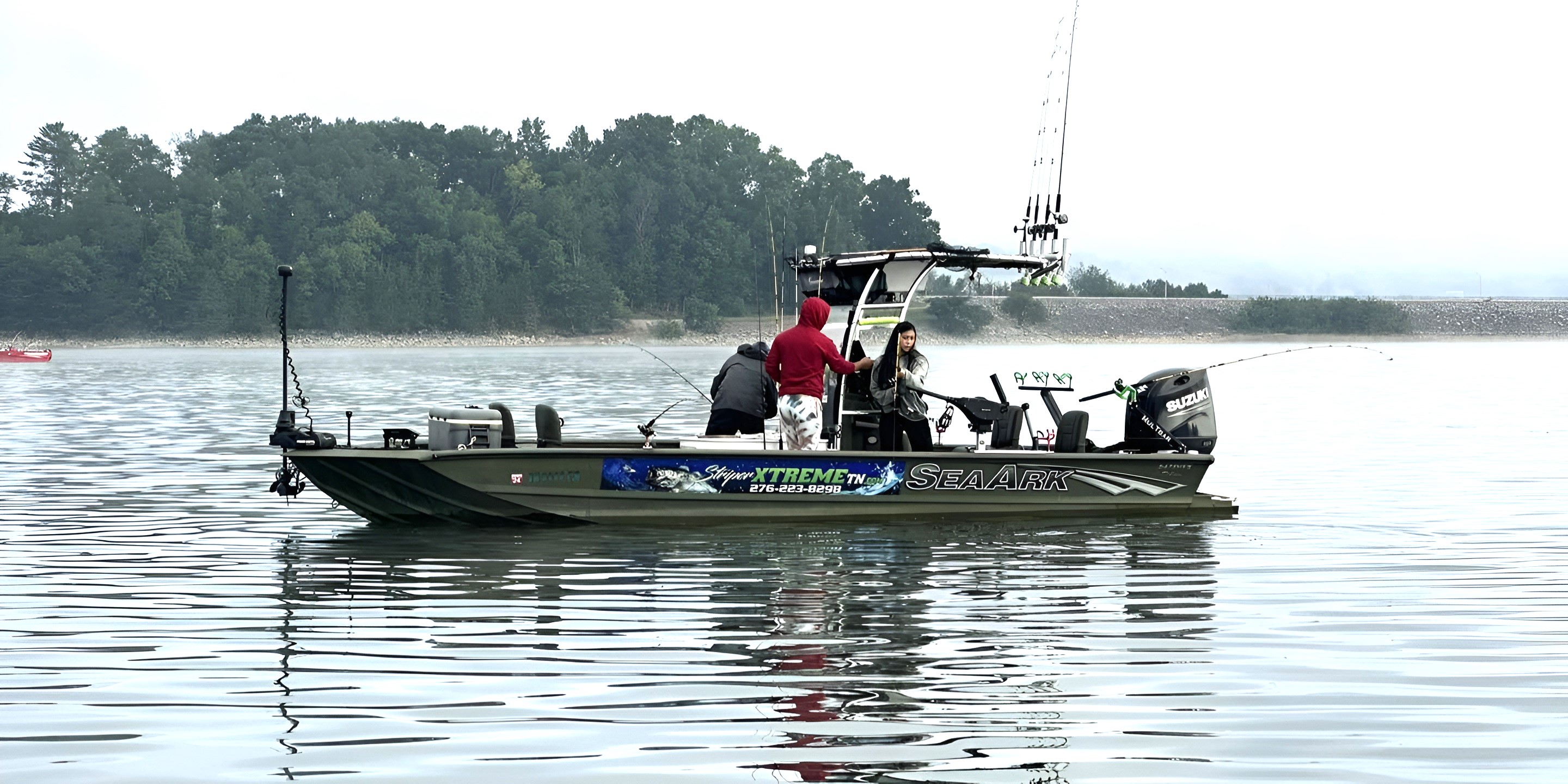
Cherokee Lake is one of Tennessee's premier striper destinations, and this 3-hour guided trip puts you right in the action. Starting at 6 AM when the bass are most active, you'll be targeting the lake's famous striped bass and hybrid populations with chances at smallmouth and largemouth depending on what's happening that day. StriperXtreme Guide Service knows these waters like the back of their hand, and they'll put you on fish while providing all the gear you need. At $400 for up to two anglers, with room for three more at $60 each, this trip offers serious value for anyone looking to experience Cherokee Lake's world-class bass fishing.
What to Expect on the Water
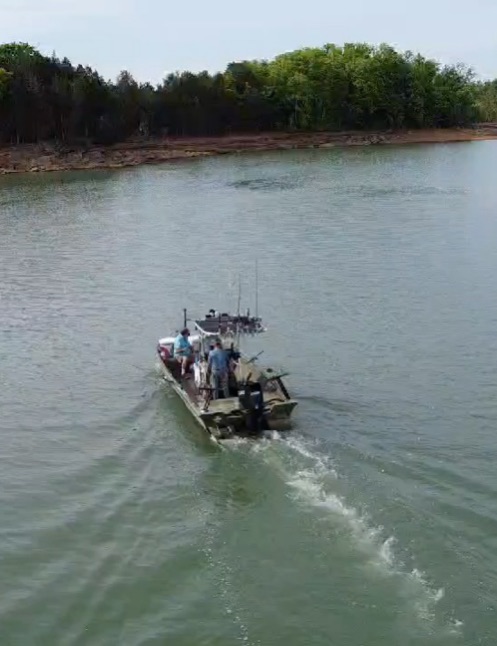
Your morning kicks off early because that's when Cherokee Lake comes alive. The captain will confirm your exact meeting time and launch location the day before – this flexibility lets them adjust based on current conditions and where the fish are biting. Cherokee Lake's 28,000 acres give you plenty of room to work, from the main lake's deeper channels where stripers school up to the tributary arms where bass prowl the structure. The lake's clear waters and varied bottom composition create perfect habitat for multiple species, meaning you never know what's going to hit your line next. All rods, reels, bait, and tackle come included, so you can focus on fishing instead of gear. Just remember to grab your Tennessee fishing license beforehand – it's required and the captain can't provide it for you.
Techniques and Tackle
Cherokee Lake fishing is all about reading the water and adapting your approach. Early morning typically means working topwater lures and spoons in the main lake channels where stripers are chasing shad schools. Your guide will have you casting to breaking fish, trolling productive points, or working live bait around structure depending on what the fish want that day. The lake's numerous creek channels and submerged timber provide perfect ambush spots for largemouth, while rocky points and bluff walls hold smallmouth. Hybrid bass often mix with the stripers, giving you that extra surprise when you think you've hooked a 3-pounder that turns into a 6-pound freight train. The provided tackle is tournament-quality stuff – medium-heavy rods paired with reels that can handle Cherokee's bigger fish when they decide to make a run.
Top Catches This Season
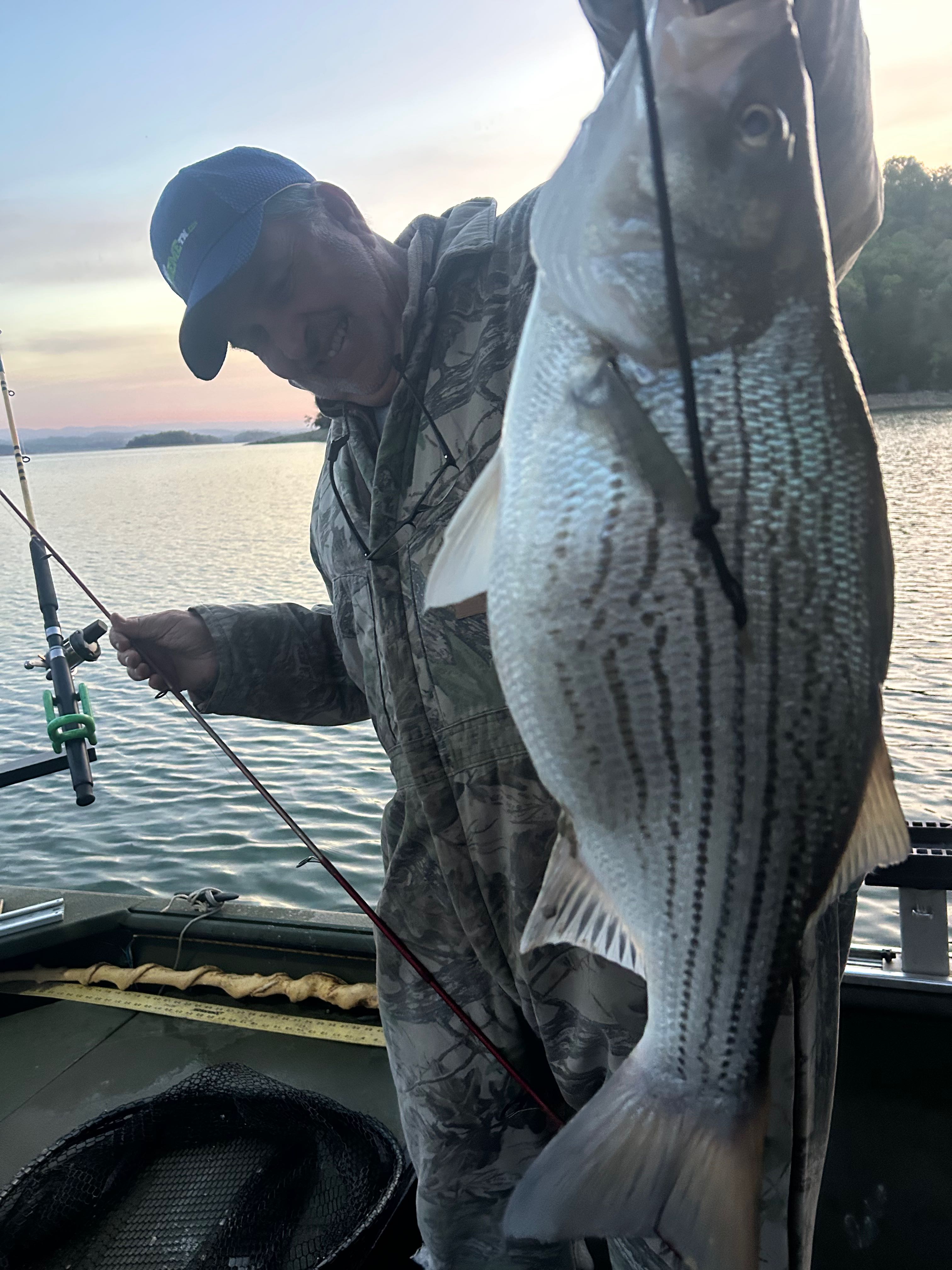
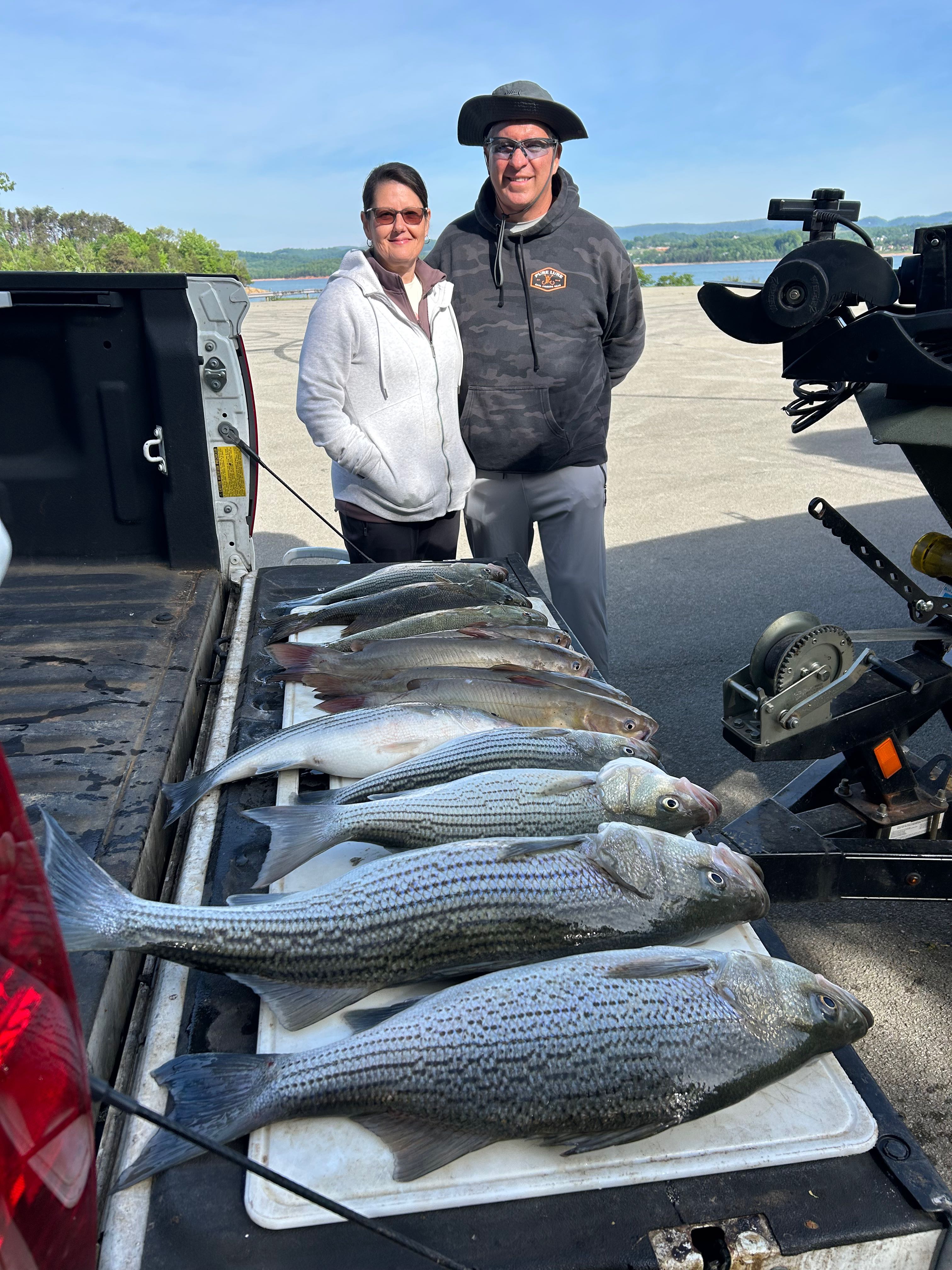
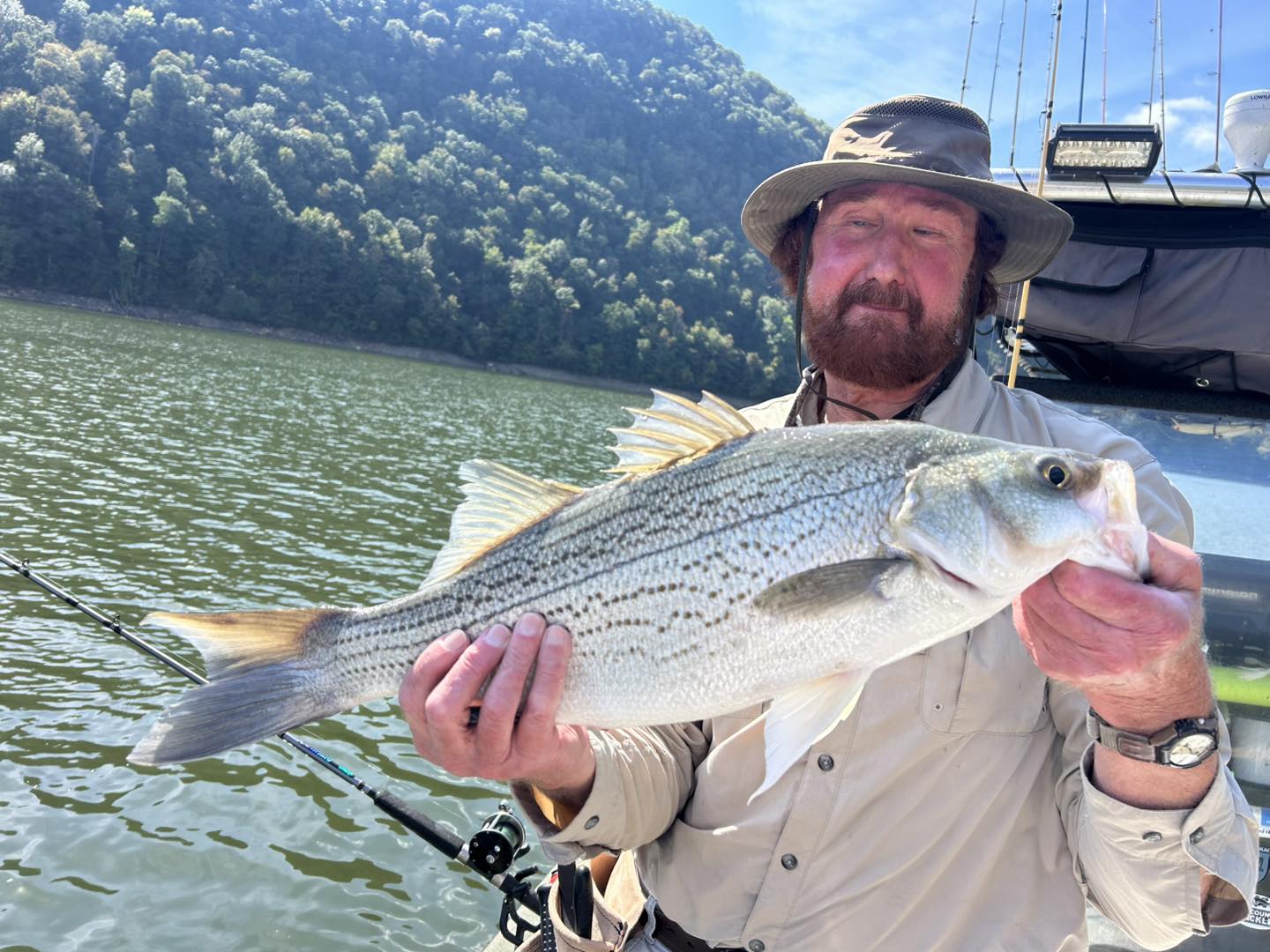
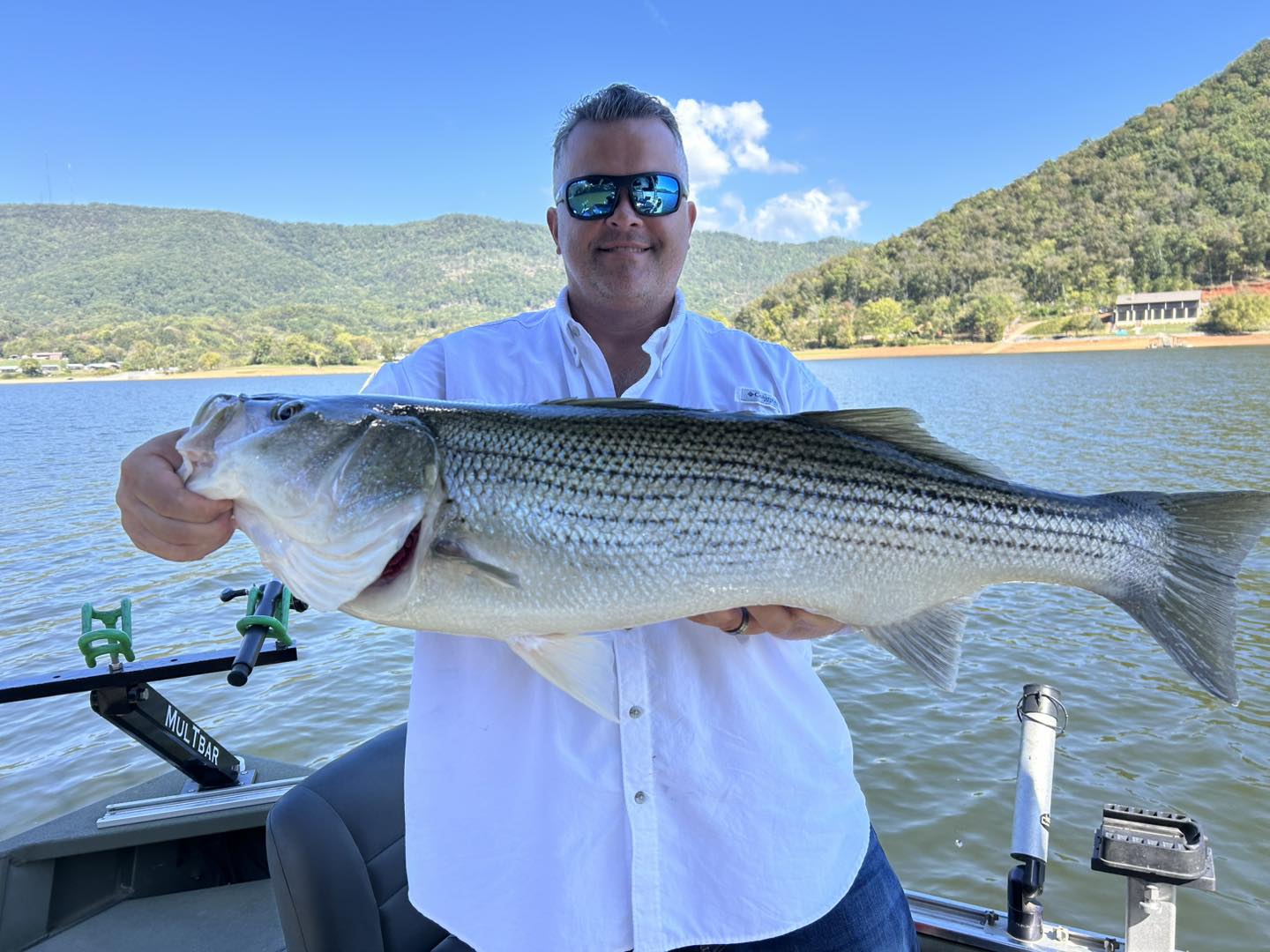
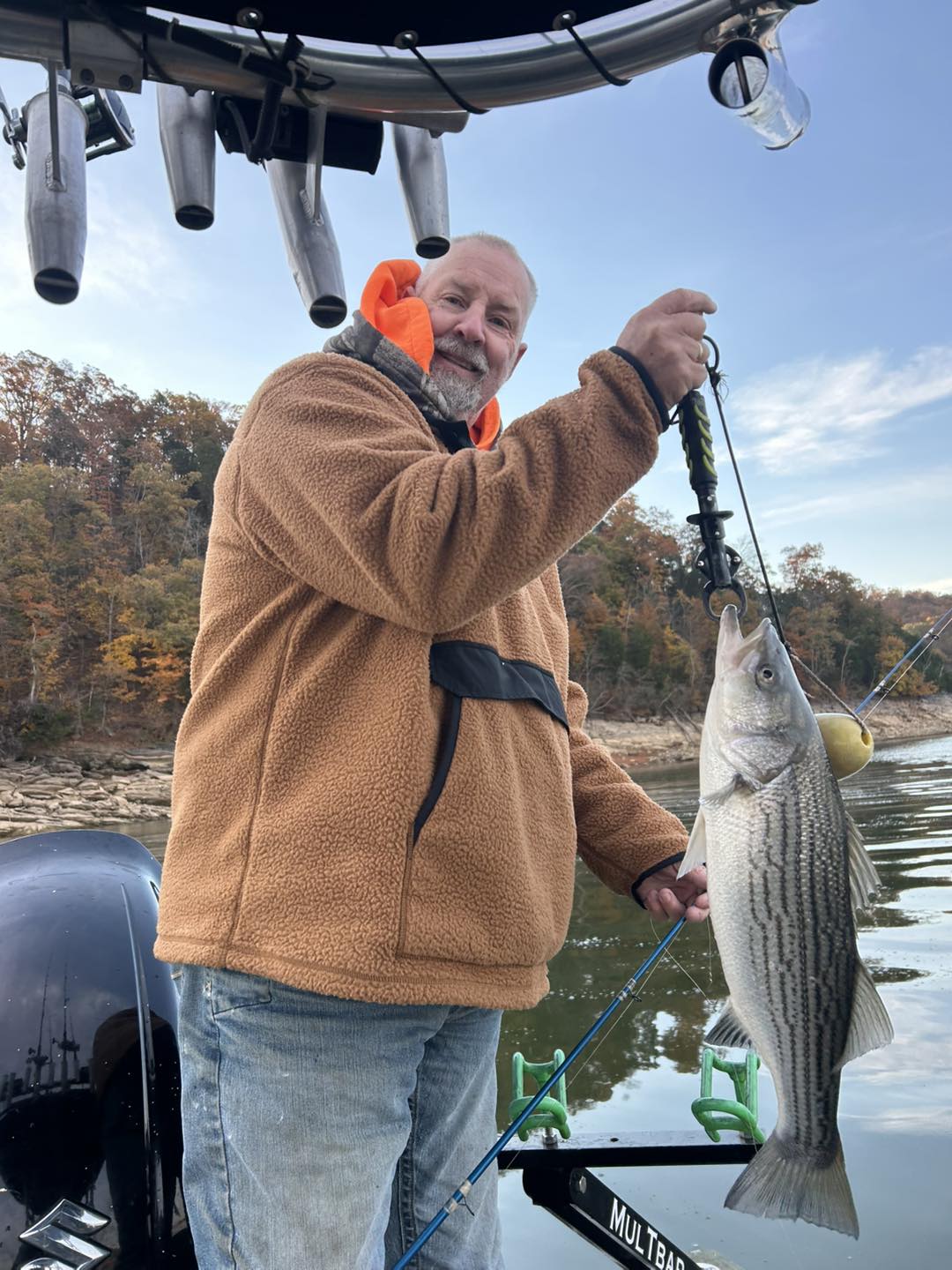
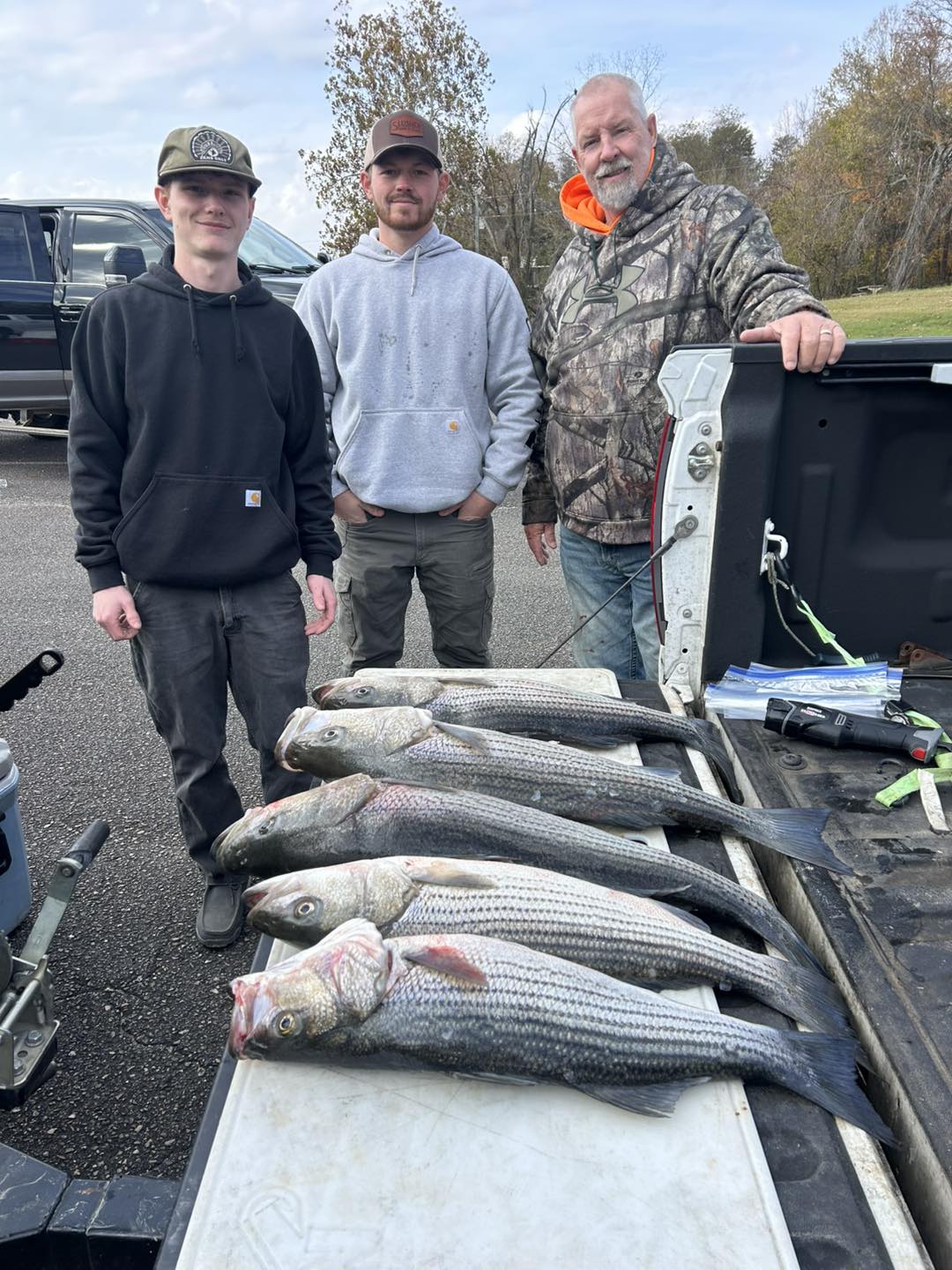
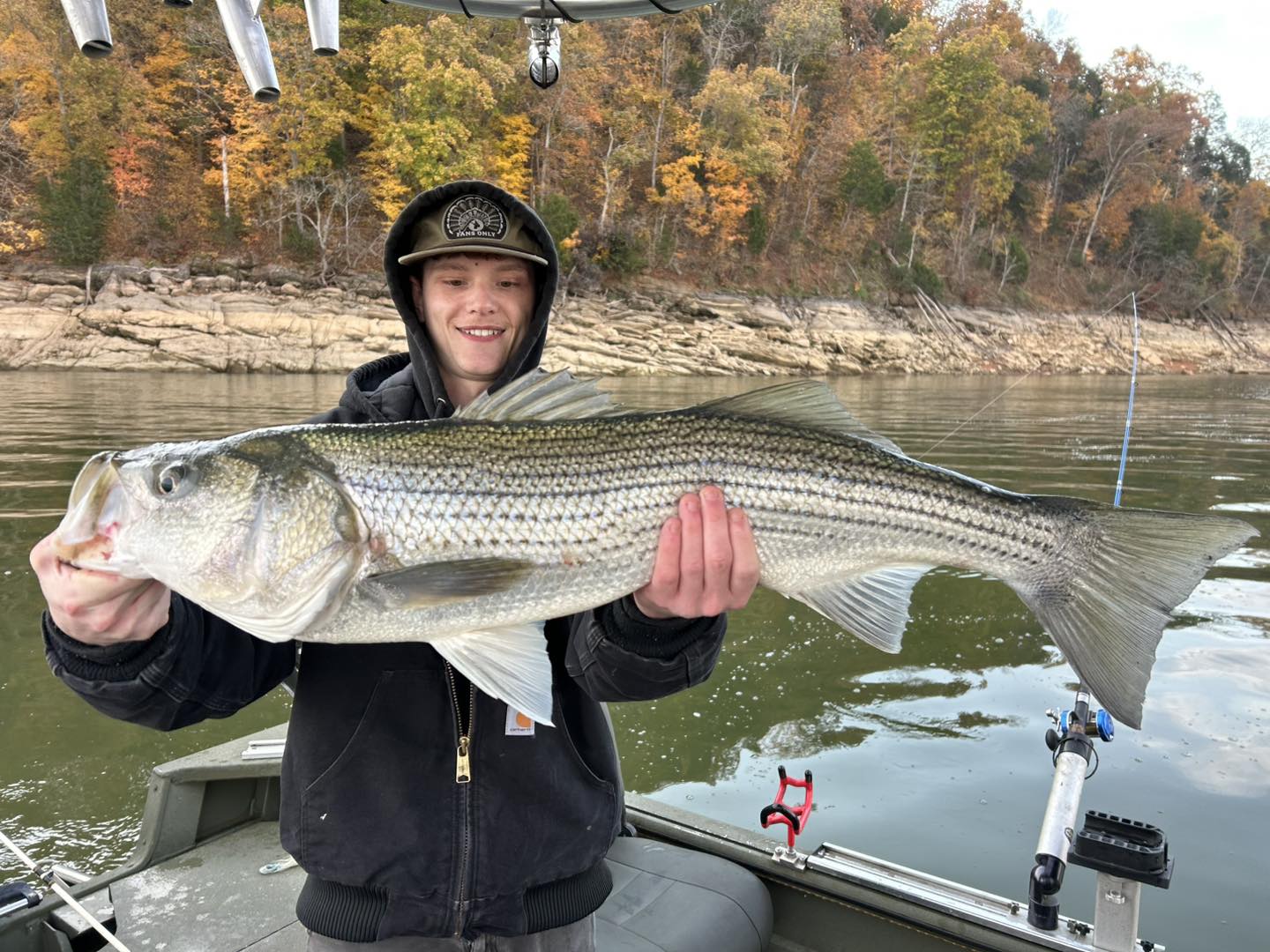
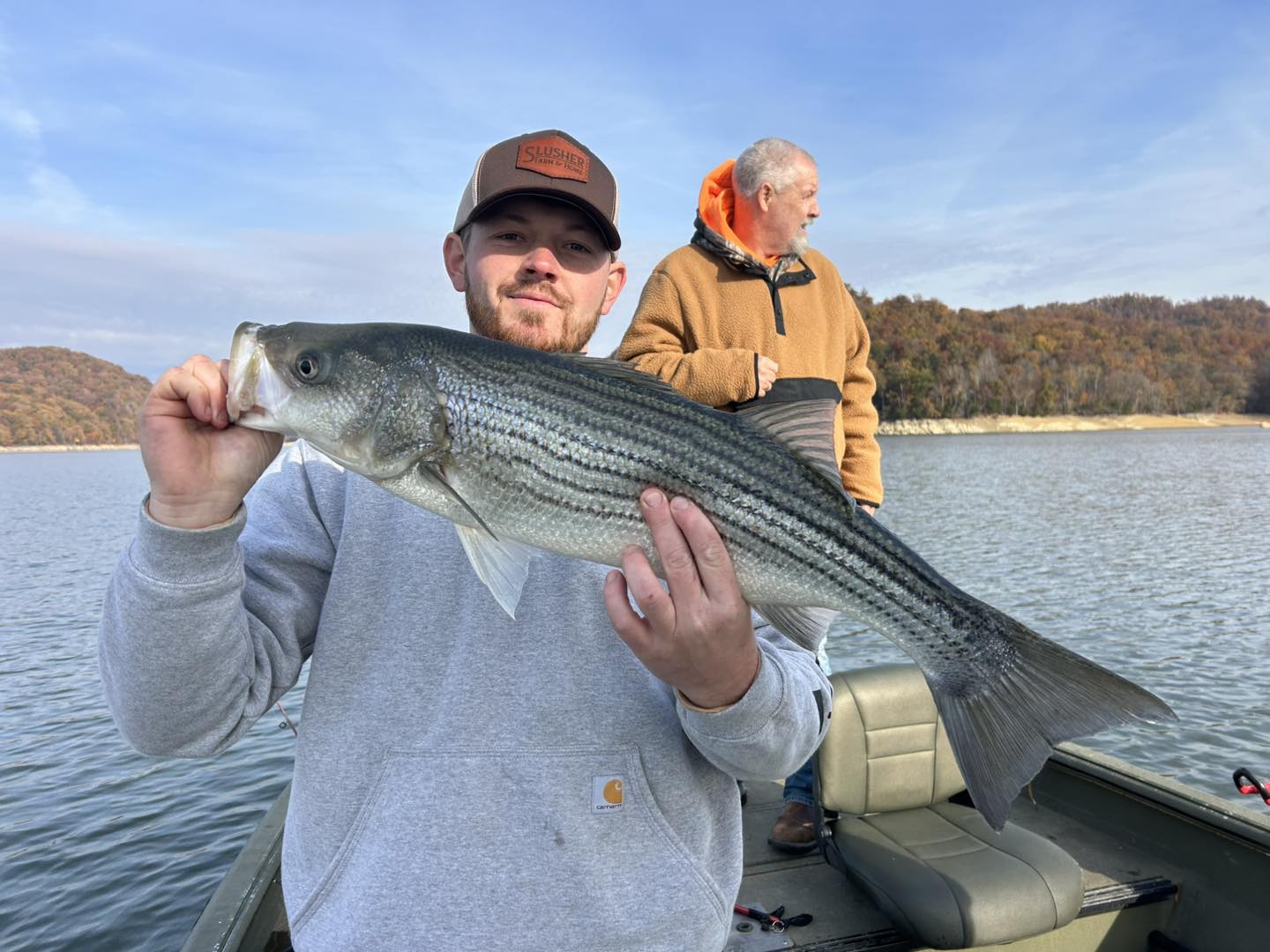
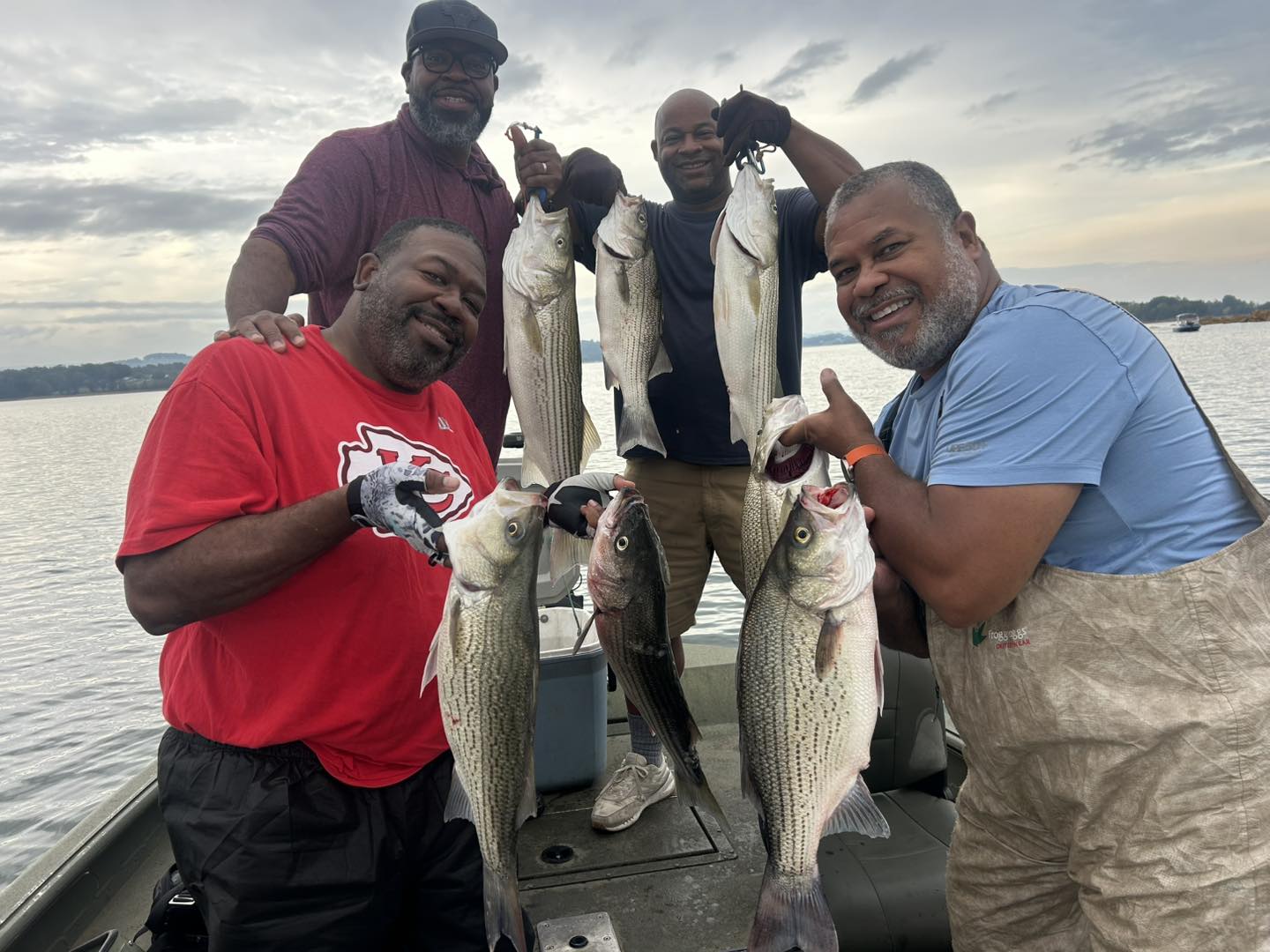
Cherokee Lake's striped bass are the main attraction here, and for good reason. These silver rockets average 3-8 pounds with plenty of double-digit fish swimming around. Spring and fall are prime time when they're actively feeding in the shallows, but even summer mornings produce consistent action as they chase baitfish in the main lake. Stripers hit hard and fight harder – they'll test your drag and give you that arm-burning battle every angler craves. The hybrid bass here are special too, crossing that white bass speed with striper power for a fish that fights way above its weight class. Largemouth bass in Cherokee run chunky thanks to the abundant forage, with 2-4 pounders common and bigger fish always possible around the right cover. Smallmouth prefer the lake's rocky areas and drop-offs, where they ambush crawfish and minnows while putting up their signature aerial show when hooked.
Species You'll Want to Hook
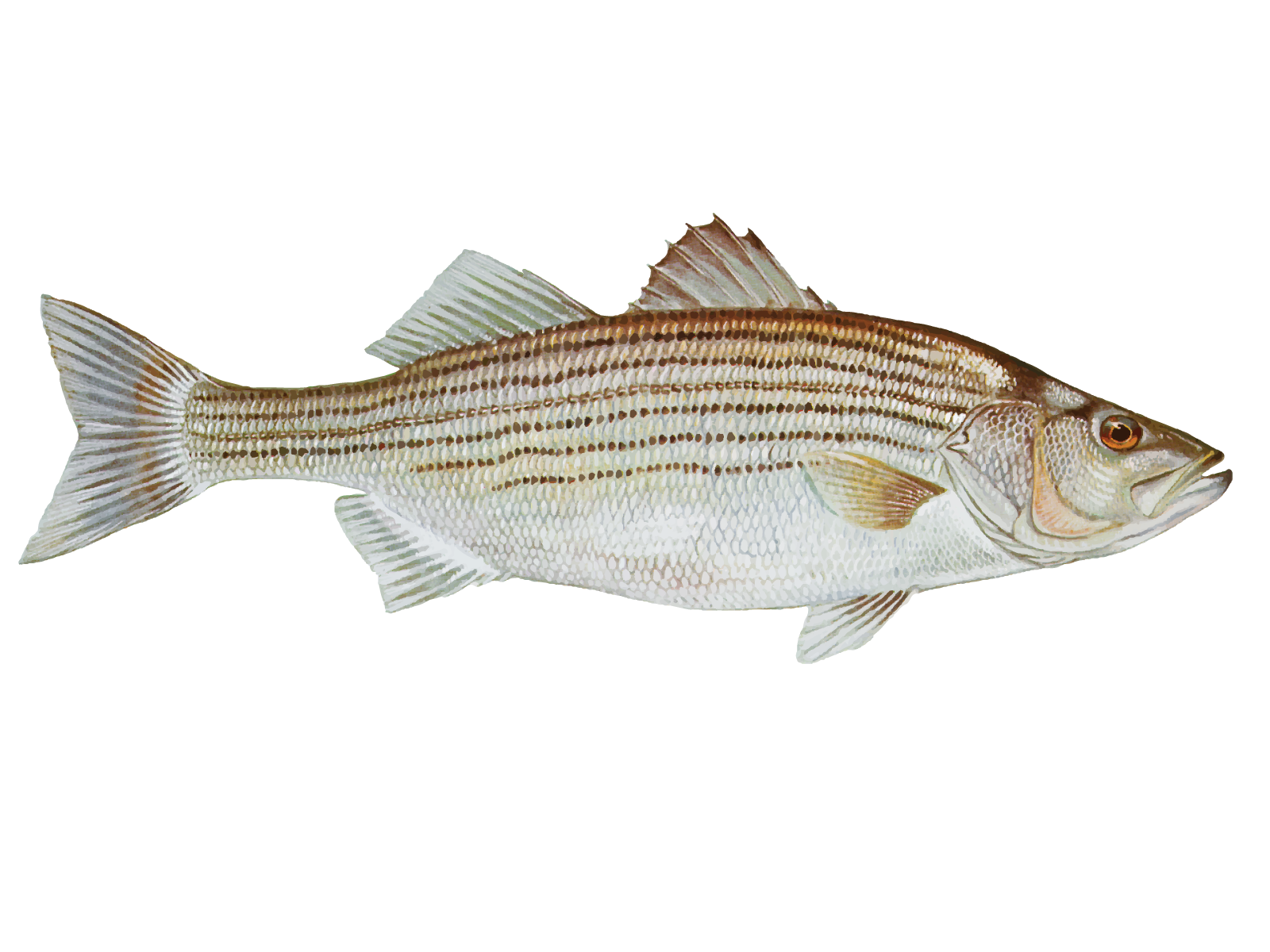
Striped bass are Cherokee Lake's claim to fame and the reason this fishery has such a stellar reputation. These fish are most active during low-light periods, making that early start time crucial. They travel in schools following baitfish, so when you find one, there are usually more around. Spring spawning runs in March and April bring the biggest concentrations, while fall feeding periods from September through November offer some of the year's best action. What makes Cherokee's stripers special is their fight – the lake's current and structure give them plenty of room to run, and they'll use every inch of it.
Hybrid bass combine the best traits of their white bass and striper parents, creating a fish that hits like a freight train and doesn't quit. These scrappy fighters average 2-4 pounds but feel twice that size on the end of your line. They school up like white bass but have the stamina of stripers, making them a favorite among guides who know their clients want consistent action. Cherokee's hybrids are particularly healthy thanks to the lake's excellent forage base of threadfin and gizzard shad.
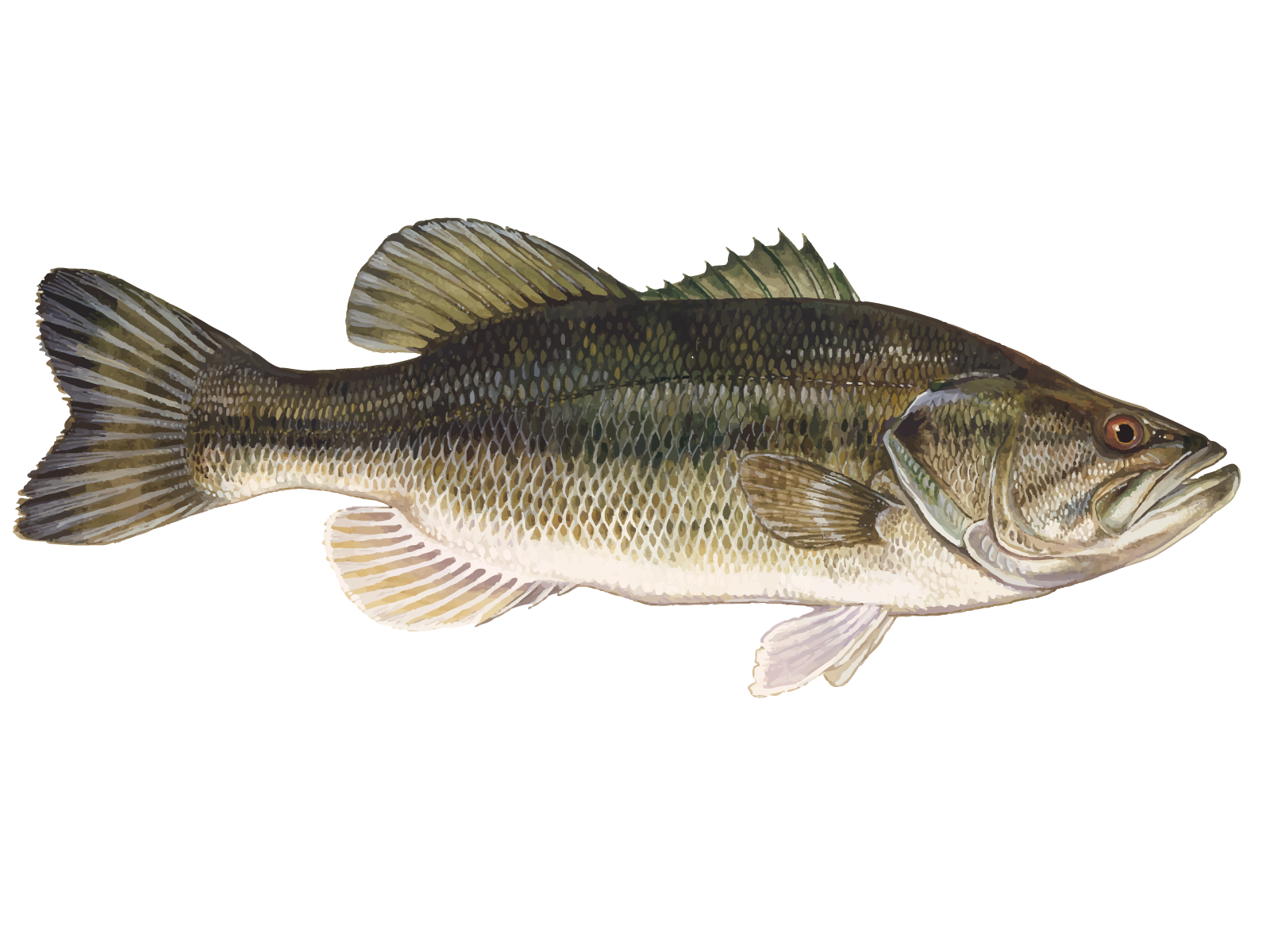
Largemouth bass in Cherokee Lake benefit from the diverse habitat and abundant cover. From shallow creek arms loaded with timber to main lake points and ledges, these fish have options year-round. Spring finds them moving shallow for spawning activities, while summer heat pushes them to deeper structure and shaded areas. The lake's largemouth tend to be chunky and aggressive, with the clear water making them excellent targets for sight fishing during spawning season.
Smallmouth bass call Cherokee's rockier areas home, particularly around bluff walls, chunk rock banks, and main lake points. These bronze fighters are most active when water temperatures are in the 60-75 degree range, making spring and fall prime time. Cherokee's smallmouth population has grown significantly in recent years, with 2-3 pounders becoming increasingly common. They're ambush predators that love crawfish and minnows, and when they hit, you'll know it immediately.
Time to Book Your Spot
Cherokee Lake consistently produces some of Tennessee's best multi-species fishing, and this 3-hour trip gives you a solid taste of what makes this fishery special. With all gear provided and a knowledgeable guide who knows where the fish are biting, you're set up for success from the moment you step on the boat. The early morning timing hits the sweet spot when bass are most active, and the trip length gives you enough time to work different areas without wearing you out. Optional fish cleaning service means you can take your catch home table-ready, and tipping your captain 20-25% is standard practice for good service. Whether you
 Private Trip
 Lakes/Reservoirs/Ponds Fishing
 Cherokee Lake


 Target striped bass and hybrid bass on Cherokee Lake