6 Hour Cherokee Lake Striped Bass Fishing Trip
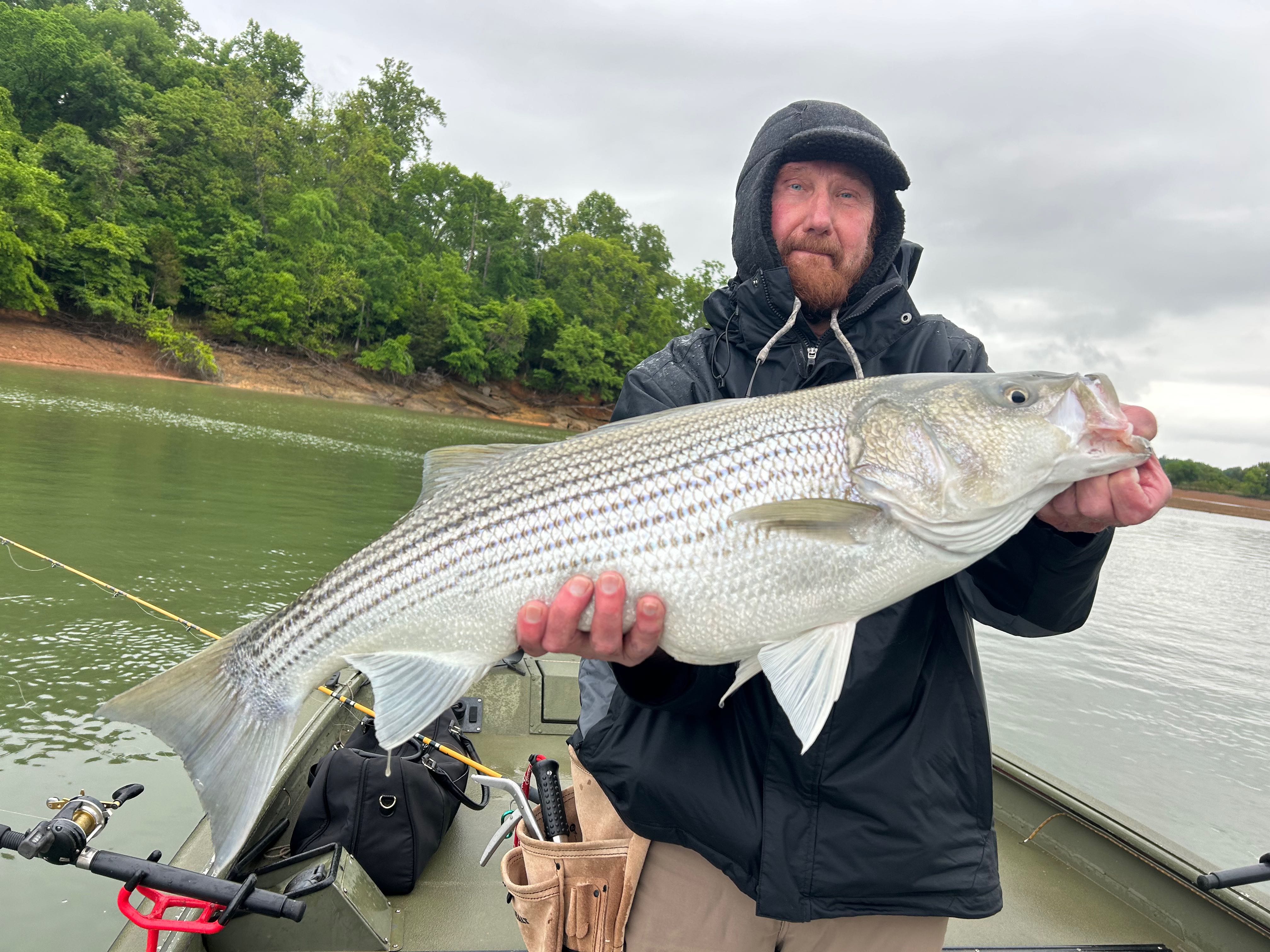
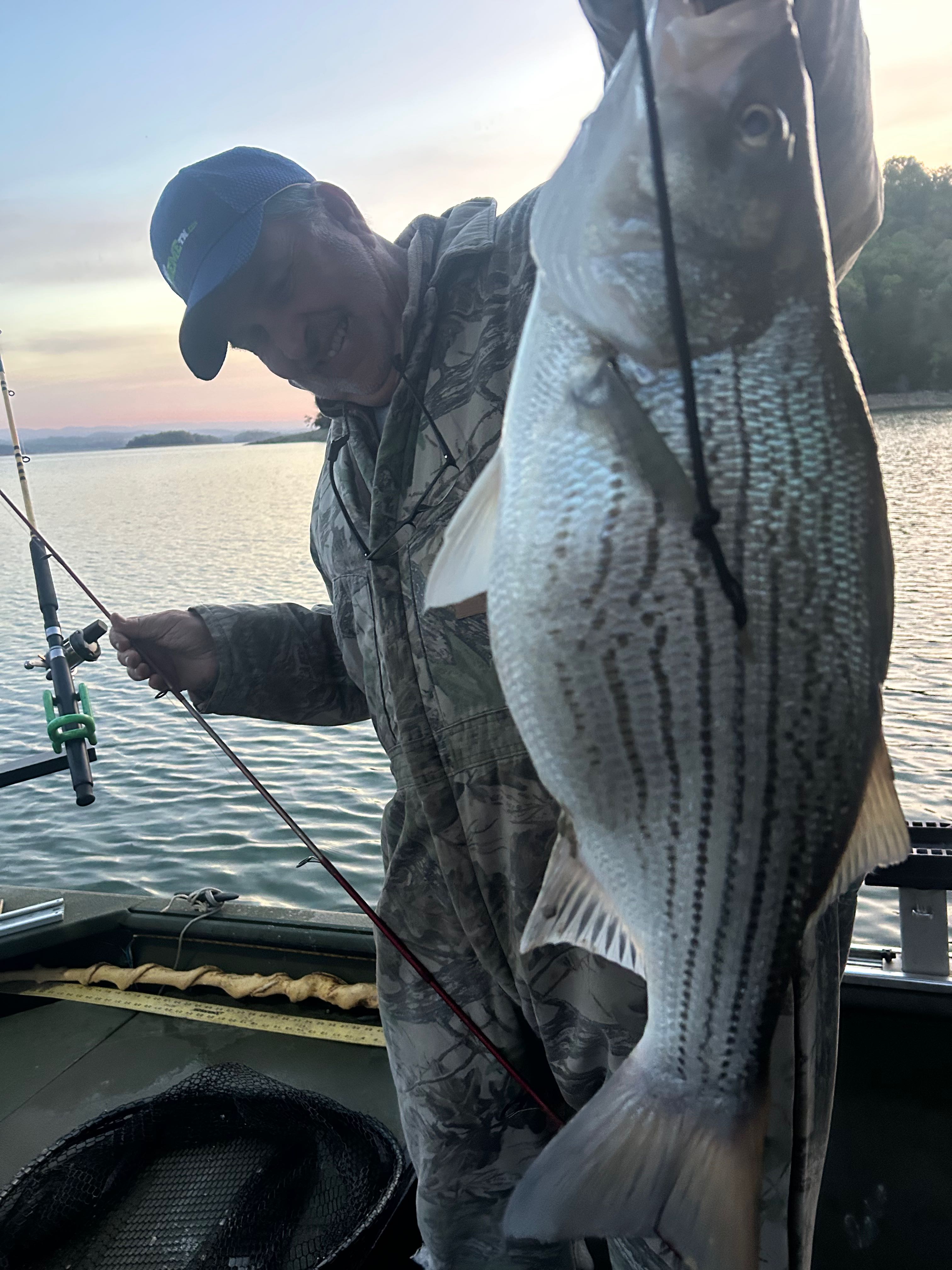
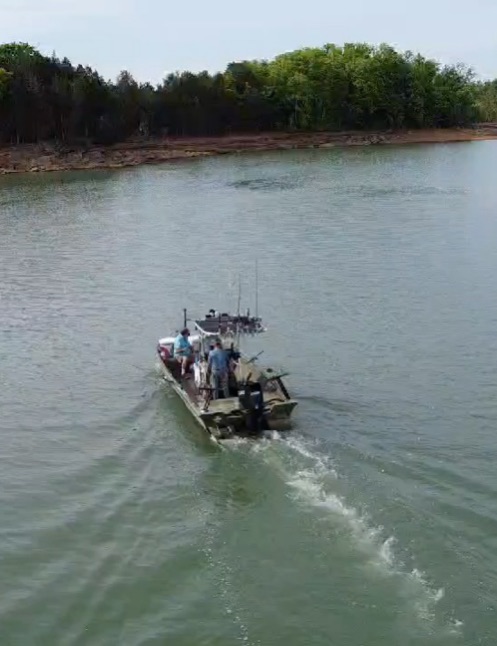
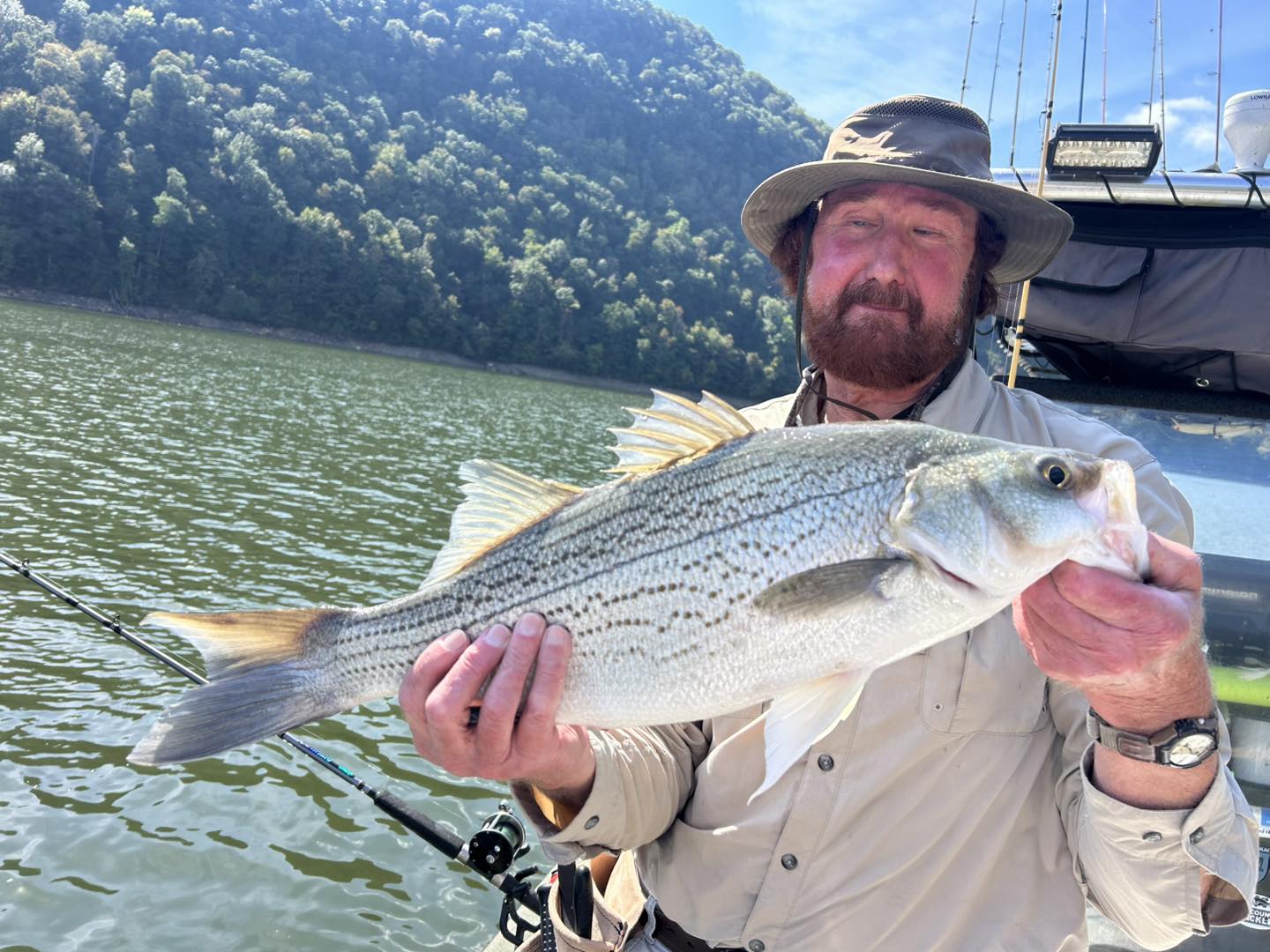
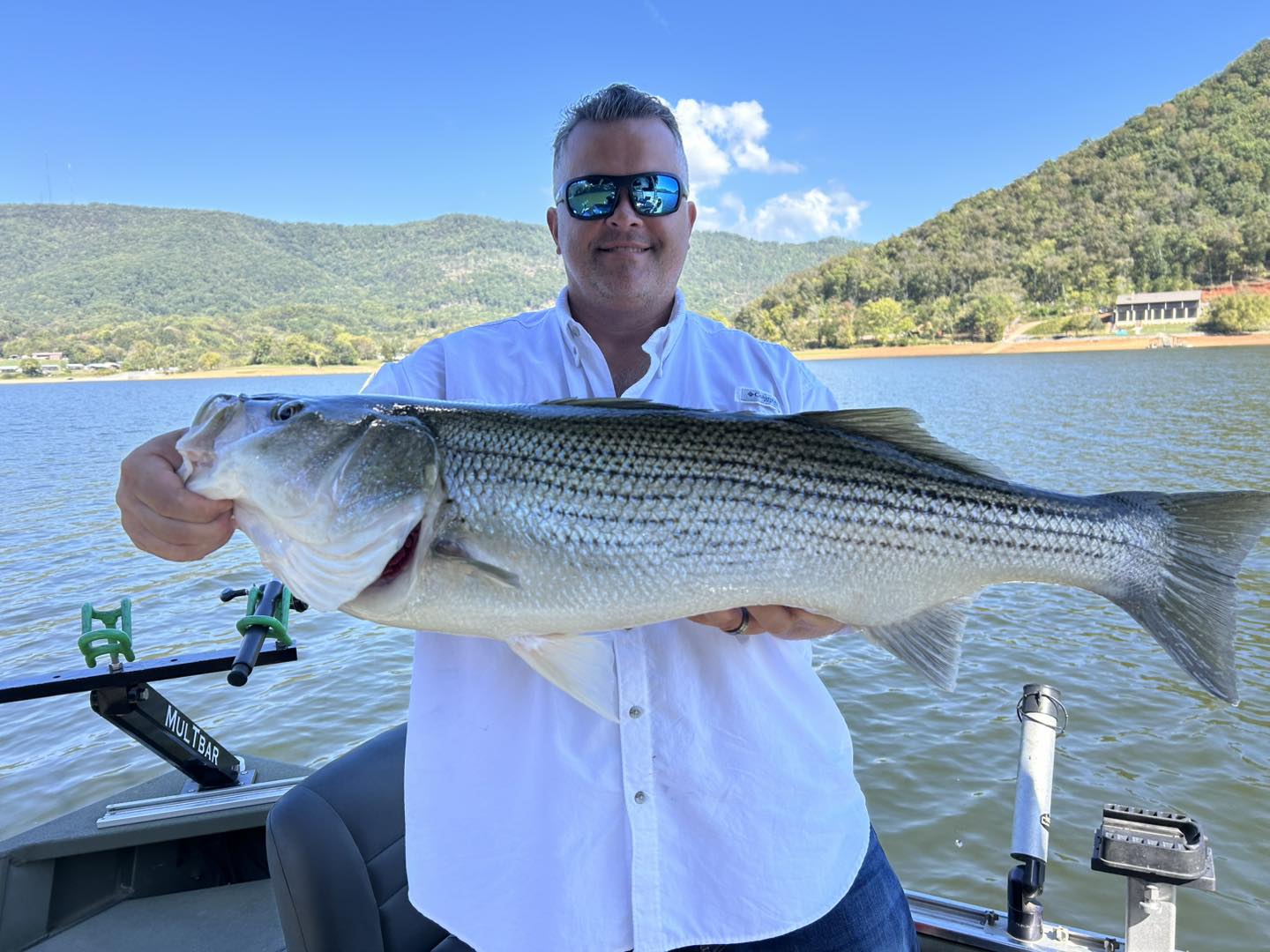
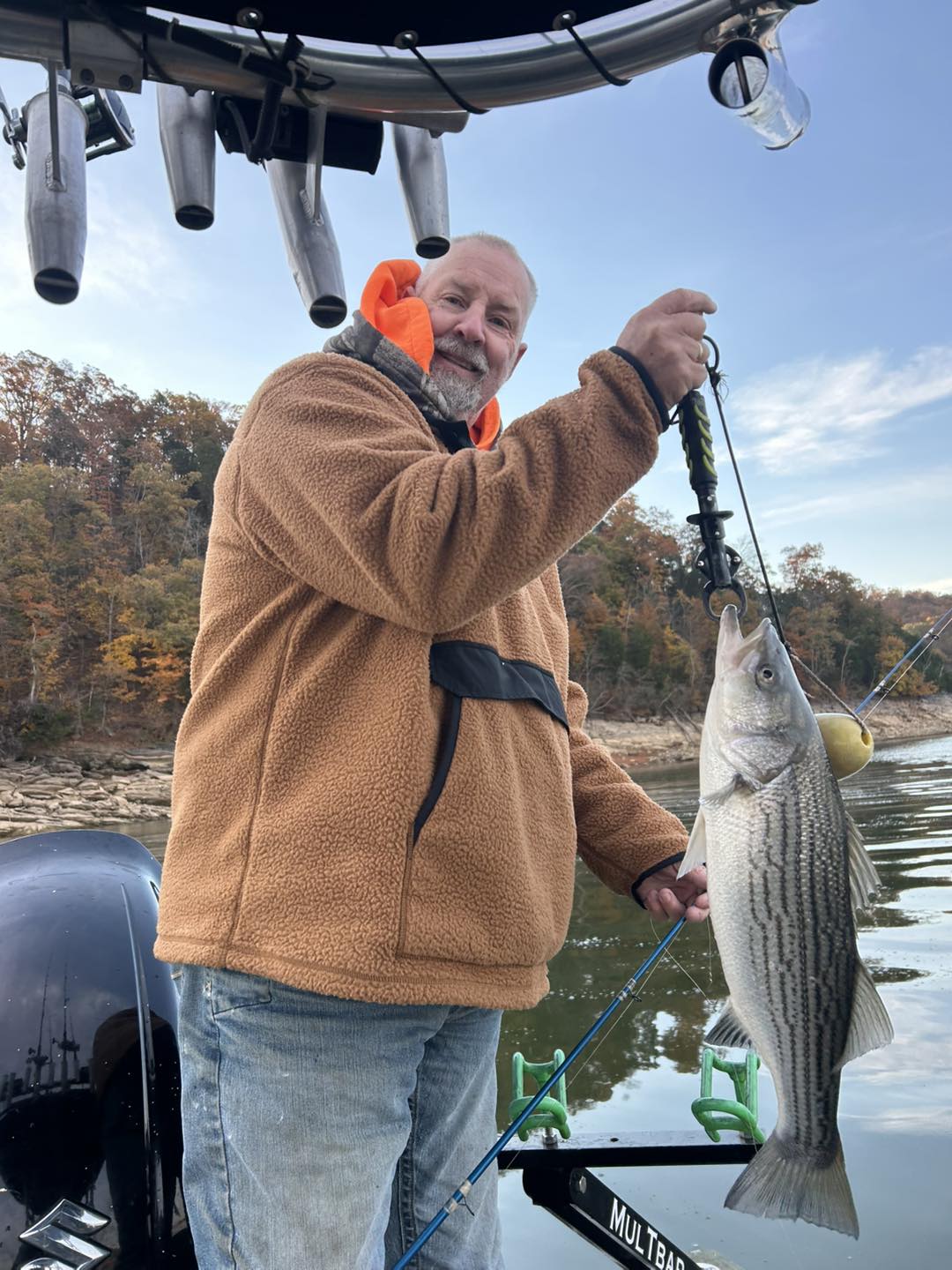
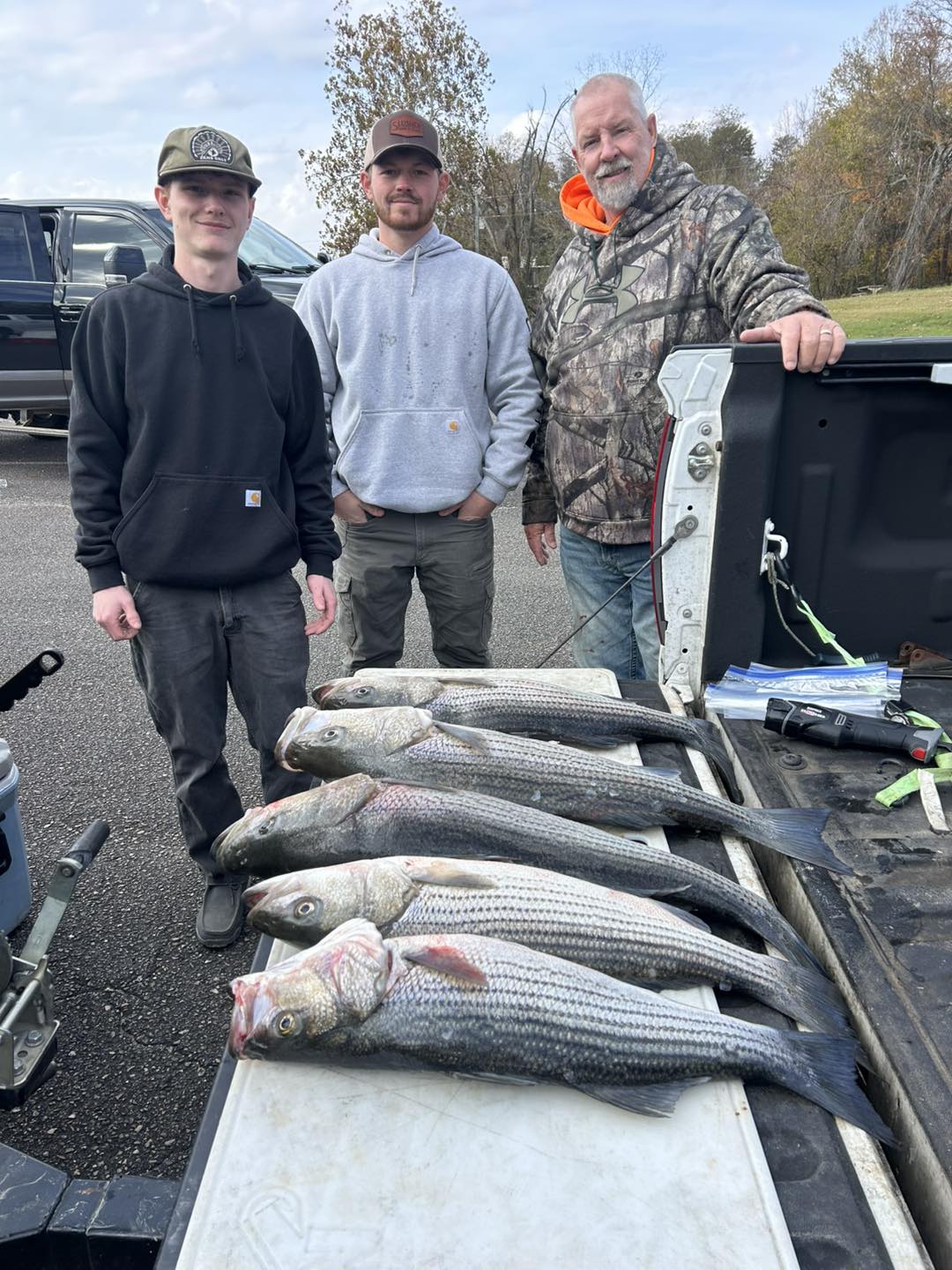
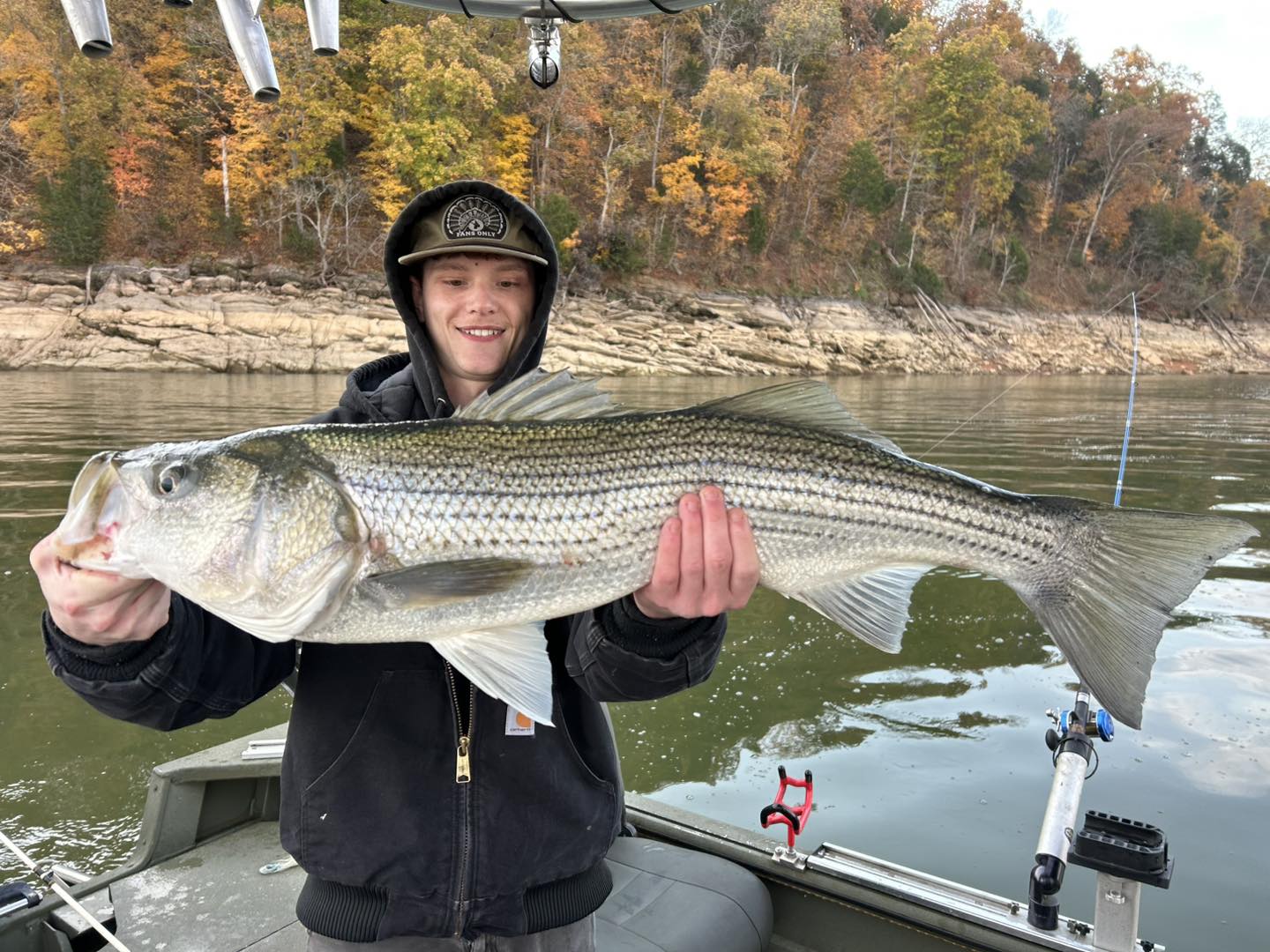
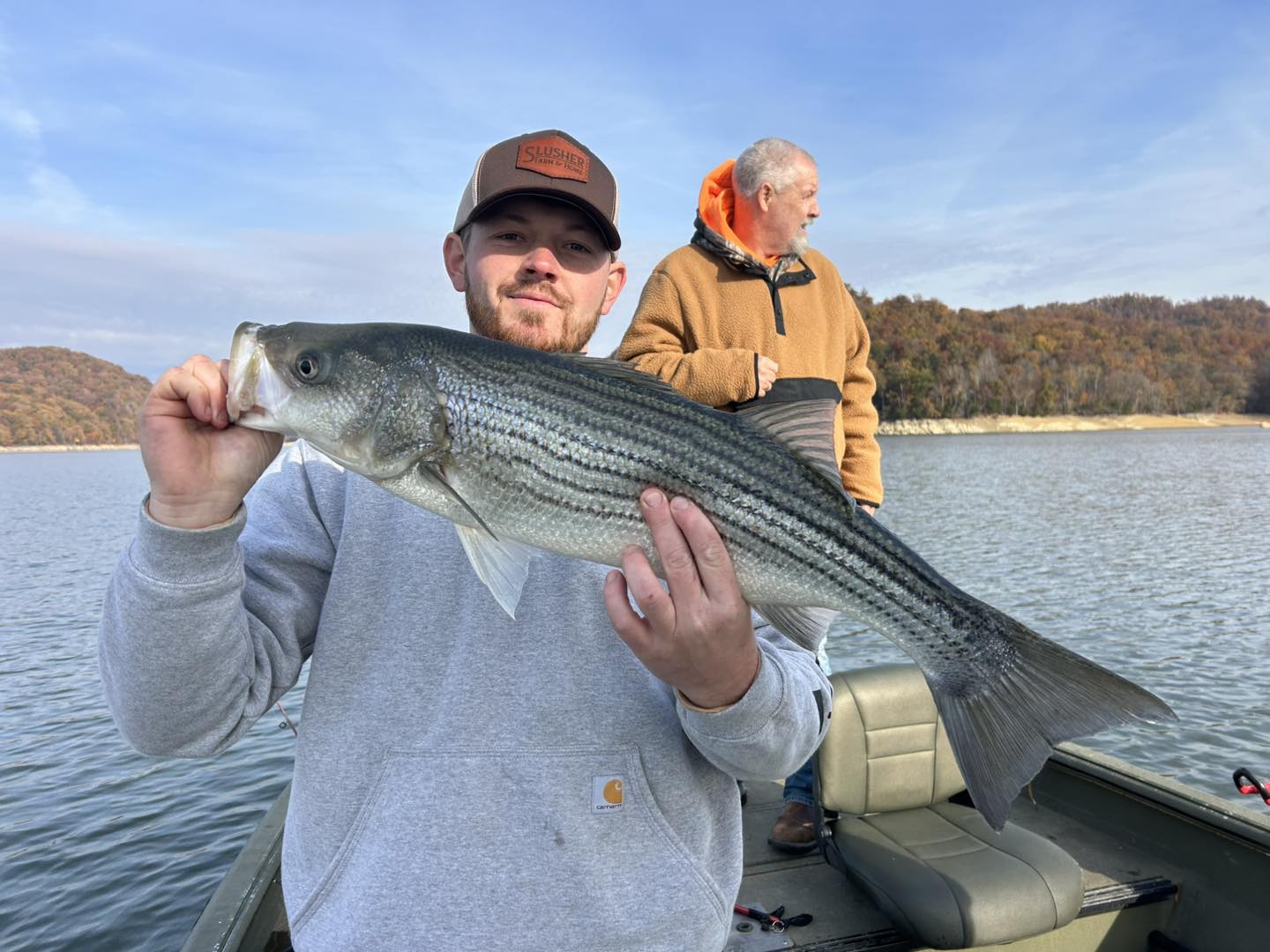
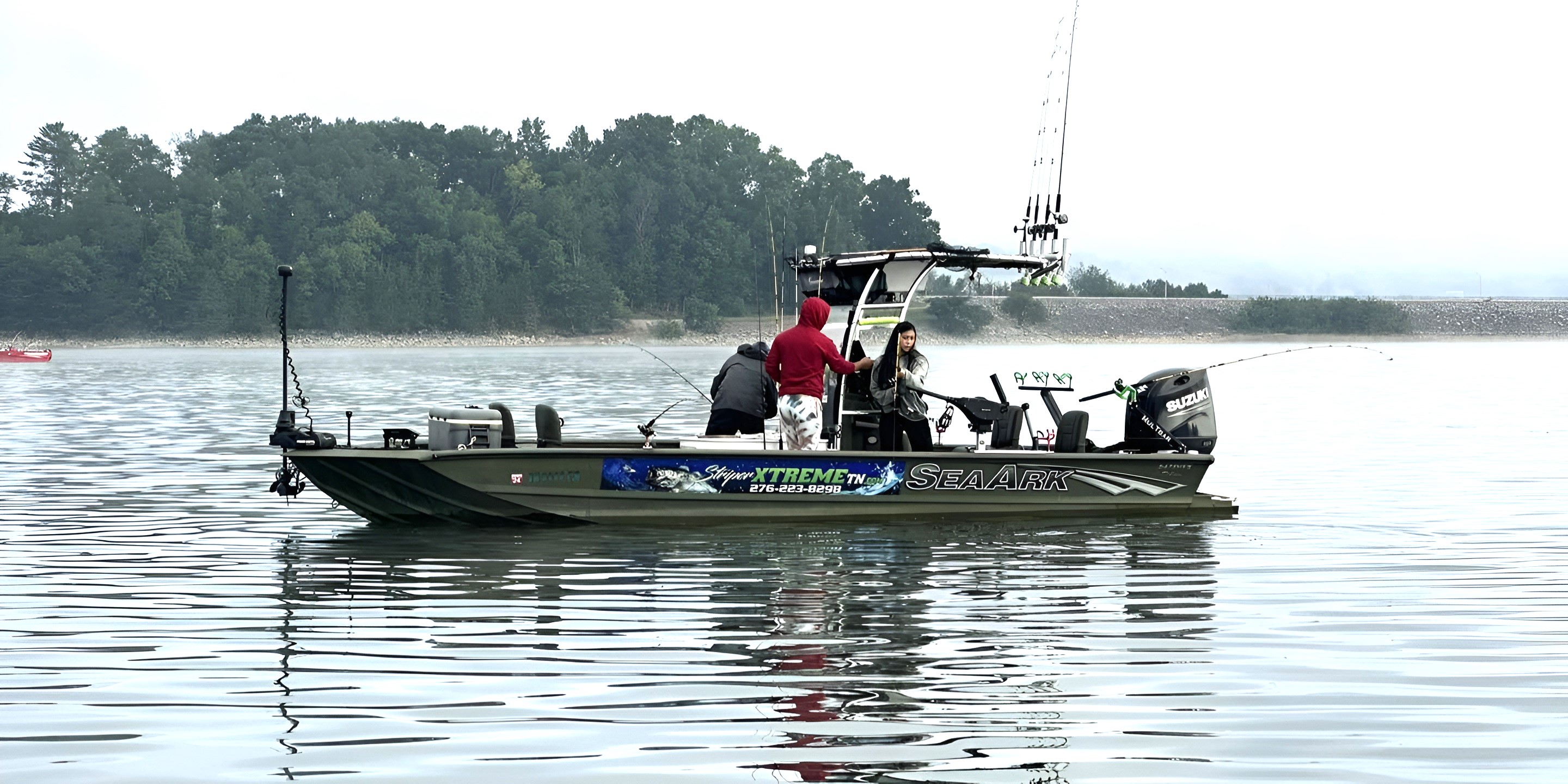
Cherokee Lake in East Tennessee is one of the state's top-rated striped bass destinations, and this 6-hour guided trip puts you right where the action happens. You'll launch early morning when the fish are most active, targeting stripers and hybrid bass in the main lake channels and creek mouths where these fish love to hunt. Captain at StriperXtreme Guide Service knows every underwater structure, ledge, and holding spot on this 28,000-acre lake, so you're not just casting blind – you're fishing with a local who's been putting clients on fish for years. The trip runs $500 for up to two anglers, with room for three more at $60 each if you want to bring the whole crew.
What to Expect on the Water
Your day starts at 6 AM sharp, meeting at one of Cherokee Lake's boat launches – your captain will confirm the exact spot and time when you book. The early start isn't just tradition; it's strategy. Stripers and hybrids feed heavily in low light, and you'll want to be on your first spot as the sun comes up. The lake stretches 56 miles along the Holston River, giving you plenty of water to work, from the dam area near Jefferson City up to the headwaters near Rogersville. Your captain provides all the gear – rods, reels, tackle, and bait – so you can focus on fishing instead of packing. Just remember to grab your Tennessee fishing license beforehand; it's required and the captain can't provide it for you. Fish cleaning is available if you want to take your catch home, and most anglers tip 20-25% for a job well done.
Techniques & Tackle
Cherokee Lake fishing means adapting to what the fish want on any given day. Early morning often calls for topwater action – nothing beats the strike of a striper hitting a spook or buzzbait as it breaks the surface. As the sun climbs higher, you'll likely switch to live bait fishing with gizzard shad or threadfin shad, either free-lined in open water or tight-lined near structure. The captain's electronics play a huge role here, marking schools of baitfish and the predators following them. When the bite gets tough, you might troll umbrella rigs or Alabama rigs in the main channel, covering water until you find active fish. The rocky points, submerged humps, and creek channel swings hold fish year-round, but the specific depths and presentations change with seasons and weather. Your guide reads these conditions daily, so you're always fishing the most productive pattern.
Target Species
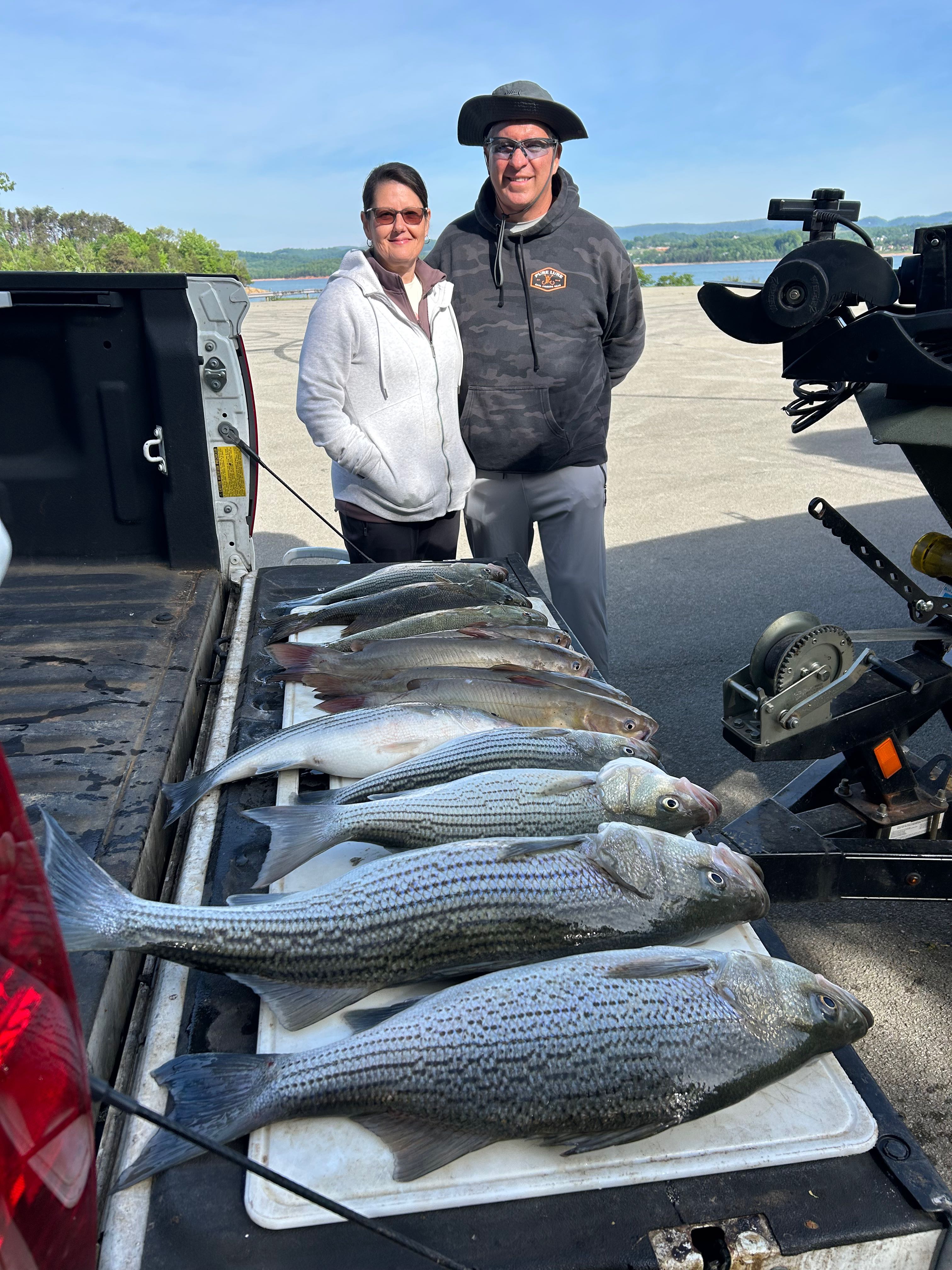
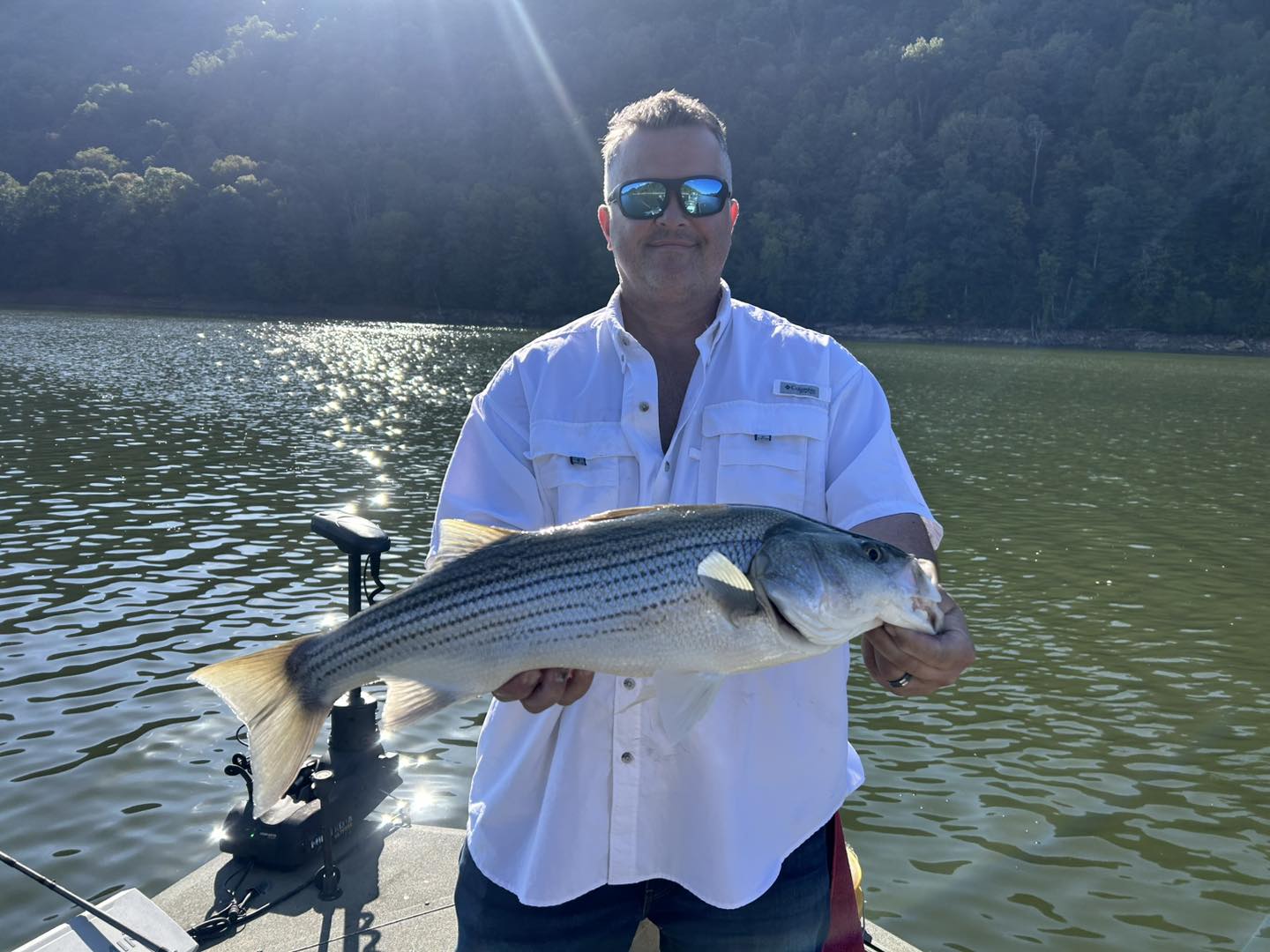
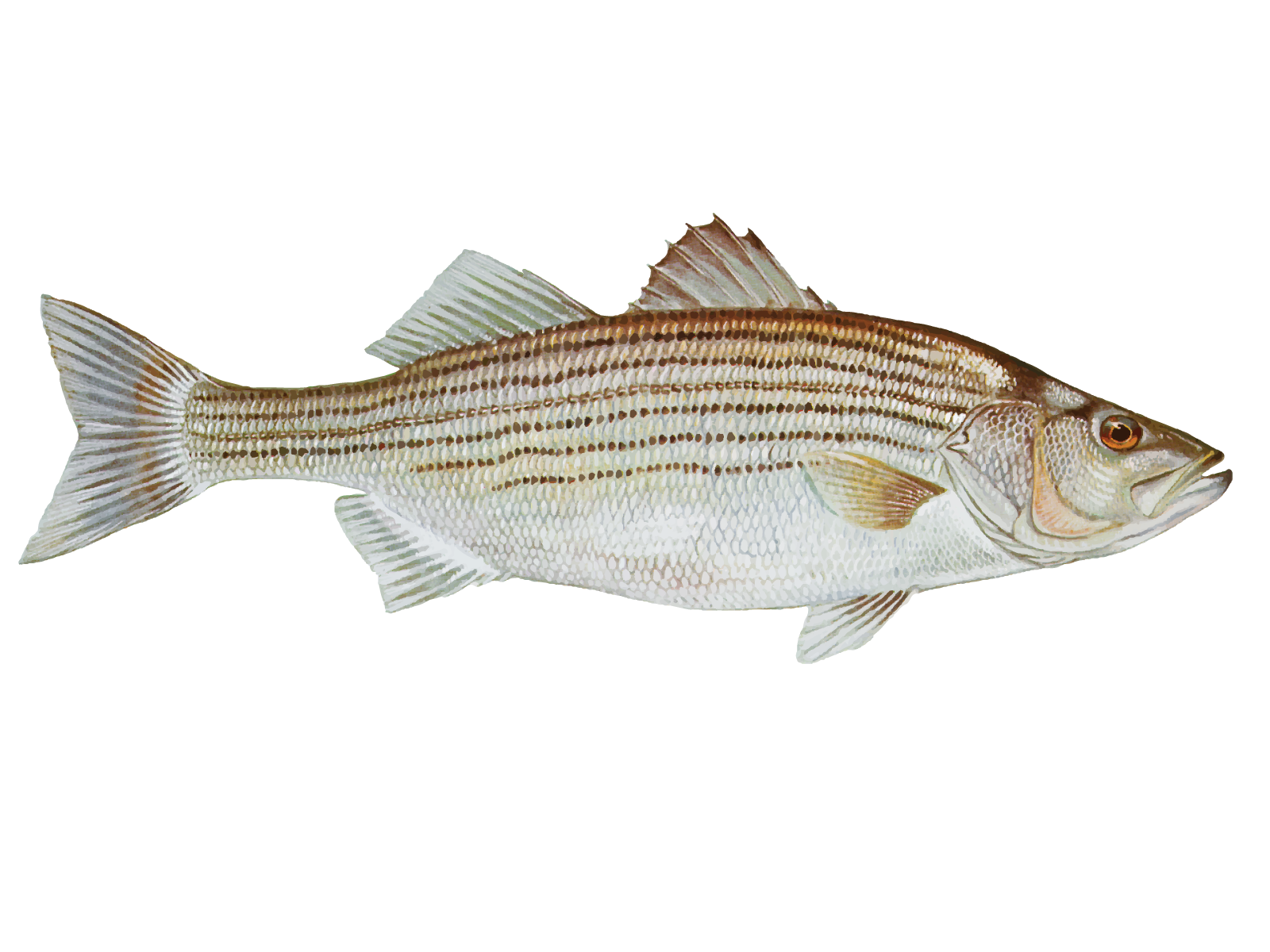
Striped bass are the main draw on Cherokee Lake, and for good reason. These silver bullets can stretch 20-30 inches and fight like they're twice that size. Spring and fall offer the best action when stripers move shallow to feed, but summer brings consistent deep-water fishing over main lake structure. They're ambush predators that school up to corral baitfish, creating feeding frenzies that can make for fast action when you find them. The fight is what keeps anglers coming back – long runs, head shakes, and that satisfying weight on the rod.
Hybrid bass are striped bass crossed with white bass, combining the striper's size with the white bass's aggressive nature. They average 2-5 pounds but don't let that fool you – pound for pound, hybrids might be the hardest fighting fish in the lake. They school heavily and compete with each other, so when you find one, you've usually found many. They're less finicky than pure stripers and will hit a wider variety of baits, making them perfect for newer anglers or when the bite gets tough.
Smallmouth bass thrive in Cherokee's rocky areas and clearer water sections. These bronze fighters prefer rocky points, bluff walls, and gravel bars, especially during their spring spawn. A 3-pound smallie fights harder than most 5-pound largemouths, jumping and making runs that test your drag. They're most active in cooler months but can be caught year-round if you know where to look.
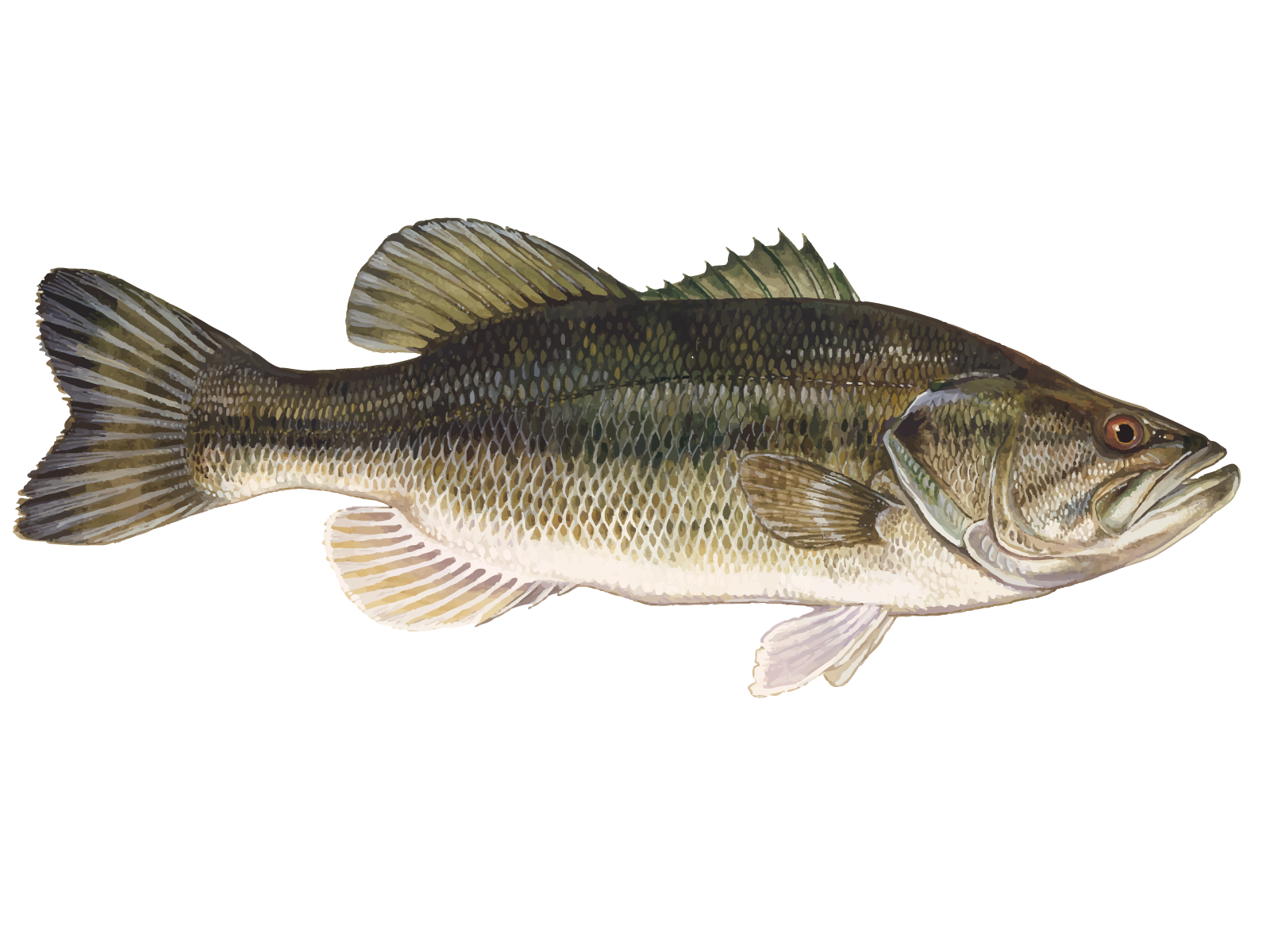
Largemouth bass use the lake's abundant cover – timber, brush piles, and vegetation lines. While not the primary target, they're a welcome bonus, especially during spring when they move shallow to spawn. Cherokee's largemouths average 2-4 pounds with occasional bigger fish mixed in. They respond well to traditional bass tactics when stripers aren't cooperating.
Blue catfish are the lake's sleeper species, growing huge in Cherokee's nutrient-rich waters. These fish can exceed 30 pounds and provide a completely different kind of fight – steady, bulldogging pressure that tests both angler and equipment. They're most active during warmer months and often bite when other species slow down, giving you something to target during tough conditions.
Time to Book Your Spot
Cherokee Lake's reputation as a world-class striped bass fishery keeps getting stronger, and guides like StriperXtreme stay busy year-round. This 6-hour trip gives you real time to find fish, work different areas, and adjust tactics as conditions change – no rushed half-day experience here. The $500 price point for two anglers is competitive for this level of guiding, especially with all gear included. Whether you're new to striper fishing or a seasoned angler wanting to learn new water, this trip delivers the local knowledge and boat positioning that makes the difference between a good day and a great one. Contact the captain to lock in your dates and confirm launch details – Cherokee Lake's fish are waiting, and the best spots don't fish themselves.
 Private Trip
 Lakes/Reservoirs/Ponds Fishing
 Cherokee Lake


 Six-hour guided trip targets striped bass and hybrid bass