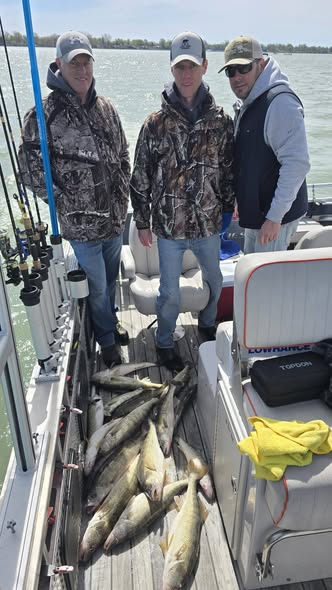
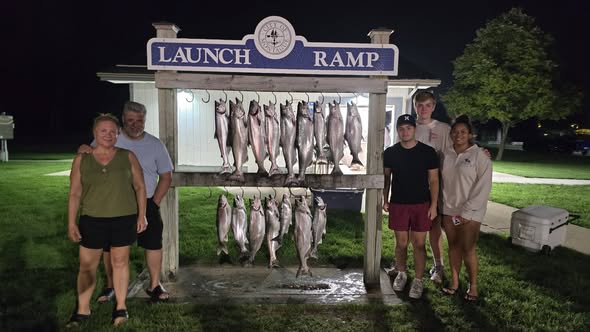
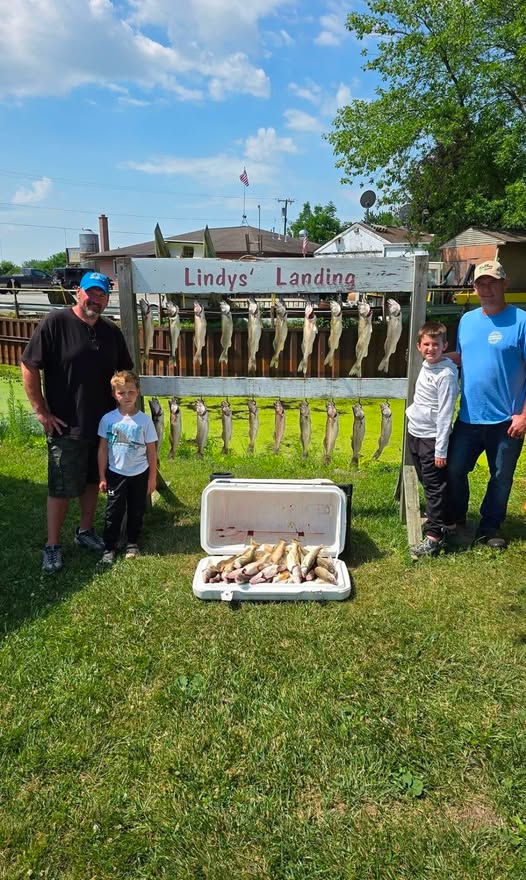
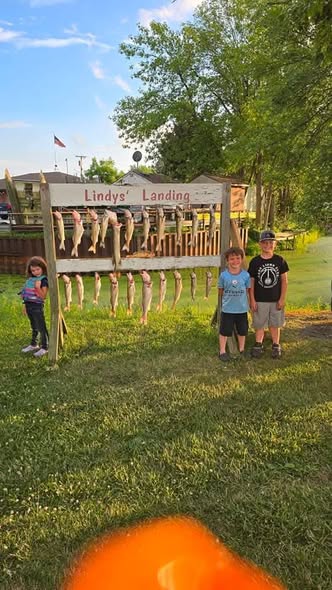
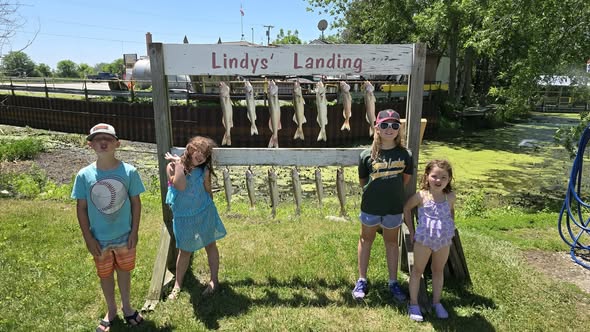
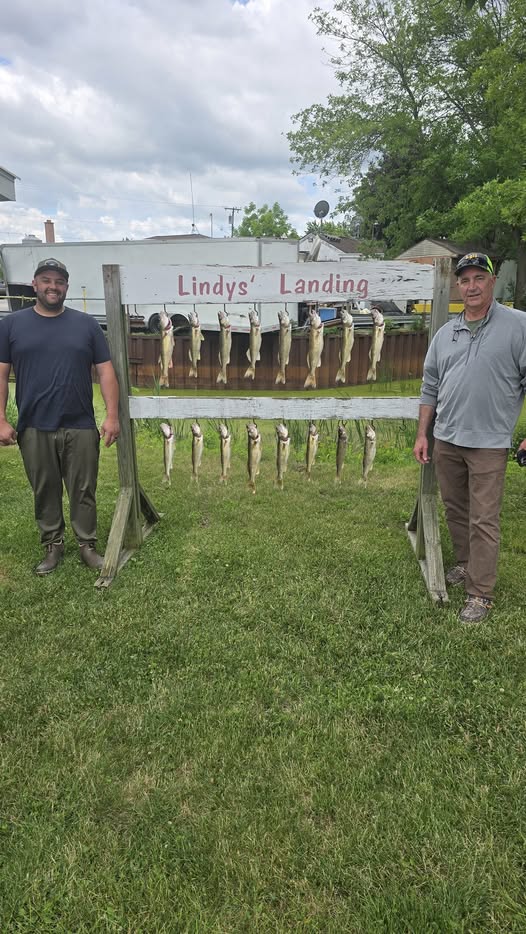
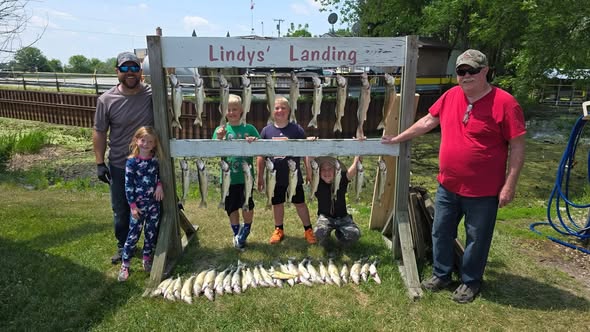
Salmon And Trout Afternoon Guided Fishing Trip
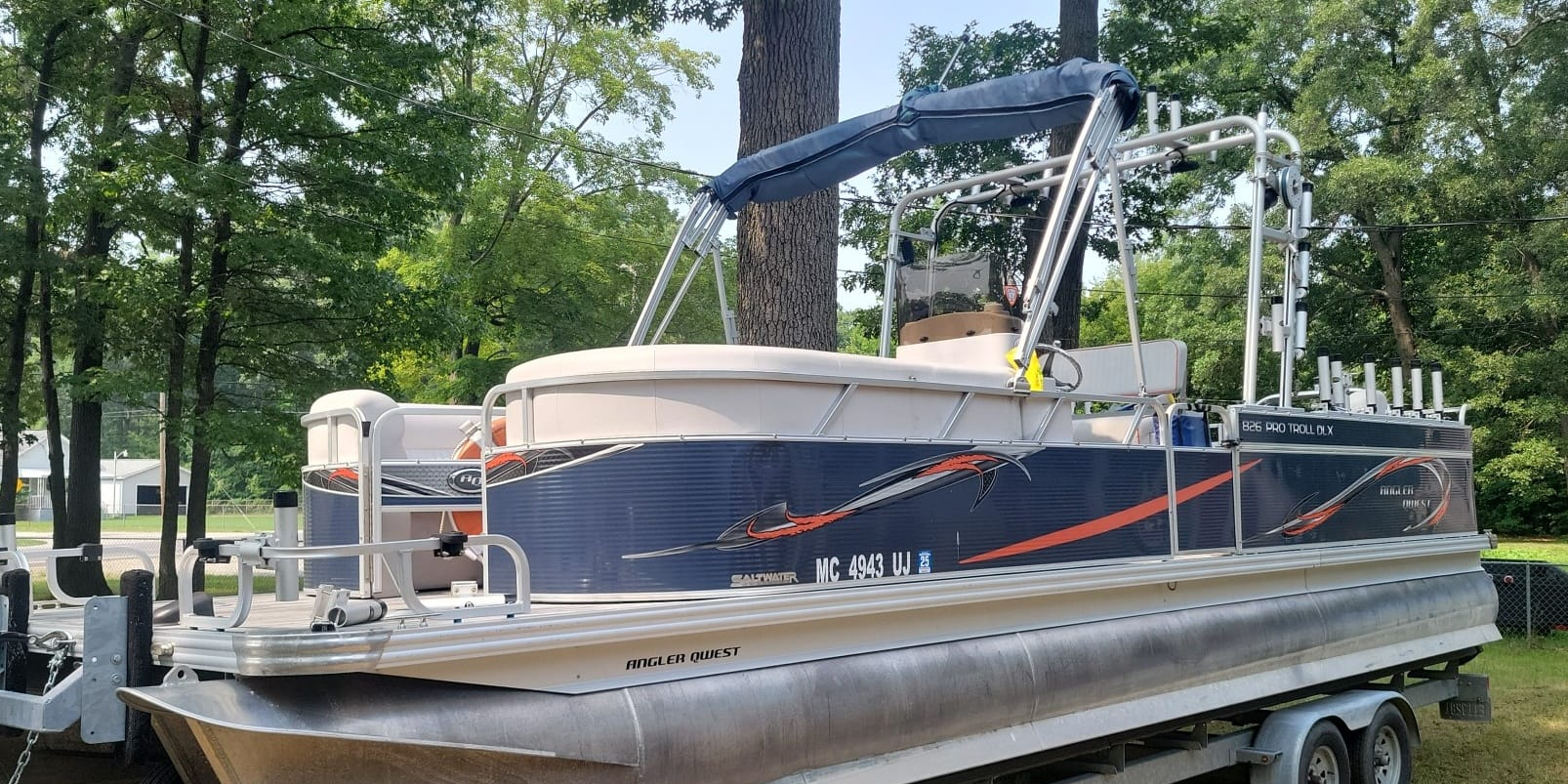
Picture this: you're casting lines into some of Michigan's most productive waters, with White Lake and Muskegon Lake stretching out before you like a fishing playground. This isn't your typical shore fishing experience—we're talking about boarding the 826 Angler Qwest Tritoon, a top-rated vessel that's built for both comfort and serious angling action. Whether you're chasing the silver flash of Coho or hoping to wrestle with a monster King Salmon, these connected waters offer world-class fishing opportunities that keep anglers coming back season after season. The beauty of this afternoon charter is simple: experienced guidance, prime fishing grounds, and enough space for up to six people to spread out and fish without bumping elbows.
What to Expect on the Water
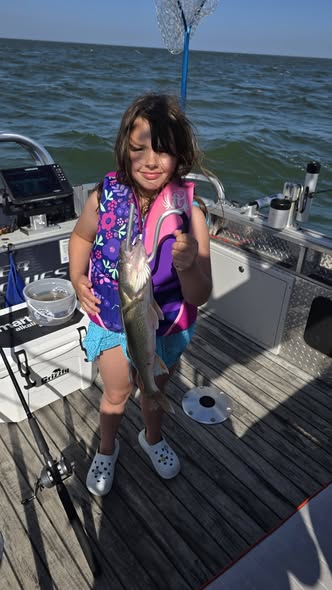
The moment you step aboard our tritoon, you'll notice this isn't just any fishing boat—it's designed with anglers in mind. Spacious seating means everyone gets a comfortable spot, and the advanced gear setup eliminates the guesswork that can make or break a fishing trip. We launch from either White Lake or Muskegon Lake depending on conditions and fish activity, both offering direct access to Lake Michigan's renowned salmon and trout fishery. The afternoon timing hits that sweet spot when fish are active but the morning rush has cleared out, giving us prime water to work with. Your guide knows these waters like the back of their hand, reading currents, temperature breaks, and structure that holds fish. Expect a relaxed pace where you can actually enjoy the process—this isn't about rushing from spot to spot, but rather positioning ourselves where the fish are and letting the action come to us. The calm, protected waters make it perfect for first-timers who might feel overwhelmed on bigger water, while still offering the kind of fishing that satisfies seasoned anglers.
Trolling Tactics & Gear Setup
We run a trolling operation here, which means covering water efficiently while presenting lures at the right depths where salmon and trout are holding. The tritoon comes rigged with downriggers and planer boards, allowing us to spread lines across different zones and depths simultaneously. Your guide handles the technical side—setting depths, choosing lures, and reading the fish finder—while you focus on the fun part: fighting fish. We typically run spoons, flasher-and-fly combinations, and plugs that mimic the baitfish these predators are hunting. The key is speed control and depth precision, something that comes from years of experience on these specific waters. When a rod starts bouncing, that's your cue to grab it and start reeling. The tritoon's stable platform makes fighting fish easier than on smaller boats, and there's plenty of room to move around when a big King decides to make a run. All rods, reels, and terminal tackle are provided, though you're welcome to bring your own gear if you prefer. The beauty of this setup is that it works for everyone—beginners can learn proper techniques while experienced anglers can focus on fine-tuning their approach.
Customer Stories
Nothing tells the story better than hearing from folks who've already been out with us. "Great time with these guys!!!" - Elise. That enthusiasm is exactly what we're after—creating fishing experiences that have people talking long after they've left the dock. When customers use multiple exclamation points, you know they've had the kind of day that makes them want to book their next trip before they've even unloaded their fish.
Species You'll Want to Hook
Chinook Salmon, better known as Kings, are the heavyweight champions of the Great Lakes and the fish that gets most anglers' hearts pumping. These silver torpedoes can push 30 pounds or more, and when one hits your line, you'll know it immediately. Kings typically run deeper waters during summer months, often 60-80 feet down where the water stays cool. They're aggressive feeders but can also be finicky, which is why having an experienced guide reading conditions makes all the difference. The fight is what legends are made of—long runs, head shakes, and enough power to test your drag system. Peak season runs from late spring through early fall, with some of the best action happening right during our afternoon time slots when the sun starts to angle and fish move up in the water column.
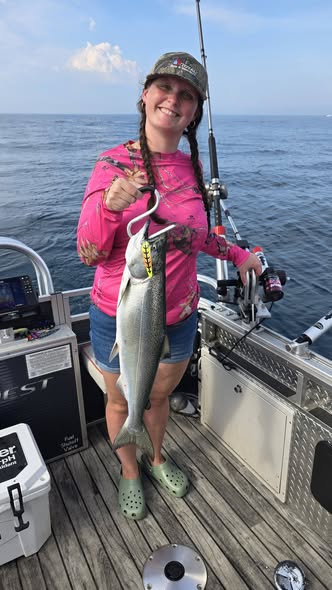
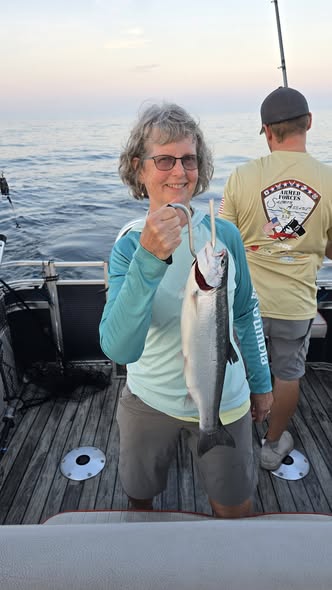
Coho Salmon bring a different kind of excitement to the mix—they're acrobatic fighters that love to jump and put on a show. Usually running 5-12 pounds, Cohos make up for their smaller size with pure athleticism. They tend to school up more than Kings, which means when you find them, you can often catch several in quick succession. These fish prefer slightly shallower water than their King cousins, often holding in that 30-50 foot range. Cohos are also more aggressive biters, making them perfect for newer anglers who want consistent action. Their silver sides and dark backs make them beautiful fish, and they're excellent table fare if you decide to keep a few for dinner.
Rainbow Trout, often called Steelhead, are the speed demons of our target species. These chrome-bright fish are built for speed and endurance, offering fights that are both fast and sustained. Great Lakes Rainbows average 6-15 pounds but can grow much larger, and they're known for their impressive runs and aerial displays. They often hold in slightly different areas than salmon, preferring structure and temperature breaks closer to shore. Spring and fall offer peak Rainbow action, though summer fishing can be excellent when conditions align. What makes Rainbows special is their unpredictability—you never know if that hit is going to result in a bulldogging fight close to the boat or a screaming run that takes you into your backing.
Lake Trout round out our target species as the deep-water specialists that can grow to impressive sizes in the Great Lakes system. These native fish are the ultimate bottom huggers, often holding in 80+ feet of water where they cruise slowly and methodically hunt baitfish. Lakers are known for their
 5.0(1 Reviews)
 Private Trip
 Lakes/Reservoirs/Ponds Fishing
 Lake Michigan
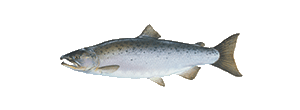


 Target King Salmon during peak season on Lake Michigan waters