Middle Keys Reef Fishing — Marathon, FL
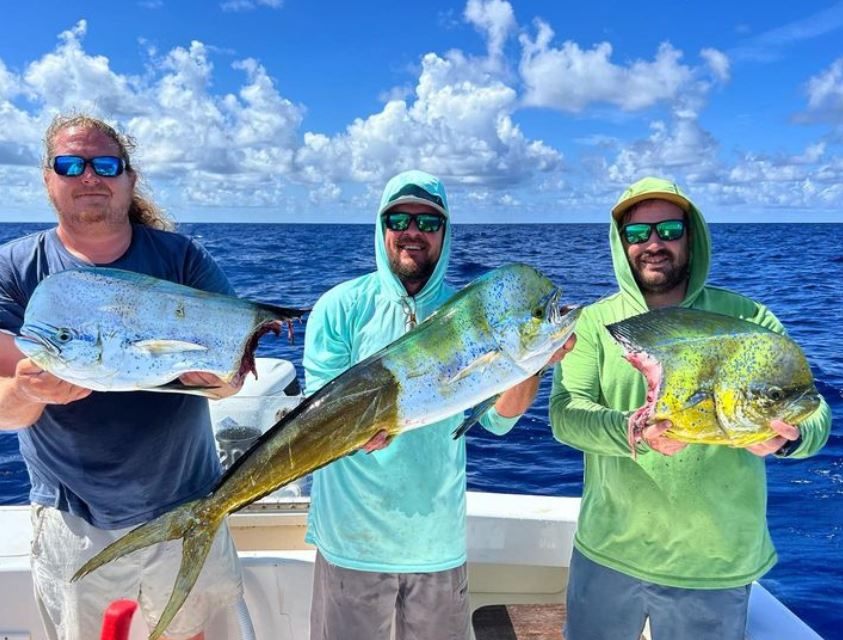
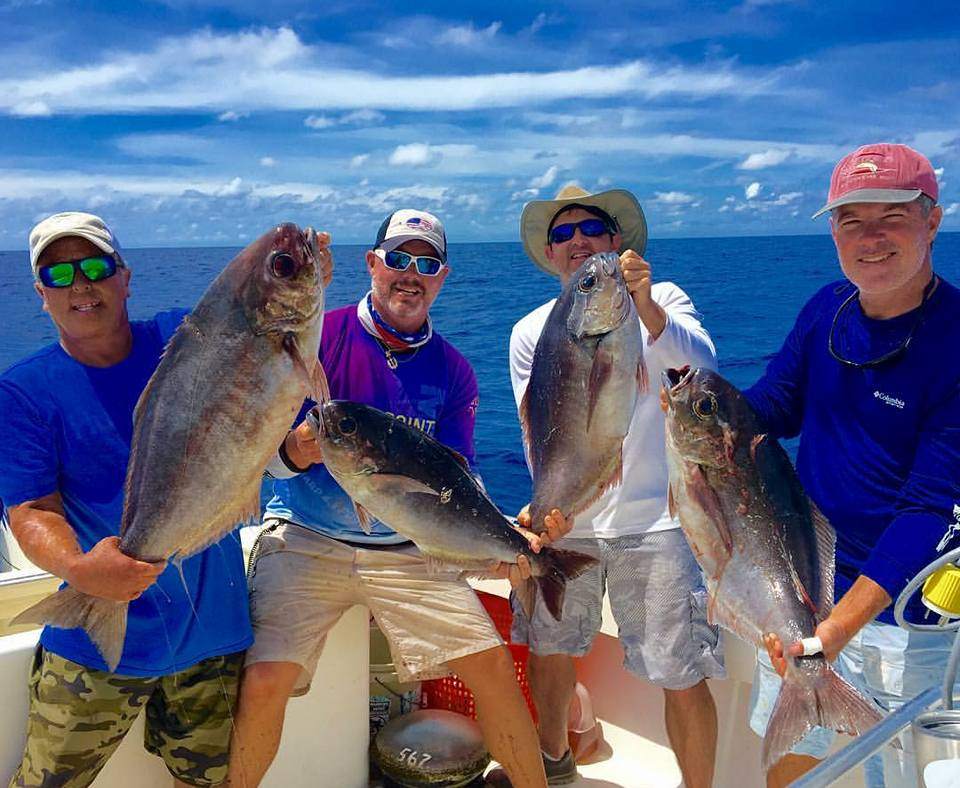
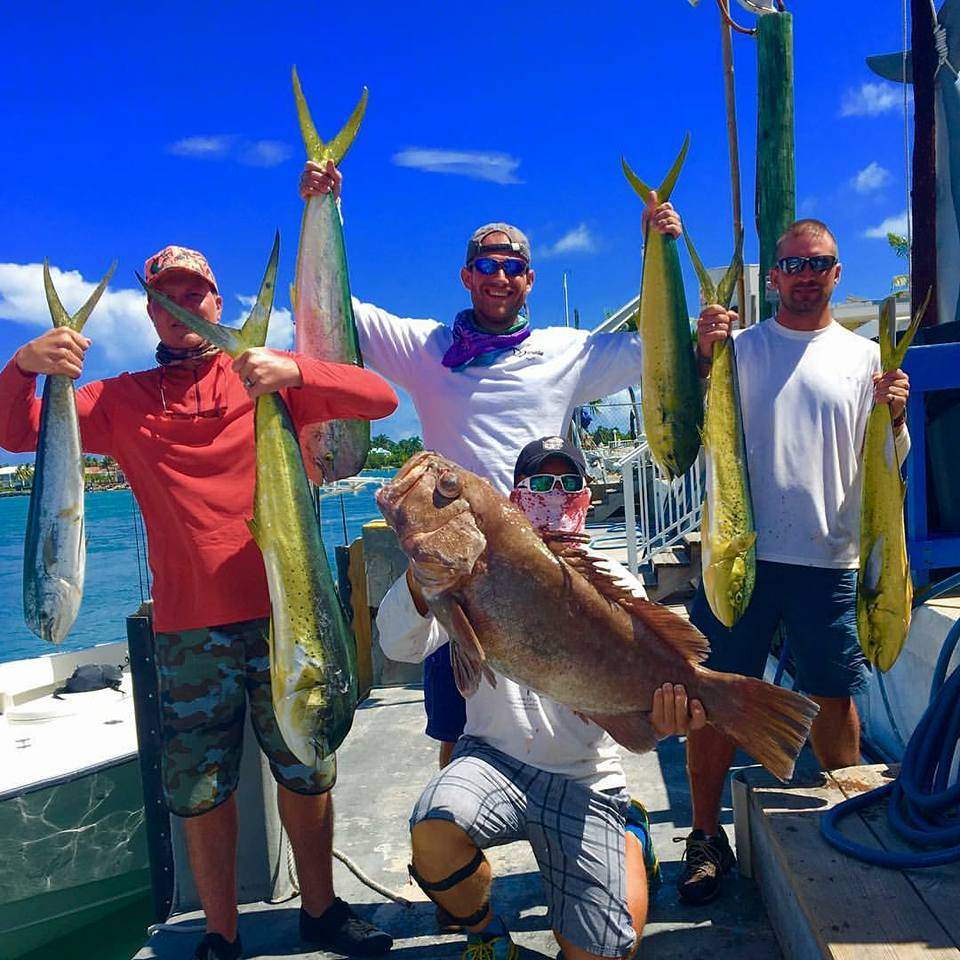
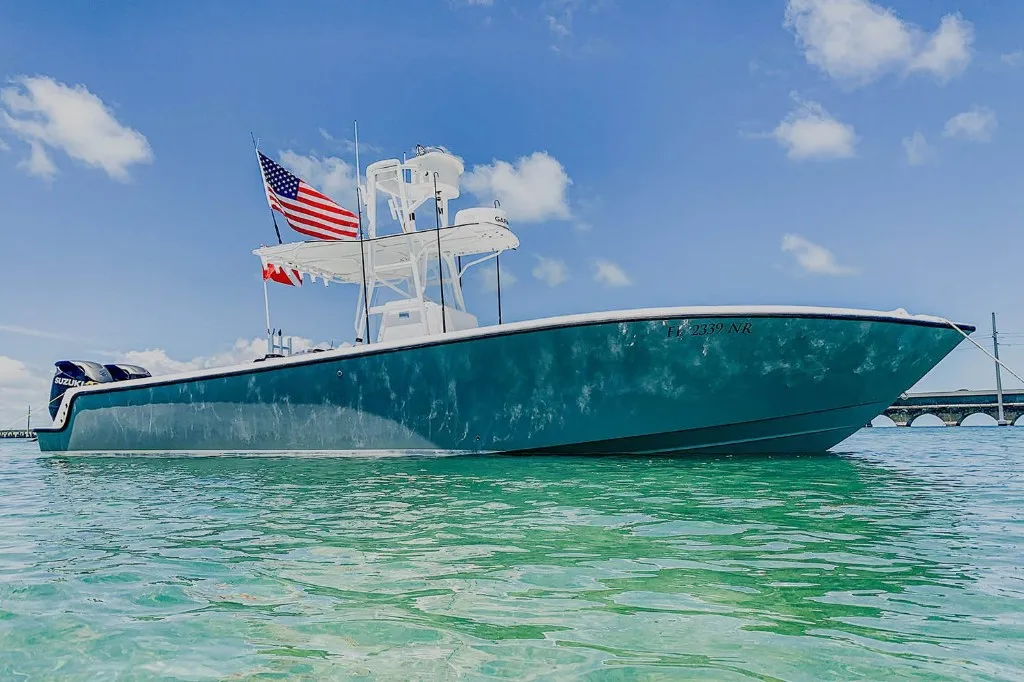
Looking for a fishing adventure that combines family fun with serious catches? This Marathon reef fishing trip puts you right in the heart of some of Florida's most productive fishing grounds. We're talking about those legendary Middle Keys reefs where the water's clear, the fish are hungry, and the action comes fast. Perfect for families wanting to get everyone on fish without dealing with the rough seas of offshore fishing. Six anglers max means plenty of room to move around and everyone gets their shot at landing something special.
What to Expect on the Water
This reef fishing trip is all about accessibility without sacrificing the quality of fishing. We'll make short runs to productive reefs where the fish stack up, keeping travel time minimal so you spend more time with lines in the water. The beauty of reef fishing in Marathon is the variety — you never know what's going to grab your bait next. One minute you're battling a feisty mutton snapper, the next you're watching a kingfish peel line off your reel. The reefs here hold everything from bottom dwellers to pelagic speedsters that cruise the edges looking for an easy meal. Kids love it because the action is consistent and the fish fight hard enough to feel like a real accomplishment, but not so aggressive that they can't handle them on lighter tackle.
Light Tackle, Big Results
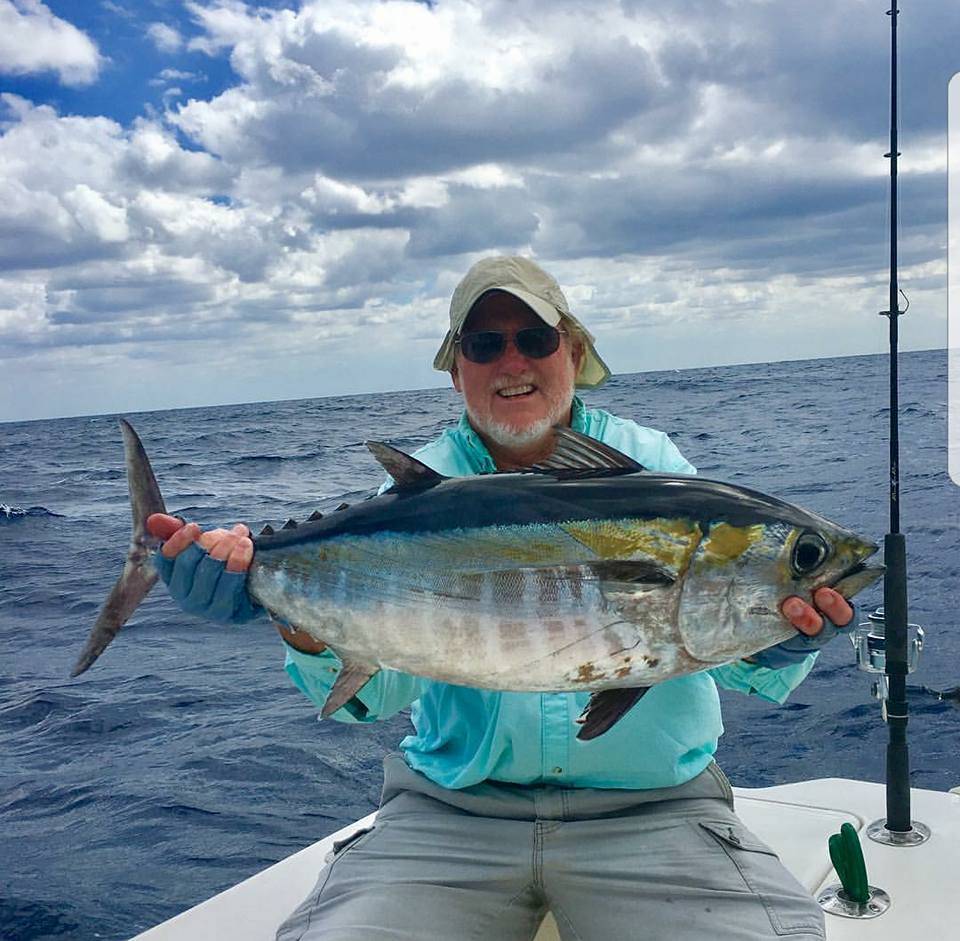
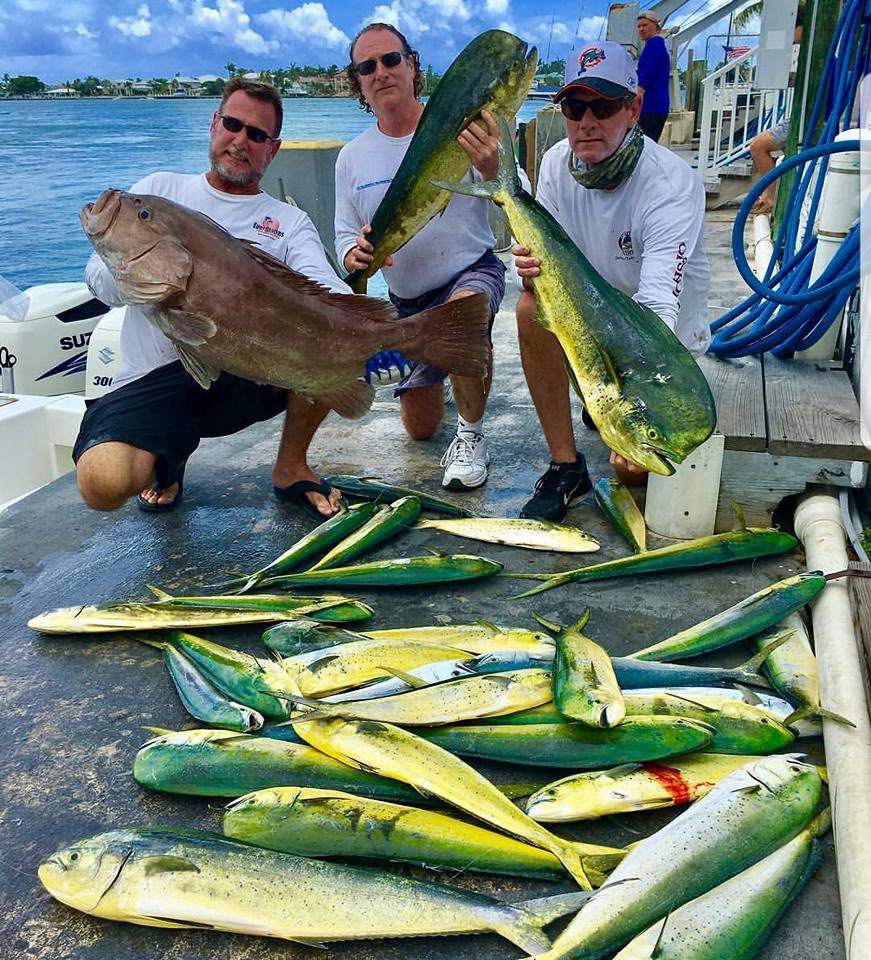
We fish these reefs with light spinning gear that makes every catch feel like a trophy. No need for heavy conventional reels or back-breaking tackle here — we're talking about 20-30 pound spinning setups that let you feel every head shake and run. The technique is straightforward: we'll anchor up on productive structure and fish both live and cut bait. Depending on what's biting, we might free-line some pilchards for the kings or drop some squid down for the snappers and grouper. During certain times of the year, particularly spring and fall, we'll also do some light trolling around the reef edges where wahoo and sailfish patrol. The key is staying flexible and reading what the fish want on any given day.
Species You'll Want to Hook
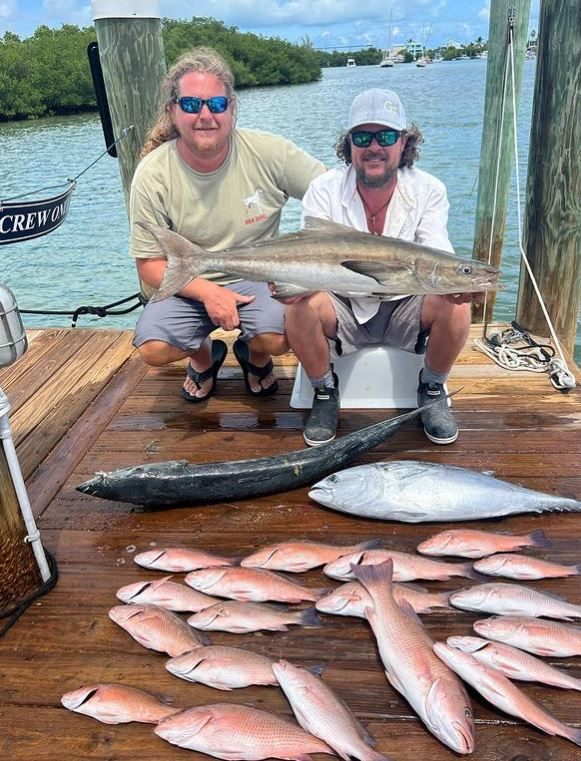
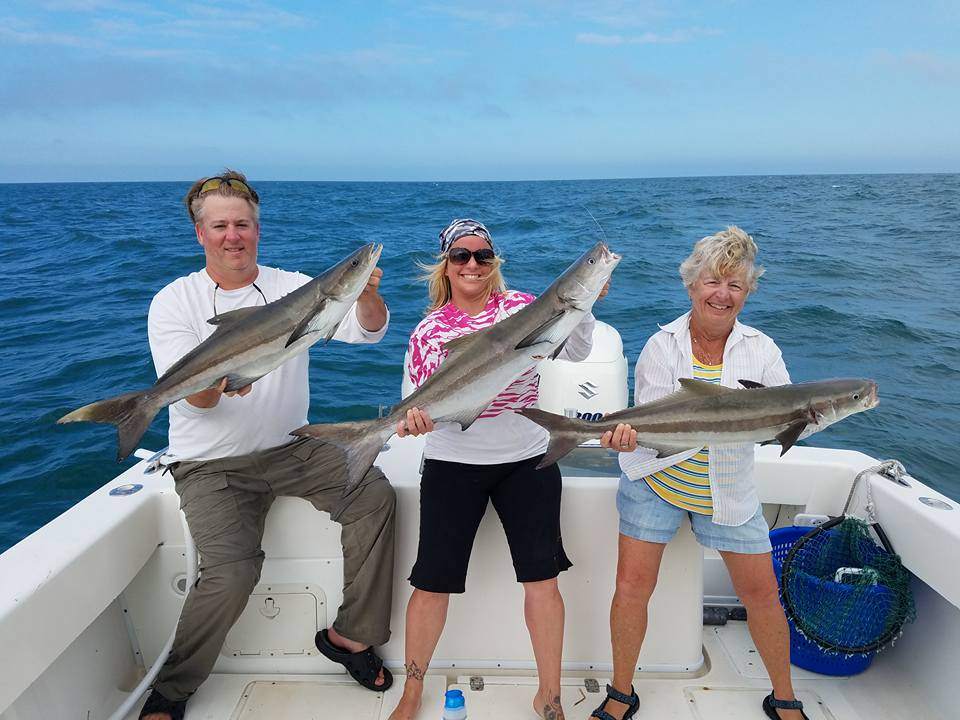
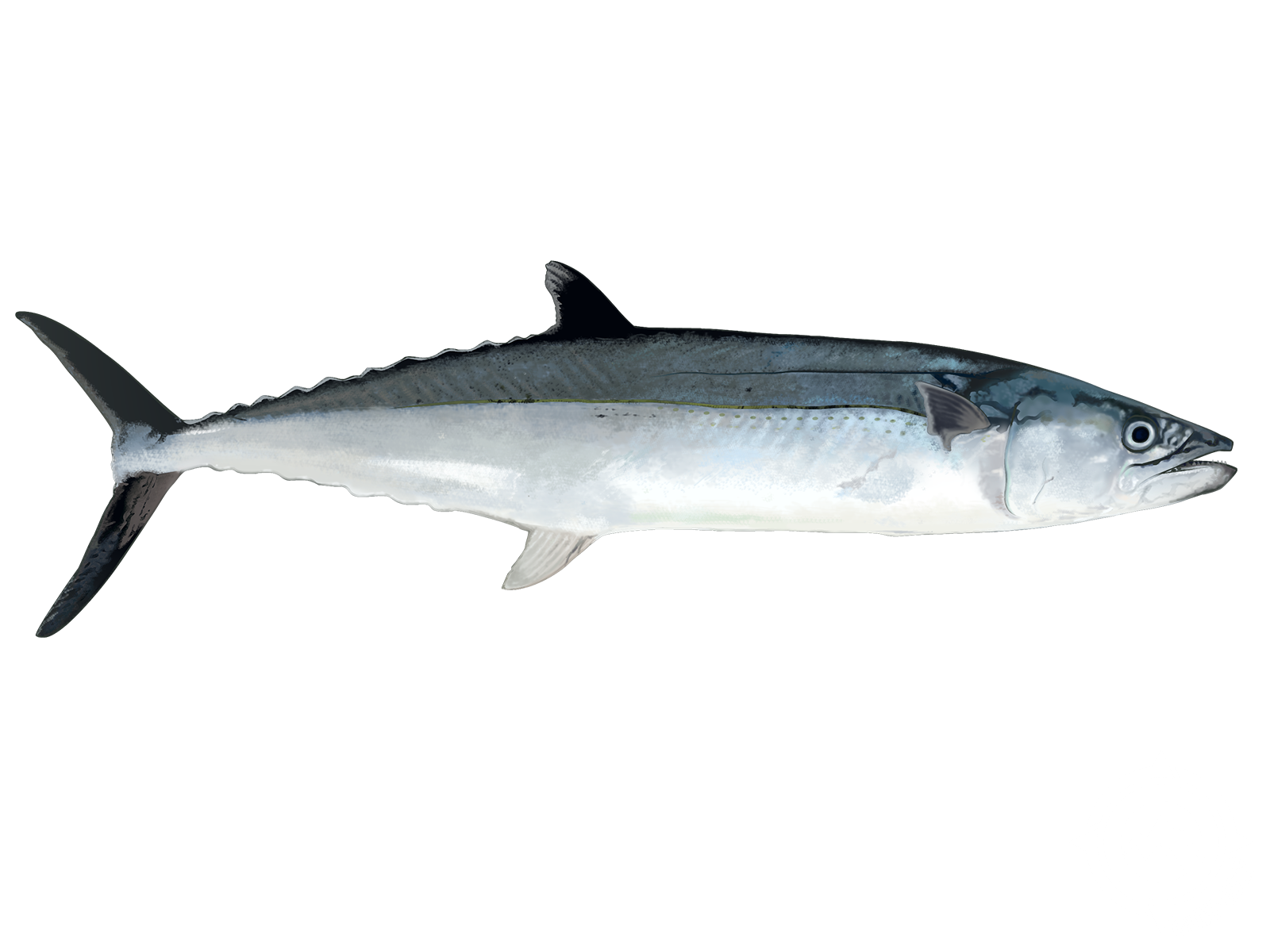
King mackerel are the bread and butter of Middle Keys reef fishing, and these fish are pure adrenaline. They typically run 15-40 pounds in these waters, with the bigger fish showing up during the cooler months from November through March. Kings are ambush predators that patrol the reef edges looking for schools of baitfish. When one hits your live pilchard, you'll know it immediately — they make blistering runs that can strip 100 yards of line in seconds. What makes them special is their unpredictability; they might jump, they might dive deep, or they might just bulldoze their way around the reef trying to cut you off.
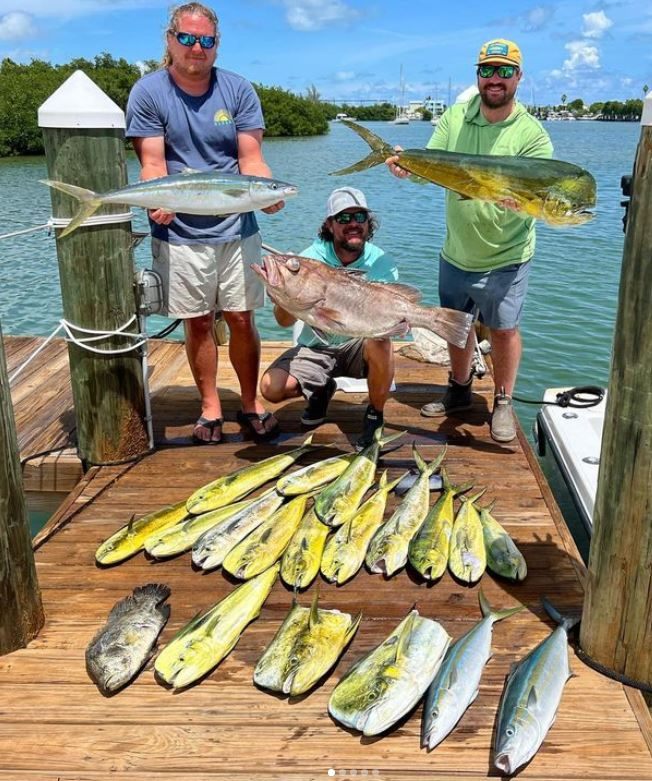
Cero mackerel are the king's smaller, more acrobatic cousin, averaging 3-8 pounds but making up for size with pure athleticism. These fish are year-round residents that love to hunt in the clear water around the reefs. They're incredibly fast and will often jump multiple times during the fight, making them a favorite with kids and light tackle enthusiasts. Ceros are also some of the best eating fish in these waters — firm, white meat that's perfect for the grill.
Mutton snapper are the prize bottom fish on these reefs, with fish ranging from 3-15 pounds being common. They're most active during the warmer months and are notorious for their powerful initial runs and head-shaking fights. Muttons are smart fish that require finesse — they'll inspect your bait carefully before committing. When you hook one, they'll try to dive straight back to the reef to cut your line on the coral. The bigger fish are incredibly strong and will test your drag system. They're also outstanding table fare with sweet, flaky meat.
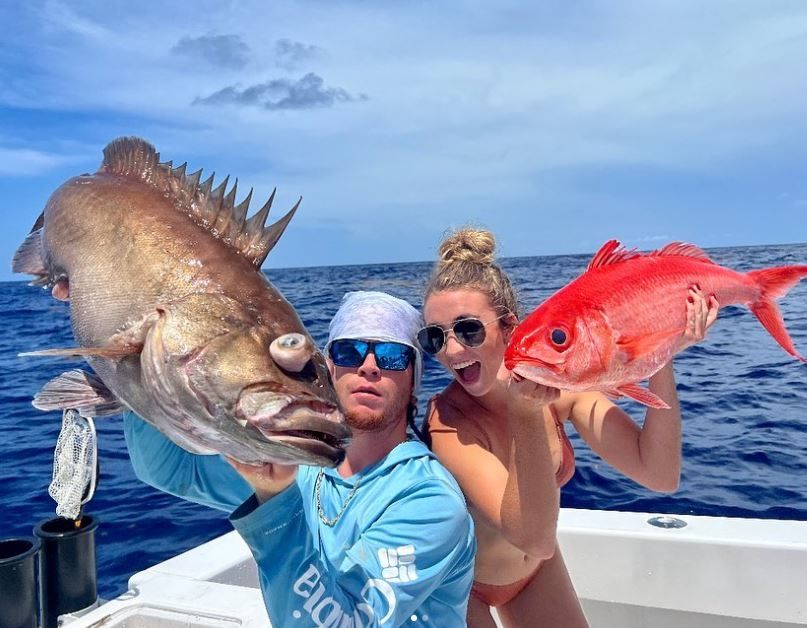
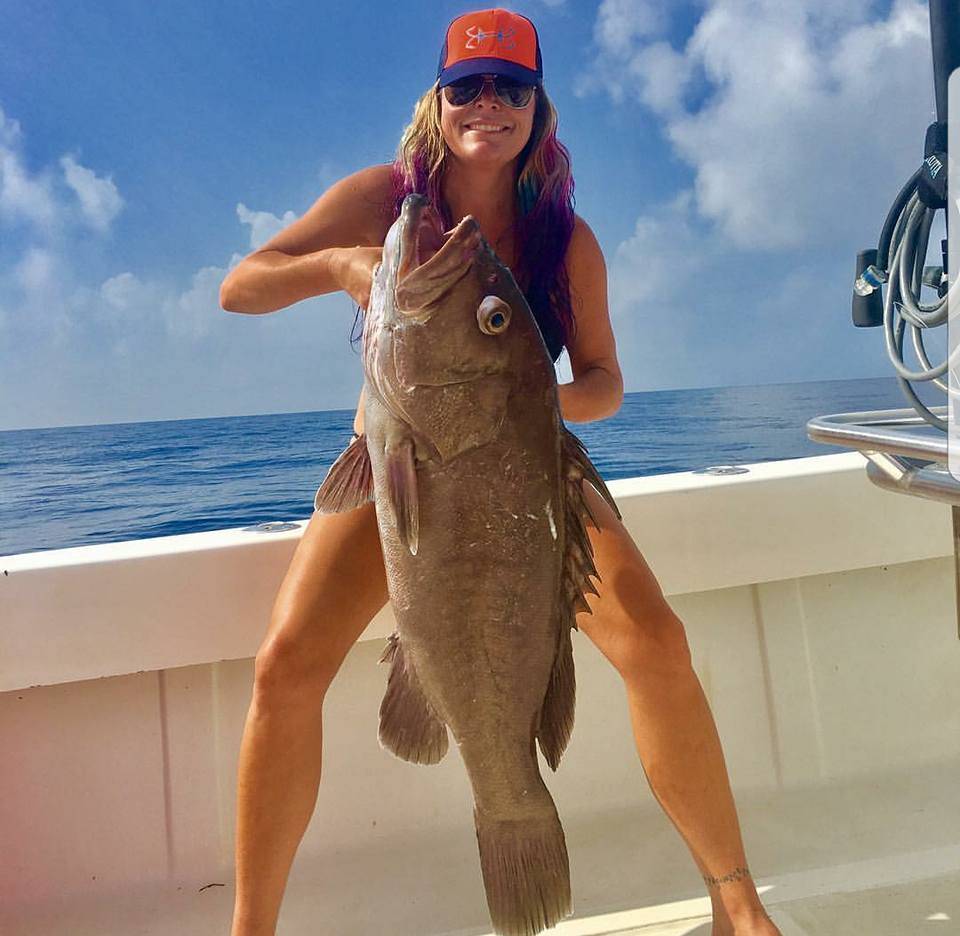
Black grouper are the heavyweight champions of the reef, with fish ranging from 5-30 pounds being caught regularly. These are structure-oriented fish that live in holes and ledges throughout the reef system. They're most active during the summer months when water temperatures are highest. Black grouper have tremendous pulling power and will try to bury themselves back in the reef the moment they feel the hook. You need to muscle them up quickly or risk losing them to the structure. Their powerful jaws and bulldogging fight make them one of the most challenging fish to land on light tackle.
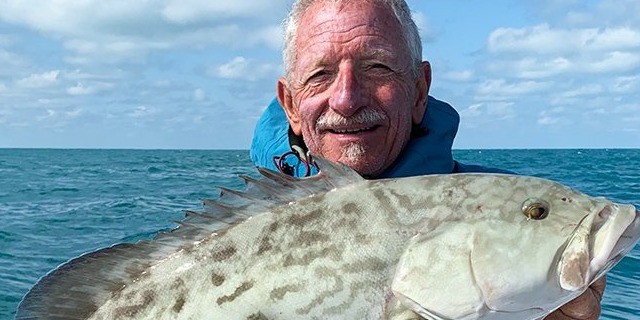
Gag grouper round out the grouper action, typically running smaller than the blacks but making up for it with numbers. These fish are more active feeders and will often come up off the bottom to chase baits. Gags are present year-round but peak during the fall and winter months. They have a distinctive fighting style, making strong runs toward structure followed by powerful head shakes. Both grouper species are prized for their firm, white meat that's considered among the best eating fish in Florida waters.
Time to Book Your Spot
This Marathon reef fishing experience delivers everything you want from a family fishing trip — consistent action, variety, and the chance at some seriously good fish. The Middle Keys reefs fish well year-round, but each season brings its own opportunities. Spring and fall offer the best chance at larger pelagics like wahoo and sailfish, while summer is prime time for grouper and snapper. Winter brings the biggest kingfish and the clearest water. With only six spots available, this trip fills up fast, especially during peak season. Whether you're introducing kids to saltwater fishing or looking for a relaxed day on the water with great fishing, Superfish Charters has you covered. Book now and get ready to experience some of the best reef fishing the Florida Keys has to offer.
 Private Trip
 Inshore Fishing
 Marathon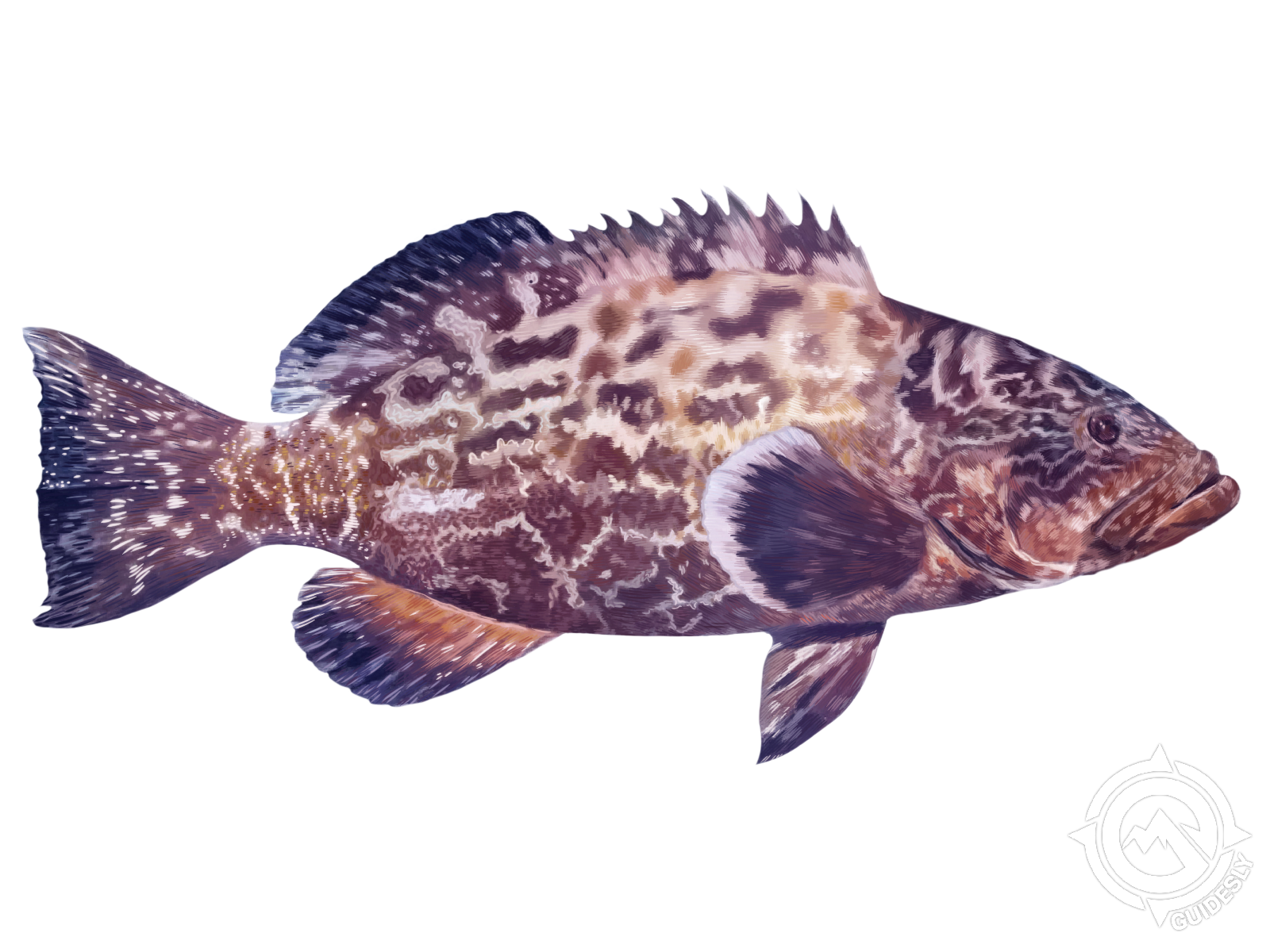


 Family-friendly reef fishing with light spinning gear for all ages