Gulf Stream Fishing Charters with Captain Brandon
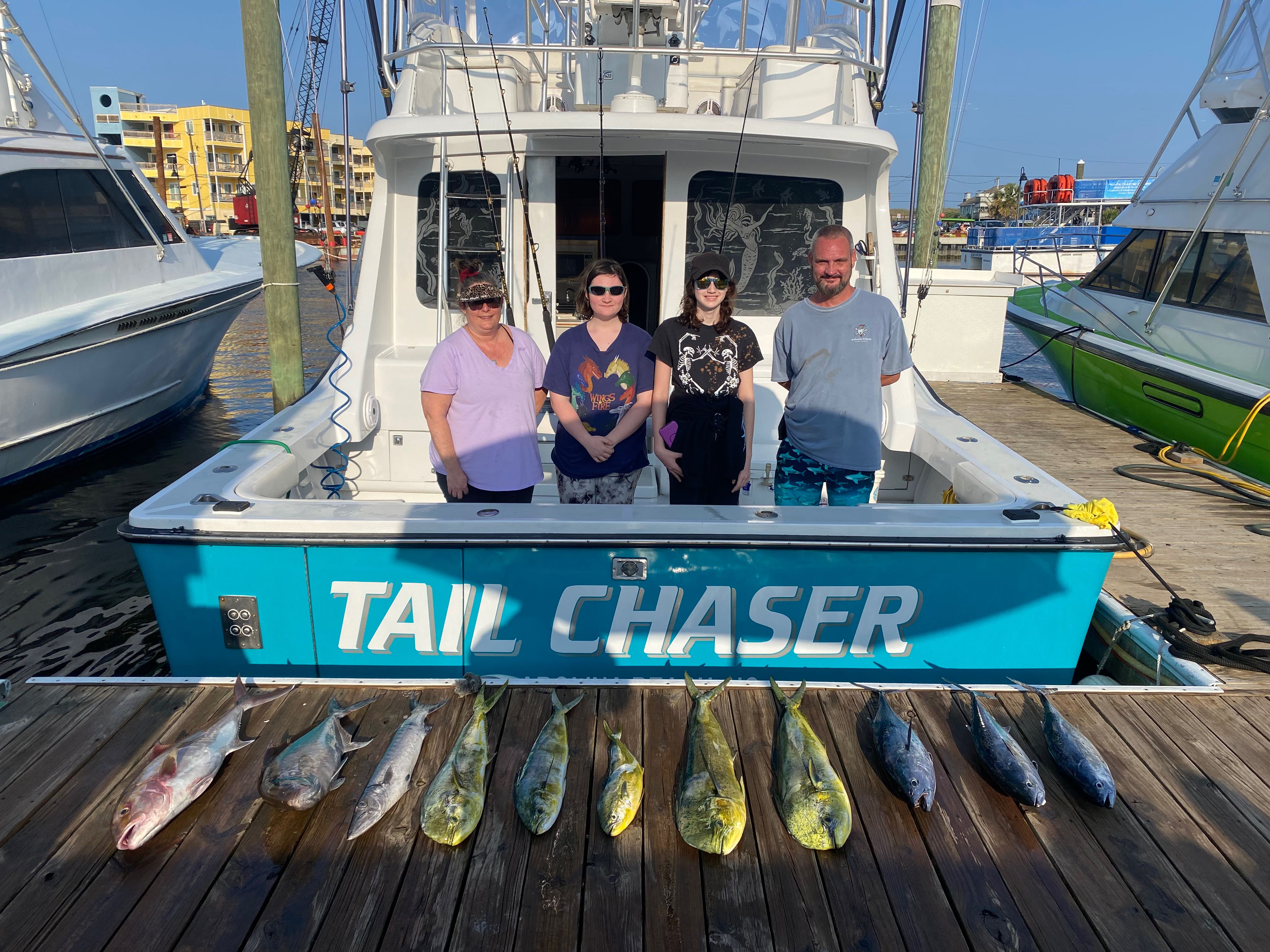
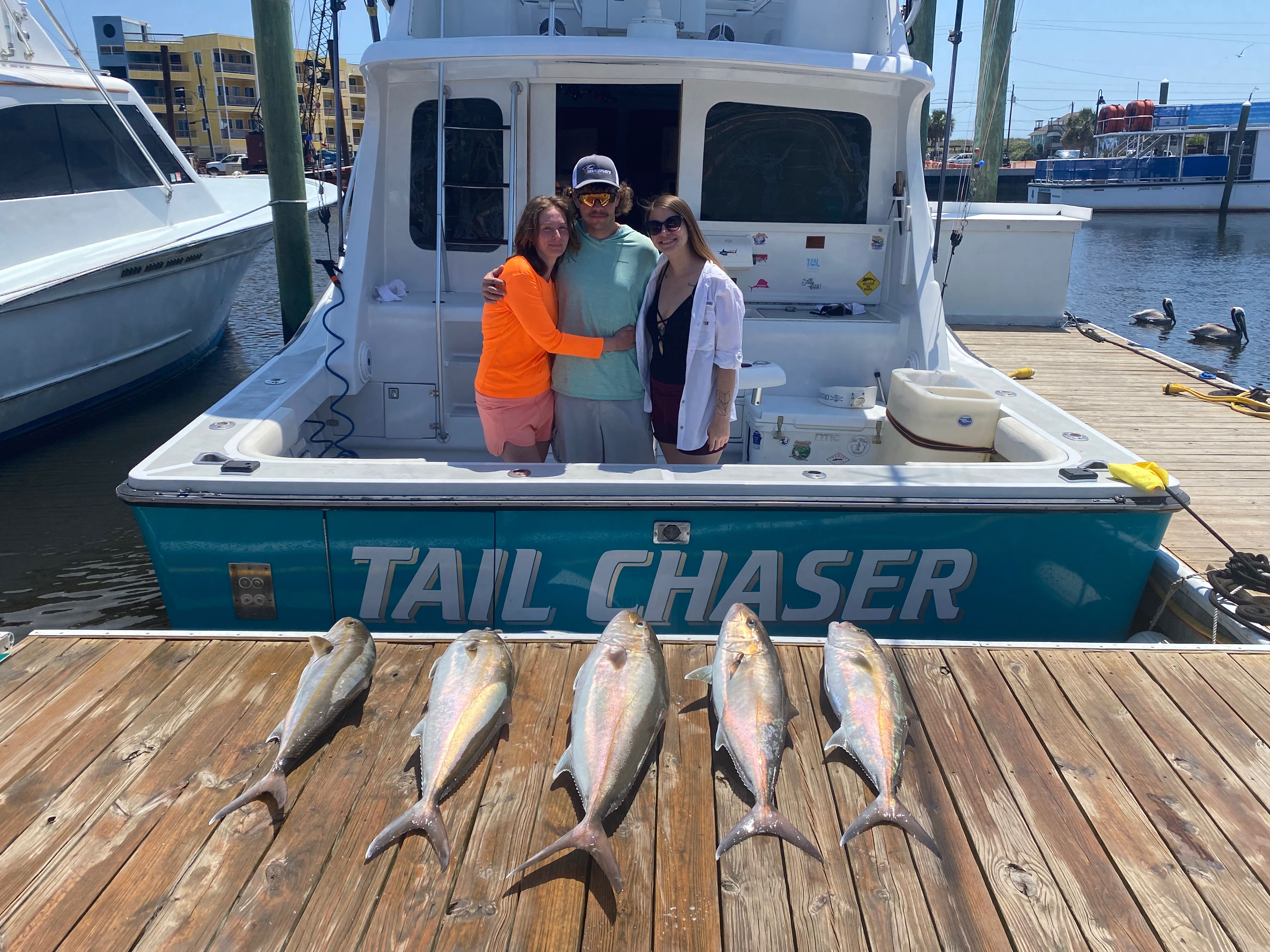
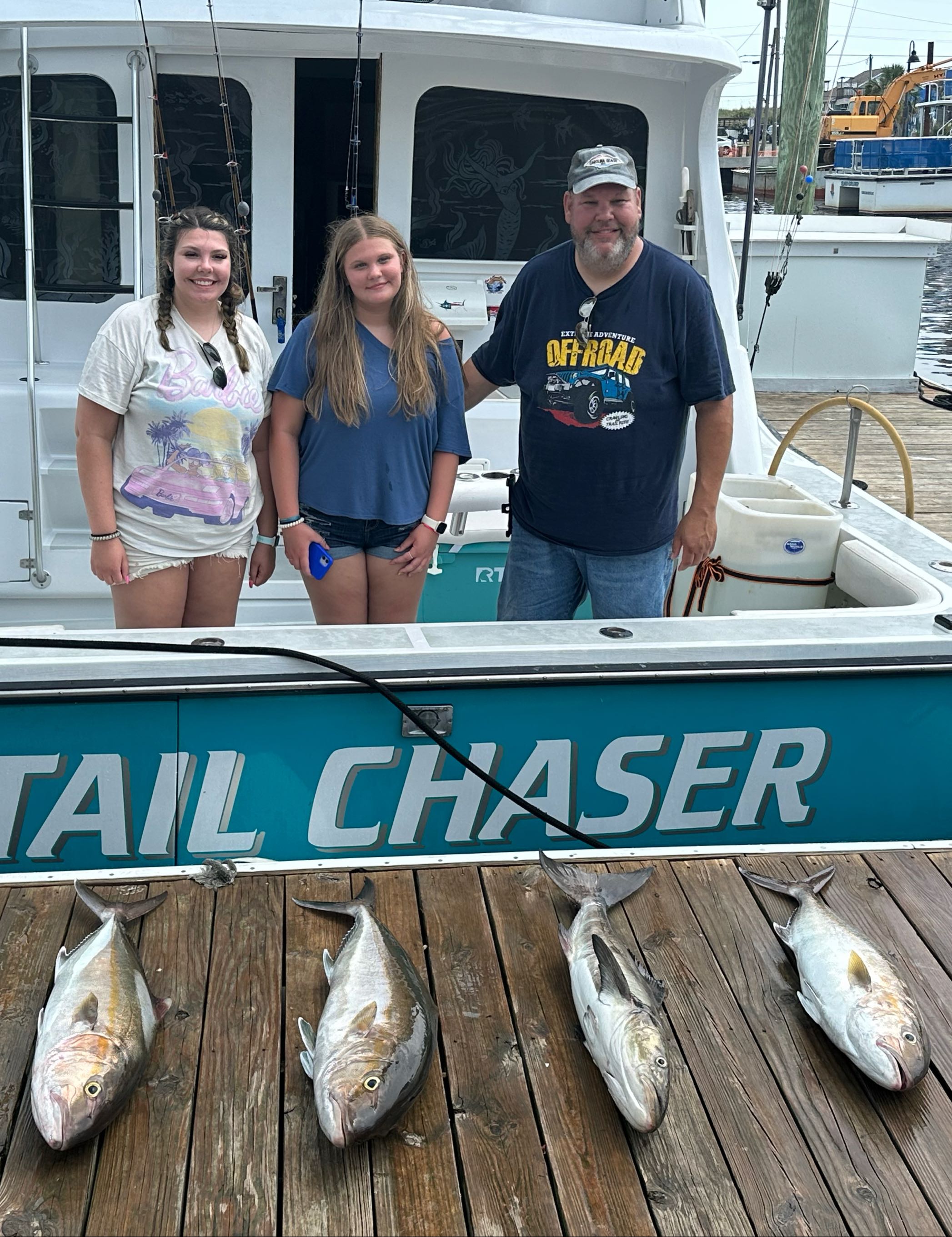
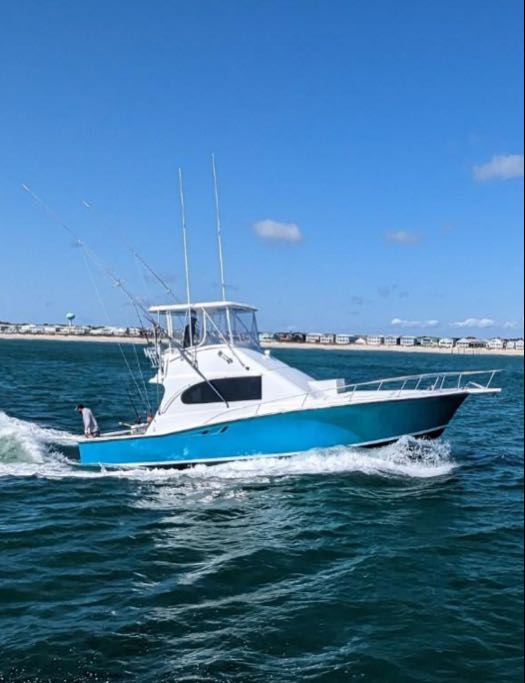
When you're ready to fish some of the most productive waters off the Atlantic coast, Captain Brandon and the Tail Chaser team will put you on the fish. Our 13-hour Gulf Stream trips target the heavyweights – Tuna, Wahoo, and Sailfish – in waters where these pelagics feed and travel. We keep our charters small at 6 anglers max, so everyone gets plenty of rod time and personal attention from the crew. This isn't a cattle boat operation; it's serious fishing with a captain who knows these waters like the back of his hand.
What to Expect on the Water
Your day starts early with a pre-dawn departure to maximize fishing time in the Stream. Captain Brandon runs a tight ship but keeps the atmosphere relaxed – this is fishing, after all, and we want you to enjoy every minute. The Gulf Stream sits roughly 40-60 miles offshore depending on conditions, and the ride out gives everyone time to wake up, rig tackle, and get pumped for what's ahead. Once we hit the blue water, you'll see the temperature break on the fish finder and know we're in business. The water changes from green to that deep cobalt blue, and that's where the magic happens. We'll be trolling spread patterns, watching for bird activity, and reading the water for signs of bait and predators. Captain Brandon has been working these waters for years and knows exactly where to set up based on current breaks, temperature changes, and seasonal fish movement patterns.
Trolling Tactics & Gear
We run a professional trolling spread with outriggers, downriggers, and flat lines to cover different depths and present baits naturally. The boat carries top-shelf Penn and Shimano reels spooled with 50-80 lb test, matched to rods that can handle everything from screaming Wahoo to jumping Sailfish. Captain Brandon and crew handle all the rigging – ballyhoo, cedar plugs, islander lures, and whatever's working that day. When fish are feeding on the surface, we'll switch to casting gear and work birds with poppers and metals. The technique changes based on conditions and what we're marking on the sounder. Bait schools mean predators, and we'll position the boat to intercept feeding fish. Don't worry if you've never fished offshore before – the crew walks everyone through the drill, from fighting techniques to proper rod handling. Experienced anglers appreciate the quality tackle and the captain's knowledge of local structure and seasonal patterns.
Top Catches This Season
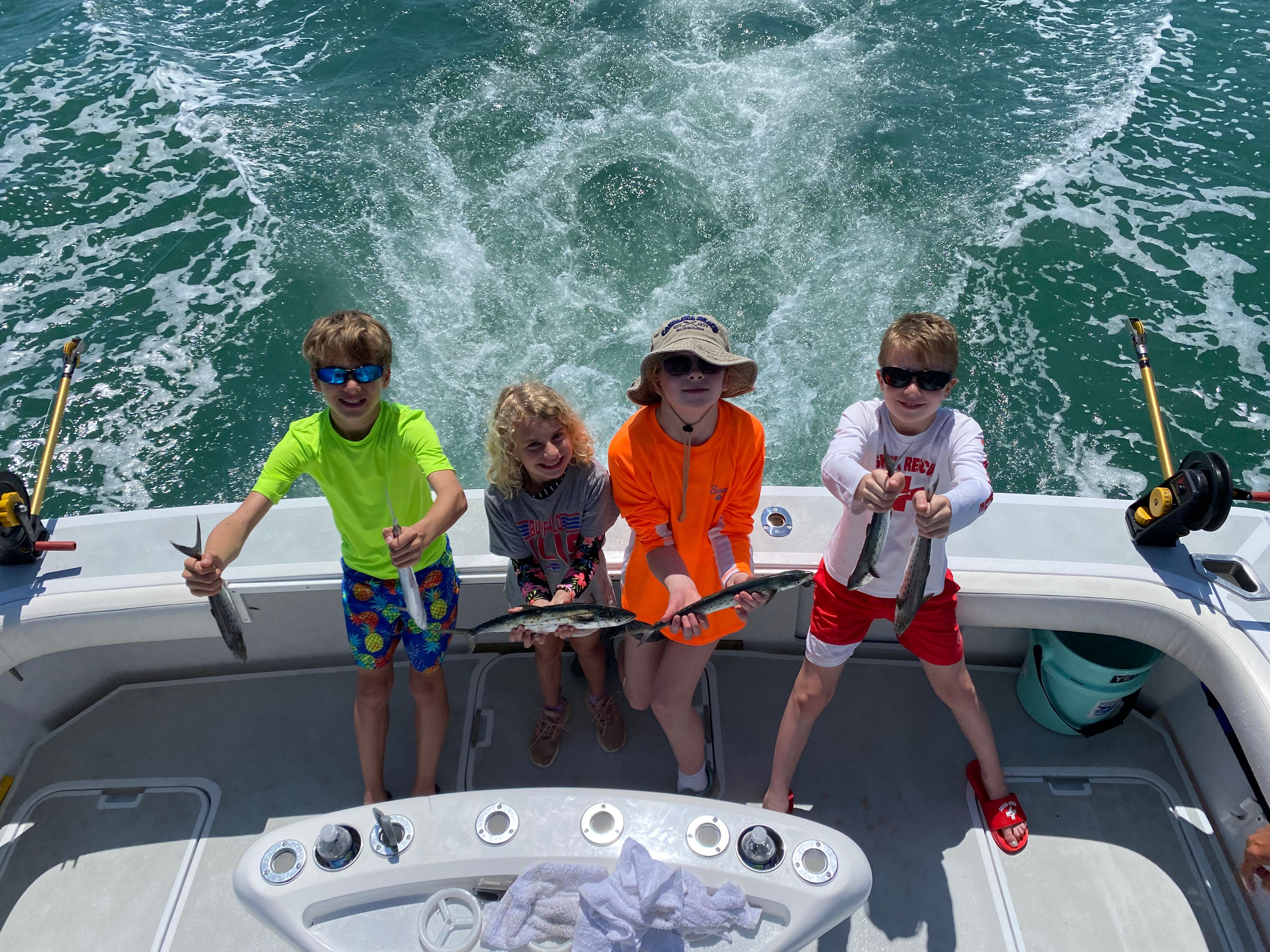
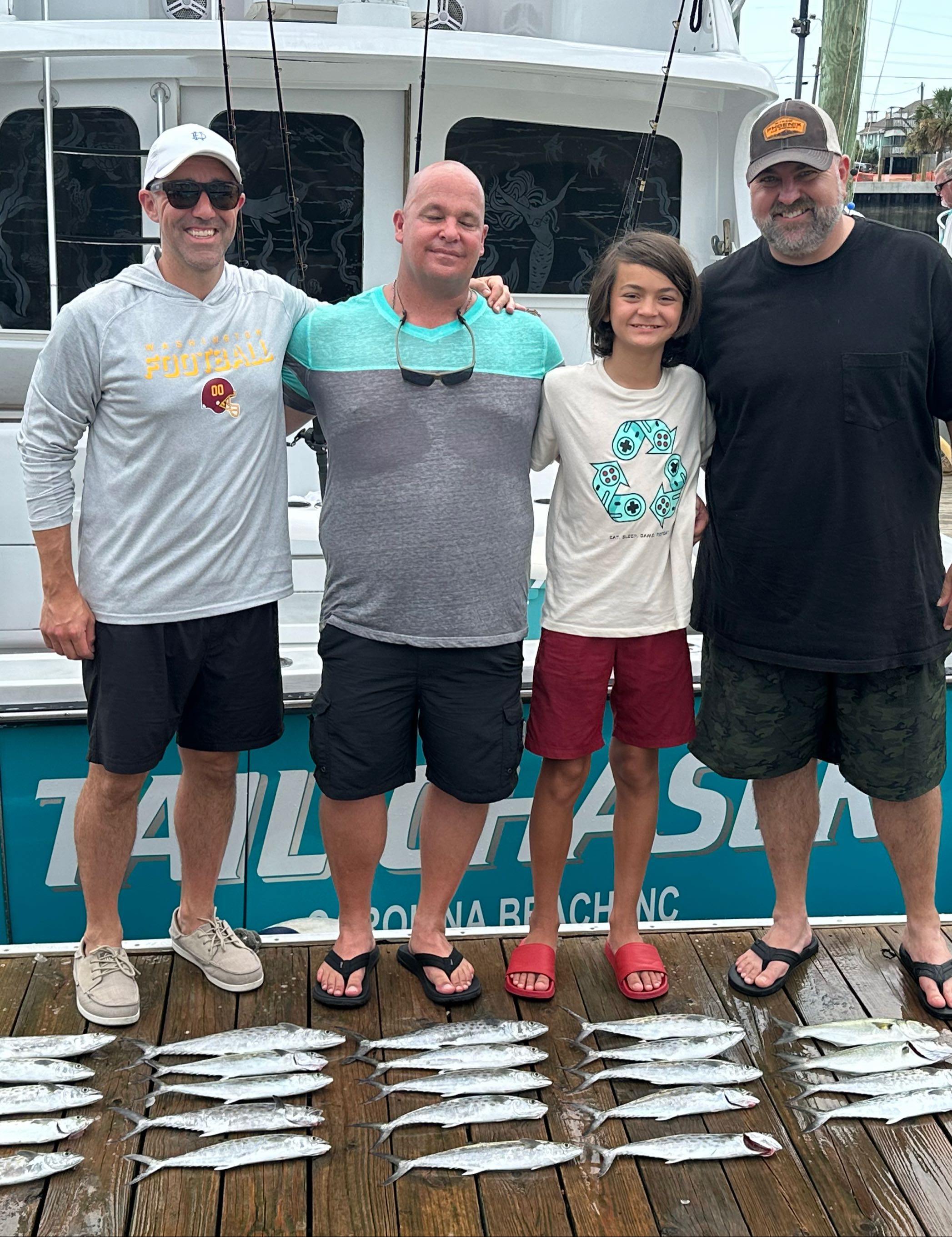
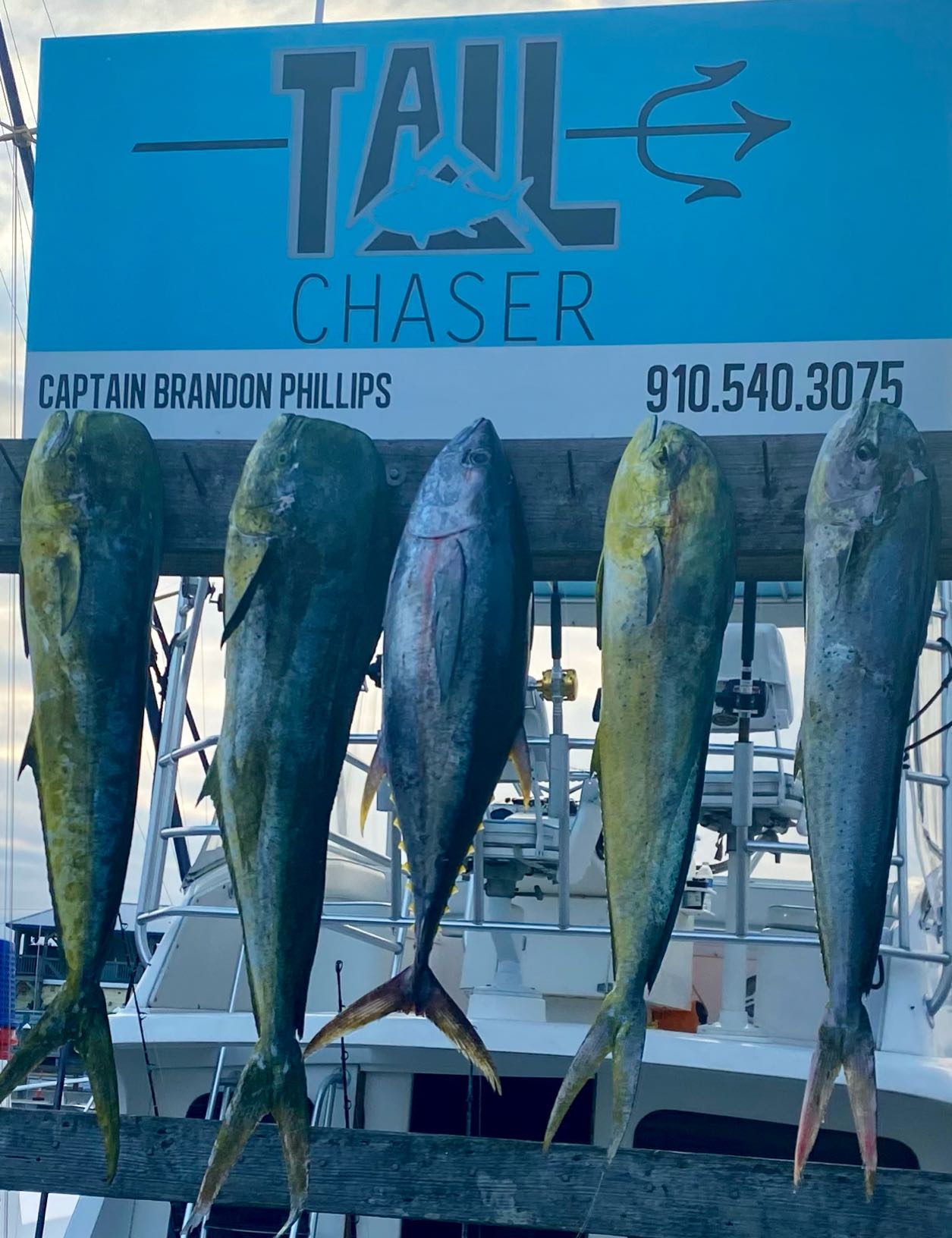
The Mahi Mahi have been showing up in good numbers around floating debris and weed lines. These fish are pure fun on the rod – they jump, they fight, and they taste fantastic. Bulls can push 30-40 pounds, while the smaller schoolies provide steady action when you find a good patch. Look for them under anything floating in the Stream – logs, seaweed mats, or trash lines where current edges meet. Wahoo are the speed demons out here, capable of 50+ mph runs that will test your drag settings and reflexes. These fish often hit without warning and make blistering runs that can empty a reel in seconds. The bigger ones go 40-60 pounds and provide some of the most exciting moments you'll have offshore. They're also excellent eating with firm, white meat that's perfect on the grill.
Yellowfin Tuna are the prize fighters of the bunch – strong, stubborn, and built for endurance. The fish we see range from 30-100+ pounds, and even a medium-sized Yellowfin will give you a workout. They dive deep and pull hard, testing both angler and equipment. When we find them feeding, the action can be non-stop with multiple hookups. Blackfin Tuna are smaller but scrappy, usually running 10-25 pounds and providing great sport on lighter tackle. They school up and when you find them, you can often catch several before they sound. Atlantic Sailfish are the showstoppers – these fish jump, dance, and put on a display that's hard to match. Most releases are in the 50-80 pound range, though bigger fish cruise through. Captain Brandon practices catch and release for Sailfish to keep this fishery healthy for future generations.
Species You'll Want to Hook
Mahi Mahi are most active during the warmer months when they follow the Gulf Stream north. These fish are aggressive feeders and will hit everything from ballyhoo to artificial lures. What makes them special is their willingness to stay with the boat once hooked – often the whole school will hang around, giving everyone a chance at multiple fish. The colors are spectacular when they're fresh from the water, shifting from gold to green to blue. They're also one of the best eating fish in the ocean, with sweet, flaky meat that's versatile in the kitchen.
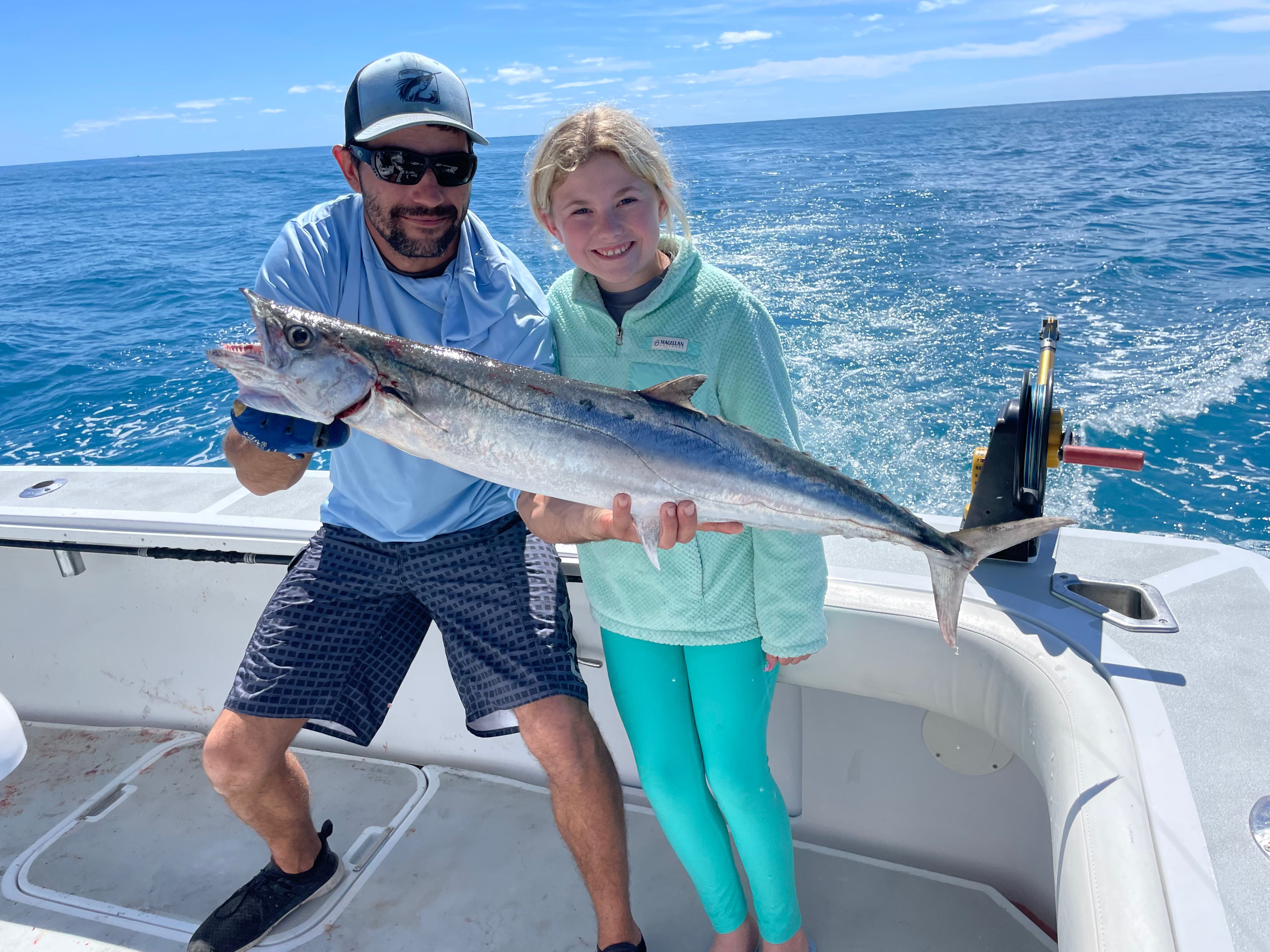
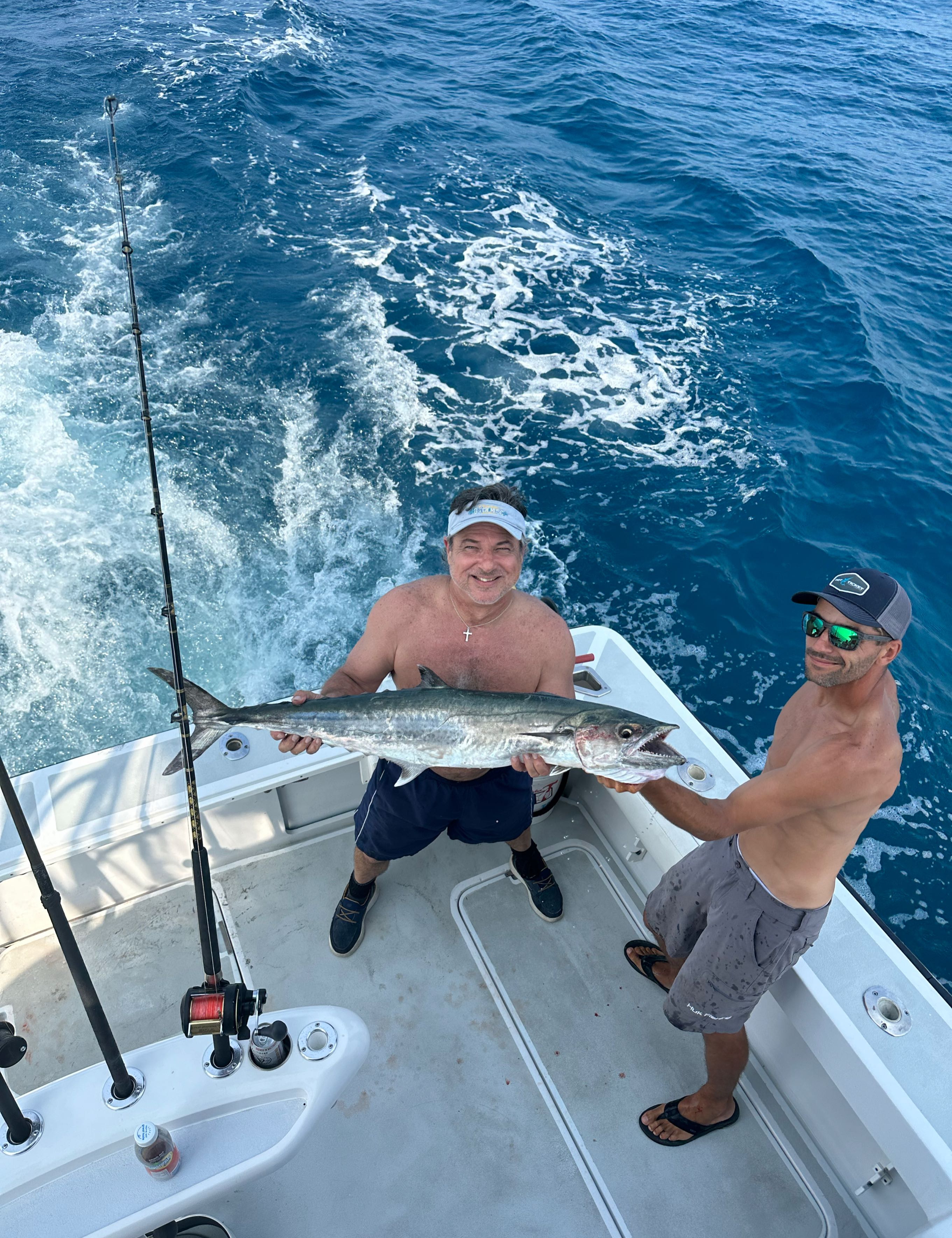
Wahoo fishing peaks in the cooler months when these fish migrate through our area. They're ambush predators that cruise structure and current edges looking for bait. What gets anglers excited is the speed – these fish can make 200-yard runs in seconds, and the initial strike often comes with a jump that launches them clear of the water. They have razor-sharp teeth and a torpedo-shaped body built for speed. The fight is usually short but intense, and they're excellent table fare with meat similar to Mako shark.
Yellowfin Tuna are year-round residents in the deeper Gulf Stream waters, though they're most active during temperature breaks and current edges. These fish are pure muscle and stamina – they'll sound deep and pull steady for 30-45 minutes. What makes them prized is their size potential and fighting ability. A 60-pound Yellowfin will test everything – your drag, your back, and your determination. They're also the gold standard for sashimi-grade fish, with deep red meat that's prized in restaurants worldwide.
Atlantic Sailfish are most common in the spring
 Private Trip
 Offshore Fishing
 Carolina Beach, NC


 Target Tuna, Wahoo, and Sailfish in Gulf Stream waters