Trolling Adventures Nearshore and Offshore
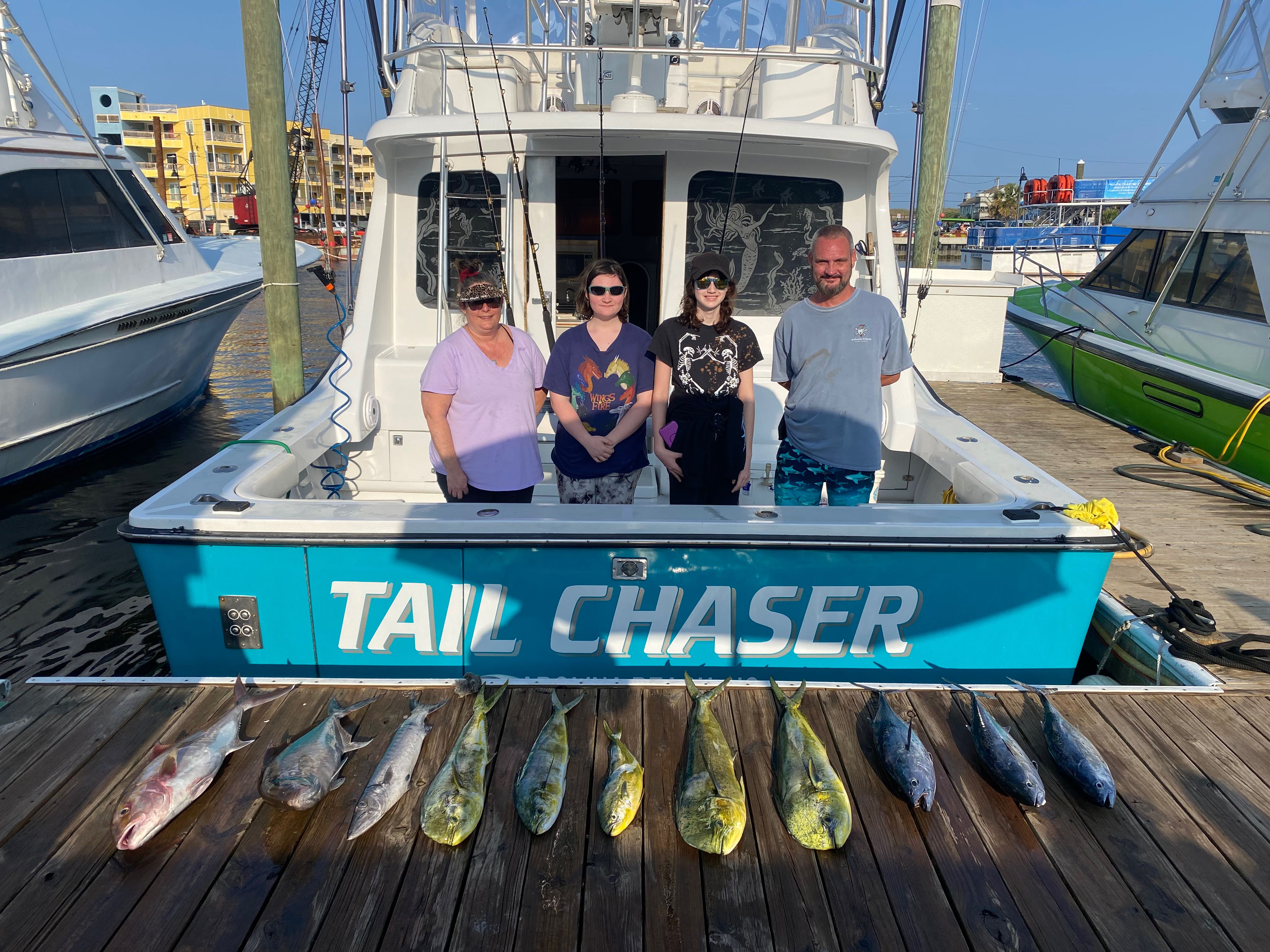
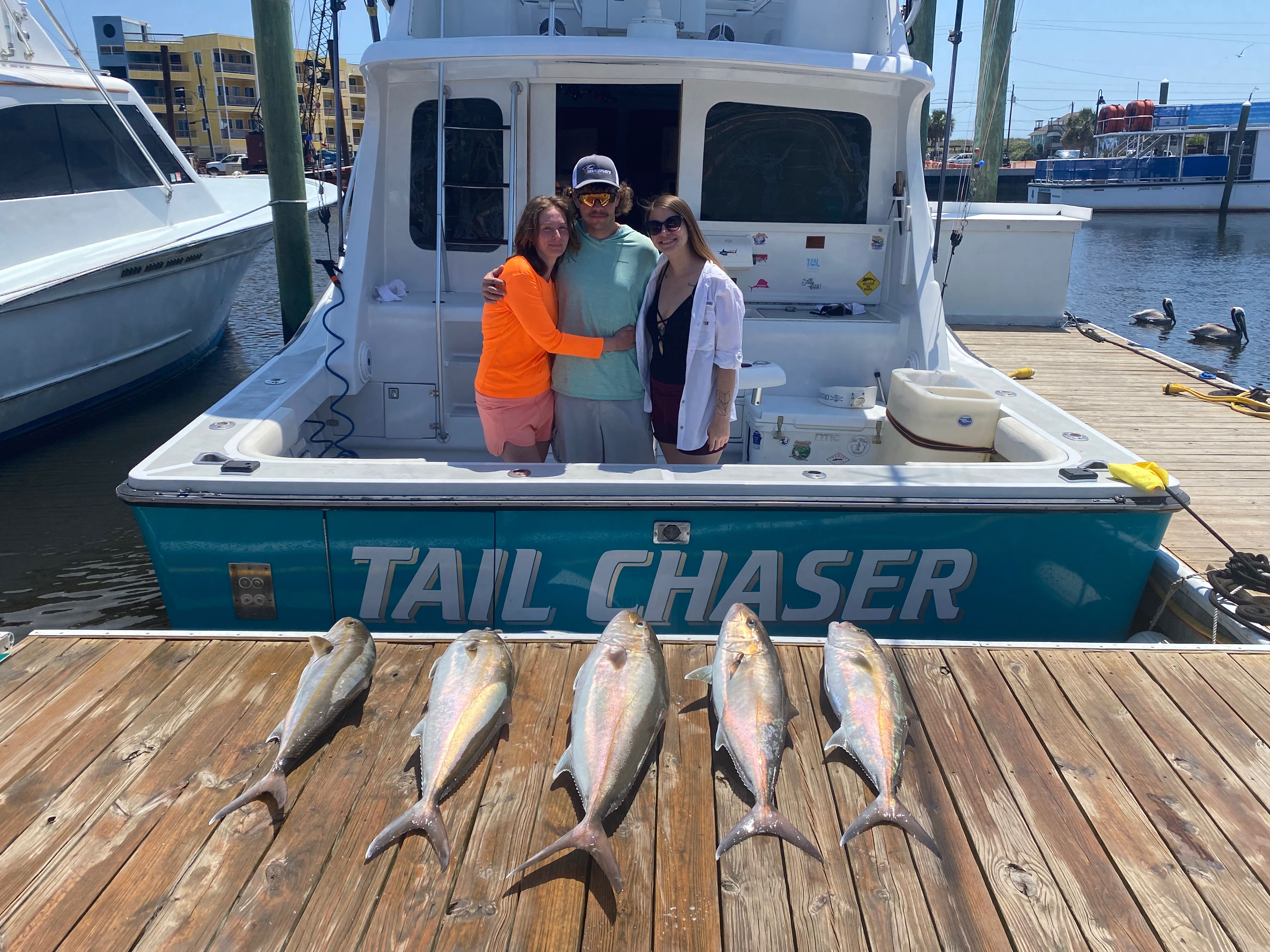
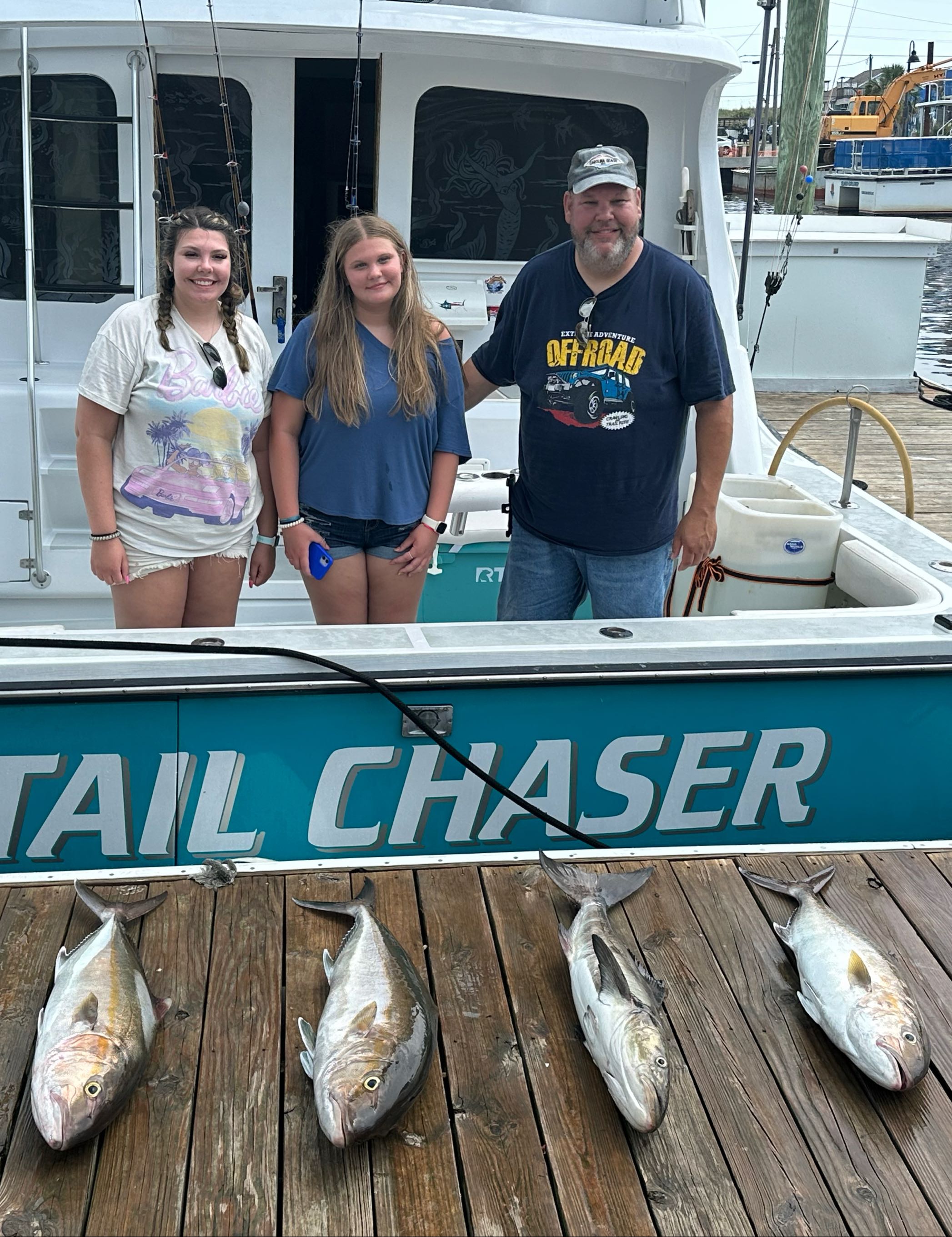
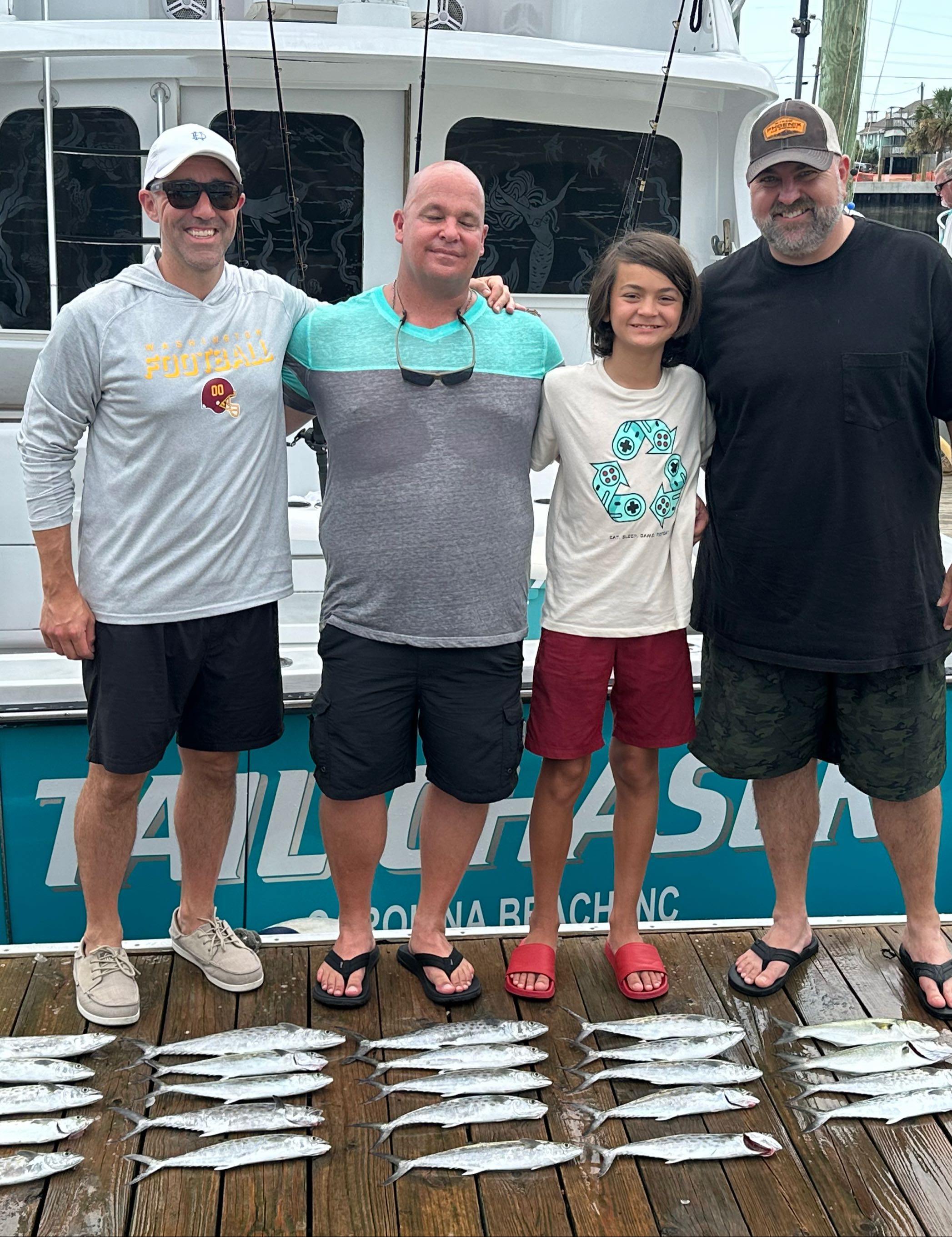
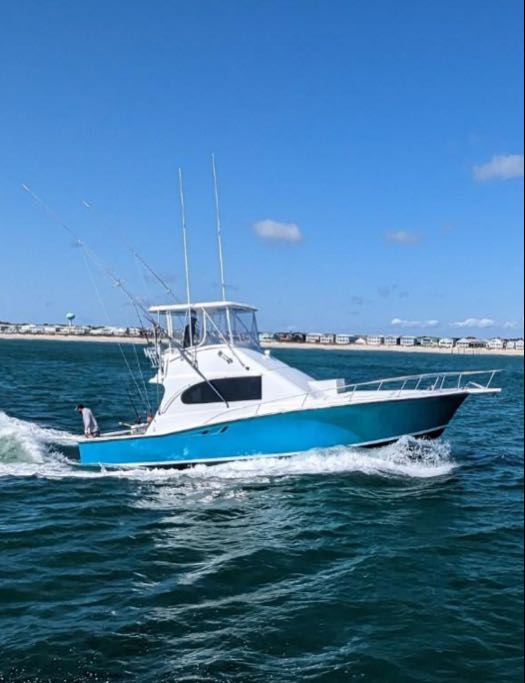
Get ready to experience some of the best trolling action around when you step aboard with Captain Phillips and the Tail Chaser Charter Fishing crew. This isn't your typical fishing trip – we're talking about a full day of non-stop action targeting some of the most sought-after species in these waters. Whether you're a seasoned angler or just getting your feet wet, this charter welcomes everyone ready to chase after King Mackerel, Spanish Mackerel, Bluefish, Mahi, Cobia, and Amberjack. With space for up to 6 anglers, it's perfect for families, groups of friends, or anyone looking to get their lines wet in productive waters.
What to Expect on the Water
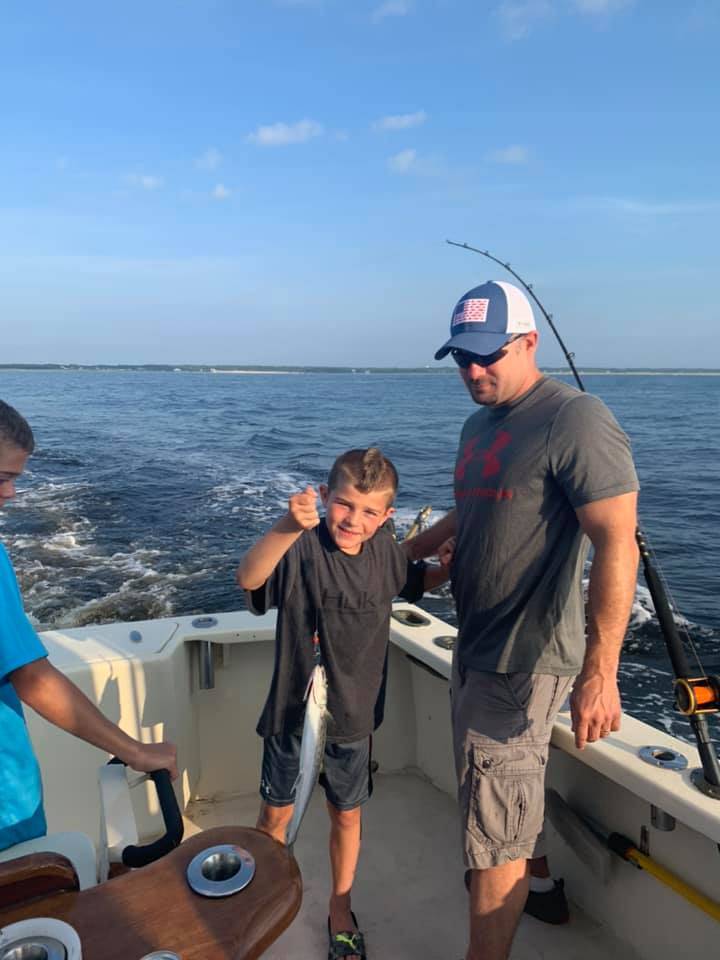
Captain Phillips knows these waters like the back of his hand, and he'll put you on fish from the moment those first lines hit the water. The beauty of this trip is the variety – one minute you might be battling a screaming King Mackerel, the next you could be wrestling with a stubborn Cobia or watching a colorful Mahi light up as it comes to the boat. The crew runs both nearshore and offshore depending on conditions and where the fish are biting best. You'll cruise along beautiful coastline, and don't be surprised if you spot dolphins playing in the wake or sea turtles cruising by. The action tends to be pretty consistent once we find the right water temperature breaks and structure where these species like to hang out. Captain Phillips and his crew keep things fun and relaxed while making sure everyone gets their shot at hooking up.
Trolling Tactics and Gear
This charter is all about trolling, which means we'll be covering water and pulling lures behind the boat at various speeds to trigger strikes from predatory fish. The crew has all the tackle dialed in – from high-speed wahoo rigs to slower presentations for Cobia and Amberjack around structure. They'll run a spread of different lures and baits, adjusting colors, depths, and speeds based on what's working that day. You don't need to bring anything except sunscreen and a good attitude – all rods, reels, tackle, and bait are provided. The boat is rigged with quality gear that can handle everything from smaller Spanish Mackerel to big Kings and hard-fighting Amberjack. When fish are located, the crew will coach you through the fight and make sure you get great photos of your catch. Live bait is used when conditions are right, giving you the best shot at hooking into something memorable.
What Anglers Are Saying
"My husband and the guys he took with him had a wonderful time!! The experience was great and he will definitely book another trip!" - Susan
"Our family of 6 (our adult kids and their girlfriend & boyfriend) all had a great time! Action was pretty much non- stop from the time the first line was dropped in the water! Great boat and both Captain Brandon and his first mate were Fantastic. We enjoyed our catch that evening at a local restaurant and then also two days later when we cooked them up at home. Great trip!" - Tracey
"Had a great time on the Tail Chaser with Brandon & Dave!! Great weather and beautiful views of the coastline. Caught some fish and saw some dolphins and sea turtles too. Highly recommend this professional crew!" - Molly
Top Catches This Season
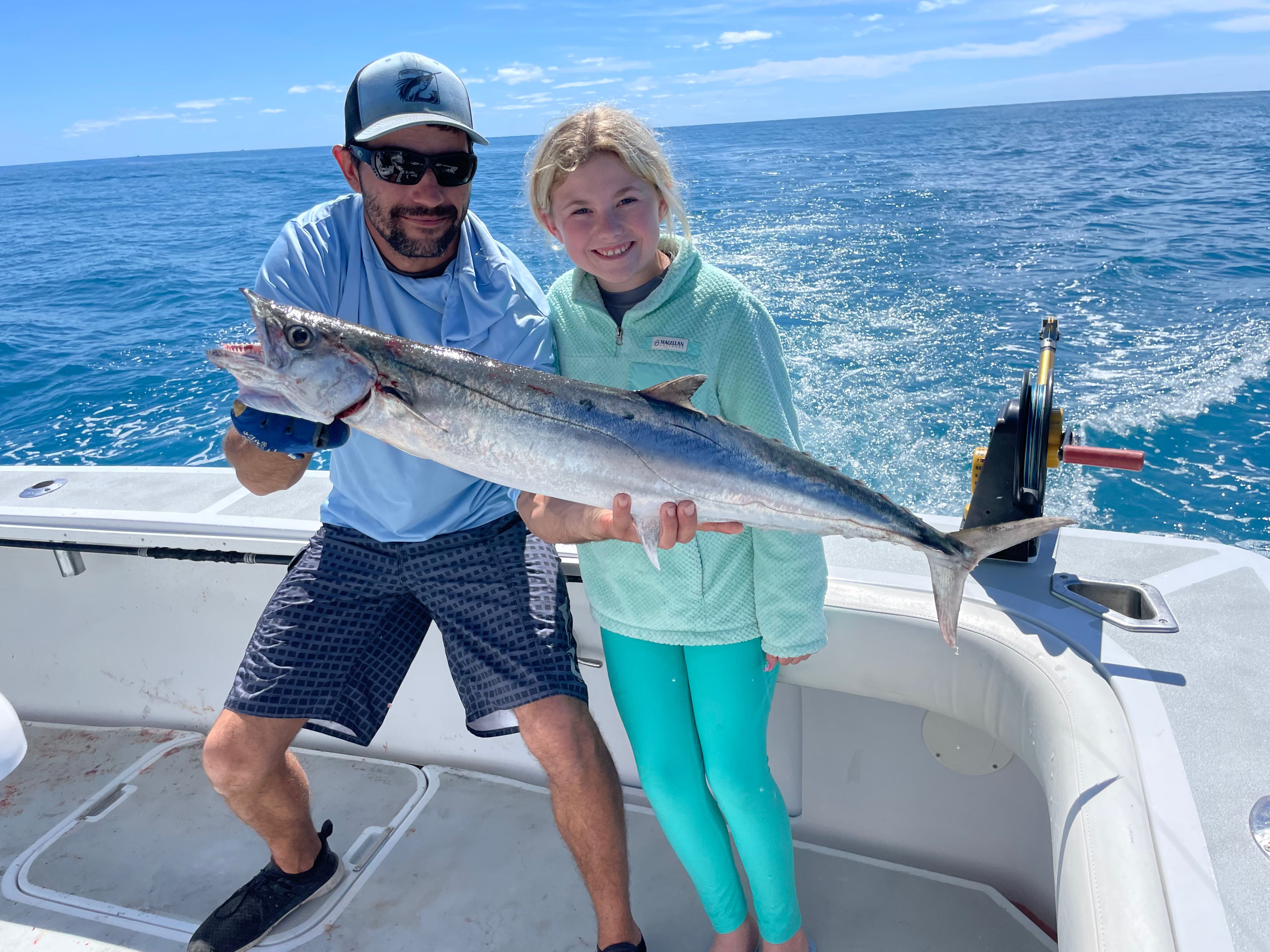
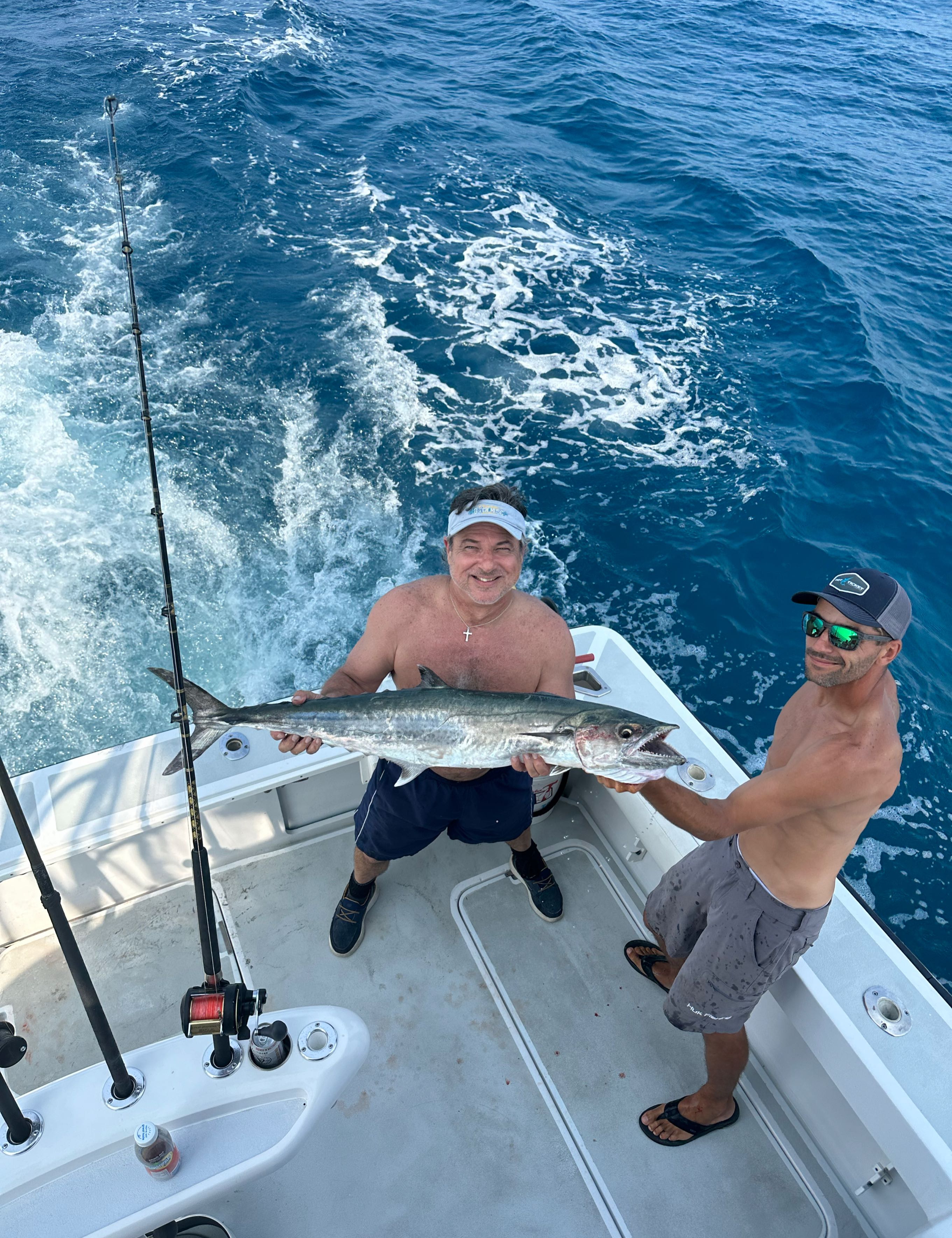
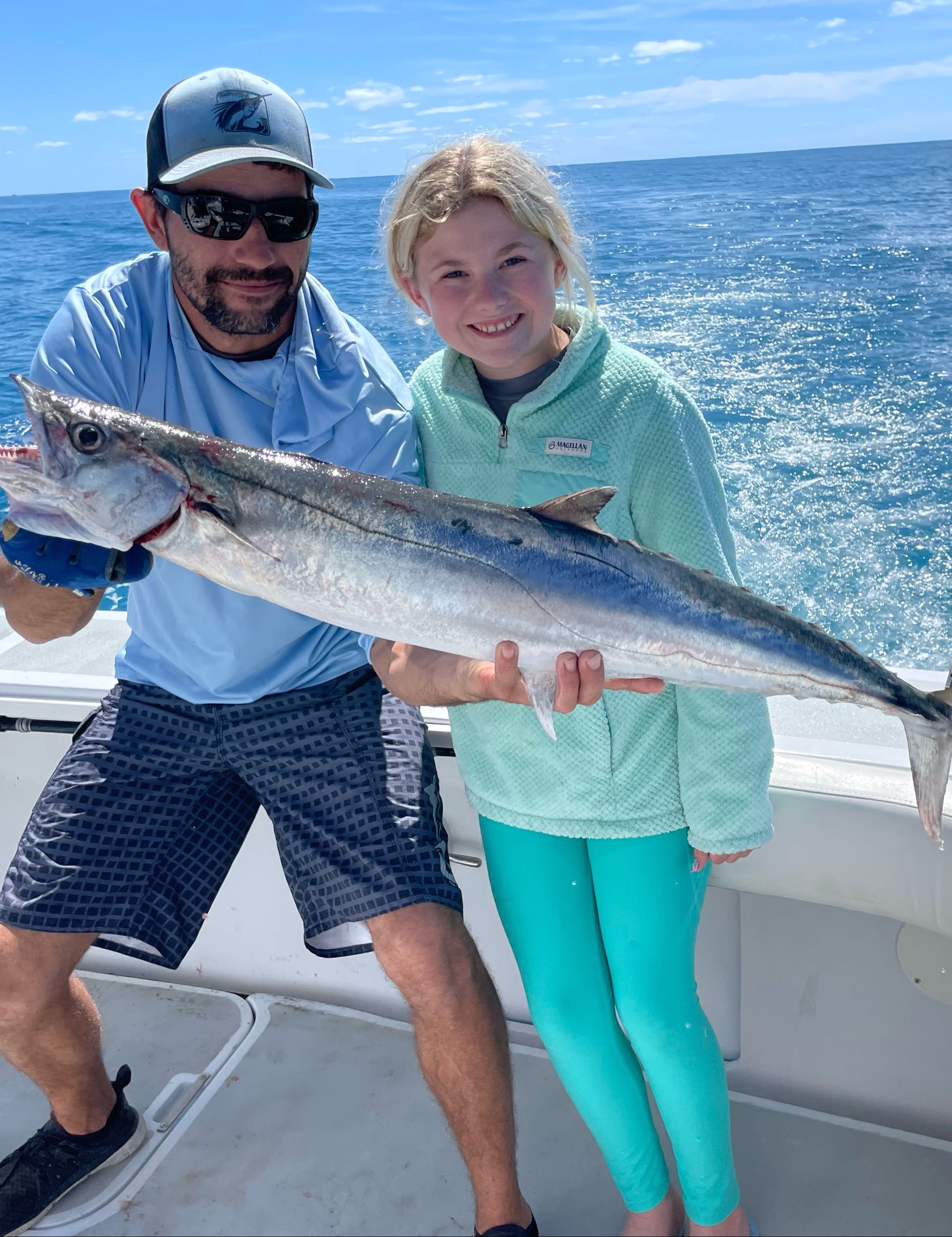
King Mackerel are the crown jewel of this fishery and for good reason. These silver rockets can stretch over three feet long and put up an absolutely blistering fight when hooked. Kings are most active during warmer months and love to cruise along temperature breaks and structure edges. When one hits your trolled bait, you'll know it instantly – they make scorching runs that will test your drag and your arms. The crew knows exactly where to find them based on water temperature, bait movements, and seasonal patterns. Landing a good-sized King Mackerel is something every angler should experience at least once.
Mahi Mahi bring the color and acrobatics to your fishing day. These beautiful fish light up in brilliant greens, blues, and yellows when excited, and they're absolute aerial artists when hooked. Mahi are typically found around floating debris, weed lines, or temperature breaks in the offshore waters. They're curious fish that often travel in schools, so when you hook one, there's a good chance more are nearby. Bulls can reach impressive sizes and provide arm-burning fights, while the smaller schoolies are perfect for non-stop action. They're also fantastic table fare, making them a favorite target for both sport and the dinner table.
Cobia are the bruisers of this bunch – thick-bodied, powerful fish that will test your tackle and your technique. These brown sharks-looking fish are incredibly strong and have a habit of making long, determined runs toward structure when hooked. They're often found around wrecks, buoys, or cruising near the surface, and they can be surprisingly curious about the boat. Cobia are excellent eating and can grow quite large, with fish over 40 pounds not uncommon in these waters. They're most active during spring and fall migrations, making them a premier target during peak seasons.
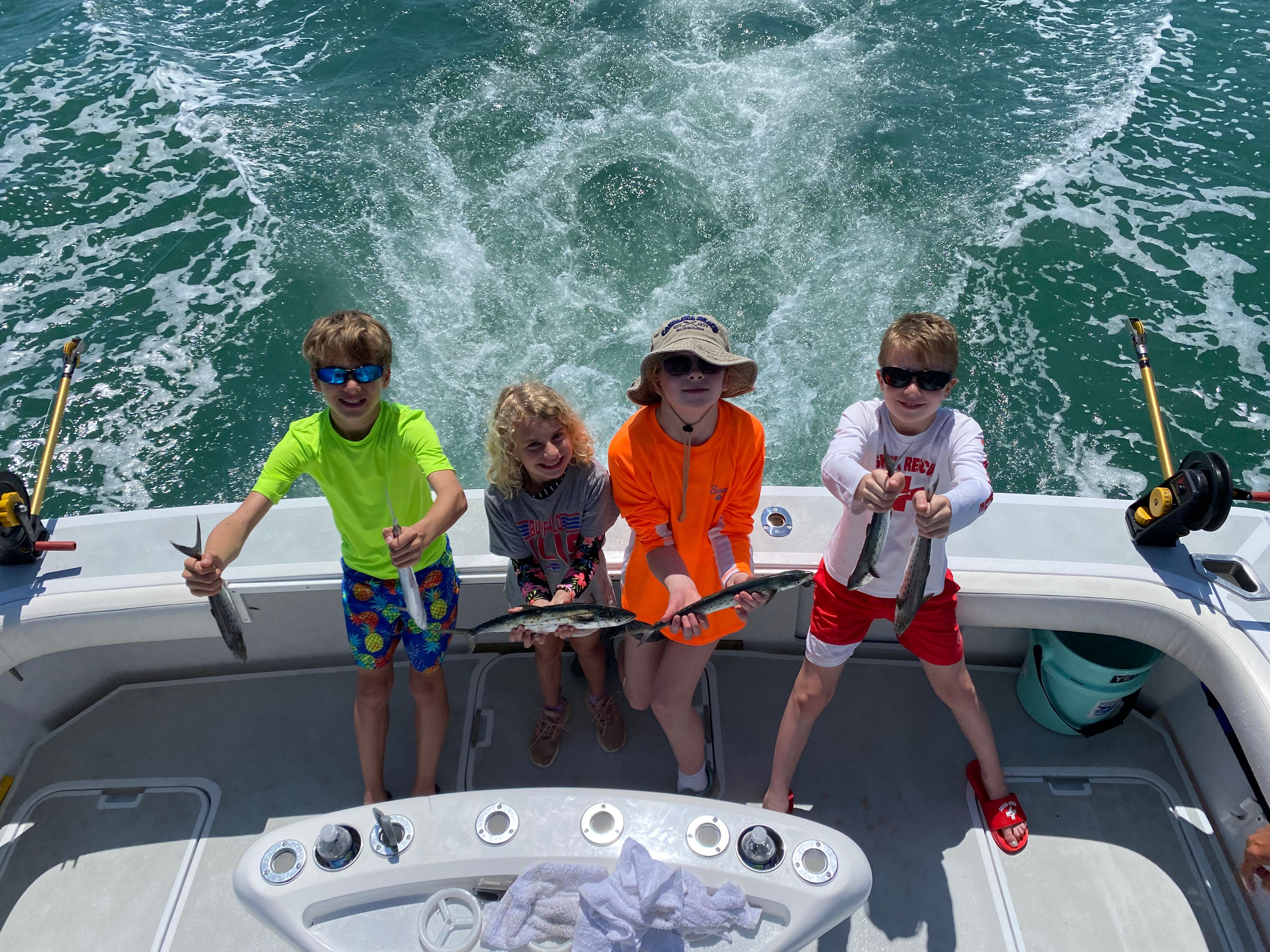
Spanish Mackerel might be smaller than their King cousins, but they make up for it with sheer numbers and eating quality. These chrome-sided speedsters are perfect for getting kids and beginners hooked on fishing, as they bite aggressively and are found in good numbers during their peak seasons. Spanish Mackerel school up and feed heavily on small baitfish, making them ideal targets for light tackle trolling. They're also some of the best eating fish in the ocean when prepared fresh, with firm white meat that's perfect for grilling or making fish cakes.
Bluefish are the ultimate aggressive predators, known for their voracious appetites and willingness to attack anything that moves. These toothy
 4.0(4 Reviews)
 4.0(4 reviews)
 Private Trip
 Offshore Fishing
 Carolina Beach, NC


 Nearshore and offshore trolling for multiple fish species