12-Hour Gulfstream Expedition from Ponce Inlet
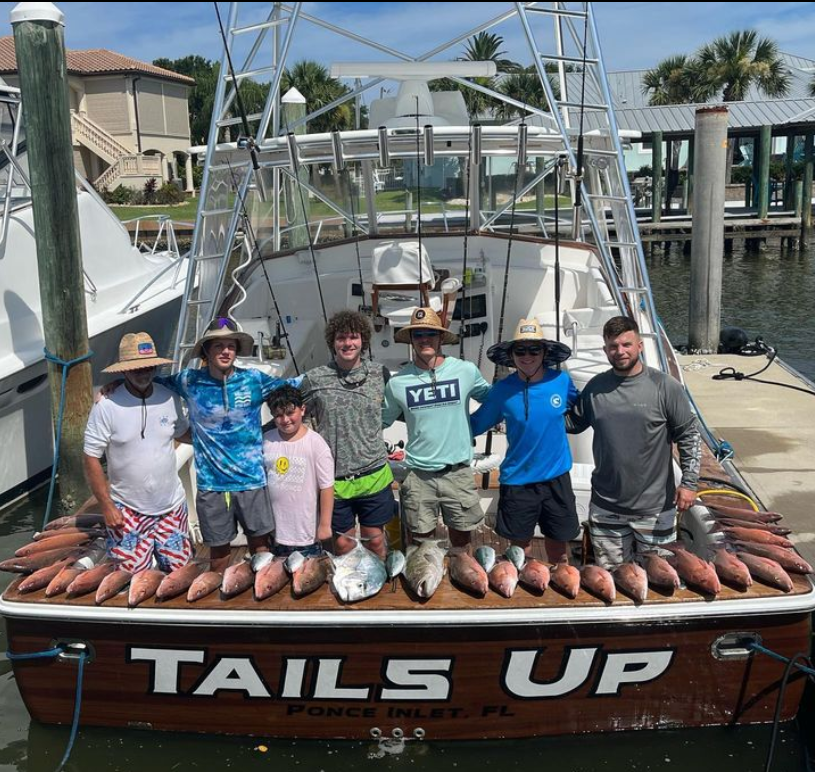
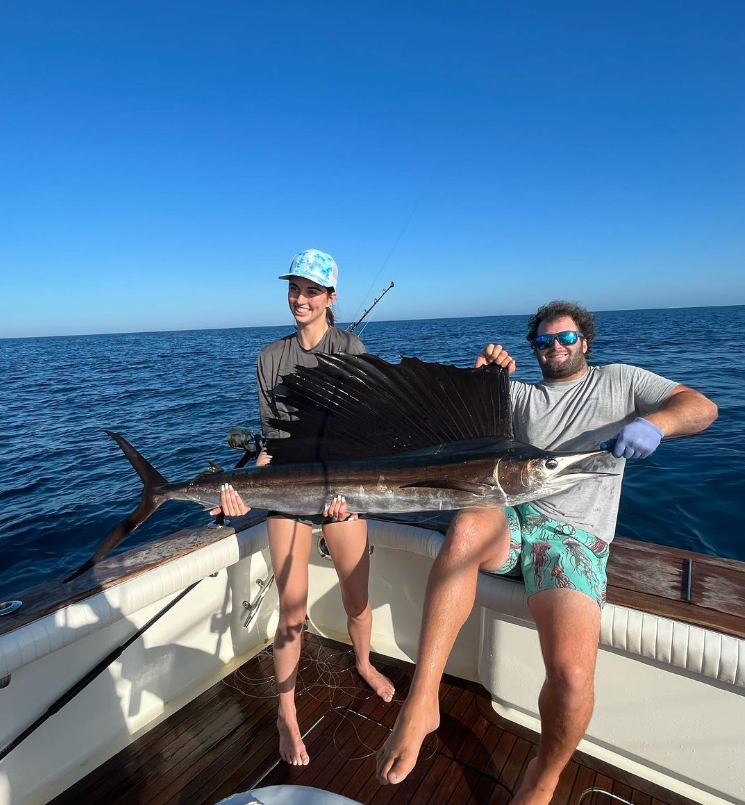
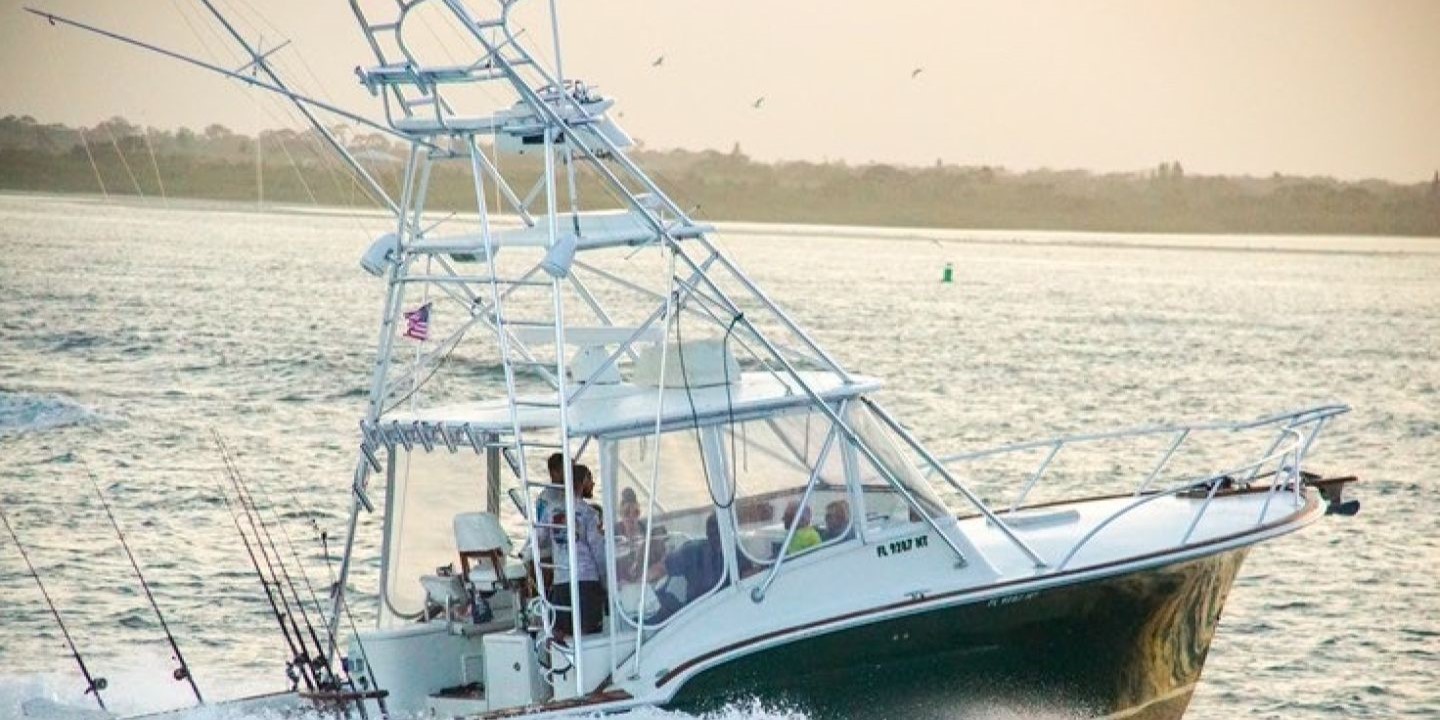
Looking for a serious offshore fishing adventure? This 12-hour deep water charter with Tails Up Charters takes you 40 to 70 miles out into the Gulf Stream, where the big fish live. We're talking about a full day on the water targeting some of Florida's most prized gamefish – from acrobatic mahi-mahi to lightning-fast wahoo and maybe even a blue marlin if you're lucky. With room for up to 6 anglers, this trip is perfect for dedicated fishing crews who want to get away from the crowds and into waters where anything can happen.
What to Expect on the Water
This isn't your typical half-day fishing trip. When you book a 12-hour Gulfstream expedition, you're committing to a serious day of fishing that starts before sunrise and ends well after most boats have called it quits. The run out to the fishing grounds takes about 2 hours, which gives you time to rig up, get your sea legs, and watch the coastline disappear behind you. Once we hit the blue water and find the right temperature breaks, current edges, and weed lines, it's game on. The Gulf Stream off Ponce Inlet is legendary for holding big pelagic species, and with 8+ hours of actual fishing time, you'll have plenty of opportunities to put something memorable in the boat. Fair warning though – bring your own food and drinks because meals aren't included, and you'll definitely work up an appetite out there.
Trolling Tactics & Techniques
Out in the Gulf Stream, trolling is king. We'll be pulling a spread of baits and lures behind the boat at different depths and distances to cover as much water as possible. Expect to see ballyhoo rigged on circle hooks, cedar plugs, diving plugs, and maybe some big skirted lures for the toothy critters. The captain will adjust speeds based on what we're targeting – slower for sailfish and marlin, faster when the wahoo are biting. Don't worry if you've never fished these waters before; the crew will handle the technical stuff like setting the outriggers, adjusting the drag, and clearing lines when something hits. Your job is to hang on tight when that reel starts screaming. Circle hooks are the standard out here for most species, so remember to just wind tight instead of setting the hook hard like you would with a bass.
Top Catches This Season
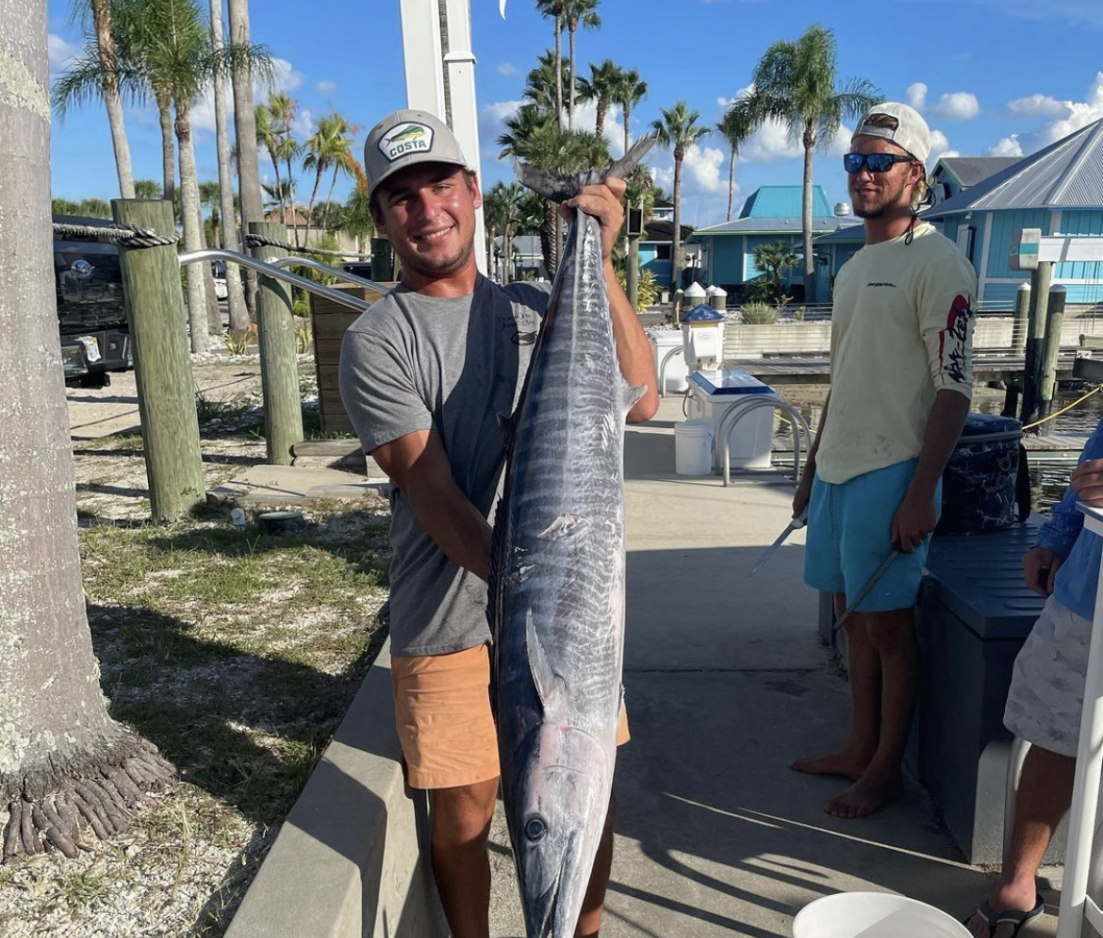
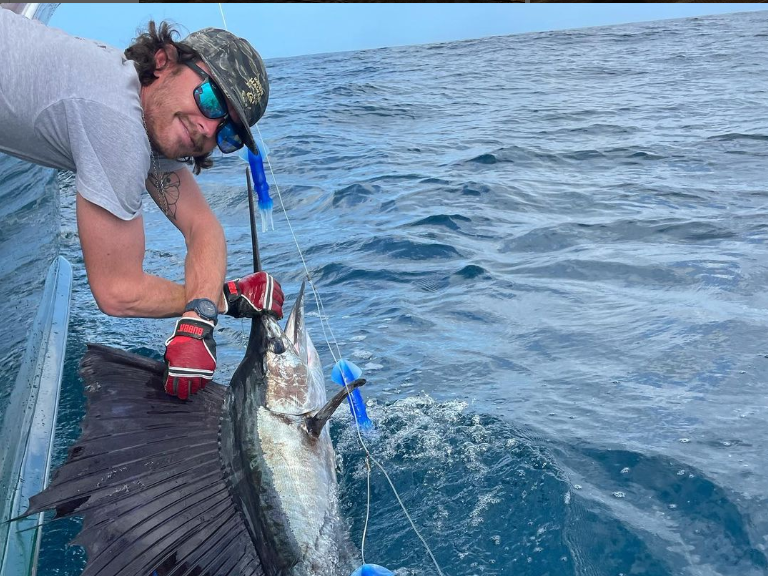
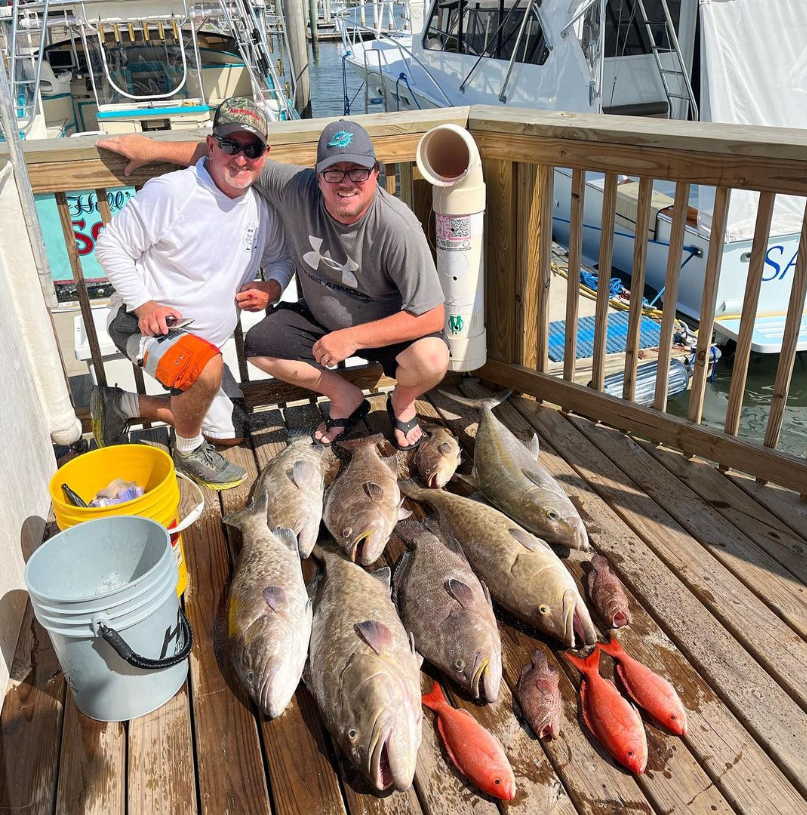
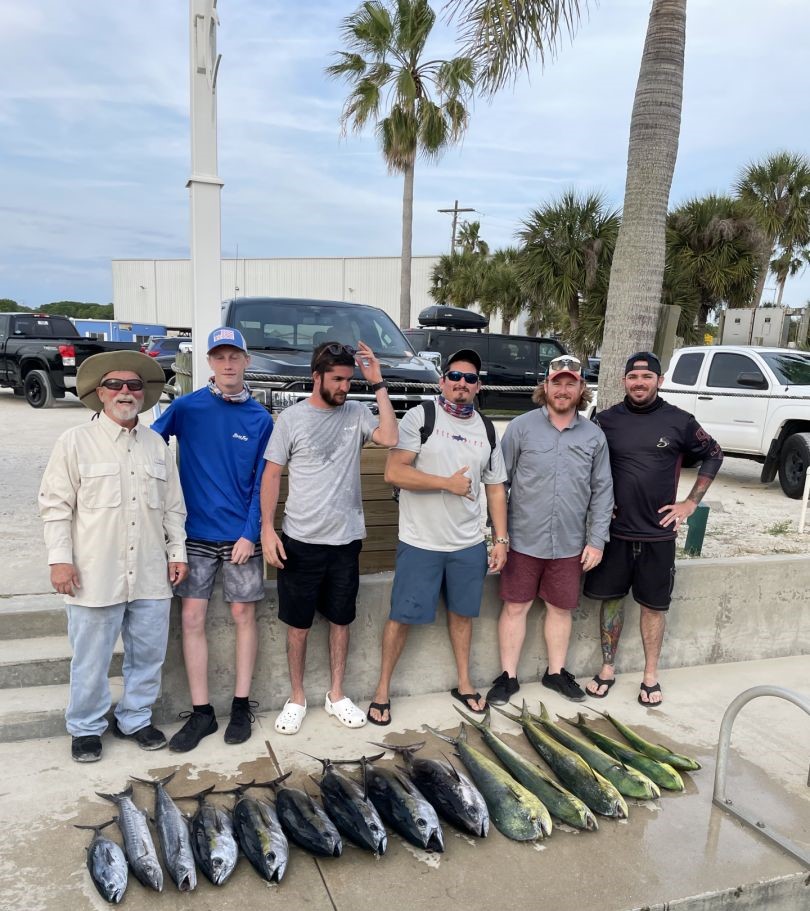
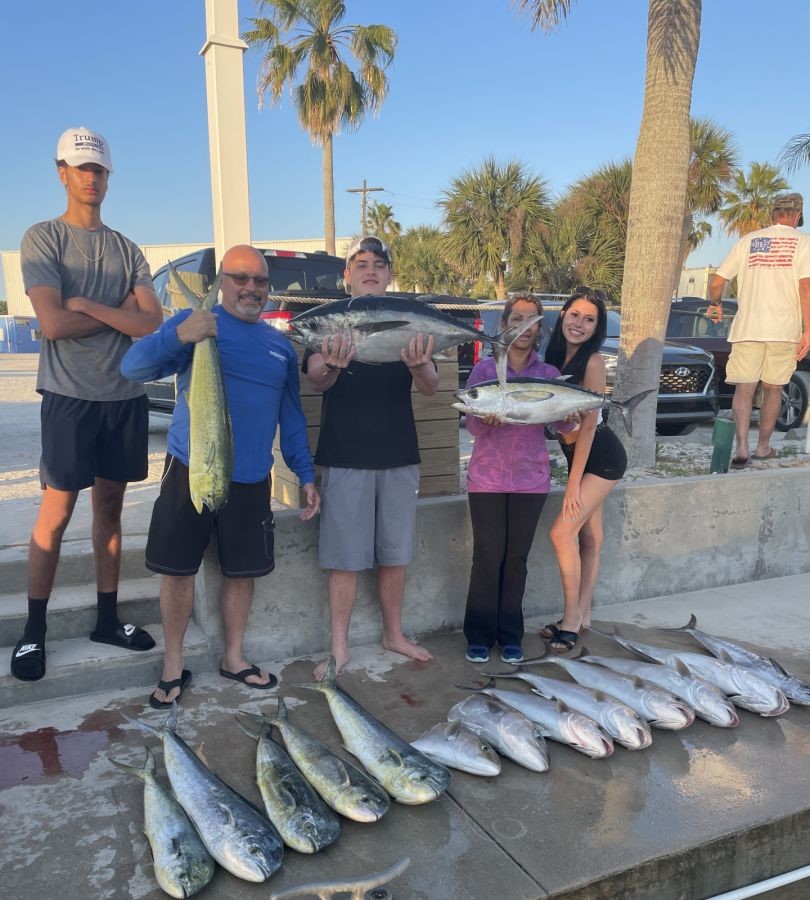
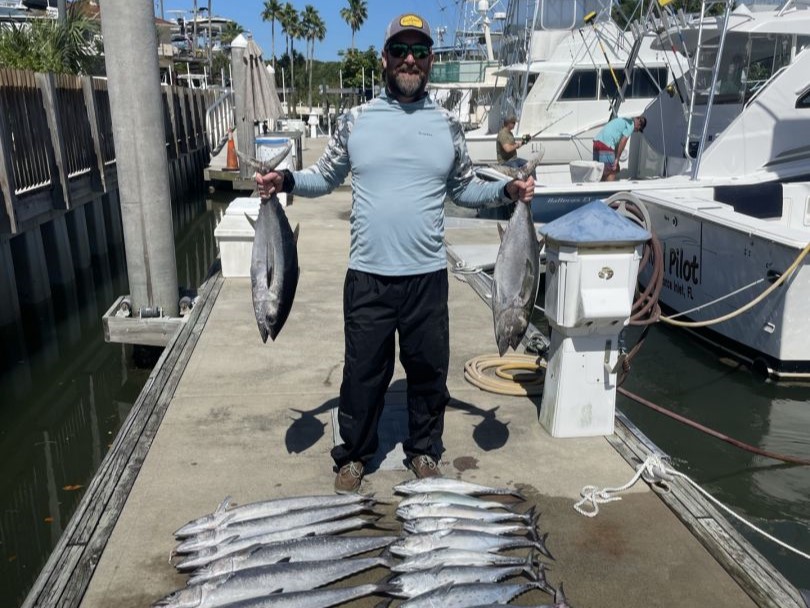
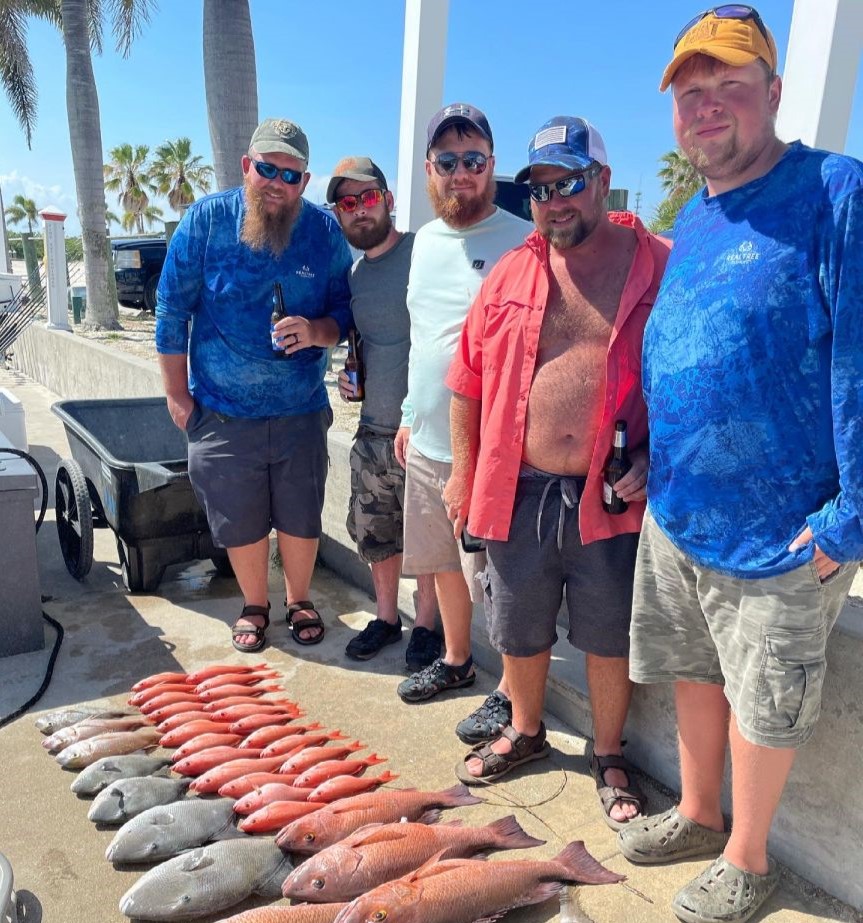
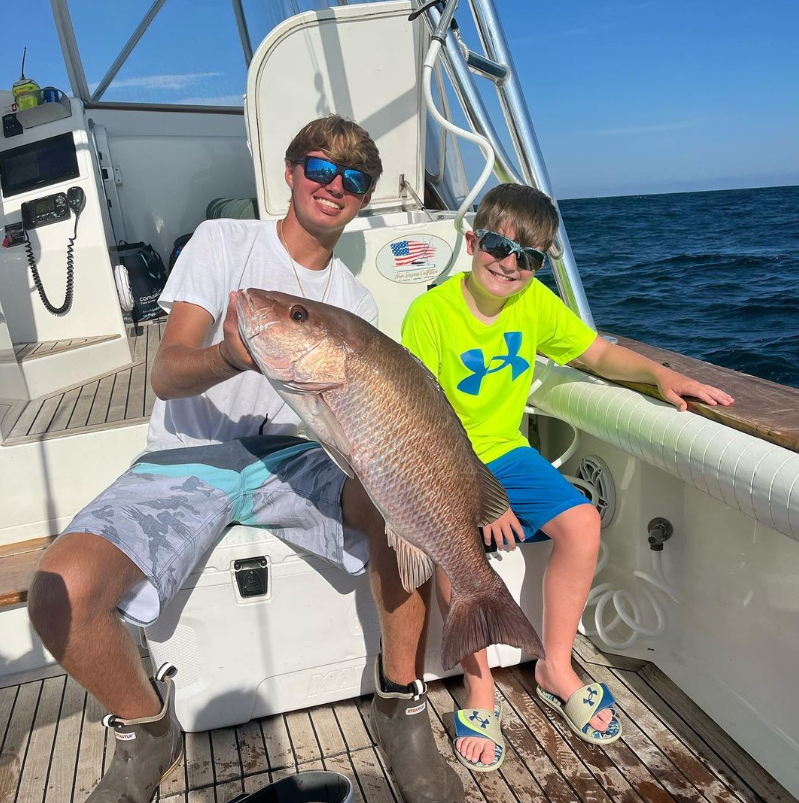
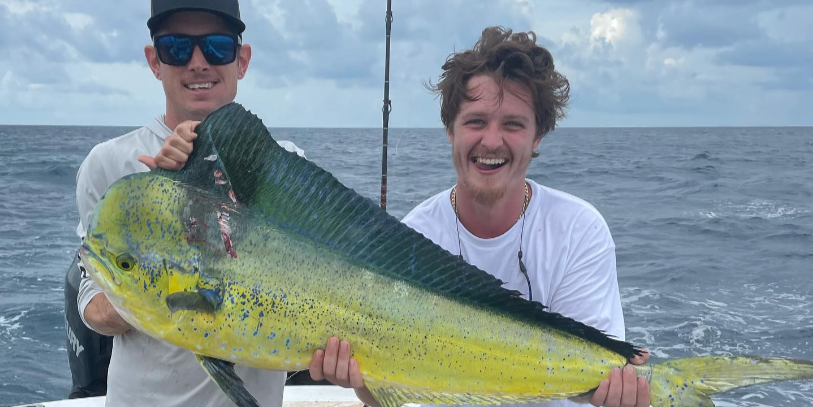
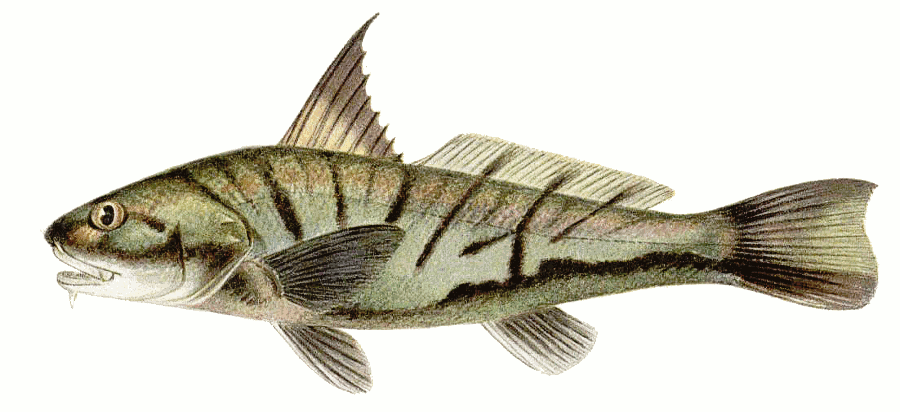
The Gulf Stream off Ponce Inlet consistently produces some of the best offshore fishing on the East Coast. Northern kingfish, or king mackerel as most folks call them, are absolute speed demons that'll test your drag and your stamina. These silver bullets typically run 15-30 pounds but can push 40+ during peak season from fall through early spring. What makes them so exciting is their initial run – they'll peel line off your reel like it's on fire. Blackfin tuna are another favorite, especially for anglers who appreciate a fish that fights way above its weight class. Most blackfins here run 10-25 pounds, but they're pure muscle and will give you a workout on medium tackle. They're also some of the best eating fish in the ocean if you ask me. Blue marlin are the holy grail – these apex predators can show up any time from late spring through fall, with fish ranging from 100-pound juveniles to true giants over 400 pounds. Even releasing a small marlin is a life-changing experience for most anglers. Mahi-mahi, or dolphin fish, are probably the most fun fish in the ocean pound for pound. They're absolutely gorgeous with those electric colors, they jump like crazy when hooked, and they often travel in schools so where there's one, there's usually more. Most mahi out here run 10-30 pounds, with bulls occasionally pushing 40. Wahoo are the speed kings of the deep – these torpedo-shaped predators can hit 60 mph and will smoke your drag faster than almost any fish in the ocean. They've got razor-sharp teeth and attitude to match, plus they're fantastic on the dinner table.
Time to Book Your Spot
A 12-hour Gulf Stream expedition isn't something you do every weekend, but it's exactly the kind of trip that creates fishing stories you'll tell for years. With Tails Up Charters, you're getting access to some of the most productive offshore waters on the East Coast, along with the local knowledge that makes the difference between a good day and an epic day. Whether you're chasing your first marlin, looking to load up on mahi for the freezer, or just want to experience what big-game fishing is all about, this trip delivers. The boat handles 6 anglers comfortably, so grab your crew and get ready for a day on the water you won't forget. Just remember to bring plenty of food, drinks, and sunscreen – 12 hours in the Florida sun is no joke, but it's absolutely worth it when the fish are biting.
 Private Trip
 Offshore Fishing
 Ponce Inlet, FL



 12-hour offshore expedition targeting 40-70 miles from shore