Key West Mixed Bag Fishing: 6-Hour Charter
Looking for a fishing trip that keeps you guessing? Our 6-hour mixed bag charter out of Key West is exactly what you need. We're talking about hitting multiple spots, switching up techniques, and targeting everything from hard-fighting tarpon to sneaky snook. This isn't your typical "sit and wait" kind of fishing – we're constantly moving, adapting, and chasing whatever's biting. With just one angler on board, you get my full attention and the flexibility to really dial in on the species you're most excited about. Whether you're a seasoned angler or picking up a rod for the first time, we'll make sure you walk away with stories worth telling.
What to Expect on the Water
This top-rated charter starts early when the fish are most active and the Key West flats are still calm. We'll hit a variety of spots – shallow grass flats for snook and tarpon, deeper channels for mutton snapper, and structure areas where barracuda and sharks patrol. The beauty of a mixed bag trip is that we're not locked into one style of fishing. One minute you might be sight-casting to a laid-up tarpon, the next you're dropping bait near a channel edge waiting for that telltale tap of a snapper. I keep multiple rods rigged and ready because opportunities come and go fast out here. The flats around Key West change throughout the day – tide, wind, and sun angle all play a part in where fish will be holding. That's where experience comes in, and after years of working these waters, I know how to put you on fish when conditions shift.
Techniques and Tackle Setup
We'll be running a mix of live bait, artificials, and cut bait depending on what we're targeting. For the tarpon and snook, live pilchards and mullet are hard to beat, especially when we're working the edges of grass beds or around structure. The barracuda respond well to flashy spoons and fast-moving plugs – they're aggressive feeders and the strike is always explosive. For the snappers, we'll drop fresh cut bait or live shrimp near ledges and rock piles where they like to hang out. Shark fishing means switching to heavier tackle and circle hooks with chunk baits. I provide all the gear, from light spinning setups for the finesse work to conventional reels with enough backbone for the big boys. The boat is rigged with a good fish finder, live well for keeping bait fresh, and enough rod holders to keep multiple lines working when the situation calls for it. We'll adjust our approach based on what the fish are telling us – that's the key to consistently productive mixed bag fishing.
Target Species Breakdown
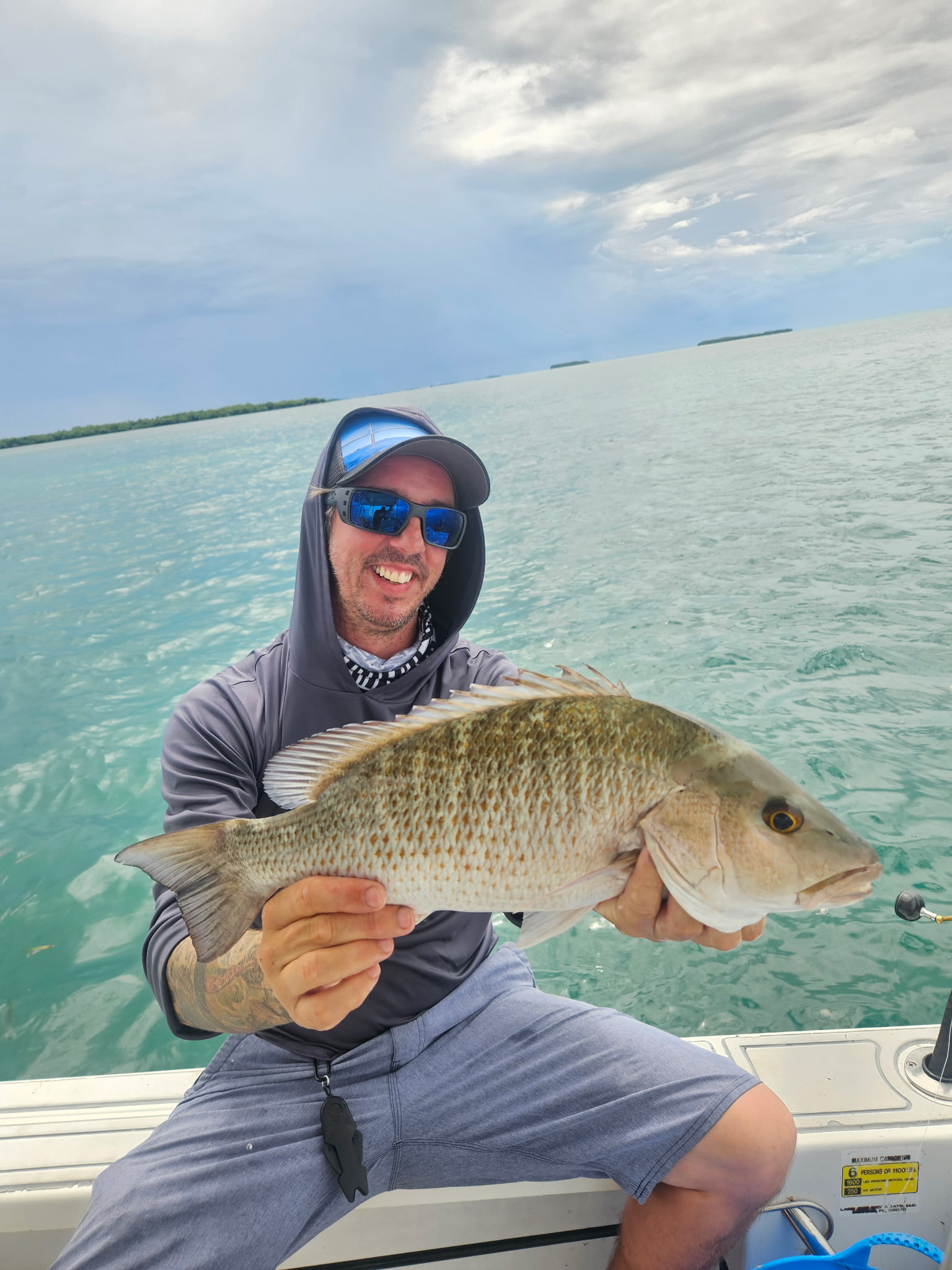
Mutton snapper are one of the most sought-after fish in Key West waters, and for good reason. These deep-bodied fighters typically run 3-8 pounds around here, with the occasional teenager pushing double digits. They're structure-oriented fish, hanging around coral heads, ledges, and rocky bottom in 15-40 feet of water. Spring and summer are prime time when they're feeding heavily before spawning season. What makes muttons special is their combination of fight and table fare – they'll make screaming runs toward structure, trying to cut you off, then reward your efforts with some of the best eating fish in these waters. The key is getting your bait to them before the smaller snappers and grunts clean you out.
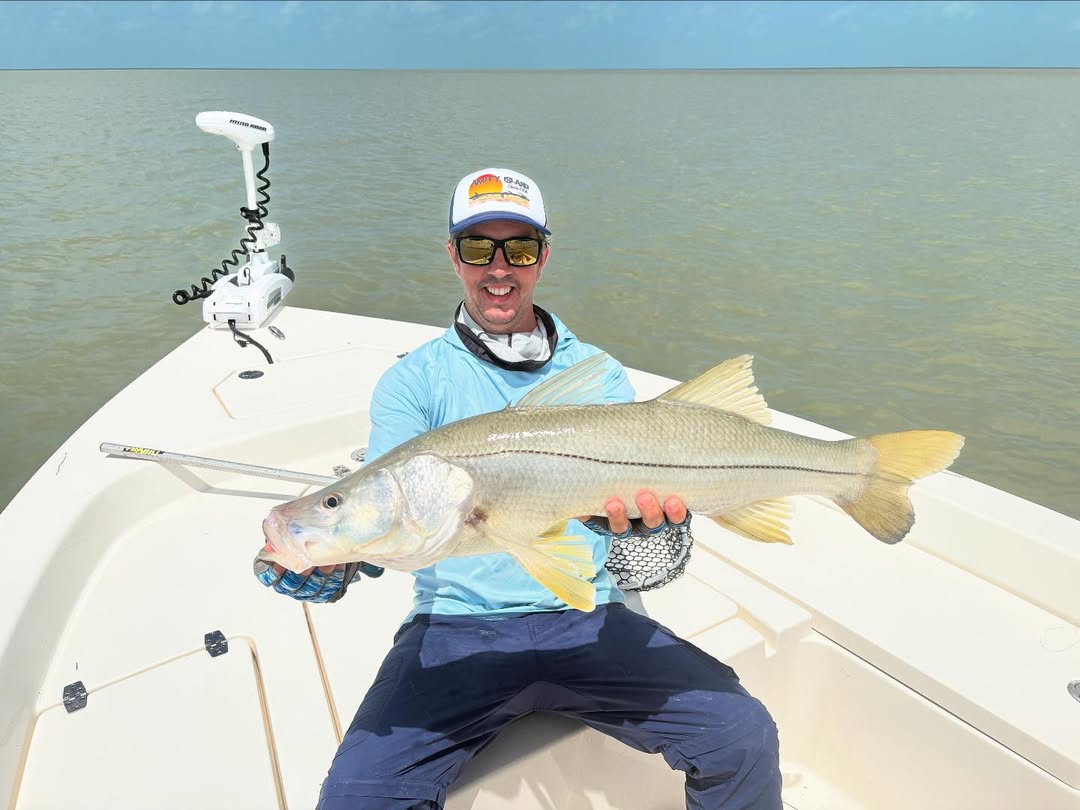
Snook fishing in Key West is world-class, especially around the mangrove shorelines and dock lights we'll be working. These ambush predators love structure and moving water, typically running 18-28 inches with the occasional slot-busting giant. They're most active during the warmer months when baitfish are thick, but we catch them year-round by adjusting our techniques. Snook have that classic gamefish attitude – hard strike, bulldogging runs, and they'll jump if you give them slack. They're also notorious for their gill-rattling head shakes and tendency to run straight back to cover. Live bait presented naturally near mangroves or under docks is deadly, but they'll also crush a well-placed artificial on the right day.
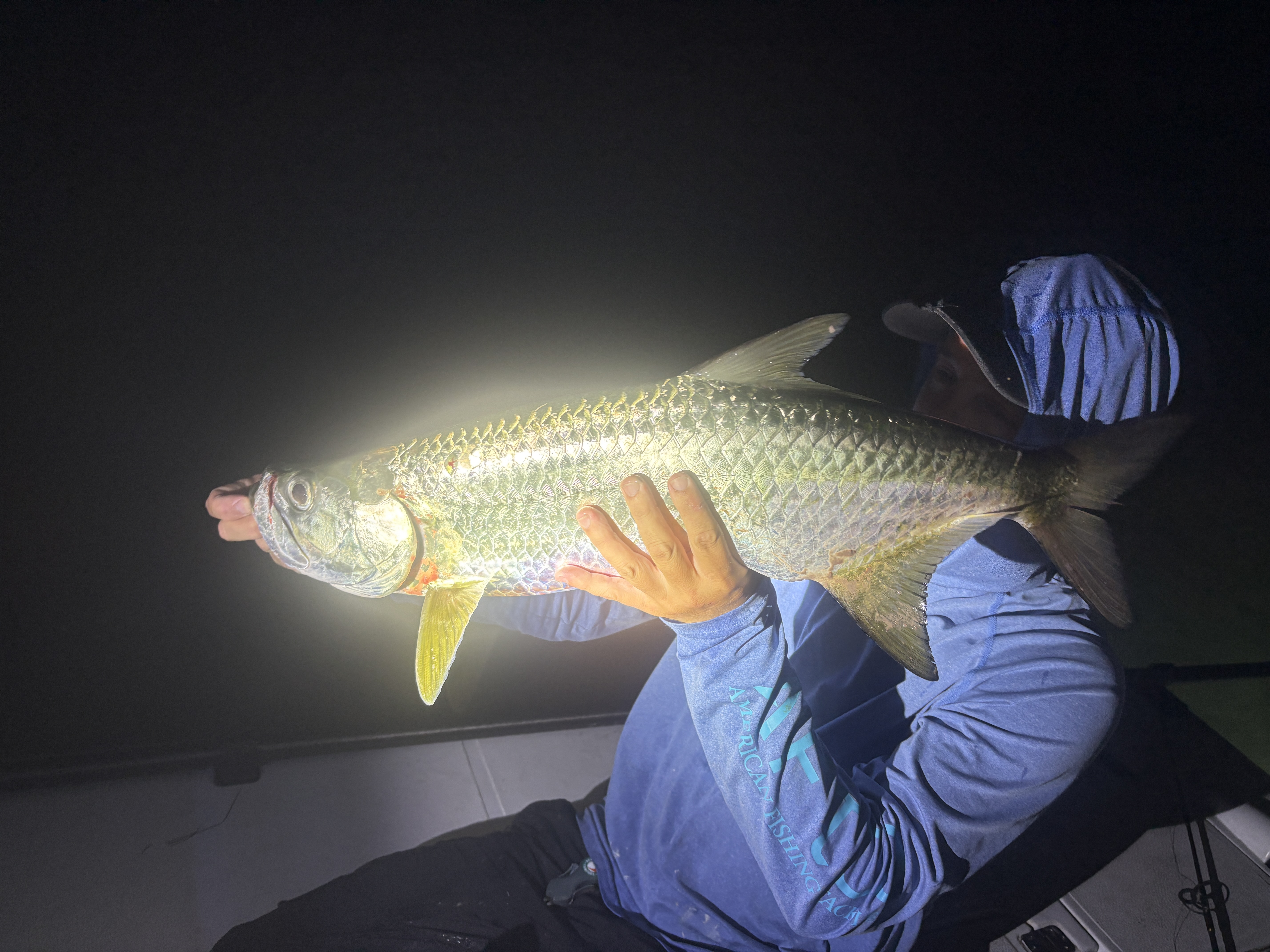
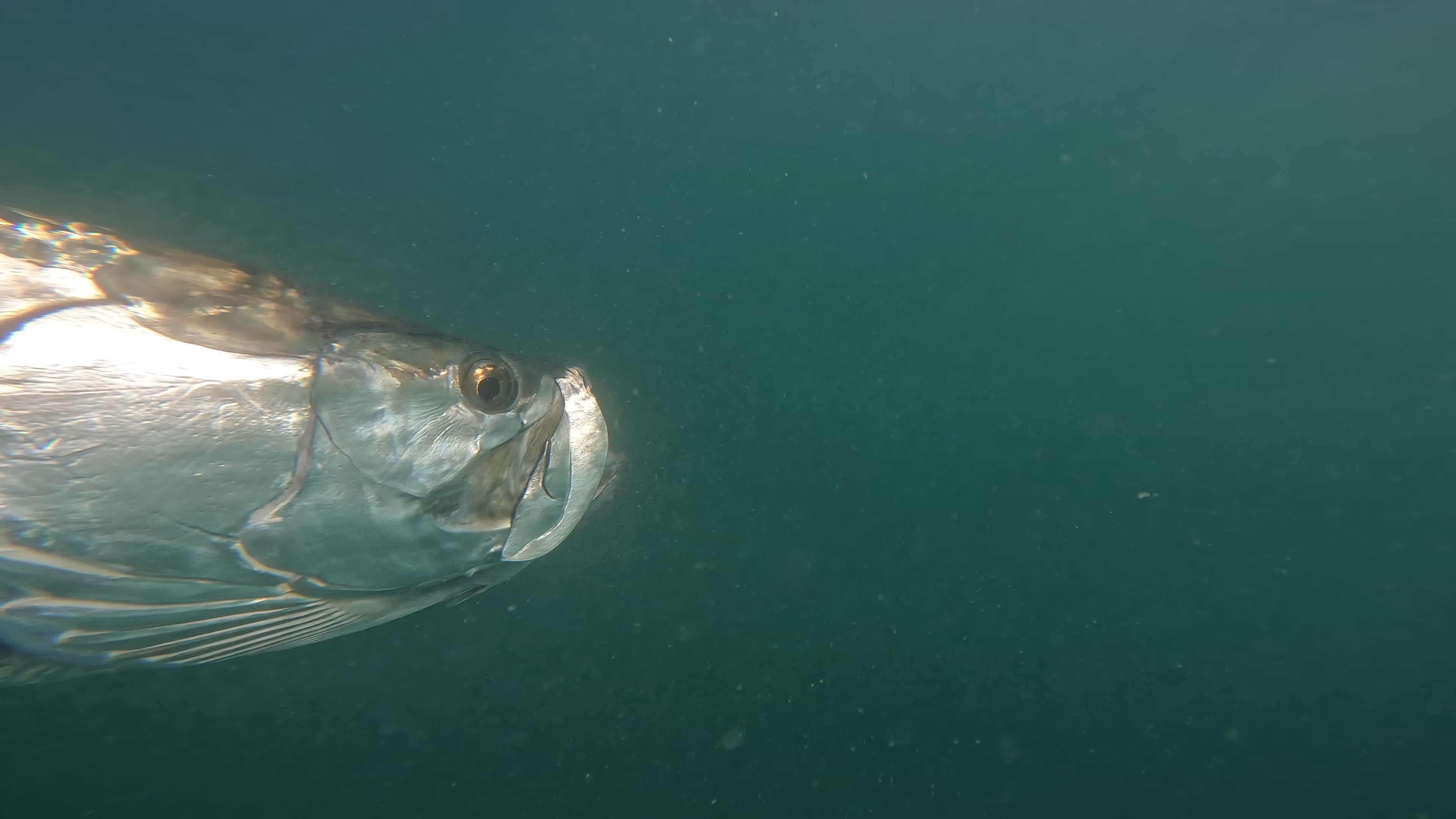
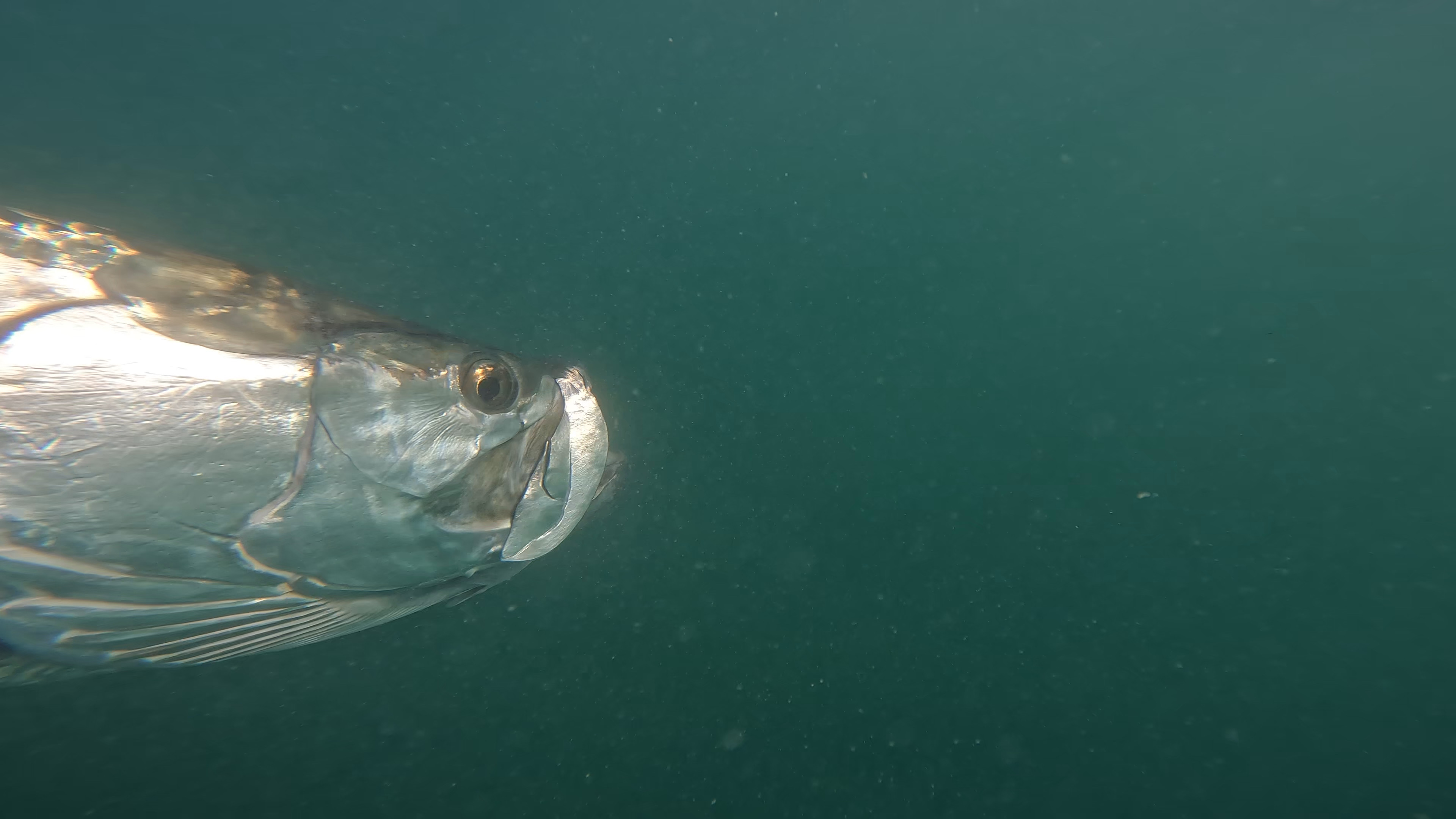
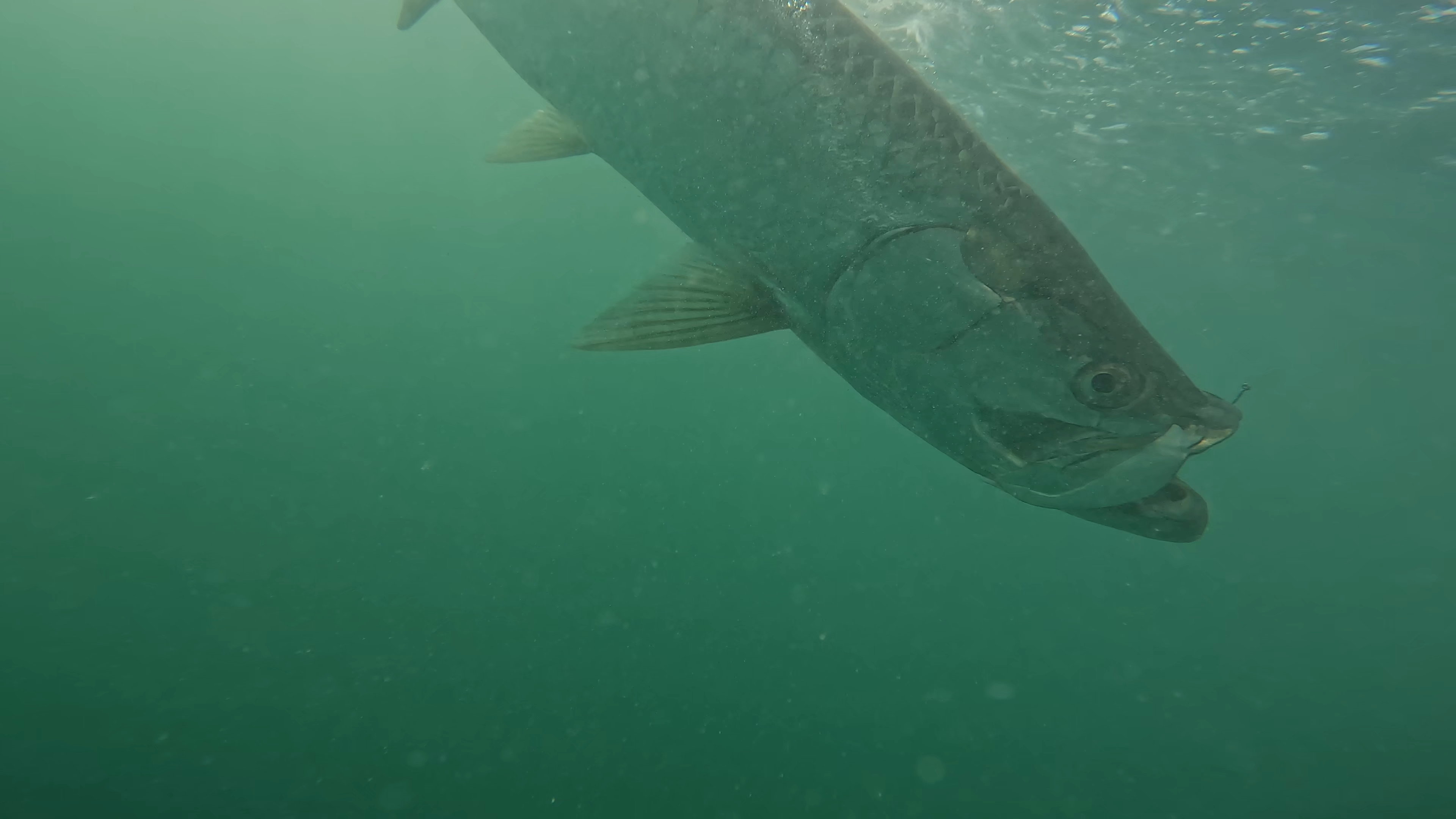
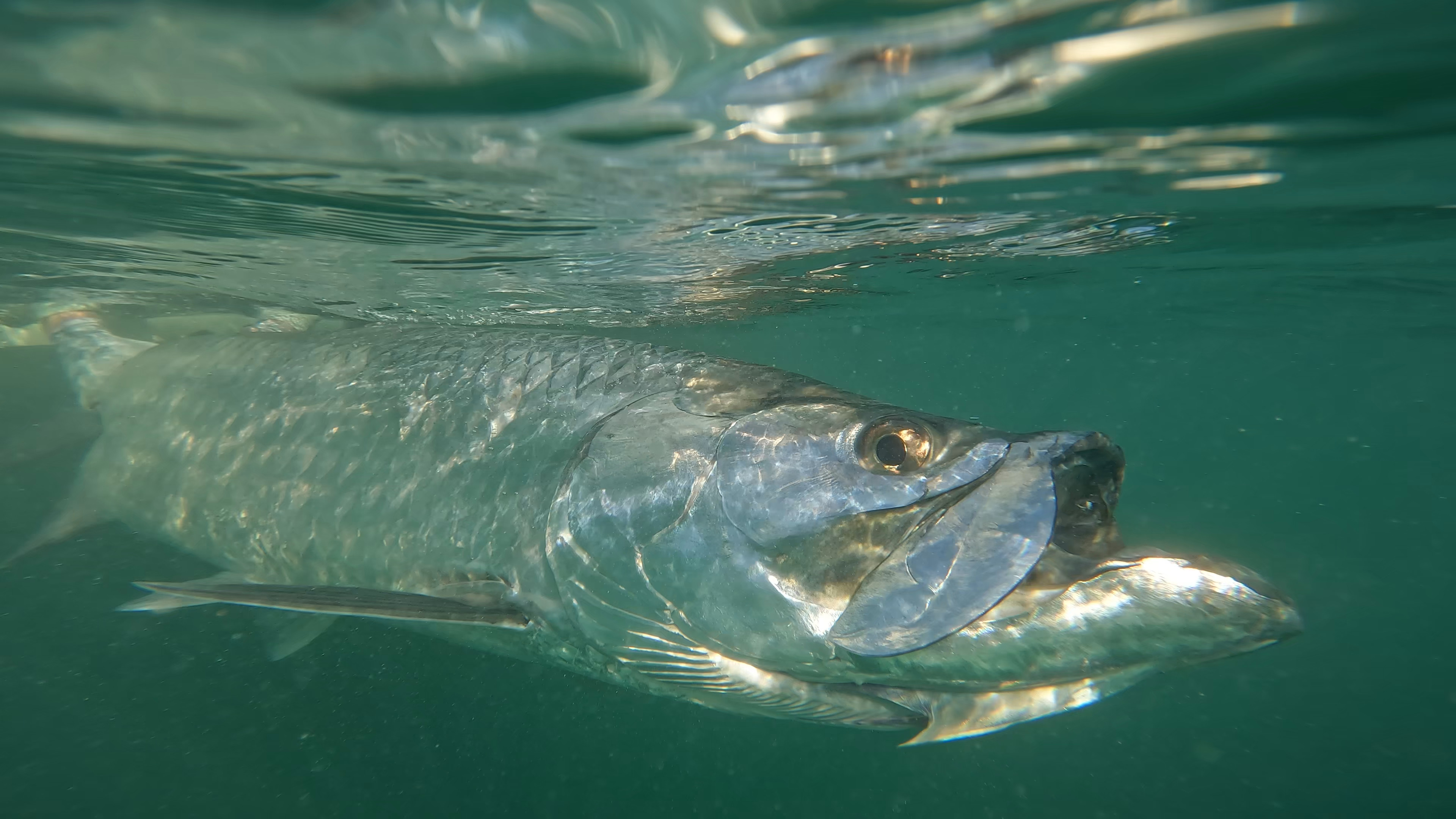
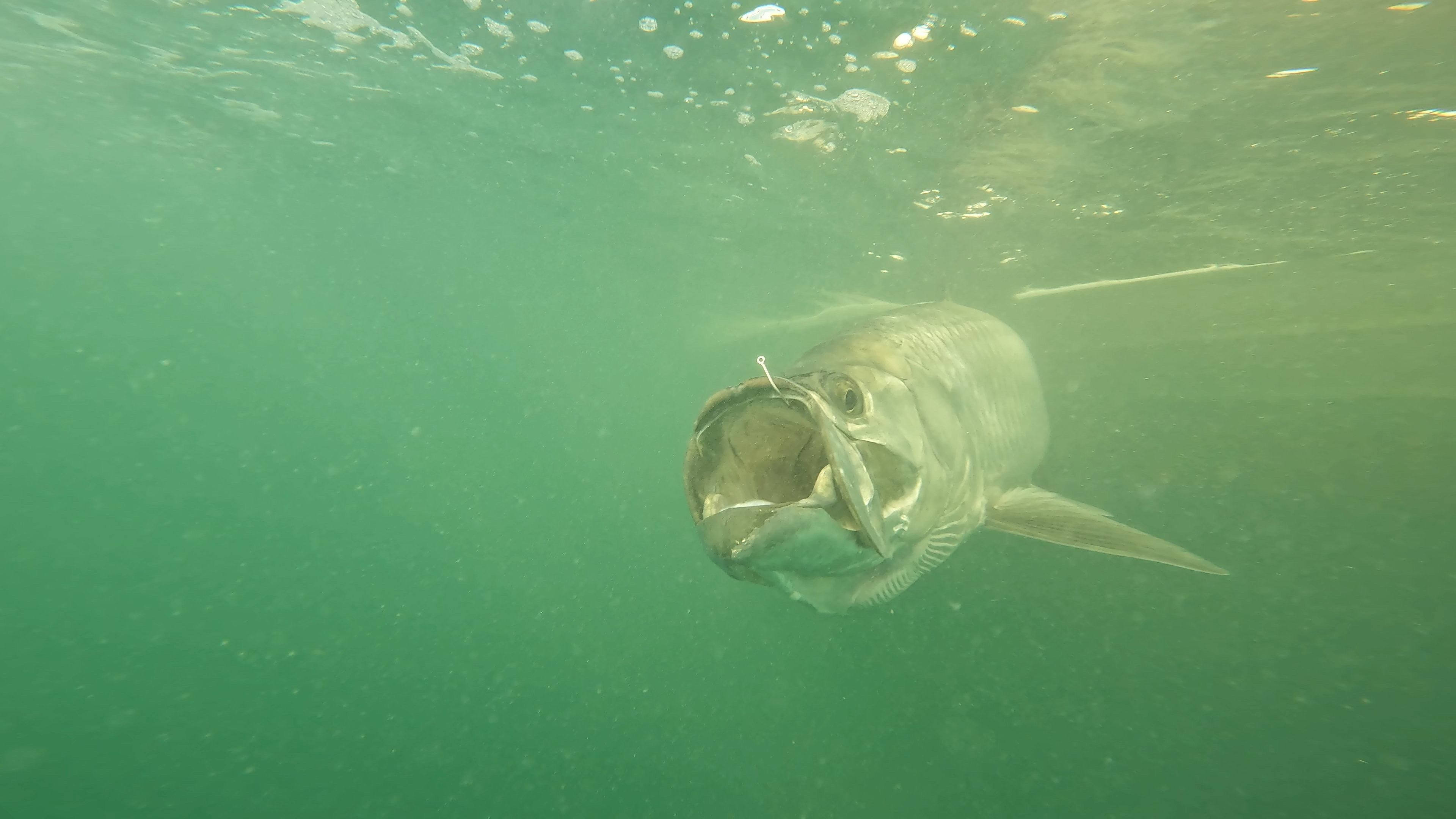
Tarpon are the reason many anglers make the pilgrimage to Key West. These silver kings range from juvenile fish in the 10-30 pound class up to giants exceeding 100 pounds, depending on the season and location. Peak season runs April through August when massive schools move through our waters, but resident fish provide action year-round. What sets tarpon apart is their aerial display – multiple jumps, gill-rattling head shakes, and runs that can peel line off even heavy tackle. They're prehistoric-looking fish with huge scales and that distinctive upturned mouth. Fighting a tarpon is like being connected to a silver torpedo that refuses to quit. Most anglers practice catch and release with these magnificent fish, making for great photos and even better memories.
Great barracuda are the speedsters of the flats, reaching lengths of 3-4 feet around Key West with razor-sharp teeth and attitude to match. They're sight predators that patrol shallow water looking for easy meals, making them perfect targets for both live bait and artificial lures. Barracuda strikes are explosive – they'll often hit a bait or lure so hard it sounds like a gunshot. Spring through fall offers the most consistent action when they're actively feeding in the shallows. What makes barracuda fishing exciting is their unpredictability – they might follow a lure for 50 feet before deciding to attack, or they might crush it the second it hits the water. Wire leaders are a must because those teeth will slice through monofilament without hesitation.
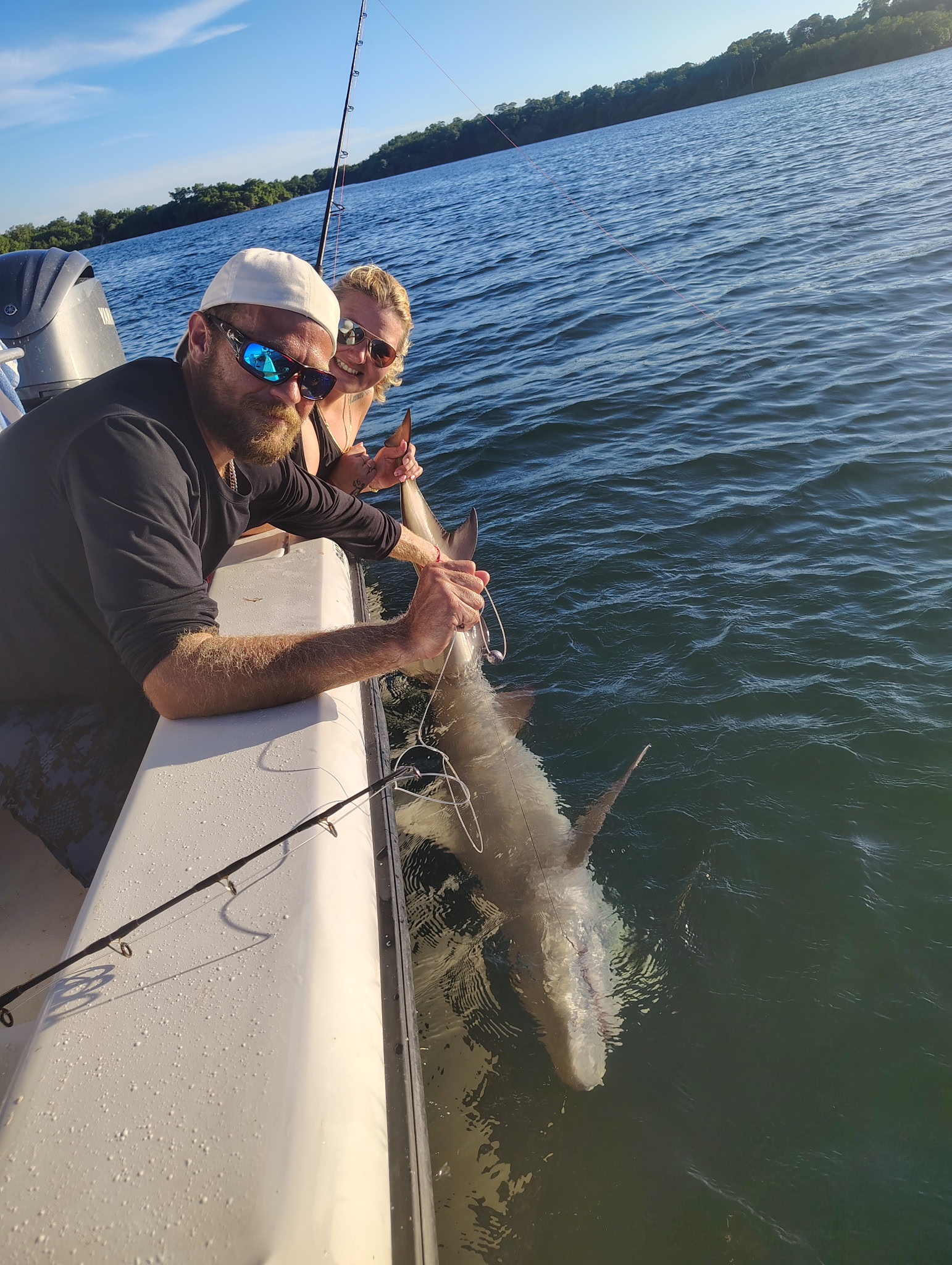
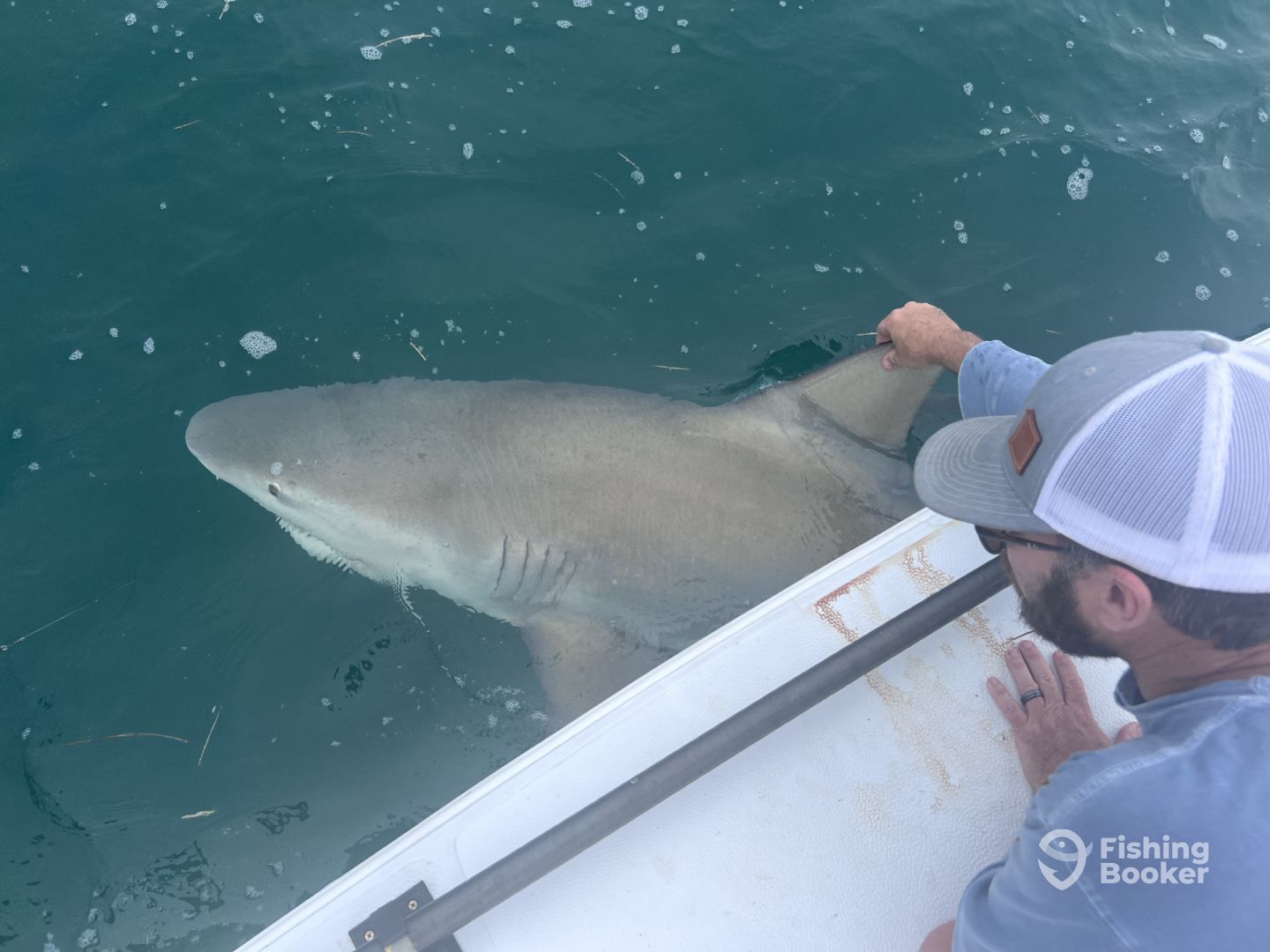
Blacktip sharks are regular visitors to Key West's shallow waters, especially during their winter migration when large schools pass through our area. These sleek predators typically run 20-50 pounds and are known for their spectacular jumps when hooked. They're aggressive feeders that respond well to both live and cut bait
 Private Trip
 Flats/Shallows Fishing
 Key West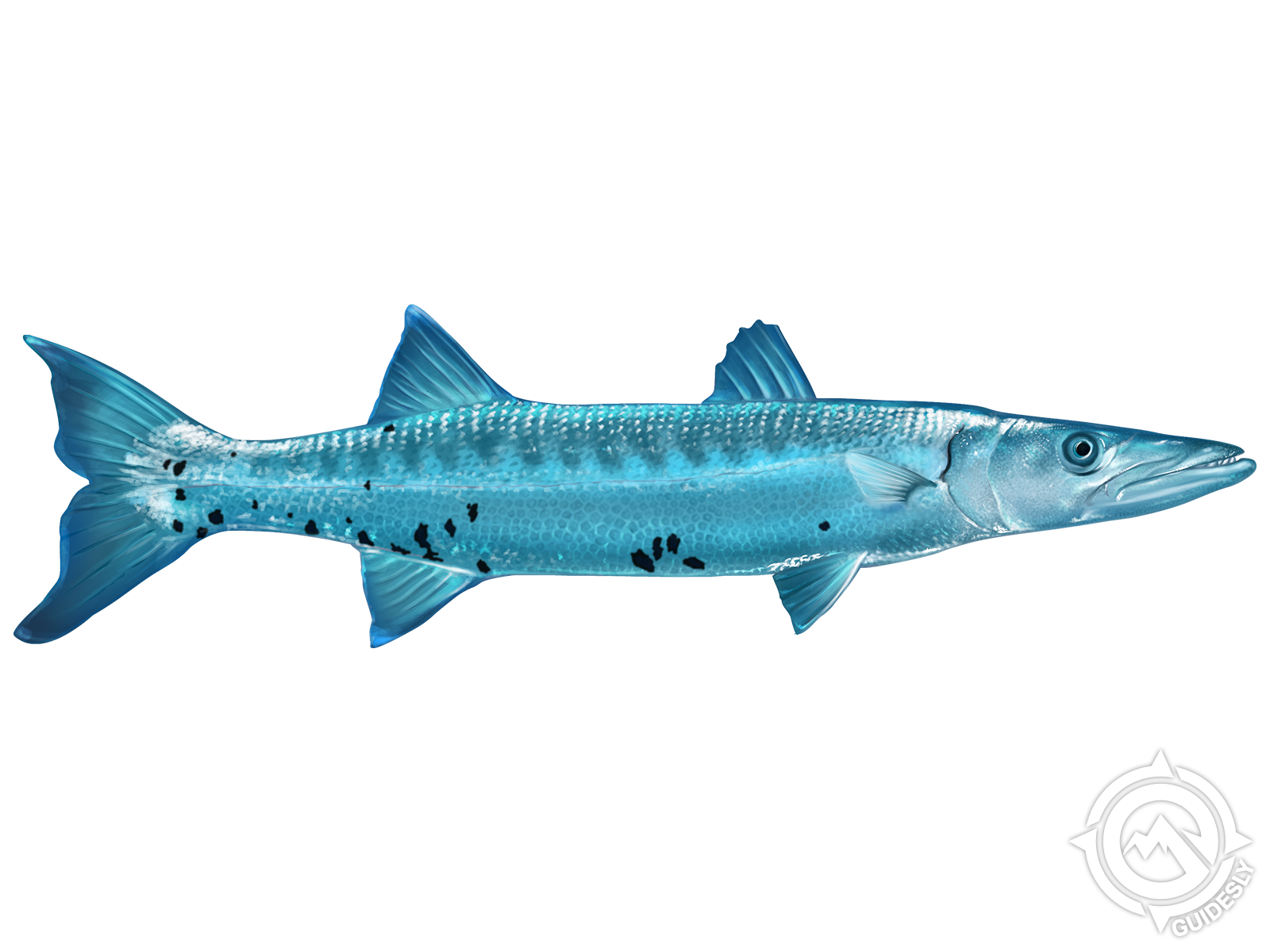


 Six-hour flats fishing charter targeting multiple species