Full Day Snapper Fishing Trip in Cape Coral
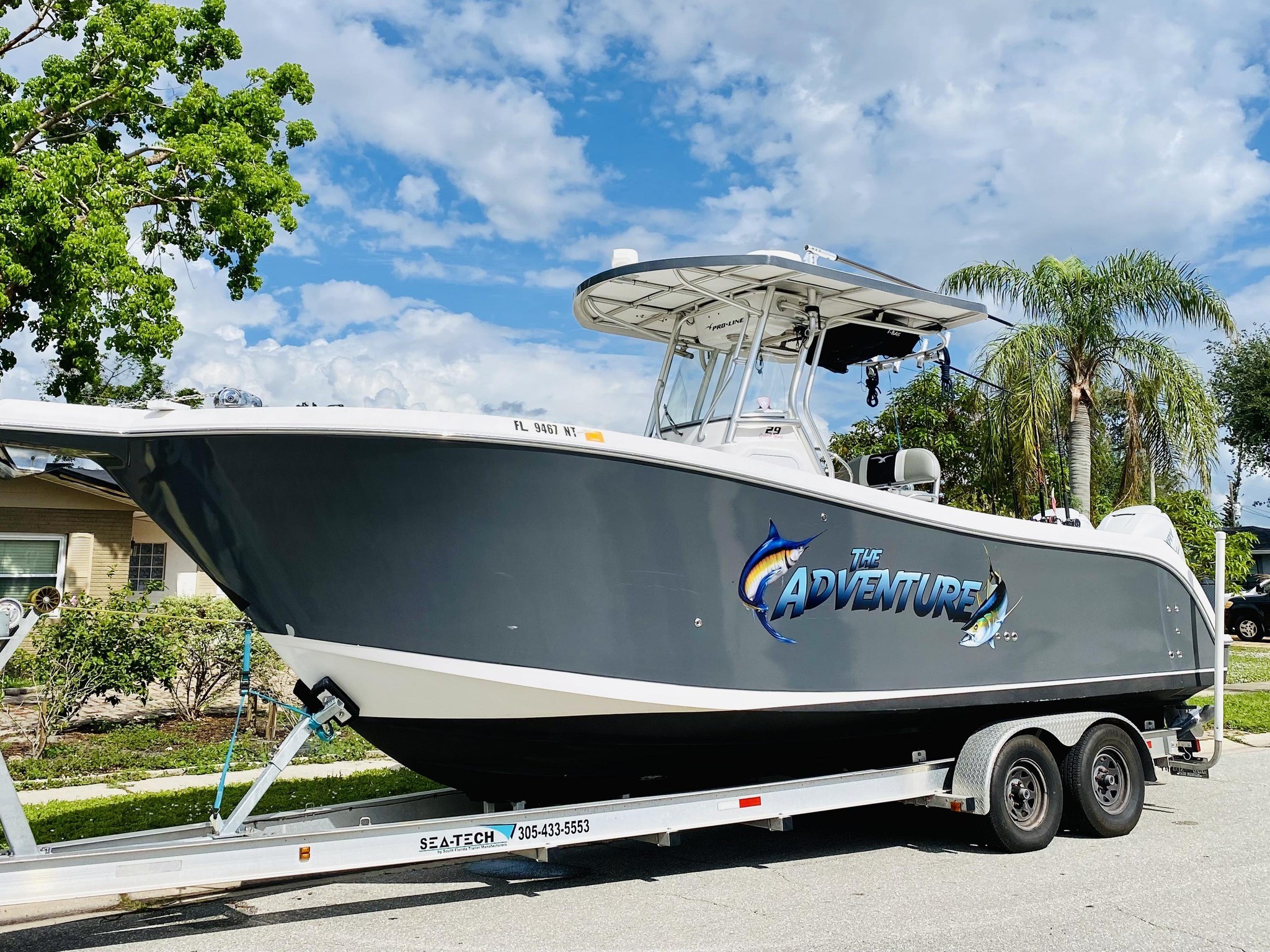
Captain Tito Gonzalez knows these Gulf waters like the back of his hand, and his 34-foot Grady White is your ticket to some of the best snapper action you'll find anywhere around Cape Coral. This isn't your typical half-day run – we're talking a full 12 hours of dedicated fishing time targeting the Gulf's most prized snapper species. With room for up to six anglers, this private charter gives your group the freedom to fish at your own pace while Captain Tito puts you on the hottest bite of the day. The boat comes loaded with top-shelf tackle, fresh live bait, and a first mate who knows how to keep lines in the water and coolers full of fish.
What to Expect on the Water
Your day starts early – and trust me, it's worth the alarm clock. Captain Tito will have you running to his favorite offshore spots where the snapper are stacked up thick. The 34-foot Grady White is built for comfort and fishing, with plenty of deck space to work multiple lines and a smooth ride that'll get you to the fishing grounds fast. You'll be working depths anywhere from 40 to 120 feet, depending on what's biting best. The first mate stays busy keeping your hooks baited with the liveliest sardines, pinfish, and threadfin herring – these snappers can be picky, but fresh bait makes all the difference. Between the captain's local knowledge and a boat stocked with everything you need, you're set up for success from the moment you leave the dock.
Tackle Talk & Techniques
We're fishing with medium-heavy spinning rods and conventional reels spooled with 30-50 pound test – perfect for handling those big cuberas when they decide to make a run for structure. The technique is straightforward but effective: we're bottom fishing with circle hooks and enough weight to stay connected to the bottom in the Gulf current. Live bait gets rigged on a knocker rig or fish finder setup, depending on conditions. When the bite gets hot, you might have two or three rods bent at once, and that's when having an experienced first mate really pays off. He'll be there to net fish, re-rig broken lines, and make sure you don't lose any trophy snappers to the rocks below. The boat's fish box and ice system keep your catch fresh all day, so everything you bring home will be table-ready.
Top Catches This Season
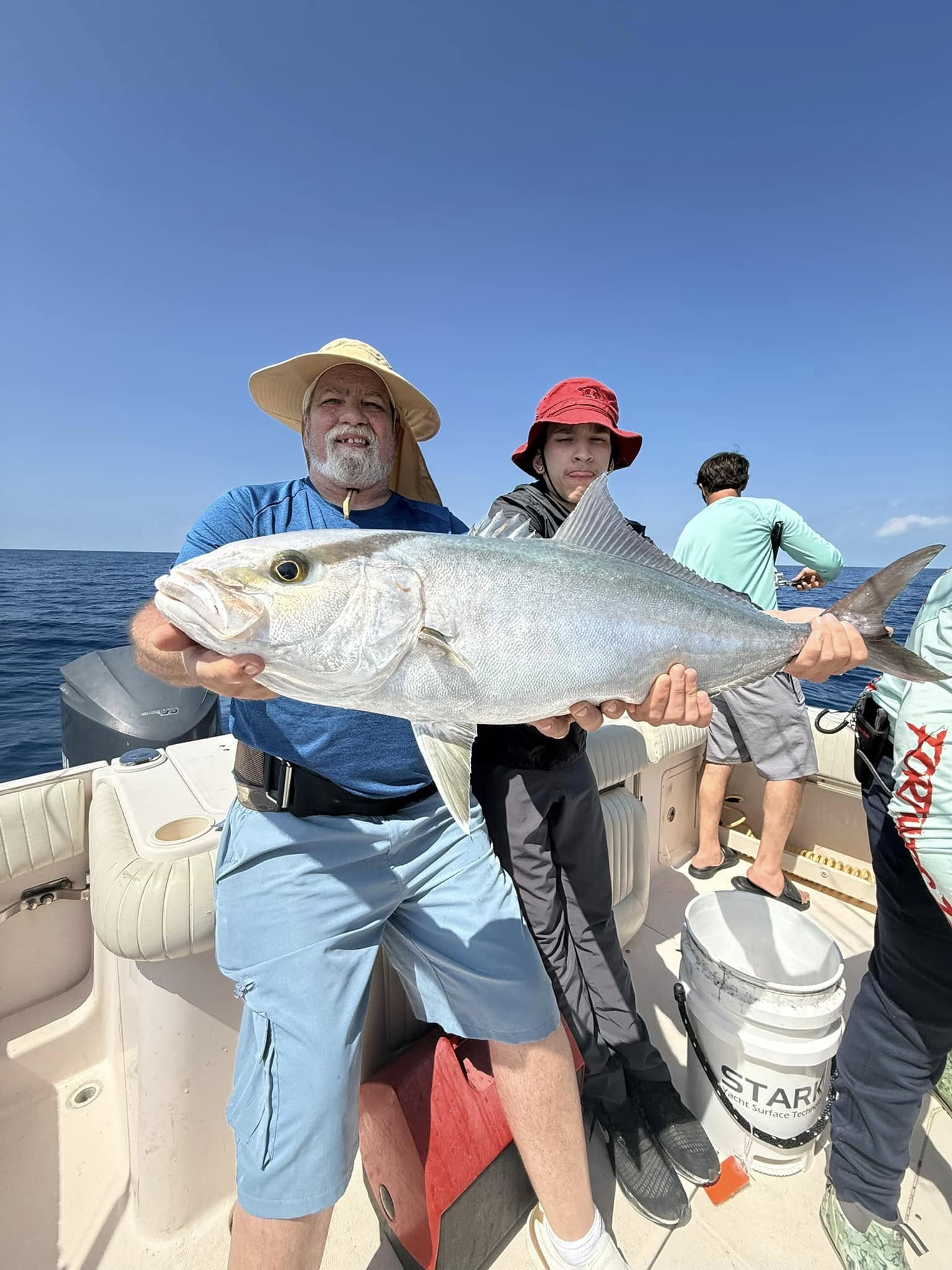
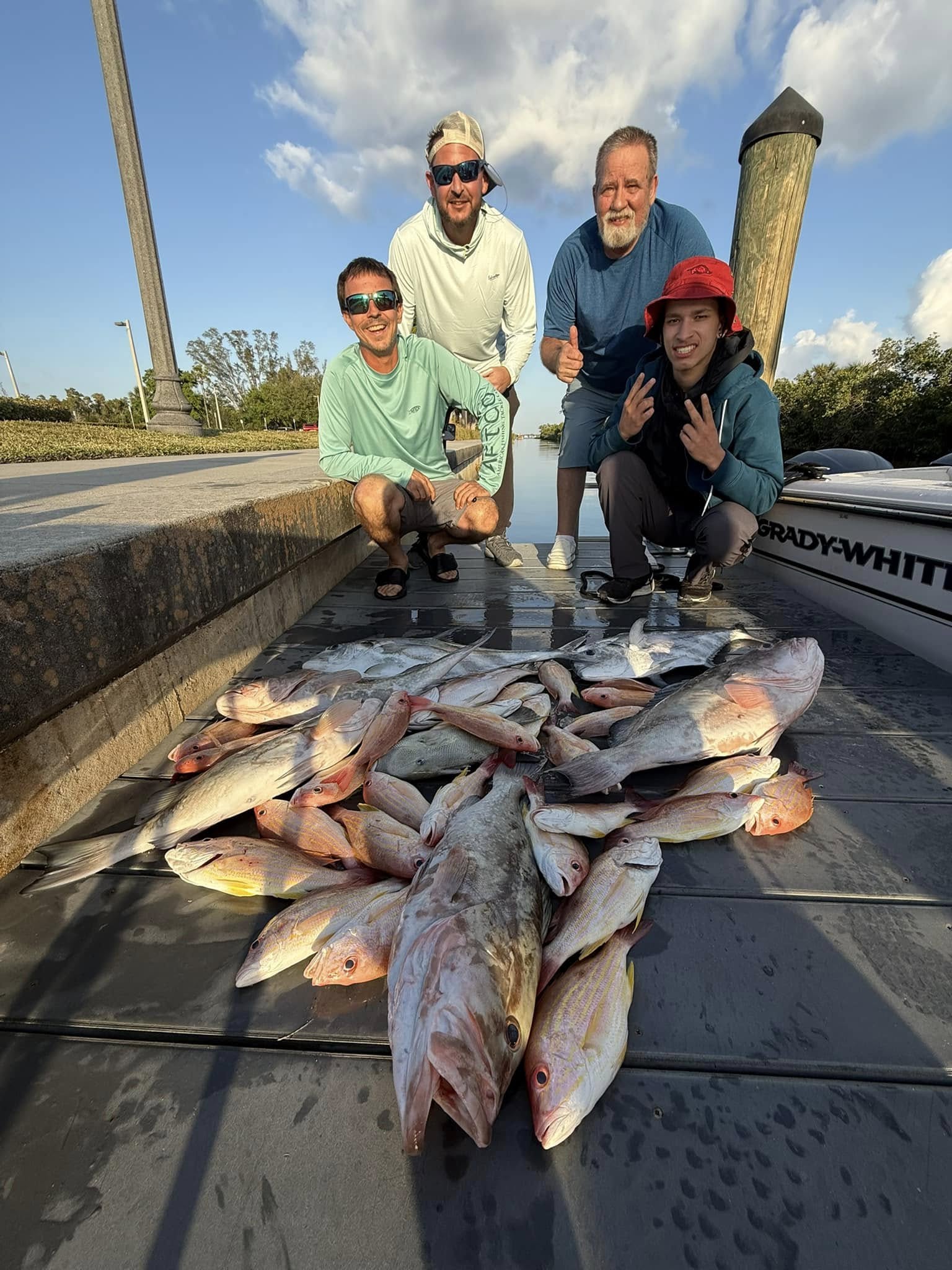
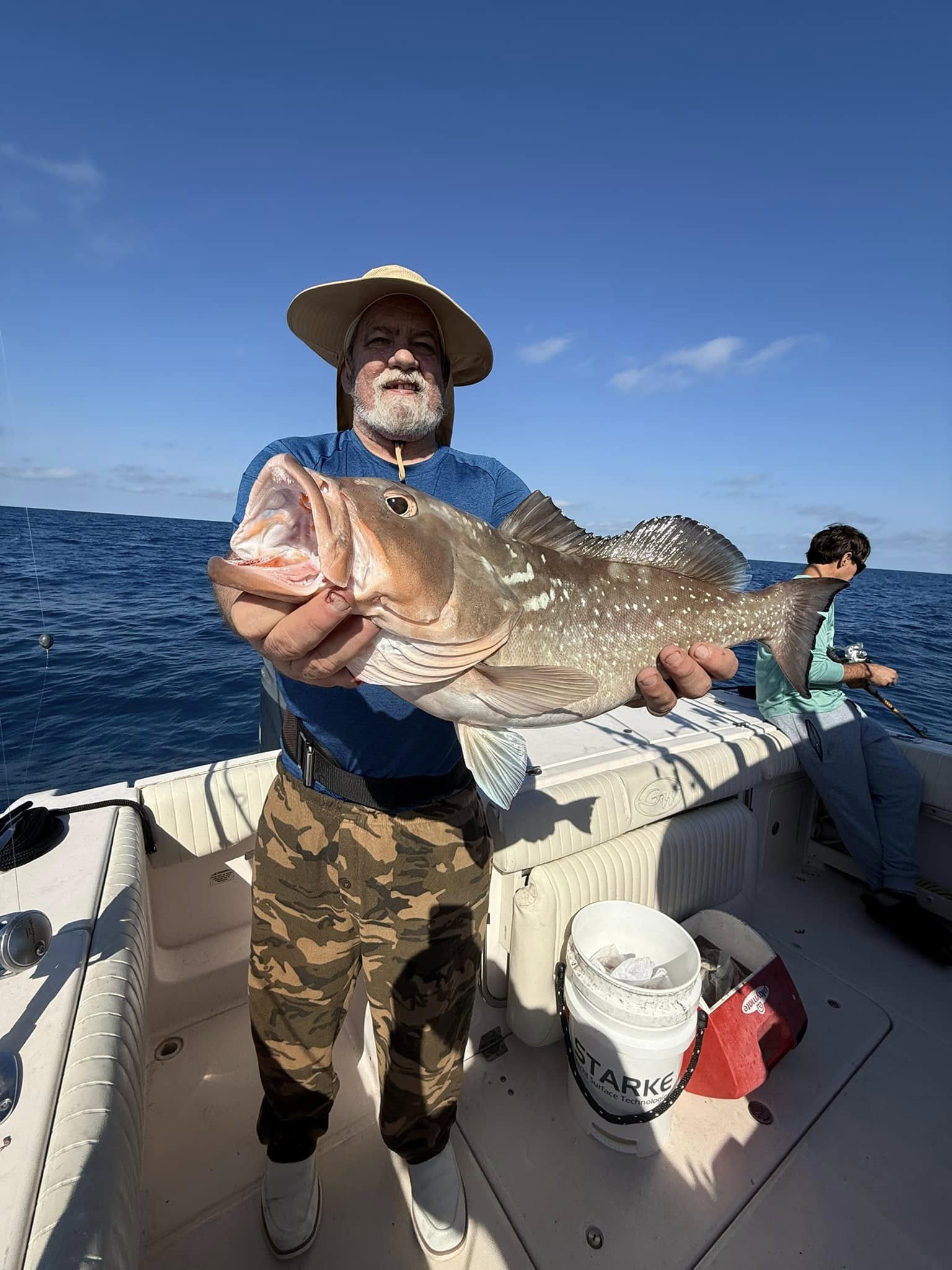
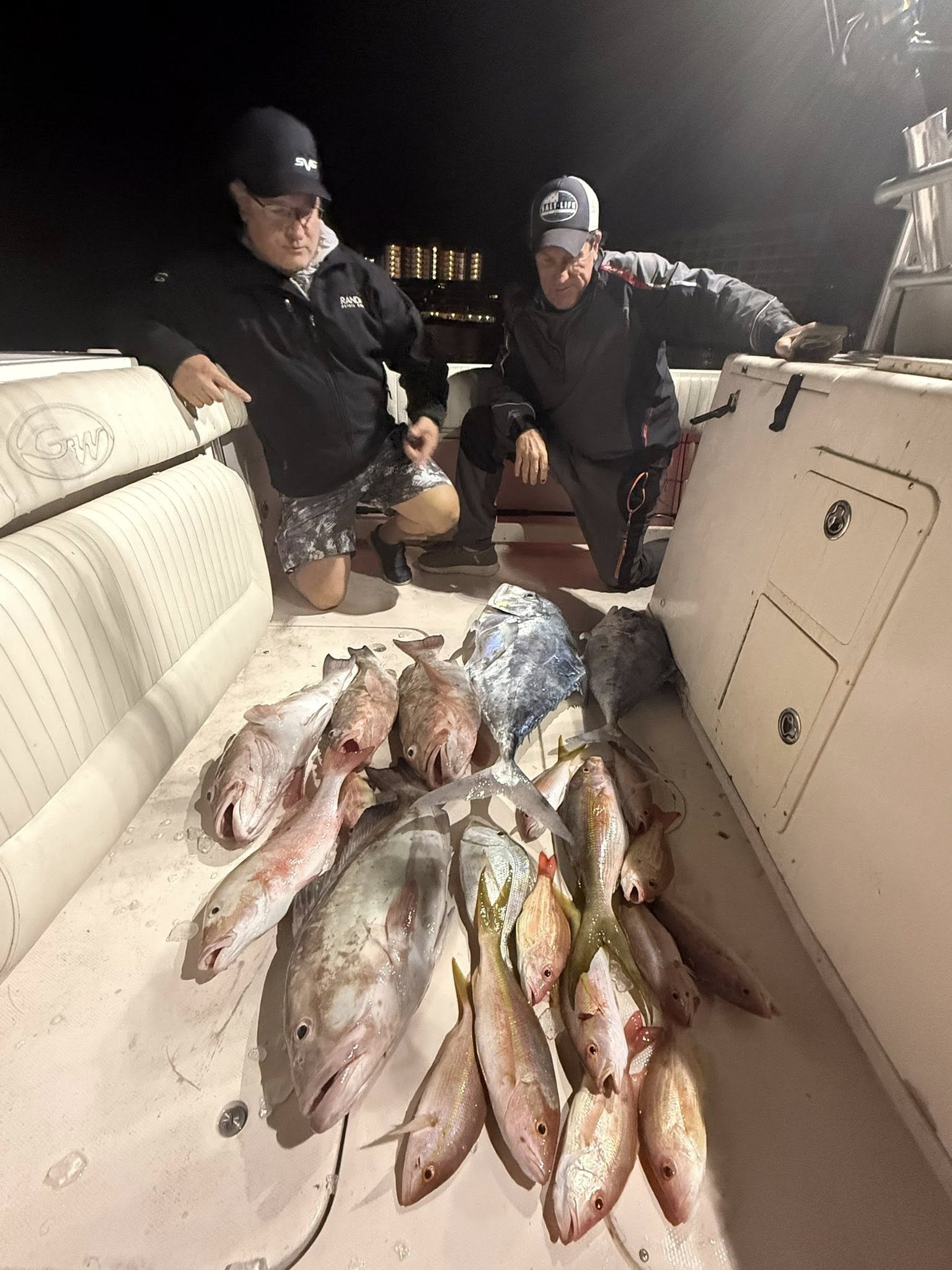
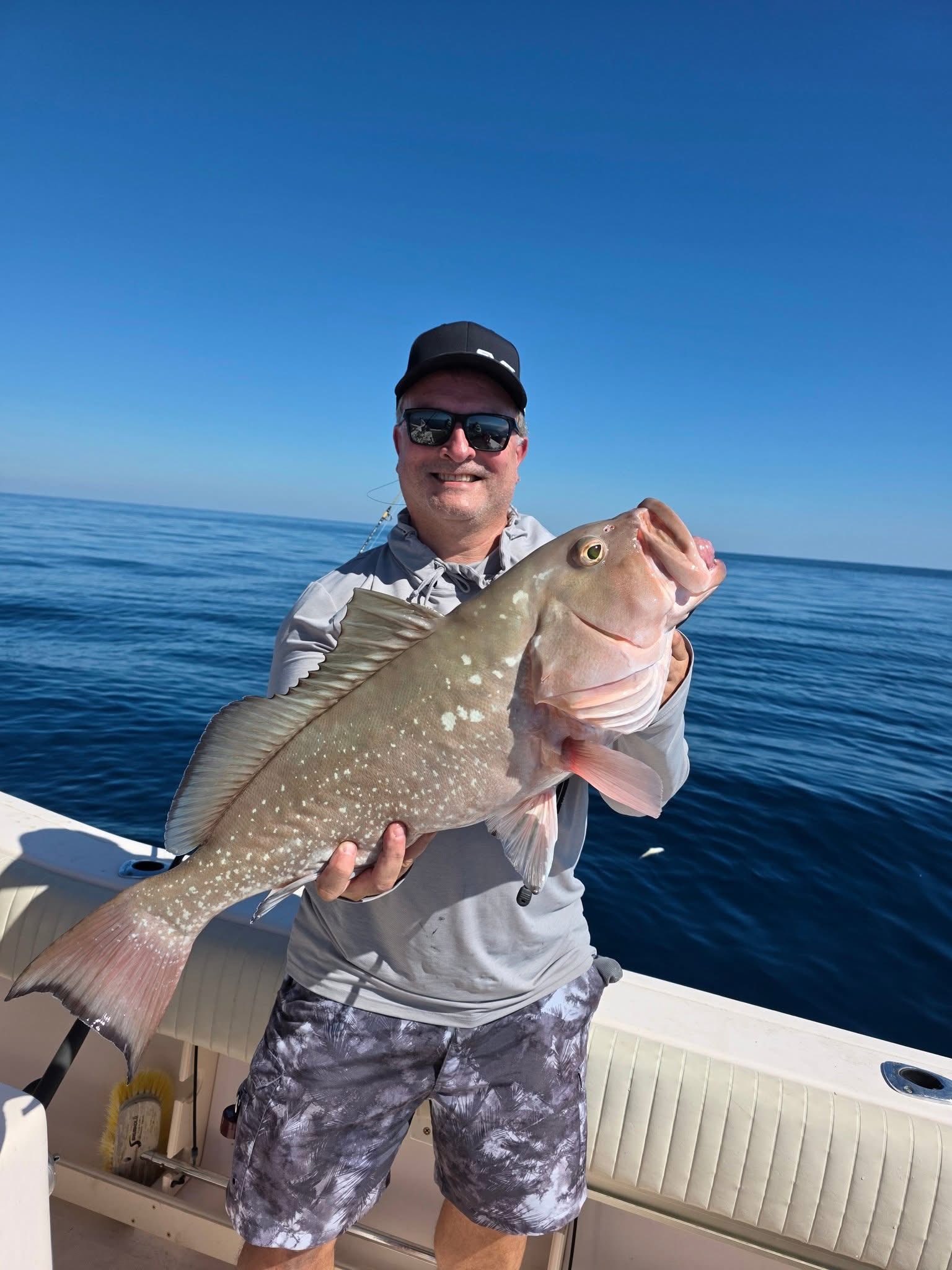
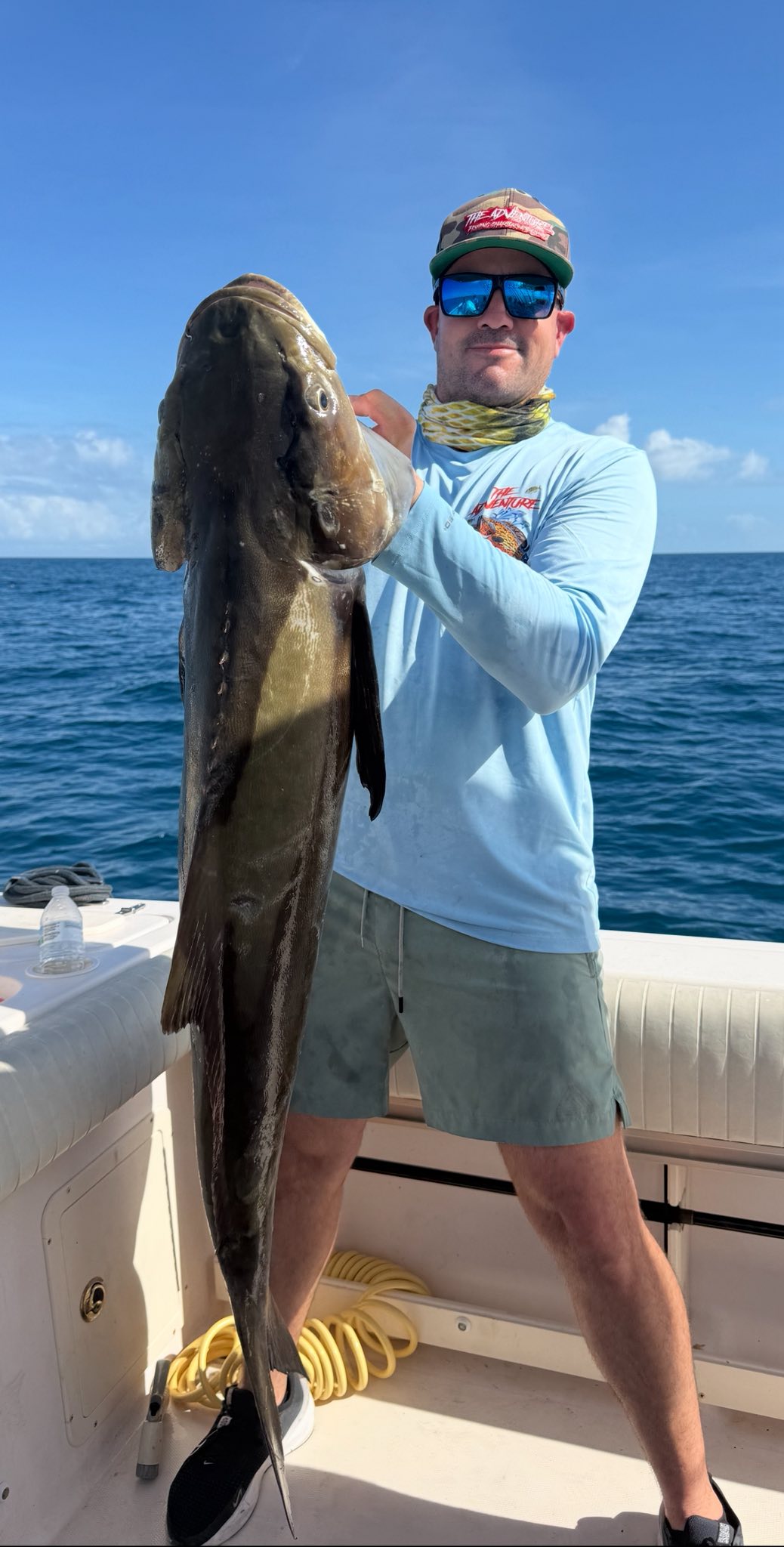
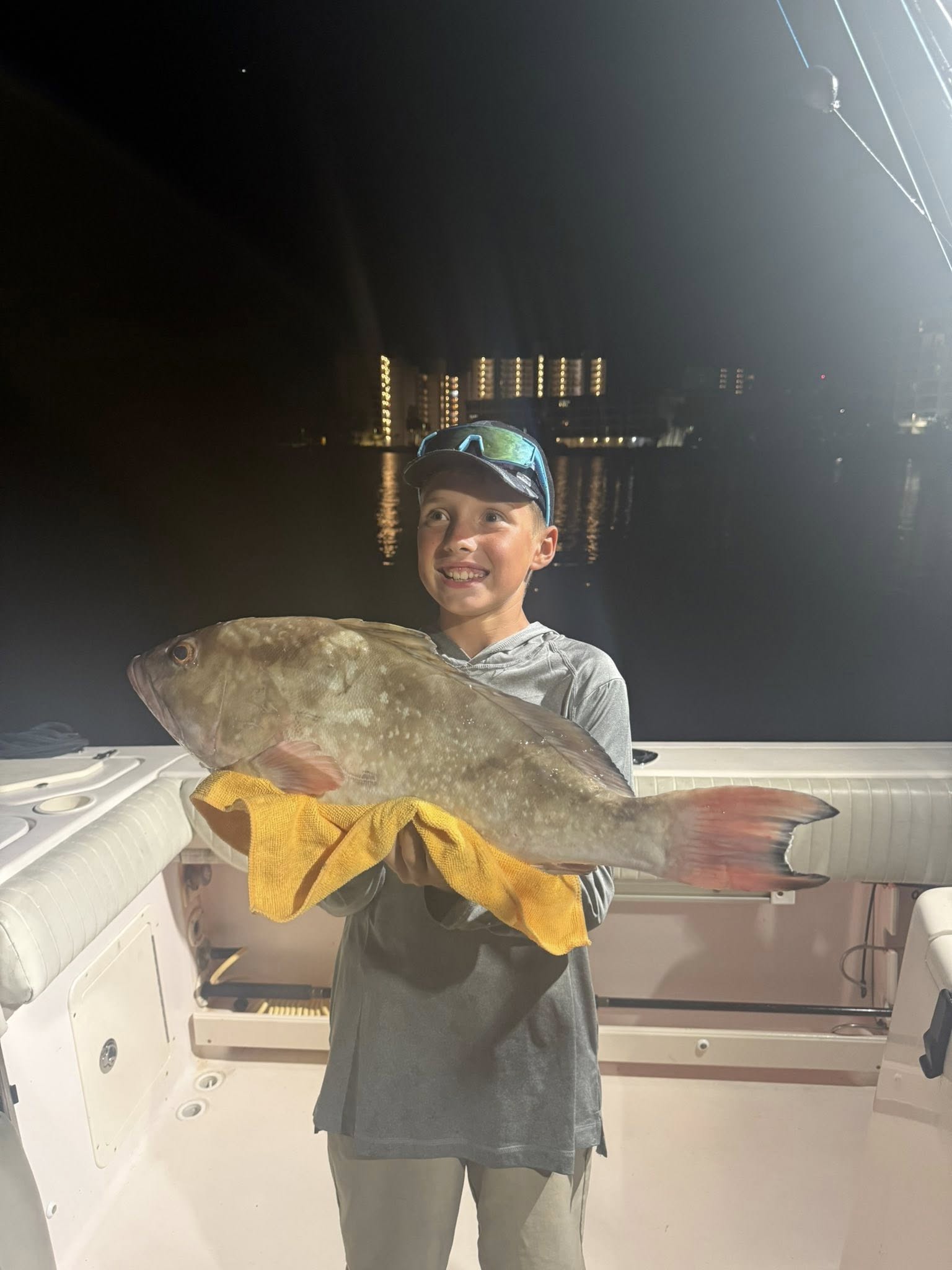
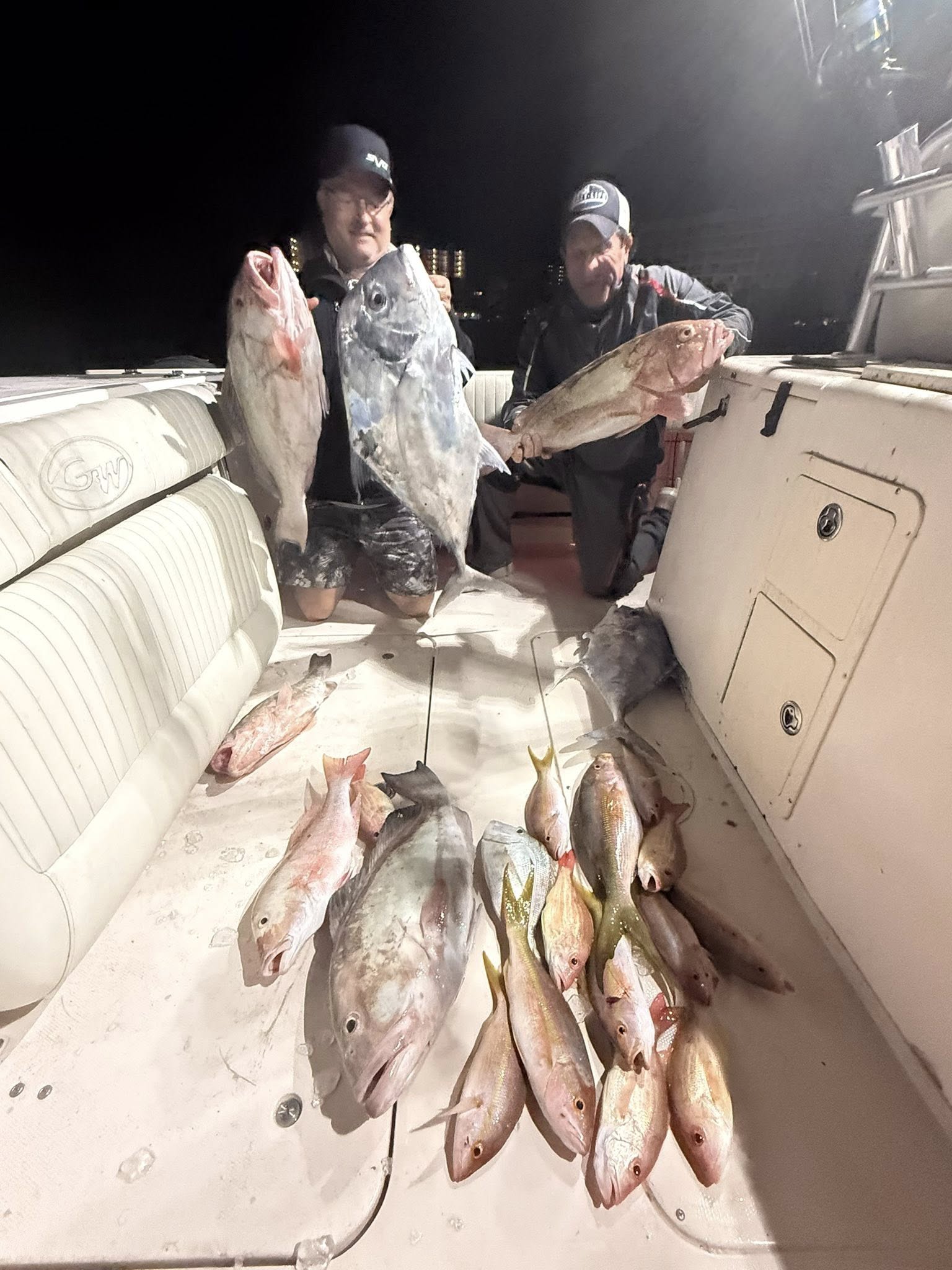
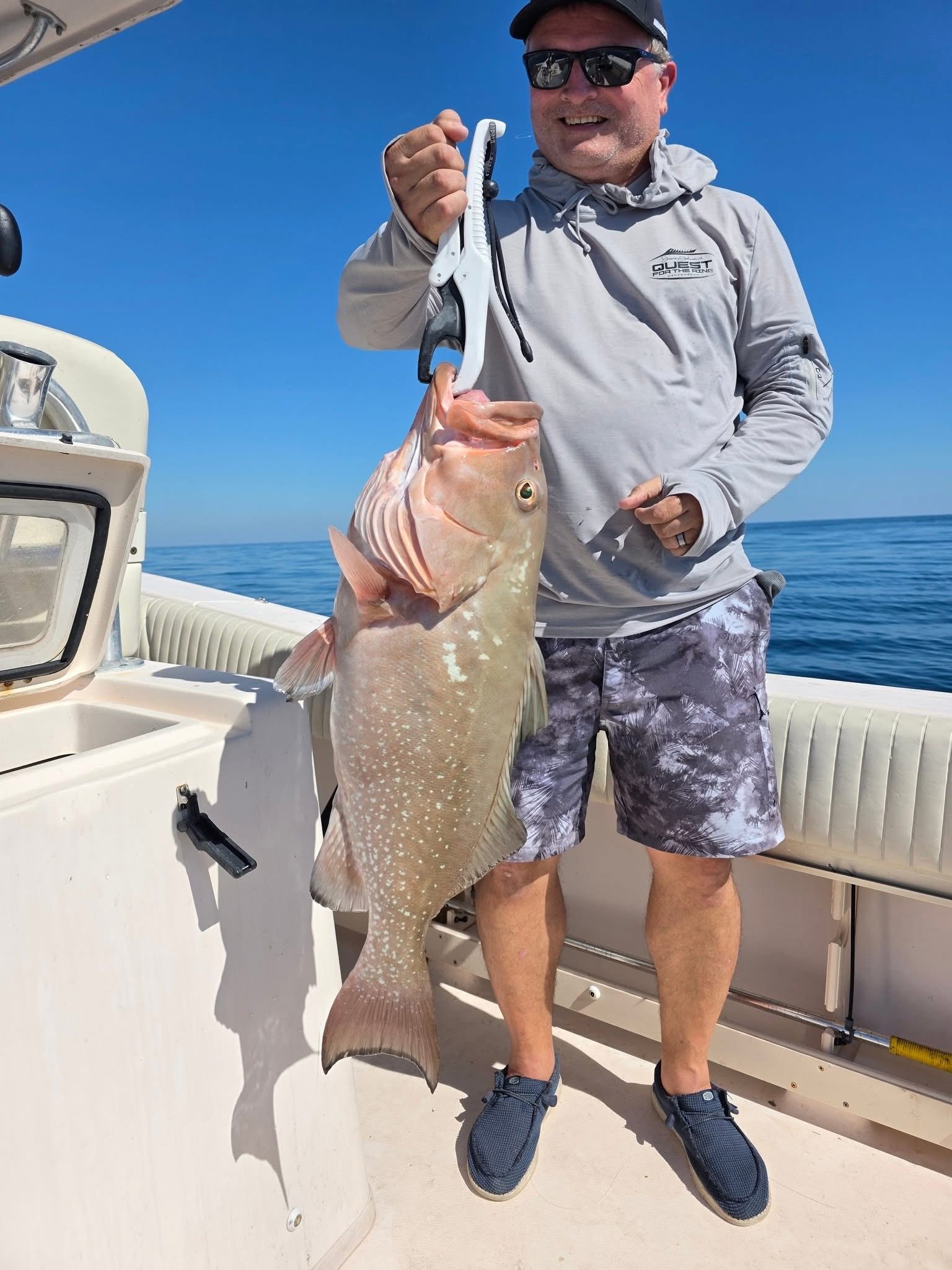
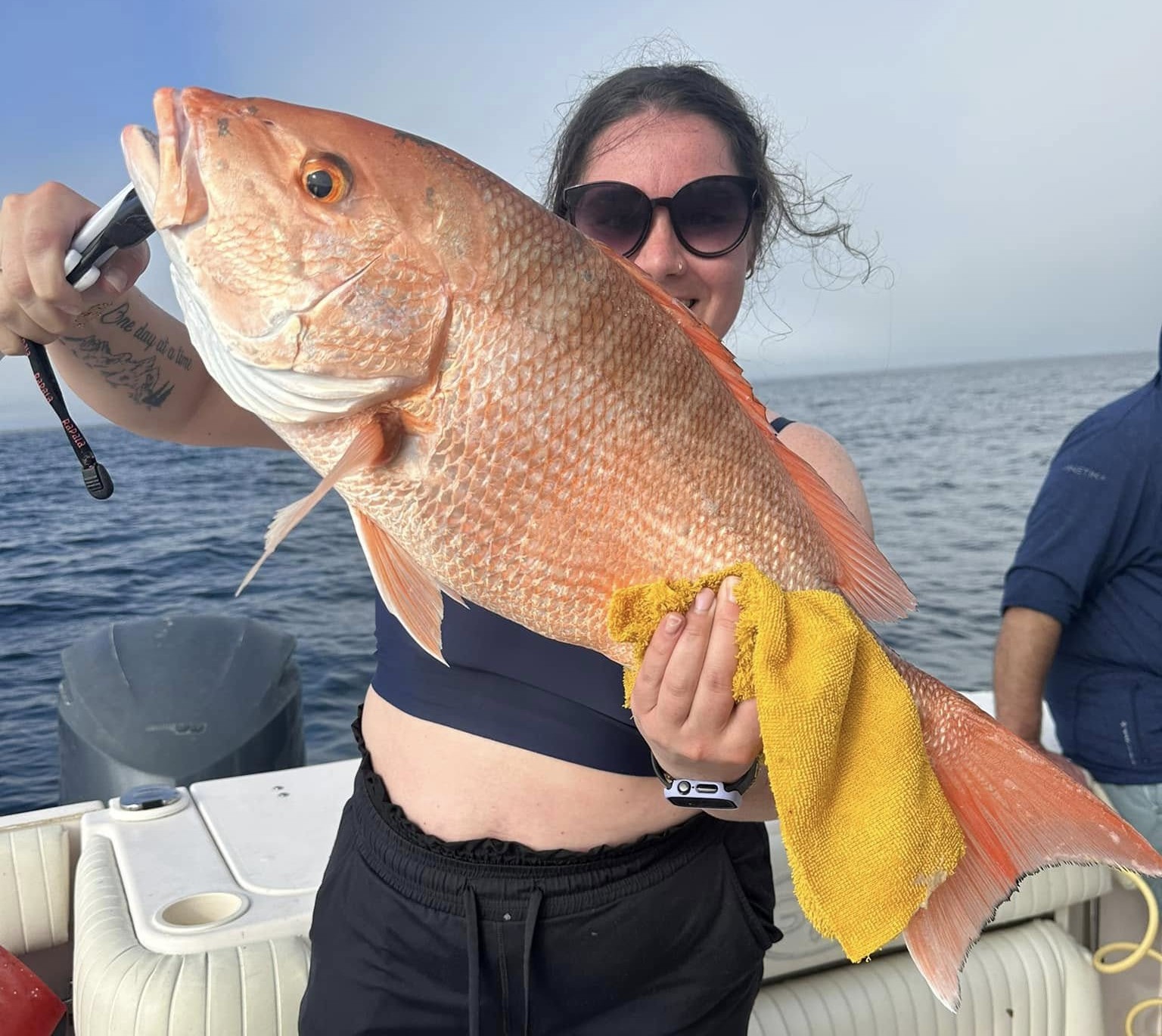
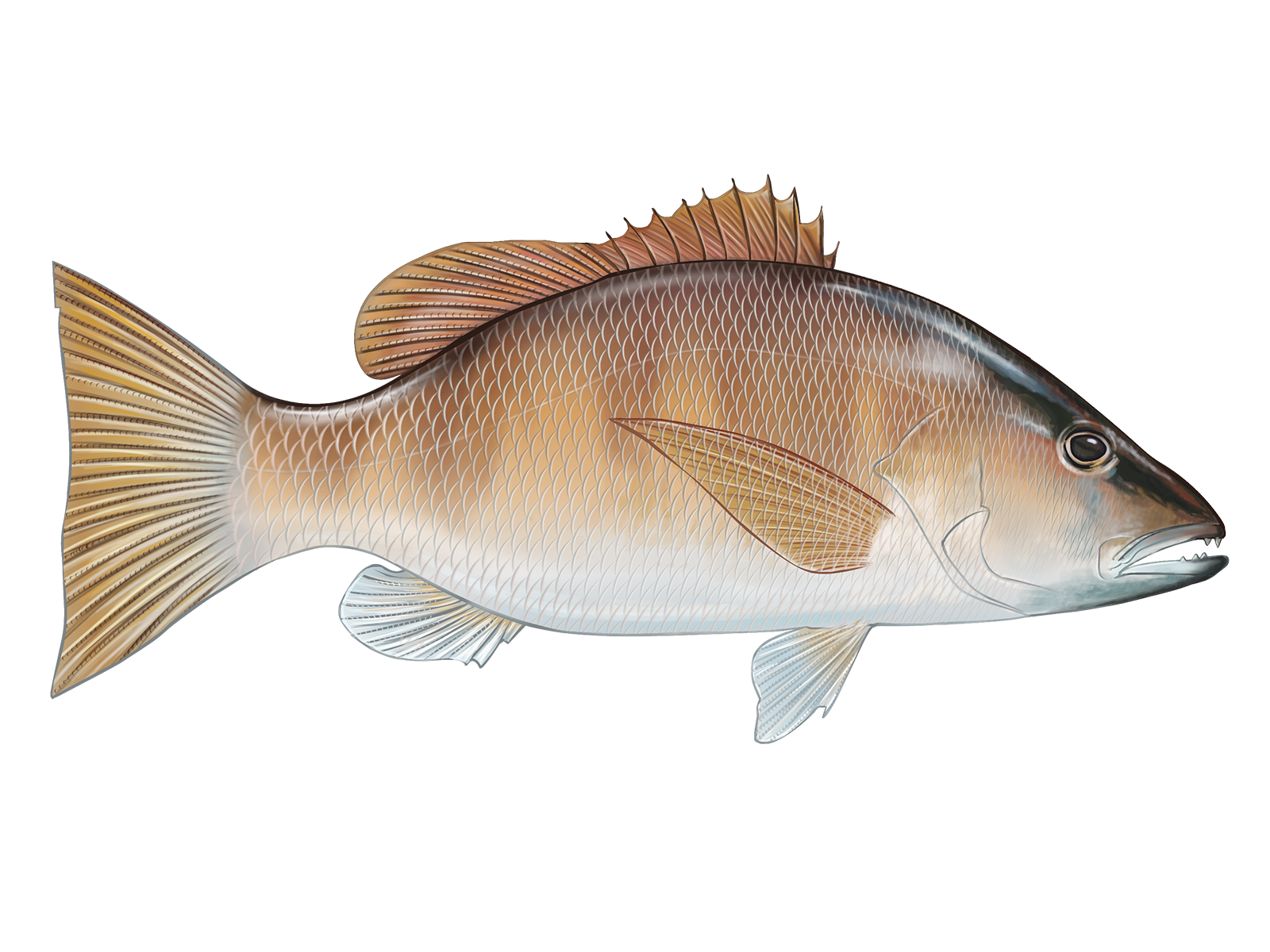
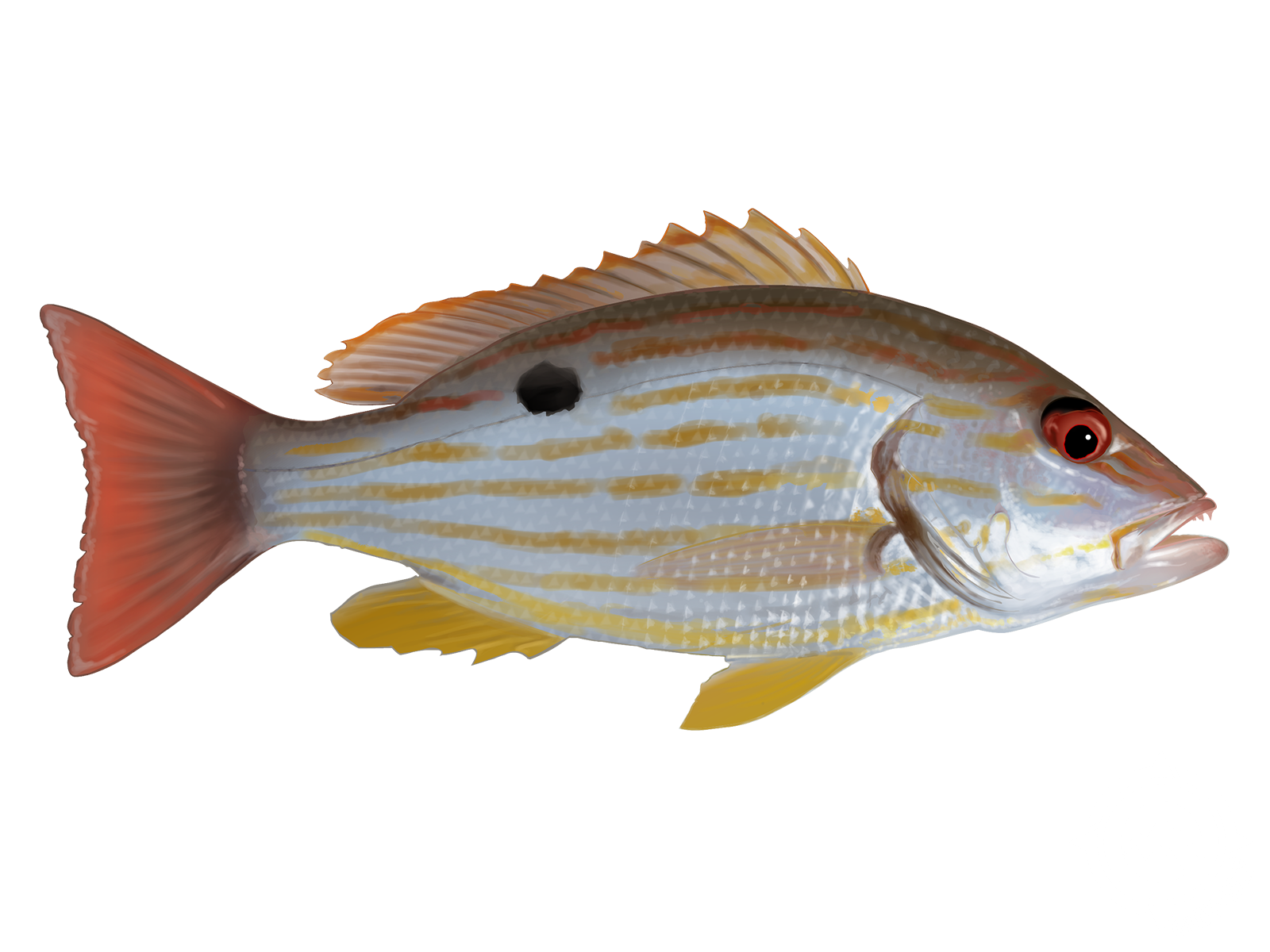
Red snapper remain the crown jewel of Gulf fishing, and Cape Coral's offshore waters produce some real doormat-sized fish. These guys average 3-8 pounds, but don't be surprised if you hook into a 15-pounder that'll test your drag and your patience. They're most active during federal season dates, typically summer months, but check current regulations since they change yearly. What makes red snapper so special is their fight – they'll dive straight for the bottom structure and try to cut your line on every rock they can find. Cubera snapper are the heavyweight champions of this trip, growing massive in the deep Gulf waters. We're talking fish that can push 30-40 pounds or more, with jaws that'll crush a circle hook if you're not careful. These bruisers love rocky ledges and artificial reefs, and when you hook one, everybody on the boat knows it. Mutton snapper bring both size and flavor to the cooler, averaging 5-12 pounds with distinctive yellow fins and a pink stripe. They're smart fish that often require lighter leaders and perfectly presented baits. Lane snapper might be smaller at 1-3 pounds, but they make up for size with numbers – when you find a school, it's not uncommon to boat 20 or 30 in an hour. Grey snapper, also called mangrove snapper, are the trickiest to fool but worth every effort. They inspect baits like they're conducting a quality control test, but once hooked, they provide steady action throughout the day.
Why Anglers Keep Coming Back
Cape Coral's location puts you within striking distance of some of the Gulf's most productive snapper grounds without burning half your day just getting there. Captain Tito has spent years mapping out the sweet spots – artificial reefs, natural ledges, and rock piles that hold fish year-round. The 12-hour trip length means you can hit multiple spots, adjusting the game plan based on what's biting best. Maybe the red snapper are fired up on the deep ledges in the morning, then you move shallower for muttons and lanes when the afternoon bite kicks in. Having a private boat with just your group means no fighting for rail space or dealing with tangled lines from other anglers. Plus, the first mate handles all the grunt work – cleaning fish, rigging baits, and gaffing the big ones so you can focus on what you came for: catching fish. The onboard facilities, including a head and plenty of ice, keep everyone comfortable during the long day.
Time to Book Your Spot
This world-class snapper fishing doesn't happen by accident – it takes the right captain, the right boat, and the right approach. Captain Tito's reputation for putting anglers on fish has made this trip a customer favorite among serious Gulf fishermen. The 34-foot Grady White gives you the range and stability to fish the best offshore spots, while the included tackle and live bait mean you're fishing with gear that's proven to work in these waters. Whether you're after a cooler full of eating fish or hoping to tangle with a trophy cubera, this 12-hour adventure delivers the kind of Gulf fishing action that keeps anglers coming back season after season. Don't wait until snapper season is in full swing – the best dates fill up fast, and you don't want to miss your shot at some of the Gulf's finest fishing.
 Private Trip
 Offshore Fishing
 Cape Coral, FL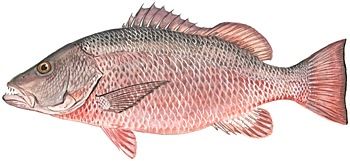


 Full-day offshore snapper fishing aboard 34' Grady White vessel