Utah Fly Fishing | Walk And Wade Trips
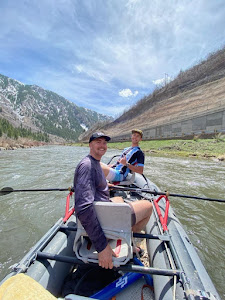
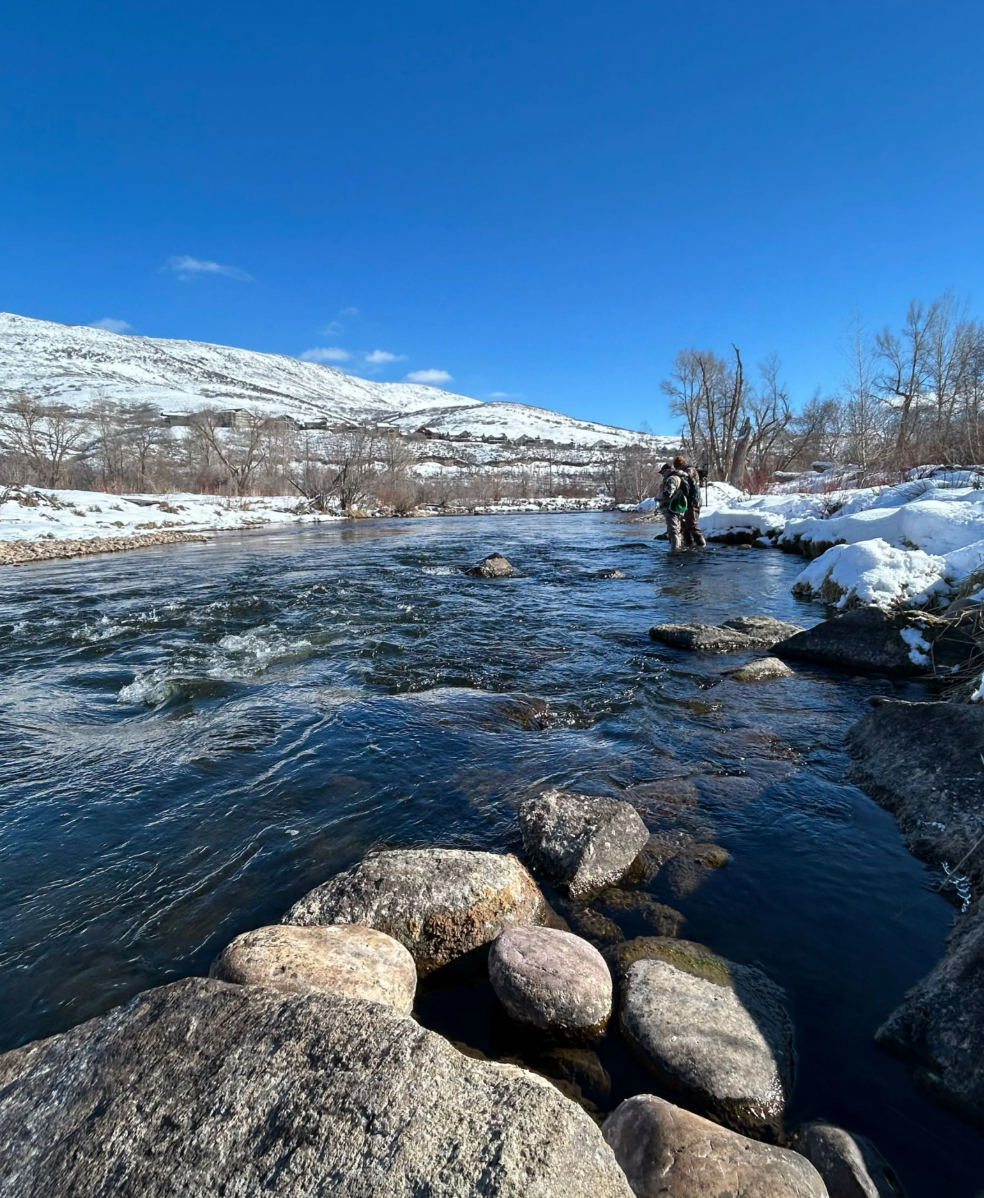
Picture yourself standing knee-deep in crystal-clear mountain water, your fly rod bent with the weight of a feisty rainbow trout while the stunning Utah wilderness surrounds you. That's exactly what you'll get on our walk and wade fly fishing adventures along the renowned Provo River and other top-rated waters throughout Utah. We keep our groups intimate at just two anglers per guide, so you'll get the personal attention and prime fishing spots that make all the difference between a good day and an amazing one.
What to Expect on the Water
Our walk and wade trips are perfect for anglers who love the hands-on approach to fly fishing. Instead of floating downstream, you'll be wading right into the heart of the action, working productive runs and pools at your own pace. The Provo River is absolutely loaded with healthy brown and rainbow trout, and the walk-and-wade style lets us really dissect the best water. You'll spend your day moving between proven holes, learning to read water like a pro, and perfecting your presentation on some of Utah's most productive stretches. The scenery alone is worth the trip – towering canyon walls, crystal-clear spring creeks, and that clean mountain air that makes everything taste better. We'll start early when the fish are most active, and I'll show you exactly where the big ones like to hide. Don't worry about your skill level either – whether you're just getting started or you've been casting flies for decades, we'll tailor the day to match your experience and help you land more fish than you thought possible.
Gear Setup & Technique
We'll have you rigged up with quality rods, reels, and lines that match the conditions perfectly. Most days call for a 5 or 6-weight setup, though we might bump up to a 7-weight if the wind picks up or we're throwing bigger streamers. The beauty of walk-and-wade fishing is getting those perfect drifts through prime lies that boats simply can't reach. We'll work on your mending technique, show you how to approach spooky fish without spooking them, and dial in your casting to hit those tight spots where the biggest trout hang out. Nymph rigs are deadly here, especially when the water's a bit off-color, but we'll also have dry flies ready when the hatch comes off. I always carry a selection of local patterns that have proven themselves time and time again – think pheasant tails, prince nymphs, and elk hair caddis that match what these fish see every day. Waders are essential, and we'll make sure you're comfortable moving through different water types, from gentle glides to faster pocket water where technique really matters.
Top Catches This Season
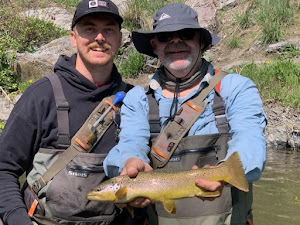
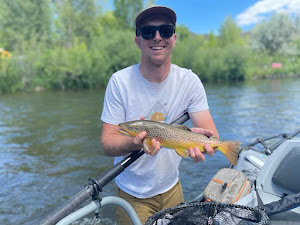
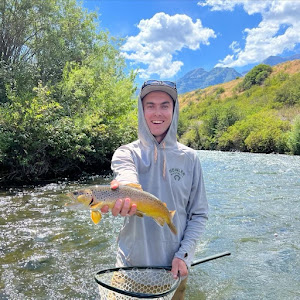
The brown trout in these waters are absolutely world-class fighters that'll test every bit of your skill and gear. These fish average 14 to 18 inches, but don't be surprised when you tie into a 20-plus-inch heavyweight that's been ruling a deep pool for years. Browns are incredibly smart and can be downright moody, especially the larger specimens that didn't get big by being careless. They love structure – undercut banks, fallen logs, and deep runs where they can ambush prey while staying hidden from predators. Fall is prime time for browns when they're bulking up and getting aggressive, but spring fishing can be absolutely phenomenal when they're coming out of their winter funk and ready to feed. What makes catching a big brown so special is their fighting style – they'll make powerful runs toward cover, jump when you least expect it, and generally do everything possible to throw your hook. When you finally slide one of these beautiful fish into the net, you'll understand why serious fly fishers consider them the ultimate freshwater challenge.
Rainbow trout bring a completely different energy to the fight, and they're incredibly fun to target on lighter tackle. Utah rainbows are known for their acrobatic displays – they'll jump, tail-walk, and put on a show that'll have you grinning from ear to ear. These fish typically run 12 to 16 inches, with some reaching into the upper teens when conditions are right. Unlike their brown trout cousins, rainbows tend to be more opportunistic feeders and less wary of anglers, making them perfect targets for newer fly fishers or anyone looking for consistent action. They're most active during the cooler parts of the day and absolutely love insect hatches. Spring through fall offers the best rainbow fishing, with late spring being particularly productive when the mayfly hatches are coming off strong. The fights are fast and furious – rainbows will test your drag system and keep you on your toes from the moment they feel the hook. Their willingness to take dry flies also makes them incredibly rewarding to catch, especially when you can sight-fish to rising trout in clear water.
Time to Book Your Spot
Utah's fly fishing season is heating up, and prime dates fill fast with returning customers who know just how good this fishery can be. Our walk-and-wade trips offer something you can't get from a float – intimate access to the most productive water, personal instruction that'll improve your technique, and the satisfaction of really working for your fish. With just two anglers per guide, you'll get the kind of personalized attention that makes the difference between catching a few fish and having the kind of day you'll be talking about for years. The Provo River and surrounding waters are fishing as well as they have in decades, and there's never been a better time to experience what Utah fly fishing is all about. Whether you're looking to sharpen your skills, introduce someone to the sport, or just spend a day surrounded by some of the most beautiful country you'll ever see, we'll make sure it's time well spent. Give us a call and let's get you on the water – the fish are waiting, and so are we.
 Private Trip
 River Fishing
 Provo, UT

 Guided fly fishing on Utah's pristine Provo River waters