Kid-Friendly Inshore Fishing in Biloxi Waters
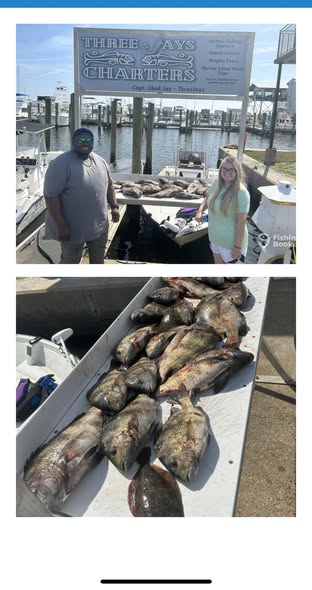
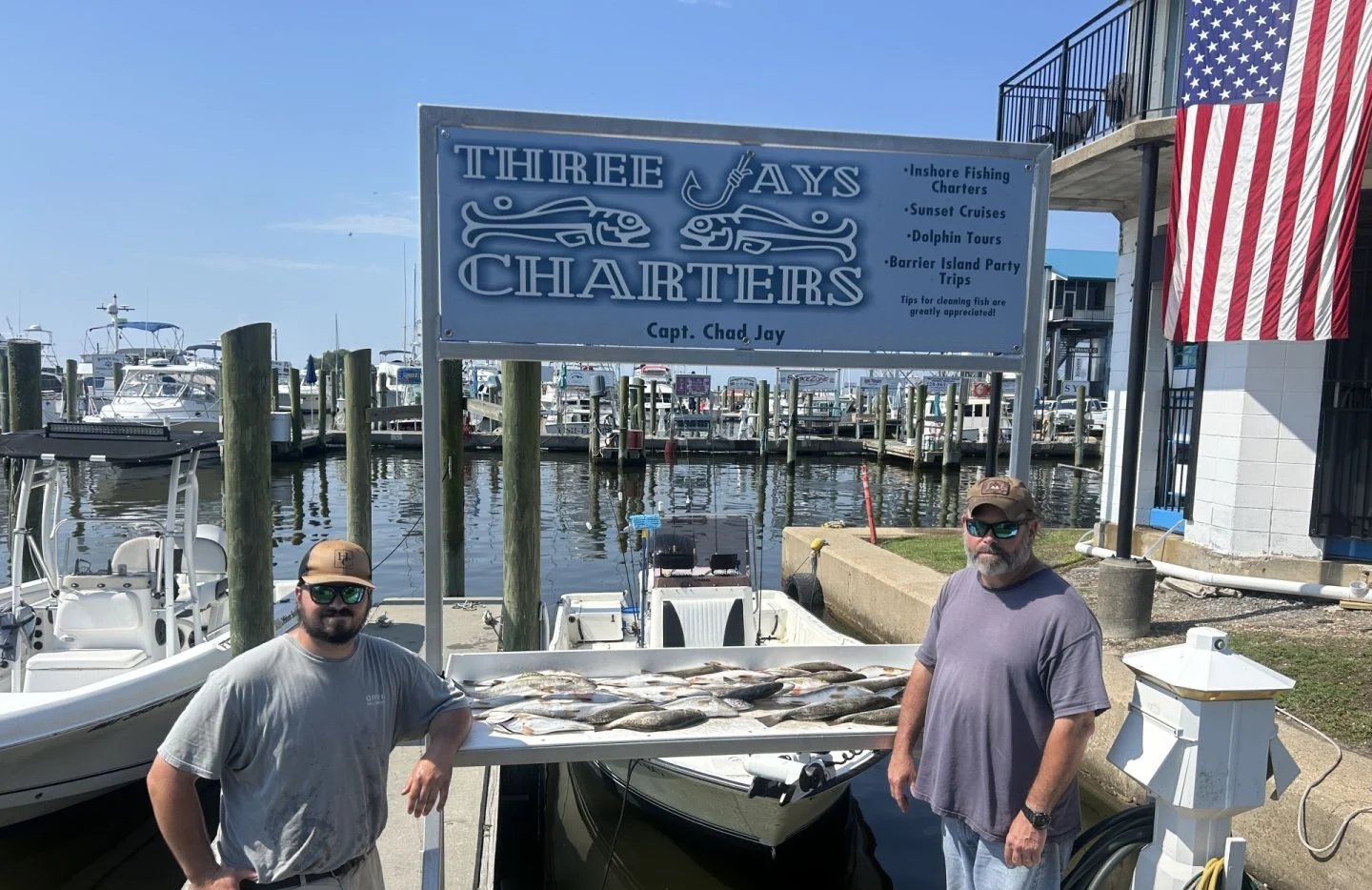
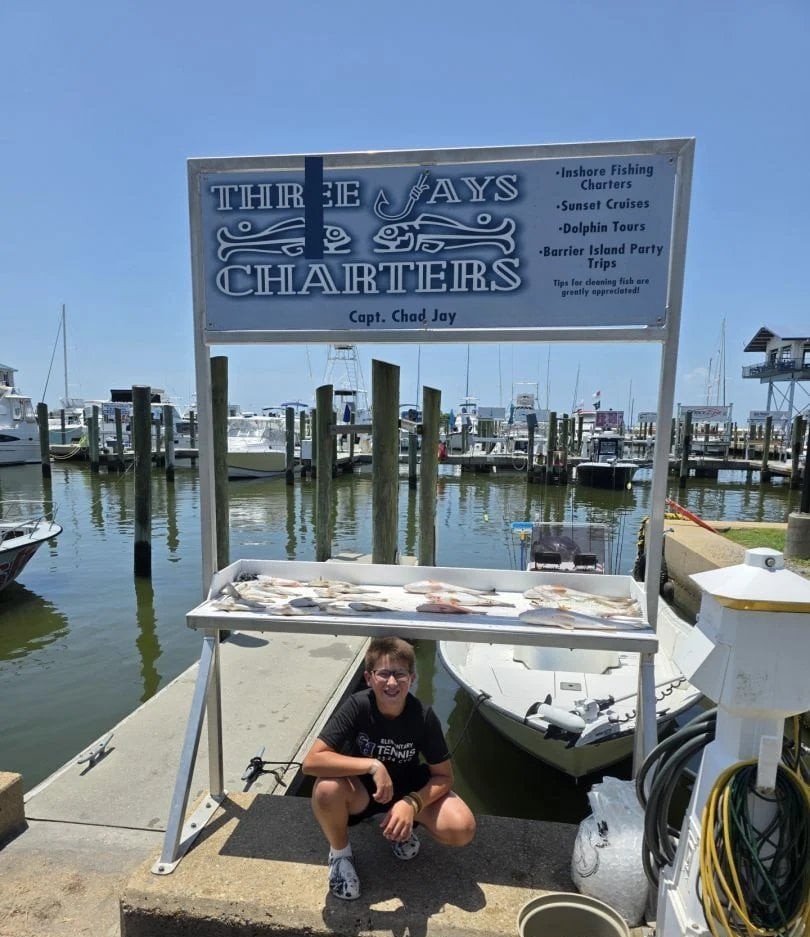
Getting the kids hooked on fishing doesn't have to be a gamble, especially when you've got Biloxi's productive inshore waters working in your favor. Three Jays Charters runs a top-rated half-day trip that's built from the ground up for young anglers, but trust me, the adults have just as much fun. You'll spend four solid hours working the flats and channels north of the barrier islands, where the fish are plentiful and the action stays consistent. At $475 for up to four people, you're looking at great value for a private charter that includes everything you need to fish – rods, reels, bait, tackle, and even the fishing licenses. Just pack some snacks and drinks in a small cooler, and you're set.
What to Expect on the Water
This isn't your typical "throw a line and hope for the best" kind of trip. The captain knows these waters like the back of his hand and will position you over productive structure where Speckled Trout, Redfish, Sheepshead, Black Drum, Flounder, and Tripletail hang out. The beauty of Biloxi's inshore fishing is the variety – you never know what's going to grab your bait next. The boat stays in protected waters north of the islands, so you won't deal with big swells that can make kids queasy or uncomfortable. Flexible start times mean you can work around nap schedules or sleep-in mornings, and the captain's patient approach keeps everyone engaged without overwhelming the little ones. When the trip wraps up, your catch gets cleaned, bagged, and iced right there at the dock, so you're walking away with dinner ready to cook.
Gear Setup & Fishing Style
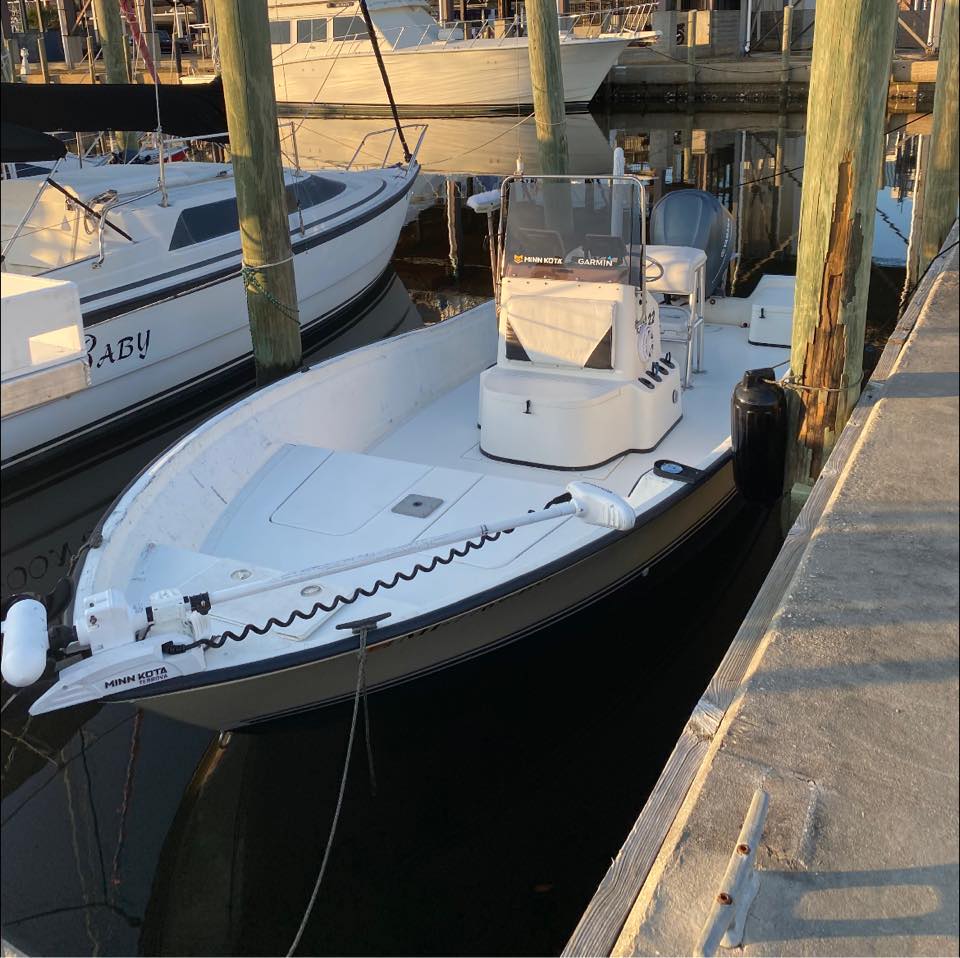
The setup here is all about keeping things simple but effective. You'll be using light to medium tackle that's perfectly sized for kids to handle, but sturdy enough to land some serious fish. Most of the fishing happens with live or cut bait on bottom rigs, which gives young anglers the best shot at feeling those solid bites that get them excited. The captain will also mix in some artificial lures when the conditions are right – nothing beats watching a kid's face light up when they see a Redfish chase down a spoon or soft plastic. The boat's equipped with multiple rod holders, so everyone can have lines in the water at once, and there's plenty of deck space for safe movement. The captain handles all the rigging, re-baiting, and net work, letting families focus on the fun parts of fishing.
Target Species You'll Hook
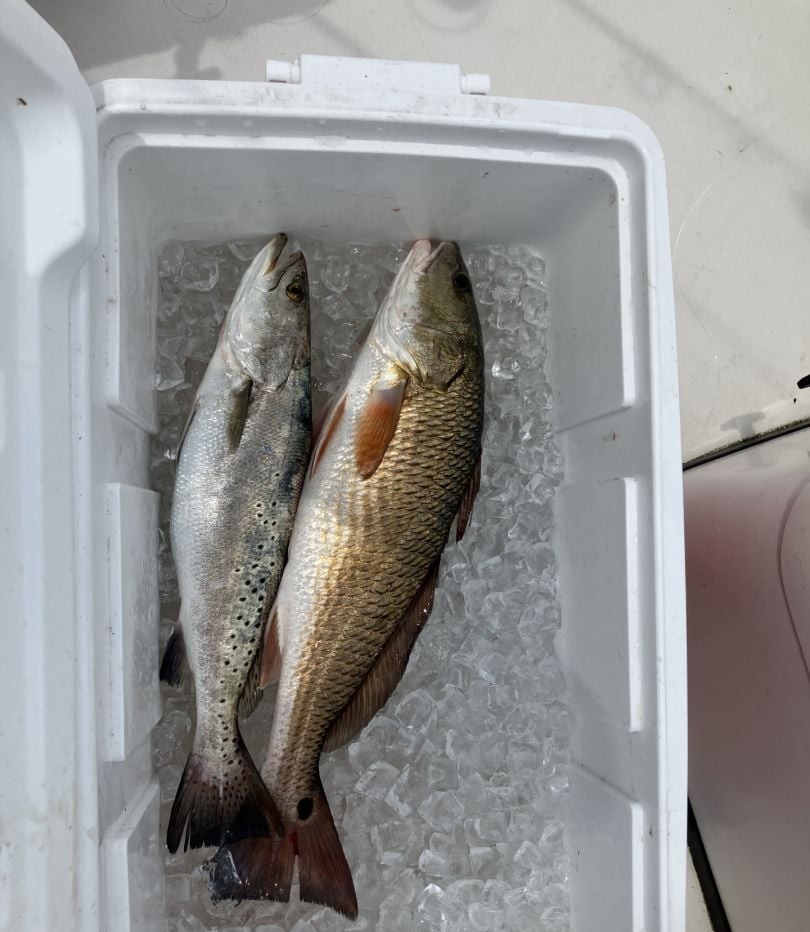
Speckled Trout are the bread and butter of Biloxi inshore fishing, and they're perfect for kids because they bite consistently and don't require heavy tackle to land. These silver beauties with distinctive black spots typically run 12-16 inches in these waters, though you'll occasionally hook into a "gator trout" pushing 20+ inches. They're most active during moving tides and love to hang around grass beds and shell bottoms. Kids get a kick out of their sharp teeth and the way they jump when hooked.
Redfish are the real crowd-pleasers on these trips. These copper-colored bulldogs put up a serious fight that gets everyone's attention, and their distinctive black spot near the tail makes them easy to identify. Biloxi's slot-size Reds typically range from 16-27 inches, and they're aggressive feeders that will hit both live bait and artificials. Fall and spring offer the best action, but these fish bite year-round in the right conditions. The way they pull drag and make powerful runs creates memories that last long after the trip ends.
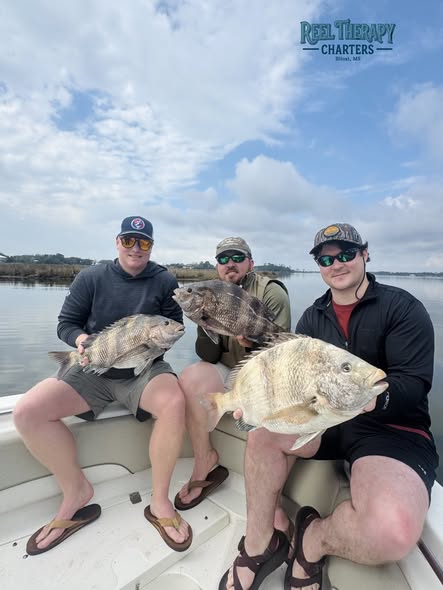
Sheepshead might look funny with their human-like teeth, but they're excellent table fare and a blast to catch once you figure out their finicky feeding habits. These black-and-white striped fish love structure like bridge pilings, oyster reefs, and rock piles, where they use their strong jaws to crush crabs and barnacles. They're notorious bait stealers, which actually makes them more exciting for kids who enjoy the challenge of setting the hook at just the right moment.
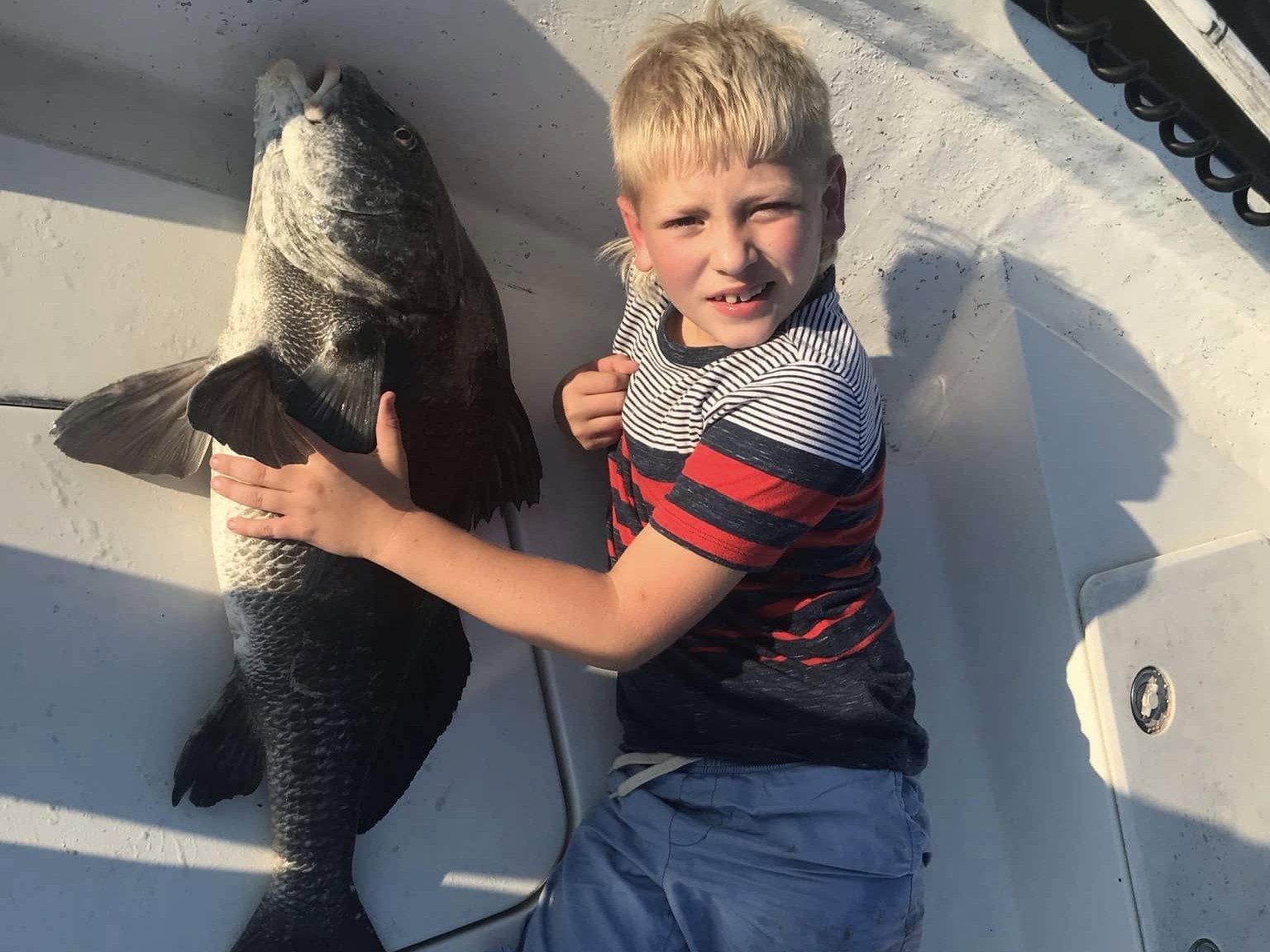
Black Drum are the heavyweights of the inshore scene, and landing one is a real accomplishment for young anglers. These bronze-colored fighters can range from puppy drum around 14 inches to bull drum exceeding 30 inches, and they're known for their powerful, steady pulls that test both tackle and patience. They're bottom feeders that love blue crab and shrimp, and their drumming sound – created by vibrating muscles against their swim bladder – fascinates kids who can sometimes hear it through the boat hull.
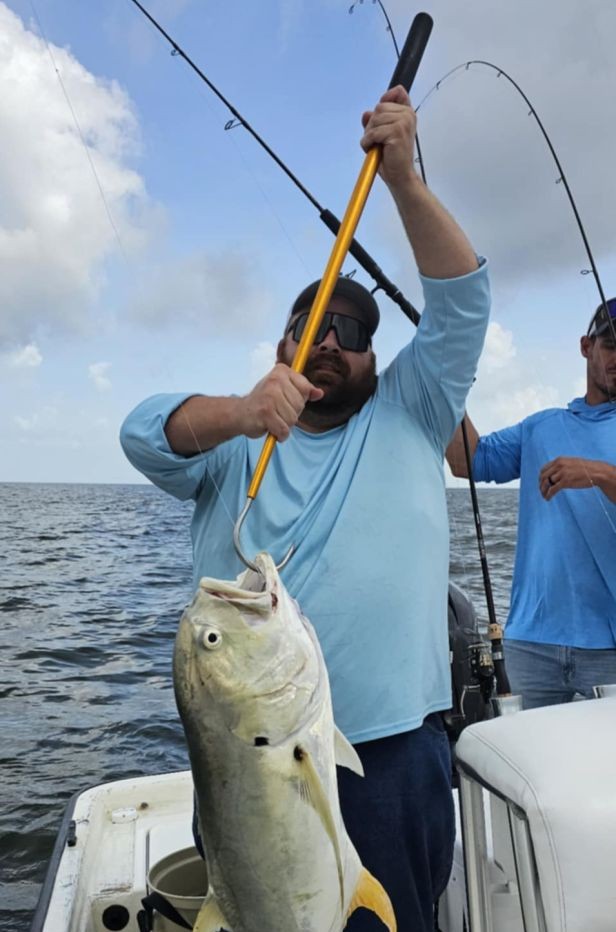
Tripletail are the bonus fish that make every trip memorable. These odd-looking fish get their name from their extended dorsal and anal fins that make them appear to have three tails. They're ambush predators that often float on their sides near floating debris, looking like dead leaves until they strike. Landing a Tripletail is always exciting because they're strong fighters and excellent eating, plus their unique appearance makes for great photos.
Time to Book Your Spot
Biloxi's inshore waters deliver consistent action for families, and Three Jays Charters has figured out the formula for keeping kids engaged while giving everyone a real fishing experience. The all-inclusive approach means you're not scrambling to buy licenses or rent gear, and the flexible scheduling works around family needs. With everything from the cleaning service to the patient instruction included, you're looking at a customer favorite trip that's built to create new fishing enthusiasts. The protected waters and variety of species make this a world-class introduction to Gulf Coast fishing, whether you're dealing with first-timers or kids who've already caught the fishing bug.
 Private Trip
 Inshore Fishing
 Biloxi, MS


 Half-day private fishing charter targeting Gulf Coast species