Marathon Offshore Fishing Charter for Skilled Anglers
When you're ready to leave the backcountry flats behind and chase the big boys in blue water, this 4-hour offshore charter out of Marathon puts you right where the action lives. We're talking serious fishing here – the kind where your drag screams and your arms burn. This isn't some tourist trip where you're hoping to catch anything with fins. You'll be working deep water structure, current breaks, and weed lines where Atlantic Sailfish, Tarpon, Mahi, Wahoo, and Cobia cruise looking for their next meal. The crew knows these waters like the back of their hand, and they'll put you on fish if you've got the skills to capitalize. All your gear, bait, and licenses are sorted, plus they'll clean whatever you boat so it's ready for the grill back home.
What to Expect on the Water
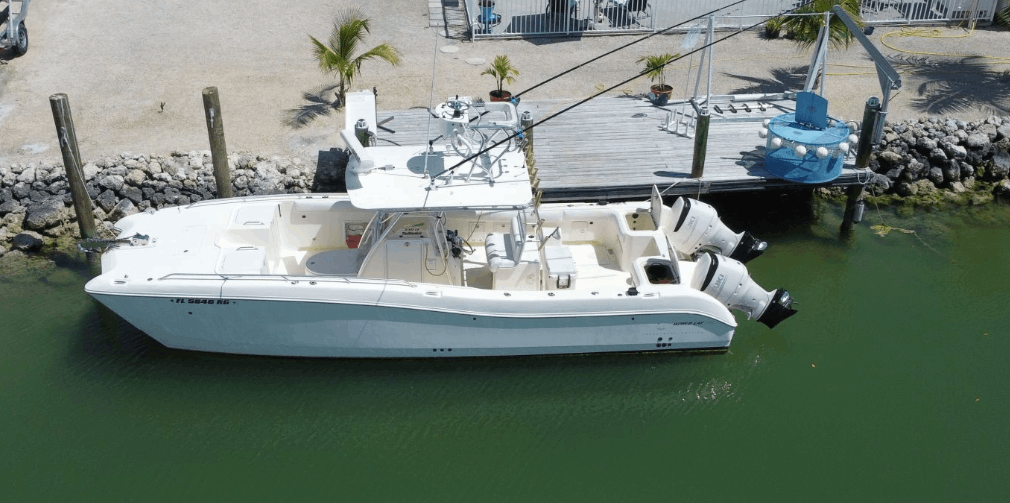
You'll meet at the dock in Marathon, right in the heart of the Florida Keys where the Gulf meets the Atlantic. This spot gives us quick access to some of the most productive offshore grounds in South Florida. The boat heads out into 100-400 feet of water where the real predators live, and you'll spend your time working structure that holds baitfish like a magnet. The crew runs a tight ship – they know when to move spots, when to change baits, and how to read the water conditions to keep you hooked up. This is a 6-person max trip, so there's plenty of room to work without bumping elbows when fish come up hot. The vibe is all business but plenty of fun, especially when someone hooks into a smoker that peels line like it's going out of style. Expect to work for your fish, but that's what makes it worth it when you connect with something that makes your knees shake.
Trolling Tactics & Gear Setup
Most of your fishing time gets spent trolling with a spread of ballyhoo, bonito strips, and artificial lures that mimic the baitfish these predators can't resist. The crew runs multiple lines at different depths using outriggers, downriggers, and flat lines to cover the water column effectively. When you're targeting species like Sailfish and Wahoo, presentation speed matters – too slow and they lose interest, too fast and the baits skip unnaturally. The captain adjusts trolling speed based on conditions and what's showing on the fish finder. All the tackle is tournament-grade stuff that can handle whatever decides to eat your bait, from 30-pound spinning gear for Mahi to heavy conventional setups for big Cobia. When fish come up in the spread, the crew coaches you through the fight, but they expect you to know your way around a fishing rod. Live bait fishing also comes into play when conditions call for it, especially around structure where Grouper and big Snappers hang out waiting to ambush anything that drops into their neighborhood.
Top Catches This Season
The Atlantic Sailfish that cruise these waters are pure adrenaline on a hook. These fish average 6-8 feet long and put on aerial displays that'll have you questioning whether you're fishing or watching a circus act. Peak season runs from December through April when cooler water temperatures pull them closer to shore. They're sight feeders that love bright, flashy baits, and when one lights up behind your trolling spread, the water explodes in a shower of spray and gill-rattling jumps. What makes Sailfish special is their speed – they hit baits at 40+ mph and immediately go airborne, shaking their heads violently to throw the hook.
Tarpon fishing around Marathon is legendary for good reason. These silver giants range from 80-200 pounds and fight like freight trains with an attitude problem. Summer months from May through September offer the best shots when schools move through the area during their annual migration. Tarpon have mouths like concrete mixers – all bone and cartilage that makes hook-setting a real challenge. When you do connect, they launch themselves completely out of the water in jumps that defy physics for something their size. The fights can last an hour or more, testing every bit of tackle and technique you've got. Most anglers consider landing a Tarpon the pinnacle of inshore gamefish achievement, and rightfully so.
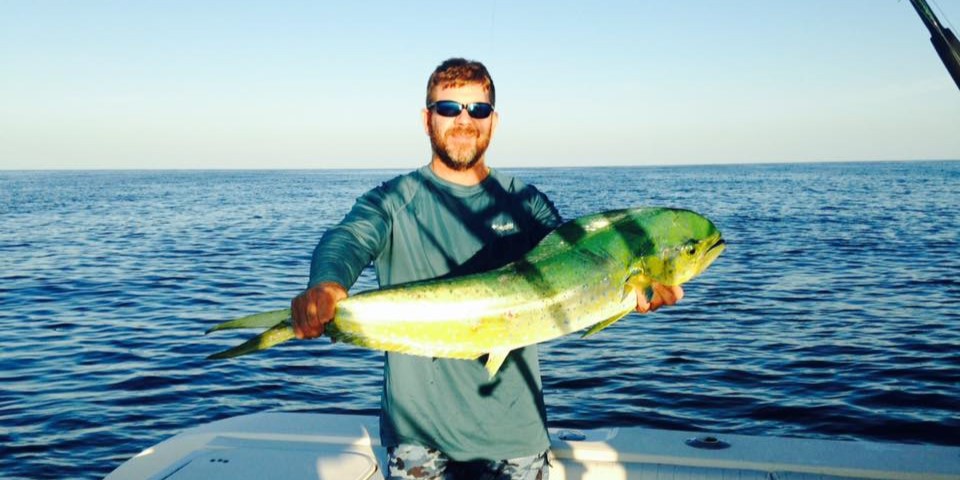
Mahi Mahi bring nonstop action when you locate a school feeding under floating debris or weed lines. These fish grow fast and fight hard, with bulls reaching 40+ pounds and cows providing steady action in the 10-20 pound range. They're opportunistic feeders that attack baits with reckless abandon, often bringing friends to the party. Spring through fall offers consistent action, with peak numbers showing up during summer months. Mahi have incredible colors that light up electric blue and gold when they're hooked, and they taste as good as they look. Schools often stay bunched up, so when you find one, you've usually found dozens.
Wahoo are the speed demons of offshore fishing, capable of hitting trolled baits at speeds that'll snap your line if the drag isn't set perfectly. These torpedo-shaped predators average 20-60 pounds in local waters and have mouths full of razor-sharp teeth that can slice through leader material like a hot knife through butter. Winter months typically produce the best Wahoo fishing around Marathon, when they move in from deeper water to feed on abundant baitfish. Their initial runs are absolutely blistering – pure speed that'll burn your thumb if you try to thumb the spool. The meat is white, flaky, and perfect for grilling or making fish tacos.
Cobia are the bulldogs of the offshore world, using their broad heads and powerful bodies to wage war in the deep water. These fish range from 20-80 pounds around Marathon and fight more like freshwater bass on steroids than typical offshore species. They're curious fish that often follow other hooked fish to the boat, giving alert anglers a chance at bonus hookups. Peak season runs from March through June when they cruise structure and floating debris looking
 Private Trip
 Offshore Fishing
 Marathon, FL


 Four-hour offshore charter targets Mahi, Snapper, and Grouper.