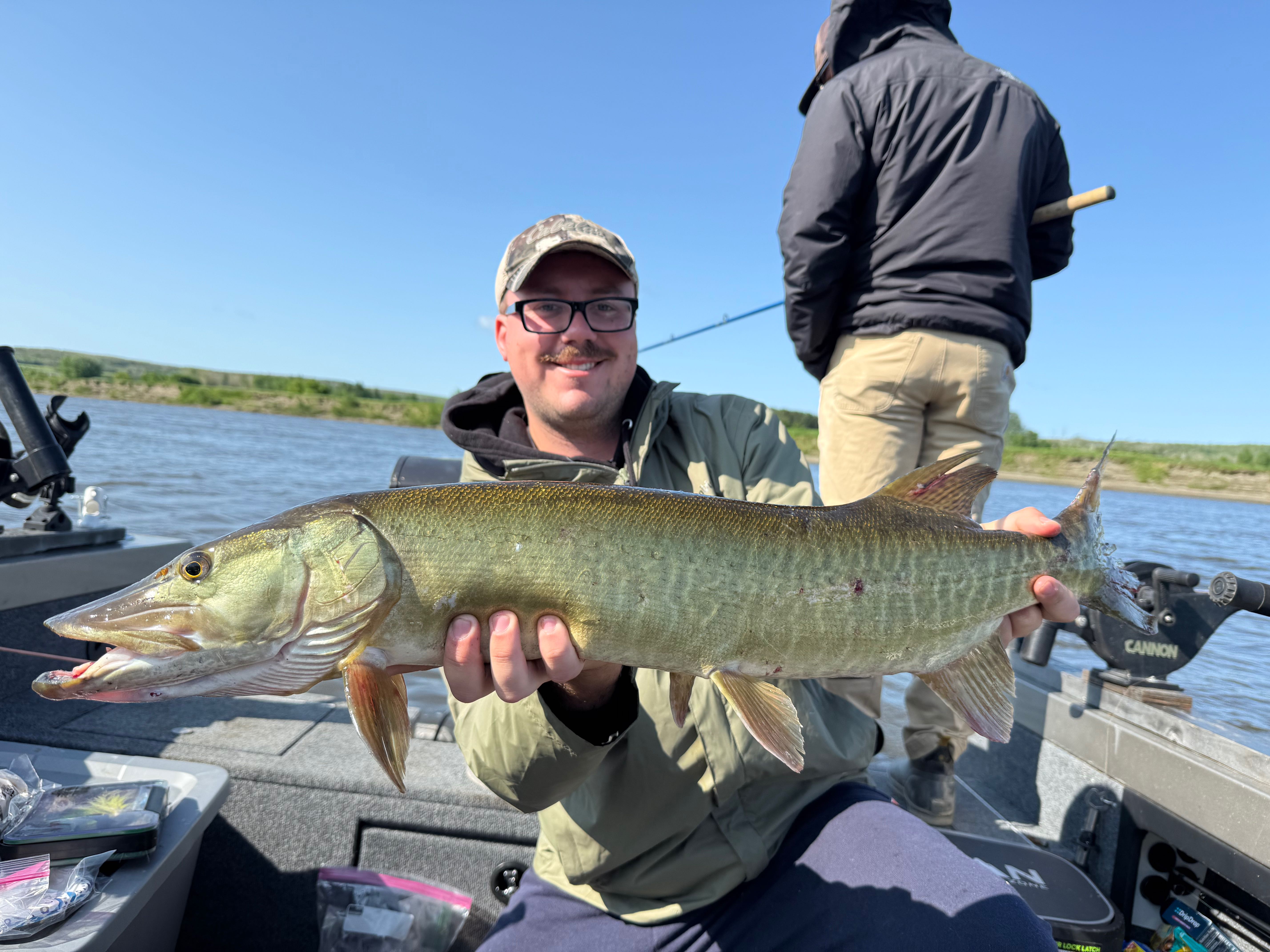
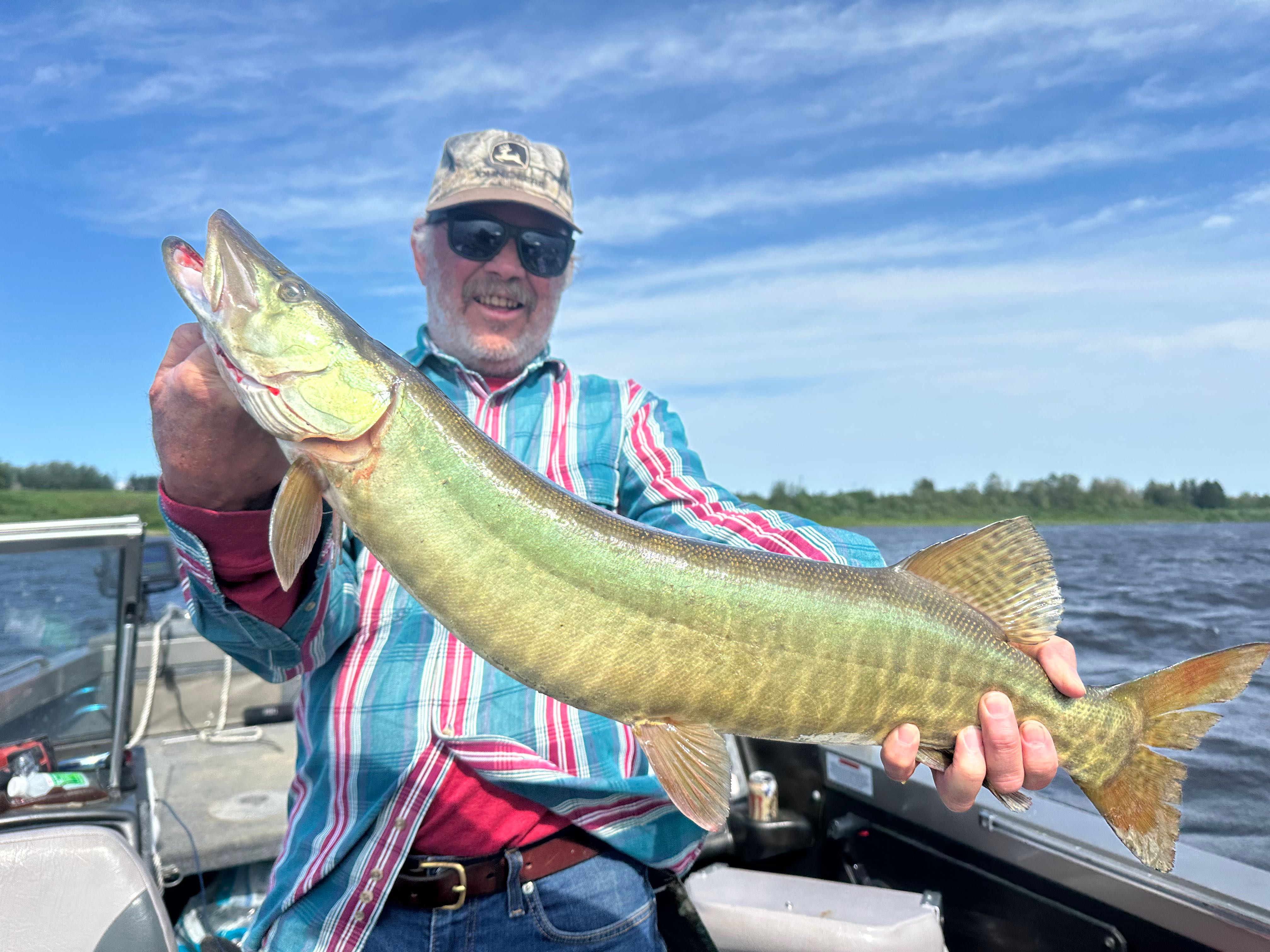
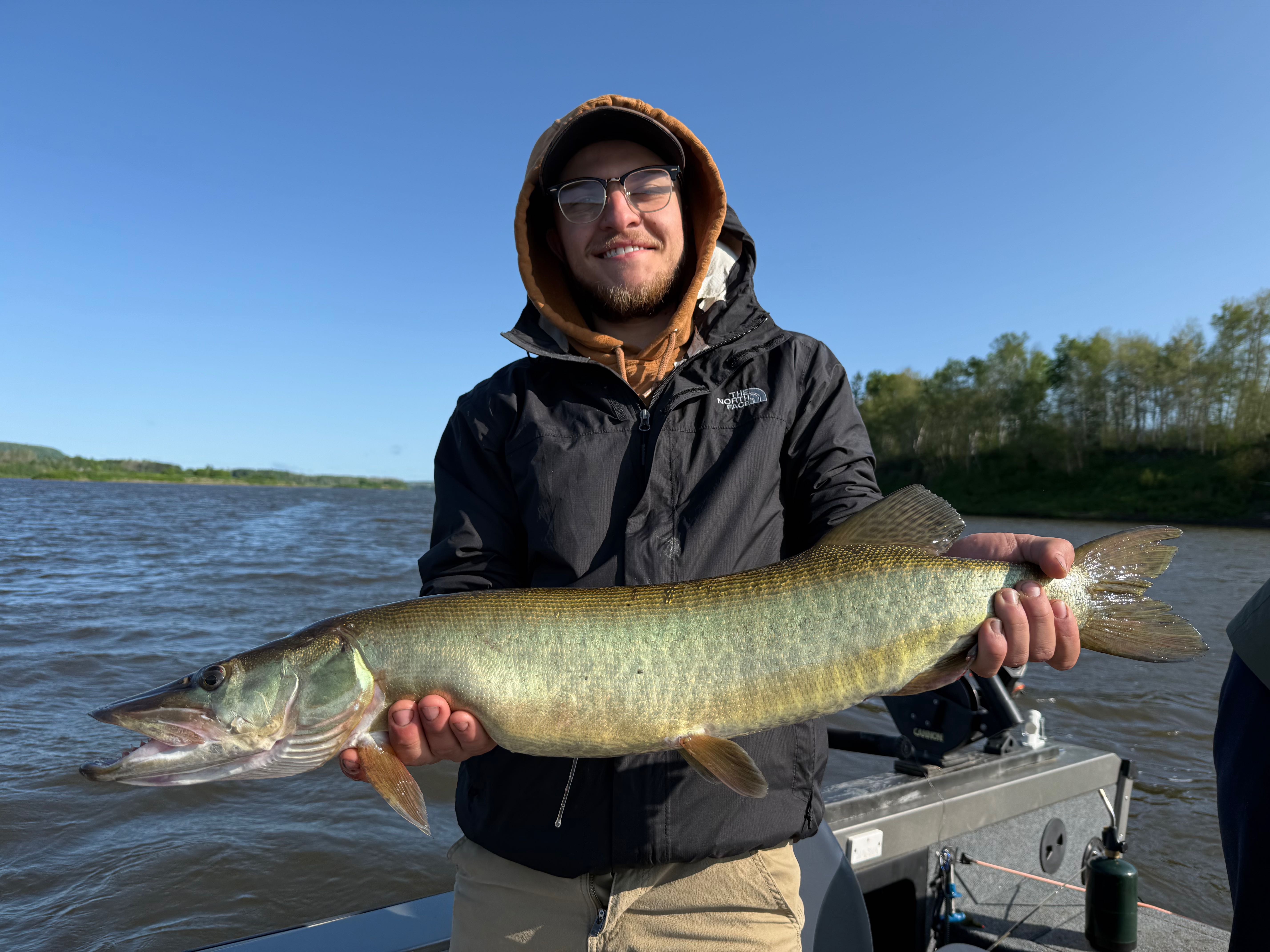
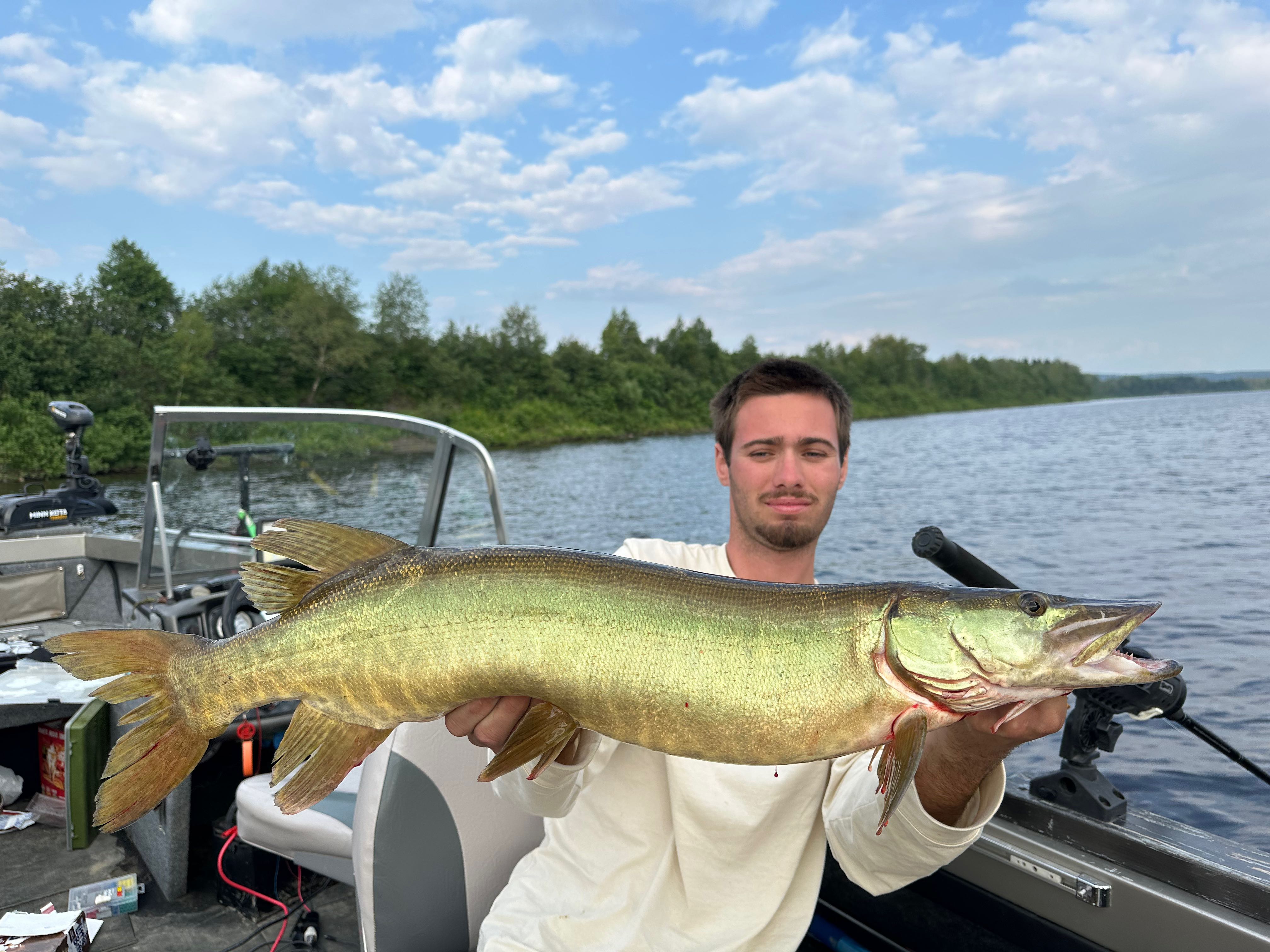
Full Day Ice Fishing in Brownville, Maine
When you're looking for a top-rated ice fishing adventure that delivers both comfort and serious fish-catching potential, this full day trip with Tibbs Fishing Adventures hits all the marks. We're talking eight solid hours on the hardwater, targeting lake trout and landlocked Atlantic salmon in some of Maine's most productive winter fishing spots. You'll be fishing from a heated shelter, so no need to worry about freezing your fingers off while you're working jigs or checking set lines. This private trip keeps things personal with just two spots available, making it perfect for couples, buddies, or a parent-child duo who wants maximum time learning the ropes of ice fishing.
What to Expect on the Water
Your day starts early, but trust me, it's worth the wake-up call. We'll get you set up in a fully heated ice hut where you can actually feel your fingers – a game changer when you're trying to tie on new tackle or handle fish properly. The beauty of this setup is that you're not just standing around a hole hoping something swims by. We run a combination of active jigging and set lines, which means you're always in the action. When fish move, we move with them. That's the difference between a good day and a great day on the ice. The heated shelter gives us the luxury of staying out longer and fishing more effectively, especially during those mid-day periods when other anglers are heading in to warm up. You'll learn proper jigging techniques, how to read your electronics, and when to switch up your presentation to trigger strikes from finicky winter fish.
Ice Fishing Techniques
Ice fishing isn't just about dropping a line and waiting – especially not when you're targeting species like lake trout and landlocked salmon. We use a combination of vertical jigging and tip-ups to cover water and stay on active fish throughout the day. Your jigging setup will typically feature medium-action rods paired with sensitive reels that let you feel every subtle tap or pickup. For lake trout, we'll work deeper water with heavier jigs and live bait, often bouncing bottom or working just above structure. The salmon require a different approach – they're more aggressive and often suspend in the water column, so we'll use smaller, more active presentations. The set lines are your insurance policy; they're fishing while you're jigging, covering different depths and areas. All your gear is provided, from rods and reels to tackle and electronics, so you just need to focus on learning the techniques and enjoying the experience. The heated hut isn't just about comfort – it's strategic, allowing us to stay mobile and fish prime times when other anglers are calling it quits.
Top Catches This Season
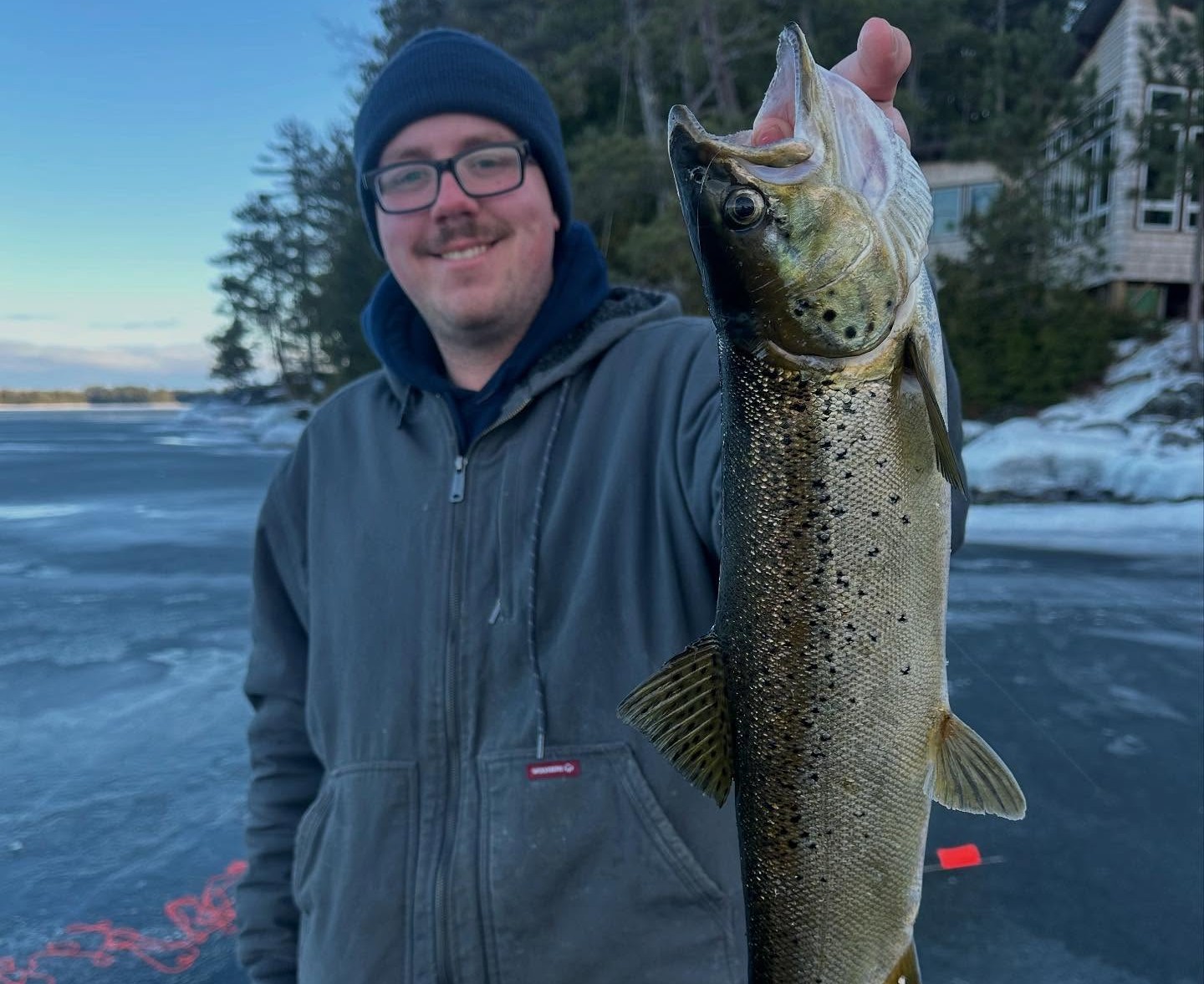
Lake trout are the bread and butter of Maine's ice fishing scene, and for good reason. These deep-water predators can grow to impressive sizes, with fish in the 15-25 pound range not uncommon in these waters. They're most active during low-light periods, but the beauty of ice fishing is that you can target them effectively throughout the day by adjusting your depth and presentation. Lake trout are ambush feeders that relate to structure, drop-offs, and suspended bait schools. They'll hit hard when they decide to feed, and the fight through the ice is something special – long, powerful runs that'll test your drag and your patience. What makes them particularly exciting is their size potential; you never know if the next tap is going to be a cookie-cutter two-pounder or a wall-hanger that'll have you talking about this trip for years.
Landlocked Atlantic salmon bring a completely different energy to the ice fishing experience. These fish are pure dynamite – acrobatic, aggressive, and absolutely beautiful. They typically run smaller than the lake trout, usually in the 14-20 inch range, but what they lack in size they make up for in attitude. Salmon are more active feeders and will often hit lures with authority, then put on an aerial show that'll get your heart pumping. They tend to school up and suspend in open water, following bait schools and staying mobile throughout the day. When you find them, the action can be fast and furious. Their silver sides and spotted backs make them one of the most beautiful freshwater fish you'll pull through the ice, and their fighting ability pound-for-pound is legendary among Maine anglers.
Time to Book Your Spot
This world-class ice fishing experience delivers everything serious anglers want: productive waters, comfortable conditions, expert guidance, and enough time to really get into the rhythm of winter fishing. Eight hours gives you the chance to experience different fishing periods, learn multiple techniques, and hopefully put some quality fish on the ice. The private nature of the trip means you're getting personalized instruction and fishing spots that aren't getting hammered by crowds. With all gear provided, you just need to grab your warmest layers, pack some food to keep your energy up, and make sure you've got that Maine fishing license. The heated shelter setup is a customer favorite because it extends your effective fishing time and keeps you comfortable enough to focus on fishing instead of just surviving. Whether you're a beginner looking to learn ice fishing basics or a seasoned angler wanting to target trophy lake trout and salmon, this trip delivers the goods. Book your spot now and get ready for a day of hardwater fishing that'll remind you why Maine winters aren't just about waiting for spring – they're about getting out there and making the most of ice season.
 Private Trip
 Lakes/Reservoirs/Ponds Fishing
 St. Johns River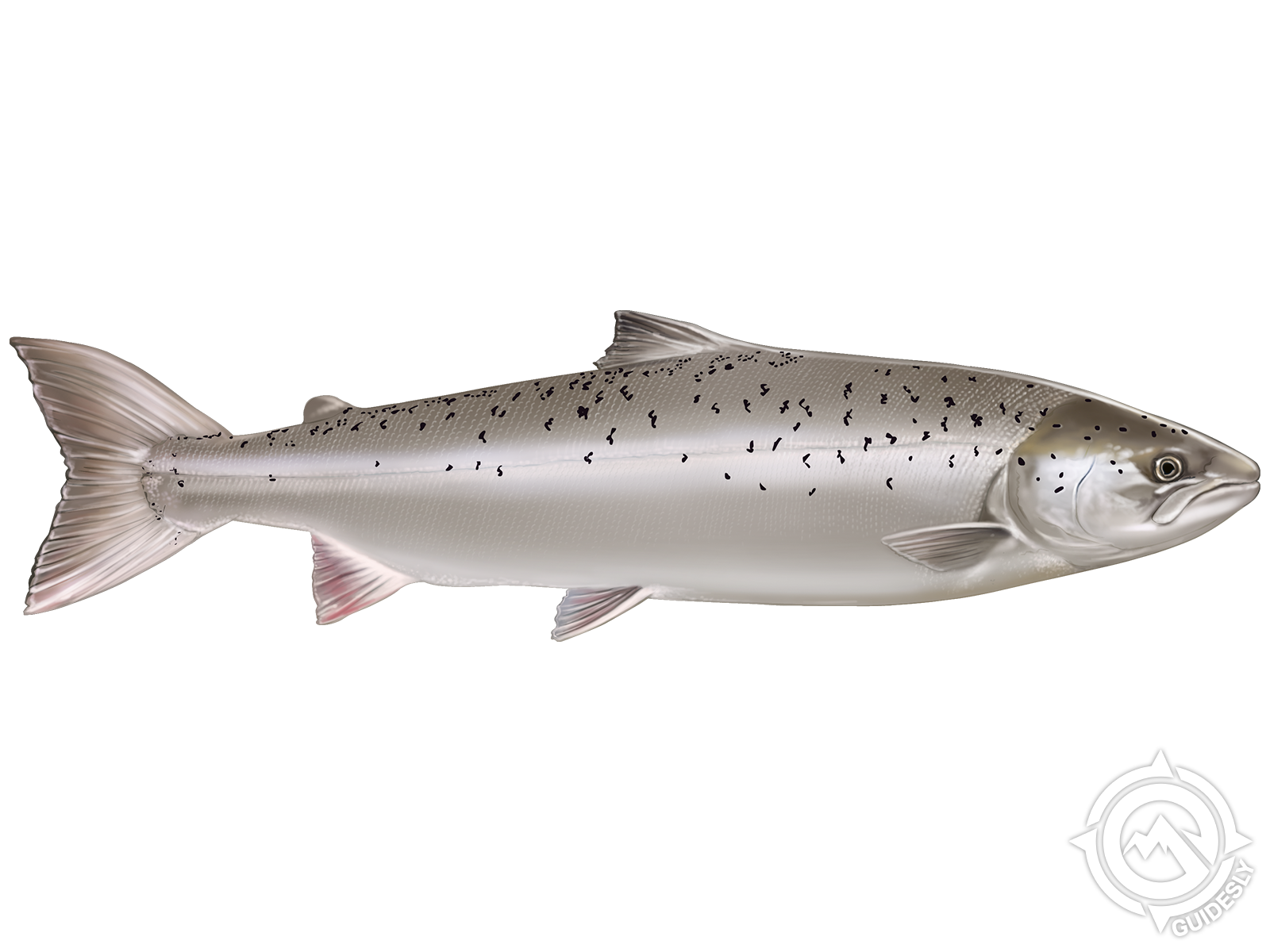

 Full 8-hour ice fishing trip targeting lake trout and salmon