Sight Caster Red Drum Charter – Outer Banks
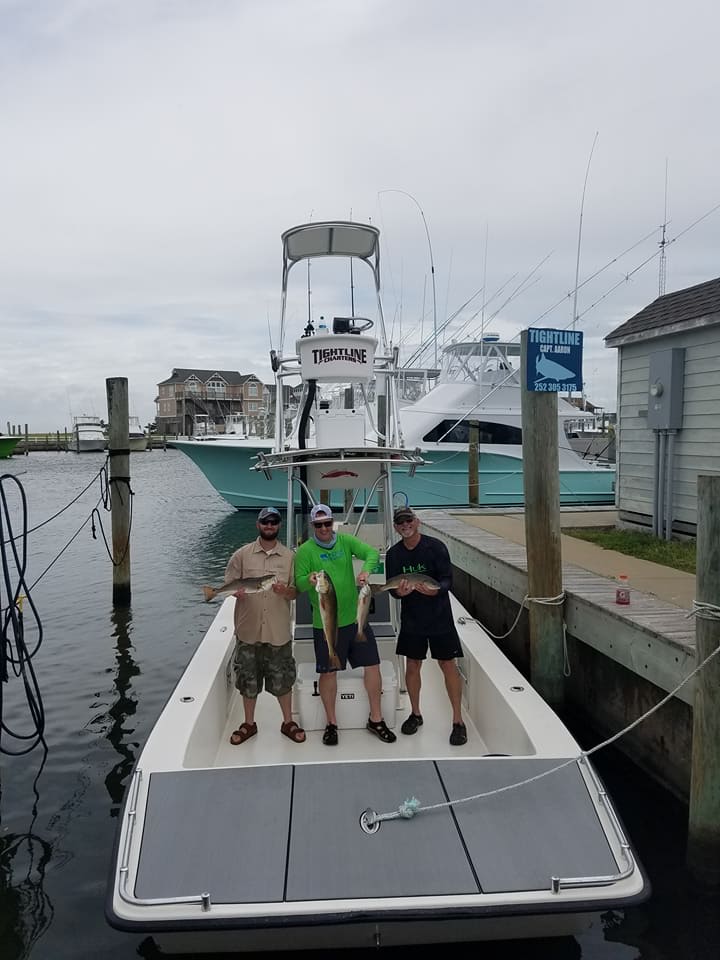
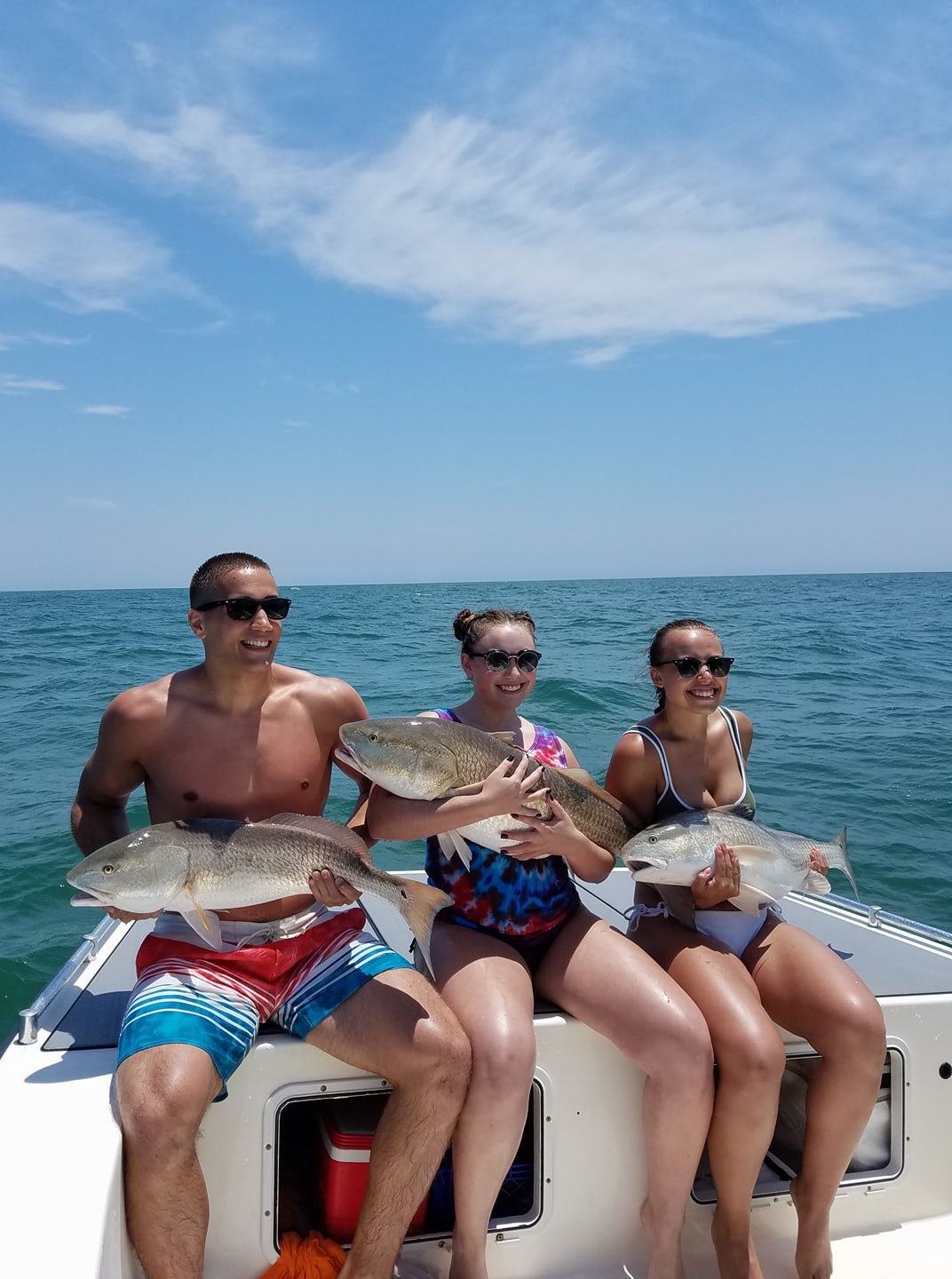
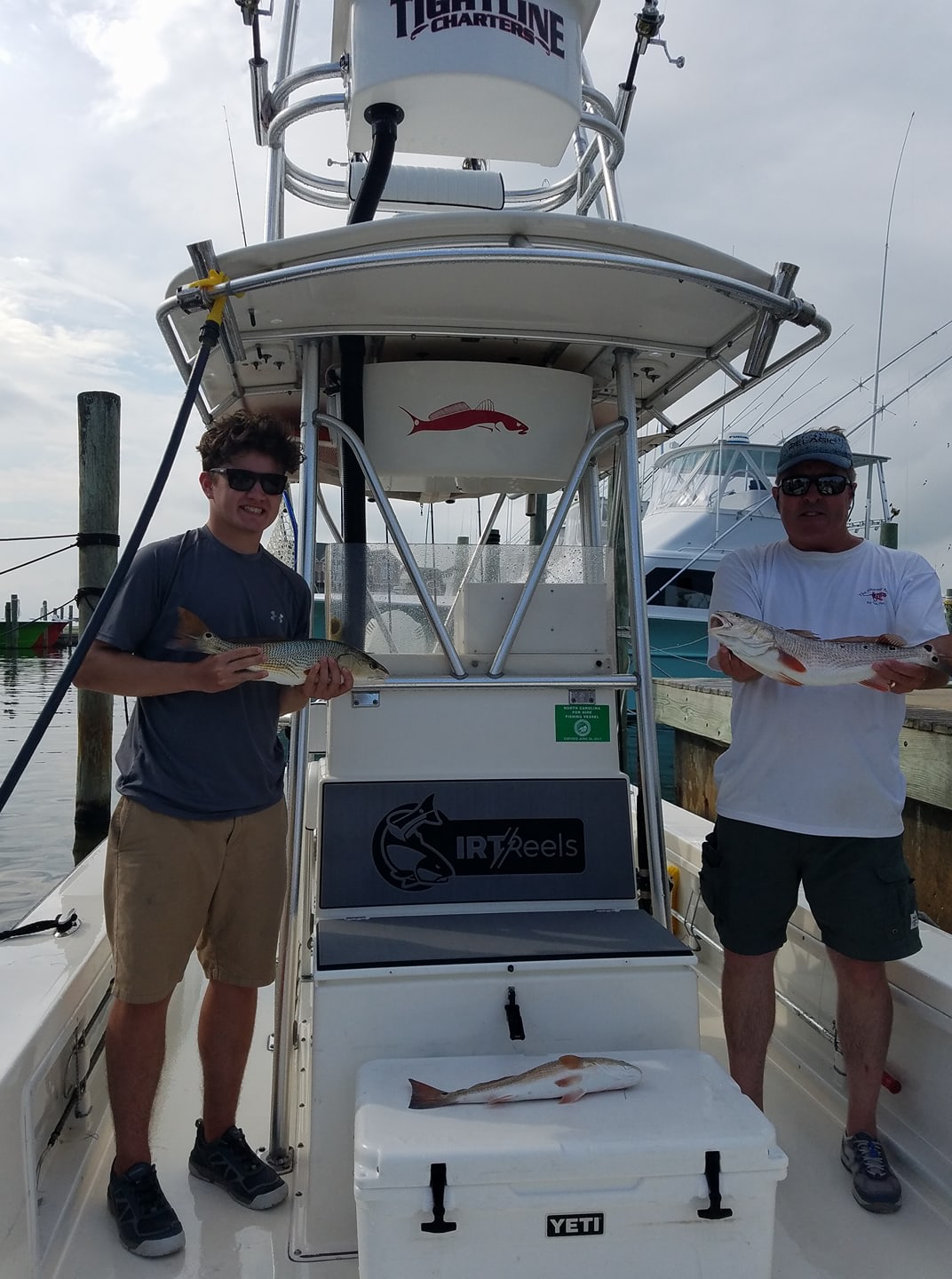
There's nothing quite like stalking red drum on the skinny water flats around Pamlico Sound. Captain Aaron's Sight Caster Special puts you right where the action is – shallow enough to see the fish before they see you, deep enough to hold some serious shoulders. This three-quarter day charter launches at 9am and runs until mid-afternoon, giving you prime time to work the flats when conditions are dialed in. You'll fish the protected waters of Pamlico Sound and surrounding shallows where reds patrol year-round, along with plenty of bonus species that call these waters home. With room for up to four anglers, this trip works whether you're bringing the family or a crew of fishing buddies.
What to Expect on the Water
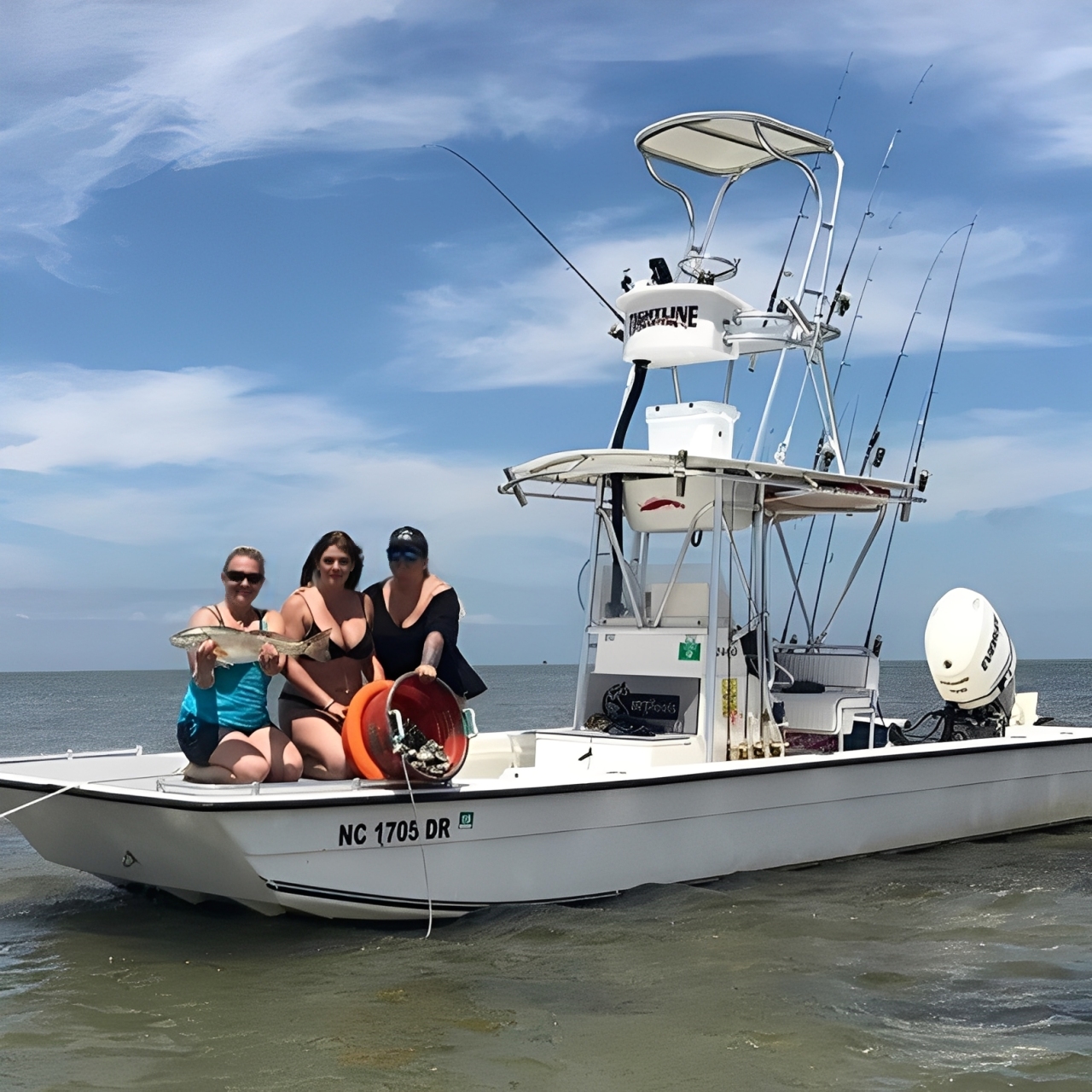
Captain Aaron knows these flats like the back of his hand, and he'll position you on fish from the get-go. The beauty of sight fishing is you're not just casting blind – you're watching redfish cruise the shallows, tailing in knee-deep water, or busting bait along grass lines. Aaron provides all the gear you'll need, from rods rigged for sight casting to the right bait and lures for whatever's biting. He's got your fishing license covered too, so you can focus on the fun stuff. The boat's set up perfect for flats fishing – shallow draft, quiet motor, and a casting platform that gives you the angle you need when a red comes into range. Bring your polarized sunglasses, sun protection, and whatever snacks and drinks you want for the day. If you're 21 and up, feel free to pack some cold ones – just remember you're still fishing, so pace yourself.
Sight Casting the Flats
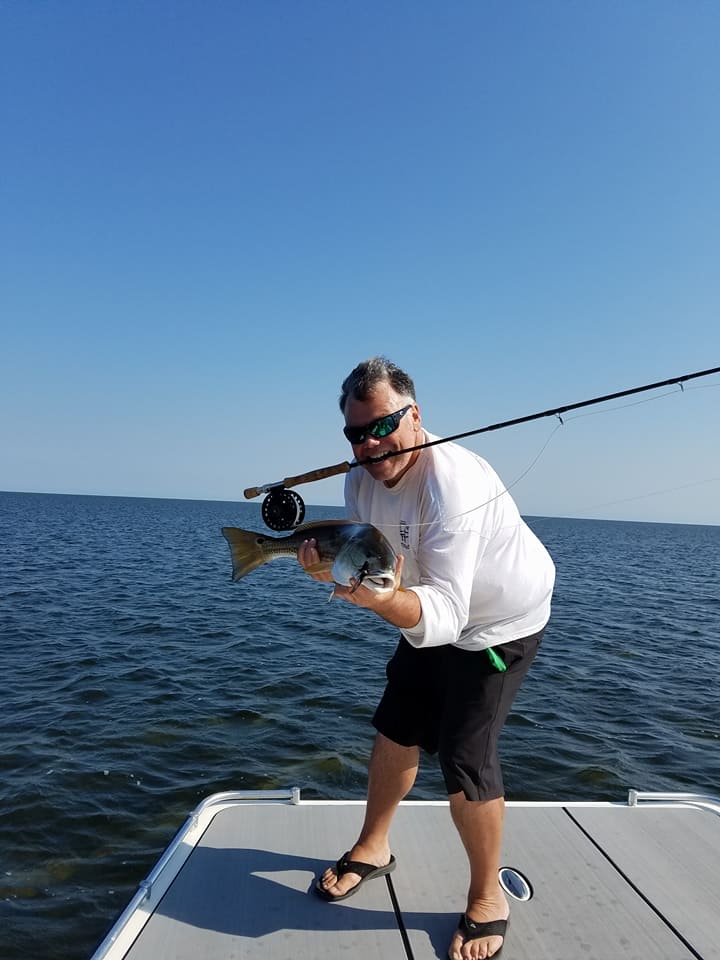
Sight casting is a whole different game from bottom fishing or trolling offshore. You're hunting with your eyes as much as your rod, scanning the water for movement, wakes, or that telltale copper flash of a red drum's back. Aaron will coach you through it – when to cast, where to lead the fish, how to work your bait so it looks natural. The technique takes some getting used to, but once you nail it, you'll never want to fish any other way. These Outer Banks flats are perfect for sight fishing because the water's relatively clear and the bottom structure creates highways where fish travel predictably. You'll work everything from shallow grass beds to sandy potholes, creek mouths to oyster bars. The key is staying quiet and keeping your eyes peeled – these fish are spookier in shallow water, but they're also more aggressive when they decide to eat.
Customer Stories
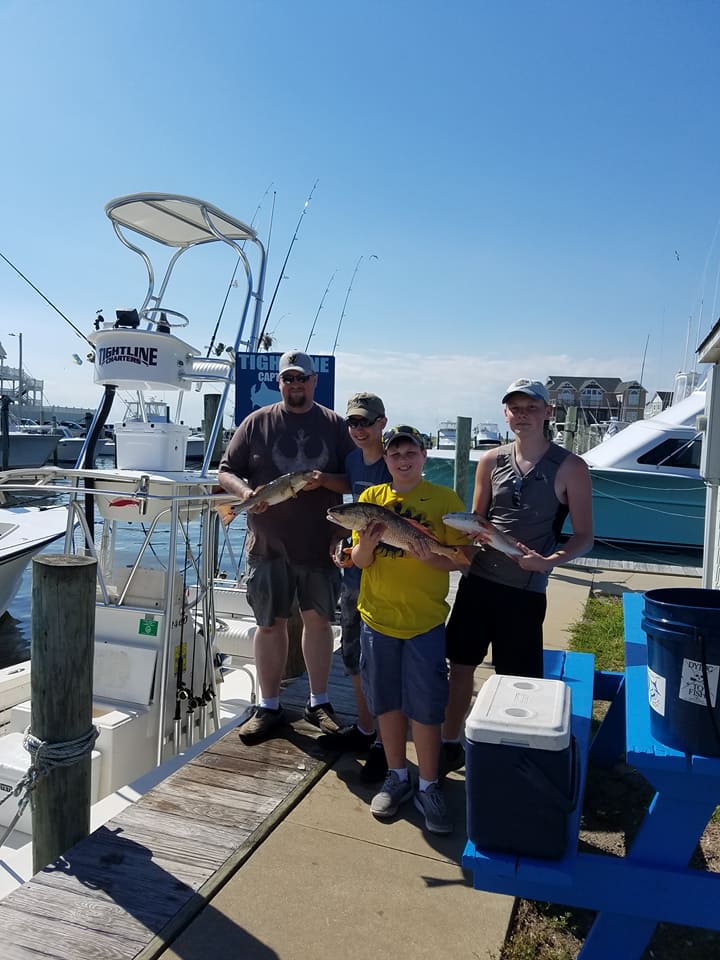
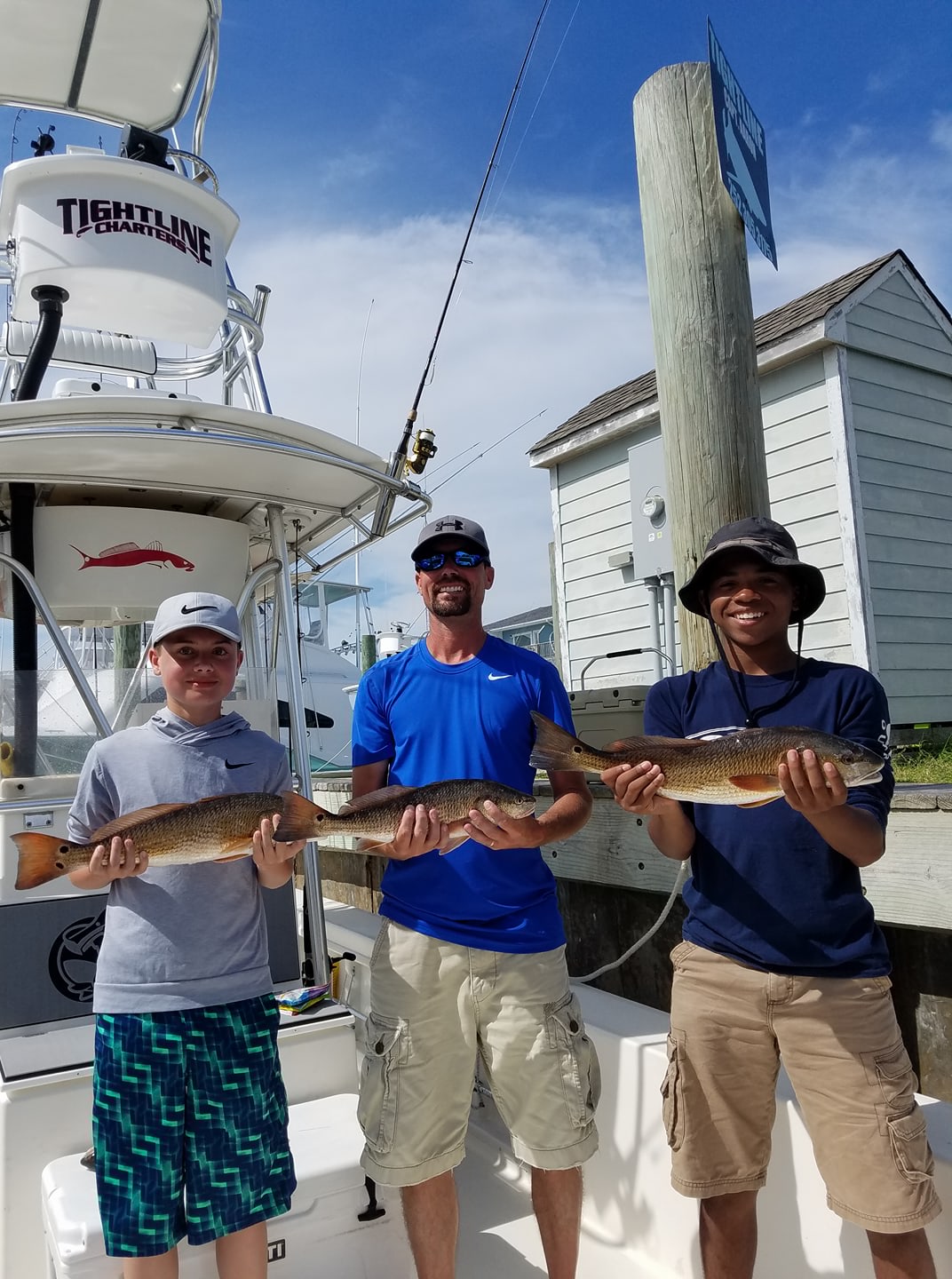
"My dad and I went out with Capt. Aaron today, and we had one of the best mornings of our lives catching BIG red drum. I know this is one of those days that will come up at family get togethers for the rest of our days as we laugh and reminisce. Aaron is, clearly, an expert fisherman, and he's also just a great guy to spend a day with. I can't recommend his charter enough" - Ryan
Species You'll Want to Hook
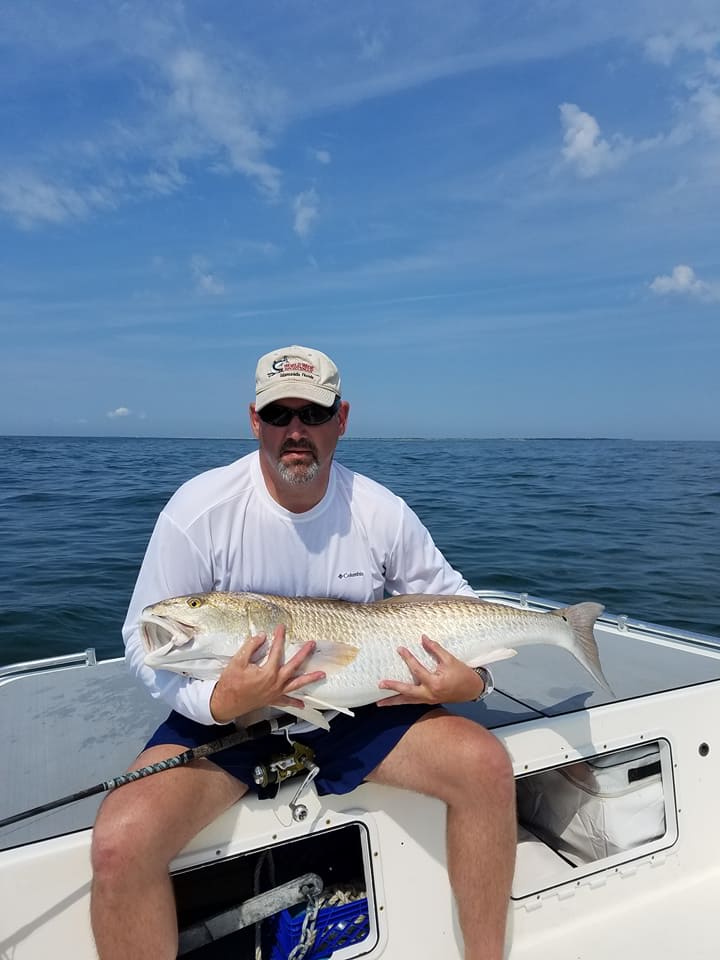
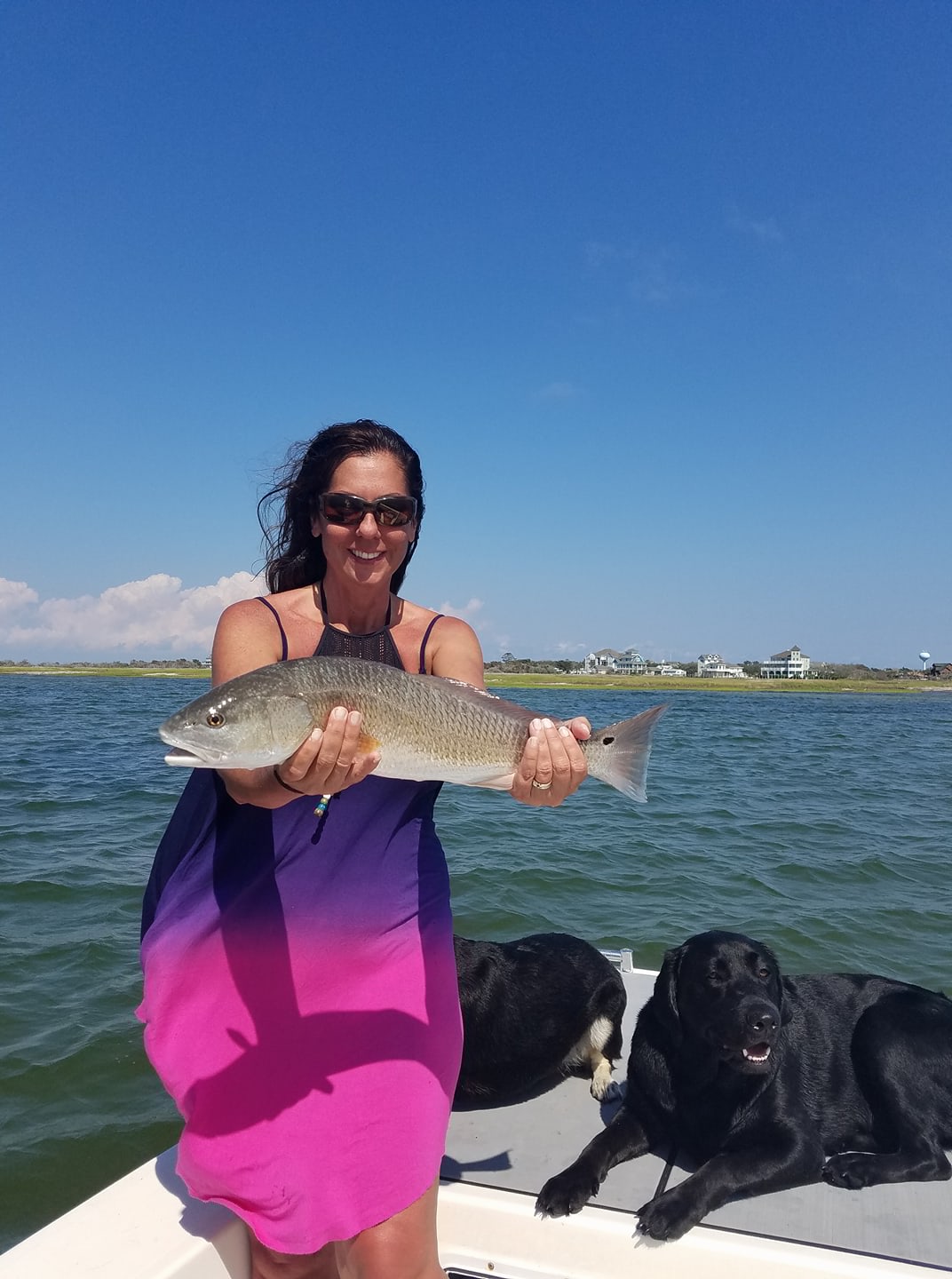
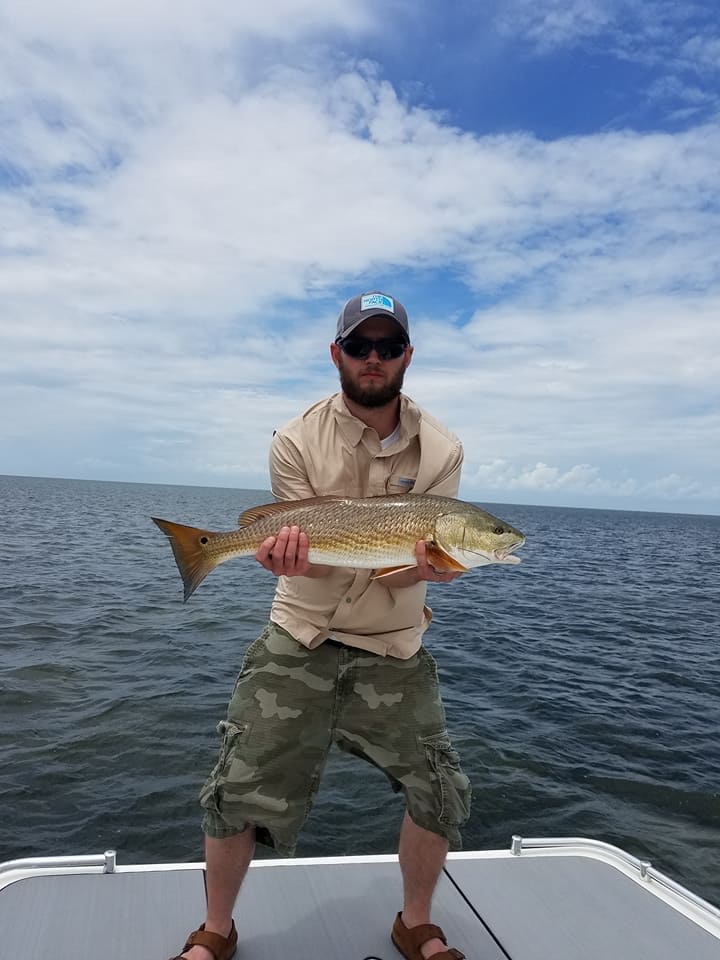
Redfish are the main event here, and for good reason. These copper-colored bruisers patrol the Pamlico Sound flats year-round, though they're most active during the warmer months from April through November. Outer Banks reds typically run anywhere from slot-size fish around 20 inches up to monster bull reds pushing 40-plus inches and 30-40 pounds. What makes them so special is how they feed in shallow water – you'll see them tailing like bonefish, cruising just under the surface, or blowing up schools of baitfish in water so shallow their backs are showing. They're scrappy fighters that'll make long runs and test your drag, plus they're beautiful fish with that distinctive black spot near the tail.
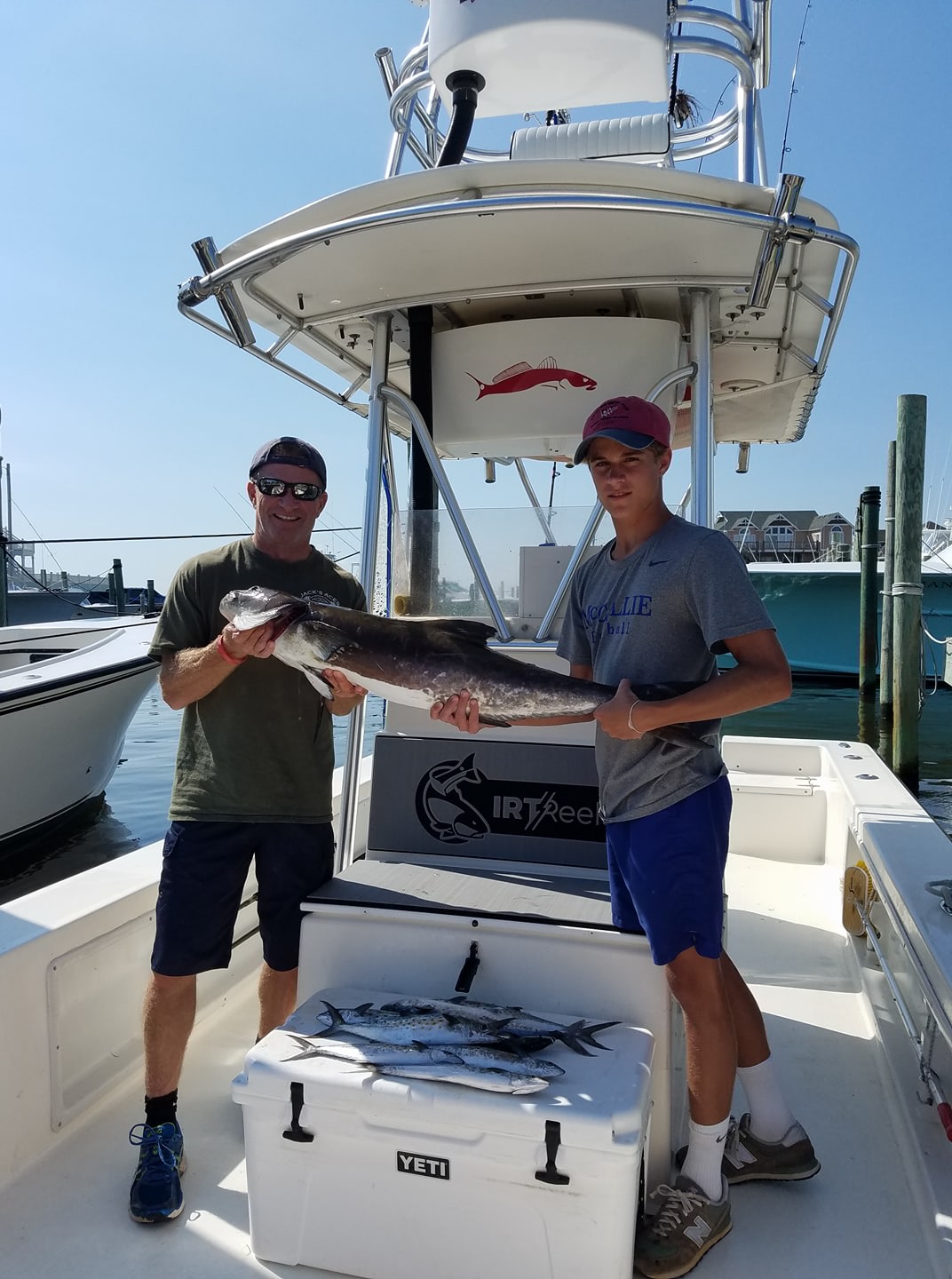
Spanish Mackerel show up in big numbers during their seasonal runs, typically from late spring through early fall. These speed demons are perfect for light tackle fishing and they're aggressive as hell when they're around. You'll find them busting bait on the surface or hanging around structure in 10-20 feet of water. They're not huge fish – most run 1-3 pounds – but they're fast, they jump, and they're excellent table fare if you want to take a few home. Spanish macks respond well to small spoons, jigs, or live bait, and when you find a school, you can often catch them back-to-back until your arms get tired.
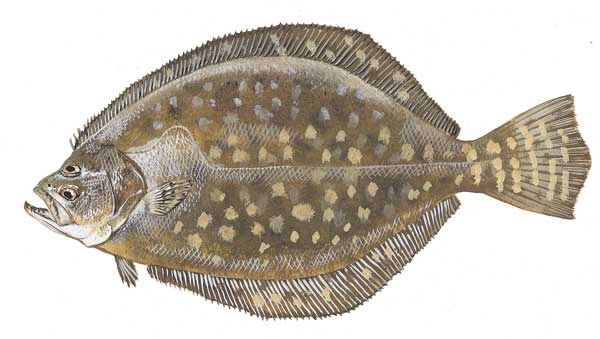
Southern Flounder are the ultimate ambush predators in these waters. They bury themselves in sand or mud near creek mouths, oyster bars, and channel edges, waiting for unsuspecting baitfish to swim within striking distance. Peak flounder season runs from late summer through fall, when they're fattening up before their offshore spawning migration. A good flounder will go 3-8 pounds, with occasional doormat-size fish pushing double digits. They're tricky to hook because they often grab bait and swim off with it before fully committing, so you need patience and the right technique. But they're worth the wait – flounder are hands-down some of the best eating fish in the ocean.
Black Drum are the heavyweights of the sound, with big fish commonly reaching 30-50 pounds or more. They're bottom feeders that love structure – oyster rocks, bridge pilings, channel edges where they can root around for crabs and shellfish. Black drum fishing is more about patience and feel than sight – you're fishing on the bottom with crab or shrimp, waiting for that distinctive tap-tap-pull that signals a drum has picked up your bait. Spring and fall are prime time for big black drum, especially around the new and full moon phases when tides are strongest. These fish are pure muscle and will test every bit of your tackle when hooked.
Sea Trout, or speckled trout,
 5.0(1 Reviews)
 Private Trip
 Flats/Shallows Fishing
 Hatteras, NC



 Target red drum in Pamlico Sound flats with Captain Aaron